
Review · TANZANIA COOKING CLASSES
Arusha: Traditional Tanzania Cooking class& Food Market Tour
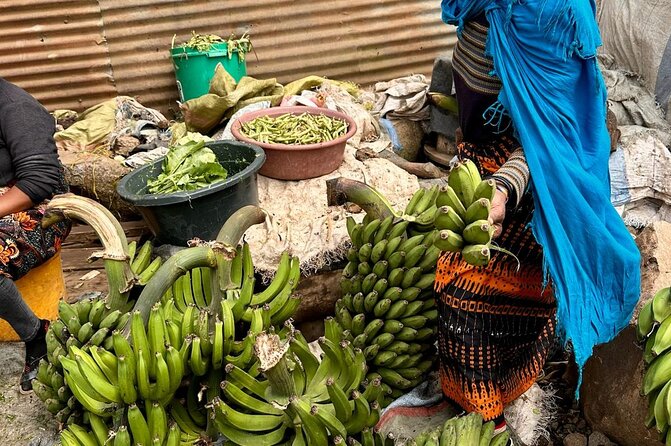
Arusha’s food market is the real starting point here. You walk past sacks of dry goods, meat stalls, fruit, vegetables, and vendors carrying on with their daily work before choosing ingredients for your own meal. I like that the market visit is not just a quick photo stop, and I like the chance to cook in a local home with a Tanzanian chef such as Neema. The main drawback is that cooking can run long, and drinks are not included.
I also like the personal touch from guides such as Liroy and Israel, who explain the products, answer questions, and help you move safely through the market. Hand washing and food-preparation standards may feel less exact than you expect at home, especially when meat is involved, so visitors with strict hygiene needs should take note.
Key points to know before booking
- Market shopping comes first: Spend about 30 to 50 minutes seeing Arusha’s central food market and selecting ingredients.
- You cook the food yourself: The chef demonstrates each step, then gives you a turn at chopping, mixing, shaping, or cooking.
- The menu is properly Tanzanian: Expect plantain banana, chapati, ugali, vegetables, and an optional stewed or barbecued meat dish.
- The setting is local and simple: Cooking takes place in a small home rather than a polished culinary school.
- Pickup is included: You are collected and returned to your hotel in Arusha town.
- The price is strong value: At $45 per person, the cost covers transport, the market visit, ingredients, instruction, and your meal.
Arusha’s market is the heart of the experience
The tour begins with hotel pickup near central Arusha. That removes the usual guesswork over finding a meeting point, which is useful if you have only recently arrived or are still getting your bearings in town.
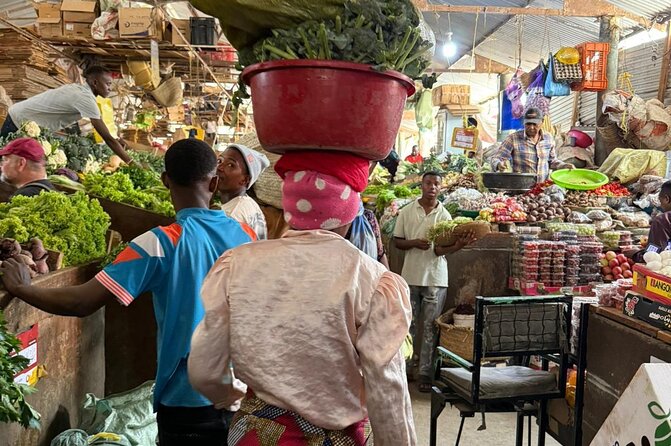
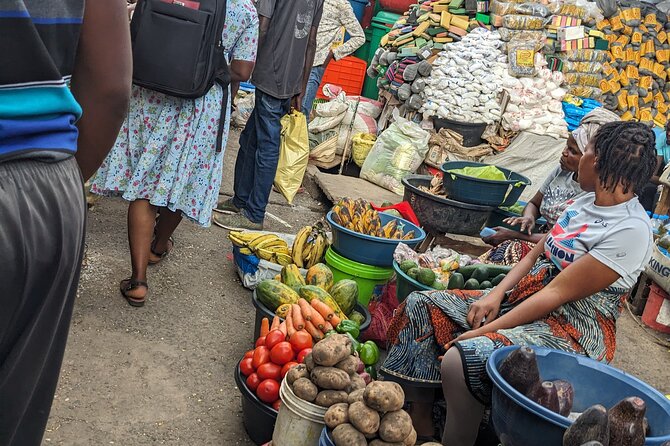
From there, you head to a local central food market. Allow roughly 30 to 50 minutes for this part. It is a working market, not a staged display for visitors, so you may see dry foods, fresh fruit, vegetables, meat, and other everyday supplies arranged in a practical, sometimes crowded setting.
I like this approach because Tanzanian cooking makes more sense once you see the ingredients in their normal setting. Your guide can explain what different products are used for, how vendors sell them, and how food fits into daily life in Arusha. Guides including Liroy and Israel have been singled out for giving clear explanations about the market, the town, and the food.
You have time to stop, ask questions, and take photos. Do keep your camera use sensible and polite. You are visiting a place where people are working, shopping, and moving goods, so the best photographs come from paying attention to the people around you rather than treating every stall as a prop.
One practical detail matters here: market floors and walkways can be busy, and workers may carry heavy loads. Wear comfortable shoes and stay alert as you walk. A guide may help steer you aside when loads pass through, but you should still keep your own eyes open.
More Cooking Classes with a Market Tour in the world:
- Hanoi Cooking Class: Culture, Local Market & Meaning CSR Impact
★ 5.0 · 5,147 reviews - 5 Traditional Dishes Hanoi Cooking Class with Market Trip
★ 5.0 · 4,890 reviews - Cooking Class and Lunch at a Tuscan Farmhouse with Local Market Tour from Florence
★ 5.0 · 4,831 reviews
Choosing ingredients for your cooking lesson
The shopping is part of the lesson. Instead of arriving at a kitchen where every ingredient has already been measured, you see the products first and then help choose what will go into the meal.
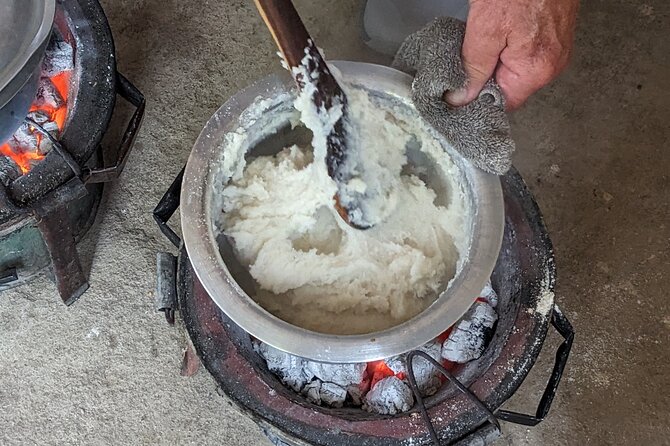
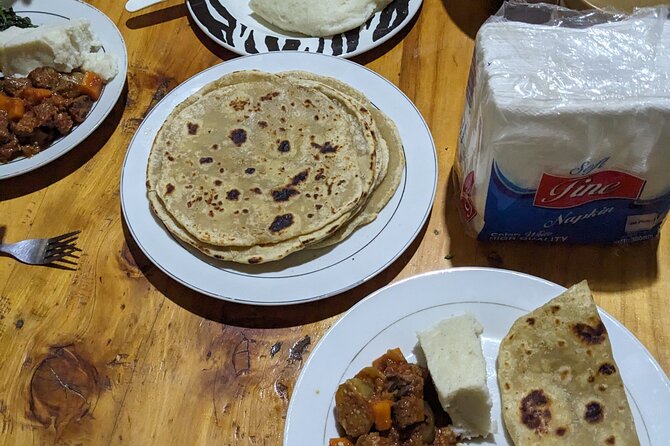
The exact menu has some flexibility. You prepare three or four common Tanzanian dishes from a selection that includes plantain banana, chapati, ugali, and vegetables. If you eat meat, you can also have a stewed or barbecued dish.
That choice is useful for different appetites. Plantain brings a soft, starchy side with a mild sweetness. Chapati gives you a hands-on dough task and a familiar flatbread to recreate later. Ugali is one of the best-known staples in East African cooking, and learning how it is prepared gives you a better sense of how Tanzanian meals are built around filling, simple foods.
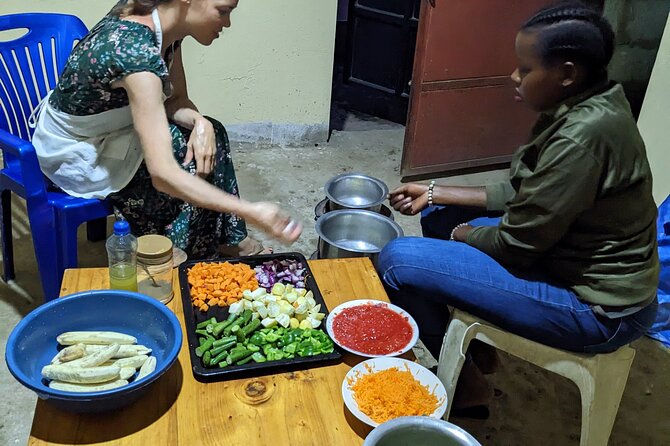
The vegetable dish changes with the ingredients available. That is part of the appeal. You are not simply following a fixed restaurant menu. You are working with the food selected during the market visit.
If you choose meat, expect the cooking process to include handling raw ingredients. One participant noted that soap and water were available, but that hand washing and cleaning of cutting boards did not meet stricter American expectations. All of the food was fully cooked, but I would still recommend washing your hands carefully and asking the chef about anything that concerns you.
Cooking in a local home with Neema
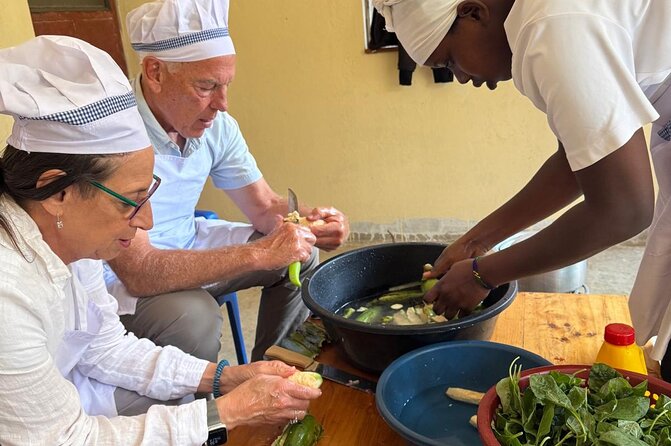
After the market, you move to the cooking location for a lesson lasting about one to three hours. The setting is a small local house with a washroom, not a large professional kitchen. That makes the activity feel close to ordinary home cooking, though it also means you should not expect restaurant-style equipment or presentation.
Chef Neema has been praised for being friendly, well prepared, and good at making the lesson enjoyable. Her method is straightforward: she shows you a step, then lets you take over while she handles another task. You are not merely watching a demonstration from the corner of the room.
Cooking may take place on charcoal and propane stoves. This gives you a useful look at the tools used in a home setting, but the pace can be slower than you expect. One person found the class longer than anticipated, though the finished food made the extra time worthwhile.
That slower pace is worth considering before you book. This is not a quick demonstration followed by a restaurant lunch. You may be mixing dough, waiting for a dish to cook, preparing several foods in sequence, and pausing while the chef handles a hot pan or stove.
I like that the dishes are approachable. You do not need advanced cooking skills to take part, and you can see how each dish develops. Guides and the chef may also take photos of you while you cook, so you can leave with a record of the activity as well as the recipes.
What the finished meal is like
Once the cooking is complete, you sit down with the group and eat the food you made. This is a simple but important part of the experience. You are not just learning isolated recipes. You are seeing how the dishes work together as a full Tanzanian plate.
The food is fresh because you selected the ingredients shortly before cooking. It is also made in a local home rather than assembled for a tour group in a commercial restaurant. That gives the meal a personal quality, especially when you have spent the morning talking with the guide and chef.
The meal can include plantain, chapati, ugali, vegetables, and meat if you selected it. If there is enough food left, you may be able to pack some to take back to your hotel. That is a useful bonus after a long cooking session, but it depends on how much remains.
Drinks are not included. Bring this into your planning, and consider arranging water during the tour. One guide went to get water and a beer when these were needed, but you should not count on drinks being part of the package.
More Food and Drink Outings in the world:
- Small Group Cooking Class & Market Food Tour in Florence
★ 5.0 · 1,574 reviews - Paella Cooking Class, Wine Tasting & Central Market in Valencia
★ 5.0 · 1,150 reviews - Athens: Food Market Visit and Cooking Class with Wine
★ 4.9 · 1,087 reviews - Undiscovered Charleston: Half Day Food, Wine & History Tour with Cooking Class
★ 5.0 · 948 reviews
The value of $45 for five hours
At $45 per person, this is a good-value half-day activity if you want more than a standard restaurant meal. The price includes hotel pickup and drop-off, the market visit, the guide, ingredients, the cooking class, and the meal.
The strongest value comes from combining several separate activities in one booking. A market walk alone would give you local context but not much practical skill. A cooking lesson alone might teach recipes but miss the connection between the food and the place where it is bought. Here, the two parts support each other.
You also receive a meal and take-home recipes and skills. That matters because the experience continues after you leave Tanzania. Chapati, ugali, plantain, and vegetable dishes are the sort of foods you can try again in your own kitchen, though you may need to adjust ingredients based on what is available at home.
The price does not include drinks or accommodation, so it is not an all-inclusive day. Still, transport and food are already covered, and five hours gives you enough time for real contact with the market and kitchen.
Timing, transport, and the day’s pace
The advertised duration is five hours, with the market lasting about 30 to 50 minutes and the cooking class taking one to three hours. The remaining time allows for hotel transfers, moving between locations, shopping, preparation, and the shared meal.
Start times depend on availability, so check before booking. Pickup is offered from hotels in Arusha town, but if your accommodation is far outside the city center, confirm the pickup area in advance.
Transport can be part of the local feel. One outing included a tuk-tuk ride from the lodge to the market. The exact vehicle may vary, but the important point is that the tour handles the transfer rather than leaving you to arrange each move yourself.
The schedule may not run like a train timetable. Market conversations, ingredient choices, and cooking steps can take longer than planned. I would avoid booking this immediately before a fixed airport transfer or another activity with a hard start time.
Comfortable shoes and comfortable clothes are the right choice. Long pants are required, and they make sense for a market walk and home kitchen. Do not bring weapons or sharp objects. A normal kitchen knife is supplied as part of the cooking activity, so there is no reason to carry your own.
Who will enjoy this most
I would choose this for someone who wants direct contact with ordinary food and daily life in Arusha. It suits curious eaters, home cooks, couples, small groups, and anyone who prefers a shared meal to a formal restaurant stop.
It is also a good fit if you want a gentle introduction to Tanzanian cuisine before going on safari or continuing through the country. The dishes are familiar enough to approach without fear, but the ingredients and preparation give you something new to learn.
The activity may be less suitable if you want a polished culinary studio, strict timing, or highly controlled food hygiene. The home setting is one of its strengths, but it also means the equipment and cleaning routine may be basic.
You should also allow for a social experience. The cooking is done with a local chef and guide, and conversation is part of the day. If you like asking questions about food, markets, and life in Tanzania, you will get more from the experience than someone who wants to stay quiet and simply watch.
The tour is offered in English. A live guide leads the day, and the guides named in the feedback include Liroy, Israel, and chef Neema. The exact staff member may depend on the date, but the guide-led format remains central.
How to make the most of the class
Wear clothing you do not mind getting a little dusty or splashed. Keep your phone or camera ready for the market, but store it safely while you cook.
Ask what you will prepare before shopping. The menu allows some choice, and knowing the options helps you decide if you want meat or prefer a vegetarian plate.
Wash your hands carefully before cooking and after handling raw meat. Soap and water are available, but I would take responsibility for a thorough wash rather than assume the kitchen will follow the same routine you know from home.
Bring patience. A proper meal made from market ingredients takes time, especially when several dishes are prepared at once. The reward is that you get to eat food you helped make, not simply watch someone else cook.
Finally, ask for the recipes and cooking tips before you leave. The activity is designed to send you home with enough knowledge to repeat the dishes, and writing down small details about texture, heat, and timing will make that much easier.
Should you book this Arusha cooking class?
I would book it if you want a friendly, hands-on look at Tanzanian food and do not mind a simple home setting. The market visit, personal guide service, fresh ingredients, and shared meal give you far more substance than a short cooking demonstration.
The main cautions are the flexible pace, missing drinks, and basic food-preparation environment. If those points are acceptable, $45 is a fair price for five hours of transport, shopping, instruction, and food.
For the best experience, wear long pants and sturdy shoes, bring water money, leave your schedule open, and arrive ready to cook rather than merely observe. This is a strong choice for anyone who wants to bring a few useful Tanzanian recipes home.
FAQ
How long does the Arusha cooking class and market tour last?
The experience lasts about five hours. The market visit takes roughly 30 to 50 minutes, and the cooking class lasts between one and three hours, with time also needed for transfers, shopping, preparation, and the meal.
What food will I cook?
The menu includes plantain banana, chapati, ugali, and vegetables. Meat may also be available as a stewed or barbecued dish.
Is hotel pickup included?
Yes. Pickup and drop-off are included for hotels in Arusha town, with the meeting arrangement handled at your hotel.
Is the tour offered in English?
Yes. The activity includes a live English-speaking guide.
Are drinks included in the price?
No. Drinks are not included, so you should plan to purchase or bring your own water and other beverages.
What should I wear and bring?
Wear comfortable shoes, comfortable clothes, and long pants. You may also want a camera for the market. Weapons and sharp personal objects are not allowed.
Can I cancel the booking?
You can cancel up to 24 hours before the experience for a full refund. You can also reserve now and pay later, which keeps your plans flexible.
More Food Outings in the world
- Vietnamese Food Cooking Class in Hanoi with Market Experience
★ 5.0 · 778 reviews - Milan: Italian Cooking Class with Food and Wine
★ 4.7 · 509 reviews - Mexican Cooking Class with Food Market Visit in Mexico City
★ 5.0 · 506 reviews - Ao Nang: Hands-on Learn to Cook 3 Popular Thai’s street food
★ 4.8 · 417 reviews
Newest classes around the world
- Aroidee’s Farm-Fresh Thai Cooking Experience★ 5.0 · 8 reviews
- Authentic Thai Cooking Class and Farm Visit in Chiang Mai★ 5.0 · 66 reviews
- Signature Thai Cooking Course★ 5.0 · 79 reviews
- Half Day Guided Thai Cooking Class in Chiang Mai★ 5.0 · 13 reviews
- Yummy Tasty Thai Cooking School in Chiang Mai★ 5.0 · 2 reviews
- Northern Thai Cooking Class in Chiang Mai in a Countryside Home★ 5.0 · 2 reviews
- Private Half-Day Thai Cooking Class in Chiang Mai★ 5.0 · 4 reviews
- Online Thai and Akha Cooking Class★ 5.0 · 70 reviews
Tanzania Cooking Classes, compared.
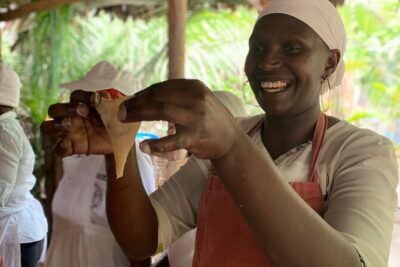
NGO Lifted Strong – Traditional Tanzanian Cooking Class
Read our review →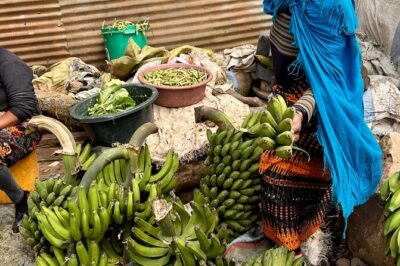
Arusha: Traditional Tanzania Cooking Class & Food Market Tour
Read our review →
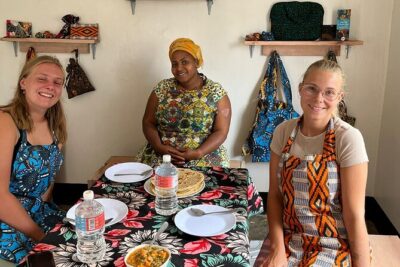
Cooking and Sewing & Jewelry Workshops in Arusha
Read our review →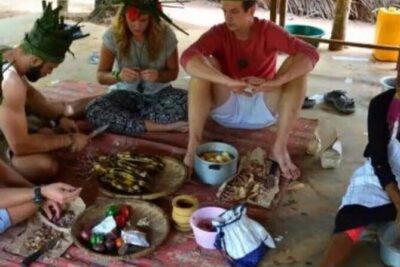
A private half day spice farm with a cooking lesson
Read our review →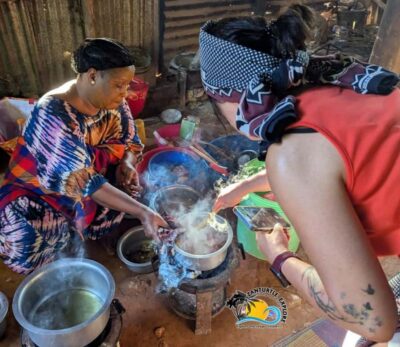
Arusha: Local Tanzanian Cooking Class by Kingstone Asilia
Read our review →Browse the lists this tour appears in