
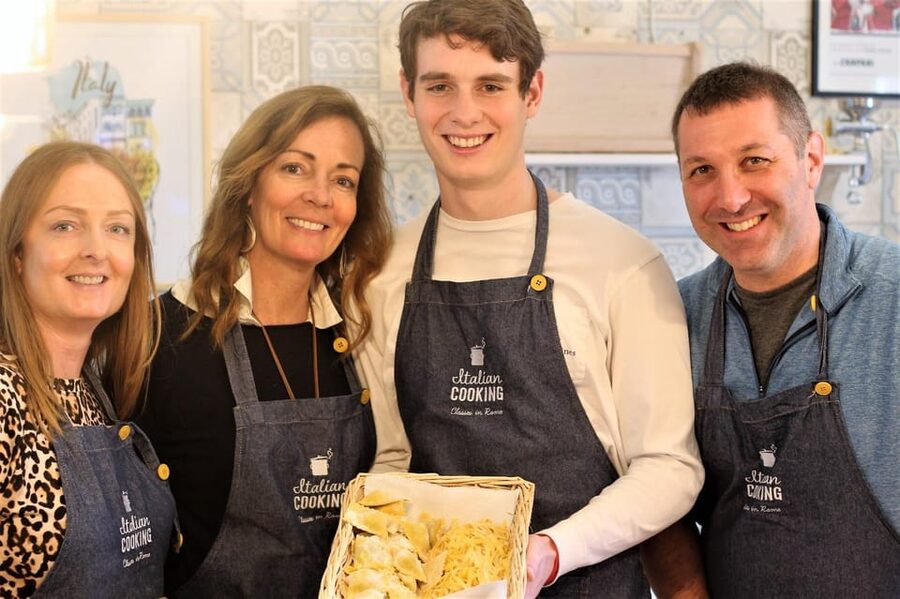
Review · ROME COOKING CLASSES
Rome: Cooking classes in the heart of the city
The best part of this Rome cooking class is its three-part menu: pizza, pasta, and gelato in a single two-hour session. You move from savory dough to hand-rolled pasta, then finish with a classic Italian sweet. It gives you a compact lesson in the foods most visitors hope to eat in Italy.
I like the relaxed social setup and the fact that food, an appetizer, and wine or beer are included. I also like the clear appeal for families and mixed-age groups. Maximo and his team keep the class active and helpful, and the instructors can accommodate both English and French. The main consideration is the price, $201.65 per person, which is a serious spend for two hours, especially if you are mainly looking for a meal rather than hands-on cooking.
Key points to know before booking
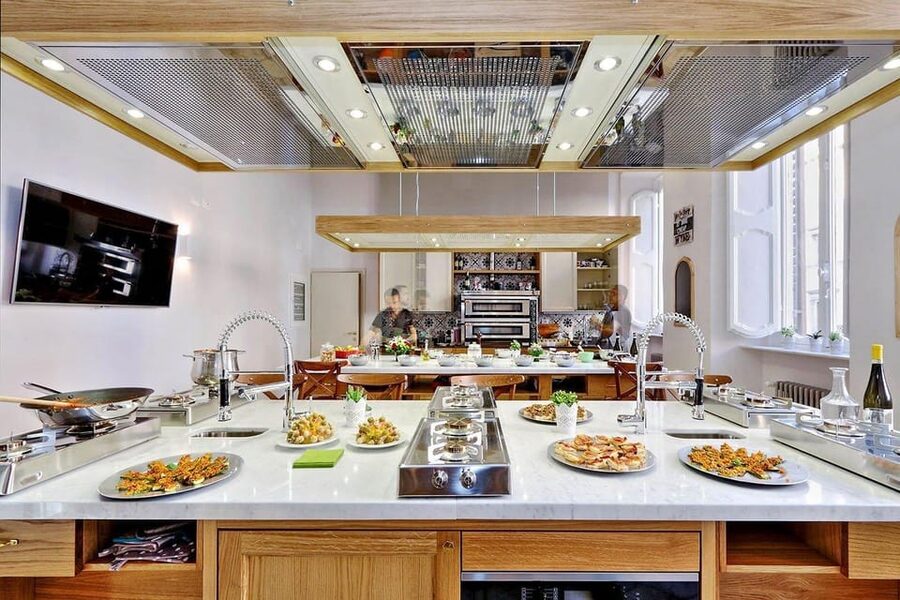
- Three Italian staples in two hours: Make pizza, hand-rolled pasta, and homemade gelato in one compact class.
- Maximo leads the team: The instructors are lively, answer questions, and guide beginners through the process.
- Wine or beer is included: You also receive a small appetizer and eat what you prepare.
- English instruction is available: French can also be accommodated, based on the teaching team’s experience.
- Good for families and friend groups: The format is social, practical, and suitable for different levels of cooking experience.
- The price reflects more than dinner: At $201.65 per person, you are paying for instruction, ingredients, drinks, and a hosted activity.
Three classic Roman foods in one short class
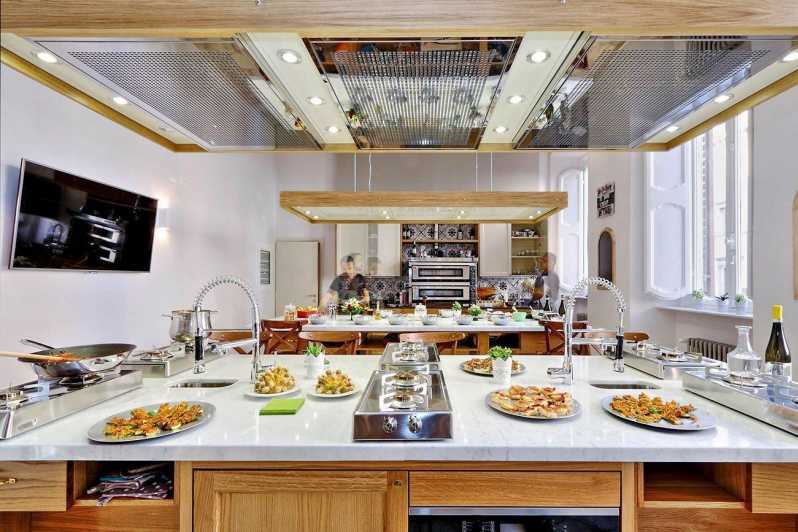
Many cooking lessons in Italy focus on one dish. This one takes a broader route. In about two hours, you work with the building blocks of three familiar favorites: pizza dough, pasta dough, and gelato.
That range is the main reason to choose this experience. You do not simply sit down to eat one local specialty. You get a look at three different kitchen skills. Pizza requires attention to dough and shaping. Pasta gives you the satisfaction of working by hand. Gelato brings a sweet finish and a change of pace.
You should keep your expectations realistic. Two hours is enough for a lively introduction, not a full professional cooking course. You will learn the main ideas and take part in preparing the food, but the short format means the class needs to keep moving.
That pace can be a plus in Rome. You can fit the class into a day of sightseeing without giving up half a day. It also works well for families, since the menu changes often enough to hold attention.
More Cooking Classes in Rome:
- 3 in 1 Cooking Class near Navona: Fettuccine, Ravioli & Tiramisu
★ 5.0 · 7,376 reviews - Rome: Pasta Making Class with Wine, Limoncello, and Dessert
★ 4.9 · 3,177 reviews - Rome Cooking Class: Make Pasta and 3 Spritz Cocktails
★ 5.0 · 2,937 reviews
Starting with pizza and the basics of dough
Pizza is one of the most approachable parts of the class. You begin with a food almost everyone knows, then see how much difference proper preparation makes.
The useful lesson is not only the final shape. You get to work with the dough and learn the basic steps behind making pizza. Under the chef’s direction, you can ask questions and adjust your technique as you go.
This is especially helpful if you are not confident in the kitchen. The class is designed for food lovers and beginners, not only for experienced cooks. The instructors’ role is practical: they show you what to do, keep the group moving, and help when your dough does not behave exactly as planned.
A cooking class should leave you with something you can repeat at home. Pizza is the most likely dish to become part of your regular kitchen routine. You may not reproduce an Italian oven in your own home, but the hands-on practice gives you a better feel for dough than watching someone else prepare it.
The pizza stage also sets the tone for the class. It is social, easy to understand, and satisfying even before the meal is finished. If you are bringing children or teenagers, this is likely to be one of the most accessible parts.
Rolling pasta by hand
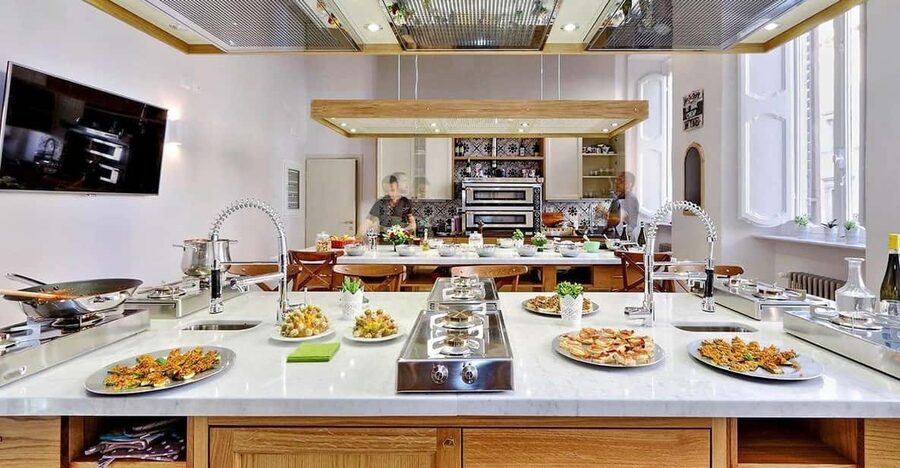
The pasta portion adds a different skill. Instead of shaping a familiar flatbread, you work with pasta dough and learn the basics of hand-rolled preparation.
This is where the class feels most like a traditional Italian kitchen lesson. Hand-rolled pasta takes patience and a light touch. You learn by doing, and the chef can correct you when the dough is too thick, too thin, or difficult to handle.
The class does not promise a long catalog of pasta shapes, so you should not expect a full survey of regional pasta traditions. Its value is more direct. You learn the principle of making pasta by hand, then prepare food you will eat as part of the same session.
I like this combination of instruction and reward. You do not spend the whole class watching a demonstration or taking notes. Your work becomes part of the meal, which makes the lesson feel useful rather than decorative.
The pasta stage may also appeal to adults who want something more involved than pizza making. It calls for a little more care, but the chef’s help keeps it friendly. Questions are welcome, and the teaching is conducted in English.
Finishing with homemade gelato
Gelato provides a natural final course. After working with dough, you switch to a cold dessert and finish the class on a lighter note.
The appeal here is variety. Pizza and pasta are both based on dough and savory preparation. Gelato gives you a look at another side of Italian food culture and rounds out the meal.
You should think of this as a guided introduction to homemade gelato rather than a specialist pastry course. The class has limited time, and the emphasis is on taking part in the process and enjoying the result. Still, it is a smart inclusion because it makes the experience feel like a complete Italian menu.
For families, the dessert course can be useful. Younger participants may find it easier to stay interested when the class includes a sweet finish. For adults, it gives the session a clear ending before everyone sits down together.
Same region, a different dish to learn:
- Rome: 3-in-1 Fettuccine, Ravioli, and Tiramisu Cooking Class
★ 4.9 · 2,704 reviews - Rome: Fettuccine Pasta Cooking Class in Rome’s City Center
★ 4.8 · 2,414 reviews - Fettuccine & Tiramisù: Cooking Class with Wine & Limoncello
★ 4.9 · 2,103 reviews - Pasta Cooking Class Near the Colosseum with 3 Spritz Cocktails
★ 5.0 · 1,686 reviews
A meal with wine, beer, and a small appetizer
The cooking does not end with a plate of unfinished ingredients. Food and drinks are included, along with a small appetizer, wine or beer, and the dishes you prepare.
That matters when you compare the $201.65 price with the cost of an ordinary meal in Rome. You are paying for a class, but you are also receiving a hosted dining experience. The drinks and appetizer help turn the session into a full outing rather than a short demonstration.
The shared meal is part of the social appeal. You cook together, then eat together. This works particularly well for a family or group of friends who want an activity that creates conversation without requiring everyone to be an expert.
One practical point: wine or beer is included, but the information does not say that additional alcoholic drinks are part of the price. If you want to keep spending predictable, treat the included serving as the planned drink allowance.
The small appetizer is a pleasant extra, but do not book this expecting a long tasting menu. The focus is participation and the food you make, not a series of restaurant courses.
Maximo and an approachable teaching style
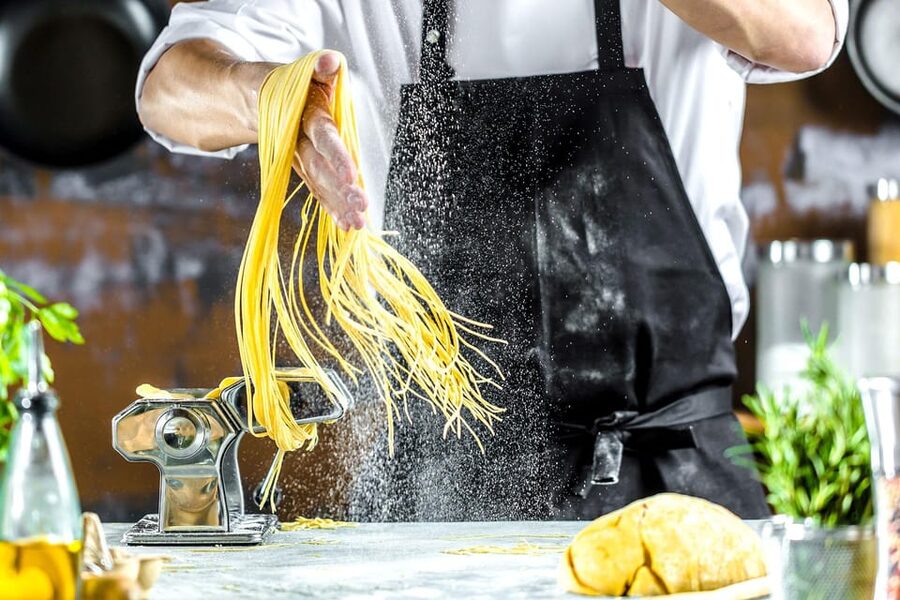
Maximo is identified as the instructor, supported by his team. The teaching style is lively and interactive, with help available throughout the cooking.
That matters more than flashy presentation. A cooking class can become frustrating when the chef moves too fast or assumes everyone already knows the basics. Here, the instructors answer questions and keep the atmosphere easygoing.
The class can be taught in English. French can also be accommodated by the teaching team, which is useful for groups with different language needs. The stated language for the activity is English, so you should treat French support as an added possibility rather than the standard language of every session.
Music also forms part of the atmosphere. Italian music was used during one class, and the instructors kept wine glasses filled. Those details point to a social evening rather than a strict technical workshop.
That atmosphere will suit you if you want to meet people and enjoy the cooking as much as the final dishes. It may be less suitable if you want quiet, highly detailed culinary instruction with lots of time for individual practice.
Why the central Rome location helps
The class takes place in the heart of Rome, in Lazio. The central setting makes it easier to combine with sightseeing, though no precise street address is provided here.
You can plan it as a break between major sights, an early evening activity, or a food-focused part of your Rome schedule. Check the available starting times before booking, since the class does not list one fixed departure time.
The two-hour length is convenient. Rome days often involve long walks and crowded monuments. A seated cooking session gives you a change of rhythm without taking over the day.
At the same time, you should leave enough margin around the booking. The class has a set duration, but your route through central Rome may take longer than expected. Allow time to reach the meeting point and avoid placing another timed attraction immediately afterward.
Since the exact address is not included in the available details, confirm the meeting location before finalizing plans. That is especially important if you are coordinating the class with a museum entry or a restaurant reservation.
Is $201.65 per person good value?
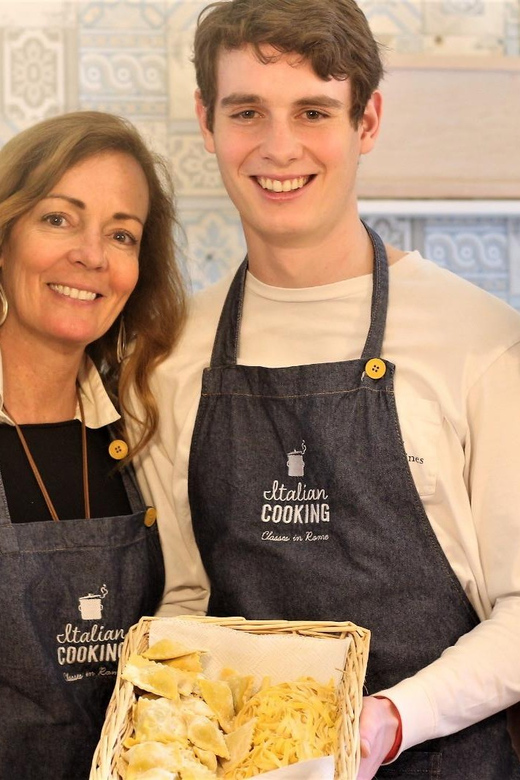
At $201.65 per person, this is not a bargain cooking lesson. The price is easier to justify if you value the full package: two hours of instruction, ingredients, three dishes, an appetizer, wine or beer, and a shared meal.
The cost also buys convenience. You do not need to find a restaurant after the class, and you get a planned activity in central Rome. For a family or group, that can be simpler than organizing dinner and a separate evening event.
Still, the value depends on your priorities. If you want to learn one technique in great detail, a longer specialist class could offer more instruction for the money. If you mainly want a good dinner, a Roman restaurant will probably cost less.
I would view this as a special-occasion activity. It makes more sense for a birthday, family outing, or memorable night with friends than as an everyday meal replacement.
The high price is helped by the strong range of food and the included drink. It is not helped by the short duration. You are paying for a polished social experience, not hours of serious culinary training.
Who will enjoy this class most?
This experience is a good fit for:
- Families with children or teenagers who enjoy hands-on activities
- Friends who want a shared evening rather than another restaurant meal
- Couples looking for a food-centered activity in central Rome
- Beginners who want friendly guidance without technical pressure
- Visitors who want to make several Italian staples in one session
- Groups that need English instruction and may benefit from French support
It is less ideal for serious home cooks seeking advanced instruction. The format is broad and fast, so it introduces several foods rather than exploring one recipe in depth.
It may also not suit you if you dislike group dining or want a quiet meal. The class is designed around interaction, shared work, and a lively atmosphere.
Booking, timing, and flexibility
The experience lasts two hours, and you need to check availability for starting times. That flexible schedule can help you fit it around sightseeing, but it also means you should confirm the actual session time before making other plans.
You can reserve now and pay later, which helps if your Rome schedule is still changing. Cancellation is free up to 24 hours in advance for a full refund. Those terms are useful when weather, transport, or restaurant plans may shift.
The instructor language is English. The activity information does not specify an age limit, group size, or accessibility details, so ask the provider directly if any of those points affect your booking.
Should you book this Rome cooking class?
Book it if you want a friendly, social introduction to three Italian favorites and like the idea of eating what you prepare. The included appetizer, wine or beer, and meal make the experience feel complete, while Maximo and his team provide the hands-on help beginners need.
Think twice if $201.65 feels high for a two-hour activity or if you want advanced cooking instruction. This is best understood as a hosted Rome food experience with practical cooking, not a long culinary workshop.
For families and groups of friends, I think the format makes good sense. You get variety, guidance, drinks, and a meal in one central-Rome activity. For a solo visitor, it can still work, especially if you enjoy meeting people at the table and learning by doing.
FAQ
Where does the cooking class take place?
The class takes place in the heart of Rome, in Italy’s Lazio region.
How long does the cooking experience last?
The experience lasts two hours. Starting times vary, so you need to check availability when booking.
Which foods will I learn to make?
You will learn to make pizza, hand-rolled pasta, and homemade gelato.
Is food and drink included?
Yes. The experience includes food and drinks, a small appetizer, and either wine or beer.
What language is the class taught in?
The stated teaching language is English. The instructors have also accommodated French during a class.
Can I cancel or pay later?
You can cancel up to 24 hours in advance for a full refund. You can also reserve your place and pay later.
Newest classes around Rome
- Testaccio: Home Cooking Cacio e Pepe, Amatriciana, Carbonara★ 4.9 · 57 reviews
- Super Fun Pasta and Gelato Cooking Class by the Vatican★ 5.0 · 6 reviews
- Spritz and Spaghetti Traditional Cooking Class in Rome★ 4.9 · 30 reviews
- ROME:Hands-On Lasagna & Marsala Tiramisu Cooking Experience”★ 5.0 · 3 reviews
- Rome: Vatican Food Tours, Cooking classes & Free Tours★ 4.9 · 11 reviews
- Rome: Trastevere Pasta Making Class★ 4.9 · 33 reviews
- Rome: Small Group Pasta cooking class near Piazza Navona★ 4.9 · 8 reviews
- Rome: Traditional Cooking Class in the Jewish Ghetto★ 4.9 · 75 reviews
Rome Cooking Classes, compared.
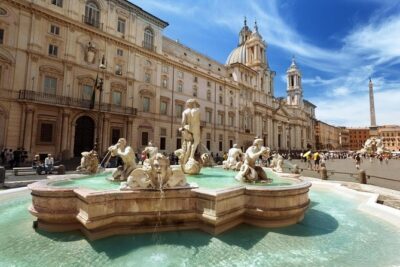
3 in 1 Cooking Class near Navona: Fettuccine, Ravioli & Tiramisu
Read our review →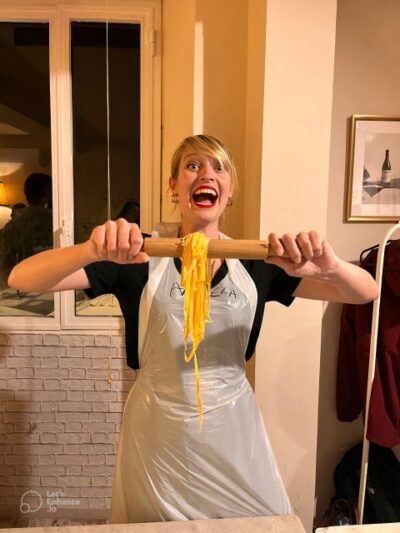
Pasta Making Class with Wine, Limoncello, and Dessert
Read our review →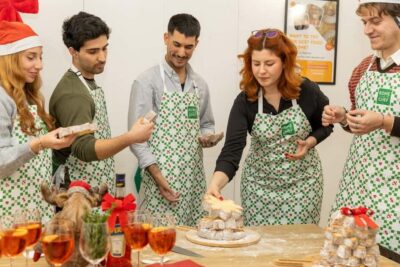
Rome Cooking Class: Make Pasta and 3 Spritz Cocktails
Read our review →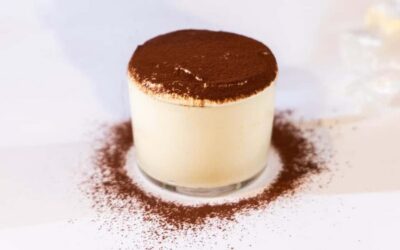
3-in-1 Fettuccine, Ravioli, and Tiramisu Cooking Class
Read our review →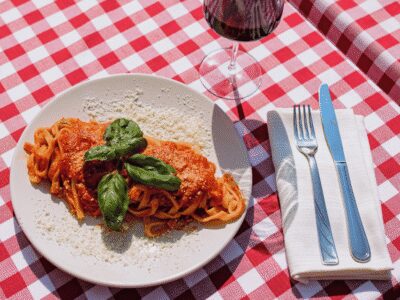
Fettuccine Pasta Cooking Class in Rome’s City Center
Read our review →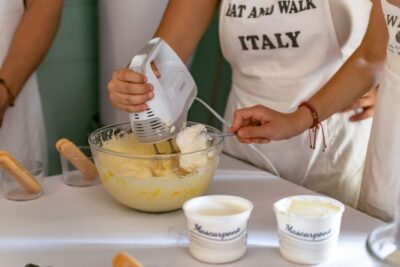
Fettuccine & Tiramisù: Cooking Class with Wine & Limoncello
Read our review →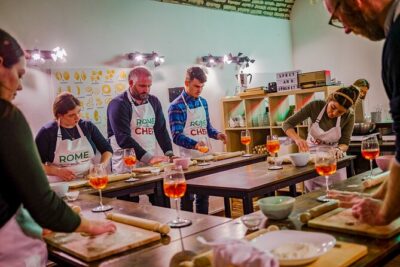
Pasta Cooking Class Near the Colosseum with 3 Spritz Cocktails
Read our review →
Enjoy Spritz and Pasta Making in Piazza Navona
Read our review →Browse the lists this tour appears in