
Review · ROME COOKING CLASSES
Rome : COOKING CLASS EGGPLANT PARMIGGIANA E TIRAMISU
The best part of this three-hour class is its simple menu: mozzarella in carrozza, eggplant parmigiana, and Marsala tiramisu. You cook each dish from scratch in a local restaurant near the Vatican, then sit down to enjoy the food with wine and the easy rhythm of an Italian family meal.
I like the welcoming aperitivo of spritz and bruschetta, which gives you time to settle in before handling ingredients. I also like the generous portions and drinks. Ellis, the instructor praised in the available feedback, is described as both fun and effective.
The main consideration is the menu itself. This is a cheese, fried food, dessert, and wine experience, so it may not suit strict dietary needs or anyone avoiding rich food. Tell the restaurant about allergies, vegan, gluten-free, or dairy-free needs before you arrive.
Key points at a glance
- Three classic dishes: Prepare mozzarella in carrozza, Roman-style eggplant parmigiana, and Marsala tiramisu.
- Aperitivo to begin: Start with spritz and bruschetta al pomodoro while discussing Italian food traditions.
- Near the Vatican: Meet at Coquinaria, a local restaurant close to Vatican City.
- Plenty included: Wine, soft drinks, water, coffee, limoncello, and a recipe book are part of the class.
- Family-style teaching: The focus is on traditional home cooking, including the kind of kitchen secrets associated with Italian grandmothers.
- Good value for a meal: At $67.97 per person, the price covers three hours of instruction, food, drinks, and recipes.
Cooking Roman comfort food near the Vatican
This class is built around food Italians make at home, not a long parade of restaurant courses. That makes it a useful choice if you want to understand how a few familiar ingredients become dishes with real character.
You meet at Coquinaria, a local restaurant near the Vatican. The class ends at the same place, so there is no second address to find after the cooking. That matters in Rome, where a short walk can become confusing once you add crowds, traffic, and unfamiliar side streets.
The setting also gives the class a practical feel. You are not watching a chef from a distant demonstration table. You work with the chefs in a real restaurant and learn the dishes from scratch. The available information does not give a group size, so do not book this expecting a guaranteed private lesson or a fixed number of participants.
The class is offered in English or Italian. If you want detailed explanations about technique and ingredients, choose an English session when available if that is the language you follow most comfortably.
More Tiramisu and Dessert Classes in Rome
- 3 in 1 Cooking Class near Navona: Fettuccine, Ravioli & Tiramisu
★ 5.0 · 7,376 reviews - Rome: Pasta Making Class with Wine, Limoncello, and Dessert
★ 4.9 · 3,177 reviews - Rome: 3-in-1 Fettuccine, Ravioli, and Tiramisu Cooking Class
★ 4.9 · 2,704 reviews
Spritz, bruschetta, and a look at Italian food culture
The class begins with an aperitivo: spritz and bruschetta al pomodoro. This is more than a drink before dinner. In Italy, aperitivo is a social pause, a chance to talk, nibble, and shift from the day into the evening.
Here, that opening gives you time to meet the instructor and other cooks before the hands-on work begins. The conversation covers Italian food traditions and the way cooking changes from one region to another. Rome has its own strong food identity, but Italian cuisine is not one single national menu. Recipes, ingredients, and habits vary widely from place to place.
The bruschetta also sets the tone. Bread, tomato, and seasoning are basic ingredients, but good results depend on balance. You get a small lesson in how Italian food often relies on careful treatment of simple products rather than a long list of additions.
Wine tasting is included, along with soft drinks and water. If you do not drink alcohol, you still have nonalcoholic choices, though the class has a clear wine-and-aperitivo character.
Making mozzarella in carrozza, Rome’s fried street food

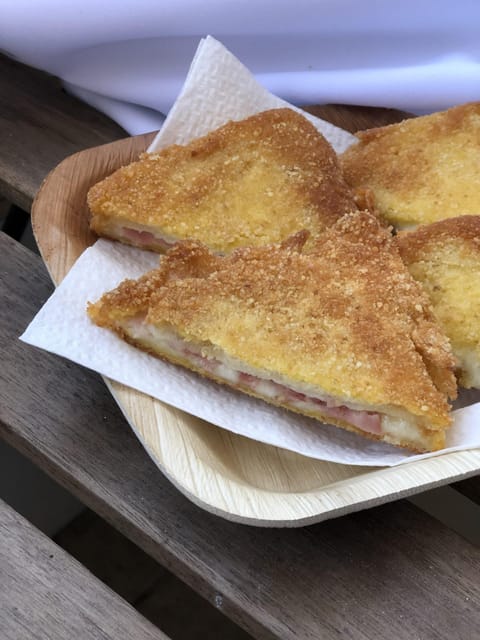
The first main recipe is mozzarella in carrozza, a traditional fried street food. Think of mozzarella tucked into bread, prepared for frying and served hot. It is a dish built around contrast: crisp outside, soft and stretchy inside.
This is a useful recipe for a cooking class because it teaches more than assembly. You learn how to handle a filled sandwich before it reaches the pan and how a humble snack becomes satisfying through texture and heat. The class description calls it a historic Roman street food, so it also gives you a taste of the city’s less formal food culture.
The drawback is that this is not a light starter. Mozzarella in carrozza is fried, and the full meal later includes eggplant parmigiana and tiramisu. You may want to pace yourself during the aperitivo, especially if you are planning a substantial dinner afterward.
Still, this recipe makes sense for a hands-on class. It is familiar enough to understand quickly, but technique matters. You are not simply stirring a sauce or watching pasta boil. You take part in making something that changes in the pan.
Eggplant parmigiana and the heart of the class
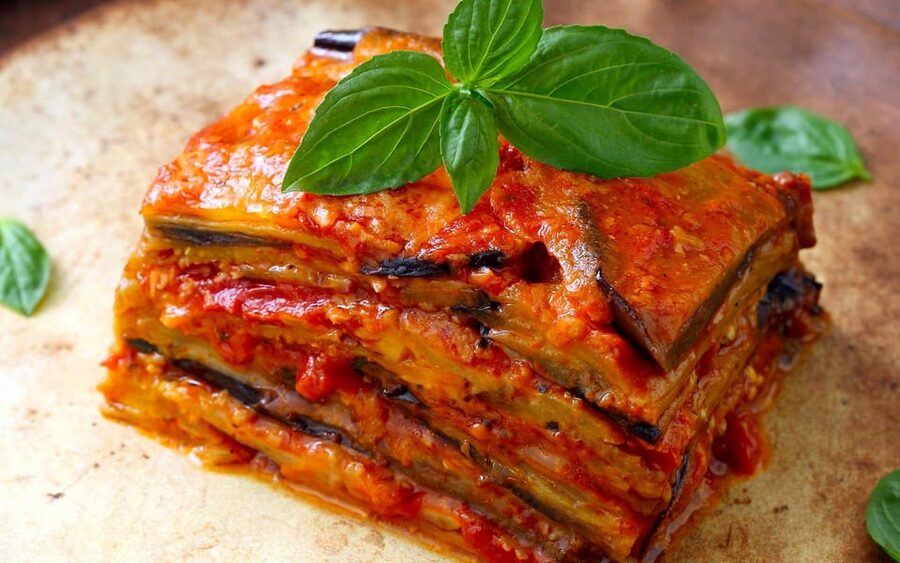
Eggplant parmigiana is the centerpiece. The class presents it as a traditional Roman family recipe, with an emphasis on the kind of food passed down through home kitchens. Exact preparation details are not provided, so the lesson may focus on the restaurant’s own method rather than a single universal Roman formula.
That is part of the value. Italian family recipes often have many versions. One cook may fry the eggplant, another may bake it. Some use more tomato, some more cheese. The point is to learn how the ingredients work together and to leave with a method you can repeat at home.
Eggplant parmigiana also takes patience. Eggplant, tomato, and cheese need to come together as one dish rather than remain separate layers. In a class, you can ask questions as you work, watch the chef’s timing, and see how the restaurant handles the process.
I would pay close attention here if you want to recreate the meal. Write notes in the provided recipe book rather than relying on memory. Ask about ingredient substitutions, cooking times, and how the dish changes when prepared in a home kitchen.
The menu is especially useful for cooks who want a vegetarian main course with serious substance. It is not presented as a vegan dish, and cheese is central to both the parmigiana and mozzarella in carrozza. If you avoid dairy, contact Coquinaria in advance rather than assuming a replacement will be available.
Same region, a different dish to learn:
- Rome Cooking Class: Make Pasta and 3 Spritz Cocktails
★ 5.0 · 2,937 reviews - Rome: Fettuccine Pasta Cooking Class in Rome’s City Center
★ 4.8 · 2,414 reviews - Fettuccine & Tiramisù: Cooking Class with Wine & Limoncello
★ 4.9 · 2,103 reviews - Pasta Cooking Class Near the Colosseum with 3 Spritz Cocktails
★ 5.0 · 1,686 reviews
Marsala tiramisu brings the class to a sweet finish
Dessert is Marsala tiramisu. The addition of Marsala gives the familiar coffee-and-cream dessert a distinct Italian character and makes it a fitting final lesson after the savory dishes.
Tiramisu is often treated as an easy dessert, but the texture depends on several small choices. The biscuits need the right amount of liquid, the cream needs the right consistency, and the finished dessert needs time to come together. The class gives you a chance to see those steps rather than simply receiving a prepared portion.
Marsala also makes this dessert less suitable for some diets. Ask about the ingredients if you avoid alcohol, dairy, eggs, or gluten. The organizer welcomes special food requests, including vegan, gluten-free, and dairy-free needs, but you should report them before the class.
The dessert is served as part of the larger meal, not as a separate pastry workshop. If you are mainly interested in sweets, this class may feel weighted toward savory cooking. If you want a full Italian meal with dessert included, the balance works well.
What the three-hour schedule means for you
Three hours is enough time for a social lesson and a full meal, but it is not a professional culinary course. You should expect a relaxed introduction to family recipes, not advanced chef training or a certificate.
The class starts with drinks and conversation, moves through three preparations, and ends with food and more refreshments. Coffee and limoncello are included, along with water and soft drinks. That makes the experience feel closer to a hosted meal than a quick cooking demonstration.
The exact starting times vary, so check availability before planning your Vatican sightseeing. A cooking class needs a little breathing room. You do not want to rush from the Sistine Chapel or arrive late with no time to find Coquinaria.
The end point is the same as the meeting point. You can continue toward Vatican City, return to your hotel, or make the meal your evening plan. Since the class includes wine and limoncello, avoid arranging a demanding activity immediately afterward.
Is $67.97 a fair price?
At $67.97 per person, the price is reasonable if you value both instruction and the meal. You receive three hours of activity, an aperitivo, three recipes, wine tasting, soft drinks, water, coffee, limoncello, and a recipe book.
The strongest value comes from the food and drinks. A restaurant meal near the Vatican can quickly become expensive, especially once you add wine, dessert, and service. This experience combines those costs with a lesson you can use again at home.
The value is less clear if you only want to eat. You spend part of the three hours preparing the food, so someone seeking a quick meal should choose a restaurant instead. The class suits you best if the process matters as much as the plate.
The available rating is 5 out of 5 from two reviews, and the specific praise focuses on the teacher, generous portions, generous drinks, and value for money. That is useful practical information, though two ratings are not enough to predict every class. Your experience can also depend on the instructor leading that session and the size of the group.
Dietary needs, children, and practical limits
The organizer asks you to share food requirements in advance. Vegan, gluten-free, dairy-free, and allergy requests are specifically welcomed. Do not wait until you arrive, since the menu depends heavily on bread, cheese, eggs, and dessert ingredients.
Children are welcome from age six. The class could work well for a child who enjoys helping in the kitchen, though the fried mozzarella and wine-centered meal mean an adult will need to keep expectations realistic. Children are welcome, but this is still an adult restaurant setting rather than a children’s cooking camp.
The supplied information also lists the activity as unsuitable for people with diabetes, high blood pressure, or altitude sickness. The altitude warning seems unusual for a Rome cooking class, but it is part of the stated guidance and should not be ignored if it applies to you.
Tell the organizer about any health or dietary concern before booking. The class includes alcohol, rich food, frying, and a full meal, so it is not the right pick for everyone.
Who will enjoy this Coquinaria class most
I would choose this class for you if you want a friendly food activity close to the Vatican and prefer cooking over a standard restaurant dinner. It is a good fit for couples, families with children over six, and small groups who like to eat while learning.
It also suits first-time Rome visitors who want a social evening with a clear meeting point and no transport between activities. The local restaurant setting helps keep the experience grounded in everyday food rather than turning it into a formal culinary show.
You may want another option if you are seeking pasta-making, pizza-making, or a class devoted to Roman first courses. None of those are listed here. This menu is centered on fried mozzarella, eggplant parmigiana, and Marsala tiramisu.
You should also think carefully if you need a quiet meal. The class includes conversation, instruction, cooking, wine, and shared food. It is designed to be relaxed and social, not silent or highly private.
Booking details worth knowing
You meet and finish at Coquinaria near the Vatican. The activity lasts three hours, with starting times shown when you check availability. The instructor may teach in English or Italian.
You can cancel up to 24 hours before the start for a full refund. A reserve-now, pay-later option is also available, which helps if your Rome schedule is still shifting.
I would contact the organizer before booking if you have allergies, follow a strict diet, or need a child-friendly adjustment. The organizer says special needs are welcome, but advance notice is the practical way to make that possible.
Should you book it?
Book this class if you want a generous, food-centered evening with hands-on cooking near the Vatican. The combination of aperitivo, three traditional recipes, wine, dessert, coffee, limoncello, and a recipe book gives the $67.97 price solid value.
Skip it if you want a light meal, a pasta lesson, or a highly technical cooking course. The menu is rich and cheese-heavy, and the class is meant to feel like a relaxed family kitchen rather than a professional training session.
For most food-minded visitors, the best reason to book is the chance to leave Rome with recipes you can actually make at home. The dishes are familiar, generous, and tied to the social side of Italian cooking.
FAQ
Where does the cooking class meet?
The class meets at Coquinaria, a local restaurant near the Vatican.
Where does the activity end?
The class ends back at Coquinaria, the same location where it begins.
How long does the cooking class last?
The activity lasts three hours. Starting times depend on availability.
Which dishes will I prepare?
You will learn mozzarella in carrozza, traditional Roman eggplant parmigiana, and Marsala tiramisu.
Is food and drink included?
Yes. The class includes a spritz and bruschetta aperitivo, wine tasting, soft drinks, water, coffee, and limoncello.
Is a recipe book included?
Yes. A recipe book is included with the cooking class.
Which languages are offered?
The instructor can teach in English or Italian.
Can I request a special diet or report an allergy?
Yes. You should inform the organizer in advance about vegan, gluten-free, dairy-free, allergy, or other special food requirements.
Are children allowed to join?
Yes. Children are welcome from age six.
Newest classes around Rome
- Testaccio: Home Cooking Cacio e Pepe, Amatriciana, Carbonara★ 4.9 · 57 reviews
- Super Fun Pasta and Gelato Cooking Class by the Vatican★ 5.0 · 6 reviews
- Spritz and Spaghetti Traditional Cooking Class in Rome★ 4.9 · 30 reviews
- ROME:Hands-On Lasagna & Marsala Tiramisu Cooking Experience”★ 5.0 · 3 reviews
- Rome: Vatican Food Tours, Cooking classes & Free Tours★ 4.9 · 11 reviews
- Rome: Trastevere Pasta Making Class★ 4.9 · 33 reviews
- Rome: Small Group Pasta cooking class near Piazza Navona★ 4.9 · 8 reviews
- Rome: Traditional Cooking Class in the Jewish Ghetto★ 4.9 · 75 reviews
Rome Cooking Classes, compared.
3 in 1 Cooking Class near Navona: Fettuccine, Ravioli & Tiramisu
Read our review →
Pasta Making Class with Wine, Limoncello, and Dessert
Read our review →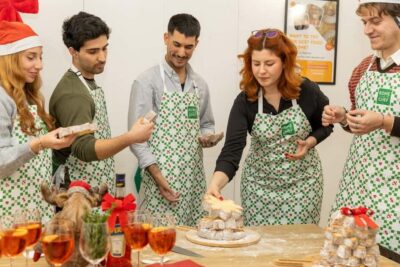
Rome Cooking Class: Make Pasta and 3 Spritz Cocktails
Read our review →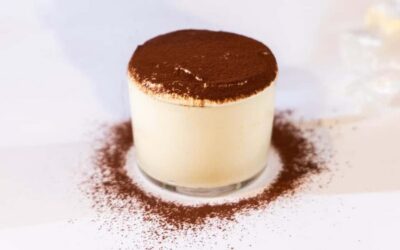
3-in-1 Fettuccine, Ravioli, and Tiramisu Cooking Class
Read our review →
Fettuccine Pasta Cooking Class in Rome’s City Center
Read our review →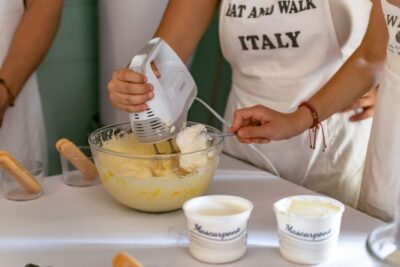
Fettuccine & Tiramisù: Cooking Class with Wine & Limoncello
Read our review →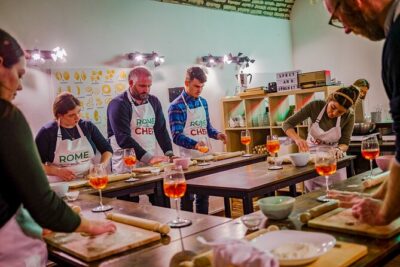
Pasta Cooking Class Near the Colosseum with 3 Spritz Cocktails
Read our review →
Enjoy Spritz and Pasta Making in Piazza Navona
Read our review →Browse the lists this tour appears in