
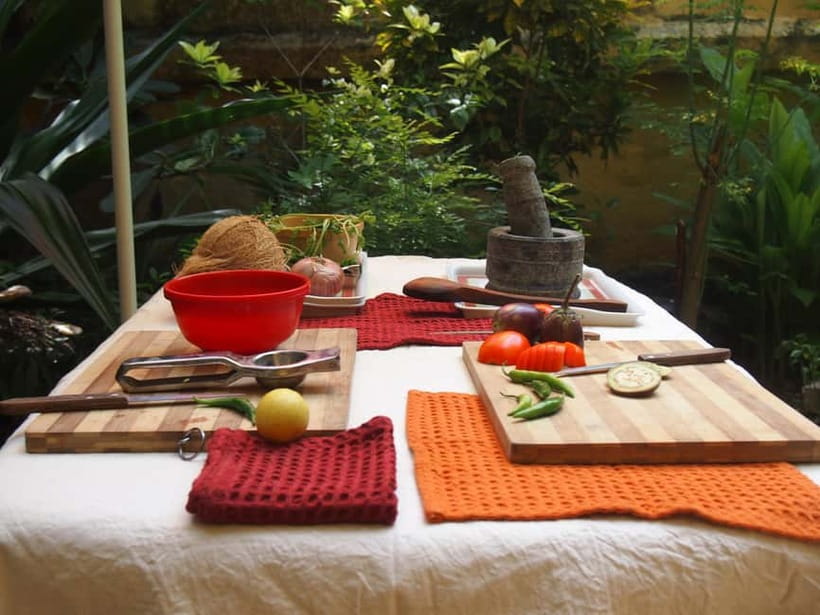
Review · INDIA COOKING CLASSES
Pondicherry: Indian Cooking Class with Market Visit
Pondicherry’s food culture comes into focus at the market, not just in the cooking room. You’ll ride by autorickshaw to a local vegetable market, learn how to identify unfamiliar produce, and then use those ingredients in a hands-on meal at the SITA Cultural Centre.
I like the market visit, which gives you a friendly push into a place you might hesitate to enter alone. I also like the freedom to choose vegetarian, vegan, South Indian, North Indian, or meat-based dishes, with guides such as Saranya, Krishti, and Keerthi helping shape the menu. The main caution is that the cooking space may feel tight, and one recent session raised concerns about cleanliness and whether four separate dishes were actually prepared.
Key points to know before booking
- Goubert Market sets the tone: You’ll see fresh vegetables, spices, and less familiar ingredients before cooking with them.
- Choose your food style: Options include South Indian, North Indian, vegetarian, vegan, and non-vegetarian recipes.
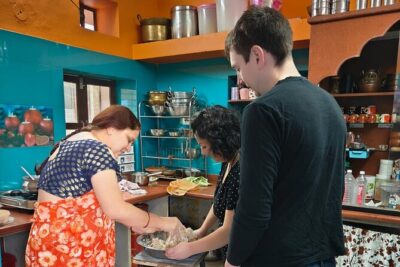
- Hands-on from start to finish: You may chop vegetables, grate coconut, mix spices, and help cook each dish.
- Small groups keep questions easy: The class is limited to 10 people and is taught in English, Hindi, or French.
- The meal is part of the lesson: You eat what you prepare in the garden, often served in a traditional style.
- Check your language and menu: French instruction should be confirmed, and it is wise to clarify how many dishes your session will include.
Why the market visit matters in Pondicherry
The cooking class begins outside the kitchen. You’ll travel by autorickshaw to a local vegetable market, where the instructor explains the produce, spices, and other ingredients used in Indian cooking.
This is more useful than a quick stop for photographs. Indian markets can be noisy, crowded, colorful, and full of ingredients that have no obvious Western equivalent. A guide gives you a way to ask simple questions: What is this vegetable? How is it cooked? Which part is used? What should you look for when buying it?
One especially memorable example from a recent class was banana stem. The participants had never seen it prepared, so the menu was adjusted to include it. That kind of flexibility is one of the best reasons to choose a cooking class instead of a standard restaurant meal. You are not simply shown a finished dish. You see how a local ingredient becomes food.
The market portion is also practical for anyone staying longer in Puducherry. After the class, you will have a better sense of the spices, vegetables, and cooking methods you may encounter at restaurants or shops around town.
The trip to the market is included, along with the autorickshaws used for this part of the experience. Your transport to and from the cooking class itself is not included, so allow time and money to reach the SITA Cultural Centre.
More Cooking Classes with a Market Tour in India
- Jaipur Market Tour & Vegetarian Rajasthani Home Cooking Class
★ 5.0 · 113 reviews - Spice Knight (Cooking Class -> Meal -> Local Market walk)
★ 5.0 · 59 reviews - New Delhi: Traditional Indian Cooking Class & Market Visit
★ 5.0 · 32 reviews
A three-hour class built around your choices
The full experience lasts about three hours. After the market visit, you return to the cooking school for the main lesson.
The plan is to prepare around four recipes, with the exact selection shaped by your preferences and the available ingredients. You might choose a Pondicherry-style meen kozhumbhu, a fish curry with a strong local identity. You could also select sambar, the familiar lentil and vegetable gravy found across South India, or chicken Chettinad, known for its assertive spice mix.
For northern flavors, palak paneer is an option. Carrot halwa gives the menu a sweet finish, with carrots, raisins, cashews, milk, and sugar. Vegetarian and vegan choices are available, but you should state your needs when booking and again at the start of the session, especially if you have an allergy.
The useful part is that the lesson is not a demonstration where you sit back and watch someone else do the work. You are expected to take part in the basic jobs that make Indian cooking understandable: chopping vegetables, grating coconut, handling spices, and following the cooking steps.
That matters because Indian food often depends on order and timing. Ingredients may be prepared separately before they meet in the pan. Spices are not simply sprinkled in at the end. Coconut, lentils, vegetables, and curry bases each require their own treatment. Working through those steps helps you recreate the dishes at home.
From sambar to chicken Chettinad
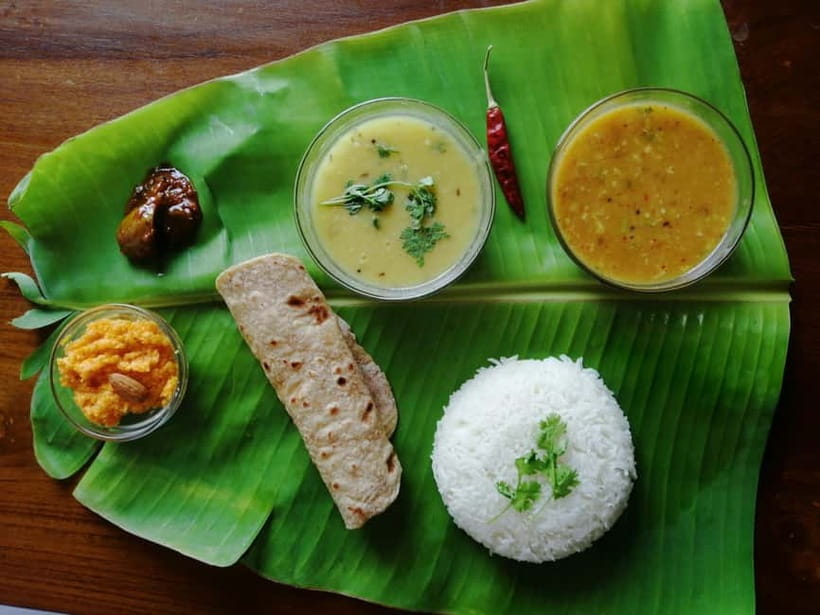
The menu gives you a useful look at the range of Indian food. South Indian cooking is not one single style, and the choices here make that clear.
Sambar is a good introduction to the balance of lentils, vegetables, and spices. It is filling without needing meat and works well for vegetarians. Meen kozhumbhu offers a more distinctly Pondicherry direction, especially if you want to connect the meal to the local setting.
Chicken Chettinad is a stronger choice for anyone interested in meat and spice. It brings a different character from palak paneer, which uses spinach and paneer to show off northern cooking. Carrot halwa, meanwhile, gives you a simple way to see how milk, sugar, nuts, and vegetables can become a celebratory dessert.
You do not need to know these dishes before arriving. The instructor explains the ingredients and steps as you go, and the small-group format should make it easier to ask about substitutions or methods.
Still, the menu deserves a little care before you commit. The experience is promoted around roughly four recipes, but one recent session did not meet that expectation. Ask what you will actually prepare, and ask whether the dishes will be cooked by the group rather than simply demonstrated by the instructor.
What the instructors add to the experience
The named instructors connected with the sessions include Saranya, Krishti, and Keerthi. Saranya received especially strong praise for her friendly manner and detailed explanations during an evening class. Krishti was also praised for her warm hosting and ability to guide the group through both the market and cooking session.
Keerthi led a market walk through Goubert Market, explaining the food being purchased before the cooking began. That connection between shopping and cooking is important. You see an ingredient in its raw form, hear how it is used, and then take part in preparing it.
The instructors are listed as speaking English, Hindi, and French. This is useful for international groups and for French-speaking visitors in Puducherry, where the language remains part of the city’s cultural character. One French-selected session was conducted in English instead, so you should confirm the teaching language rather than assume it will match your booking.
The class is limited to 10 participants. That is not a private lesson, but it is small enough for a question-and-answer format. If everyone is keen to participate, you should have a better chance to handle ingredients instead of merely watching.
More Indian Classes in India:
- Indian Cooking Class in an Authentic Local Home – Learn 6 Dishes
★ 5.0 · 195 reviews - New Delhi: Indian Cooking Class in a Local Home
★ 5.0 · 65 reviews - Mumbai: Indian Cooking Class & Cultural Delights
★ 5.0 · 38 reviews - Private South Indian Tamil Cooking Class in Chennai with Srividya
★ 5.0 · 24 reviews
Eating in the garden
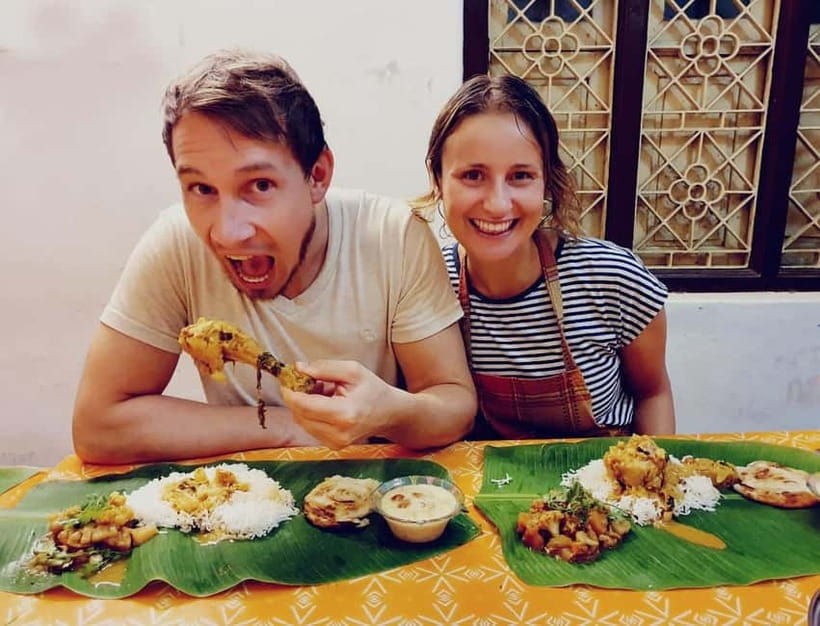
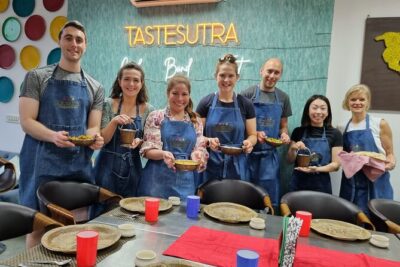
The class ends with lunch or dinner made by the group. You eat together in the garden, which gives the final part a social feel rather than a formal restaurant atmosphere.
The meal is often served in a traditional way, including on a banana leaf in at least one session. That small detail turns the food into part of the cultural lesson. You are not only tasting a curry. You are seeing how the meal is presented and shared.
This shared meal is also where the class makes sense as a social activity. You cook alongside people you may not know, then sit down together and compare the results. The setting is informal, with conversation and new friendships forming around food.
I would not book this solely for a polished dining experience. The value is in making the food yourself. If you want a quiet, highly refined meal with perfect service, a restaurant will suit you better. If you want to understand what goes into the meal and enjoy the occasional rough edge of a teaching kitchen, this format is more rewarding.
The cooking room and the realistic drawbacks
The strongest caution concerns the physical setup. One negative account described the class as taking place in a cultural center with a very small kitchen and questioned the cleanliness. That is a serious consideration for anyone who expects a modern cooking studio.
A small kitchen can also affect how much each person gets to do. With up to 10 participants, several people may need to share work areas or wait for a particular step. The experience promises hands-on participation, but the amount of individual cooking time may depend on the group size, menu, and instructor.
The feedback is not uniformly negative. Other sessions were described as warm, enjoyable, and well organized, with food that tasted good and instructors who adapted to personal interests. The sensible approach is to ask a few direct questions before you go:
- How many dishes will the group actually prepare?
- Will every participant have a hands-on task?
- Can the menu include your dietary needs?
- Which language will the instructor use?
- Where exactly will the cooking take place?
These questions do not spoil the fun. They help you match the experience to your expectations.
Is $24 a good value?
At $24 per person, the price covers the ingredients, cooking materials, market transport by autorickshaw, the meal you prepare, and an e-booklet with the recipes afterward.
That is fair value if you use the full experience. You are paying for a market orientation, instruction, food, transport during the activity, and a practical souvenir you can use at home. A restaurant meal may cost less, especially for simple vegetarian dishes, but it will not teach you how to buy or prepare them.
The e-booklet adds value after the class, though its usefulness depends on how clearly the recipes match what you cooked. Take notes during the session if you want to remember spice quantities or cooking times. The instructor can explain small adjustments that may not appear in a recipe file.
For a family, the cost adds up, but children older than six are welcome. Older children who enjoy helping in the kitchen may get a lot from the market and cooking tasks. Children under six cannot join, and the class may be less suitable for a child who dislikes strong smells, unfamiliar ingredients, or waiting for a turn.
Who should book this Pondicherry cooking class?
I would recommend it to you if you want direct contact with local food culture and prefer doing something active. It works particularly well for:
- First-time visitors who want help navigating an Indian market
- Home cooks interested in South Indian spices and techniques
- Vegetarians and vegans seeking a menu built around their needs
- Families with children over six who enjoy practical activities
- Couples or solo visitors who like meeting people over a shared meal
- Anyone curious about ingredients such as banana stem or fresh coconut
I would be more cautious if you require a spotless, spacious teaching kitchen or a tightly timed professional cooking lesson. The experience is small-scale and personal, but that can also mean uneven facilities and different teaching styles from one session to another.
Wear comfortable clothes and bring a camera if you want to record the market or food preparation. Smoking is not allowed. Mention allergies and dietary restrictions in advance, since the menu is flexible only when the instructor knows what you need.
Should you book it?
Book this class if your main goal is to understand Indian food by shopping, preparing, and eating it. The market walk with Keerthi, the flexible menu, the chance to work with unfamiliar ingredients, and the garden meal give the experience more substance than a basic cooking demonstration.
Before paying, confirm the teaching language and the exact number of dishes. If those details suit you, $24 is a sensible price for three hours of food, local contact, and recipes you can take home. If you want a polished culinary school with generous workspace and guaranteed professional standards, choose a restaurant or a more formal class instead.
FAQ
Where does the cooking class take place?
The experience is provided by SITA Cultural Centre in Puducherry. The activity includes a visit to a local market followed by the cooking session at the cooking school.
How long does the experience last?
The cooking class and market visit last about three hours.
Is the market transport included?
Yes. Transport to the market by autorickshaw is included. Transportation to and from the cooking class location is not included.
What kinds of food can I prepare?
You can choose from vegetarian, vegan, South Indian, North Indian, and non-vegetarian recipes. Examples include meen kozhumbhu, sambar, carrot halwa, palak paneer, and chicken Chettinad.
How many dishes will I cook?
The activity is designed around approximately four recipes of your choice. Since the exact menu can vary, confirm the number of dishes with the provider before booking.
Which languages are available?
The session can be taught in English, Hindi, or French. You should confirm the language for your particular booking.
Are dietary restrictions and allergies accommodated?
You should mention all dietary restrictions and allergies when booking. The menu includes vegetarian and vegan choices.
Can children join the class?
Children older than six are welcome. The experience is not suitable for children under six.
What happens after the cooking session?
You eat the lunch or dinner you prepared in the garden. An e-booklet containing the recipes learned during the class is sent afterward.
Newest classes around India
- Chennai Super Market Tour and Cooking Class with a Fun Local★ 5.0 · 9 reviews
- Private tour to learn Traditional Indian Art, craft & Cooking★ 5.0 · 4 reviews
- Traditional Chettinad Cooking Class in a Local Home near Chennai★ 4.5 · 12 reviews
- Neighborhood Market Tour & South Indian Cooking Class in Chennai★ 5.0 · 7 reviews
- Chennai Dosa Making Class & Home-Dining Experience with Jyashree★ 5.0 · 8 reviews
- Traditional Gowda Cooking Class and Meal in a Bangalore Home★ 5.0 · 31 reviews
- Discover Bangalore’s Cuisine: Private Half-Day Cooking Experience★ 5.0 · 3 reviews
- Private South Indian Cooking Class in Bangalore with a Local★ 5.0 · 11 reviews
India Cooking Classes, compared.
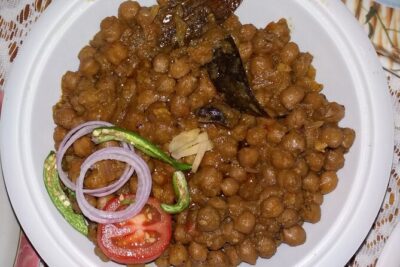
Veg and Non veg : Private Cooking Class in Delhi home (7 meal)
Read our review →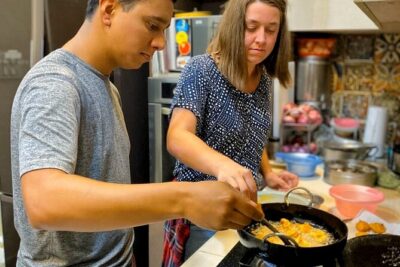
Indian Cooking Class in an Authentic Local Home – Learn 6 Dishes
Read our review →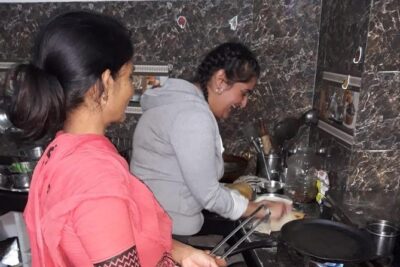
Private Guided Cooking Workshop Experience in Jodhphur
Read our review →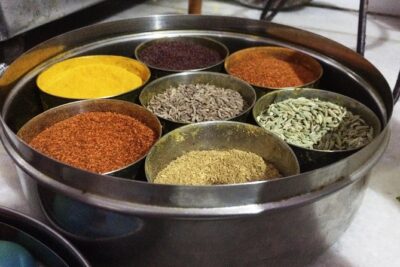
Jaipur Market Tour & Vegetarian Rajasthani Home Cooking Class
Read our review →
Cooking Class in Jaipur – Family Experience with Meal & Transport
Read our review →Browse the lists this tour appears in