
Review · NEW DELHI COOKING CLASSES
New Delhi: Traditional Indian Cooking Class & Market Visit
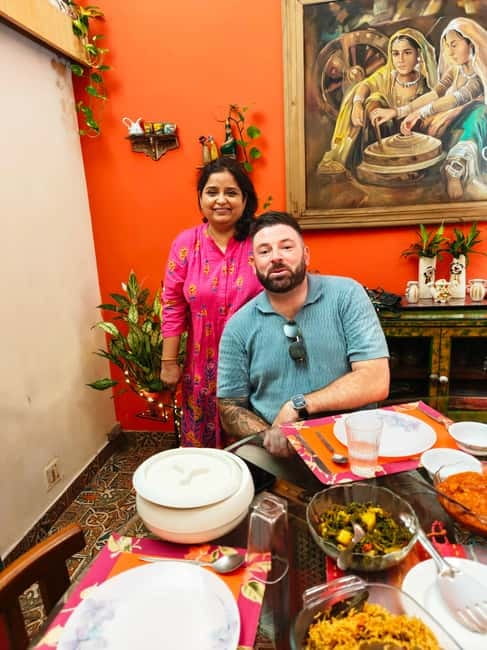
Delhi’s best food lesson may begin not at a restaurant, but in a family home. Lubna welcomes you with chai, takes you to a nearby market, then teaches traditional Indian cooking in her leafy home in Friends Colony. You can help shape the menu, from paneer and dhal to kebabs, biryani, samosas, or regional dishes you may not find on a standard restaurant menu.
I like the personal menu planning, which lets you name a favorite dish or explain a dietary need before you arrive. I also like the market visit, since it puts spices, produce, and everyday Delhi shopping into context before you start cooking.
The main thing to consider is the three-hour time limit. A market visit and several dishes make for a full session, and the kitchen is described as small, so this is hands-on home cooking rather than a polished studio class with lots of room to spread out.
Key points at a glance
- A real Delhi home: Cook in Lubna’s 1974 haveli-style house, surrounded by plants and family life.
- A market before the kitchen: Visit a local market about 10 minutes from common tourist areas and shop for ingredients.
- A menu shaped around you: Request vegetarian food, a favorite dish, breakfast items, snacks, or recipes suited to dietary restrictions.
- Spice skills that travel home: Learn how spice blends, oils, bread dough, and small cooking choices shape the final dish.
- A meal at the family table: Eat the food you prepare, with Lubna’s family possibly joining you.
- Good value for a private class: At $43 per person, the price covers the host, ingredients, cooking instruction, multiple dishes, and the meal.
A market visit that gives the cooking context
The experience starts with a short trip to a local market. The market is about a 10-minute ride from the usual tourist areas, and Lubna may take you by tuk tuk. You will see fresh produce, spices, groceries, and the small details of ordinary food shopping in Delhi.
This first stop matters because Indian cooking is closely tied to buying the right ingredients. Instead of hearing a quick explanation about cumin or cardamom in a classroom, you can see spices sold in their everyday setting and ask Lubna how she uses them at home. She can also help you locate spices that may be difficult to buy outside India.
The market is not presented as a formal sightseeing stop with a scripted tour. It is part of the cooking process. You shop for what you will use, ask questions, and get a closer look at local food habits. If a street-food shop is open, you might also try something there. That option is appealing, but it is not guaranteed, and snacks are your own expense.
During busy periods such as Diwali, the market can be especially active. That adds atmosphere, though it may also mean more people and a less leisurely walk. Bring small amounts of cash if you plan to buy anything beyond the class ingredients, and remember that any extra shopping, rides, or snacks are not included.
More Cooking Classes with a Market Tour in India
- Jaipur Market Tour & Vegetarian Rajasthani Home Cooking Class
★ 5.0 · 113 reviews - Spice Knight (Cooking Class -> Meal -> Local Market walk)
★ 5.0 · 59 reviews - Pondicherry: Indian Cooking Class with Market Visit
★ 4.7 · 18 reviews
Finding Lubna’s home in Friends Colony
The meeting point is Delhi Bed and Breakfast at A-6 Friends Colony East, New Delhi 110065. The house is behind the HP petrol pump, on a quiet dead-end street, with white walls and a red slanting roof.
Ashram metro station is close by, with the home about a three-minute walk from Gate No. 3. That makes the meeting point useful for anyone already moving around Delhi by metro. You do not receive hotel pickup or drop-off, so allow time to reach the address and confirm your route before the class.
Once inside, the setting changes quickly from city traffic to a family home filled with plants. The house has traditional haveli-style architecture dating from 1974, giving the class a sense of place that a purpose-built cooking school cannot reproduce. You may also have time for a short walk through the nearby neighborhood, a pleasant way to see local life beyond the main sightseeing routes.
The home setting is part of the appeal, but it also sets expectations. This is not a restaurant kitchen or a demonstration theater. You are cooking in a lived-in home, and the available working space can be small. That makes the lesson feel personal, though people who want a large, highly organized cooking station may prefer a formal culinary school.
Chai, conversation, and choosing the menu
Back at the house, Lubna serves tea or water before the cooking begins. The chai is a simple but fitting start, giving you time to settle in and talk about what you want to learn.
Lubna encourages you to contact her on WhatsApp after booking. Use that chance well. Tell her if you are vegetarian, name a favorite dish, explain allergies or dietary restrictions, and say if you are more interested in lunch, breakfast, breads, or snacks. She can adapt the menu rather than handing you a fixed list.
Possible dishes include Rogan Josh, chicken or vegetable kebabs, dhal, paneer dishes, biryani, chapaties, paranthas, samosas, bread pakora, potato patties, aloo chaat, and other breakfast or snack items. The exact selection depends on your preferences and the discussion before the class.
The supplied inclusions describe three main dishes, three bread types, one rice dish, and the meal you prepare. That is a generous amount for three hours, but it also means you should not expect a slow, detailed lesson on every dish from start to finish. Some recipes may require preparation before you arrive, and the pace may pick up as several dishes come together.
I would send Lubna a short, clear message rather than assuming the standard menu. If you have one dish you care about most, put that first. A guest who wanted to learn less familiar Indian food was guided toward paneer nihari, kadhi pakoda, and mutton stew. That kind of exchange is where this class offers more than a basic butter chicken lesson.
Learning the spice logic behind Indian food
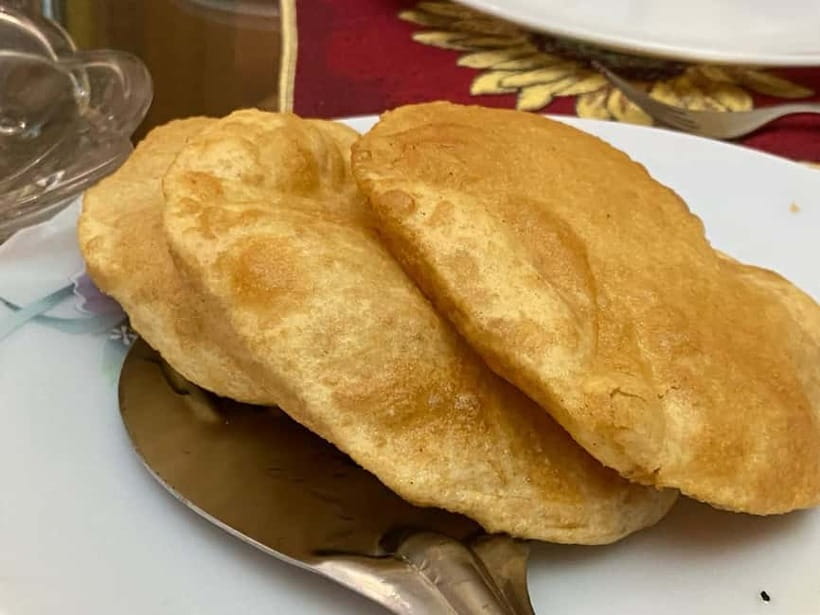
The strongest teaching point is the way Lubna explains spices. Indian cooking is not simply a matter of adding a long list of powders. Timing, proportion, oil, heat, and the order of ingredients all change the result.
You can expect to work with spice mixes used for different dishes and learn why the same ingredient can taste different depending on when it enters the pan. Lubna also explains subtle techniques that help a dish taste more balanced. These are the small decisions that are hard to learn from a recipe card alone.
Bread-making is another useful part of the class. The food list includes three bread types, and examples from the sessions include chapaties, roti, paranthas, and dosa. Bread dough can be less forgiving than a curry, so hands-on practice gives you a better chance of repeating the method at home.
The class is taught in English. Lubna’s clear instructions suit beginners, while people who already cook Indian food can ask for more traditional methods or less familiar dishes. The lesson is private, so you are not competing with a large group for attention. The tradeoff is that a private home class may be less standardized than a commercial school, with the menu and rhythm shaped by your requests.
More Indian Classes in India:
- Indian Cooking Class in an Authentic Local Home – Learn 6 Dishes
★ 5.0 · 195 reviews - New Delhi: Indian Cooking Class in a Local Home
★ 5.0 · 65 reviews - Mumbai: Indian Cooking Class & Cultural Delights
★ 5.0 · 38 reviews - Private South Indian Tamil Cooking Class in Chennai with Srividya
★ 5.0 · 24 reviews
Cooking around dietary needs
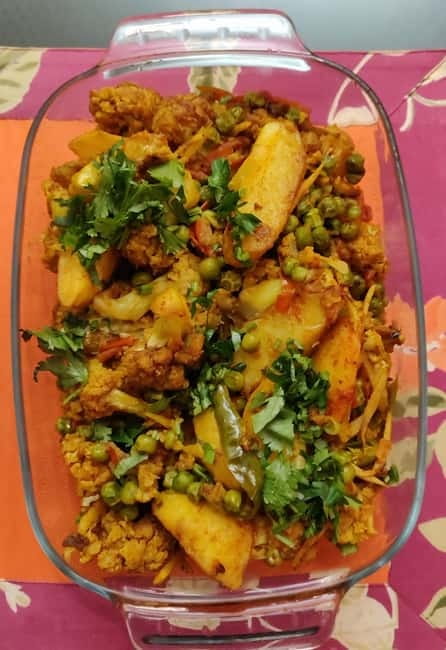
Lubna has experience adapting family recipes for different diets. One particularly demanding example involved a visitor who could not eat wheat, dairy, or citrus. Lubna built dishes around oats and adjusted the recipes to suit those limits.
That does not mean every restriction can be handled automatically. You should explain your needs before the class and ask Lubna what she can prepare. Be specific about allergies, intolerances, vegetarian preferences, or ingredients you want to avoid.
This advance conversation is one of the practical strengths of the experience. A vegetarian request was accommodated in a class that included several different dishes, and other menus were planned around individual tastes. Still, you should treat the class as a home kitchen, not as a medically certified allergy-free facility. If your restriction is severe, discuss cross-contact and ingredients directly before booking.
The breakfast option needs special attention. You can ask to make breakfast dishes, but the market visit is not available with that choice. The 11 AM start may sometimes be converted to a breakfast-focused session if you message Lubna first. If the market matters more to you than breakfast, keep the regular format.
Eating what you made at the family table
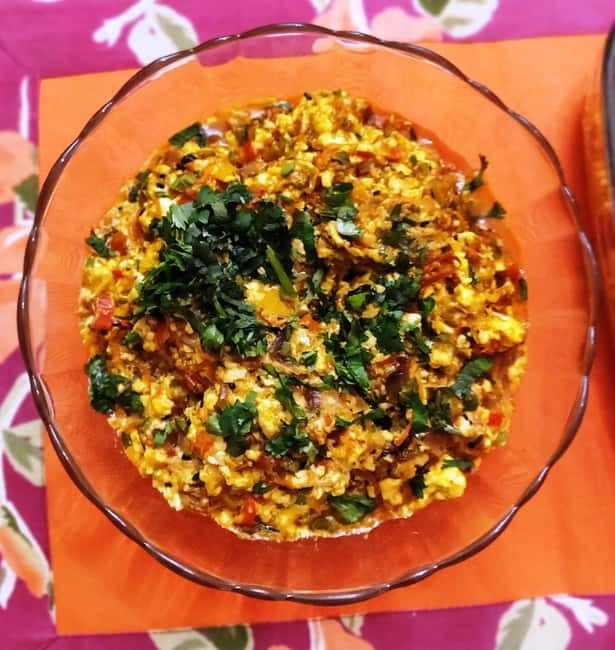
After the cooking, you sit down to eat the food prepared during the class. The meal may be shared with Lubna’s husband or another family member, adding conversation and a glimpse into home life in Delhi.
This final meal is more than a reward. It lets you taste the difference between separate ingredients and the finished dish, then ask questions while the flavors are fresh in your mind. You can also compare the dishes and note which recipes you want to repeat at home.
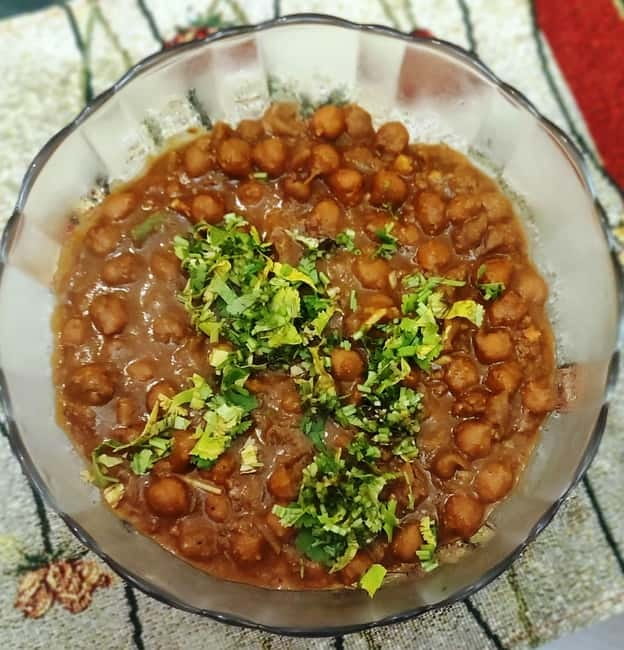
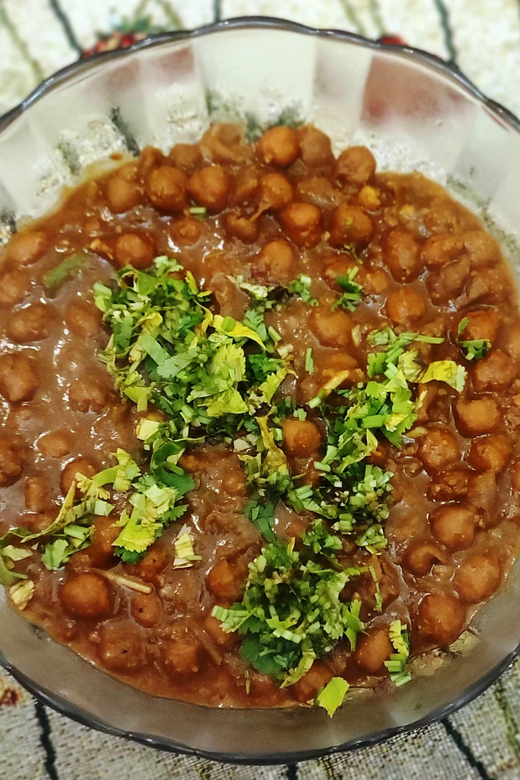
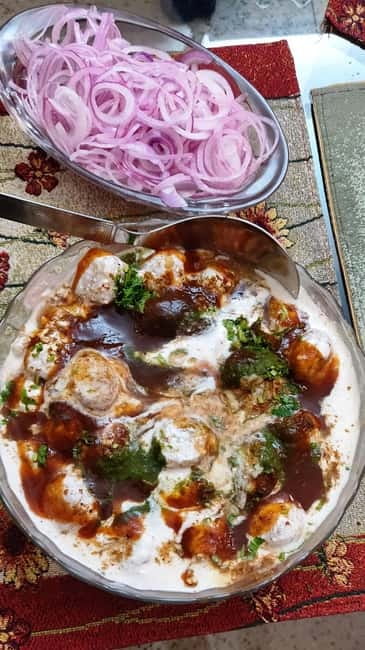
Menus can be substantial. One session included cauliflower and potato starters, lentil dhal, potato patties, chicken biryani, paneer masala, and chapaties. Another included paneer makhani, raita, dhal, aloo gobi, green chutney, dosa, masala balls, parantha, roti, and masala chai.
Do not read those examples as a guaranteed menu. They show the range possible when you communicate your interests in advance. Three hours can pass quickly when the class covers starters, mains, rice, breads, and dessert or tea, so be ready for a busy session rather than a long, leisurely restaurant meal.
What $43 includes, and what it does not
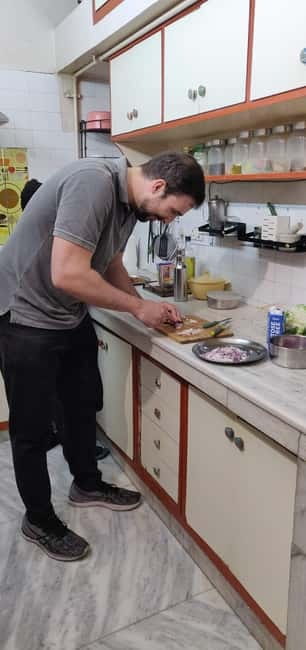
At $43 per person, this is strong value if you want a private, food-focused activity. The fee includes the hostess, ingredients, instruction, three main dishes, three bread types, one rice dish, tea or water, and the meal you prepare. You are also paying for access to a private home and a menu that can be adjusted around your interests.
The market trip adds value because it connects the recipes to the ingredients and gives you a look at daily Delhi shopping. The family meal adds another layer that you would not get from a standard restaurant cooking demonstration.
The price does not include transport to the meeting point, hotel pickup, metro fares, tuk tuk rides, extra shopping, street food, travel insurance, or unlisted services. These costs are usually manageable, but they matter when you compare the class with a more expensive package that includes transportation.
There is one class per day, which helps keep the session personal. It also means availability may be limited, especially if you want a particular start time. The stated start times are 11 AM and 4 PM, and you should advise your preference.
Who will get the most from this class
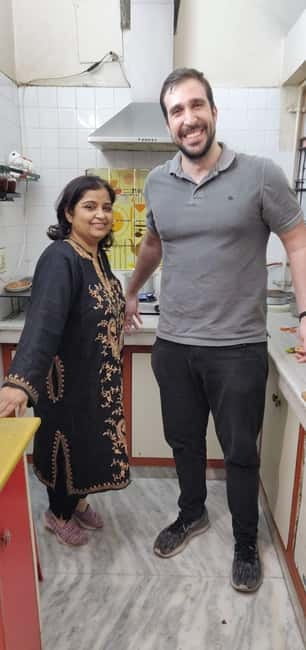
I would choose this for someone who wants food to open a door into Delhi home life. It suits first-time Indian cooks because Lubna gives clear instructions and helps explain unfamiliar spices. It also works for confident cooks who want family methods, regional dishes, or ideas beyond the familiar restaurant menu.
It is a good choice for couples, families, and small private groups who prefer conversation and participation over a formal lecture. The private format lets you focus on dishes you care about, and the home setting makes the meal feel more social.
I would be more cautious if you dislike flexible plans or want a large professional kitchen. The market visit, menu, and family participation can vary, and the small kitchen may require patience when several people are helping. You should also tell Lubna your priorities before arriving, since the three-hour schedule is full.
The class is wheelchair accessible, and instruction is in English. Confirm your specific needs in advance, as the general accessibility note does not explain every detail of the market or transport.
Booking tips for a smoother cooking session
Message Lubna as soon as you book. Include your preferred start time, dietary needs, favorite dishes, and whether you want a regular meal, breakfast, or snack-focused class.
Use the exact address and landmarks when arranging your route. Look for the white house with the red slanting roof behind the HP petrol pump, near Ashram metro station Gate No. 3.
Wear clothing suitable for standing and cooking, and leave room in your schedule for the market ride and meal. If you want to buy spices to take home, ask Lubna which ones are practical and budget separately for those purchases.
Free cancellation is available up to 24 hours before the activity for a full refund, and you can reserve now and pay later. Those terms help if your Delhi plans are still shifting.
Should you book Lubna’s cooking class?
Book it if you want a personal introduction to Indian food, a local market visit, and recipes you can use after India. The best part is the combination of practical cooking and home hospitality. You do not just watch Lubna prepare food. You help make it, eat it, and learn how the ingredients fit into everyday life.
Choose another activity if you want a short, tightly scripted demonstration, guaranteed street food, or hotel transportation. For most food-minded visitors, though, $43 buys a generous three hours, a private lesson, a market outing, and a family meal. Send Lubna your menu ideas before you arrive, and you will get far more from the class.
FAQ
How long does the cooking class last?
The experience lasts three hours, including the market visit, cooking session, and meal.
What start times are available?
The class starts at either 11 AM or 4 PM. You should advise Lubna of your preferred time.
Where does the experience meet?
It meets at Delhi Bed and Breakfast, A-6 Friends Colony East, New Delhi 110065. The house is behind the HP petrol pump, near Ashram metro station Gate No. 3.
Is hotel pickup included?
No. Hotel pickup and drop-off are not included. Transport to the meeting point, metro fares, tuk tuk rides, and ride-hailing costs are your responsibility.
Can I request vegetarian food or a particular dish?
Yes. You should tell Lubna your dietary needs and preferred dishes before the class. The menu can be adjusted around requests when discussed in advance.
Can I choose a breakfast class?
You can ask about a breakfast-focused option, especially for the 11 AM session. The breakfast option does not include the market visit, so message Lubna before booking or arriving.
What happens if I need to cancel?
You can cancel up to 24 hours in advance for a full refund. The activity also offers reserve now and pay later booking.
Newest classes around India
- Chennai Super Market Tour and Cooking Class with a Fun Local★ 5.0 · 9 reviews
- Private tour to learn Traditional Indian Art, craft & Cooking★ 5.0 · 4 reviews
- Traditional Chettinad Cooking Class in a Local Home near Chennai★ 4.5 · 12 reviews
- Neighborhood Market Tour & South Indian Cooking Class in Chennai★ 5.0 · 7 reviews
- Chennai Dosa Making Class & Home-Dining Experience with Jyashree★ 5.0 · 8 reviews
- Traditional Gowda Cooking Class and Meal in a Bangalore Home★ 5.0 · 31 reviews
- Discover Bangalore’s Cuisine: Private Half-Day Cooking Experience★ 5.0 · 3 reviews
- Private South Indian Cooking Class in Bangalore with a Local★ 5.0 · 11 reviews
New Delhi Cooking Classes, compared.
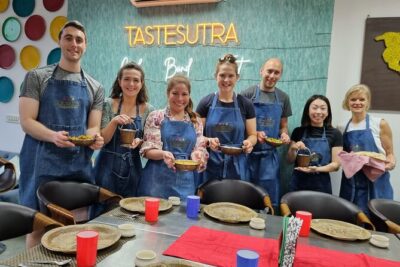
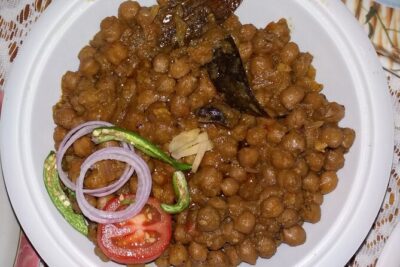
Veg and Non veg : Private Cooking Class in Delhi home (7 meal)
Read our review →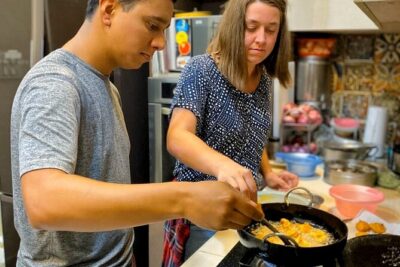
Indian Cooking Class in an Authentic Local Home – Learn 6 Dishes
Read our review →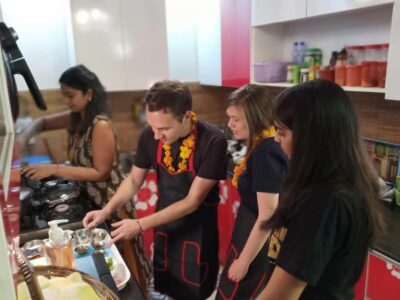
AI Cooking Class and Much More in a Local Family Home
Read our review →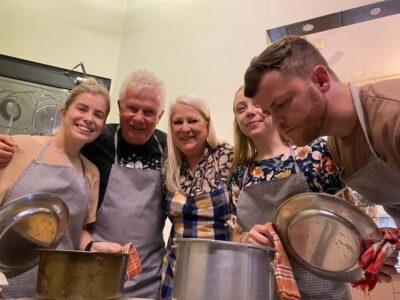
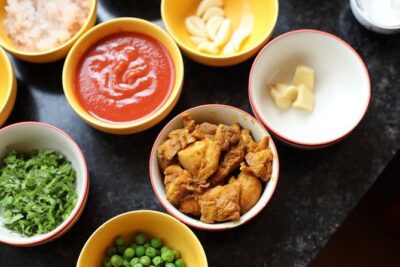
Spice Knight (Cooking Class -> Meal -> Local Market walk)
Read our review →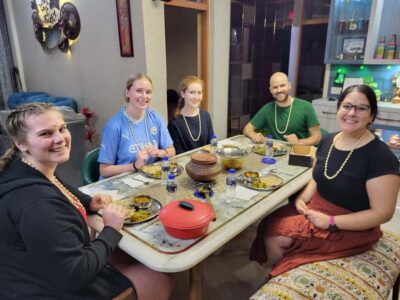
Talk & Enjoy with Delhi locals at their home while Cooking
Read our review →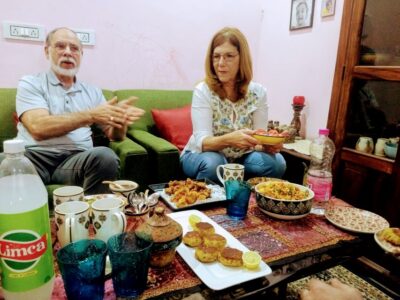
Full-Day Cooking Class learn 8 dishes with Locals
Read our review →Browse the lists this tour appears in