
Review · NEW DELHI COOKING CLASSES
New Delhi: Indian Cooking Class in a Local Home
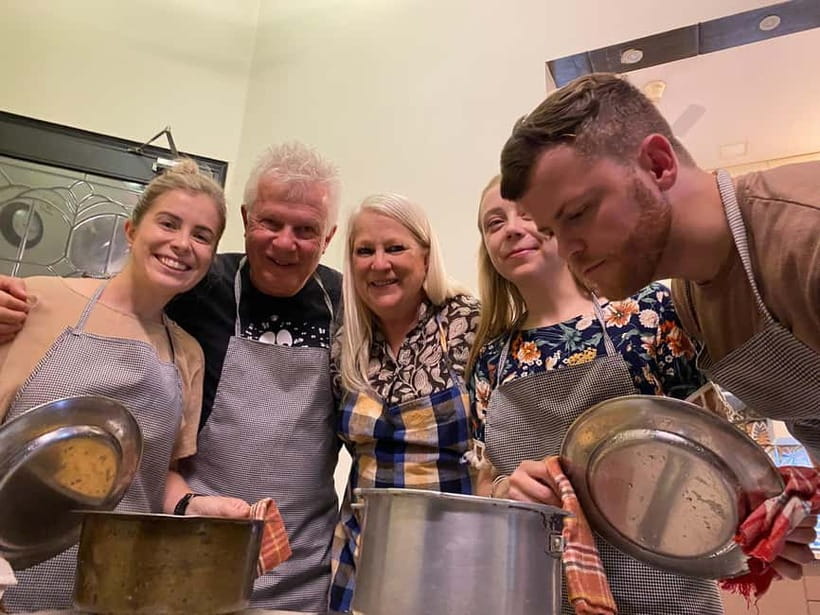
The best part of this New Delhi cooking class is that you enter a real family home, not a polished cooking studio. JD, often joined by his father Bindra, walks you through a full Indian meal, from spice technique and curry to rice, breads, dessert, and chai.
I like the hands-on cooking and the clear explanations of why ingredients are added at certain stages. I also like the generous family welcome, which turns a meal lesson into a relaxed look at everyday Delhi life. The main consideration is that the menu can vary, and some preparation is completed before you arrive, so this is more about learning key methods than doing every bit of chopping from scratch.
Key points to know before booking
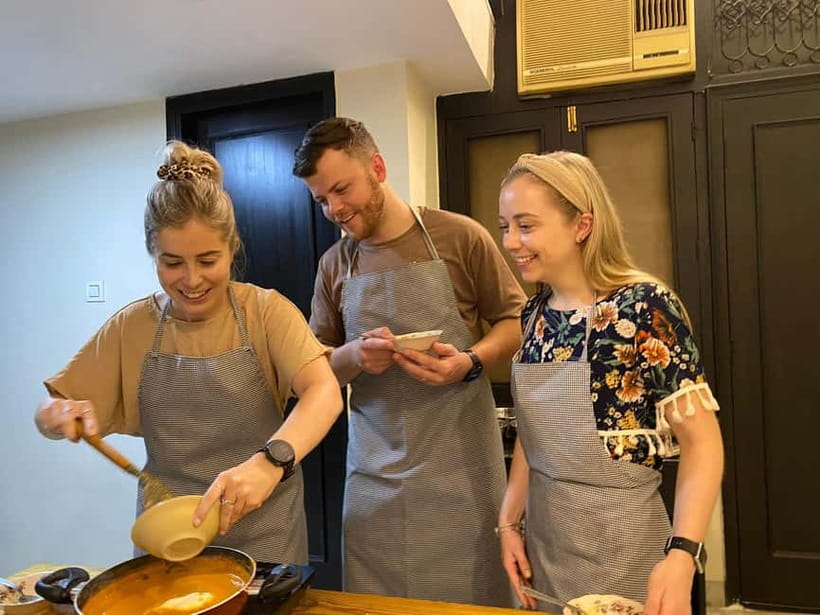
- Cook a complete Indian meal: Expect a main dish, rice, two types of bread, and dessert, with some sessions preparing extra dishes.
- Learn the spice sequence: JD explains how spices change as they cook and why a final addition can transform a curry.
- Meet the Singh family: The class takes place in their home, often with JD’s father Bindra helping with the lesson.
- Eat what you make: The session ends around the family table with the food, drinks, conversation, and cultural discussion included.
- Small, friendly setting: Groups are limited to 10, with English, Hindi, and Punjabi available.
- Good practical value: At $47 per person, the price includes the host, ingredients, the cooked meal, tea, and water.
A family kitchen rather than a cooking school
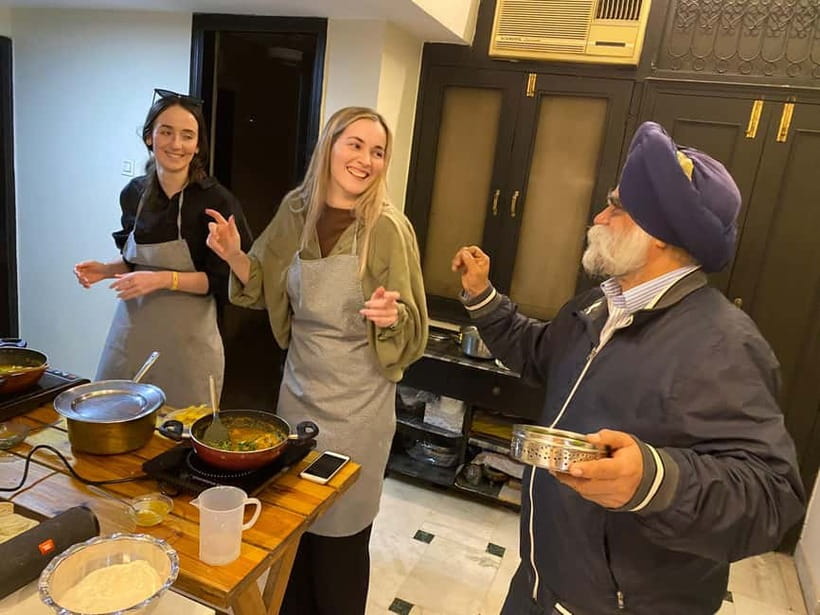
This experience begins at R-142 GK-1, Bindra’s House, in New Delhi. The setting matters. You are not simply watching a chef perform in a commercial kitchen. You are welcomed into the Singh family home, where food is connected to family habits, old recipes, and professional kitchen experience.
JD teaches the class, drawing on techniques learned from his parents and grandparents as well as training in a five-star establishment. His father, Bindra, also brings decades of restaurant experience. That combination gives the lesson a useful balance: home cooking keeps it personal, while restaurant experience helps make the instructions clear and orderly.
The air-conditioned room is a practical plus, especially after a hot day in Delhi. Restroom facilities are available, and drinks such as tea and water are included. The space is described as intimate, with no more than 10 people, though a smaller group should feel more personal.
You should expect plenty of conversation. The class is designed to explain the food’s background and the place it holds in Indian family life, not just to hand you a list of ingredients. If you enjoy meeting local people and asking questions, the home setting adds a lot.
More Home Cooking Classes in India
- Indian Cooking Class in an Authentic Local Home – Learn 6 Dishes
★ 5.0 · 195 reviews - Jaipur Market Tour & Vegetarian Rajasthani Home Cooking Class
★ 5.0 · 113 reviews - Interactive Cooking Class with a Local Family in Jaipur
★ 5.0 · 90 reviews
What you cook during the 2.5-hour class
The advertised meal includes one main dish, one rice dish, two kinds of bread, and a dessert. The exact menu can change. Several sessions described by participants included chicken curry or butter chicken, a vegetarian curry, lemon rice, naan or other home-style breads, and rice pudding.
That variation is worth understanding before you book. You are not buying a fixed restaurant menu. The point is to learn a set of techniques that can be used across Indian cooking. One group may prepare a chicken dish, while another spends more time on a vegetarian curry or different bread styles.
The ingredients are prepared in advance to keep the class moving. This is useful in a short 2.5-hour session because you spend your time on the parts that teach the most: building a curry, tasting at different stages, shaping dough, managing rice, and understanding spice timing.
If you want to practice every task from washing and chopping onward, this may feel less complete than a long market-to-kitchen class. If you want to leave with practical recipes and a meal you can repeat at home, the advance preparation is sensible.
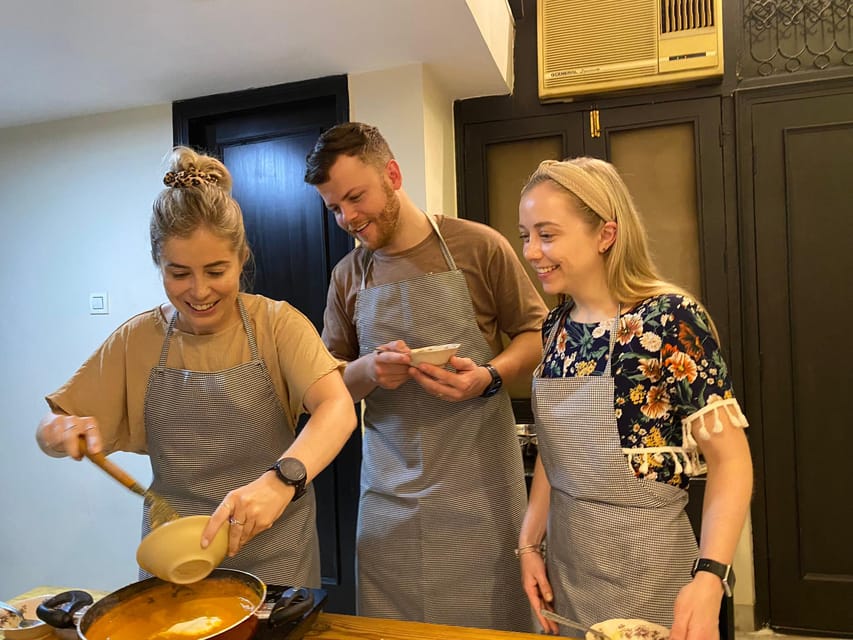
The food is cooked in stages, often with several dishes moving at once. You might begin a milk-based rice pudding, work on dough for naan, then return to a curry as it develops. This gives you a real sense of how an Indian home meal comes together, rather than treating each recipe as an isolated exercise.
The spice lesson is the real heart of the class
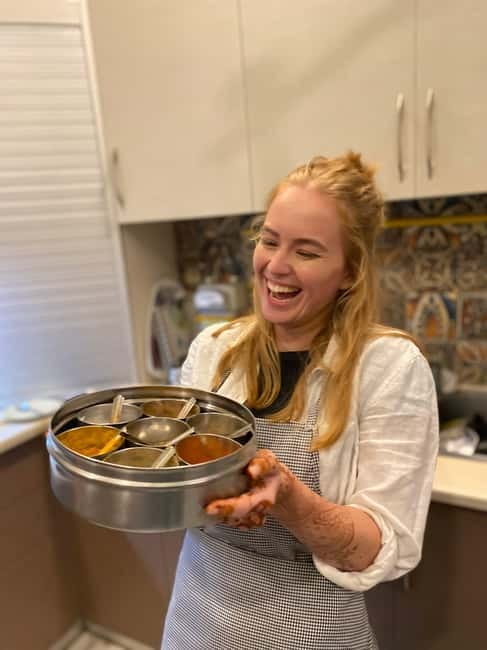
Many Indian cooking classes hand you a spice list and call it a day. This one focuses more on timing and purpose. JD explains how spices shape aroma and flavor, and why adding certain ingredients at the end can change the finished curry.
A particularly useful technique is tasting a dish before and after the final spices are added. That comparison shows you something a recipe cannot: Indian cooking is often about sequence, heat, and restraint, not simply adding more seasoning.
You will also learn that rice deserves attention. Lemon rice was part of some sessions, and one class participant found the finished rice especially memorable. The lesson helps show how rice can be a complete dish with its own seasoning and method, rather than a plain side dish.
Chai is another highlight. JD serves a personal chai recipe in some sessions, sometimes with homemade almond cookies at the start. These touches are small, but they help set the tone and offer another example of how family recipes carry personal habits and flavor choices.
Do not expect a technical lecture with exact measurements for every spice. The class aims to teach judgment: what to add, when to add it, and how to taste as you go. That is more useful once you return to your own kitchen, where ingredients, pans, and heat may differ.
Bread, curry, rice, and dessert keep the class varied
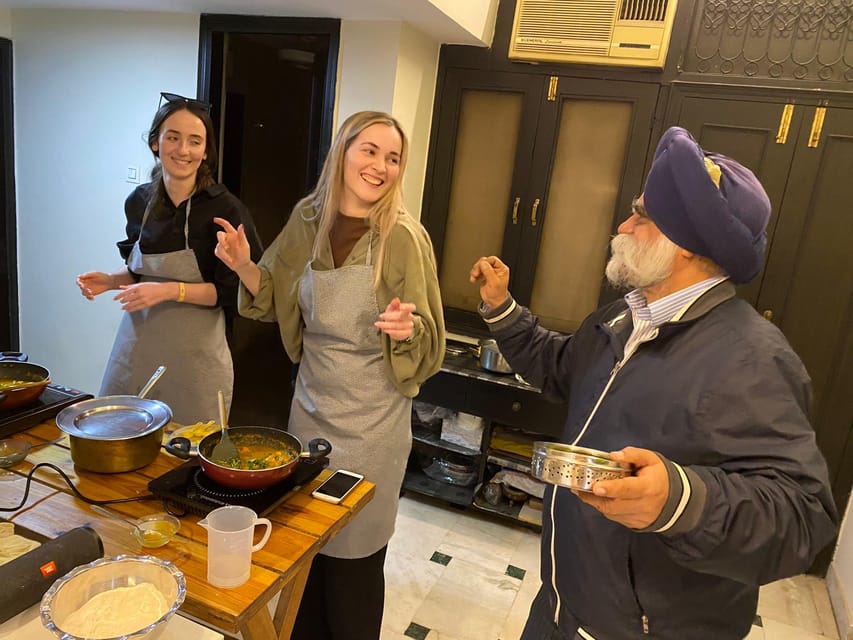
The bread portion adds a welcome change of pace. You may work with dough and prepare several versions of a typical Indian bread. One session included three bread styles, although the general description promises two. You should treat the number as flexible.
Bread making also gives you a tactile task. Rolling and shaping dough feels different from stirring a curry, and the results are easy to compare at the final meal. The class is not just a demonstration, and you are expected to take part.
The curry provides the clearest lesson in layering flavor. You may taste it before the final seasoning, then again afterward, which makes the effect easy to understand. Chicken curry has appeared in several sessions, while vegetarian options are also available in the experience history.
Dessert is usually a rice pudding in the examples provided. It gives the class a calmer finish after the savory dishes and shows how familiar ingredients such as milk, rice, and spices can be used in a sweet preparation.
Because you cook several items at once, the class can feel busy in a good way. The tradeoff is that the pace may not suit someone who wants a slow, highly detailed lesson on one dish. You are learning a small family meal, not spending an entire afternoon perfecting a single curry.
More Indian Classes in India:
- Mumbai: Indian Cooking Class & Cultural Delights
★ 5.0 · 38 reviews - New Delhi: Traditional Indian Cooking Class & Market Visit
★ 5.0 · 32 reviews - Private South Indian Tamil Cooking Class in Chennai with Srividya
★ 5.0 · 24 reviews - Indian Curry 5-Hour Cooking Classes In Mumbai
★ 5.0 · 22 reviews
The meal at the end makes the lesson useful
Once the cooking is complete, you sit down and eat together. This is not an afterthought. It lets you judge the results while the techniques are still fresh in your mind.
The shared meal also gives you time to talk with JD and his family about food, Delhi, and daily life in India. Several participants described feeling warmly welcomed and included in the household. That personal contact is the main difference between this class and a standard group demonstration.
Tea and water are included, along with all ingredients and the meal you prepare. You do not need to budget separately for a tasting menu at the end. Personal spending such as shopping, transport, metro tickets, rides, snacks, and insurance is not included.
The food can be surprisingly satisfying because you have seen each stage. You understand why the curry tastes as it does, and you can ask questions while the dish is still on the stove. For many people, the meal becomes the moment when the class clicks.
The social side will matter more to some people than others. If you prefer to cook quietly and leave quickly, the conversation may feel like extra time. If you want a personal connection with Delhi, it is one of the strongest reasons to choose this experience.
How much value do you get for $47?
At $47 per person, the price is reasonable for a 2.5-hour small-group experience that includes the host, ingredients, all food, tea, and water. You are paying for instruction, a complete meal, and access to a family setting, not just a plate of curry.
The value improves if you plan to use what you learn. Recipes and cooking guidance are provided, and the class is structured to help you repeat the dishes at home. The most useful takeaway is not one perfect meal. It is a better feel for spice timing, curry stages, rice preparation, and bread dough.
A restaurant meal in Delhi would cost less, but it would not show you how the food is made or introduce you to the people behind it. A formal culinary course might offer more equipment and a fixed curriculum, but likely less family contact.
The class is especially good value for solo visitors and couples who want one meaningful evening activity. It also works well for food-focused families, provided everyone is comfortable sharing a small kitchen setting and taking part.
Timing, language, and practical details
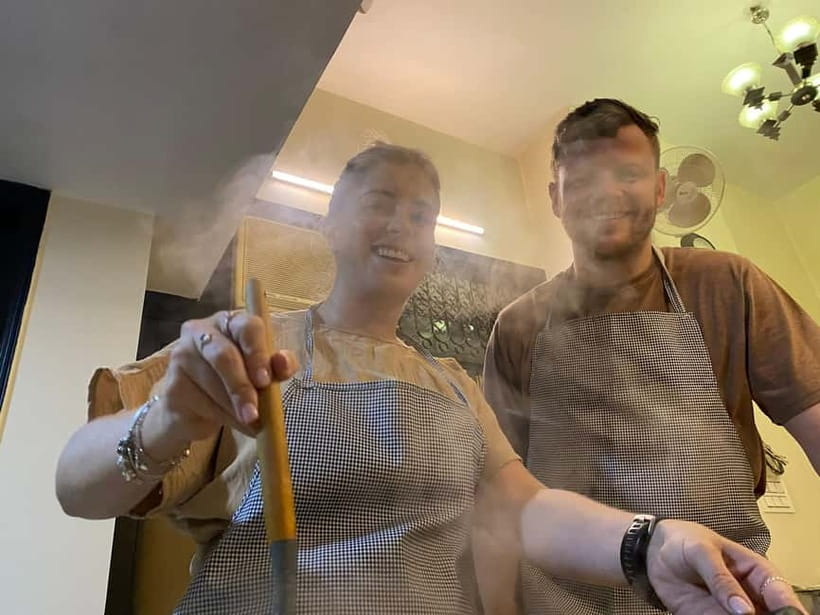
The session lasts 2.5 hours, although one participant described a class lasting closer to three hours. Allow a little flexibility rather than scheduling a tight connection immediately afterward.
The meeting point is R-142 GK-1, Bindra’s House. Your own transport is not included, so you will need to arrange your way there. Metro tickets, Uber rides, shopping, snacks, insurance, and emergency costs are also your responsibility.
JD and the family can teach in English, Hindi, or Punjabi. English-language sessions are supported by clear explanations, and the teaching style focuses on showing the reason behind each step.
Cancellation is flexible up to 24 hours before the start for a full refund. You can also reserve now and pay later, which helps if your Delhi plans are still shifting. Check the available start times when booking, since the exact schedule is not fixed here.
The group limit is 10. That is small enough for questions, though the experience will feel most intimate when fewer people attend. A private booking or a quiet session may offer more time with JD, but the supplied details do not promise a private group every time.
Who should book this Delhi cooking class?
Book it if you want an activity that connects food with family life. It is a strong choice if you have already seen Delhi’s major sights and want something slower and more personal.
It also suits anyone who wants to cook Indian food at home. The lessons on final seasoning, spice order, rice, bread, and curry technique are more useful than a quick demonstration with no explanation.
Families and couples should enjoy the shared work, while solo visitors can benefit from the friendly setting. The experience may be particularly appealing if you are interested in meeting a local family rather than spending another evening in a restaurant.
I would think twice if you want a market visit, a street-food tour, or a long professional cooking course. Shopping and transport are not included, and the class does not promise a fixed menu or a full lesson in every preparation task.
The class is also not the best choice for a rushed schedule. Two and a half hours is enough for a complete meal, but not enough to cover every branch of Indian cuisine. Come ready to focus on a few useful techniques rather than expecting a complete culinary education.
Should you book it?
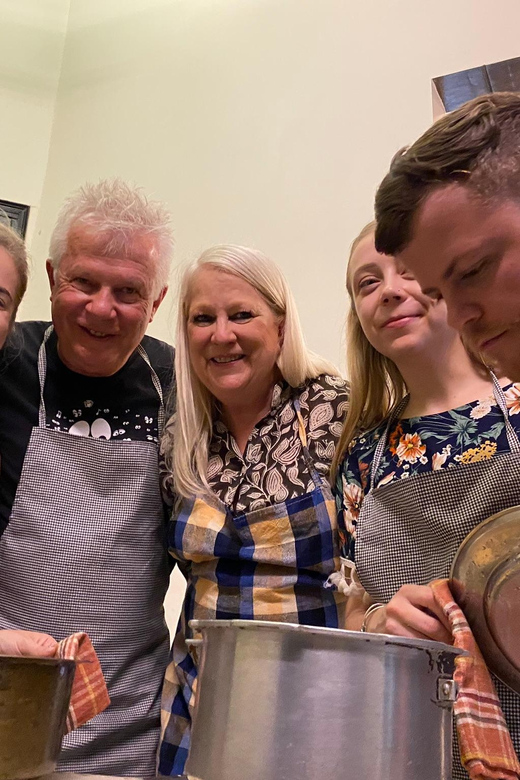
I would book this if your idea of a good Delhi evening includes food, conversation, and a personal welcome. The strongest features are JD’s practical teaching, the family connection, the chance to compare flavors during cooking, and the meal you share at the end.
The flexible menu is not a serious weakness, but you should accept that the dishes may differ from one session to another. At $47, the experience offers solid value because the cost covers the food, ingredients, drinks, instruction, and a meaningful local encounter.
If you want to learn a few Indian dishes well enough to make them at home, this is a smart choice. If you only want to eat, Delhi has cheaper options. If you want to understand how the meal comes together and leave with recipes, book the class.
FAQ
Where does the Indian cooking class take place?
The class takes place at R-142 GK-1, Bindra’s House, in New Delhi.
How long does the cooking experience last?
The listed duration is 2.5 hours. One session was described as lasting close to three hours, so allow some extra flexibility.
What food will I prepare?
The standard experience includes one main dish, one rice dish, two types of bread, and a dessert. The exact dishes may vary. Sessions have included chicken curry, vegetarian curry, lemon rice, butter chicken, several breads, and rice pudding.
Who teaches the class?
JD leads the cooking lesson. His father, Bindra, may also take part. JD learned family techniques from his parents and grandparents and has training from a five-star establishment.
What languages are available?
The experience is offered in English, Hindi, and Punjabi.
Is the class suitable for a small group?
Yes. The group is limited to 10 participants.
Are ingredients included?
Yes. The host, ingredients, the meal you cook, all food, tea, and water are included.
Is the cooking class held in an air-conditioned space?
Yes. The home has air conditioning, and restroom facilities are available.
Do I need to pay for the meal separately?
No. The meal you prepare, ingredients, and drinks such as tea and water are included. Personal costs such as transport, shopping, snacks, insurance, and emergency expenses are not included.
Can I cancel the booking?
You can cancel up to 24 hours in advance for a full refund. The experience also offers a reserve-now-and-pay-later option.
Newest classes around India
- Chennai Super Market Tour and Cooking Class with a Fun Local★ 5.0 · 9 reviews
- Private tour to learn Traditional Indian Art, craft & Cooking★ 5.0 · 4 reviews
- Traditional Chettinad Cooking Class in a Local Home near Chennai★ 4.5 · 12 reviews
- Neighborhood Market Tour & South Indian Cooking Class in Chennai★ 5.0 · 7 reviews
- Chennai Dosa Making Class & Home-Dining Experience with Jyashree★ 5.0 · 8 reviews
- Traditional Gowda Cooking Class and Meal in a Bangalore Home★ 5.0 · 31 reviews
- Discover Bangalore’s Cuisine: Private Half-Day Cooking Experience★ 5.0 · 3 reviews
- Private South Indian Cooking Class in Bangalore with a Local★ 5.0 · 11 reviews
New Delhi Cooking Classes, compared.
Veg and Non veg : Private Cooking Class in Delhi home (7 meal)
Read our review →
Indian Cooking Class in an Authentic Local Home – Learn 6 Dishes
Read our review →
AI Cooking Class and Much More in a Local Family Home
Read our review →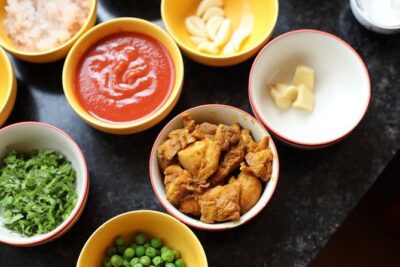
Spice Knight (Cooking Class -> Meal -> Local Market walk)
Read our review →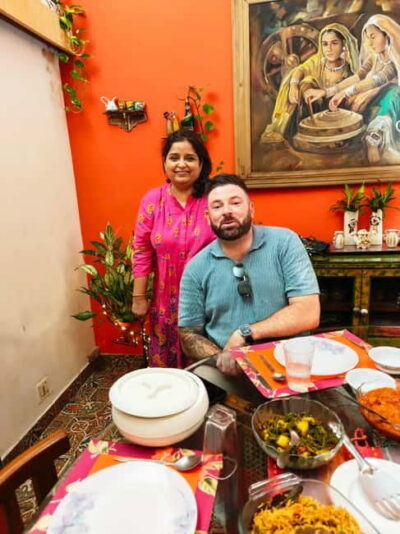
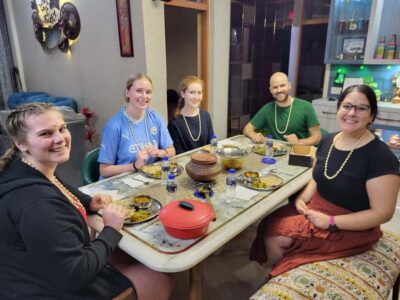
Talk & Enjoy with Delhi locals at their home while Cooking
Read our review →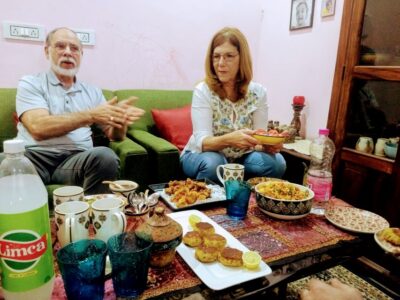
Full-Day Cooking Class learn 8 dishes with Locals
Read our review →Browse the lists this tour appears in