
Review · ROME COOKING CLASSES
Pasta Making and Tiramisù Cooking Class in Rome
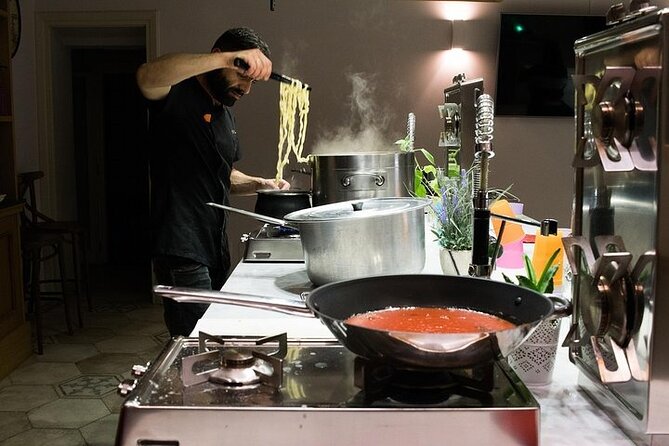
Fresh pasta is the real star here. In a 17th-century cooking school near Piazza Navona, you knead dough by hand, shape two pasta styles, prepare two Roman sauces, and finish with tiramisu. The class is taught in English by local chefs such as Simone, Marco, Alessandro, David, and Sara.
I like the warm opening with Prosecco and antipasti, and I like that the meal you make becomes a proper sit-down dinner with wine. You also leave with recipes and practical tips, not just a full stomach. The main concern is space and sound: one class had a poor experience with two groups sharing a tight, noisy kitchen, so this may not feel equally relaxed on every date.
Key points to know
- Two pasta styles from scratch: You knead, roll, and shape the dough yourself rather than simply watching a demonstration.
- Roman sauces are part of the lesson: You learn two traditional sauces and how one basic sauce can be adapted into others.
- Tiramisu adds a useful home-cooking win: The dessert is simple enough for beginners and comes with an explanation of its background.
- Dinner and drinks are included: Prosecco, antipasti, wine, soft drinks, water, and the finished meal are part of the experience.
- The chefs make the difference: Simone, Marco, Alessandro, David, Francesco, Fabio, and Sara are all named by guests as engaging, patient, funny, or clear.
- The class suits families and beginners: Children as young as six took part successfully, while more experienced home cooks still found useful technique tips.
A Pasta Class in the Heart of Rome
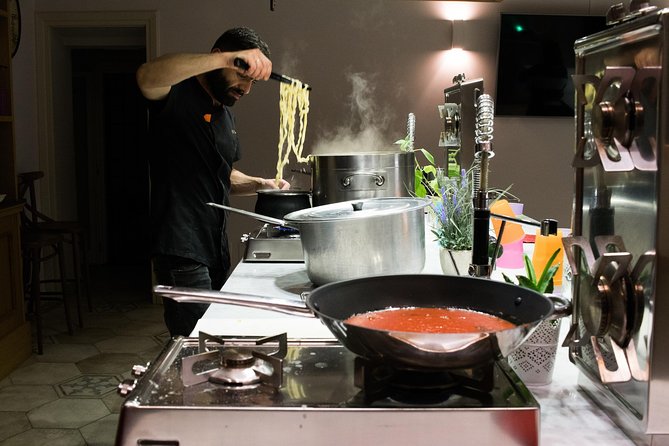
The meeting point is Corso del Rinascimento 65, close to Piazza Navona and handy for an evening walk through central Rome. The class lasts about two and a half hours, beginning at 5:30 pm and ending around 8 or 8:30 pm.
That timing works well. You can spend the day visiting churches, fountains, and museums, then settle in for a meal that you helped prepare. The food comes at the end, so this is not a class followed by a scramble to find dinner. It is your dinner.
The description also refers to morning classes timed to finish at lunch. The specific session supplied here starts at 5:30 pm, so check your chosen departure time carefully when booking. If you prefer a daytime activity, a morning option may be available, but it should not be assumed from the evening schedule.
The school is described as a charming 17th-century cooking space, with professional-grade equipment and a separate dining room. That matters because the experience aims to feel like both a lesson and a meal. You are not standing over a small counter eating samples. You sit down afterward and enjoy the finished food with drinks.
More Pasta Making Classes in Rome
- 3 in 1 Cooking Class near Navona: Fettuccine, Ravioli & Tiramisu
★ 5.0 · 7,376 reviews - Rome: Pasta Making Class with Wine, Limoncello, and Dessert
★ 4.9 · 3,177 reviews - Rome Cooking Class: Make Pasta and 3 Spritz Cocktails
★ 5.0 · 2,937 reviews
What Happens Before You Touch the Dough
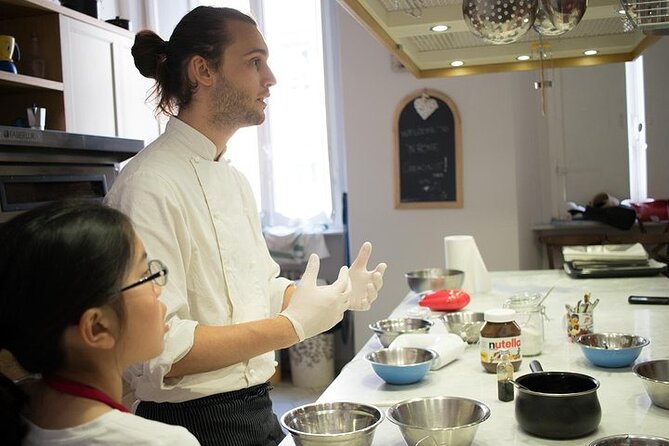
The welcome sets a relaxed tone. You begin with a glass of Prosecco, Italian appetizers, bread, and light refreshments before the main work starts. Bottled water, soft drinks, and alcoholic beverages are included as well.
This opening is useful in practical terms. You have time to arrive, meet the people at your table, and take the edge off your appetite before handling flour. Cooking classes can feel stiff when everyone walks in and immediately receives instructions. Here, the food and conversation begin first.
The group size is capped at 15 people. In practice, the class may be divided between chefs and workstations, with some sessions using two chefs and up to nine people per chef. That gives you a reasonable chance to ask for help, though the experience can depend on the exact group arrangement.
I would arrive ready to take part, not just take pictures. The value comes from handling the dough, asking questions, and watching how the chef corrects small mistakes. If you prefer a quiet, private lesson, this group format may feel social rather than intimate.
Making Two Types of Pasta by Hand
The pasta portion is the heart of the evening. You work with dough from the beginning, kneading and shaping it by hand. Depending on the session, the two styles can include spaghetti, fettuccine, ravioli, or another traditional shape.
That variety makes the lesson more useful than learning one noodle and calling it a night. Long pasta teaches you about rolling and cutting. Filled pasta, when included, brings a different set of skills and a little more patience. You get a better sense of how shape affects the way sauce clings to the pasta.
The chefs teach step by step, so you do not need advanced cooking skills. David is praised for clear instruction and patience, while Marco is described as funny and easy to follow. Simone is repeatedly singled out for kindness and calm coaching. Alessandro is known for lively teaching and humor, and Francesco is praised for encouragement.
Those details matter more than fancy equipment. Fresh pasta is not hard because the recipe is secret. It is hard because the dough can feel unfamiliar, and the right texture takes judgment. A good teacher helps you notice whether it needs more kneading, more flour, or simply more time.
You also learn the reasons behind the ingredients and methods. One of the useful lessons is how a base sauce can lead to several other sauces. That kind of explanation gives you something to use at home, instead of leaving you with a recipe that only works in a Roman cooking school.
Two Roman Sauces and Plenty of Practical Tips
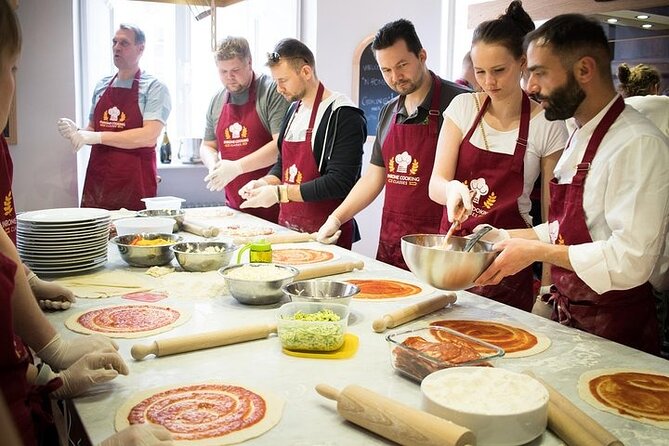
The class includes two authentic Roman pasta sauces. The exact combinations may vary, and one particularly flexible session included four sauces after the chefs adapted the lesson for requests and an allergy.
That flexibility is a plus, but it also means the class may not be identical every time. If you have your heart set on one particular Roman sauce, ask ahead rather than assuming it will be on the table. The supplied information promises two traditional sauces, not a fixed menu with named recipes for every date.
The teaching goes beyond adding ingredients in a set order. You learn how the ingredients work together, how sauces can be adjusted, and which substitutions may make the recipes easier at home. This is where the class earns part of its price. You are paying for guidance and judgment, not only for the food.
The recipes are sent after the class through a cookbook link, with the dishes made during the session and some additional recipes. That is a nice practical touch. Fresh pasta is easy to remember in theory, but exact proportions, cooking times, and sauce methods are much easier to repeat when you have them in writing.
More Tiramisu and Dessert Classes in Rome
- Rome: 3-in-1 Fettuccine, Ravioli, and Tiramisu Cooking Class
★ 4.9 · 2,704 reviews - Fettuccine & Tiramisù: Cooking Class with Wine & Limoncello
★ 4.9 · 2,103 reviews - Rome: Pasta & Tiramisu Cooking Class near the Spanish Steps
★ 4.8 · 1,395 reviews - Cooking Class in the Heart of Rome: Pizza and Tiramisu Making
★ 5.0 · 1,330 reviews
Tiramisu Is the Easy Dessert Lesson
Tiramisu comes before the final meal, and you prepare it yourself rather than receiving a pre-made portion. The chef also explains the dessert’s history while showing you how the creamy layers come together.
For a beginner, this is a smart second dish. Pasta requires handling dough and judging texture. Tiramisu gives you a calmer, more forgiving task. Several people specifically found it easy to make, which is useful if you want a recipe you can repeat soon after returning home.
The dessert also gives the class a complete shape. You are not learning only a first course. By the time you sit down, you have worked on the main dish and dessert, with a welcome snack at the beginning. The result feels closer to a cooking lesson built around a meal than a short pasta demonstration.
If you have dietary restrictions, vegetarian and gluten-free options are available. Tell the operator when booking and speak with the chef at the start. The class has accommodated allergy concerns in the past, but the provided information does not promise that every ingredient or shared surface can be changed for every condition.
Sitting Down for the Meal You Made
Once the food is ready, you move to the dining room and eat the pasta and tiramisu. Wine, soft drinks, bottled water, and the included alcoholic beverages accompany the meal.
This final dinner is one of the strongest parts of the format. You get to see whether the dough is cooked properly, how the sauce sits on the pasta, and how the dessert tastes after your own work. It also gives the class a natural finish instead of ending with a quick goodbye beside the stove.
The atmosphere can be social. The group format encourages conversation, and several classes became a chance to meet other English-speaking people from different parts of the world. That is especially pleasant for solo visitors and couples who want an evening activity with some company.
The tradeoff is that a shared meal can be noisier than a normal restaurant dinner. One poor experience involved two classes in the same area, with enough noise to make the instruction hard to hear. The operator explains that the kitchen covers about 1,180 square feet and uses two chefs with up to nine people each, but the size and layout may still feel lively when two groups run at once.
The Chefs Shape the Experience
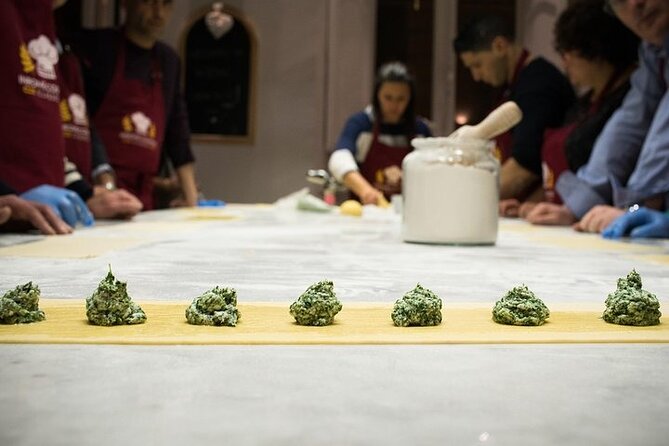
The named chefs receive unusually strong praise for their personal style. Simone is described as patient and kind. Marco is funny, clear, and helpful with pasta technique. Alessandro brings energy and humor, while David is calm and thorough.
Sara is praised for her patience, cheerful manner, clean kitchen, and useful cooking techniques. Fabio handled a family group ranging from five to 66 years old, and Francesco made the class encouraging and good-humored.
You should not assume you will get one particular chef unless the booking specifically confirms it. Still, the repeated strength of the instruction is encouraging. The class seems to rely on chefs who enjoy talking about food, which helps when the dough does not behave or when you want to understand why a sauce is prepared in a certain order.
The best fit is someone who wants to participate. If you only want a polished dinner, a restaurant may offer better service and more predictable food. If you like asking questions, learning by doing, and laughing when the first pasta shape is less than perfect, this format makes more sense.
Is the $119.77 Price Worth It?
At $119.77 per person, this is not a cheap meal. You can find pasta and tiramisu for less in Rome, especially if your only goal is to eat.
The comparison changes when you count what is included. You receive a welcome Prosecco, antipasti, hands-on instruction, two pasta styles, two Roman sauces, tiramisu, a sit-down lunch or dinner, wine, soft drinks, water, and recipes to use later. You are also paying for a central location and professional kitchen equipment.
I would call it fair value for someone who wants an activity as well as food. The class takes about two and a half hours, so it fills a meaningful part of an evening. Couples may find it a fun shared project, and families can turn it into a memorable night that keeps children involved.
It is weaker value if you are short on money, have little interest in cooking, or mainly want a refined meal. The food itself is made by a group of beginners, so it may not match the best pasta dinner in Rome. One unhappy participant found the food undercooked and average, and felt the noisy setting made the class poor value. That experience appears to be an outlier against the strong overall rating of 4.9 from 217 reviews and a recommendation rate of 98 percent, but it identifies a real risk: the quality of the evening depends on kitchen flow and how well you can hear the chef.
Who Should Book This Rome Cooking Class?
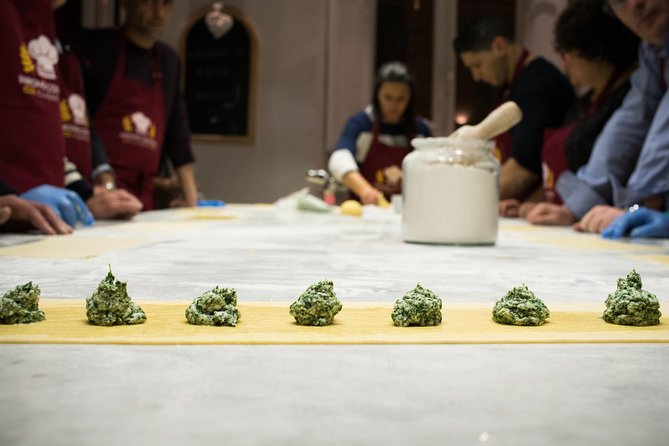
I would recommend it to couples, friends, solo visitors, and families with children who enjoy hands-on activities. The age range that has worked in past classes is broad, and the step-by-step format suits people with little cooking experience.
It is also a good choice for repeat pasta makers. You may already know how to roll dough, but the sauce lesson, chef tips, and different shapes can still give you ideas for your own kitchen.
I would be more cautious if you dislike group activities, need a quiet room, or have a serious food allergy that requires strict separation. Vegetarian and gluten-free options are offered, but you should arrange this in advance and confirm the safeguards that matter to you.
The meeting point is near public transportation, and the activity ends where it begins. Hotel pickup and drop-off are not included, so plan your own route to Corso del Rinascimento 65. Free cancellation is available up to 24 hours before the start time. Cancellations or changes made later are not refunded.
FAQ
Where does the pasta and tiramisu class meet?
The meeting point is Corso del Rinascimento 65, 00186 Roma RM, Italy, near Piazza Navona. The activity ends back at the meeting point.
What time does the class start?
The listed class begins at 5:30 pm and lasts about two and a half hours. The experience information also refers to morning classes that finish around lunchtime, so check the exact session time you select.
What food will I make?
You will make two types of fresh pasta, two traditional Roman sauces, and homemade tiramisu. The exact pasta shapes may vary, with examples including spaghetti, fettuccine, and ravioli.
Are drinks and a meal included?
Yes. The experience includes a welcome Prosecco and Italian appetizers, followed by the pasta and tiramisu you prepare. Wine, soft drinks, bottled water, and other listed alcoholic beverages are included.
Are vegetarian and gluten-free options available?
Yes, vegetarian and gluten-free options are available. Provide the information when booking so the cooking team can prepare for your needs.
How many people can join the class?
The activity has a maximum of 15 participants. Sessions may use two chefs with up to nine people per chef.
Should You Book It?
Book this class if you want to make your dinner, not just order it. The central setting, friendly English-speaking chefs, included drinks, family-friendly format, and recipes for home use give it real value.
Go in expecting a lively group kitchen, not a silent private lesson. If you can accept that tradeoff, this is a well-rounded way to spend an evening in Rome, with enough technique to remember and enough food to make the price feel reasonable.
Newest classes around Rome
- Testaccio: Home Cooking Cacio e Pepe, Amatriciana, Carbonara★ 4.9 · 57 reviews
- Super Fun Pasta and Gelato Cooking Class by the Vatican★ 5.0 · 6 reviews
- Spritz and Spaghetti Traditional Cooking Class in Rome★ 4.9 · 30 reviews
- ROME:Hands-On Lasagna & Marsala Tiramisu Cooking Experience”★ 5.0 · 3 reviews
- Rome: Vatican Food Tours, Cooking classes & Free Tours★ 4.9 · 11 reviews
- Rome: Trastevere Pasta Making Class★ 4.9 · 33 reviews
- Rome: Small Group Pasta cooking class near Piazza Navona★ 4.9 · 8 reviews
- Rome: Traditional Cooking Class in the Jewish Ghetto★ 4.9 · 75 reviews
Rome Cooking Classes, compared.
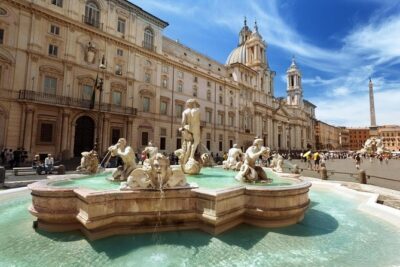
3 in 1 Cooking Class near Navona: Fettuccine, Ravioli & Tiramisu
Read our review →
Pasta Making Class with Wine, Limoncello, and Dessert
Read our review →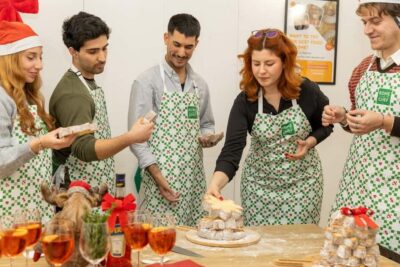
Rome Cooking Class: Make Pasta and 3 Spritz Cocktails
Read our review →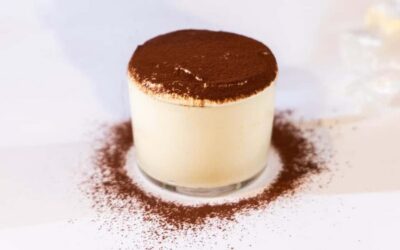
3-in-1 Fettuccine, Ravioli, and Tiramisu Cooking Class
Read our review →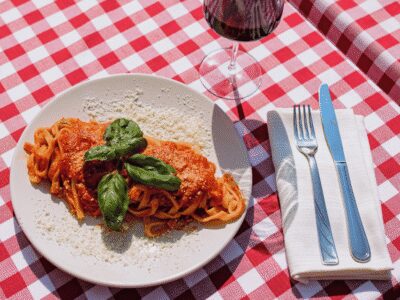
Fettuccine Pasta Cooking Class in Rome’s City Center
Read our review →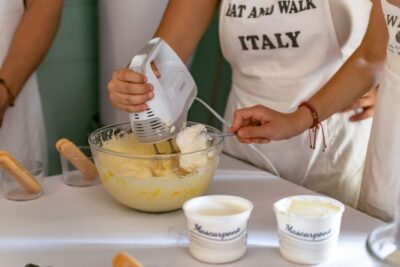
Fettuccine & Tiramisù: Cooking Class with Wine & Limoncello
Read our review →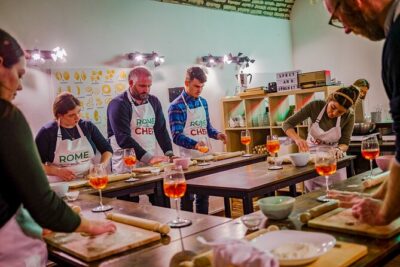
Pasta Cooking Class Near the Colosseum with 3 Spritz Cocktails
Read our review →
Enjoy Spritz and Pasta Making in Piazza Navona
Read our review →Browse the lists this tour appears in