
Review · ATHENS COOKING CLASSES
Local Home Cooking – A Taste of the Greek Islands in Athens
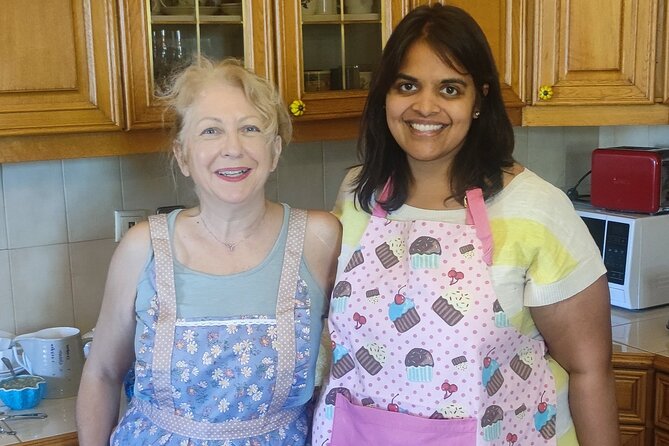
The most memorable part of this Athens cooking class is the setting: you cook inside a private home filled with original paintings, antiques, and vintage décor, then eat what you made in an elegant dining room. Christo, a professional cook from Corfu, leads the kitchen with humor and focus, while Fotini adds the warmth and polish of a practiced host.
I like the clear connection to the Greek islands, especially the Syros and Kimolos recipes. I also like that the class begins with the story of Greek cuisine, so the dishes have a place in Greek life, not just a list of ingredients. The main consideration is the price: at $140 per person, this is a special occasion activity rather than a cheap meal.
Key points to know before booking
- Five traditional recipes: Prepare island dishes, feta pie, spiced meatballs, and a cocoa dessert.
- Two welcoming hosts: Christo brings professional cooking skills from Corfu, while Fotini brings years of self-taught home cooking.
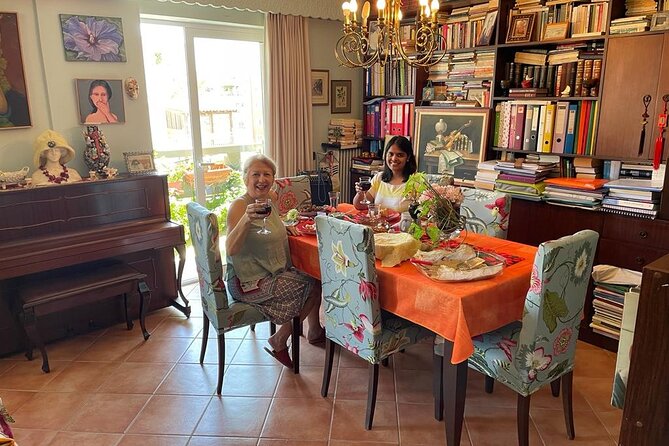
- An art-filled private home: The apartment is part of the experience, with paintings, antiques, and carefully arranged table settings.
- Lunch or dinner choice: You can fit the class into either the middle or end of your Athens day.
- A real sit-down meal: Your cooking becomes dinner or lunch, served with coffee or tea and one to two glasses of wine.
- Private format: Only your own group takes part, making this a more personal choice than a large group cooking school.
Cooking Greek island flavors in an Athenian home
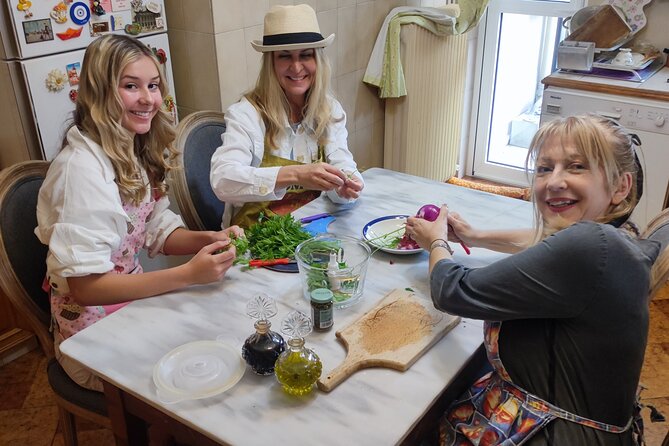
This is not a restaurant demonstration where you watch someone else cook and then receive a plate. You work through five recipes in a private Athenian apartment, with Christo and Fotini guiding you through the preparation.
The menu gives the class its strongest sense of place. Greek food is often presented as one broad national tradition, but this meal points to different islands and regions. You will prepare a parsley salad from Syros, a black-eyed pea dish from Kimolos, and other recipes that show how Greek cooking changes from one part of the country to another.
That island focus matters because the dishes are not all the usual Athens staples. You are not simply making a familiar Greek salad and calling it a cooking class. Caper, parsley, beans, rice, feta, spices, tomato, and potatoes each tell a different part of the story.
The class lasts about three hours. That is long enough for hands-on cooking, a short food history lesson, and a relaxed meal without turning the day into an all-day project. You can choose a lunchtime or dinnertime session, a useful option if you are fitting this around museum visits, sightseeing, or an evening walk through central Athens.
More Home Cooking Classes in Greece
- Cook with Katerina: Authentic Greek Home Cooking Class in Athens
★ 5.0 · 15 reviews - Mykonos: Group Cooking Class at the Home of a Local Family
★ 5.0 · 166 reviews - Rethymno: Chrysoula’s Cretan Home Cooking Lessons
★ 5.0 · 98 reviews
Meeting Christo and Fotini in Nea Smyrni
The meeting point is at Ikoniou 100 in Nea Smyrni, at the Estia Neas Smyrnis area. The activity begins and ends there, and private transportation is not included, so you will need to arrange your own way to the address.
The location is near public transportation, which helps, but check your route before setting out. Athens addresses can take longer to reach than they appear on a map, especially if you are changing from a central sightseeing area. Since the class begins at a private home, arriving on time is especially important.
The apartment itself is not just a backdrop. It is described as an art gallery-like space, with paintings, antiques, and vintage furnishings. The dining room and table setting receive particular attention, giving the meal a more formal feel than a casual cooking lesson.
I see this as part of the appeal and part of the price. You are paying for a private setting, personal instruction, a meal, drinks, and the chance to spend time with two local hosts. If you want a quick, inexpensive class, this is not the right fit. If you enjoy food, art, and conversation in equal measure, the setting adds real value.
Starting with the story behind Greek food
Before the cooking gets underway, Christo and Fotini introduce the evolution of Greek cuisine. The goal is not to bury you in dates or technical detail. It is to show how geography, local ingredients, and tradition shape what appears on the table.
That opening helps explain why the menu works so well. A dish built around parsley and caper feels different from a baked meatball dish with tomato and potatoes. A bean and rice salad from Kimolos points to a different food tradition than a feta pie or a cocoa sweet.
I like this part because it gives you a better way to understand Greek meals during the rest of your trip. You may notice the role of legumes, herbs, cheese, olive oil, vegetables, and strong seasonings with more attention after the class. The meal becomes a lesson in regional habits rather than a collection of unrelated recipes.
The hosts use seasonal ingredients and time-honored methods. The supplied details do not provide a full list of every technique, so you should not expect a formal chef-school syllabus. Instead, expect practical instruction aimed at making traditional home dishes and understanding how they fit together.
The five-dish menu, from Syros to the dessert plate
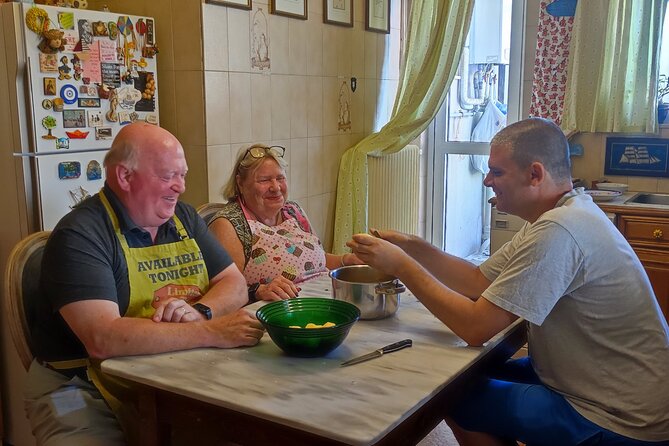
The sample menu is the heart of the experience. You prepare five dishes, each with a distinct role at the table.
More Greek Classes in Athens:
- Greek Cooking Class in Athens Including Rooftop Dinner with Acropolis View
★ 5.0 · 826 reviews - Greek Small-Group Athens Cooking Class & Dinner
★ 5.0 · 574 reviews - Athens: Greek Cooking Class & Dinner on a Rooftop
★ 5.0 · 383 reviews - Athens: Greek Cuisine Cooking Class and 3-Course Dinner
★ 4.8 · 270 reviews
Maidanosalata from Syros
Maidanosalata is a parsley-based salad from Syros, made with onion, caper, and garlic. It has a sharper, more herb-forward character than the creamy dips many people associate with Greek food.
This is a useful first taste of island cooking. Parsley is not treated as a small garnish here. It carries the dish, while caper and garlic provide bite. You get a clear lesson in how a few strong ingredients can create a dish with plenty of personality.
Tebelopita, a feta cheese pie
Tebelopita is a traditional Greek pie made with feta cheese. The class gives you a chance to work with one of the country’s most familiar ingredients in a more substantial form.
Feta pies vary across Greece, and the name may be new to many visitors. That is part of the fun. You are learning a specific preparation rather than a generic version of Greek food. The pie also gives the meal a satisfying, savory center.
Papoudia salad from Kimolos
Papoudia is a salad of black-eyed peas, rice, and vegetables from Kimolos. It shows the practical side of Greek island food, where beans and grains provide substance and vegetables bring freshness.
This is the kind of dish I would pay attention to if you want recipes you can repeat at home. It is less familiar to many visitors than meatballs or feta pie, and it reflects the importance of legumes in Greek cooking. The Kimolos connection also gives the meal another island reference without repeating the flavors of the Syros salad.
Soutzoukakia baked with tomato and potatoes
Soutzoukakia are Greek meatballs made with several spices, then baked in the oven with tomato sauce and potatoes. This is likely to be the most immediately familiar and hearty part of the meal.
The baked preparation makes it a practical home dish rather than a restaurant-only specialty. The spices are central, and the tomato sauce and potatoes turn the meatballs into a complete main course. Christo’s guidance is especially useful here because the seasoning is what gives the dish its Greek character.
Mossaiko, a cocoa sweet
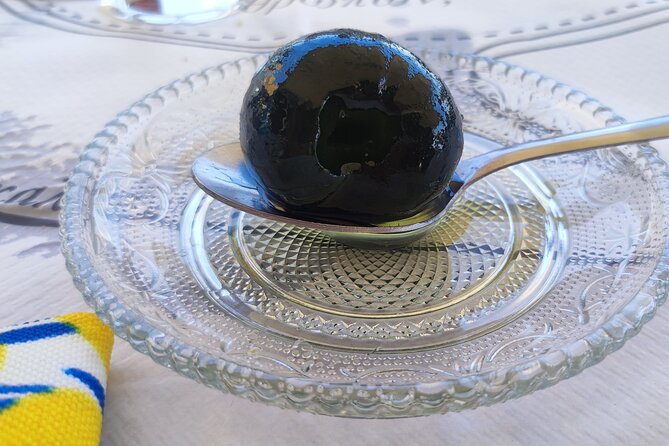
Mossaiko is a traditional Greek dessert made with cocoa. It provides a simple, chocolate-based finish after the savory dishes.
Because the meal includes five recipes, the dessert is not an afterthought. You take part in the full rhythm of a Greek meal, from salads and pie to a main dish and something sweet. Coffee or tea is also included, giving you a comfortable way to end the table time.
Christo’s kitchen guidance and Fotini’s home cooking
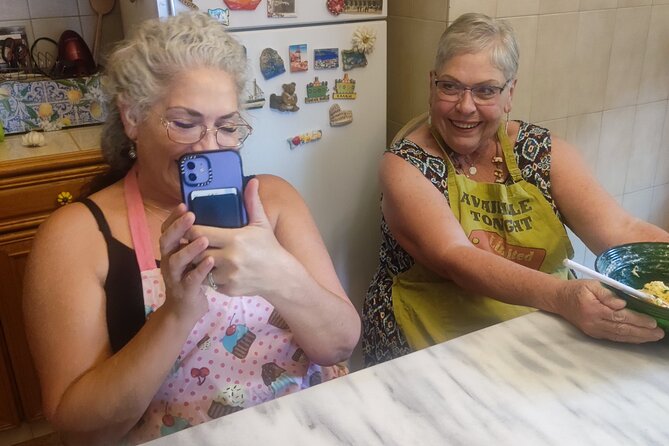
Christo is a professional cook from Corfu, and the class benefits from his kitchen experience. He is described as keeping participants focused while maintaining a good sense of humor, a useful combination when several dishes are being prepared at once.
Fotini is a passionate self-taught cook. Her role gives the class a home-kitchen quality that balances Christo’s professional background. Together, they offer two different ways into Greek food: trained technique and lived household tradition.
The private format means only your group participates. That can make a big difference if you want to ask questions, take your time with a recipe, or talk about ingredients and regional cooking. It also means the atmosphere may feel more like being invited into someone’s home than attending a commercial class.
The tone appears warm and personal, but you should still remember that this is a planned three-hour activity. It is not an open-ended evening with no schedule. You will cook, eat, and talk within the time available.
A meal served with Greek wine
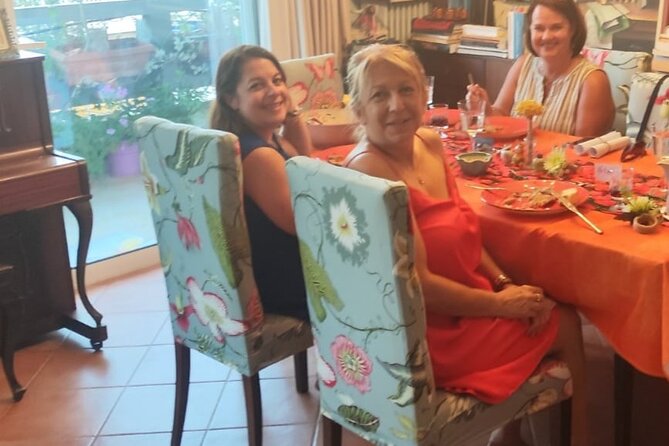
Once the cooking is complete, you sit down to eat the dishes you helped prepare. One to two glasses of wine are included, and the minimum drinking age is 18. Soft drinks, coffee, and tea are also available as part of the experience.
The wine matters less as a tasting lesson than as part of the meal. No detailed wine education is promised, so do not book this expecting a vineyard-style presentation. Instead, see it as a chance to pair Greek food with Greek wine in a calm dining setting.
The table setting is one of the most praised parts of the evening. The dining room is described as elegant, with a carefully arranged table and a sense of occasion. You might find the style more formal than expected for a home meal, but that is exactly what makes this different from a basic cooking workshop.
The hosts also make conversation part of the meal. Fotini’s education and polished manner are noted in the supplied comments, while the overall welcome is repeatedly described as warm and family-like. If you enjoy talking with your hosts as much as preparing food, this format should suit you.
Is $140 a fair price?
At $140 per person, the class costs more than a standard group cooking lesson or a simple Athens dinner. The value comes from several pieces bundled together: about three hours of private instruction, five dishes, a meal, drinks, a historical introduction, and time in a distinctive private home.
You are also paying for the private format. Only your group participates, so you are not sharing the kitchen with a large class. That can be worth more to couples, families, or small groups who want direct attention and a quieter setting.
The price makes less sense if you mainly want to eat. Athens offers many less expensive ways to enjoy Greek food. Choose this class if you want to understand how the food is made, hear about its regional roots, and take part in a hosted meal.
I would also consider the meal itself. You prepare and eat five recipes, so this is not just a short snack before another dinner reservation. Plan your day around it, especially if you choose the evening session.
Who will enjoy this class most?
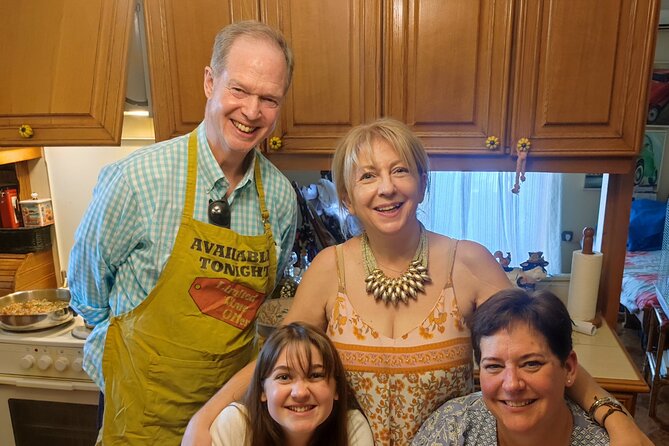
I would recommend this experience to serious food lovers, home cooks, and anyone who prefers personal contact over a large sightseeing group. It also suits visitors who want a different side of Athens beyond ancient monuments and busy central streets.
The art-filled apartment makes it appealing to people who enjoy interiors, antiques, and table settings. The food history section adds value for anyone who wants context, not just instructions.
Vegetarians can take part because a vegetarian option is available. You should state your needs when booking, since the listed sample menu includes meatballs. The provided information does not specify which dishes will be substituted, so ask for the details in advance if your diet is strict.
Most people can participate, and service animals are allowed. The activity is offered in English, and confirmation is sent at booking. It is generally booked about five days ahead, so do not leave it until the last moment if your Athens schedule is tight.
The cancellation rule is strict: the booking is non-refundable and cannot be changed for any reason. Check your date, meeting point, and lunch or dinner preference carefully before paying.
Should you book this Athens cooking experience?
Book it if you want a private meal with a cultural story behind it, not simply a recipe lesson. Christo and Fotini offer a mix of island cooking, personal hosting, and an elegant setting that is hard to reproduce at a restaurant.
The strongest reasons to choose it are the five-dish menu, the Syros and Kimolos recipes, the art-filled home, and the chance to sit down with the people who guided your cooking. The main reasons to skip it are the $140 price, the fixed meeting point in Nea Smyrni, and the strict no-refund policy.
For a food-focused visit to Athens, I think the experience earns consideration. It gives you something useful to take home: a better sense of how Greek regional cooking works, plus several recipes connected to real places. Just arrive prepared to cook, eat a full meal, and spend an evening in your hosts’ carefully kept home.
FAQ
Where does the cooking class take place?
The activity takes place at Estia Neas Smyrnis, at Ikoniou 100, Nea Smirni 171 23, Greece.
How long does the experience last?
The cooking and dining experience lasts approximately three hours.
Is lunch or dinner available?
Yes. You can choose a lunchtime or dinnertime class.
Which dishes will I prepare?
The sample menu includes Maidanosalata from Syros, Tebelopita with feta cheese, Mossaiko cocoa dessert, Papoudia salad from Kimolos, and baked Soutzoukakia meatballs with tomato sauce and potatoes.
Is wine included?
Yes. One to two glasses of wine are included. Coffee, tea, and soft drinks are also included. The minimum age for alcohol consumption is 18.
Can vegetarians participate?
Yes. A vegetarian option is available.
Is transportation included?
No. Private transportation is not included. The activity begins and ends at the meeting point, which is near public transportation.
More Home Cooking Classes in Athens
- Khmer Cooking Class at a Local’s Home in Krong Siem Reap
★ 5.0 · 2,731 reviews - Local Home Korean Cooking Class & Market Adventure in Seoul
★ 5.0 · 1,024 reviews - Marrakech: Moroccan Cooking Class with a Local Family
★ 4.9 · 668 reviews - Mexican Cooking from Scratch in a Local Home in Tulum
★ 5.0 · 585 reviews
Newest classes around Athens
- Greek Cooking Class with Acropolis View★ 5.0 · 76 reviews
- Private Walking Meze Cooking Course★ 5.0 · 6 reviews
- Cook with Katerina: Authentic Greek Home Cooking Class in Athens★ 5.0 · 15 reviews
- Private Greek Cooking Class in Athens-Learn to Cook with Angelina★ 5.0 · 3 reviews
- Hands On Greek Cooking Classes in Athens★ 5.0 · 7 reviews
- Athens: Traditional Vegan Cooking Class incl. Drinks★ 5.0 · 41 reviews
- Cooking Class in Athens: Learn the Art of Phyllo with Christina★ 5.0 · 24 reviews
- Greek Meze Cooking class and dinner with an Acropolis view★ 5.0 · 41 reviews
Athens Cooking Classes, compared.
Classic Cooking Class with Market Visit and Wine
Read our review →
Food Market Visit and Cooking Class with Wine
Read our review →
Greek Cooking Class in Athens Including Rooftop Dinner with Acropolis View
Read our review →
Greek Small-Group Athens Cooking Class & Dinner
Read our review →
Greek Cuisine Cooking Class and 3-Course Dinner
Read our review →
Traditional Greek cooking class and lunch or dinner with an Acropolis view
Read our review →
Athens Greek Cooking Class Pita Gyros from Scratch with a Local
Read our review →Browse the lists this tour appears in