Review · ATHENS COOKING CLASSES
Traditional Greek cooking class and lunch or dinner with an Acropolis view
The best part of this Athens cooking class is that you do not merely watch someone prepare Greek food. You make the meal yourself, from paper-thin phyllo dough to tzatziki, salad, a main dish, and dessert, then sit down to eat it with wine. The setting at CookinAthens is designed to feel like a home kitchen, with Marilena and her team leading the work.
I especially like the hands-on format and the recipes sent after class. You learn useful techniques, not just a few staged tricks, and you can try the full menu again at home. The relaxed meal also gives you time to talk with your cooking partners over Greek wine and traditional spirits.
One point needs a clear warning: the Acropolis view is not guaranteed from every place in the kitchen, and finding the studio at Evripidou 90 can take a little attention. Arrive 10 minutes early, look for the CookinAthens sign, and follow the directions sent after booking.
Key points to know before you book

- Make phyllo from scratch: This is one of the class’s most memorable skills, and the instructor breaks it into manageable steps.
- Cook a full Greek meal: Expect two starters, a pita, Greek salad, a main course, and dessert, with the exact menu changing by season.
- Eat what you prepare: The class ends around a shared table, with Greek wine and traditional spirits included.
- Recipes come afterward: You receive the dishes by email, making this more useful than a meal you simply forget once the holiday ends.
- A small but social group: The class accepts up to 16 people, enough for conversation without being a huge tour.
- Plan for a warm, active kitchen: Air conditioning is available, but summer Athens can still feel hot while several people cook.
What happens inside CookinAthens
This is a three-hour class and meal in central Athens. You meet at CookinAthens, Evripidou 90, Athina 105 53, and finish at the same place. The activity is offered in English, with a mobile ticket and confirmation at booking.
The class begins on time, so I would not cut it close. Give yourself enough time to find the building and reach the studio. A few people have found the location or top floor slightly hard to identify, so look for the CookinAthens sign and check the arrival instructions you receive.
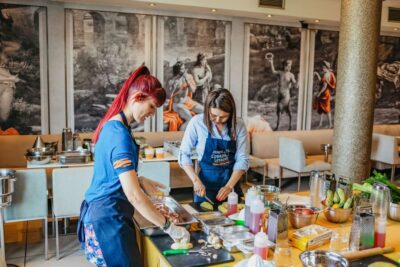
Once everyone is settled, Marilena or another member of the CookinAthens team introduces the menu and the work ahead. The tone is informal and social, but the lesson still has a clear rhythm. Ingredients are prepared for the group, and the chef explains what you are doing, why it matters, and how the dishes fit together.
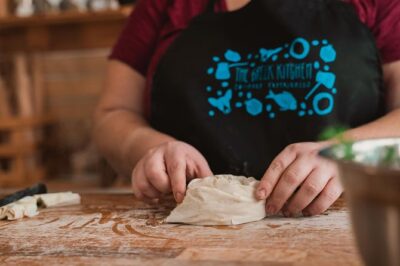
This is not a class where you spend three hours chopping one onion while the chef does everything else. Key parts of the menu are assigned to the participants. Making dough from scratch is specifically handled by everyone, so you get a real chance to practice the technique.
More Greek Classes in Athens:
- Greek Cooking Class in Athens Including Rooftop Dinner with Acropolis View
★ 5.0 · 826 reviews - Greek Small-Group Athens Cooking Class & Dinner
★ 5.0 · 574 reviews - Athens: Greek Cooking Class & Dinner on a Rooftop
★ 5.0 · 383 reviews
Six Greek dishes, with plenty of hands-on work
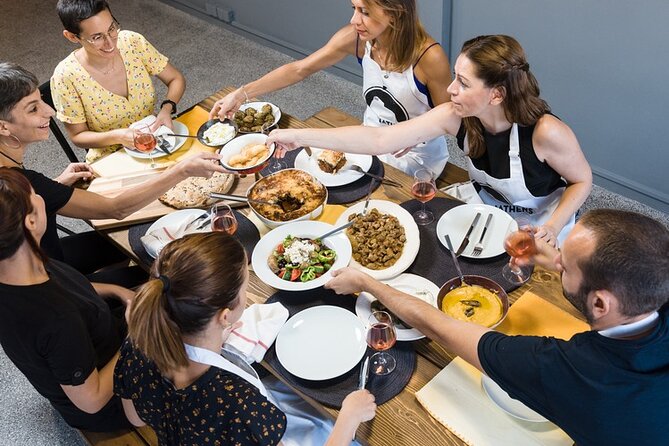
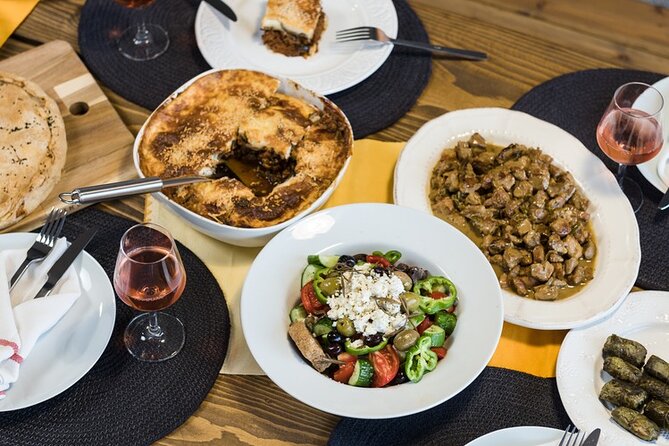
The menu covers the main building blocks of a Greek meal. You can expect two appetizers, a Greek pie, salad, a main course, and dessert. The exact dishes depend on the season and the ingredients available.
Tzatziki is often one of the early preparations. It combines Greek yogurt, garlic, dill, and cucumber, and it gives you a useful lesson in balancing strong flavors. This is a simple dish, but the details matter. Too much garlic can take over, while too much liquid can make the dip thin.
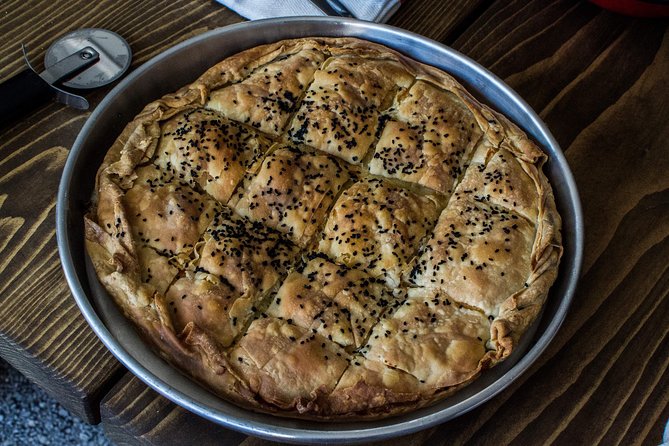
The pie is usually either a cheese pie or spinach pie. The cheese version uses phyllo, kaseri, and manouri. The spinach version includes spinach, leeks, herbs, and manouri. Making the phyllo yourself is the class’s most distinctive technique. It can sound intimidating, but the instruction keeps the process practical, and you get to see how thin the dough should become before it goes into the pie.
Other possible starters include peppers stuffed with cheese, dolmadakia, or grape leaves filled with rice and herbs. These dishes show different sides of Greek home cooking. Stuffed peppers are direct and comforting. Dolmadakia require more patience, since the filling must be wrapped neatly in grape leaves.
Greek salad may seem familiar, but this is a useful chance to taste it in the context of a Greek meal rather than as a generic restaurant side. The listed ingredients include tomatoes, cucumbers, peppers, Kalamata olives, capers, and xinomizithra. The cheese and salty ingredients give the salad more character than a basic tomato and cucumber mix.
You then move toward the main course. Depending on the day and season, possibilities include moussaka, pastitsio, soutzoukaki, gemista, or chicken prepared lemonato or youvetsi style. These are not interchangeable dishes. Moussaka brings together eggplant, a tomato-based meat sauce, and béchamel. Pastitsio is a baked pasta dish. Soutzoukaki centers on seasoned meatballs, while gemista focuses on vegetables stuffed with rice and herbs.
Winter menus may include pork braised with leeks and celery, served with avgolemono sauce. You might also prepare youvarlakia, a soup with meatballs, rice, herbs, and egg-lemon sauce, or chicken soup with rice and the same bright, creamy finish.
Dessert can be baklava rolls, Greek yogurt mousse, or loukoumades in winter. Baklava rolls continue the phyllo lesson in a sweeter direction. Yogurt mousse is lighter. Loukoumades are a winter-only possibility, so do not book expecting one exact dessert unless you have confirmed the menu in advance.
Why the shared meal matters
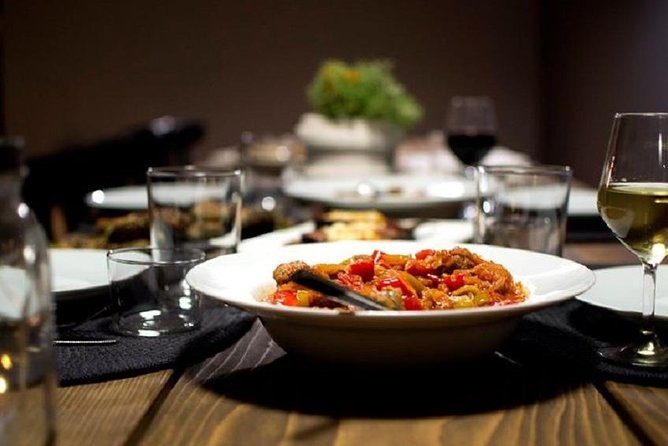
After the cooking, you sit down and eat the food you helped prepare. This is more satisfying than a standard restaurant meal because you understand the work behind each dish. You have handled the dough, mixed the fillings, assembled the dishes, and watched the meal come together.
The meal also changes the pace of the class. You are no longer standing at a work surface or waiting for instructions. You can talk with the other people at your table, compare notes, and enjoy the results without rushing.
Greek wine and traditional spirits are included. The stated allowance is two alcoholic drinks per person, and the class also provides beverages. If you do not drink alcohol, mention your needs when booking so the team can plan appropriately.
The food is described as abundant, so arrive hungry. Several dishes make this more like a full lunch or dinner than a small cooking demonstration. If you schedule the class before another major meal, you may find yourself carrying a very full stomach into the rest of your day.
The Acropolis view, realistically considered
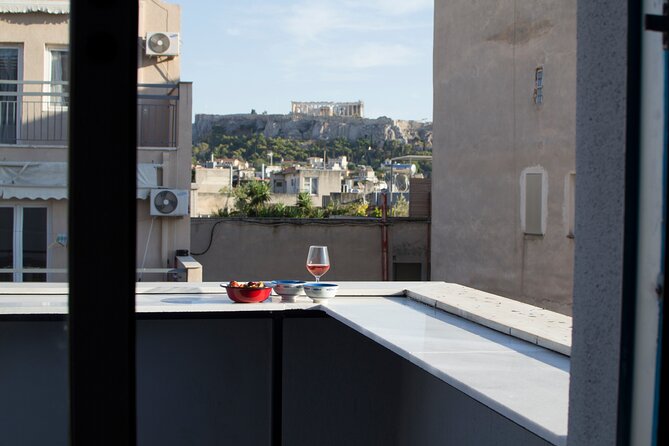
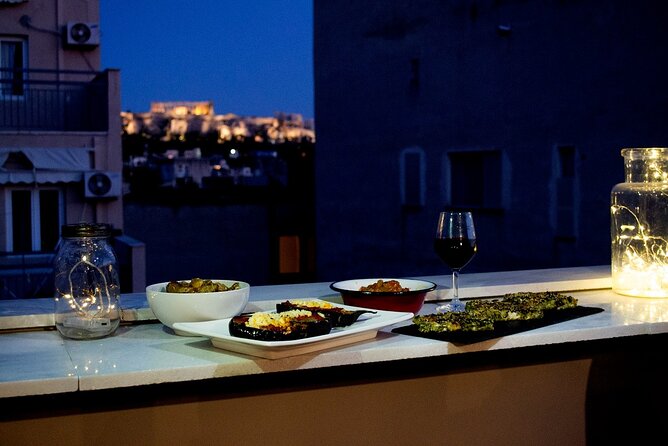
The experience is promoted with an Acropolis view, and you may see the landmark from the studio. Still, the view is not the central attraction, and it is not necessarily visible from every work position.
One useful point is that cooking requires you to face the counter much of the time. You will be measuring, rolling, chopping, stirring, and assembling food. If you book mainly for uninterrupted Acropolis photographs, this is the wrong priority.
I see the view as a pleasant extra rather than the reason to choose the class. The real value is the combination of instruction, a complete meal, and a recipe collection. If the Acropolis is visible while you work or eat, it adds a memorable Athens setting to the afternoon or evening.
More Classes with a Sit-Down Meal in Athens:
- Pasta Making & Wine Tasting with Dinner in Frascati from Rome
★ 5.0 · 1,326 reviews - Palermo: Pizza and Gelato Cooking Class with Dinner and Wine
★ 4.9 · 951 reviews - Seville: Spanish Cooking Class with Dinner
★ 4.9 · 900 reviews - Paris Evening Cooking Class French Dinner and Market Visit Option
★ 5.0 · 430 reviews
Marilena’s teaching style and the group atmosphere
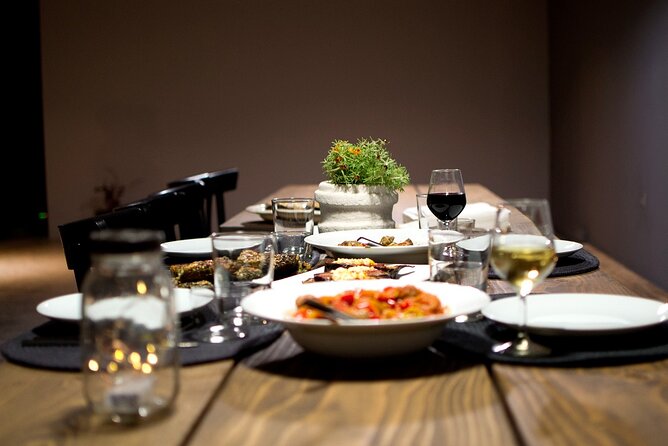
Marilena is repeatedly singled out for being friendly, patient, funny, and clear. That matters in a cooking class because timing can make a lesson either enjoyable or stressful. The team helps participants keep moving without making beginners feel foolish.
The class can include up to 16 people. That is not an intimate private lesson, but it is small enough for a shared table and group conversation. Assistants help with cleanup, which means you are not left facing a mountain of dirty dishes after the meal.
The class suits people who like meeting others. You may cook beside couples, families, or solo visitors, then share the finished food together. It is also a good choice if you want an activity that gives you a stronger connection to Greek food than a restaurant reservation alone.
The minimum age is 12. Younger children cannot join, so families should keep that rule in mind when planning their Athens schedule.
Dietary needs and seasonal menus
The class can be tailored to dietary preferences, but you need to say what you require when booking. It is also wise to send a follow-up email after booking if you have a serious allergy or strict restriction.
The team has accommodated dietary needs during class, including a milk allergy, but that should not be treated as a reason to arrive without warning. Greek cooking often uses yogurt, cheese, béchamel, butter, and other dairy products. Early notice gives the kitchen a fair chance to adjust the menu.
Seasonality affects the dishes. Winter brings recipes such as pork with leeks and celery, youvarlakia, egg-lemon soups, and possibly loukoumades. Summer or another season may bring a different main course and dessert.
If there is one dish you especially want to make, contact CookinAthens after booking. The menu is not fixed in every detail, so this is important for anyone booking specifically for moussaka, baklava, or a particular pie.
Finding the studio and handling the timing
The meeting point is CookinAthens, Evripidou 90, in Athens. The activity ends there, so you do not need to arrange a separate return transfer.
The location is near public transportation, but the building can be easy to miss. Arriving 10 minutes early gives you time to identify the entrance, find the correct floor, and settle in before the class starts. This is especially important because late arrival can disrupt a cooking lesson that depends on timing.
You receive confirmation when you book, and the experience accepts mobile tickets. Service animals are allowed. The class is offered in English, which makes the instructions accessible to English-speaking visitors.
The provider has air conditioning, though one visitor found the room uncomfortably hot. Athens summers can be intense, and a kitchen full of people working around ovens and hot food will not feel cool all the time. If you dislike heat, a cooler season or an evening class may be more comfortable, if that option is available for your date.
Is the $114.93 price fair?
At $114.93 per person, this is not a cheap meal. It is also more than a short demonstration or a basic market tasting. The price includes roughly three hours of instruction, a six-dish meal, Greek wine and traditional spirits, and the recipes afterward.
I think the value is strongest if you will actually cook from the recipes at home. Phyllo, moussaka, stuffed grape leaves, and baklava rolls are the sort of dishes that can turn into a full dinner party later. You are paying for food, but also for skills and a usable record of what you learned.
The value is weaker if you want a quiet meal, a private cooking lesson, or a guaranteed close-up Acropolis view. This is an active group class, and some time will be spent working rather than admiring the scenery.
It is commonly booked well ahead, with an average booking lead time of about 54 days. That suggests you should reserve early if your Athens dates are fixed, especially if you need a particular menu or have dietary requirements.
Who should book this class?
I would choose this for people who enjoy cooking, eating, and talking with strangers. It works well for couples, families with children aged 12 or older, and solo visitors who want an easy social activity.
It is also a smart choice near the beginning of an Athens stay. Learning the names and flavors of familiar Greek dishes early can help you read menus with more confidence later. You may recognize tzatziki, dolmadakia, moussaka, or pastitsio instead of treating every Greek menu as a guessing game.
You should skip it if you dislike group activities, have very limited time, or want complete control over the menu. You should also think twice if the Acropolis view is your main reason for booking.
Should you book CookinAthens?
Yes, if you want a practical Greek food lesson that ends with a generous shared meal. The strongest reasons are the full menu, the chance to make phyllo from scratch, Marilena’s warm teaching style, and the recipes sent to you afterward.
Book early, report allergies before arrival, and confirm any must-have dish. Arrive 10 minutes early and treat the Acropolis view as a bonus, not the main event. For the right kind of visitor, this is one of the better ways to turn a meal in Athens into a skill you can carry home.
FAQ
How long does the cooking class last?
The class and lunch or dinner last about three hours.
Where does the activity begin?
It begins at CookinAthens, Evripidou 90, Athina 105 53, Greece.
Where does the activity end?
The activity ends back at the CookinAthens meeting point.
What language is the class offered in?
The class is offered in English.
What food will I prepare?
The usual format includes two appetizers, a Greek pie, Greek salad, a main course, and dessert. The exact dishes change with the season.
Is phyllo dough made during the class?
Yes. Making dough from scratch is one of the key techniques practiced by all class participants.
Will I eat the food I cook?
Yes. After preparing the dishes, you eat the meal together at the end of the class.
Are wine and spirits included?
Yes. Greek wine and traditional spirits are included, with two alcoholic drinks per person. Other beverages are also provided.
Can dietary needs be accommodated?
The menu can be tailored to dietary needs, but you must provide this information when booking. Contact the provider after booking if you have a specific request.
What is the cancellation policy?
You can cancel up to 24 hours before the start time for a full refund. Cancellations or changes made less than 24 hours before the experience are not refunded or accepted.
More Dinners Out in Athens
- Athens: Greek Cuisine Cooking Class and 3-Course Dinner
★ 4.8 · 270 reviews - Greek Meze Cooking class and dinner with an Acropolis view
★ 5.0 · 41 reviews - Rome: Pasta Making with Wine Tasting and Dinner in Frascati
★ 4.9 · 979 reviews - Tuscan Cooking Class and Dinner in Florence
★ 4.5 · 732 reviews
More Lunches Out in Athens
- Athens Cooking Class and Lunch in our beautiful garden in Greece
★ 5.0 · 130 reviews - Cooking Class in Athens with Shopping in Central Market & Lunch
★ 5.0 · 55 reviews - Athens: Cooking Class, Market Visit & Lunch at Local Tavern
★ 4.9 · 27 reviews - Cooking Class and Lunch at a Tuscan Farmhouse with Local Market Tour from Florence
★ 5.0 · 4,831 reviews
Newest classes around Athens
- Greek Cooking Class with Acropolis View★ 5.0 · 76 reviews
- Private Walking Meze Cooking Course★ 5.0 · 6 reviews
- Cook with Katerina: Authentic Greek Home Cooking Class in Athens★ 5.0 · 15 reviews
- Private Greek Cooking Class in Athens-Learn to Cook with Angelina★ 5.0 · 3 reviews
- Hands On Greek Cooking Classes in Athens★ 5.0 · 7 reviews
- Athens: Traditional Vegan Cooking Class incl. Drinks★ 5.0 · 41 reviews
- Cooking Class in Athens: Learn the Art of Phyllo with Christina★ 5.0 · 24 reviews
- “Fetaverse” Private Cooking Class in Koukaki Athens★ 5.0 · 3 reviews
Athens Cooking Classes, compared.
Classic Cooking Class with Market Visit and Wine
Read our review →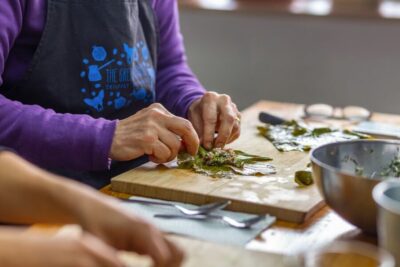
Food Market Visit and Cooking Class with Wine
Read our review →
Greek Cooking Class in Athens Including Rooftop Dinner with Acropolis View
Read our review →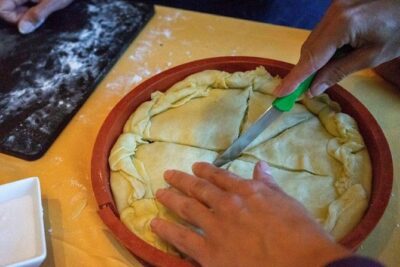
Greek Small-Group Athens Cooking Class & Dinner
Read our review →
Greek Cuisine Cooking Class and 3-Course Dinner
Read our review →
Athens Greek Cooking Class Pita Gyros from Scratch with a Local
Read our review →