
Review · GREECE COOKING CLASSES
Rethymno: Chrysoula’s Cretan Home Cooking Lessons
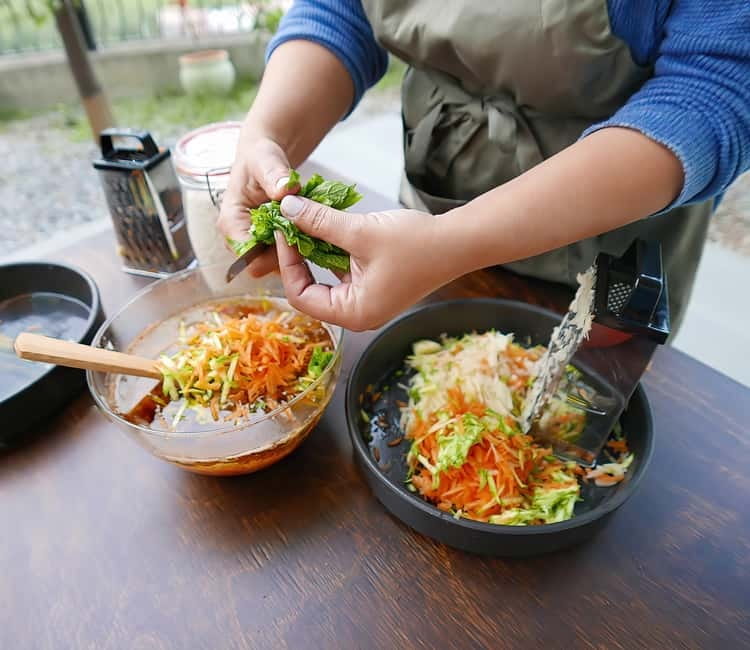
Cretan cooking is built around good olive oil, fresh vegetables, patient cooking, and generous portions. At Chrysoula’s home, you help turn produce from the family farm or nearby village into dishes such as dakos, tzatziki, gemista, and moussaka, then eat the meal at the same table. This is a hands-on class, not a cooking demonstration.
I like the wood-fired oven and the easy social feel. You may pick tomatoes, aubergines, and peppers, then cook alongside people from several countries. I also like the welcome: Greek coffee or herbal tea, lemonade, olive-oil rolls, wine, and raki make the visit feel like an invitation into a Cretan home.
The main consideration is the amount of food and drink. You will probably eat several courses, with generous helpings and raki along the way, so arrive hungry and avoid scheduling a large dinner afterward. The setting is also a family home rather than a formal culinary school, which suits you if you want warmth and participation more than polished technique.
Key points to know before booking
- Cook in a traditional wood oven: You do more than watch. You help prepare dishes that are baked in the family’s wood-fired oven.
- Meet Chrysoula and Dee: Chrysoula leads the class, with Dee assisting and helping keep the group involved.
- Expect a full Cretan meal: The class includes a starter, main dish, dessert, local wine, and raki.
- Use produce from the farm: Tomatoes, aubergines, peppers, herbs, and other ingredients may come from the family farm or local farmers.
- Plan for a social afternoon: The class brings together people from different countries around one cooking and dining table.
- Tell the host about dietary needs: Vegetarian and allergy-friendly adaptations are available.
Cooking Cretan food in Chrysoula’s family home
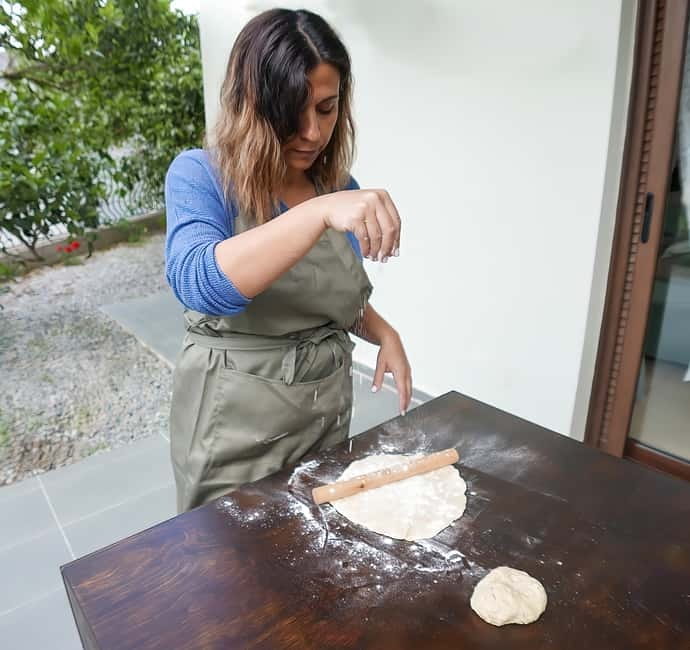
The appeal here is simple: you cook where Cretan food is part of daily life. Chrysoula welcomes you into her home with a drink and small homemade bites, then brings you into the work of preparing a meal. That setting gives the class a personal feel that a commercial kitchen often lacks.
Your welcome may include Greek coffee or herbal tea, homemade lemonade, ladokouloura, olive-oil rolls, and loukoumakia. These small tastes introduce the local style before the main cooking begins. Olive oil is not treated as a minor seasoning here. It is central to the food, and you will quickly learn that some usually means more than you might expect.
Chrysoula’s assistant Dee helps with the flow of the class. The two hosts create an informal atmosphere in which people can talk, chop, mix, and ask questions. This matters if you are traveling alone or joining without knowing anyone. The social side is a major part of the afternoon, but you still have plenty of practical work to do.
The class is conducted in English. You do not need advanced cooking skills. The recipes are explained in a straightforward way, and the emphasis is on traditional methods that you can try again at home rather than on professional knife work or complicated presentation.
More Home Cooking Classes in Greece
- Mykonos: Group Cooking Class at the Home of a Local Family
★ 5.0 · 166 reviews - Mykonos Home Cooking Class & Traditional Greek Meal with Angelina
★ 5.0 · 54 reviews - Chrysoula’s Traditional Cretan Home Cooking
★ 5.0 · 38 reviews
From the family farm to the preparation table
Fresh produce is one of the strongest parts of the class. Ingredients come from Chrysoula’s family farm or local farmers, with the food tied closely to the surrounding community. You might help pick home-grown tomatoes, aubergines, and peppers before using them in the recipes.
That step gives the meal more meaning. You are not simply opening a packet of ingredients and following a printed recipe. You see the produce, handle it, and learn how it fits into Cretan home cooking. The focus is less on exact measurements and more on taste, texture, quality, and the confident use of olive oil and herbs.
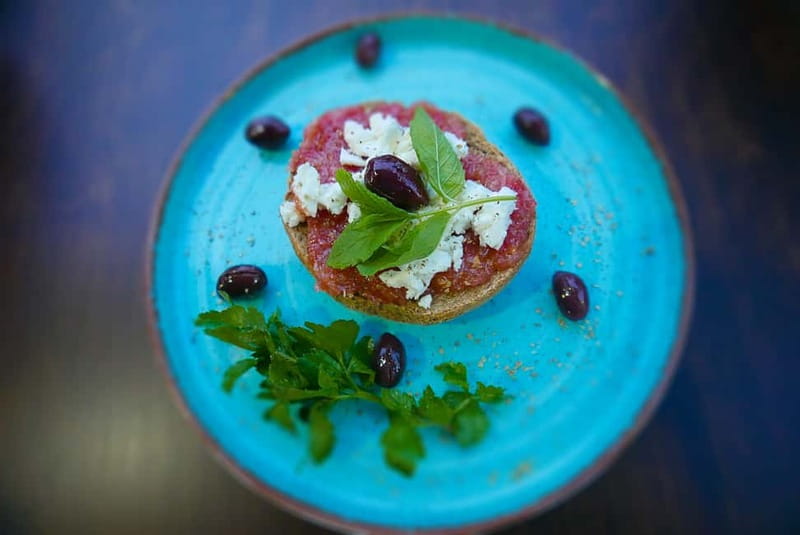
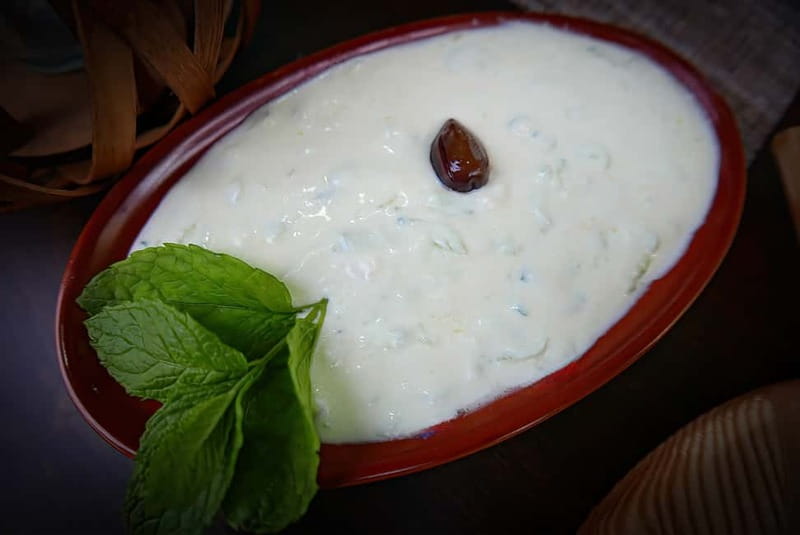
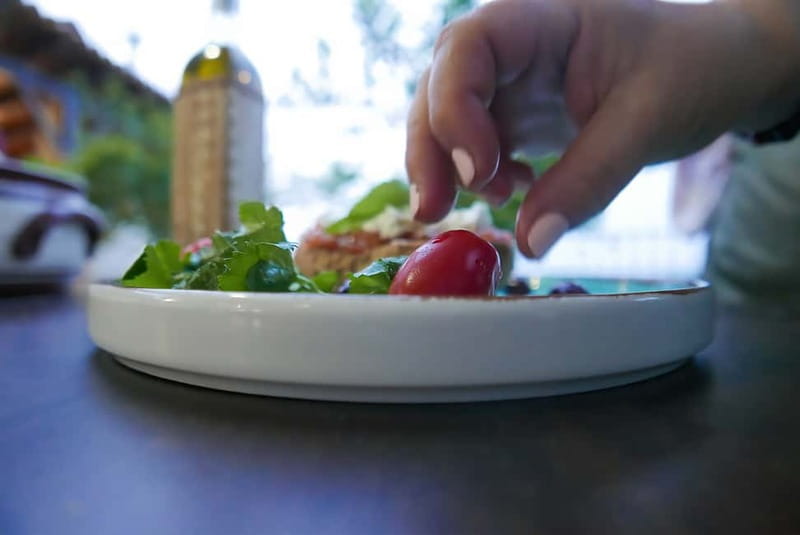
The menu can include several classic starters. Dakos combines a crisp Cretan base with tomato, cheese, olive oil, and herbs. It is bright, simple food, but the quality of the ingredients matters. Tzatziki gives you practice with one of Greece’s best-known dips, while Greek salad shows how a few fresh ingredients can make a satisfying dish without much fuss.
You may also prepare gemista, with vegetables or vine leaves filled in the Cretan style. The exact selection can include stuffed vine leaves, zucchini flowers, tomatoes, zucchini, and peppers. This is the sort of cooking that rewards patience, since the preparation is part of the pleasure.
The wood oven and the main course
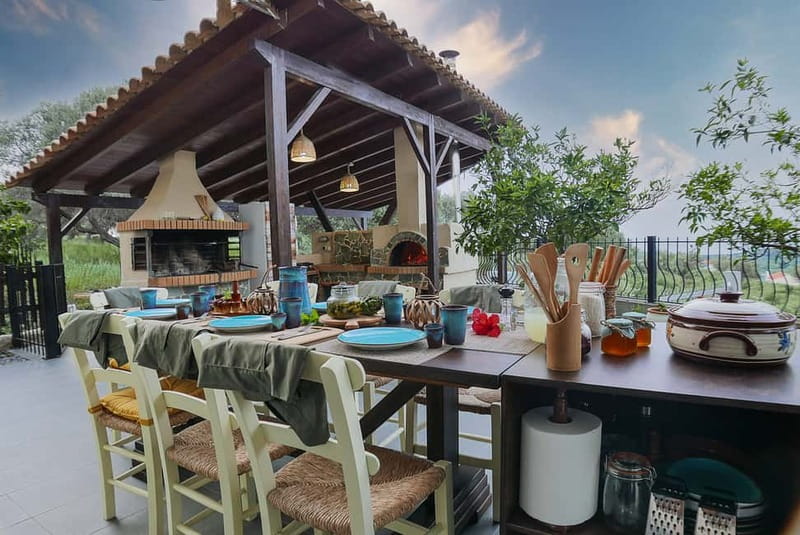
The traditional wood oven is more than a photo opportunity. It shapes the pace of the class and gives the meal a clear connection to older home-cooking practices. Once the dishes are prepared, they go into the oven to cook while you continue with other parts of the meal.
Moussaka is one of the possible main dishes, and it has been a favorite for many people taking this class. Expect a generous, olive-oil-forward style rather than a light restaurant portion. The point is not to produce a small, perfectly plated serving. It is to make food for a table, using familiar ingredients and traditional methods.
Gemista and other vegetable dishes may also feature as the main course. These recipes make good sense in Crete, where vegetables, herbs, cheese, and olive oil carry much of the meal. You learn how the ingredients work together, then sit down to taste the result while it is still connected to the cooking process.
The oven also adds a little unpredictability. This is not a timed classroom exercise with every station operating under strict control. Weather and outdoor conditions can affect the setting, although the class has continued in wet conditions. If you prefer a highly structured cooking school, the relaxed home format may feel loose. If you want to understand how a family meal comes together, that looseness is part of its charm.
Dessert, wine, and the Cretan table
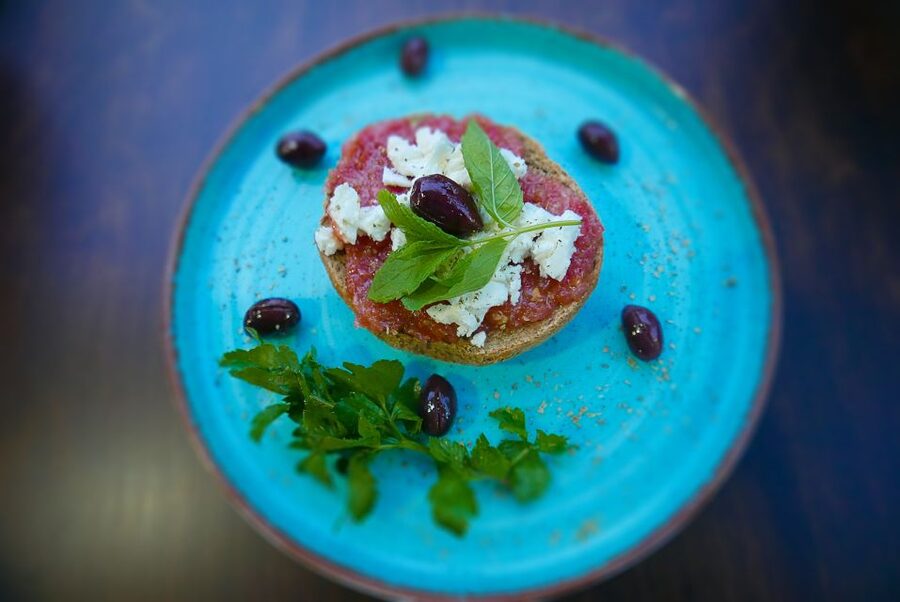
Dessert gives the class another chance to work with local flavors. Tyropitakia, small traditional pies made with homemade cheese, local honey, and cinnamon, may be served alongside homemade ice cream and seasonal fruit.
The dessert stage is also when the hospitality becomes especially lively. Local wine is served with the meal, and raki is part of the Cretan welcome. You may be offered it while preparing dessert, so keep in mind that the class is not only a cooking lesson. It is also a long meal with drinks.
The food portions are generous. I would take the advice to arrive very hungry seriously, especially if you plan to sample every course. Several people have found they ate more than expected, and one family even had food left to take back to a hotel. That generosity is welcome, but it also means this is not a good choice immediately before another substantial meal.
The shared table is where the class comes together. You get to eat the food you prepared, compare results, and talk with people from different countries. Families, couples, solo visitors, and groups can all take part, and the relaxed format works well for conversation.
Same region, a different dish to learn:
- Athens: Classic Cooking Class with Market Visit and Wine
★ 5.0 · 1,101 reviews - Athens: Food Market Visit and Cooking Class with Wine
★ 4.9 · 1,087 reviews - Greek Cuisine Cooking Class in Santorini with Recipes and Wine
★ 5.0 · 969 reviews - Naxos: Half-Day Cooking Class at Basiliko Family Tavern
★ 5.0 · 887 reviews
A good choice for families and dietary needs
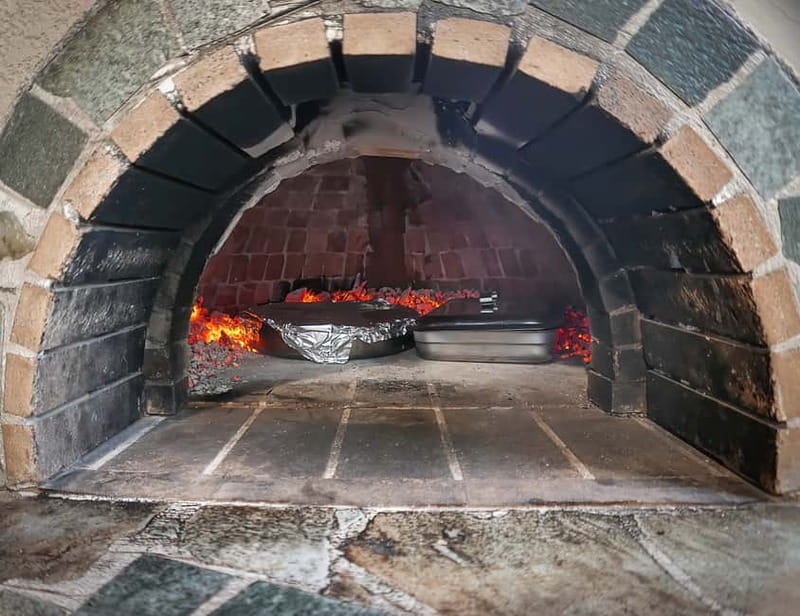
This class suits families better than many formal cooking lessons. Teenagers can help with picking vegetables, mixing, shaping, and assembling dishes, while younger children can still be part of the home setting. The hosts have also been attentive to children during the cooking, including providing toys and helping keep a baby occupied.
Vegetarians can be accommodated, and the menu can be adjusted for allergies. A particularly useful point is that gluten-free needs have been handled with care. If you have a serious allergy or strict dietary requirement, tell the host in advance so the dishes can be planned safely.
Vegan participants have also been catered for, with separate attention given to making sure they have enough to eat. This is not something to leave vague at the start of the class. Share your needs before cooking begins, then confirm the adjustments with Chrysoula when you arrive.
The meal is generous for everyone, not only for those eating the standard menu. That makes the class a stronger choice for mixed groups, where one person may be vegetarian, vegan, or avoiding gluten while others want the traditional dishes.
The setting near Rethymno
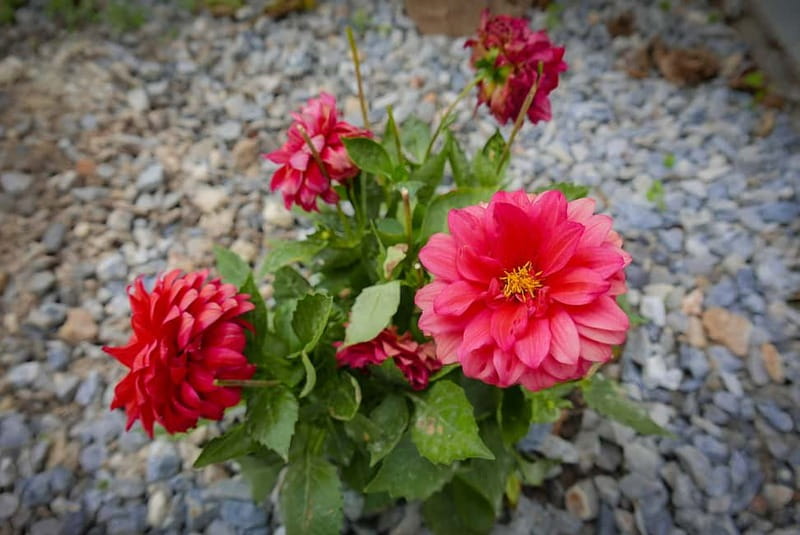
The home setting is a key part of the appeal. Cooking takes place in a family environment with a beautiful view and an outdoor area around the wood oven. You get a sense of place without turning the afternoon into a sightseeing tour.
Do not book this expecting a guided visit through several villages or a long list of attractions. The focus stays on the house, the food, the oven, and the people around the table. For many visitors, that is exactly the point. You spend several hours doing one local activity well instead of rushing between stops.
The setting may also shape your comfort. Outdoor cooking can be affected by sun, wind, or rain, so bring practical clothing suited to the day. The class has continued through stormy weather, but the information does not promise a particular indoor arrangement. Check the conditions before you go and ask the host if you have mobility concerns.
The activity is listed as wheelchair accessible. Since it takes place in a home with an outdoor cooking area, it is still sensible to confirm any specific access needs when booking.
Is $116 a fair price?
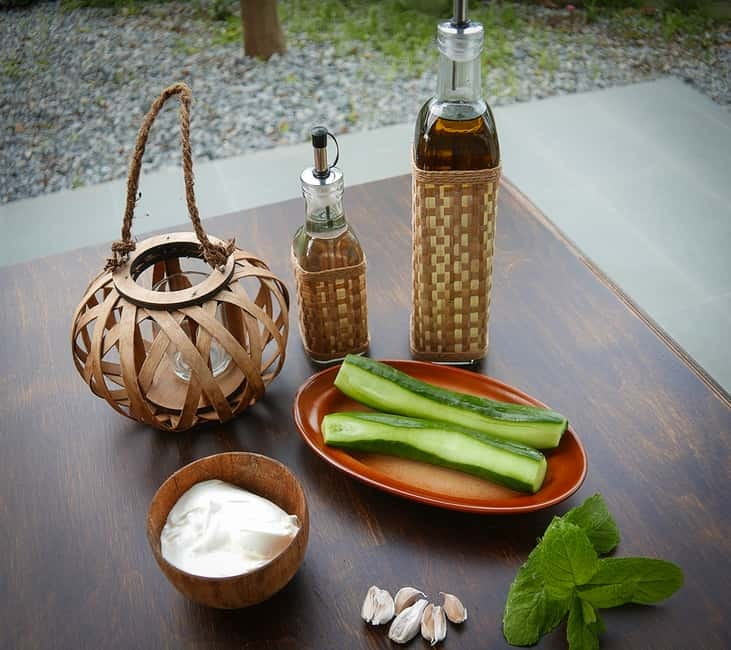
At $116 per person, this is not the cheapest way to eat in Crete. You could order a meal at a taverna for far less. The value comes from the combination of instruction, ingredients, a full meal, drinks, and several hours in a local home.
You are paying for more than a plate of moussaka. The price includes the cooking lesson, starter, main dish, dessert, local wine, and raki. It also covers the chance to work with ingredients from the family farm or local producers and to learn recipes that can be repeated at home.
The value is strongest if you enjoy food as a way to meet people. The class is designed around shared work and a shared table, so the social element is not an extra benefit. It is part of what you are buying.
The price may feel less worthwhile if you want a short, technical lesson with a professional chef and precise culinary instruction. This is home cooking, with stories, humor, drinks, generous portions, and flexible methods. You should book it for the connection and the meal as much as for the recipes.
Timing, cancellations, and practical planning
The activity lasts about 3.5 hours, though the relaxed meal format can make the time feel full. Starting times vary, so check availability for your date before planning the rest of the day.
Free cancellation is available up to 24 hours before the activity for a full refund. You can also reserve now and pay later, which helps if your schedule in Crete is still changing.
The host or greeter speaks English, and the activity is offered in English. You should wear clothes that are comfortable for food preparation and outdoor cooking, though no special equipment is listed. Most important, arrive hungry and leave room for dessert and raki.
If you are booking as a family or mixed dietary group, send those details ahead of time. The menu can be adapted for vegetarians and people with allergies, but early notice gives Chrysoula the best chance to prepare a satisfying meal for everyone.
Who should book Chrysoula’s cooking class?
I would choose this for anyone who wants a personal food experience near Rethymno rather than another standard restaurant meal. It is especially good for families, couples, solo visitors who enjoy meeting people, and anyone who wants to carry a few Cretan recipes home.
It is also a smart pick for food lovers who care about ingredients. The farm produce, olive oil, wood oven, local wine, and raki connect the meal to the place in a direct way.
I would hesitate only if you dislike group activities, cannot sit through a long shared meal, or want strict restaurant-style service. The class is generous and informal. You will be encouraged to participate, talk, eat, and probably accept another splash of olive oil or raki.
For most visitors, the strongest reason to book is the balance of cooking and hospitality. You learn how the dishes are made, but you also see how Cretan food works as a social tradition. At $116, it is a considered purchase, yet the full meal, drinks, teaching, and home setting make it a fair choice for a memorable afternoon.
FAQ
How long does the cooking class last?
The activity lasts 3.5 hours.
How much does the experience cost?
The listed price is $116 per person.
What food will I prepare?
You may prepare starters such as dakos, tzatziki, or Greek salad, main dishes such as gemista or moussaka, and desserts such as Tyropitakia, homemade ice cream, or seasonal fruit.
Is food included?
Yes. The experience includes a starter, main dish, and dessert.
Are wine and raki included?
Yes. Local wine and raki are included.
Can vegetarian or allergy-friendly meals be prepared?
Yes. The menu can be adapted for vegetarian guests and people with allergies.
Is the activity conducted in English?
Yes. The listed language is English, and the host or greeter speaks English.
Is the cooking class wheelchair accessible?
Yes. The activity is listed as wheelchair accessible.
Can I cancel the booking?
You can cancel up to 24 hours in advance for a full refund. You can also reserve now and pay later.
Newest classes around Greece
- Authentic and Traditional Cooking Class in Chania Crete★ 5.0 · 5 reviews
- Chania Cooking Class in Crete with rustic, delicious and homely Cretan food!★ 4.5 · 14 reviews
- Private Cooking Class – A Culinary Journey in Argostoli★ 5.0 · 2 reviews
- Greek Cooking Class with Acropolis View★ 5.0 · 76 reviews
- Private Walking Meze Cooking Course★ 5.0 · 6 reviews
- Cook with Katerina: Authentic Greek Home Cooking Class in Athens★ 5.0 · 15 reviews
- Private Greek Cooking Class in Athens-Learn to Cook with Angelina★ 5.0 · 3 reviews
- Hands On Greek Cooking Classes in Athens★ 5.0 · 7 reviews
Greece Cooking Classes, compared.
Classic Cooking Class with Market Visit and Wine
Read our review →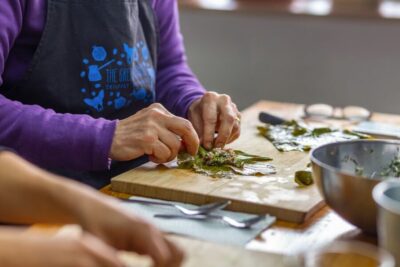
Food Market Visit and Cooking Class with Wine
Read our review →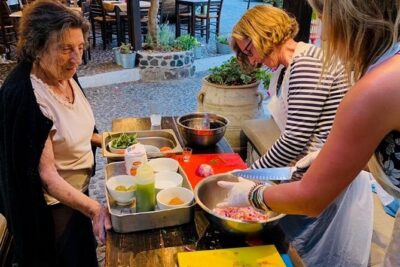
Greek Cuisine Cooking Class in Santorini with Recipes and Wine
Read our review →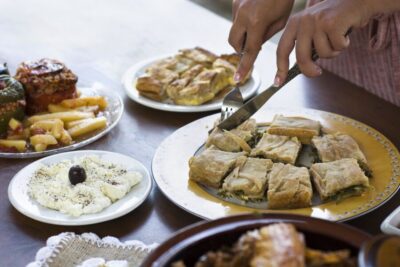
Naxos: Half-Day Cooking Class at Basiliko Family Tavern
Read our review →
Greek Cooking Class in Athens Including Rooftop Dinner with Acropolis View
Read our review →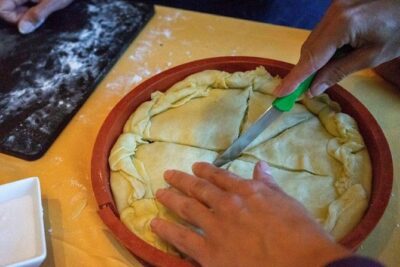
Greek Small-Group Athens Cooking Class & Dinner
Read our review →
Exclusive Cooking Experience in our Cave Home by Petra Kouzina
Read our review →
Chania: Authentic Cooking Class in the White Mountains
Read our review →Browse the lists this tour appears in