
Review · GREECE COOKING CLASSES
Authentic and Traditional Cooking Class in Chania Crete
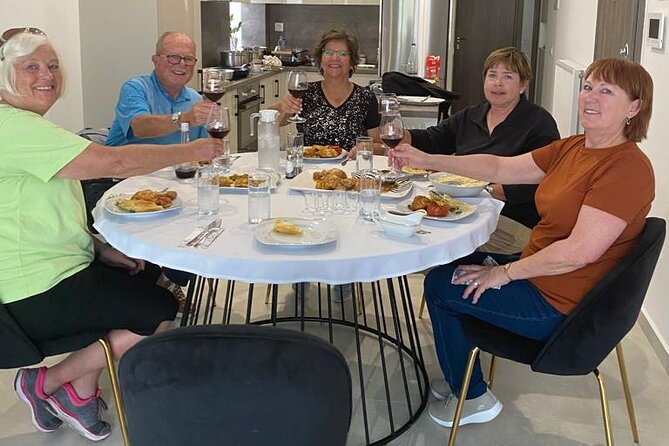
The best part of this Chania experience is that you cook inside a Greek home, not in a polished restaurant kitchen. Stella guides you through family recipes, explains the place of food in Cretan life, and then serves the meal you helped prepare. It feels closer to being welcomed into someone’s kitchen than attending a standard cooking demonstration.
I like two things in particular: the small maximum of six people keeps the class personal, and the food comes from traditional home cooking rather than the familiar restaurant menu. The class also makes a useful connection between everyday Cretan food and the Mediterranean diet, which was modeled on the eating habits of people in Crete during the 1950s.
The main drawback is the firm booking policy. The $64 price is fair for a three-hour class with dinner, but your booking cannot be changed or refunded if your plans shift. You should also note that alcoholic drinks are not included.
Key points at a glance
- A real home setting: The cooking takes place in a clean, warm apartment about 5 to 10 minutes from Chania town center.
- Stella leads the class: She demonstrates the recipes, explains Cretan customs, and keeps you involved in the preparation.
- A full meal is included: You eat all the food prepared during the class, along with snacks, coffee, and tea.
- Small-group format: The stated maximum is six people, making it easier to ask questions and take part.
- A cultural lesson with dinner: You learn how food, hospitality, family recipes, and the Mediterranean diet connect in Crete.
- Plan carefully: The class begins at 5:00 pm, lasts about three hours, and has a non-refundable cancellation policy.
Cooking Cretan food in a Greek home
Many cooking classes give you a recipe, a work station, and a quick meal. This one takes a more personal route. You meet at Deligiannaki 28 in Chania and enter an apartment where the cooking happens in a domestic setting.
That setting matters. Greek food is closely tied to family life, and recipes are often passed from mothers and grandmothers to the next generation. A dish is not just a list of ingredients. It can carry a memory, a regional habit, or a custom connected to hospitality.
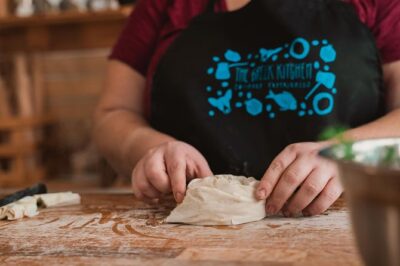
You can expect Stella to lead by demonstration, then involve you in preparing the food. The format is hands-on, so you are not simply watching someone cook from across a counter. The class is designed for you to help make the dishes and then eat the complete meal afterward.
The apartment is described as warm, inviting, and immaculately clean. That is useful information for anyone who feels uncertain about cooking in a private home. You get the home atmosphere without giving up basic comfort and cleanliness.
More Cooking Classes in Greece:
- Athens: Classic Cooking Class with Market Visit and Wine
★ 5.0 · 1,101 reviews - Athens: Food Market Visit and Cooking Class with Wine
★ 4.9 · 1,087 reviews - Greek Cuisine Cooking Class in Santorini with Recipes and Wine
★ 5.0 · 969 reviews
What happens during the three-hour class
The experience begins at 5:00 pm and lasts about three hours. The exact dishes are not specified in advance, so you should not book this expecting a fixed menu of named recipes. Instead, the focus is on authentic Greek home cooking and family methods.
The first stage is likely to involve an introduction to the ingredients and recipes. Local, fresh food is central to the experience, and Stella explains the background of what you are preparing. One particularly strong part of the class is the attention given to the origin and meaning of the food, rather than treating cooking as a purely technical exercise.
You then take part in preparing the meal. The food is described as simple to make, which makes this a good choice if you want recipes you can repeat at home. You do not need to be an experienced cook to get value from the class. The point is to learn practical methods and understand how traditional dishes come together.
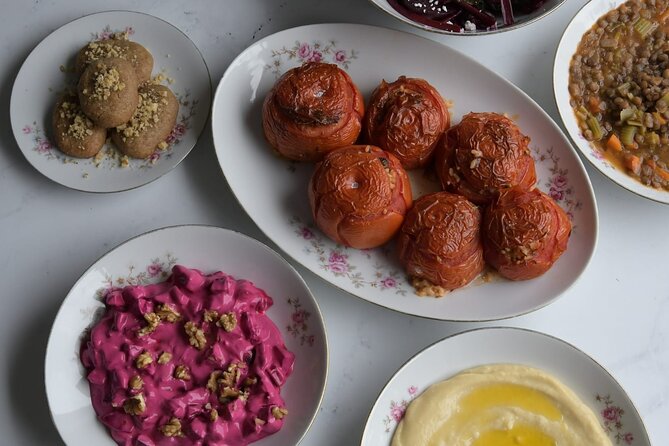
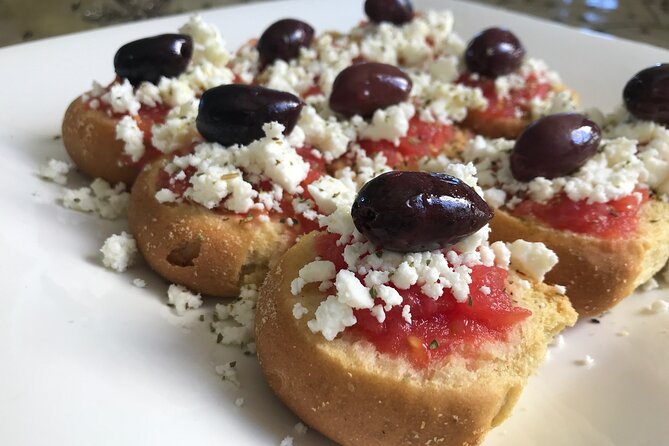
After the preparation comes the most generous part: you sit down and eat all the food made during the session. Dinner is included, as are snacks and coffee or tea. Since the meal is built from the class itself, the final table gives you a clear sense of how separate ingredients become a shared Greek feast.
The full schedule takes up an evening, so it works well as a meal plan rather than as a short activity squeezed between sightseeing stops. Allow time to get to the meeting point and return to central Chania afterward. The activity ends where it starts.
Stella’s teaching style and the personal scale
Stella is the named host, and her role goes beyond showing you how to follow a recipe. She explains the history of Crete, local food customs, and the culture behind the dishes. That cultural context is one of the main reasons to choose this class instead of simply ordering a Cretan meal at a restaurant.
The group size is limited to six people. This is a useful limit for a cooking class because you need room to handle ingredients, watch the demonstration, and ask questions. A small group also fits the home setting better than a large party would.
The supplied details include one past class with seven people, but the stated maximum for this experience is six. I would use the official maximum when planning and assume the class is intended to remain intimate.
The class suits people who like to participate. If you prefer to sit back and watch a chef work, a demonstration-only event may be easier. Here, you should expect to chop, mix, prepare, and take part before sitting down to eat.
The teaching also seems friendly rather than formal. The home environment and shared meal make conversation part of the experience. You are not only learning the steps of a dish. You are hearing why these recipes matter and how food helps maintain family and community ties.
Why the Mediterranean diet matters here
The Mediterranean diet is often reduced to olive oil, vegetables, and a few healthy slogans. This class gives you a more specific connection to its origins. The modern diet model is based in part on the eating habits of Cretans in the 1950s, and the class uses that background to explain why Cretan food has attracted so much attention.
You learn about the diet’s reported benefits for physical and mental health, but the value is not limited to nutrition. The class presents food as a pattern of daily living, shared meals, local ingredients, and recipes kept alive through families.
That context can change how you understand a meal in Crete. Instead of seeing separate dishes as isolated menu items, you begin to recognize the role of fresh local food, simple preparation, and communal dining. The lesson is practical because you can apply the recipes at home, but it is also cultural because it explains the habits behind them.
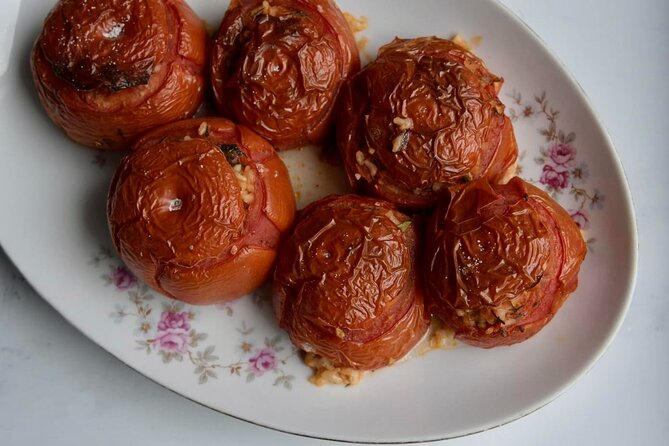
I like that the class does not treat Cretan cuisine as a museum piece. The recipes are presented as food made in Greek homes, the kind of meal you might encounter at a family table rather than a tourist-focused restaurant. That distinction gives the experience its strongest sense of place.
Same region, a different dish to learn:
- Naxos: Half-Day Cooking Class at Basiliko Family Tavern
★ 5.0 · 887 reviews - Greek Cooking Class in Athens Including Rooftop Dinner with Acropolis View
★ 5.0 · 826 reviews - Greek Small-Group Athens Cooking Class & Dinner
★ 5.0 · 574 reviews - Exclusive Cooking Experience in our Cave Home by Petra Kouzina
★ 5.0 · 572 reviews
From preparation to a shared Greek dinner
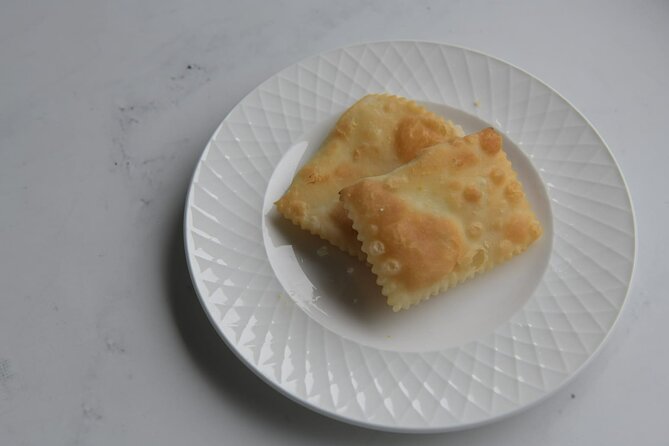
The evening is built around the transition from cooking to eating. Once the food is ready, you sit down and enjoy the complete spread. This is not a class where you prepare one small item and then receive a separate restaurant meal. The food you help create becomes the dinner.
That arrangement gives you a practical reward for the work. You can taste how the methods you learned affect the finished dishes, and you have a chance to remember the recipes through flavor rather than notes alone.
The meal is also where the hospitality theme becomes clearest. Greek homes are traditionally viewed as welcoming places open to others, and sharing food is part of that welcome. The experience uses the meal to connect cooking with generosity, conversation, and family tradition.
Coffee and tea are included, along with snacks. Alcoholic beverages are not included, so plan to purchase your own only if you want a drink with dinner and if that is permitted within the setting. Nothing in the provided details promises wine or beer.
Is $64 a fair price?
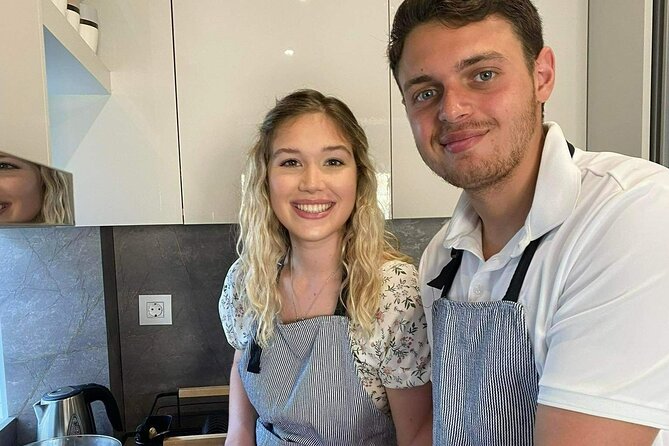
At $64, the value depends on what you want from an evening in Chania. If you are comparing it with a basic restaurant dinner, the price is higher than simply ordering food. But you are also paying for about three hours of instruction, a guided cultural experience, hands-on preparation, and a full meal.
The small group improves the value. A class capped at six gives you more opportunity to take part than a large cooking event, where you might spend much of the time watching from the side. You also receive the benefit of a host who explains the food and Cretan customs rather than handing you a recipe without context.
The experience is especially worthwhile if you cook at home. The dishes are described as manageable, and you leave with techniques and recipes that you can prepare for family or friends. That makes the price more useful over time than a one-off dinner that disappears as soon as the evening ends.
For a short stay in Chania, the class also combines dinner and cultural learning in one booking. You do not need to arrange a separate meal afterward. If you are mainly looking for a cheap meal, you can find less expensive options. If you want personal contact and practical cooking experience, $64 is reasonable.
Location, timing, and practical planning
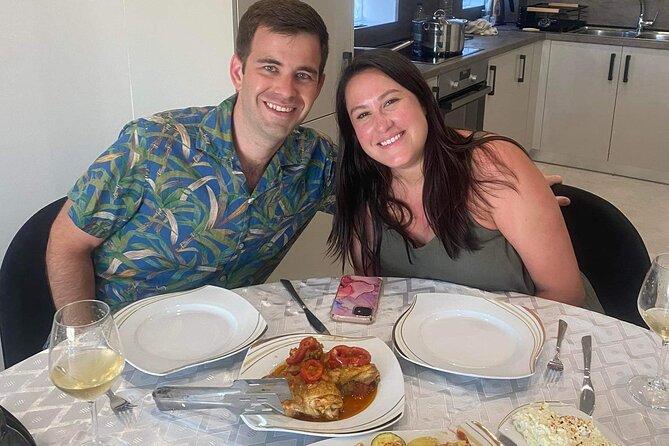
The meeting point is Deligiannaki 28, Chania 731 34, Greece. The apartment is about 5 to 10 minutes from the town center, and the area is near public transportation.
The class starts at 5:00 pm and ends back at the same meeting point. Since the activity lasts about three hours, expect your evening to run until around 8:00 pm, allowing for normal variation. This timing works well after a morning of sightseeing, but it may conflict with an early dinner reservation or a sunset plan.
Use the exact meeting address when planning your route. The class takes place in a home rather than a major public attraction, so do not assume you can simply find it by looking for a large tour sign. Your booking confirmation should provide the needed details.
A mobile ticket is provided, which is convenient if you are keeping your plans on your phone. Confirmation is normally received at booking. If you book within five days of the activity, confirmation may take up to 48 hours and remains subject to availability.
The experience requires a minimum number of people to operate. If that minimum is not met and the class is canceled, you are offered another date or experience, or a full refund. Your own cancellation is different: the booking is non-refundable and cannot be changed for any reason.
That policy is the largest practical concern. I would book only after confirming your Chania schedule. Do not reserve this on the assumption that you can adjust it later.
Who will get the most from this class?
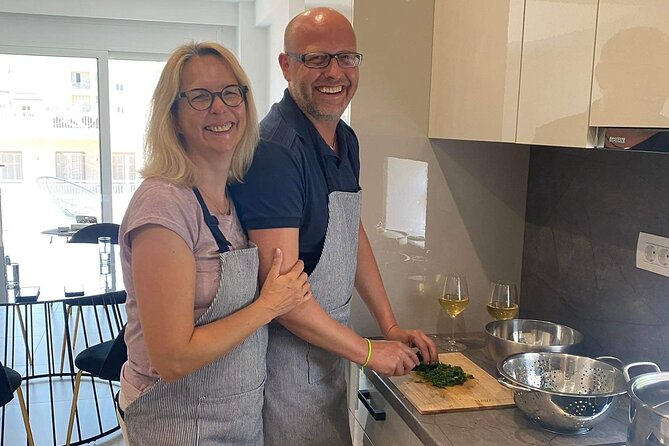
I would choose this experience if you want a personal introduction to Cretan food and do not mind participating in the preparation. It suits couples, small groups of friends, solo visitors comfortable joining a small group, and anyone who wants more contact with local culture than a restaurant meal can provide.
It is also a good fit for home cooks. You are not just collecting pictures of food. You are learning family-style recipes that are meant to be made again, and the dishes are described as easy enough to recreate at home.
Families may enjoy the shared format, though the supplied information does not specify a minimum age or child policy. If you are booking with children, confirm that detail before paying.
I would be less likely to recommend it if you dislike group activities, have strict dietary requirements that have not been discussed in advance, or need a flexible booking. The available information does not specify dietary substitutions, accessibility arrangements, or the exact menu, so ask the provider before booking if any of those points are important to you.
Should you book the Chania cooking class?
Book it if you want home-style Cretan food, personal instruction, and a meal with cultural context. Stella’s class offers more than a recipe lesson. You help prepare the dishes, learn about the Mediterranean diet and Cretan traditions, then share the finished food in a clean and welcoming home.
The strongest reasons to go are the small group, the authentic family recipes, and the chance to hear about Crete while you cook. The main reasons to pause are the non-refundable policy, the unspecified menu, and the fact that drinks with alcohol are not included.
For a $64 evening near central Chania, I see this as a good value for people who want to understand Greek food from the inside. If you would rather have a quick, inexpensive dinner with no participation, choose a restaurant. If you want to cook, talk, and eat in the same place, this class is a sensible choice.
FAQ
Where does the cooking class take place?
The class takes place at Deligiannaki 28, Chania 731 34, Greece, in a Greek home about 5 to 10 minutes from Chania town center.
What time does the experience begin?
The class starts at 5:00 pm.
How long does the cooking class last?
The activity lasts approximately three hours.
Who leads the cooking class?
Stella leads the class for The Hellenic Odyssey. She demonstrates the recipes and explains Cretan food, culture, and history.
How many people can join?
The stated maximum is six travelers.
Is dinner included?
Yes. Dinner, snacks, and coffee or tea are included. You can eat all the food prepared during the class.
Are alcoholic drinks included?
No. Alcoholic beverages are not included.
Can I cancel or change my booking?
No. The experience is non-refundable and cannot be changed for any reason. If the provider cancels because the minimum number of participants is not reached, you are offered another date or experience, or a full refund.
Newest classes around Greece
- Chania Cooking Class in Crete with rustic, delicious and homely Cretan food!★ 4.5 · 14 reviews
- Private Cooking Class – A Culinary Journey in Argostoli★ 5.0 · 2 reviews
- Greek Cooking Class with Acropolis View★ 5.0 · 76 reviews
- Private Walking Meze Cooking Course★ 5.0 · 6 reviews
- Cook with Katerina: Authentic Greek Home Cooking Class in Athens★ 5.0 · 15 reviews
- Private Greek Cooking Class in Athens-Learn to Cook with Angelina★ 5.0 · 3 reviews
- Hands On Greek Cooking Classes in Athens★ 5.0 · 7 reviews
- Athens: Traditional Vegan Cooking Class incl. Drinks★ 5.0 · 41 reviews
Greece Cooking Classes, compared.
Classic Cooking Class with Market Visit and Wine
Read our review →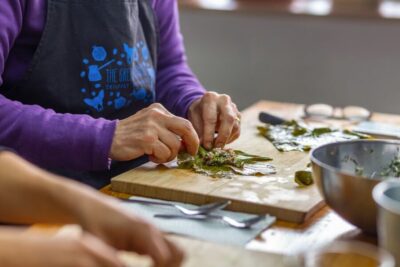
Food Market Visit and Cooking Class with Wine
Read our review →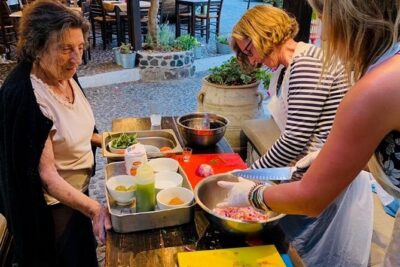
Greek Cuisine Cooking Class in Santorini with Recipes and Wine
Read our review →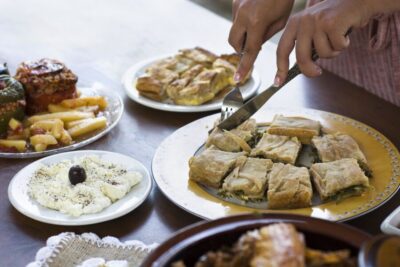
Naxos: Half-Day Cooking Class at Basiliko Family Tavern
Read our review →
Greek Cooking Class in Athens Including Rooftop Dinner with Acropolis View
Read our review →
Greek Small-Group Athens Cooking Class & Dinner
Read our review →
Exclusive Cooking Experience in our Cave Home by Petra Kouzina
Read our review →
Chania: Authentic Cooking Class in the White Mountains
Read our review →Browse the lists this tour appears in