
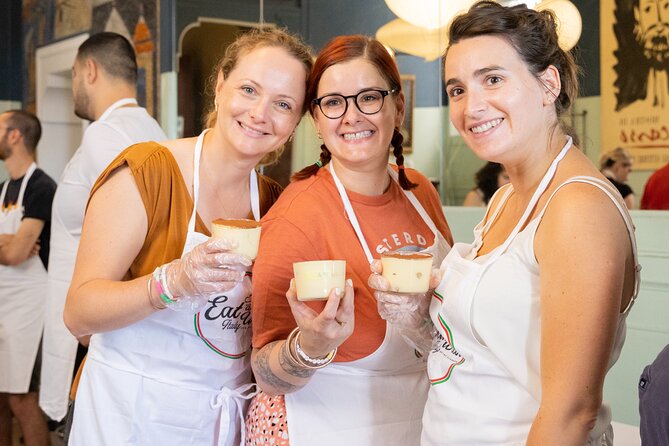
Review · ROME COOKING CLASSES
Fettuccine, Ravioli and Tiramisu Pasta Making in Rome
The fun here is that you make a full Roman meal from basic ingredients, starting with flour and eggs and ending with fettuccine, stuffed ravioli, and tiramisu. It is not just a demonstration. You work with the food, then sit down at Gusto Restaurant in central Rome to eat what you made.
I like the three-hour format, which gives you enough time to learn without turning dinner into a rushed lesson. I also like the choice of fettuccine sauces, including cacio e pepe, tomato and basil, and Amatriciana. The main thing to consider is that this is a shared class, so the pace and amount of personal attention may depend on the group.
Key points
- Three Roman favorites in one class: Make fettuccine, stuffed ravioli, and tiramisu from scratch.
- A meal you help prepare: Eat your own pasta and dessert at Gusto Restaurant afterward.
- Central Rome setting: Meet at Via Giuseppe Zanardelli 14, with no separate transport needed from the meeting point.
- Choice of pasta sauce: Pick cacio e pepe, tomato and basil, or Amatriciana for your fettuccine.
- English-speaking instruction: The class is taught in English, and Andre has led a well-received session.
- Useful booking terms: The experience lasts three hours, allows cancellation up to 24 hours before the start, and offers reserve-now, pay-later booking.
What You Actually Make During the Three Hours
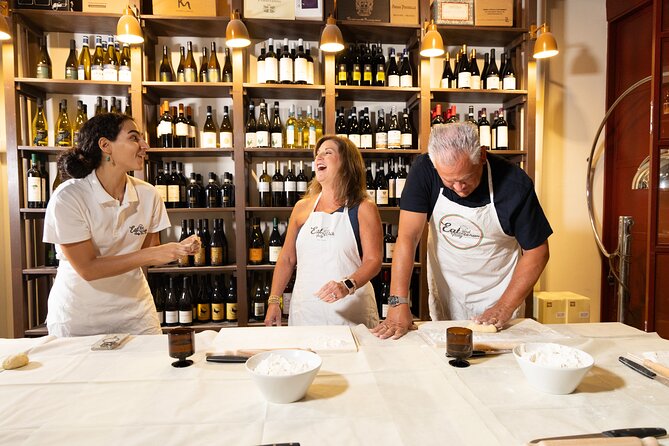
This class packs a lot into one sitting. You learn three dishes, prepare them with guidance from a chef, and then eat the finished meal in the same restaurant. That makes the experience a good match for you if you want a hands-on food activity rather than a standard restaurant dinner.
The cooking begins with tiramisu. You learn how to put together the dessert using the needed ingredients and tools. Starting with dessert may seem unusual, but it makes practical sense: the tiramisu can be prepared before the pasta meal and saved for the end.
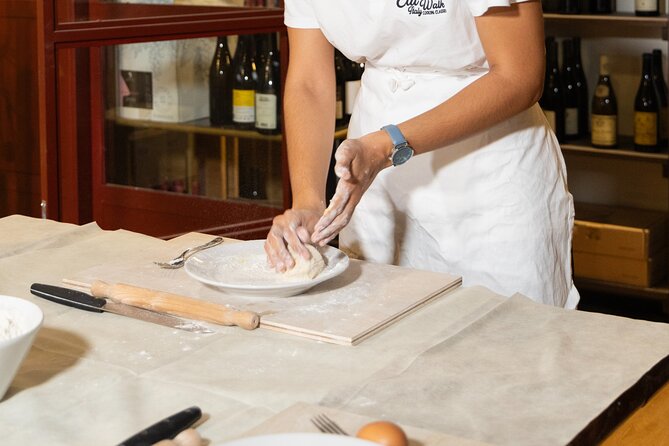
You then move to fresh pasta. The basic dough starts with flour and eggs, giving you a clear look at the foundation of many homemade Italian pasta dishes. From this dough, you work on fettuccine and ravioli. The ravioli is stuffed, which adds another step beyond simply cutting noodles.
The pasta work is the heart of the class. You are not only learning a recipe, but also seeing how two different shapes come from one simple dough. Fettuccine gives you long, broad noodles, while ravioli requires filling and sealing. If you want a useful cooking lesson to take home, this is the part to watch closely.
Once the preparation is finished, you sit down and eat. Your fettuccine comes with one sauce of your choice: cacio e pepe, tomato and basil, or Amatriciana. The ravioli is served with butter and sage. Your tiramisu follows, along with a glass of wine or a non-alcoholic drink, water, and either coffee or limoncello.
More Pasta Making Classes in Rome
- 3 in 1 Cooking Class near Navona: Fettuccine, Ravioli & Tiramisu
★ 5.0 · 7,376 reviews - Rome: Pasta Making Class with Wine, Limoncello, and Dessert
★ 4.9 · 3,177 reviews - Rome Cooking Class: Make Pasta and 3 Spritz Cocktails
★ 5.0 · 2,937 reviews
Starting With Tiramisu in Central Rome
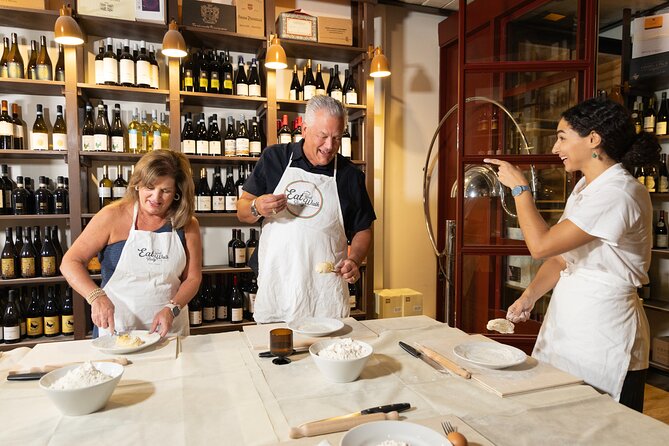
The meeting point is Gusto Restaurant at Via Giuseppe Zanardelli 14. You should arrive 10 minutes early so you have time to find the restaurant and be ready when the class begins. The activity is in the center of Rome, so it can fit neatly into a sightseeing day if you plan your walking route around the address.
The location matters because a cooking class is easier to use when it does not require a long ride out of town. You can pair it with other central Rome plans, though you should leave enough time to reach the restaurant without arriving flustered or late.
The first lesson covers tiramisu. You use the ingredients and tools provided, with the chef explaining the process in English. The supplied information does not list every step or ingredient, so you should expect instruction rather than a printed, highly technical pastry course.
That is a fair distinction. This activity is built around making and eating a meal, not professional culinary training. You get a practical introduction to a much-loved Italian dessert, then move on to fresh pasta while the dessert is set aside for later.
Flour, Eggs, and Two Types of Fresh Pasta
The pasta lesson begins simply with flour and eggs. That is useful for a first-time pasta maker because you see how the dough comes together before it becomes a finished dish. The chef guides you through the process rather than handing you a completed ball of dough.
Fettuccine is the more direct preparation. You turn the dough into long noodles, then later choose the sauce that will accompany them. The three choices give the meal a Roman flavor in different ways.
Cacio e pepe is the simplest-sounding option, built around cheese and pepper. Tomato and basil is a lighter, familiar choice. Amatriciana gives you another classic Roman direction. The class does not list substitutions or special dietary versions, so you should ask before booking if you need a particular change.
Ravioli takes more care. You prepare stuffed pasta, then serve it with butter and sage. This pairing keeps the attention on the ravioli itself rather than covering it with a heavy sauce. It also gives you a second pasta technique in the same lesson.
I like this two-part pasta setup because it makes the class feel worthwhile. You do not spend three hours making one shape and waiting for dinner. You learn long pasta and filled pasta, then taste both as part of the included meal.
Still, remember that a hands-on class is not the same as private instruction. The chef must guide the full group, and the amount of one-to-one help can vary. If you want a quiet lesson with constant individual correction, this may feel more social and less tailored.
Choosing Your Sauce and Sitting Down to Eat
The meal comes after the cooking. You receive fettuccine with your choice of cacio e pepe, tomato and basil, or Amatriciana. That choice is a small but valuable detail, especially if you already know which Roman flavor you prefer.
The ravioli is served with butter and sage sauce. You do not choose a second sauce for this dish, so the class gives you one point of customization and one set preparation. That keeps the service manageable while letting you make a decision about the main pasta course.
The included meal helps justify the $82 price. You are paying for a three-hour activity, an English-speaking chef, hands-on preparation, three dishes, a drink, water, and either coffee or limoncello. You are also paying for the setting and the convenience of eating at the same place where you cook.
At $82 per person, this is not the cheapest way to eat pasta in Rome. It can be good value if you want an activity as well as lunch or dinner. If your main goal is simply a large meal, a restaurant reservation may cost less. If you want to learn a few techniques and make the food yourself, the price is easier to defend.
The wine is included, but alcoholic drinks are not available to participants under 18. A non-alcoholic beverage is included instead. Additional food and drinks are not part of the stated price, and gratuity is also separate.
More Tiramisu and Dessert Classes in Rome
- Rome: 3-in-1 Fettuccine, Ravioli, and Tiramisu Cooking Class
★ 4.9 · 2,704 reviews - Fettuccine & Tiramisù: Cooking Class with Wine & Limoncello
★ 4.9 · 2,103 reviews - Rome: Pasta & Tiramisu Cooking Class near the Spanish Steps
★ 4.8 · 1,395 reviews - Cooking Class in the Heart of Rome: Pizza and Tiramisu Making
★ 5.0 · 1,330 reviews
Why Andre’s Teaching Matters
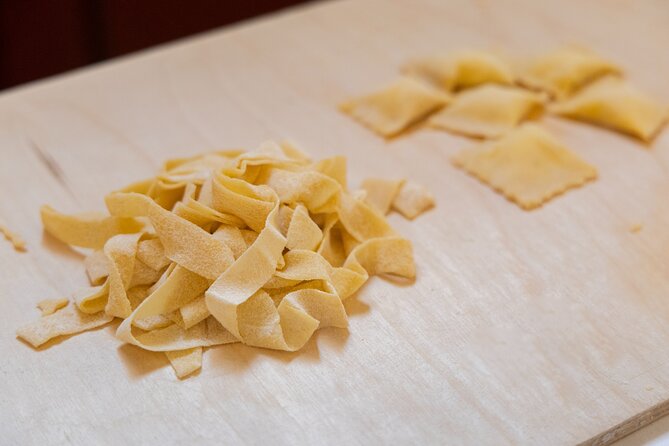
Andre is specifically associated with a well-liked class, where the session included tiramisu, noodles, and ravioli and was described as fun. That gives you one useful clue about the tone: expect a friendly cooking activity rather than a formal culinary lecture.
The chef’s role is important here because the recipes are simple in theory but can be awkward in practice. Fresh pasta dough needs handling, ravioli needs sealing, and tiramisu requires several ingredients to be combined in the right order. Clear guidance makes the difference between following along and feeling lost.
The class is taught in English. That removes a major barrier for English-speaking visitors, though the supplied information does not state that other languages are available. If language support is important to you, treat English as the confirmed option.
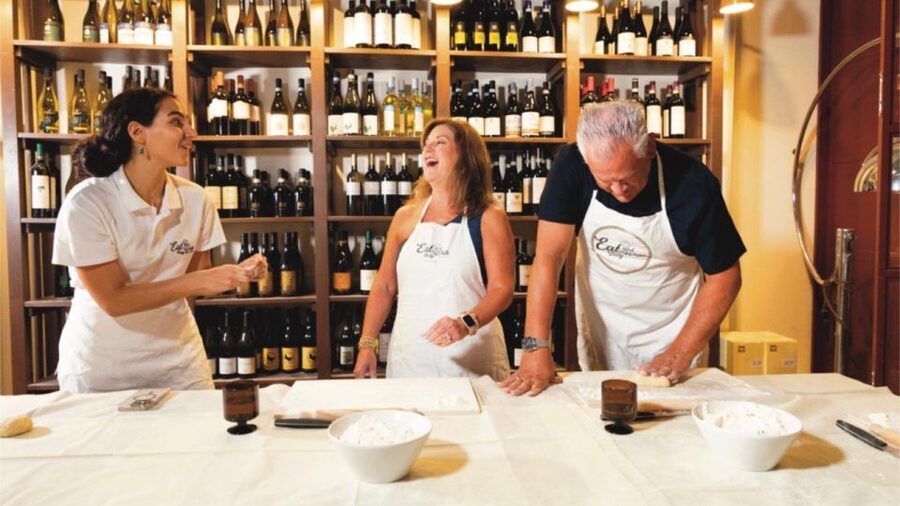
You should also expect to work alongside other participants. The supplied details do not give a group size, so I would not assume a private class or a small group. The social side may be part of the appeal, especially if you enjoy sharing a meal after cooking together.
Who Will Enjoy This Pasta Class Most
This experience suits you if you want a central Rome activity that combines instruction, food, and a sit-down meal. It is especially useful for first-time pasta makers who want to learn the difference between long noodles and filled pasta in one session.
It also fits couples, friends, and families with older children. Children under four are not suitable for the class, and the activity data does not promise a special children’s menu or separate instruction. For young children, three hours of cooking may be too long even if they meet the age requirement.
Food-focused visitors will get the most from the class. You can compare three familiar Italian dishes and learn how they are assembled instead of only reading about them on a menu. The tiramisu adds a sweet finish and gives the session more range than a pasta-only lesson.
This is less suitable if you are looking for a market visit, a lesson about Roman food culture, or a tour of several restaurants. Nothing in the experience includes transportation, sightseeing stops, shopping, or a food walk. The focus stays on the restaurant kitchen and the meal you prepare.
The class is wheelchair accessible, which is helpful when choosing activities in central Rome. Pets are not allowed. Those points are easy to overlook when planning a full day, so check them before you commit.
Timing, Booking, and Practical Details
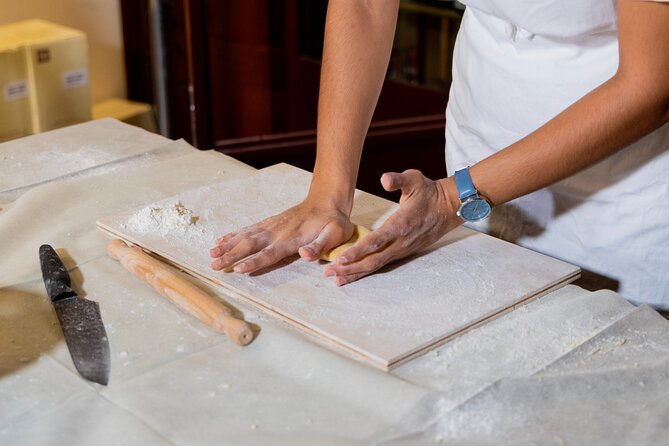
Plan on three hours from start to finish. You should arrive at least 10 minutes before the scheduled start at Gusto Restaurant, Via Giuseppe Zanardelli 14. Starting times vary, so you need to check availability for your chosen date.
The reserve-now, pay-later option can help if your Rome plans are still shifting. You can hold a place without paying immediately, according to the stated booking terms. Cancellation is free up to 24 hours before the activity for a full refund.
The experience includes water, but extra food and drinks are not included. You also need to budget for a tip if you plan to leave one. Since the meal is part of the class, you probably do not need to schedule a separate lunch or dinner immediately afterward.
I would schedule this when you can give it a calm three-hour block. Do not place it between two tightly timed attractions. Cooking has a set rhythm, and leaving early would cut short both the lesson and the meal.
Should You Book the Fettuccine, Ravioli, and Tiramisu Class?
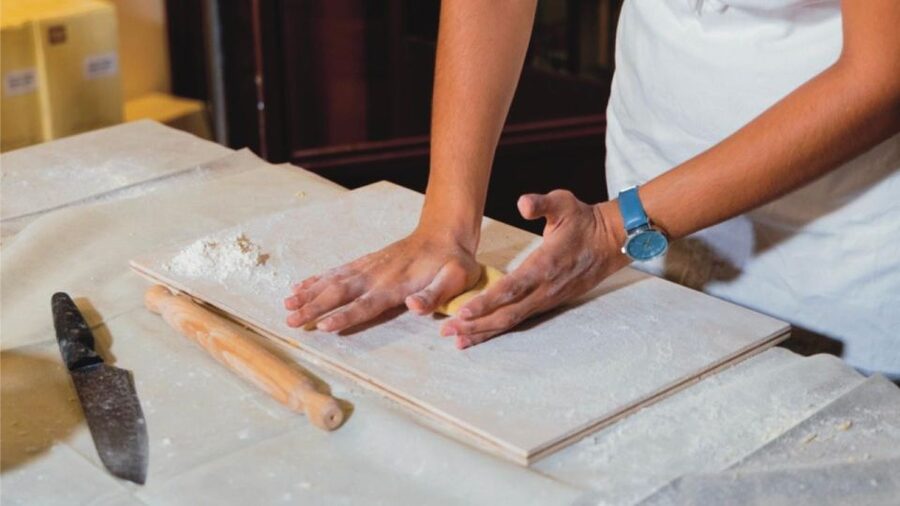
I would book this if you want to make fresh pasta in Rome and prefer an activity that ends with a real meal. The strongest reasons are the three dishes made from scratch, the central location, and the choice of classic fettuccine sauces.
At $82, the value depends on how much you want the lesson. You are paying more than you would for a simple bowl of pasta, but you receive instruction, ingredients, a three-hour experience, dessert, drinks, and the chance to eat what you prepared.
Skip it if you want a short meal, a private chef, or detailed information about Roman cuisine beyond the cooking itself. Book it if you like practical activities, want an English-speaking chef, and have room in your schedule for a relaxed class. Andre’s especially positive session suggests the experience can be warm and fun, but the exact feel will depend on your group and chef on the day.
FAQ
Where does the pasta-making class meet?
Meet your chef at Gusto Restaurant, Via Giuseppe Zanardelli 14, in central Rome.
How long does the experience last?
The class lasts three hours.
What dishes will I make?
You will make homemade fettuccine, stuffed ravioli, and tiramisu from scratch.
Which fettuccine sauces can I choose?
You can choose cacio e pepe, tomato and basil, or Amatriciana.
How is the ravioli served?
The ravioli is served with butter and sage sauce.
Are drinks included?
Yes. The experience includes water and either a glass of wine or a non-alcoholic beverage. You also receive either coffee or limoncello.
Is the class taught in English?
Yes. English is the listed language for the instructor.
Can I cancel the booking?
You can cancel up to 24 hours in advance for a full refund. The activity also offers reserve-now, pay-later booking.
Newest classes around Rome
- Testaccio: Home Cooking Cacio e Pepe, Amatriciana, Carbonara★ 4.9 · 57 reviews
- Super Fun Pasta and Gelato Cooking Class by the Vatican★ 5.0 · 6 reviews
- Spritz and Spaghetti Traditional Cooking Class in Rome★ 4.9 · 30 reviews
- ROME:Hands-On Lasagna & Marsala Tiramisu Cooking Experience”★ 5.0 · 3 reviews
- Rome: Vatican Food Tours, Cooking classes & Free Tours★ 4.9 · 11 reviews
- Rome: Trastevere Pasta Making Class★ 4.9 · 33 reviews
- Rome: Small Group Pasta cooking class near Piazza Navona★ 4.9 · 8 reviews
- Rome: Traditional Cooking Class in the Jewish Ghetto★ 4.9 · 75 reviews
Rome Cooking Classes, compared.

3 in 1 Cooking Class near Navona: Fettuccine, Ravioli & Tiramisu
Read our review →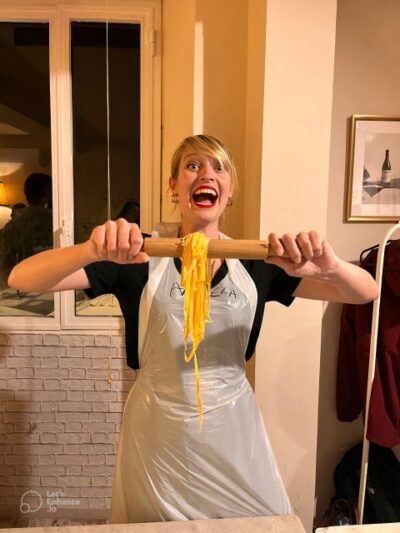
Pasta Making Class with Wine, Limoncello, and Dessert
Read our review →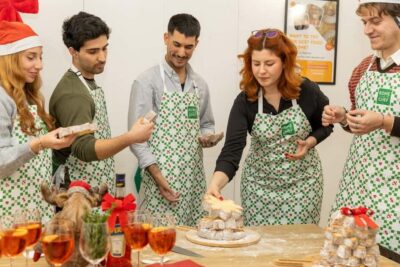
Rome Cooking Class: Make Pasta and 3 Spritz Cocktails
Read our review →
3-in-1 Fettuccine, Ravioli, and Tiramisu Cooking Class
Read our review →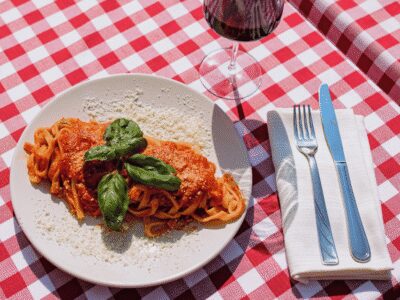
Fettuccine Pasta Cooking Class in Rome’s City Center
Read our review →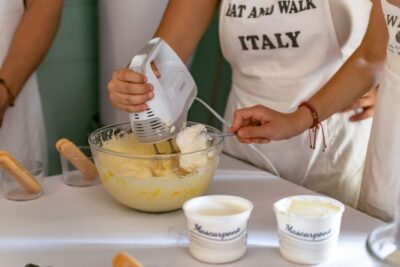
Fettuccine & Tiramisù: Cooking Class with Wine & Limoncello
Read our review →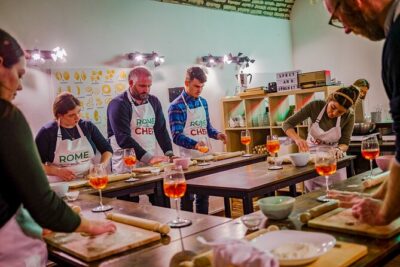
Pasta Cooking Class Near the Colosseum with 3 Spritz Cocktails
Read our review →
Enjoy Spritz and Pasta Making in Piazza Navona
Read our review →Browse the lists this tour appears in