
Review · SRI LANKA COOKING CLASSES
Ella Cook With Sadamali
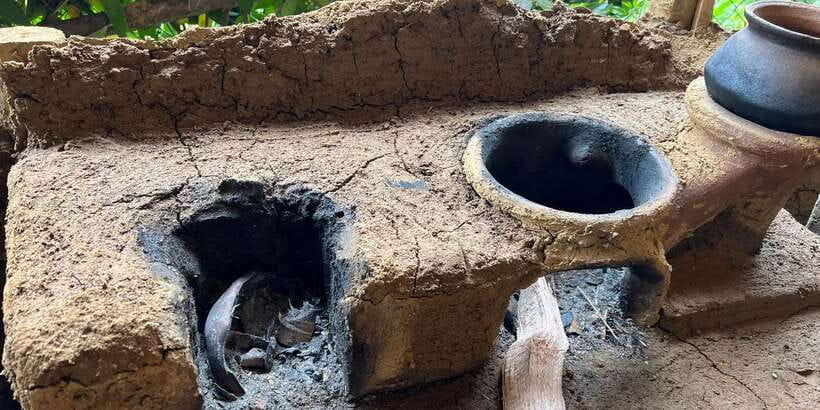
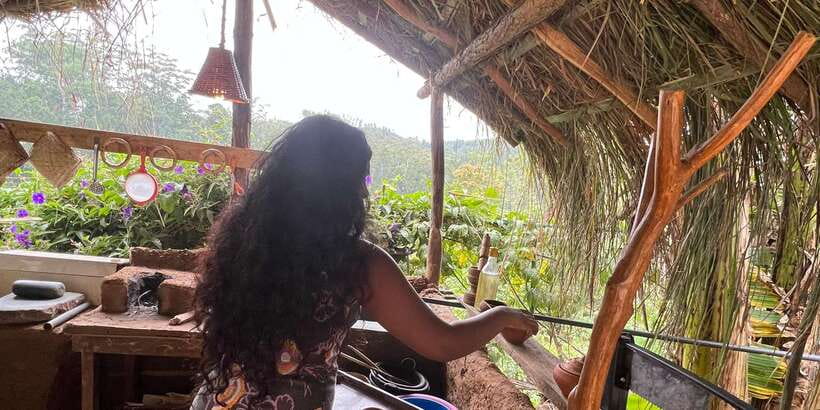
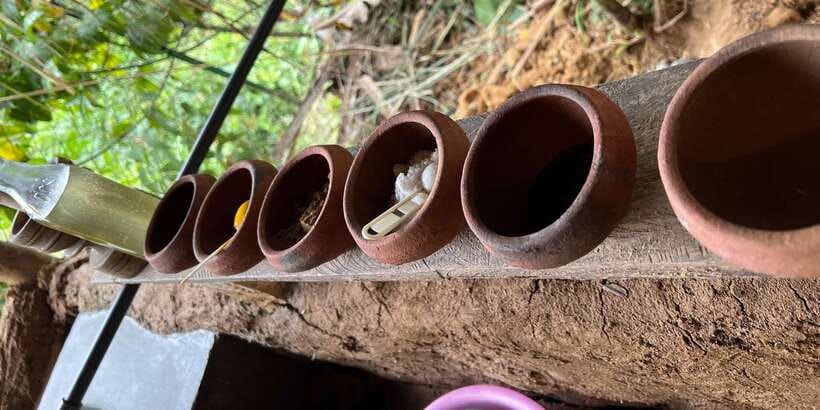
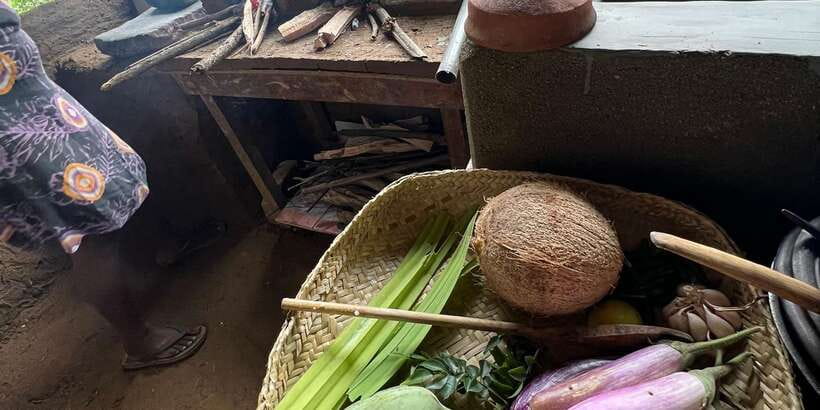
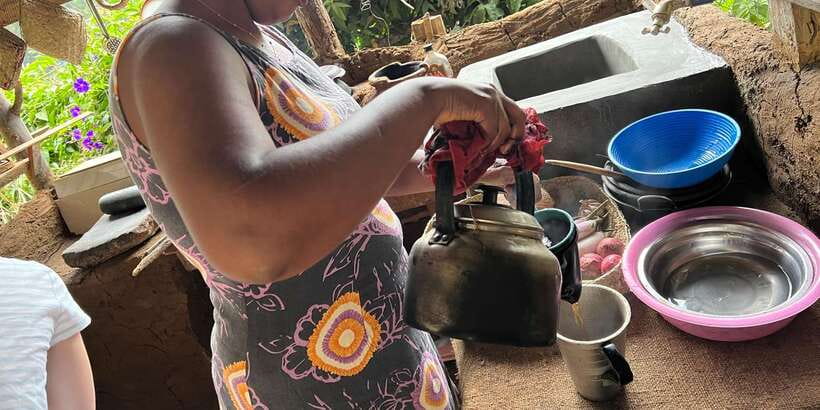
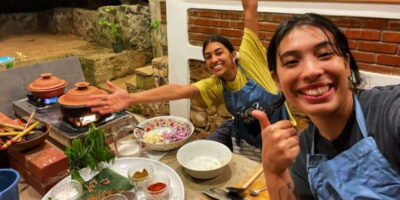
Ella’s most memorable food experience may happen away from a restaurant table. With Sadamali, you cook a full Sri Lankan rice-and-curry meal in an outdoor kitchen, using clay pots, firewood, and traditional tools. You do not simply watch a demonstration. You chop, stir, season, and eat the results.
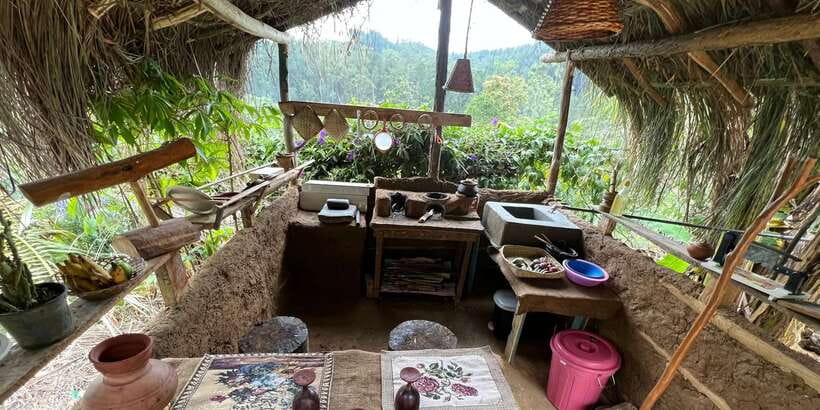
I like two things right away: the class stays small, with no more than eight people, and Sadamali gives plenty of personal guidance. I also like the setting, where the cooking area looks out over Ella’s hills. The main consideration is that the meeting point sits about 1.5 kilometers along Passara Road, so you must arrange your own way there.
Key points at a glance
- Cook over firewood: Prepare your meal in clay pots with traditional Sri Lankan methods, not only modern kitchen equipment.
- Choose your curries: The menu can be adjusted for mild or spicy tastes, with several curry options to prepare.
- Learn from Sadamali: She explains each step clearly and compares traditional tools with methods you can use at home.
- Eat a full meal: The class includes steamed rice, several curries, and a crisp poppadum.
- Enjoy the hill views: The outdoor kitchen gives the class a peaceful setting and a pleasant sense of place.
- Take the recipes home: You receive recipes for the dishes prepared during the session.
Cooking Sri Lankan food with Sadamali
Sadamali is the heart of this class. She teaches in a warm, patient way and keeps the group involved rather than doing all the work herself. You can expect explanations about spices, cooking order, textures, and the small adjustments that make a curry taste balanced.
That matters because Sri Lankan cooking can look complicated when you first see several pots, spices, and ingredients in front of you. The class breaks it into manageable steps. You learn how ingredients change as they cook, how spices work together, and how to judge when a dish is ready.
Sadamali also explains both old and new methods. You may use traditional Sri Lankan cooking tools during the class, then hear how to recreate the same dishes with ordinary equipment at home. That practical comparison makes the lesson more useful than a purely cultural demonstration.
The teaching is also personal. With a maximum of eight people, you should have a chance to ask questions and get hands-on help. A private session has also been possible for some bookings, but you should not assume the class will always be private.
More Cooking Classes in Sri Lanka:
- Ella: Traditional Sri Lankan Cooking Class
★ 4.9 · 788 reviews - Organic cooking class sigiriya (kumara & family)
★ 5.0 · 650 reviews - Sri Lanka Cooking Class with Granny
★ 5.0 · 587 reviews
Arriving at the outdoor kitchen
The meeting point is on Passara Road, about 1.5 kilometers from Ella town. After passing the Flower Garden Hotel, continue for roughly another 30 meters. Look for the board marked Ella Silloam on the left, where Sadamali can collect you.
This is not a town-center activity you can simply find by wandering around. Save the meeting details before leaving Ella and allow time to identify the sign. Transportation to and from the cooking location is not included, so getting there is your responsibility.
The setting is one of the class’s strongest features. The cooking area is outdoors and looks toward the hills, giving you fresh air and a quieter feel than a busy restaurant kitchen. Several sessions have also included a welcome tea and biscuits, though these should be viewed as a friendly extra rather than a guaranteed part of the advertised meal.
Bring a camera if you like taking food and scenery photographs. Wear comfortable clothes that you do not mind cooking in. Firewood, heat, smoke, and food preparation are part of the experience, so this is not the place for your finest dinner outfit.
Preparing rice, curries, and poppadum
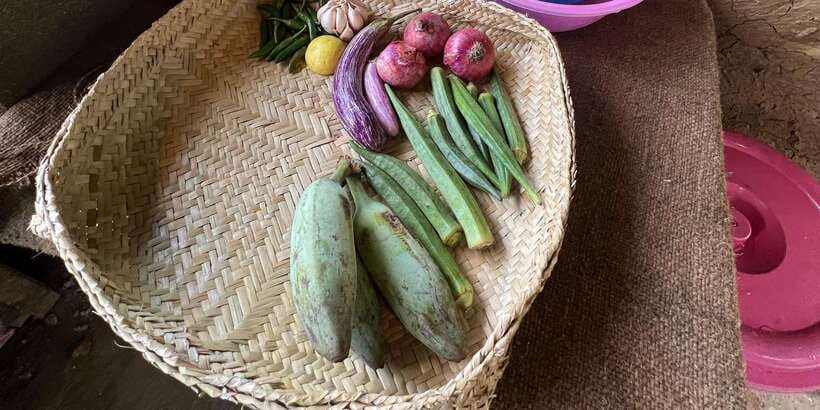
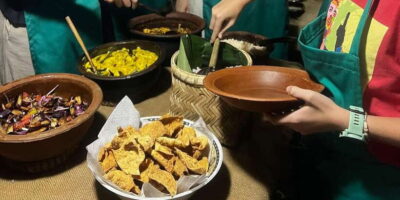
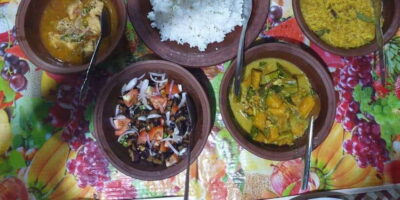
The meal centers on Sri Lanka’s classic rice-and-curry format. You prepare steamed rice, a selection of traditional curries, and a crisp poppadum. Depending on the menu chosen for your session, the food may also include coconut sambol or a salad.
The cooking is hands-on from the start. You can expect to take part in preparing several dishes rather than waiting for Sadamali to finish the difficult work. The precise number and type of curries may vary, but past sessions have included three curries along with rice, coconut sambol, or salad.
This menu gives you a useful introduction to how Sri Lankan meals are built. Rice provides the base, while several curries add different colors, textures, and levels of heat. A vegetable dish, sambol, or crisp poppadum can change the balance of the plate, so the meal becomes more than one large pot of curry.
The class also lets you adjust the menu to your taste. If you enjoy heat, you can ask for spicier choices. If you prefer mild food, tell Sadamali before cooking begins. The activity specifically allows curry choices for different spice preferences, but special dietary requests and customized menu items beyond the included offering are not guaranteed.
Ask about the spice level early. Sri Lankan food can be hot, and a dish that seems mild to one person may feel strong to another. This is especially important if your group has mixed preferences.
Why the clay pots and firewood matter
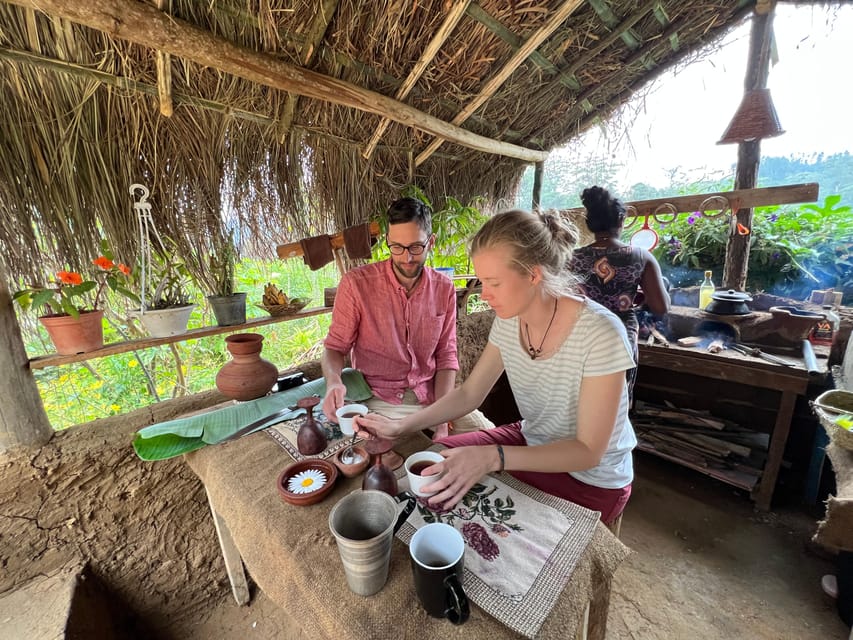
Cooking in clay pots is not just a photo opportunity. It changes the rhythm of the class. Food takes time, attention, and steady heat, which gives you a better sense of how traditional home cooking works.
Firewood also adds a practical lesson. You learn that cooking is not always about setting an exact temperature and walking away. You watch the heat, stir when needed, and wait for the ingredients to develop. The process connects the food to the household traditions Sadamali is explaining.
The traditional tools make the experience feel distinct from a standard cooking workshop. You are not only learning a recipe. You are seeing how the recipe fits into local cooking habits. At the same time, Sadamali explains modern alternatives, so the lesson does not leave you wondering how to repeat it without a clay pot or wood fire.
There is a small tradeoff. Outdoor cooking can be less predictable than an indoor kitchen. Heat, smoke, and the pace of a wood fire are part of the charm, but anyone expecting a polished cooking studio should choose a different type of class.
Same region, a different dish to learn:
- Kandy Village Cooking Class
★ 5.0 · 536 reviews - Sea waves sri lankan cooking class
★ 5.0 · 467 reviews - Ella: Sri Lankan Cooking Class with Neranji at Homestay
★ 5.0 · 276 reviews - Cook with Wasantha
★ 5.0 · 248 reviews
Eating what you have made
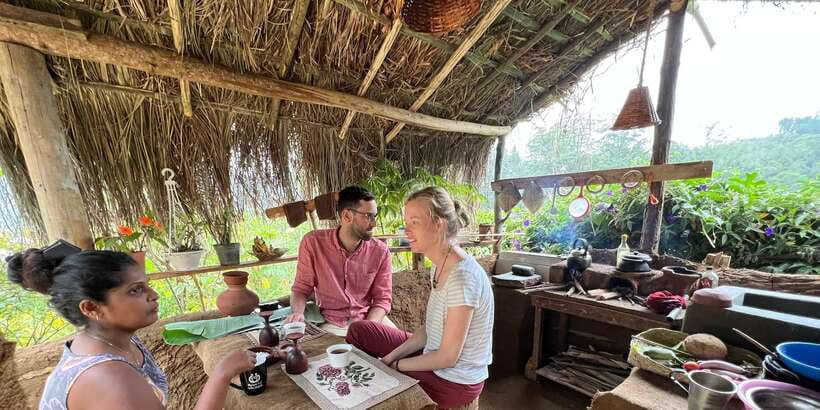
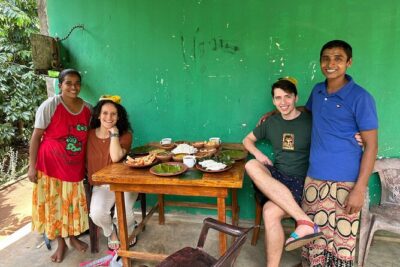
After the cooking is complete, you sit down to eat the meal together. This shared part is important because you taste the results while the instructions are still fresh in your mind.
You can compare the different curries and see how they work with rice, sambol, and poppadum. The meal is substantial rather than a token tasting, which helps explain the $17 price. You are paying for instruction, ingredients, a full lunch or dinner-sized meal, and the chance to cook it yourself.
Some sessions have lasted longer than the advertised 2.5 hours, with extra time spent eating, talking, and sharing stories. Do not plan a tight appointment immediately afterward. The formal class is listed at two and a half hours, but the friendly pace may stretch if the group is enjoying the meal and conversation.
The late class can work well if you want to make the food your evening meal. The start time depends on availability, so check the available sessions when booking.
The view, the group size, and the atmosphere
The hill view gives this class a stronger sense of place than a lesson held in a hotel kitchen. You are cooking in a family setting, surrounded by the scenery of Ella rather than behind a restaurant counter.
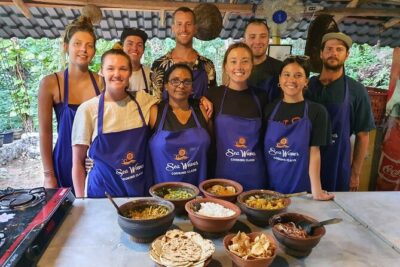
The small group limit of eight is another real advantage. You are less likely to spend the session standing at the back while someone else handles the ingredients. The group can also feel more social, especially once everyone sits down to eat.
That intimacy may not suit someone who wants a fast, highly structured demonstration with no conversation. Sadamali’s teaching style includes time for questions, stories, and shared food. If you enjoy meeting people and learning at a relaxed pace, this works in your favor. If you want to finish exactly on schedule, leave some room afterward.
The activity is wheelchair accessible according to the supplied information. The location is an outdoor home cooking setting, so anyone with specific mobility needs should still confirm the practical arrangements before booking.
Value at $17 per person
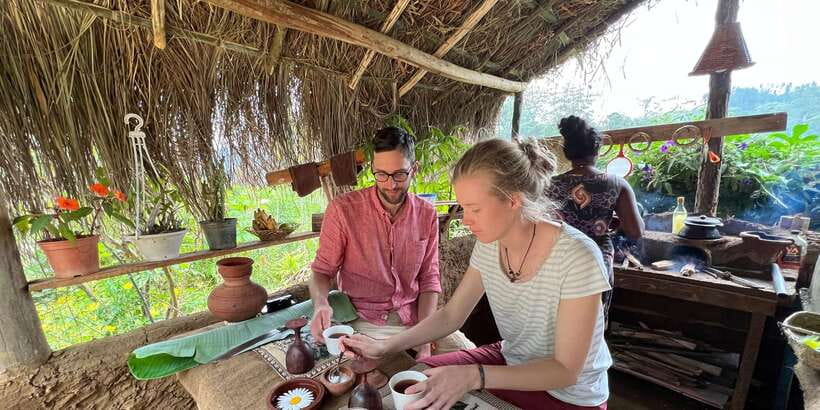
At $17 per person, this is good value if you want more than a meal. You receive a 2.5-hour cooking class, hands-on use of traditional equipment, a full spread of rice and curries, poppadum, and recipes to take home.
The recipes add lasting value. A restaurant meal disappears when the plate is cleared. Here, you leave with methods you can try again, including the option to adapt traditional cooking to a modern home kitchen. That makes the class useful for anyone who wants to keep Sri Lankan food in their regular cooking rotation.
The price does not cover transportation, drinks or snacks beyond anything provided, souvenirs, or special menu requests. Those costs are easy to manage, but you should know what is and is not included before booking.
The strongest value comes if you take part fully. If you only want to watch someone cook, you may find a restaurant meal simpler. If you want instruction, food, scenery, and a personal connection in one activity, the price is modest.
Who should book this class
I would recommend it to first-time visitors who want a direct introduction to Sri Lankan food. You do not need to be an experienced cook. Sadamali leads you through the steps and explains the purpose behind them.
It also suits home cooks who want recipes they can repeat. The traditional tools are interesting, but the advice about modern equipment helps you transfer the lesson to your own kitchen.
Couples, friends, solo visitors, and small families can all fit the format, provided everyone is comfortable with the age restrictions and outdoor setting. Children under three are not suitable for the activity, and babies under one year are not accepted.
You should not book if you have food allergies. The information specifically warns against the activity for people with food allergies, and special dietary requests are not included. People with visual impairments are also listed as unsuitable for this experience.
Smoking, alcohol, drugs, and pets are not allowed. These rules make sense in a family cooking space and around firewood and food preparation.
Practical details before you go
The class costs $17 per person and lasts about 2.5 hours. Group size is limited to eight, and starting times depend on availability.
Bring comfortable clothes and a camera. Tell Sadamali about your preferred spice level before cooking starts. If you need transportation from Ella, arrange it separately because pickup and return transport are not included, although the meeting point has a clear Ella Silloam sign.
You can cancel up to 24 hours before the activity for a full refund. The reserve-now, pay-later option also helps if your Ella plans are still shifting.
Should you book Ella Cook With Sadamali?
I would book this class if you want to cook, not just eat. The combination of Sadamali’s patient instruction, the outdoor kitchen, hill views, clay pots, firewood, and recipes to take home gives the experience real substance.
The main reasons to pause are practical: you must arrange your own transport, the outdoor setting may be warm or smoky, and the menu is not designed for people with food allergies or highly specific dietary needs. The class can also run beyond the stated 2.5 hours.
For most visitors who enjoy food, local customs, and relaxed conversation, $17 is a sensible spend. Choose a later session if you want the meal for dinner, tell Sadamali how much heat you like, and leave your schedule open afterward.
FAQ
How much does Ella Cook With Sadamali cost?
The class costs $17 per person.
How long does the cooking class last?
The advertised duration is 2.5 hours. Some sessions may last longer if the group spends extra time eating and talking.
What food is included?
The meal includes steamed rice, a variety of traditional Sri Lankan curries, and a crisp poppadum. Depending on the selected menu, dishes may also include coconut sambol or salad.
Where is the meeting point?
From Ella town, take Passara Road for about 1.5 kilometers. After the Flower Garden Hotel, continue another 30 meters. The location is on the left, marked by an Ella Silloam board.
Is transportation included?
No. Transportation to and from the cooking location is not included. You must arrange your own way to the meeting point.
Can I choose mild or spicy curries?
Yes. The menu can be adjusted for different spice preferences, and you can choose the curries you prepare. Tell Sadamali your preferred spice level before cooking.
Can I cancel for a refund?
Yes. You can cancel up to 24 hours in advance for a full refund. You can also reserve now and pay later.
Newest classes around Sri Lanka
- cooking lesson★ 5.0 · 7 reviews
- Hands-On Cooking Class in Anuradhapura-Cook Like a Local★ 5.0 · 2 reviews
- Sri Lankan Cooking Class in Bentota★ 5.0 · 2 reviews
- Sri Lanka: Cooking Class★ 4.4 · 6 reviews
- Sri Lankan Cookery with Nilu★ 5.0 · 34 reviews
- Cooking Experience from Ella★ 4.9 · 2 reviews
- Private cooking class – Personalized classic menu★ 5.0 · 5 reviews
- Nilaveli: Sri Lankan Cooking Class with a Local Family★ 5.0 · 16 reviews
Sri Lanka Cooking Classes, compared.
Organic cooking class sigiriya (kumara & family)
Read our review →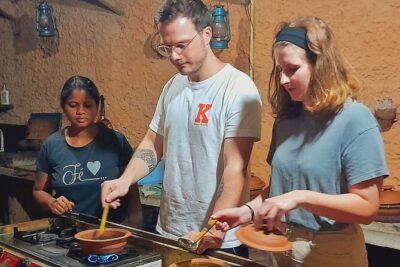
Sri Lankan Cooking Class with Neranji at Homestay
Read our review →
Browse the lists this tour appears in