
Review · SRI LANKA COOKING CLASSES
Arugam Bay Cooking Class : Sri Lankan Tradition
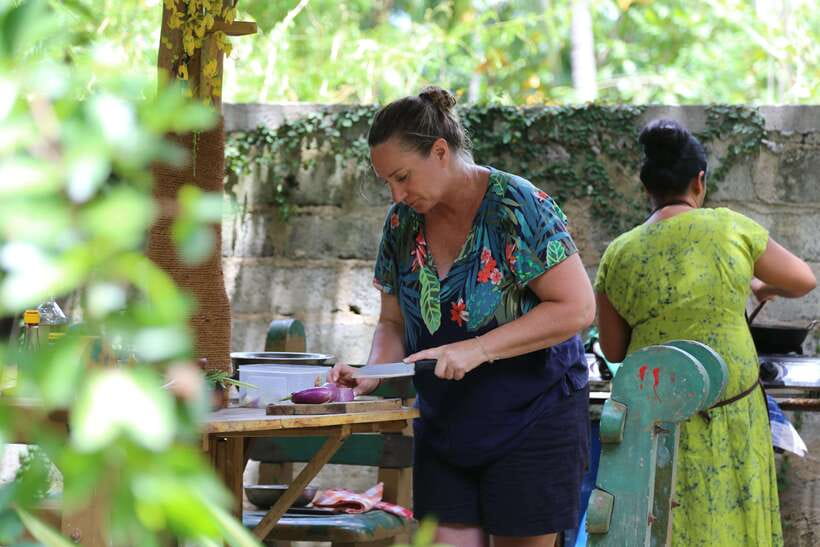
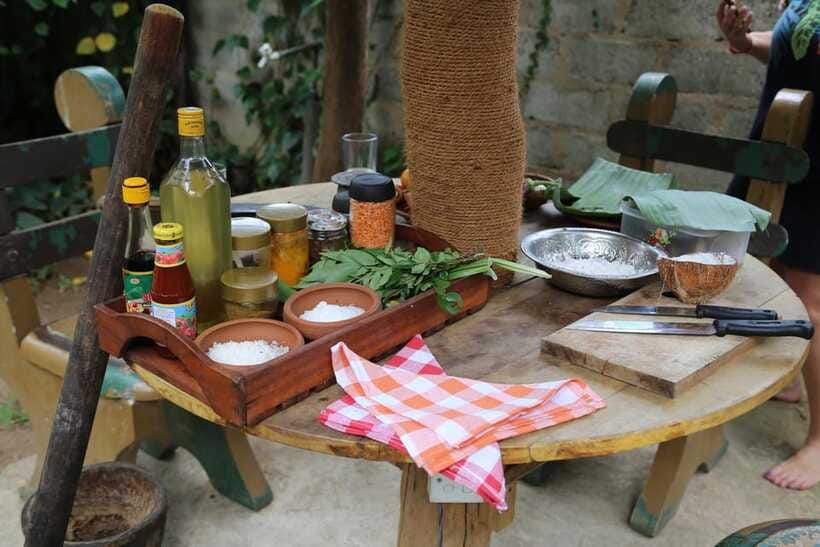
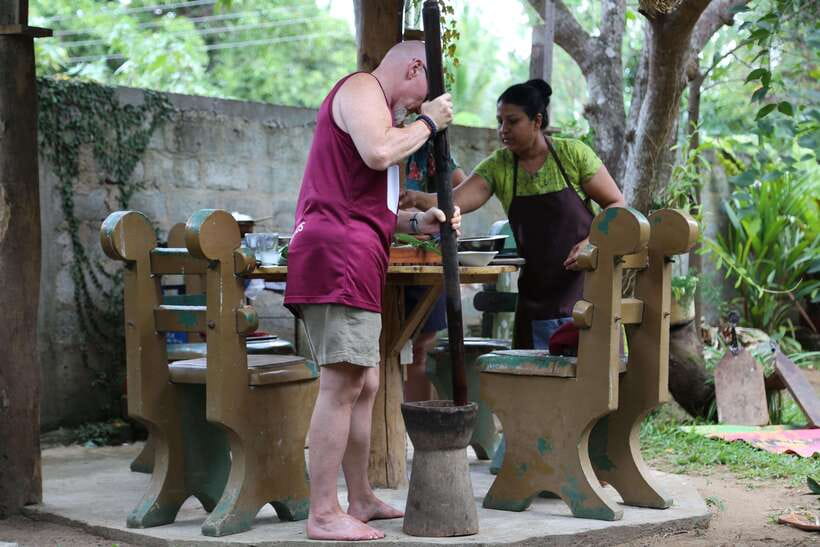
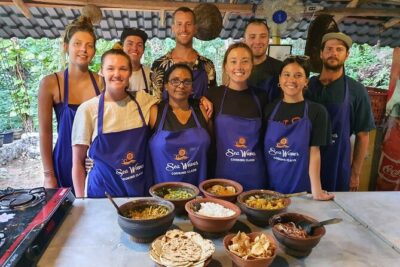
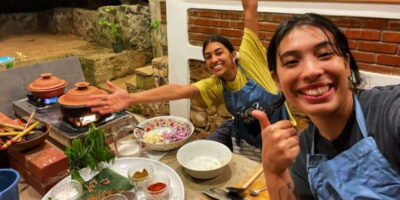
The best part of this Arugam Bay cooking class is the setting: you leave the beach area for the village of Panama, enter a local family home, and learn Sri Lankan food in the place where it belongs. You work with traditional ingredients, watch spices sizzle in coconut oil, and finish with a meal prepared under local guidance.
I like the family welcome and the chance to see everyday village life rather than simply eating in a restaurant. I also like the practical focus on curries, sambals, rice, and dessert, since these are the building blocks of a Sri Lankan meal. The main consideration is that the class may be more demonstration-led than fully hands-on, so you should not expect to prepare every part yourself.
Key points to know
- Panama village setting: The class takes you beyond Arugam Bay and into a local family home.
- Traditional Sri Lankan menu: Learn about aromatic curries, sambals, rice, and Sri Lankan sweets.
- Guide Rishi: A helpful local guide named Rishi has been praised for making the experience easy to follow.
- Transport included: Hotel pickup, drop-off, and full transport are part of the $30 price.
- A short cultural meal: The full class lasts 1.5 hours and ends with lunch made during the lesson.
- Hands-on expectations: Some preparation is practical, but part of the session may involve watching and eating.
From Arugam Bay to Panama village
Arugam Bay is best known for surf, sand, and a relaxed coastal pace. This cooking class gives you a reason to see another side of the area. Instead of keeping you near the usual beach restaurants, it takes you to Panama, where a local family welcomes you into its home.
That change of setting matters. Food makes more sense when you see the kitchen, the ingredients, and the people who prepare it as part of daily life. You are not just being served a plate of curry. You are being shown how a meal fits into Sri Lankan family life.
Hotel pickup and drop-off are included, along with transport for the outing. That makes the $30 cost easier to judge, especially if you are staying in Arugam Bay and do not have your own way to reach Panama. You avoid arranging a separate ride, and the short duration fits neatly into a morning or afternoon.
The exact starting time depends on availability, so check before booking. The class lasts 1.5 hours, not a full day. That is useful if you want a cultural activity between surf sessions, sightseeing, or beach time, but it also means the lesson moves at a brisk pace.
More Cooking Classes in Sri Lanka:
- Ella: Traditional Sri Lankan Cooking Class
★ 4.9 · 788 reviews - Organic cooking class sigiriya (kumara & family)
★ 5.0 · 650 reviews - Sri Lanka Cooking Class with Granny
★ 5.0 · 587 reviews
A welcome drink before the cooking begins
The visit starts with an Aayubowan welcome drink. In Sri Lanka, this greeting expresses a wish for long life, and here it sets a friendly tone before the cooking begins.
Do not expect a long formal introduction. The appeal is the ordinary setting and the contact with your hosts. You have a chance to settle in, meet the family, and learn about the meal before the practical work starts.
The class is led with help from a tour instructor who speaks English and Italian. Guide Rishi has received particular praise for being helpful, which is useful when ingredients, cooking methods, and local customs need explaining. Food vocabulary can be confusing in any country, so a guide who can keep the process clear adds real value.
The class does not list a fixed group size. That means the feel of the visit may depend on the booking arrangement that day. If close personal instruction matters to you, ask the operator about the group before you go.
What you prepare in the Sri Lankan kitchen
The cooking lesson focuses on several familiar parts of a Sri Lankan meal:
- Aromatic curries
- Flavorful sambals
- Fragrant rice
- Sri Lankan desserts
You learn how these dishes work together, rather than treating each recipe as an isolated item. Curry supplies the main savory flavors, sambal adds heat and freshness, rice brings the meal together, and dessert finishes it on a sweeter note.
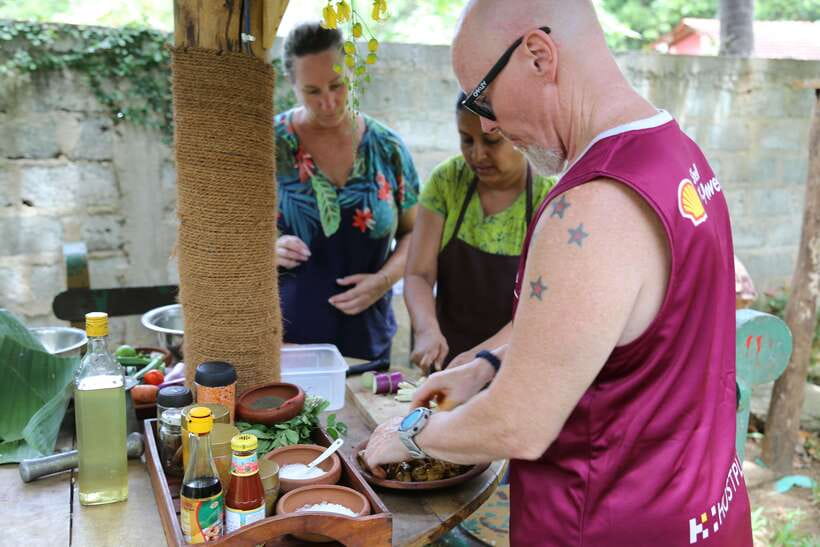
The most useful technique described for the lesson is tempering spices in coconut oil. This is a key step in many South Asian kitchens. Spices are heated in oil so their fragrance spreads through the dish before other ingredients are added. You also learn about combining different flavors and balancing ingredients to create a finished meal.
That balance is important. Sri Lankan cooking is not simply about making food hot. A successful dish needs the right relationship between spice, salt, sweetness, richness, and acidity. The class gives you a glimpse of that process and may help you understand why a plate of rice and curry can contain several very different flavors.
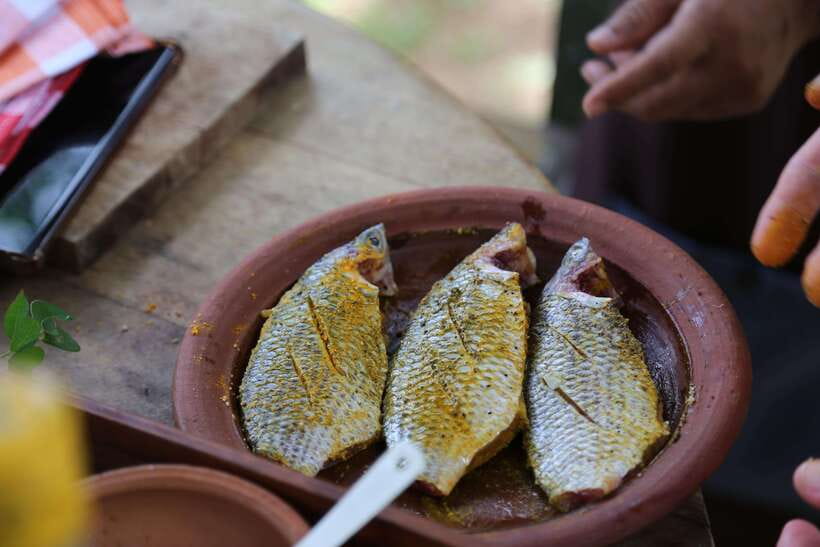
Fresh, locally sourced ingredients are used. The information provided does not give a full ingredient list, so you should not assume a particular curry, vegetable, meat, or dessert will be on the menu. The dishes may vary according to what the family prepares.
How hands-on is the cooking?
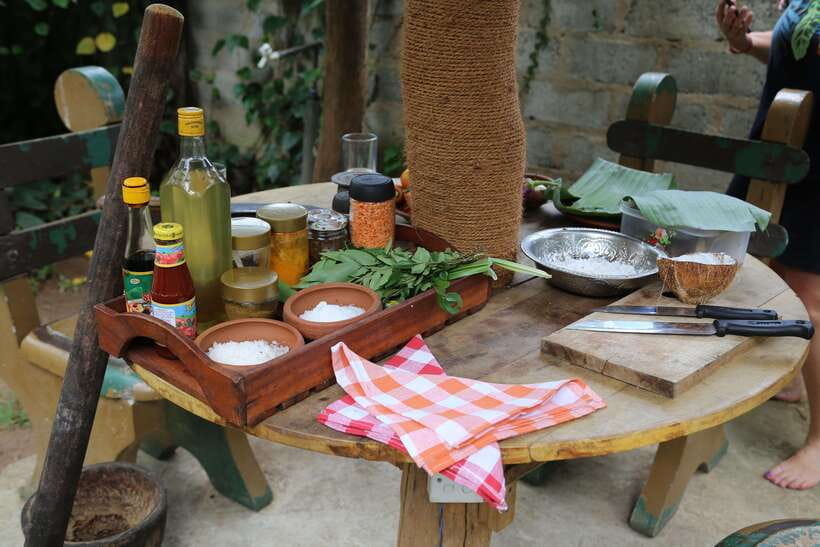
This is the point I would clarify before booking. The activity is presented as a hands-on cooking lesson, but the full experience may not mean that you personally chop, stir, and cook every dish from start to finish.
One person who booked the class found it enjoyable but expected more actual cooking and less watching and eating. That is a fair warning. The session appears to combine demonstration, explanation, participation, and a shared meal. You may assist with parts of the preparation, but you should not approach it as a professional cooking workshop with a separate workstation and a recipe booklet.
For some people, that format is ideal. You can watch a local cook use familiar techniques, ask questions through the guide, and avoid the pressure of producing an entire lunch yourself. It also gives you more time to talk with the host family.
If you want intense kitchen practice, ask how much of the menu you will personally prepare. If you are happy to learn by watching as well as doing, the class should suit you better.
Same region, a different dish to learn:
- Kandy Village Cooking Class
★ 5.0 · 536 reviews - Sea waves sri lankan cooking class
★ 5.0 · 467 reviews - Ella: Sri Lankan Cooking Class with Neranji at Homestay
★ 5.0 · 276 reviews - Cook with Wasantha
★ 5.0 · 248 reviews
Eating the meal you helped prepare
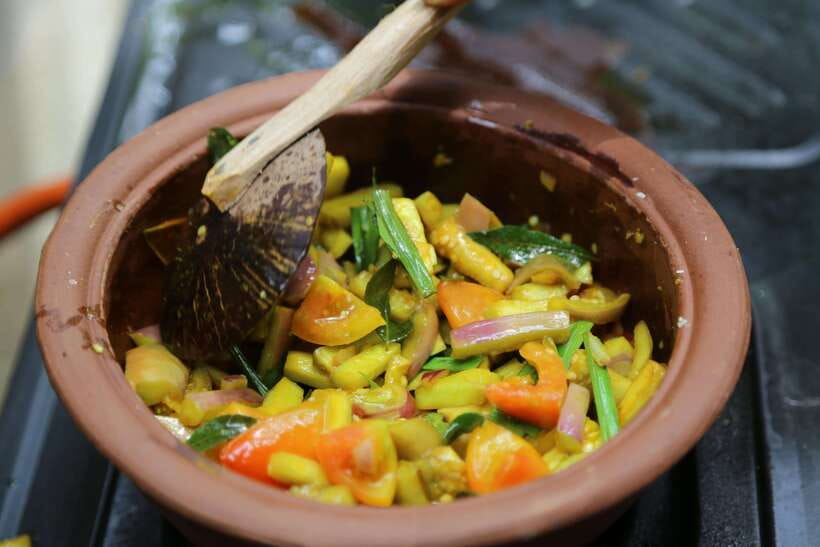
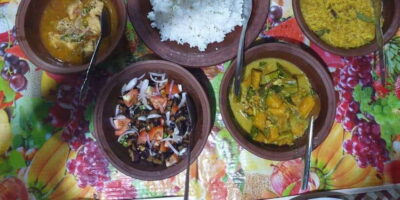
After the cooking, you sit down to eat the Sri Lankan meal. This is more than a final tasting. It gives you a chance to understand how the separate dishes work together on one plate.
The meal is also the social center of the visit. You can exchange stories with the host family and ask about the food while the dishes are fresh in your mind. The format is informal and personal, which is one reason this activity feels different from a standard restaurant lunch.
The meal has received strong praise for its taste. One booking described the family as friendly, guide Rishi as helpful, and the food as excellent. That combination matters. A cooking lesson can be technically useful, but if the final meal is disappointing, the visit loses much of its appeal. Here, the finished lunch appears to be one of the strongest parts of the outing.
Keep your expectations realistic about the menu. No dish list is guaranteed in the available details, and the class may use what is fresh and suitable that day. That can be part of the charm, but it also means you should ask about dietary needs before paying if you have allergies or strict food requirements.
Why the family setting matters
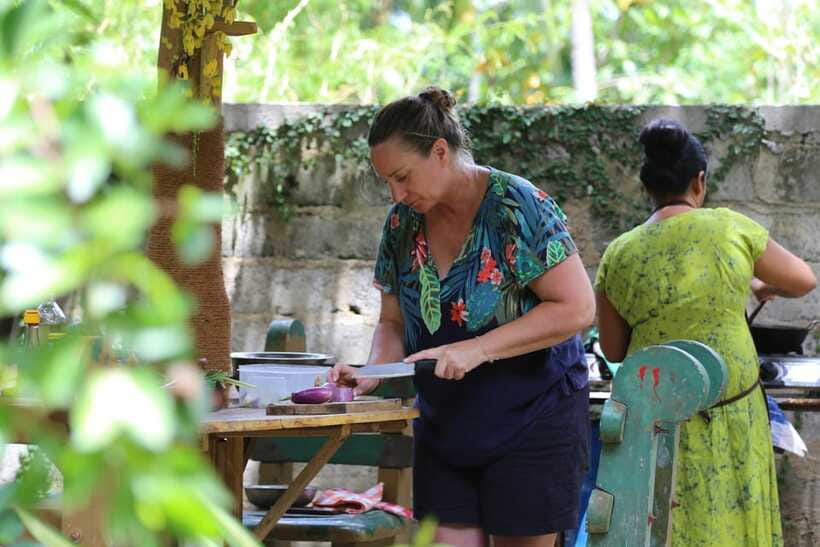
Sri Lankan food is closely tied to home cooking. A family kitchen gives you a more direct view of that food culture than a restaurant table can provide.
You see how meals are prepared in a real domestic setting, how spices are combined, and how food is shared. The lesson also gives you a chance to ask about the meaning of meals in daily life. This kind of conversation is often the most memorable part of a short class.
The visit is not designed as a formal history lesson. It is a practical encounter centered on food. You come away with an understanding of cooking habits and local hospitality, not a long lecture about Sri Lanka.
That makes the class a good choice for people who want cultural contact without committing to a full-day village tour. The 1.5-hour length keeps the visit manageable, but it still provides enough time for an introduction, cooking, and lunch.
Is $30 a fair price?
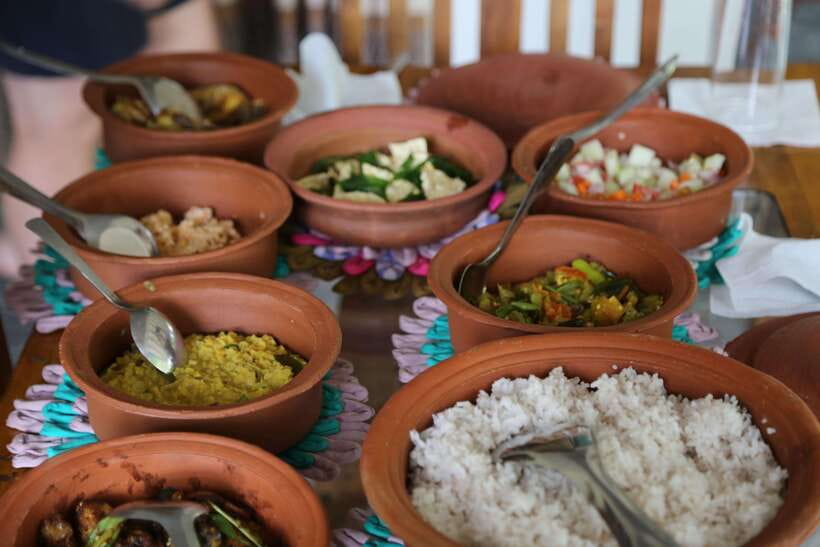
At $30 per person, the price is reasonable if you use the included transport. The fee covers hotel pickup and drop-off, full transport, an instructor, the cooking lesson, the welcome drink, and the meal you prepare.
A restaurant lunch alone would cost less in some parts of Sri Lanka, so the value is not simply in the food. You are also paying for the trip to Panama, the instruction, the local setting, and the chance to meet a family in its home.
The value is strongest for you if you do not have independent transport or if you want a simple activity arranged from Arugam Bay. It is less compelling if you only want a cheap meal or if you expect a long, highly technical class.
The short duration is both a benefit and a limit. You do not lose half a day, and the class is easy to add to a busy beach itinerary. On the other hand, 1.5 hours leaves limited time for a large menu or detailed cooking practice.
Who will enjoy this class most?
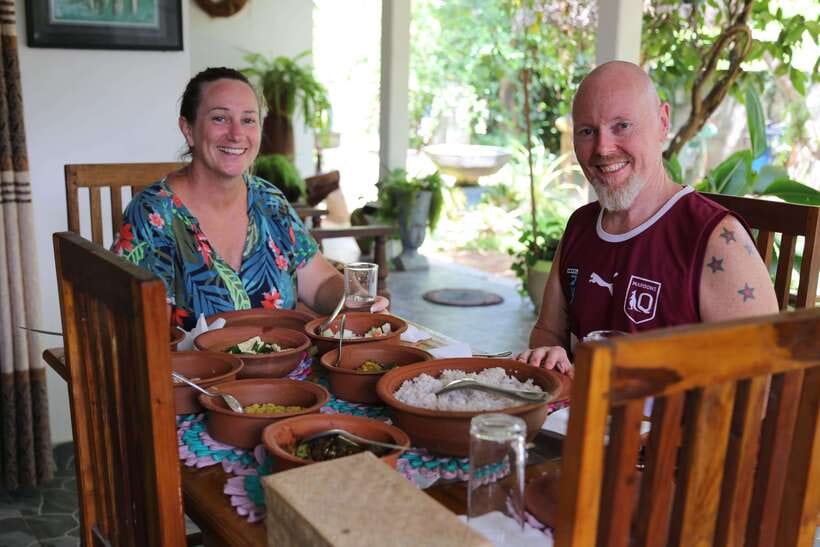
I would recommend it for:
- Food lovers who want to understand Sri Lankan flavor combinations
- Couples and families looking for a relaxed cultural activity
- Visitors staying in Arugam Bay without private transport
- People who enjoy meeting local families
- First-time visitors who want more than a restaurant meal
- Anyone who prefers a short activity that fits around other plans
It is less suitable for you if your main goal is advanced cooking instruction. The mixed format may feel too passive if you want to perform every step yourself.
It may also be a less comfortable choice if you need a guaranteed menu. The available information does not confirm specific dishes, ingredients, or dietary substitutions. Ask before booking if that detail matters.
Language, timing, and booking flexibility
Instruction is available in English and Italian. That should make the cooking explanations easier to follow for many people, though the details do not promise that every member of the host family speaks either language.
The duration is fixed at 1.5 hours, while the starting time depends on availability. Check the available times when selecting your date.
You can cancel up to 24 hours in advance for a full refund. The reserve-now, pay-later option also lets you hold a place without paying at the time of booking. These policies are useful if your Arugam Bay plans may change.
My verdict on the Arugam Bay cooking class
Book this class if you want a short, friendly introduction to Sri Lankan home cooking, especially if transport from Arugam Bay is important. The Panama village setting, family welcome, tasty lunch, and helpful guide Rishi give the experience a personal touch.
Go in expecting a combination of demonstration and participation, not a fully practical chef course. That distinction is the key to enjoying it. If you want to watch local techniques, share a meal, and learn how curries, sambals, rice, and dessert fit together, $30 is a fair price. If you want to cook every dish yourself, confirm the format first.
FAQ
Where does the cooking class take place?
The class takes place in the village of Panama, near Arugam Bay, in Sri Lanka’s Eastern Province.
How long does the cooking class last?
The cooking lesson and visit last 1.5 hours.
What food will I learn to prepare?
The class covers Sri Lankan dishes such as curries, sambals, rice, and desserts. A specific menu is not provided, so the exact dishes may vary.
Is hotel transportation included?
Yes. Hotel pickup, hotel drop-off, and full transport are included.
What languages are available for instruction?
The instructor is available in English and Italian.
How much does the experience cost?
The price is $30 per person.
Can I cancel or pay later?
You can cancel up to 24 hours in advance for a full refund. A reserve-now, pay-later option is also available.
Newest classes around Sri Lanka
- cooking lesson★ 5.0 · 7 reviews
- Hands-On Cooking Class in Anuradhapura-Cook Like a Local★ 5.0 · 2 reviews
- Sri Lankan Cooking Class in Bentota★ 5.0 · 2 reviews
- Sri Lanka: Cooking Class★ 4.4 · 6 reviews
- Sri Lankan Cookery with Nilu★ 5.0 · 34 reviews
- Cooking Experience from Ella★ 4.9 · 2 reviews
- Private cooking class – Personalized classic menu★ 5.0 · 5 reviews
- Nilaveli: Sri Lankan Cooking Class with a Local Family★ 5.0 · 16 reviews
Sri Lanka Cooking Classes, compared.
Organic cooking class sigiriya (kumara & family)
Read our review →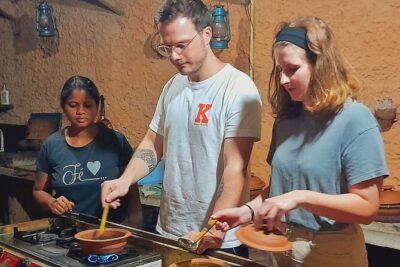
Sri Lankan Cooking Class with Neranji at Homestay
Read our review →
Browse the lists this tour appears in