
Review · UBUD COOKING CLASSES
Ubud: Cooking Class with Transfers and Optional Market Visit
Ubud’s best cooking lessons do more than show you how to stir a curry. Here, you visit a local market on the morning option, learn about Balinese offerings and family life, then work as a team to prepare a generous meal in a family-run setting. Eri, Made, and Madi are among the hosts who lead sessions, and the cultural talk is part of the experience, not filler.
I like the small groups of up to 10 and the amount of food you prepare. I also like that you can make a Hindu offering, hear about Balinese architecture and customs, and leave with recipes you can try at home. The main thing to consider is timing: the market visit is available only in the morning, and pickup coverage is centered on Ubud.
A few practical points matter. The class lasts two to three hours, costs $21 per person, and includes the meal. Afternoon and evening sessions skip the market, but they still include the cooking lesson and cultural introduction. If you stay in Sebali or Keliki, expect an extra charge of 50,000 Indonesian rupiah per person.
Key points to know before booking
- Morning market visit: Shop for fruits, vegetables, herbs, and spices with your guide before cooking.
- Up to 10 people: The class is small enough for hands-on tasks and questions.
- A full Balinese meal: You may help prepare curries, satays, sambal, soup, tempeh, pancakes, and other dishes, with some groups making around 10 plates.
- Culture beyond the kitchen: Learn about Hindu offerings, family compounds, architecture, rice, and food traditions.
- Flexible food options: Vegetarian dishes and alternatives for some allergies and intolerances can be arranged.
- Good value at $21: Transfers, a guide, the class, and the meal are included when the selected option provides them.
Start at the market on the morning class
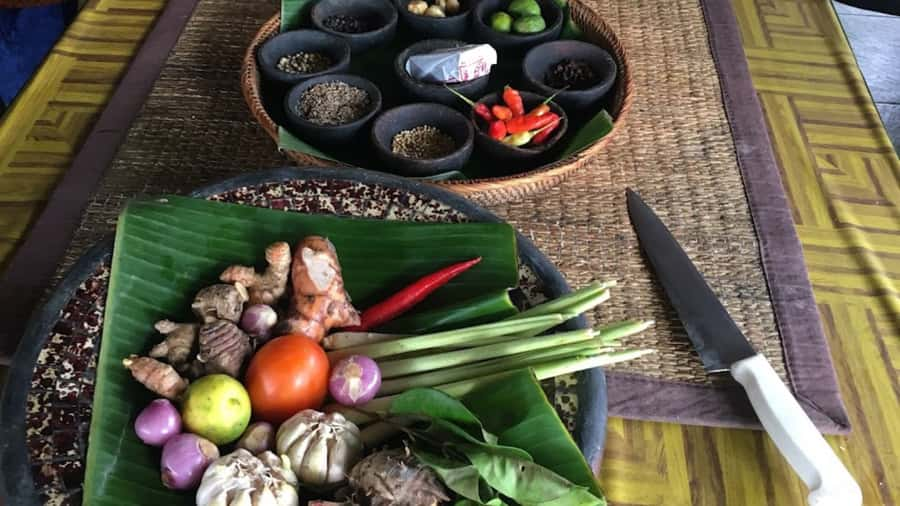
Choose the morning session if you want the fullest version of this experience. After pickup, you meet your guide at a local market and walk through stalls of produce, spices, herbs, and other ingredients used in Balinese kitchens.
This is not just a quick shopping stop. Your guide explains what the ingredients are, how they are used, and how food connects with Balinese religion and daily life. You might hear about the difference between familiar supermarket produce and local ingredients, or learn why certain items appear in household offerings as well as in cooking pots.
I find this part especially useful because it gives you a frame for the class that follows. When you later grind spices or prepare vegetables, you know where the ingredients came from and why they matter. It also gives you a better sense of the food before it reaches a restaurant menu.
The market can be busy, so wear comfortable shoes and keep your belongings close. The meeting information notes that evening traffic can be heavy, which is one reason some arrangements use a parking field as the meeting point. If you are staying outside central Ubud, confirm the pickup details before you go.
The afternoon and evening options do not include the market. That is not necessarily a bad choice. You still get the cooking class, cultural talk, meal, and guide, and the later sessions may suit you better if you want a relaxed start to the day or already have another morning plan.
More Cooking Classes with a Market Tour in Indonesia
- Balinese Ubud cooking school (9 Dish Cooking and Market Tour)
★ 5.0 · 540 reviews - Ubud: Balinese Cooking Class and Market Tour
★ 4.8 · 531 reviews - Balinese Cooking class with traditional morning market visit
★ 5.0 · 161 reviews
Enter a family-style cooking space near Ubud
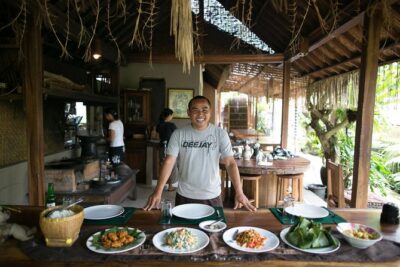
After the market, or after pickup for a later session, you travel to the cooking location. The setting is described as a rural outdoor kitchen surrounded by greenery, with rice field views noted by some participants. Others reached it by scooter in about 10 minutes from central Ubud and found parking available.
The setting helps separate the class from a standard indoor demonstration. You are not simply watching a chef prepare lunch at the front of a room. You work in a shared kitchen, take turns with preparation, and learn how food fits into a Balinese home setting.
Several hosts begin with a welcome drink and local fruit. The class may also include a short lesson about Balinese family compounds, architecture, religion, and everyday customs. One session included instruction in making a canang offering, the small decorated arrangement used in Balinese Hindu practice.
That cultural introduction is one of the strongest reasons to book this class. You gain context for the small offerings seen outside homes and businesses, and you hear about values that shape Balinese family life. It gives the food a setting and purpose beyond simply learning a few recipes.
The exact host may vary. Names associated with the classes include Eri, Made, Madi, and Mate. The teaching style described across the sessions is calm, patient, and clear, with helpers making sure everyone has a task. You should expect a friendly group setting rather than a private lesson with one chef focused only on you.
Prepare spices, satays, curries, and dessert
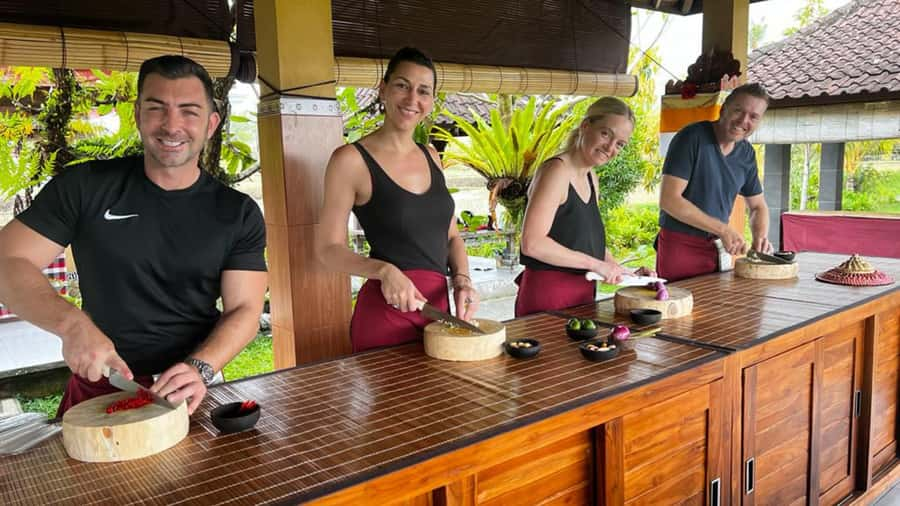
The cooking is hands-on from the start. You may chop vegetables, grind spice mixtures, mix ingredients, shape satays, and help cook the dishes. The work is shared, but the instructor explains each step so you can follow what the rest of the group is doing.
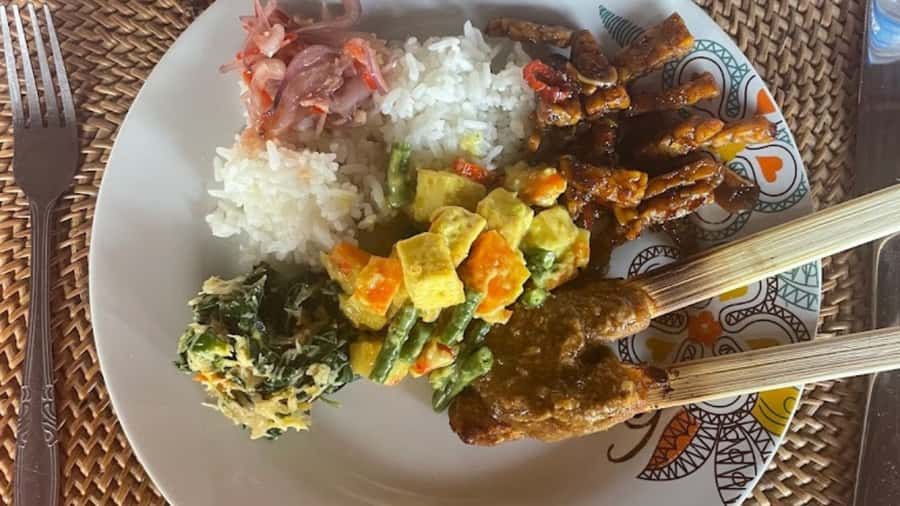
This group method works well for a menu with many dishes. One session prepared about 10 plates, including soup, satay, sambal, tempeh, pancakes, and other Balinese dishes. You will not necessarily make the identical menu every time, but the class focuses on the basic flavors and methods that define Balinese cooking.
The spice preparation is a key part of the lesson. You see how separate ingredients are combined into a fragrant base rather than simply adding a premixed curry powder. That makes the class useful for home cooking because you learn the process, not just the final appearance of a dish.
The class also gives you a feel for the balance of sweet, salty, spicy, and savory flavors. Tempeh received special praise as a favorite dish, while pancakes were a hit with families. Satay, soup, sambal, and dessert give the meal enough variety to keep the cooking lively.
You should not expect a quiet, highly individual lesson where every person cooks every part from start to finish. A group of seven or eight may divide jobs among participants. The upside is that everyone contributes to a large shared meal, and the instructor can keep the food moving. The trade-off is that you may spend more time on one preparation than another.
Learn the meaning behind the food
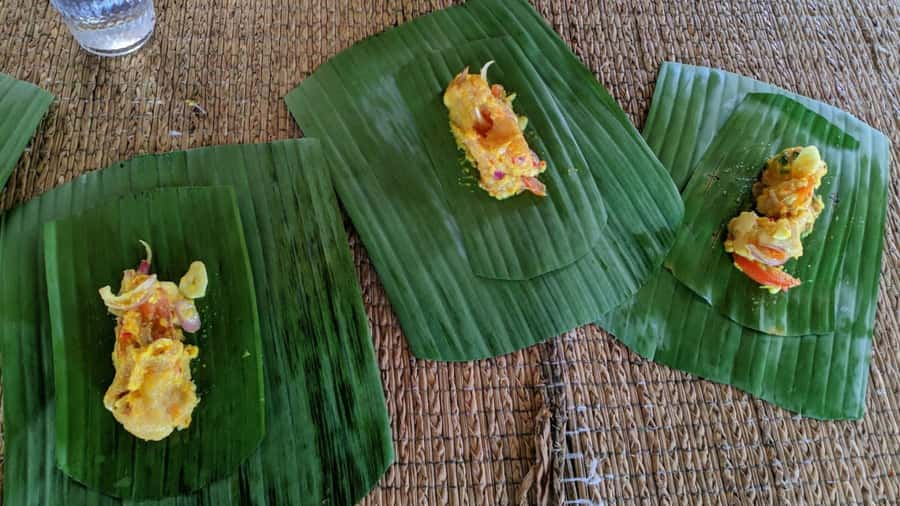
The cooking school treats food as part of Balinese culture. You hear about Hindu traditions, family compounds, architecture, rice growing, local ingredients, and the role of offerings. In some sessions, the guide also explains how rice is grown, adding another useful link between the market, the kitchen, and the meal.
This is where the class earns its place on a Ubud schedule. Ubud has plenty of restaurants offering Balinese dishes, but a cooking lesson shows you the work behind those flavors. You learn why grinding spices matters, how vegetables are prepared, and how a meal can bring a group together.
The offering activity is a particularly memorable extra. You may make a simple canang and hear what its parts represent. It is a small task, but it helps you notice the offerings around Bali with more understanding rather than treating them as decoration.
The guides also explain culture in plain English. English is the stated language for the live guide and audio guide. The classes are designed for participation, so you can ask questions as you work instead of waiting for a formal lecture to end.
More Cooking Classes with a Market Tour in Ubud
- PRIVATE Ubud Market Tour & Balinese Cooking Class with Putu
★ 5.0 · 125 reviews - Jambangan bali cooking class with morning market tour
★ 5.0 · 35 reviews - Balinese cooking class/Go shopping at the market, cook, eat
★ 5.0 · 12 reviews
Sit down to a buffet-style meal
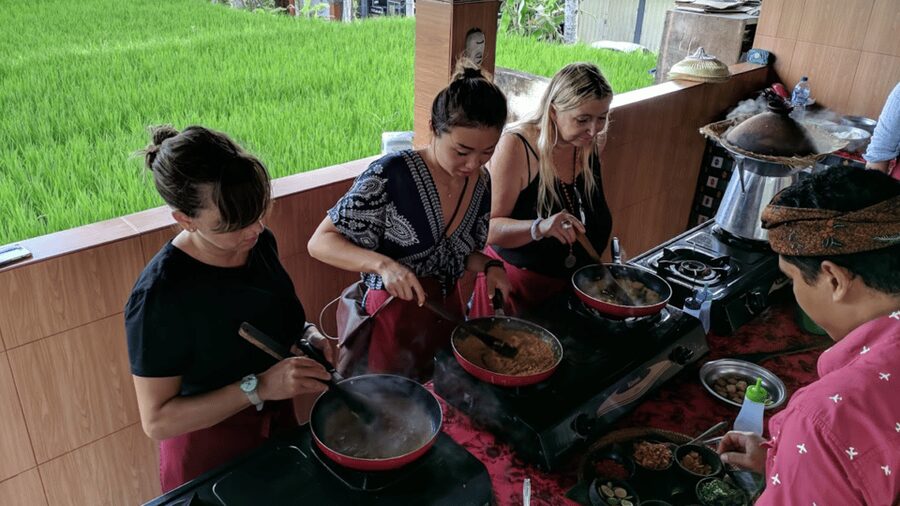
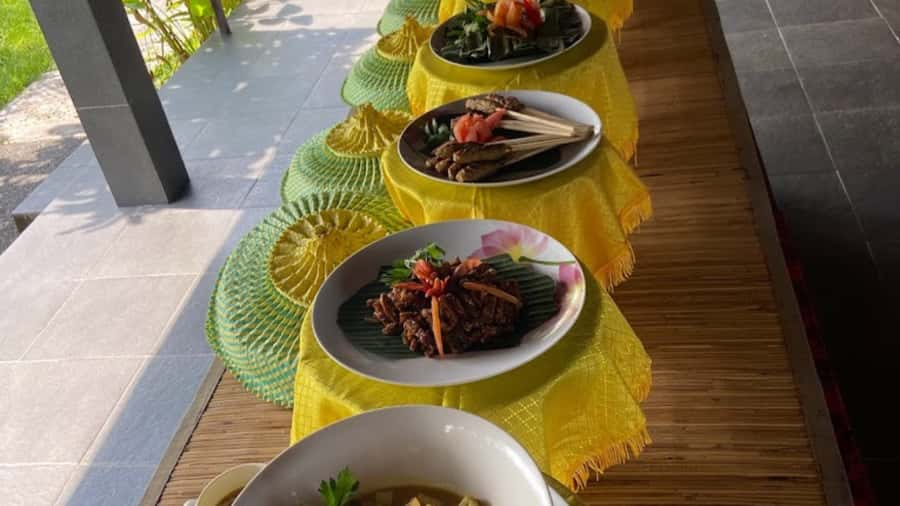
Once the cooking is finished, you sit with the group and eat what you prepared. Some sessions serve the food buffet-style, which lets you try several dishes rather than filling your plate with only one main course.
This shared meal is more than a reward at the end. It gives you a chance to compare flavors, talk with other people in the class, and see how the separate preparations work together. The meal can be substantial, especially when the group has prepared close to 10 dishes, so arrive ready to eat.
The food is the part that makes the lessons feel practical. You are not tasting a sample made by someone else. You have handled the ingredients, watched the cooking process, and can connect each dish with the work that produced it.
Dietary needs are worth raising before the class begins. Vegetarian alternatives are available, and sessions have provided options for people avoiding fish, allergies, and certain intolerances. One example involved using rice flour for pancakes. Still, you should state your needs when booking rather than relying on a last-minute adjustment.
A small group keeps the class personal
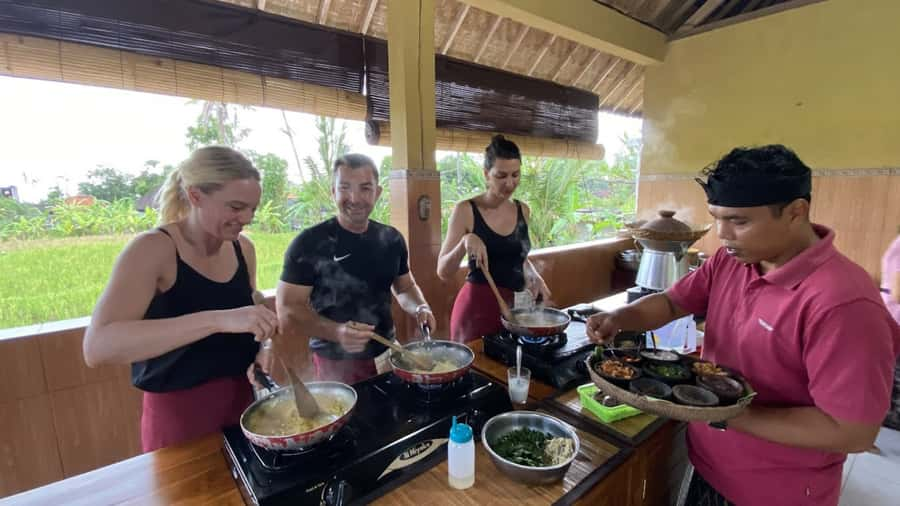
The maximum group size is 10, and several sessions had five to seven people. That is a useful size for this kind of activity. You get enough company to make the meal social, but the guide can still explain techniques and assign jobs.
Families with teenagers can do well here. The tasks are active and varied, and younger participants can take part in chopping, mixing, and preparing dessert under guidance. It also works for solo visitors because the shared meal gives you a natural way to meet people without needing a separate social activity.
The atmosphere is cooperative. You may be asked to work as a team, which means the class is less about producing an individual perfect plate and more about building a meal together. If you prefer complete control over every recipe, you might find the group format limiting.
Clean cooking equipment was specifically appreciated, and helpers keep the preparation organized. The class aims to avoid long periods of waiting, with one task ready as another finishes. That matters during a two to three hour session, since a poorly planned cooking lesson can feel slow.
What the $21 price includes
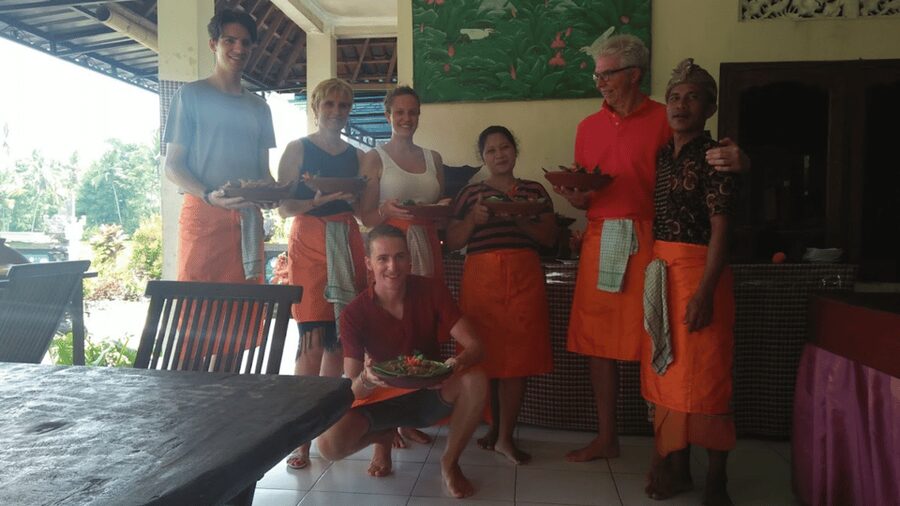
At $21 per person, this is strong value if you want more than a demonstration. The price includes the cooking class, guide, and meal. For the morning or afternoon options that offer it, hotel pickup and drop-off in Ubud Center are included as well. The morning option adds the market visit.
You are also paying for a cultural lesson, a social meal, and practical instruction. Some sessions provide a small recipe book, and every participant receives a certificate of completion according to the activity details. The recipe booklet is the more useful souvenir because it helps you recreate the dishes at home.
The price does not include personal expenses. Pickup is optional, so you can make your own way if that suits you. The cooking location is close enough for some people to reach by scooter, though you should confirm the exact meeting instructions and parking details.
If your hotel is in Sebali or Keliki, add 50,000 rupiah per person for the extra area charge. This is the main cost detail that could surprise you. Ask about it before booking if your accommodation is outside central Ubud.
Picking the right session and meeting point
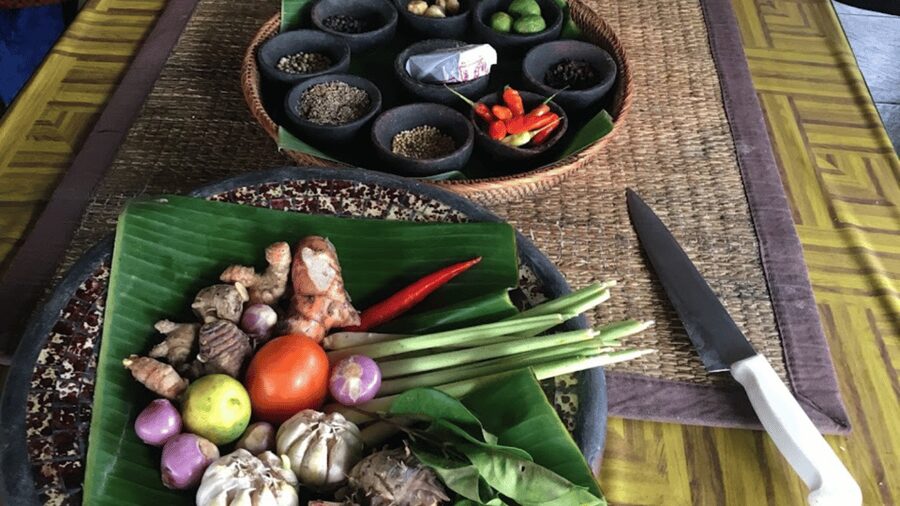
Choose the morning class if the market matters to you. It offers a fuller look at local ingredients and gives you more time to connect food with culture. Choose afternoon or evening if you mainly want the cooking and meal, or if your Ubud mornings are already occupied.
The duration is two to three hours, so leave enough room around it. Traffic can affect pickup and evening meeting arrangements. The meeting information refers to a parking field because nighttime traffic can be difficult, so do not assume a vehicle will collect you directly outside every property.
If pickup is selected, wait in your hotel lobby. For self-arrival, follow the confirmed meeting instructions rather than relying only on a map pin. This is especially important if you are using a scooter or meeting at the parking field.
Cancellation is flexible: you can cancel up to 24 hours before the activity for a full refund. A reserve-now, pay-later option is also available, which helps if your Bali schedule is still shifting.
Who will enjoy this Ubud cooking class
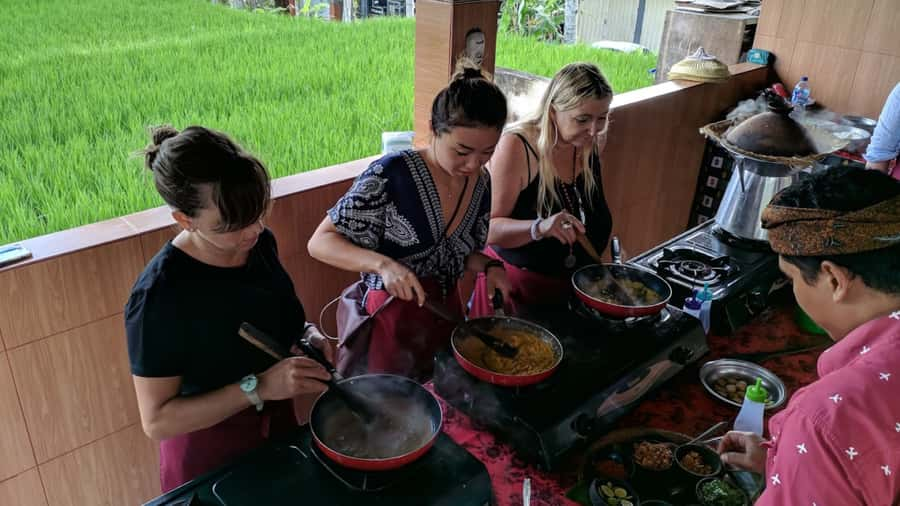
I would choose this for anyone who wants a useful cultural activity instead of another restaurant meal. It suits couples, families with teenagers, solo visitors, and small groups of friends. You do not need advanced cooking skills, and the instruction is designed to be easy to follow.
The class is also a good choice for people curious about Balinese Hindu customs. The offering lesson, household culture, architecture, rice, and food traditions add depth without turning the session into a formal history lecture.
Food lovers should choose the morning option if possible. The market visit gives you a clearer understanding of the ingredients, while the cooking session lets you work with them immediately.
You may want to skip it if you dislike group activities, cannot manage a shared kitchen, or want a private chef-led class. The menu can include many dishes, but not every person will prepare every item individually. Also, the market is not part of afternoon and evening sessions.
Should you book it?
Yes, especially if you choose the morning market option and want a hands-on introduction to Balinese food. The combination of local shopping, spice preparation, cultural lessons, a family-style setting, and a large shared meal gives you plenty for $21.
The best reasons to book are the small group size, the patient teaching style associated with hosts such as Eri, Made, and Madi, and the chance to learn about offerings and daily life alongside cooking. If you have dietary needs, state them early. If you stay beyond Ubud Center, check the pickup surcharge and meeting point.
Choose the morning class for the fullest cultural experience. Choose the later class if you only need the kitchen lesson and dinner. Either way, you leave with new recipes, a certificate, and a better understanding of why Balinese food tastes the way it does.
FAQ
How long does the Ubud cooking class last?
The activity lasts between two and three hours, depending on the selected session and the pace of the group.
Is the Ubud market visit included?
The market visit is included only with the morning option. Afternoon and evening classes go directly to the cooking experience.
Is hotel pickup available?
Hotel pickup and drop-off are included for the morning or afternoon options when selected, with coverage centered on Ubud Center. You should wait in your hotel lobby.
What language is the class taught in?
The live tour guide speaks English, and an English audio guide is also included.
How many people are in the cooking class?
The class is limited to 10 participants. Some sessions have had groups of five to seven people.
Can the class accommodate vegetarian diets or allergies?
Vegetarian alternatives are available, and some dietary requirements, allergies, and intolerances can be accommodated. Tell the provider about your needs in advance.
Is there an extra charge for some pickup areas?
Yes. Pickup from the Sebali or Keliki areas costs an additional 50,000 Indonesian rupiah per person.
Newest classes around Ubud
- The Authentic Balinese Cooking Experience★ 5.0 · 4 reviews
- Ubud: Organic Farm Harvest, Bali Cooking Class by Pemulan★ 4.8 · 12 reviews
- packages cooking class and romantic dinner in a local home★ 5.0 · 4 reviews
- Jambangan bali cooking class with morning market tour★ 5.0 · 35 reviews
- Ubud: Balinese Cooking Class with Hotel Transfers★ 4.8 · 17 reviews
- Balinese cooking class/Go shopping at the market, cook, eat★ 5.0 · 12 reviews
- Bali: Cooking Class with Monkey Forest and Art Village Tour★ 5.0 · 2 reviews
- PRIVATE Ubud Market Tour & Balinese Cooking Class with Putu★ 5.0 · 125 reviews
Ubud Cooking Classes, compared.
PRIVATE Authentic Balinese Cooking Class in Ubud at Putu’s Home
Read our review →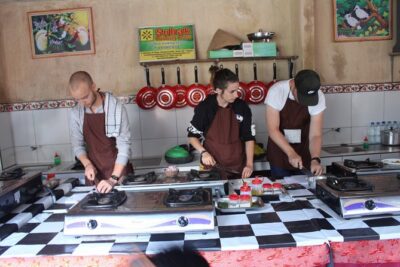
Balinese Ubud cooking school (9 Dish Cooking and Market Tour)
Read our review →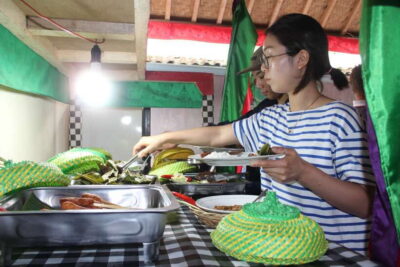
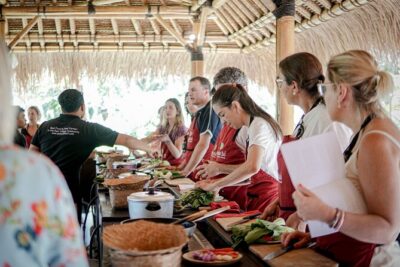
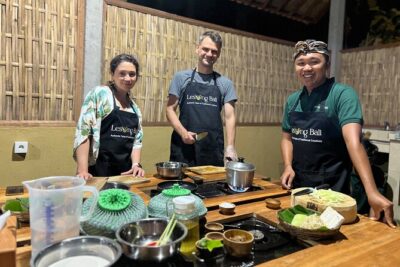
PRIVATE Balinese Cooking Class in Ubud with Dewa with Transfers
Read our review →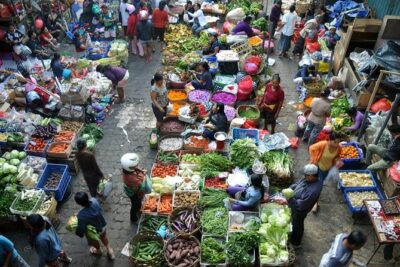
Balinese Cooking class with traditional morning market visit
Read our review →Browse the lists this tour appears in