
Review · UBUD COOKING CLASSES
Bali: Cooking Class with Monkey Forest and Art Village Tour
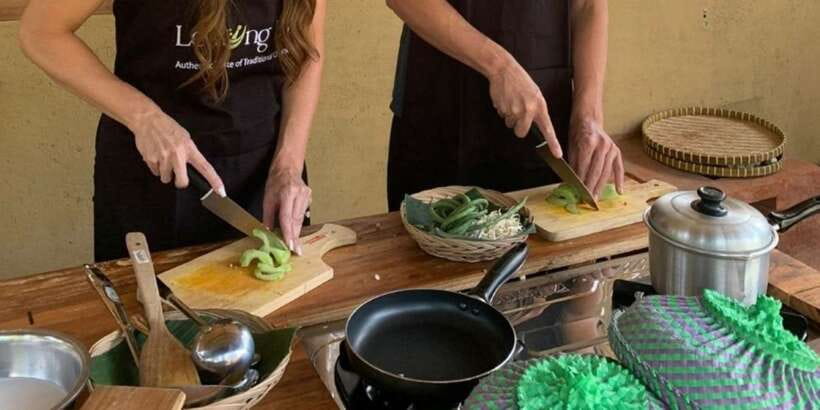
The best part of this Bali day is that cooking comes first. You visit a traditional market, choose fresh ingredients, then use them in an open-air kitchen surrounded by a Balinese garden. It is a practical way to meet local food culture rather than simply photographing it.
I like the market-to-table format, and I like that the cooking includes five dishes and a dessert, with the food you prepare included in the price. The afternoon adds Ubud’s Monkey Forest and Celuk’s crafts, giving you food, nature, and village arts in one day.
The main drawback is the long schedule. With roughly eight hours on the road and several stops, this is not a slow cooking retreat. If you prefer a quiet half-day class, the Monkey Forest and art village visits may feel like extra weight.
Key points to know before booking
- Choose your own ingredients: Begin at a traditional market with meat, fish, poultry, spices, and tropical fruit.
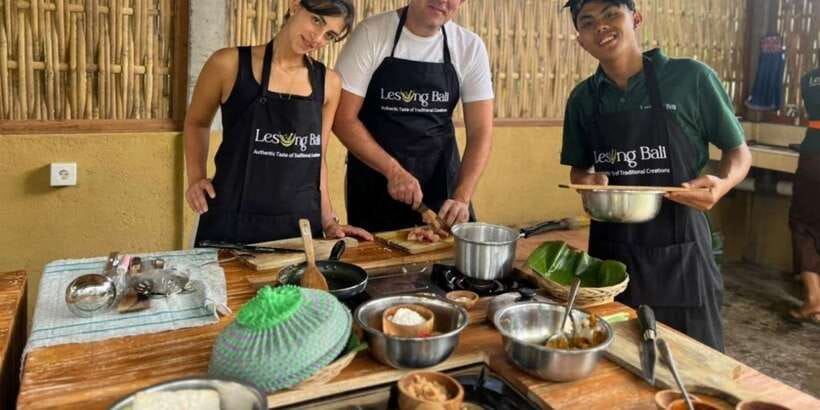
- Cook in an open-air kitchen: Prepare five Balinese dishes and one dessert, then eat what you make.
- Meet local life at a Balinese house: The experience includes a house visit and a farm tour.
- Visit Ubud’s Monkey Forest: Allow about two hours for the guided stop among jungle paths and monkeys.
- See Celuk’s traditional crafts: The art village features batik, wood carving, and gold and silver work.
- Private air-conditioned transport is included: Pickup and drop-off are available from major Bali resort areas.
Why this tour works as a Bali food experience
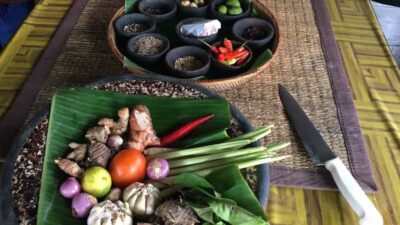
Many cooking classes begin with ingredients already measured and waiting on the counter. This one starts earlier, at a traditional market. That change matters. You see the produce, spices, fish, poultry, and meats before they become lunch, and you get a clearer idea of how Balinese cooking begins.
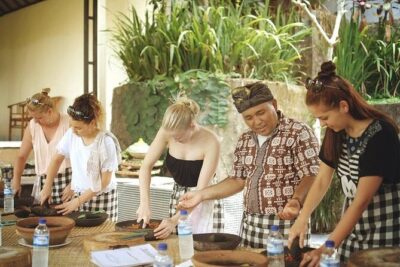
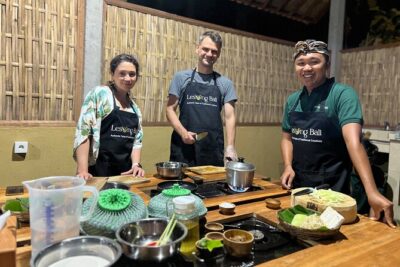
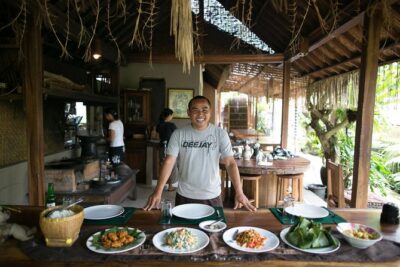
You are not just watching an instructor stir a pot. The class is hands-on, with lessons in making sauces and spice pastes, side dishes, and main courses. The setting is an open-air kitchen, and the surrounding garden adds a pleasant sense of place without turning the lesson into a formal culinary school.
The class covers five dishes and one dessert. The description also refers to six authentic Balinese meals, so you should read that as six prepared items in total rather than six full main courses. All ingredients and the food you cook are included, along with a recipe booklet and a PDF recipe file.
That last detail gives the class lasting value. You can return home with instructions rather than only a few photographs. Still, the supplied information does not name the dishes, so you should not book this expecting a particular recipe such as babi guling or nasi goreng. The exact menu may depend on the class plan and market ingredients.
More Farm Cooking Classes in Indonesia
- Balinese Farm Cooking Class by Pemulan Bali
★ 5.0 · 410 reviews - From Ubud: Authentic Bali Farm Cooking School & Organic Farm
★ 5.0 · 122 reviews - Balinese Cooking Class at Organic Farm
★ 5.0 · 51 reviews
Starting at the traditional market
Your driver picks you up at your hotel and takes you to the market before the cooking begins. Pickup is available in Jimbaran, Sanur, Seminyak, Nusa Dua, Ubud, Canggu, Kuta, and Tabanan Regency.
The market visit is useful because it gives the cooking class a local foundation. You can look at the ingredients as they are sold, learn what goes into Balinese sauces, and see tropical fruit and spices in their everyday setting. The supplied information does not state how long you spend at the market, so plan for it as an introduction rather than a full market tour.
This is also where the day’s pace begins to show. You are covering several parts of Bali, and pickup times can vary by resort area. A pickup from Ubud may mean less time on the road than one from Tabanan, Nusa Dua, or Jimbaran. Keep your morning flexible and confirm the available starting time when booking.
Cooking five dishes and a dessert
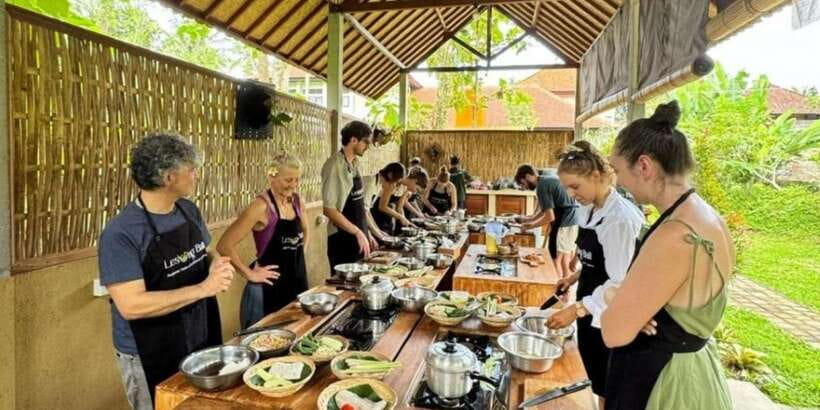
After the market, you move into the kitchen for about three to three and a half hours. The activity includes a welcome drink and snacks, a farm tour, and a visit to a Balinese house, so the cooking segment may be part of a wider cultural visit rather than three straight hours at a chopping board.
The class focuses on the building blocks of Balinese food. You learn to make pastes and sauces, then use them with side dishes and main courses. That is more useful than memorizing a list of finished recipes because these pastes often provide the base flavor for many dishes.
You get to eat the food you prepare, and the ingredients are included. This makes the $70 price easier to judge. You are paying for instruction, food, transport, and several sightseeing stops, not just a cooking lesson. Bottled mineral water is also provided, which is welcome during a full day in Bali.
I would bring a change of clothes. Cooking in an open-air setting can be warm, and market visits, garden paths, and the later walking stop make fresh clothes a sensible small luxury. Bring a camera too, but keep it out of the way during food preparation.
Seeing a Balinese house and farm setting
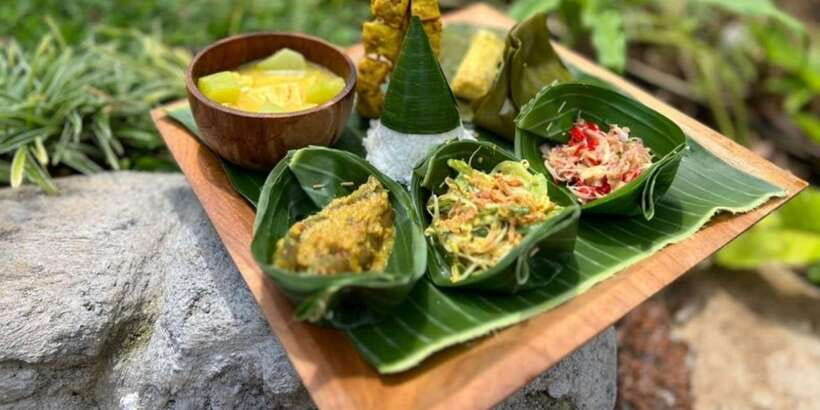
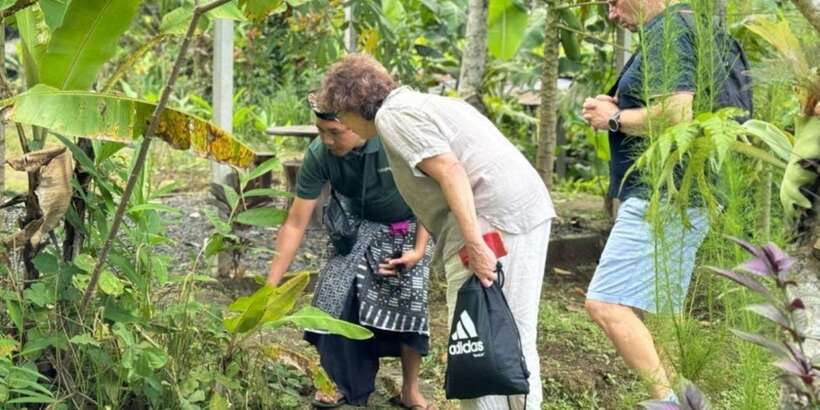
The tour includes a visit to a Balinese house and a farm tour. These parts help connect the ingredients to daily life, though the information does not specify the exact house layout, farm crops, or length of either visit.
That uncertainty is worth keeping in mind. The class is not presented as a specialist architecture tour or an agricultural program. Instead, the house and farm add context around the meal. You see that Balinese food is tied to family space, gardens, local plants, and market buying.
For me, this is one of the strongest cultural features of the day. The class is not limited to technique. It places the meal inside the setting where Balinese traditions are practiced. A professional cook may find the kitchen instruction most useful, while a first-time visitor may value the house and farm stops just as much.
The activity is conducted in English. No individual instructor name is supplied, but you can expect an English-speaking instructor and an English-speaking driver. The two available ratings describe the staff as kind and the cooking as well organized, with particular praise for the food and the passion of the Balinese chef. That fits the format: this is designed to be friendly and participatory, not formal or intimidating.
More Farm Cooking Classes in Ubud
- Small-Group Farm Tour & Balinese Cooking Class in Ubud with Kadek
★ 5.0 · 16 reviews - Ubud: Organic Farm Harvest, Bali Cooking Class by Pemulan
★ 4.8 · 12 reviews
Walking through Ubud’s Monkey Forest
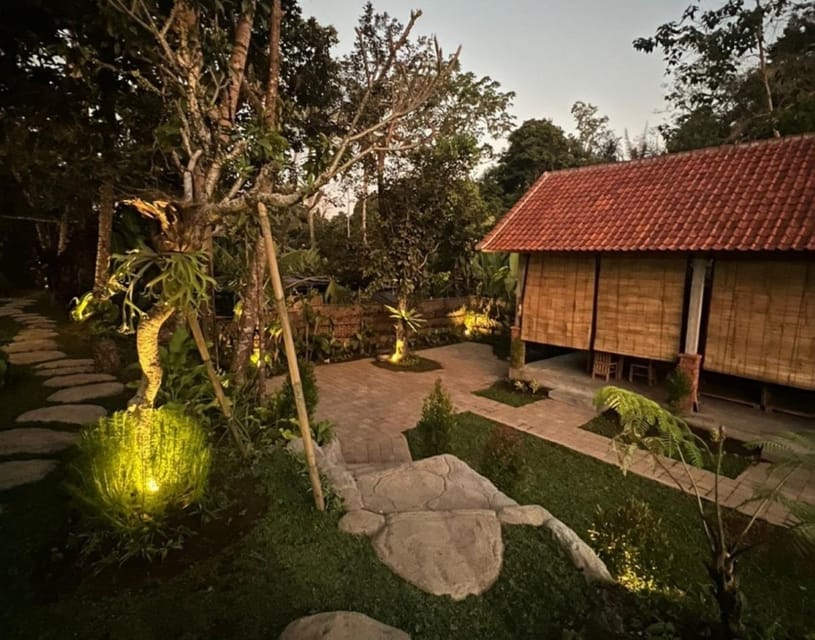
After the cooking class, the day continues to the Sacred Monkey Forest Sanctuary. The planned visit lasts about two hours and includes the entrance fee, guided touring, and a walk through the jungle.
The setting gives the day a clear change of pace. After the market and kitchen, you can walk beneath the trees and watch monkeys moving through the branches. The stop is also one of Ubud’s best-known sights, so it makes sense for anyone who wants an introduction to the town’s major attractions without arranging a separate visit.
You should treat the monkeys as wild animals, not as photo props. The provided information does not spell out the sanctuary’s rules, so follow the guide’s instructions and keep your belongings secure. The tour does not promise close animal encounters, and conditions can vary.
Two hours is enough for a meaningful visit, but it may feel short if you want to explore every path at a slow pace. It may also feel long if wildlife is not a priority for you. This is one of the stops that should guide your booking decision.
The rice terraces and countryside drive
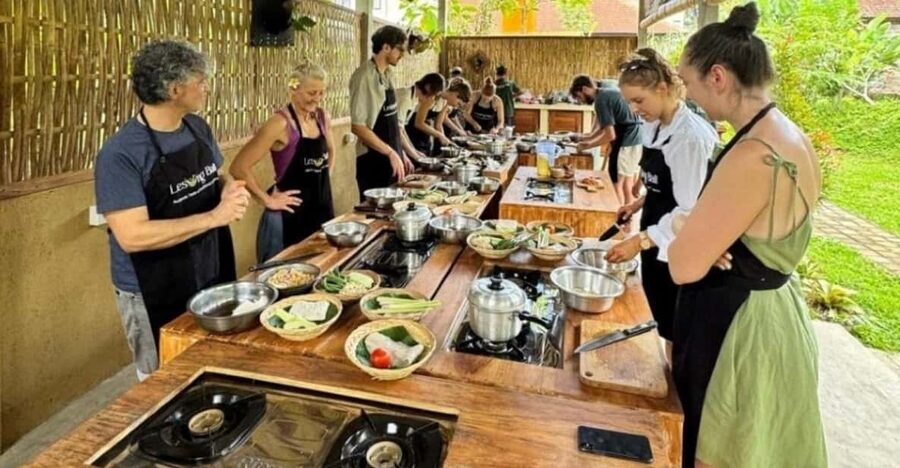
The day includes views of rice terraces as you travel toward the later stops. The description presents this as part of the countryside journey rather than a separate, timed terrace visit.
That distinction matters. You may see terraces from the road or pause briefly, but you should not book this expecting a dedicated rice-farming walk or a long photography session. The attraction here is the overall transition from market and kitchen to rural scenery.
The air-conditioned private car makes the long route more comfortable. Pickup and drop-off are available in Ubud, Kuta, Seminyak, Canggu, Legian, Jimbaran, Nusa Dua, Sanur, and Tabanan Regency. Transport is one of the tour’s stronger practical points because arranging these stops independently would take more planning and several separate rides.
The schedule can still be tiring. Cooking takes several hours, the Monkey Forest involves walking, and Celuk adds another visit before the return drive. Drink the provided water, wear comfortable shoes, and avoid packing the rest of your day with another major booking.
Meeting artisans in Celuk
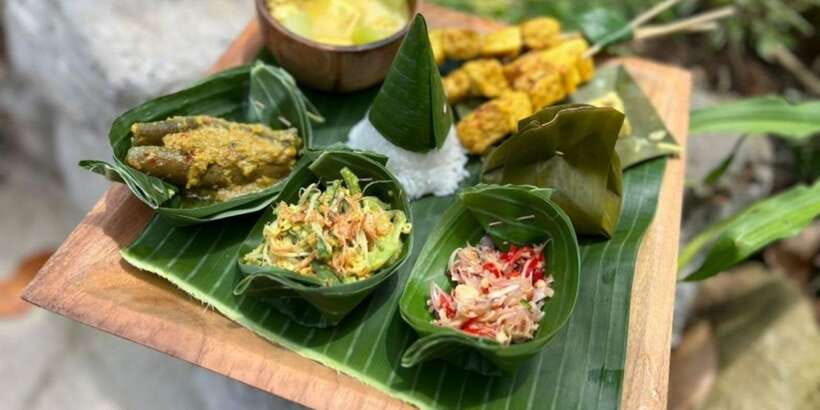
The final major stop is Celuk, an art village known here for traditional handicrafts. The visit lasts about two hours and focuses on local artisans making batik, wooden carvings, and gold and silver work.
This is not simply a shop stop in the way the information is presented. You get to see how local craftspeople provide their work and how these styles fit into Bali’s artistic traditions. The stop may suit you if you want a few meaningful souvenirs or enjoy seeing skilled handwork before deciding what to buy.
You should, however, be ready for a sales element at any organized craft-village visit. The supplied details do not state that purchases are required, and buying anything is listed as an extra expense. Keep your budget clear and ask about prices before committing to a piece.
Celuk also rounds out the day nicely. The market shows raw ingredients, the kitchen shows food preparation, the Monkey Forest shows a natural attraction, and the art village shows finished handmade work. That range gives the tour more variety than a cooking class alone.
Is $70 a good value?
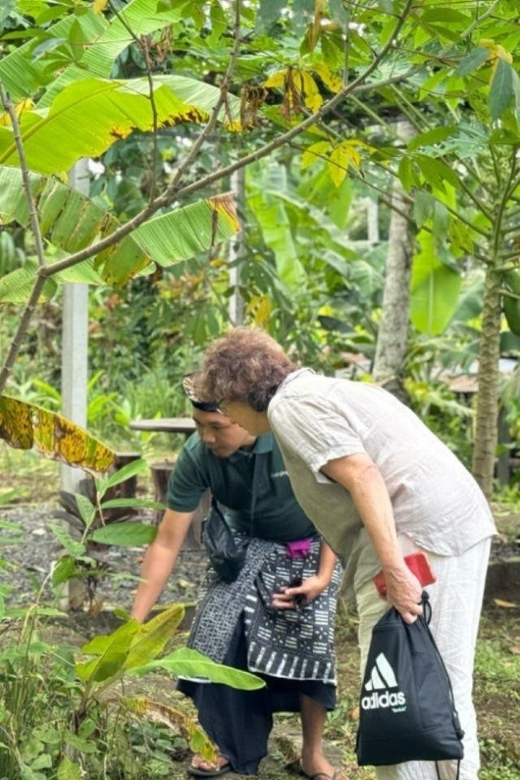
At $70 per person, the price is reasonable if you want a full Bali day with transport. The package includes private air-conditioned transportation, an English-speaking driver, mineral water, the cooking class, market visit, Balinese house and farm visits, welcome refreshments, ingredients, the food you cook, recipes, and the Monkey Forest entrance fee.
You are also getting hotel pickup and drop-off from a wide selection of resort areas. That can save both time and taxi costs, especially if you are staying outside central Ubud.
The value is weaker if your only goal is learning recipes. You are paying for the Monkey Forest, Celuk, countryside travel, and the convenience of a private vehicle. Someone who wants a focused culinary lesson might find a shorter class better suited to their interests.
Extra expenses are not included. The obvious examples are purchases in Celuk and any other personal spending. Since the package includes food and water, you should not need much money during the class itself, but carry a small amount for personal needs.
Who should book this day?
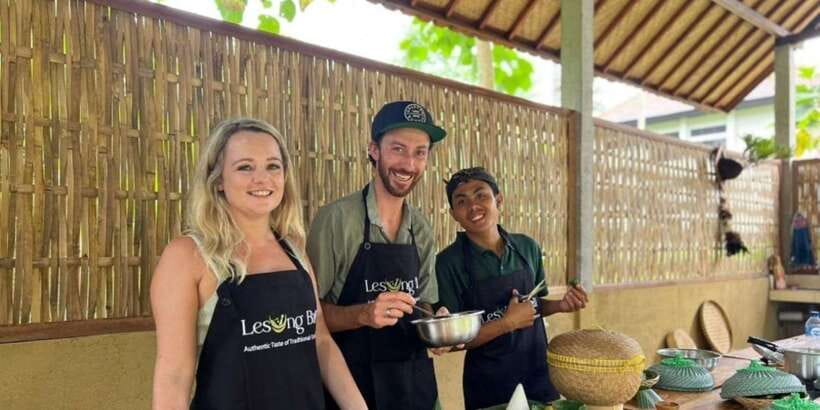
I would recommend it to first-time visitors who want a broad introduction to Bali in one organized day. It suits couples, families with older children, and anyone who likes food but also wants to see Ubud’s main sights.
It is especially useful if you are staying in a beach area such as Seminyak, Kuta, Jimbaran, Sanur, or Nusa Dua and do not want to arrange separate transport to the interior. The driver, vehicle, pickup service, and return service remove much of the day’s practical work.
It also suits home cooks and professional cooks who enjoy learning through local ingredients. One especially strong account came from a professional chef who attended with a spouse and found the Balinese chef’s passion, humor, and traditional approach memorable. That suggests the lesson can offer more than a basic tourist demonstration, though the exact level of technique will depend on the class and your own cooking background.
I would hesitate to recommend it to anyone seeking a quiet, slow day. The schedule combines market shopping, cooking, a house and farm visit, a jungle walk, rice terrace views, and craft viewing. That is a lot of ground to cover.
The activity is not suitable for babies under one year. It also involves walking at the Monkey Forest and a full day of movement, so consider your group’s energy level before booking.
Booking details that matter
The tour lasts about eight hours, with starting times based on availability. Free cancellation is available up to 24 hours before the activity for a full refund, and you can reserve now and pay later.
Pickup is arranged through your hotel lobby. The driver meets you there at the agreed time, so be ready before the stated pickup rather than waiting until the last minute.
Bring a camera, a change of clothes, and comfortable footwear. You receive bottled water, but staying hydrated is still your responsibility. Since Celuk purchases and other personal expenses are not included, bring a payment method if you may want handicrafts.
Should you book it?
Book this tour if you want one well-filled Bali day that combines cooking with Ubud’s Monkey Forest and local crafts. Its best feature is the connection between market ingredients, Balinese cooking, village life, and finished handicrafts. The included transport and food make the $70 cost fair for a first visit.
Skip it if your priority is a long, specialist cooking lesson or an unhurried day. The schedule is broad rather than slow, and the exact dishes are not specified. For most first-time visitors who want culture, food, and sightseeing without arranging several separate trips, this is a practical choice.
FAQ
How long does the Bali cooking and sightseeing tour last?
The experience lasts about eight hours. The cooking class is listed as three to three and a half hours, the Monkey Forest visit is about two hours, and the Celuk visit is about two hours, with travel time between stops.
What food is included in the cooking class?
The package includes five dishes and one dessert, described overall as six authentic Balinese meals or prepared items. You receive all ingredients and eat the food you cook.
Is hotel pickup included?
Yes. Pickup and drop-off are available from Jimbaran, Sanur, Seminyak, Nusa Dua, Ubud, Canggu, Kuta, Tabanan Regency, and Legian. The driver meets you in your hotel lobby.
Is transportation private and air-conditioned?
Yes. The package includes private transport in a comfortable air-conditioned car and an English-speaking driver.
Is the Monkey Forest entrance fee included?
Yes. The entrance fee for the Sacred Monkey Forest Sanctuary is included, along with a guided visit of about two hours.
What should I bring?
Bring a change of clothes and a camera. Mineral water is provided, and you should plan for any other personal expenses, including purchases at the art village.
Newest classes around Ubud
- The Authentic Balinese Cooking Experience★ 5.0 · 4 reviews
- Ubud: Organic Farm Harvest, Bali Cooking Class by Pemulan★ 4.8 · 12 reviews
- packages cooking class and romantic dinner in a local home★ 5.0 · 4 reviews
- Jambangan bali cooking class with morning market tour★ 5.0 · 35 reviews
- Ubud: Balinese Cooking Class with Hotel Transfers★ 4.8 · 17 reviews
- Balinese cooking class/Go shopping at the market, cook, eat★ 5.0 · 12 reviews
- PRIVATE Ubud Market Tour & Balinese Cooking Class with Putu★ 5.0 · 125 reviews
- Balinese Cooking Class at Organic Farm★ 5.0 · 51 reviews
Ubud Cooking Classes, compared.
Cooking Class with Transfers and Optional Market Visit
Read our review →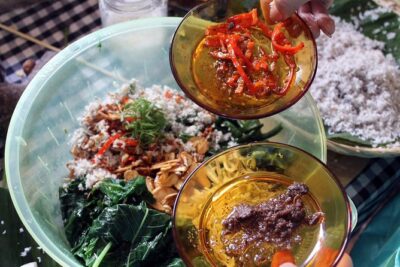
PRIVATE Authentic Balinese Cooking Class in Ubud at Putu’s Home
Read our review →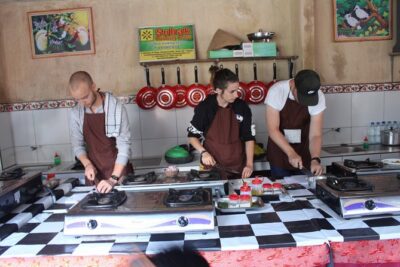
Balinese Ubud cooking school (9 Dish Cooking and Market Tour)
Read our review →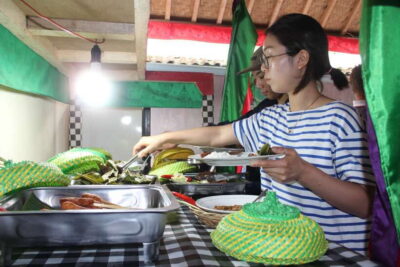
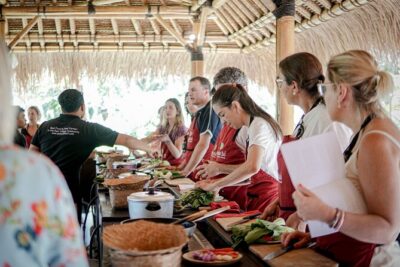
PRIVATE Balinese Cooking Class in Ubud with Dewa with Transfers
Read our review →Browse the lists this tour appears in