Review · UBUD COOKING CLASSES
Balinese Cooking Class at Organic Farm
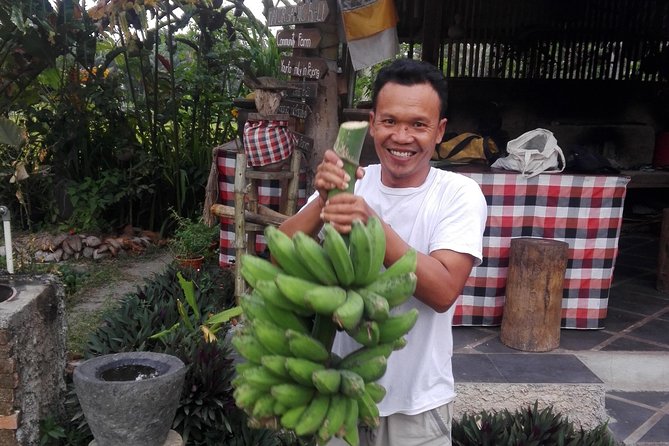
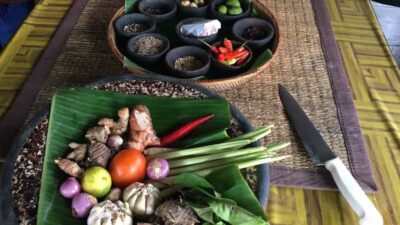
The best part of this Ubud cooking class happens before you reach the stove: you walk through Mai Organic Farm, pick herbs and vegetables, and then turn them into lunch. You may sample a banana from the tree, smell spices straight from the garden, and learn how local farmers use Bali’s UNESCO-protected subak irrigation system.
I like two things right away. First, the food is truly connected to the farm, not simply laid out in a city kitchen. Second, the traditional wood-fired stove and communal cooking make this feel like a shared Balinese meal, rather than a polished cooking demonstration. The main consideration is the five-hour length, plus the fact that outdoor plans depend on good weather.
Key points at a glance
- Harvest before you cook: Pick many of the herbs, fruits, and vegetables used in your meal.
- Six Balinese dishes: Prepare local favorites such as tuna sate and corn fritters, including sate lilit kebab.
- Small-group setting: The experience is designed for a hands-on group, with numbers listed as capped at eight, though the additional tour information gives a maximum of ten.
- More than a cooking lesson: Learn about organic farming, community support, and Bali’s subak water system.
- A full range of drinks: Expect juice, infused water, herbal drinks, Balinese coffee, lemongrass tea, and possibly fresh coconut water.
- Central Ubud pickup: Round-trip transfers are offered from central Ubud hotels and rentals, while the class itself takes place in Pejeng.
Why the farm visit matters
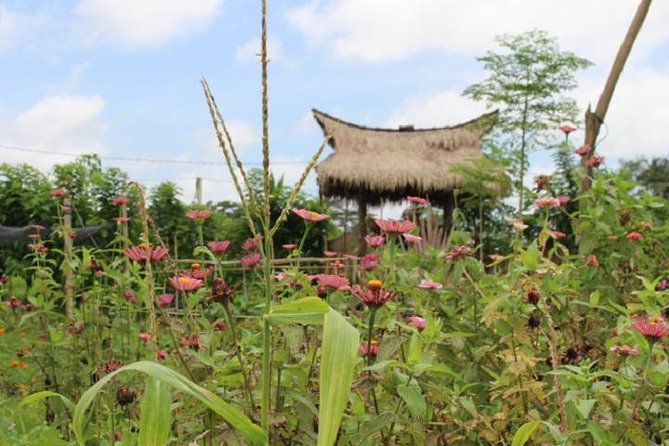
Many cooking classes begin with ingredients already washed and measured. This one begins in the soil. At Mai Organic Farm, in the Pejeng area outside Ubud, you start with a welcome drink and a short introduction to the farm’s community work.
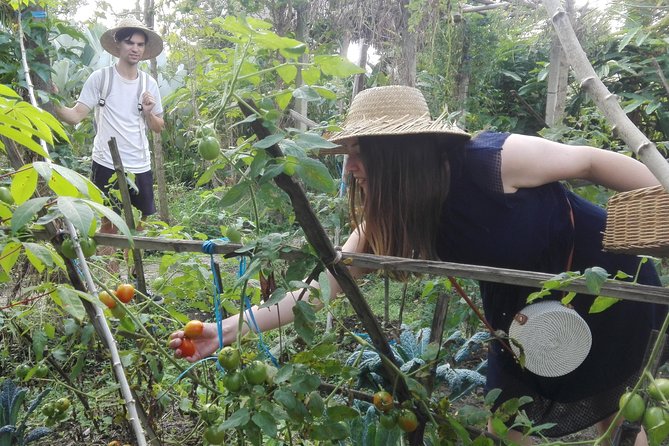
You then walk through the growing areas with the team. The point is not just to admire the plants. You pick ingredients for the meal and learn how organic produce is grown and maintained. That small step changes the way you think about lunch. A handful of herbs becomes something you recognize from the garden, not just a garnish placed beside your plate.
The farm also gives you a useful look at the local economy. Mai Organic Farm works with farmers and villagers from Pejeng, aiming to support local income and provide resources that improve daily life. Your booking helps fund that community effort, which gives the class a clear purpose beyond food.
The setting is open-air and rural, with shaded areas for the introduction and a peaceful hut for the final meal. Bring sun protection and shoes you do not mind wearing around a farm. The class is outside for part of the morning, and weather can affect the schedule.
More Farm Cooking Classes in Indonesia
- Balinese Farm Cooking Class by Pemulan Bali
★ 5.0 · 410 reviews - From Ubud: Authentic Bali Farm Cooking School & Organic Farm
★ 5.0 · 122 reviews - Small-Group Farm Tour & Balinese Cooking Class in Ubud with Kadek
★ 5.0 · 16 reviews
Learning about Bali’s subak water system
The farm walk also introduces Bali’s subak system, the traditional irrigation network recognized by UNESCO. You do not need a technical background to appreciate it. The guide explains how farming communities organize water and work together, linking the food in front of you to the wider system that helps grow it.
This is one of the class’s strongest cultural details. You are not only learning how to pound spices or shape sate. You are learning why farming remains such an important part of Balinese life and how cooperation affects the land.
The explanation is likely to be most useful if you listen for connections between the farm and the meal. The herbs, vegetables, fruit, and spices are not presented as isolated products. They are part of a community system, and the class gives you a brief but practical view of that system.
From fresh juice to the cooking station
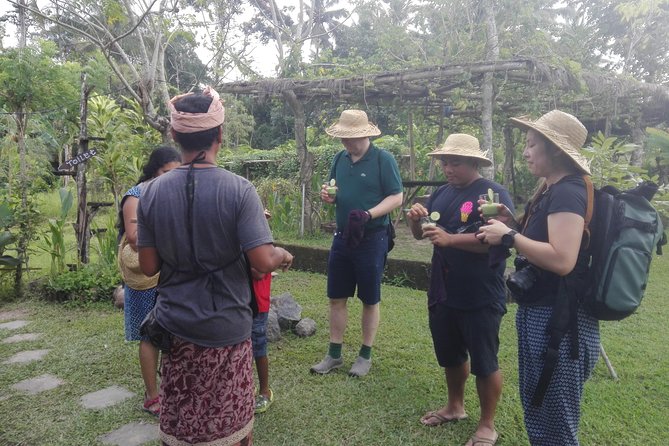
After the farm walk, you move to the community cooking area at Mai Organic Farm. A fresh juice made with local fruit and vegetables is served before the main preparation begins. Other drinks listed for the experience include infused water, herbal drinks, Balinese coffee, and lemongrass tea.
Fresh coconut water may also be offered as the welcome drink. Since the exact drink sequence can vary, I would treat the beverage selection as part of the experience rather than expect every drink to appear in a fixed order.
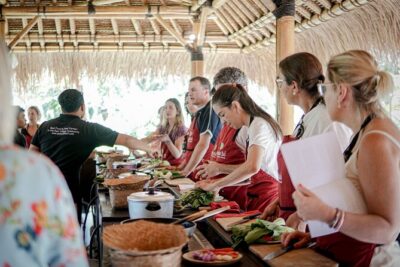
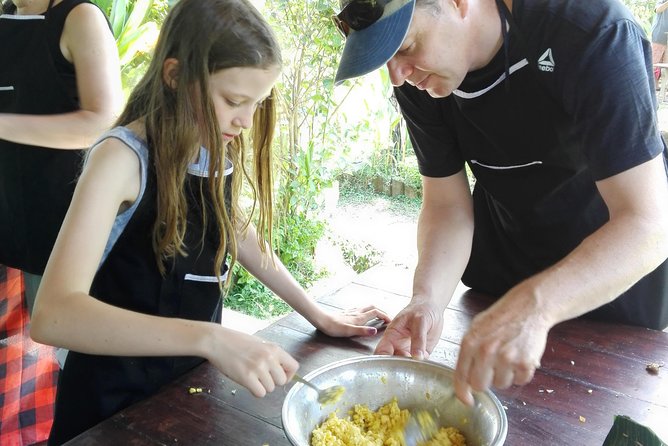
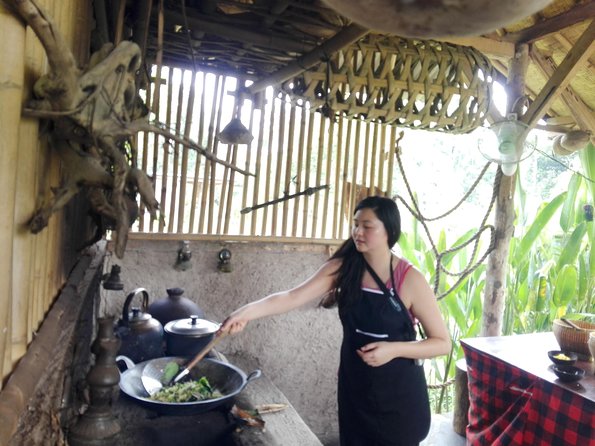
The cooking itself is hands-on, but you can choose how much work you want to do. If you enjoy cooking, you can take part in chopping, mixing, seasoning, shaping, and cooking. If you would rather watch some stages, the instructors allow that too. This flexible approach works well for mixed groups, especially when one person is eager to cook and another is happy to learn by observing.
The class is designed around six Balinese dishes. The exact menu may vary, but the examples include tuna sate and corn fritters, along with sate lilit, a Balinese minced-meat or fish kebab shaped around a stick or skewer. You get to see how local sauces and spice bases come together, rather than simply following a single recipe.
Cooking over a traditional wood-fired stove
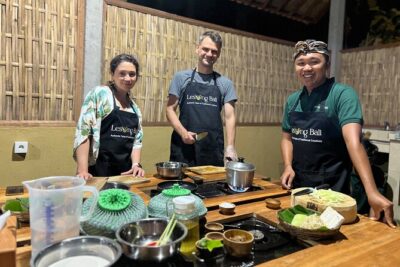
The wood-fired stove adds character, but it also changes the rhythm of the class. Cooking over fire takes more attention than using a modern electric range. Heat must be managed, ingredients need watching, and the group has to work together.
That shared effort is a major reason this class feels different from a standard demonstration. You are not sitting at a counter while someone else prepares lunch. Several people contribute to one meal, and the cooking has a relaxed, communal feel.
It is also worth keeping expectations sensible. A farm kitchen and wood fire are part of the appeal, but they may not offer the same controlled conditions as a professional cooking school. If you want precise culinary instruction, individual workstations, or highly technical knife lessons, this may not be the right choice. If you want a social introduction to Balinese food, the informal setup is a strength.
The teaching style appears warm and playful. A guide named Korong is associated with a particularly lively class style, while Kadek is involved in the team and has asked participants for suggestions on improving the experience. You may not meet both people on your visit, but the staff’s friendly, involved approach is central to the class.
More Farm Cooking Classes in Ubud
- Ubud: Organic Farm Harvest, Bali Cooking Class by Pemulan
★ 4.8 · 12 reviews - Bali: Cooking Class with Monkey Forest and Art Village Tour
★ 5.0 · 2 reviews
Six dishes and a shared lunch
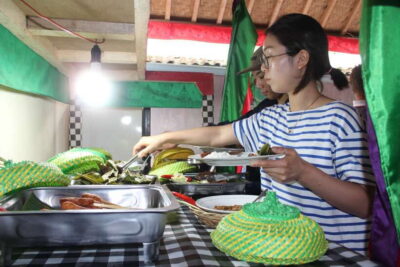
The meal is the payoff, but it is also another teaching moment. Once the dishes are finished, you eat together in a tranquil gubuk, a traditional-style hut on the farm.
Sharing the food matters here. You sit down with the people who helped prepare it, rather than receiving a private restaurant plate at the end. That makes the lunch feel connected to the work you have just done.
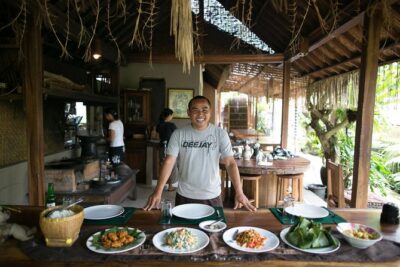
The menu includes six Balinese dishes, with tuna sate and corn fritters given as examples. Sate lilit is especially worth noting because it is a well-known Balinese preparation and one of the dishes most clearly tied to local cooking traditions. You should expect a selection of sauces, spice mixtures, vegetables, and grilled or cooked dishes rather than a single main course.
Families can find plenty to do during the meal preparation. Children aged six, nine, twelve, and thirteen have been included in successful classes, according to the information available. Still, adults should expect an outdoor activity with food preparation and a wood fire. Younger children will need supervision, particularly near the cooking area.
The five-hour schedule and group size
The experience lasts about five hours, which gives the farm walk and cooking class enough breathing room. You are not rushed from one activity to the next. The schedule generally follows this pattern:
- Welcome drink and introduction to the community farm
- Walk through the growing areas
- Harvest ingredients for the meal
- Fresh juice or another farm-based drink
- Preparation of six Balinese dishes
- Cooking over the traditional stove
- Shared meal in the farm hut
The small group is important. The experience is advertised as capped at eight people, while the additional booking information lists a maximum of ten. Either way, this is intended to be a compact class rather than a large coach outing. I would confirm the final group size when booking if personal instruction is especially important to you.
A small group gives you more chances to ask questions and take part. It also makes the communal lunch feel natural. The tradeoff is that the class may be less private than a one-family lesson, and the pace will depend partly on how actively the whole group joins in.
Getting to Mai Organic Farm from Ubud
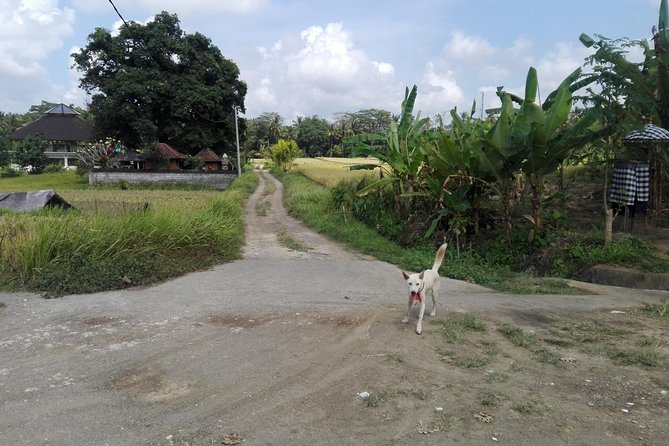
The meeting point is Mai Organic Farm Bali in Subak Kana, Banjar Panglan, Pejeng, in the Gianyar area. The farm is outside central Ubud, so pickup is useful if you are staying in a central hotel or rental.
Round-trip transfers are offered from central Ubud hotels and rentals. If you arrange your own transport, the activity begins and ends at the farm meeting point. The end point is not a different attraction or restaurant, so plan your return from Mai Organic Farm after lunch.
When booking, pay attention to the pickup details and allow enough time for the journey. Pickup is described as available from central Ubud, not from every part of Bali. If you are staying well outside Ubud, check the arrangement before paying.
The experience uses a mobile ticket, which is convenient when you are moving around Bali with your phone. Confirmation is sent within 48 hours, subject to availability, so do not leave a last-minute booking if your holiday schedule is tight. The class is often reserved well ahead, with bookings averaging about 17 days in advance.
Is $40 a fair price?
At $40 per person, the value depends on what you want from a cooking class. You are paying for roughly five hours, a farm walk, a lesson about organic growing and subak, fresh drinks, six dishes, the ingredients, the meal, and possible transfers from central Ubud.
That is a reasonable package for a half-day activity, especially because the farm visit is not filler. You actively collect ingredients and learn how the community operates. The meal also replaces a lunch you would otherwise buy elsewhere.
The value is strongest for people who want cultural context and participation. If you only want a quick lesson followed by a meal, a shorter city class may cost less and suit you better. Here, the extra time goes into the farm, the local food system, and the shared preparation.
The community connection also matters. Mai Organic Farm aims to support local farmers and villagers in Pejeng. For many people, that makes the price feel more worthwhile than a class run only as a commercial kitchen activity.
What to bring and how to prepare
Wear comfortable clothes and shoes suitable for walking around a farm. You will be outdoors, so a hat, sunscreen, and water are sensible. The class includes several drinks, but you should still prepare for heat, especially in Bali’s humid conditions.
Do not expect a silent or highly formal lesson. The cooking is social, and you will be working with other people. Come ready to share tasks, taste unfamiliar ingredients, and let the instructors guide the pace.
The farm requires good weather. If poor conditions cancel the experience, you are offered another date or a full refund. You can also cancel for a full refund up to 24 hours before the start time. Changes or cancellations within 24 hours are not accepted for a refund.
Who should book this class?
I would choose this for couples, families, and friends who want food tied to place. It suits people who enjoy meeting others and do not mind a little heat, smoke, mud, or uncertainty from an outdoor kitchen.
It is also a strong choice for repeat visitors to Bali. You may have already taken a restaurant-based cooking lesson, but the farm harvest, community setting, and subak discussion add a different layer.
Families should find the format appealing, provided children are supervised near the fire and can manage a five-hour activity. The option to participate as much or as little as you like helps groups with different energy levels.
I would hesitate only if you need a private class, a fully air-conditioned kitchen, strict dietary customization, or a short activity. The available information does not promise a specific dietary menu, private instruction, or a fixed dish list for every date.
Should you book the Mai Organic Farm class?
Yes, if you want to understand Balinese food by seeing where it starts. The strongest parts are the ingredient harvesting, the friendly group cooking, the six-dish meal, and the chance to use a wood-fired stove in a real farm setting.
Book it well ahead if your Ubud dates are fixed, and confirm pickup if you are staying outside central Ubud. I would also leave some flexibility in your schedule because the class lasts about five hours and outdoor conditions matter.
For a first or final day in Bali, this can be a memorable choice. You leave with a meal in your stomach, recipes to take home, and a clearer sense of how food, farming, and community fit together in Pejeng.
FAQ
Where does the Balinese cooking class take place?
The class takes place at Mai Organic Farm Bali in Subak Kana, Banjar Panglan, Pejeng, in the Gianyar area of Bali. The activity begins and ends at the farm.
How long does the experience last?
The cooking class and farm visit last approximately five hours.
Is hotel pickup available?
Yes. Round-trip pickup is offered from central Ubud hotels and rentals. If you are staying elsewhere, check the pickup arrangement before booking.
How many people can join the class?
The experience is described as capped at eight people, while the additional booking information lists a maximum of ten. It is designed as a small-group activity.
What food and drinks are included?
You prepare six Balinese dishes, with examples including tuna sate, corn fritters, and sate lilit. Drinks include juice, infused water, herbal drinks, Balinese coffee, and lemongrass tea.
Can I cancel for a refund?
Yes. You can cancel at least 24 hours before the start time for a full refund. If poor weather causes the experience to be canceled, you are offered another date or a full refund.
More Balinese and Indonesian Classes in Ubud
- Ubud Cooking Class Bali with Balinese Chef
★ 5.0 · 1,609 reviews - PRIVATE Authentic Balinese Cooking Class in Ubud at Putu’s Home
★ 5.0 · 644 reviews - Balinese Ubud cooking school (9 Dish Cooking and Market Tour)
★ 5.0 · 540 reviews - Ubud: Balinese Cooking Class and Market Tour
★ 4.8 · 531 reviews
Newest classes around Ubud
- The Authentic Balinese Cooking Experience★ 5.0 · 4 reviews
- Ubud: Organic Farm Harvest, Bali Cooking Class by Pemulan★ 4.8 · 12 reviews
- packages cooking class and romantic dinner in a local home★ 5.0 · 4 reviews
- Jambangan bali cooking class with morning market tour★ 5.0 · 35 reviews
- Ubud: Balinese Cooking Class with Hotel Transfers★ 4.8 · 17 reviews
- Balinese cooking class/Go shopping at the market, cook, eat★ 5.0 · 12 reviews
- Bali: Cooking Class with Monkey Forest and Art Village Tour★ 5.0 · 2 reviews
- PRIVATE Ubud Market Tour & Balinese Cooking Class with Putu★ 5.0 · 125 reviews
Ubud Cooking Classes, compared.
Cooking Class with Transfers and Optional Market Visit
Read our review →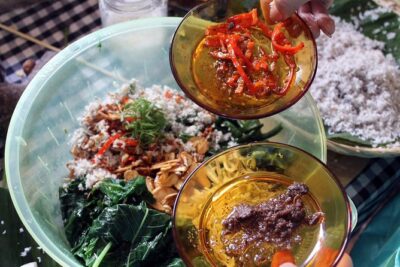
PRIVATE Authentic Balinese Cooking Class in Ubud at Putu’s Home
Read our review →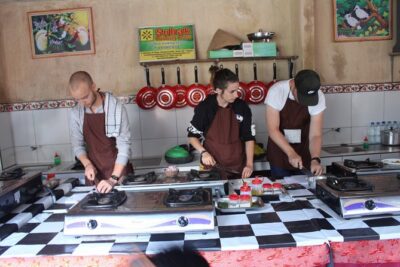
Balinese Ubud cooking school (9 Dish Cooking and Market Tour)
Read our review →