
Review · SRI LANKA COOKING CLASSES
Ella: Sri Lankan Authentic Cooking expirience
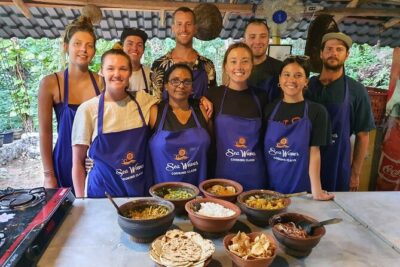
Sri Lankan food is not just curry poured over rice. At Honey Bee Garden, you get your hands into the process, from cracking coconuts to making fresh coconut milk, then prepare a full meal with Ruwini, an experienced home cook and fluent English speaker. The class takes place in a traditional Sri Lankan home, which gives it a more personal feel than a hotel kitchen.
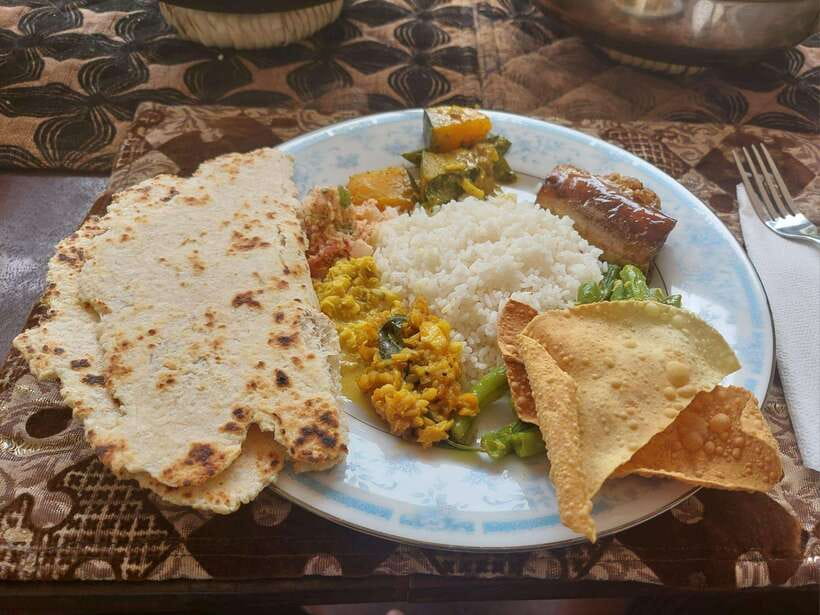
I like the way the class explains the role of each spice, not just the name of the dish. I also like the generous menu: aubergine modju, dhal, pumpkin, beans, coconut sambal, coconut roti, rice, and papadam. The main consideration is time. Two hours is short for such a wide spread, so the pace may feel brisk if you want a slow, detailed lesson on every recipe.
Key points to know before booking
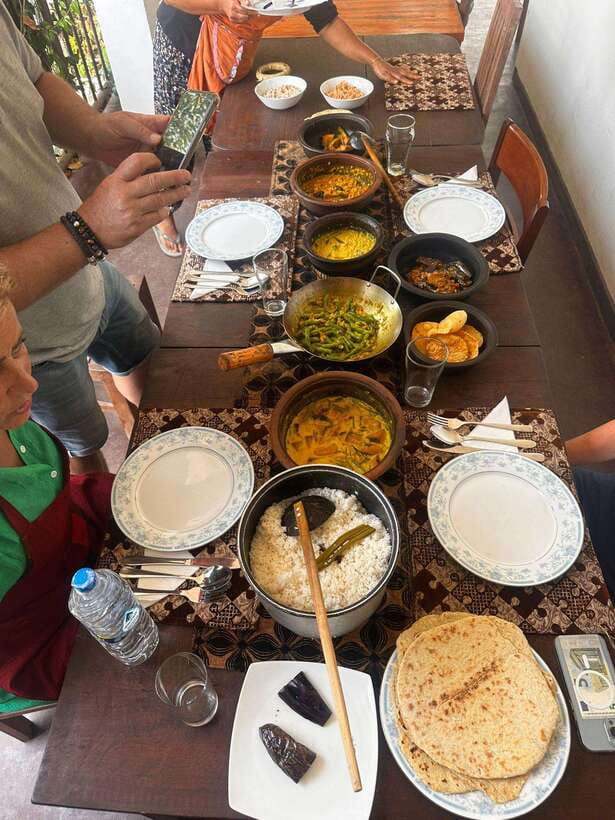
- Cook a full Sri Lankan meal: Prepare rice, four or more curries, coconut sambal, coconut roti, and papadam.
- Work with fresh coconut: Crack, scrape, and turn coconut into milk and sambal.
- Learn from Ruwini: Her English instruction, patience, humor, and practical ingredient swaps help you repeat the dishes at home.
- Eat what you make: The lesson ends with a proper shared meal, not a small tasting plate.
- Small-group setting: The class allows up to 10 participants, with private sessions available by request.
- Good vegetarian choice: The menu is naturally centered on vegetables, lentils, coconut, rice, and spices.
A home kitchen lesson with a full plate at the end
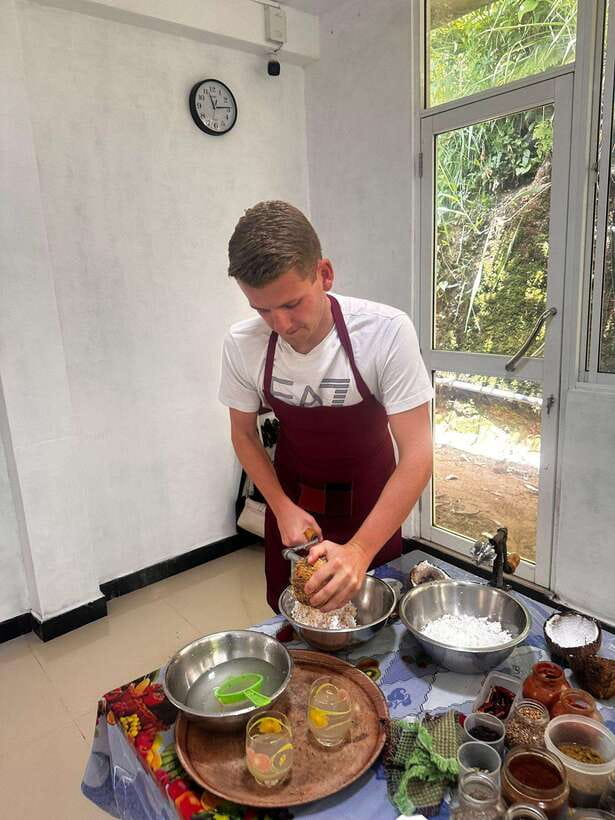
At $22 per person, this is one of the better-value food activities you can add to time in Ella. You are not paying only for a demonstration. The price covers the instruction, ingredients, equipment, cooking, and the meal itself, along with recipes sent by email after the class.
That last part matters. A cooking class is far more useful when you can repeat it at home, and Ruwini gives substitute ideas for ingredients that may be hard to find outside Sri Lanka. You leave with more than a pleasant lunch. You have a working set of recipes and a clearer idea of how Sri Lankan cooks build flavor.
The setting also changes the feel of the lesson. In a traditional home, the food is tied to everyday cooking rather than restaurant presentation. You see how simple ingredients, fresh coconut, lentils, vegetables, and a careful mix of spices can produce a large and varied meal.
More Cooking Classes in Sri Lanka:
- Ella: Traditional Sri Lankan Cooking Class
★ 4.9 · 788 reviews - Organic cooking class sigiriya (kumara & family)
★ 5.0 · 650 reviews - Sri Lanka Cooking Class with Granny
★ 5.0 · 587 reviews
Meeting Ruwini and learning the spice base
The class begins with an introduction to Sri Lankan spices. This is useful because the cuisine can look complicated at first, with several curries served at once and each one carrying a different flavor.
Ruwini explains which spices go into the dishes and how the balance changes from one curry to another. The point is not simply to memorize a list. You learn how different vegetables and sauces call for different treatment, and how to adjust the seasoning when cooking at home.
I especially like that the instruction includes alternatives for ingredients. Sri Lankan recipes often depend on products that are easy to find locally but less common elsewhere. Knowing what to use when a particular vegetable, coconut product, or spice is unavailable makes the class more practical.
Upcountry black tea is available on request. Ask for it if you want a small taste of the tea culture connected with Sri Lanka’s hill country.
Cracking coconuts and making the food by hand
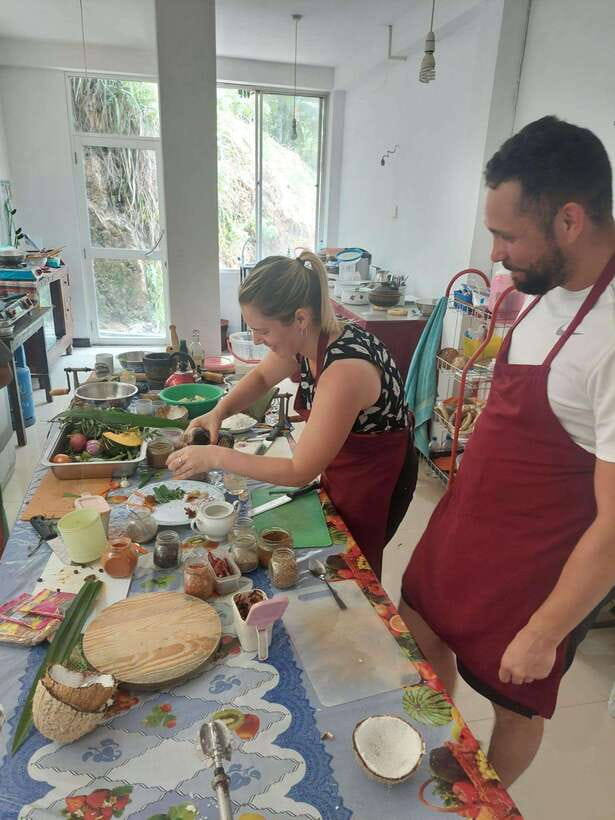
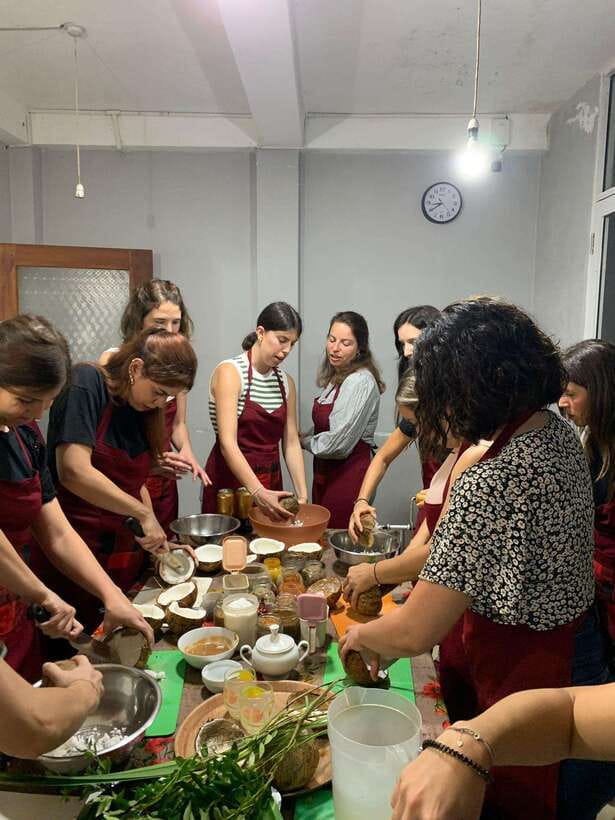
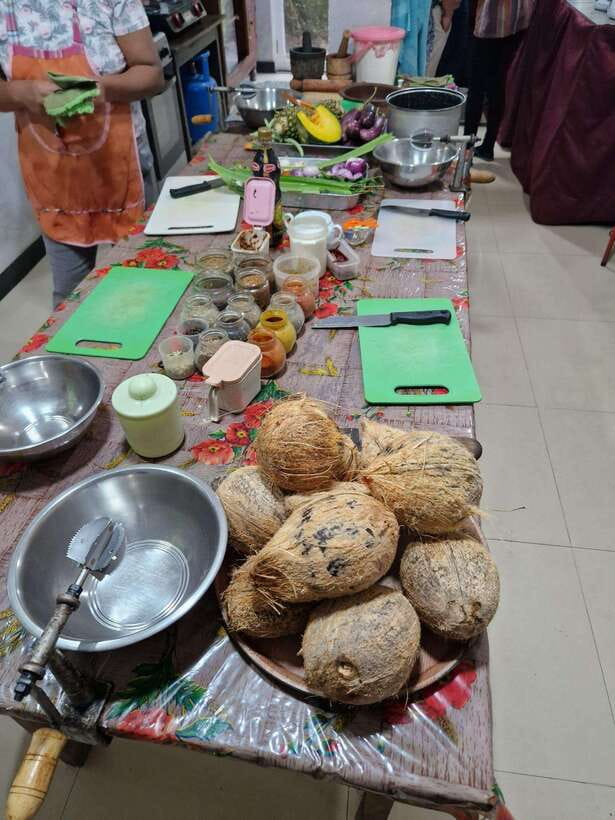
The coconut work is one of the most distinctive parts of this activity. You are involved in cracking the coconut, scraping it, and preparing fresh coconut milk. That takes more time and effort than opening a carton, but it shows how central coconut is to Sri Lankan cooking.
Coconut appears in several forms during the class. It helps create creamy curry sauces, gives the sambal its texture, and adds flavor to the roti. By handling the coconut yourself, you understand why fresh coconut changes the taste and body of the finished dishes.
This is also where the class feels most hands-on. You are not standing behind Ruwini while she does everything. The aim is active participation, with the group taking roles in the preparation. In a full group of 10, your individual time at the work surface may be less than it would be in a private class, but the shared work creates a social meal later.
Couples and small groups should find it easy to take meaningful roles. If you want more control over every step, ask about a private session when booking. Private classes can also include time adjustments.
The curry menu: several dishes, several flavor profiles
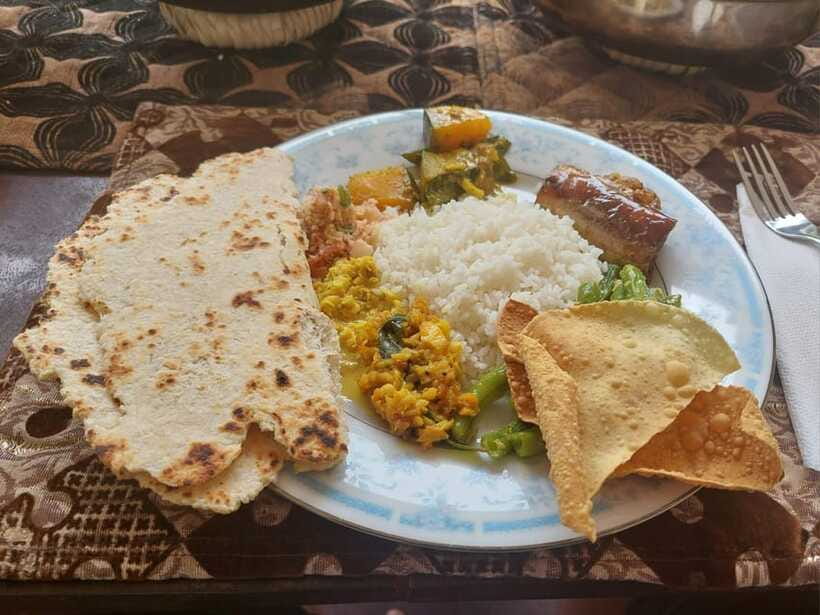
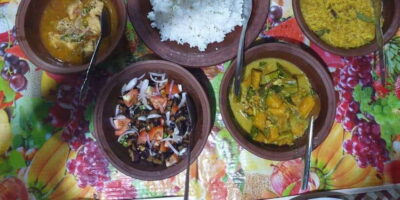
The menu is broad for a two-hour class. It normally includes rice, aubergine modju, dhal curry, pumpkin curry, beans curry, coconut sambal, coconut roti, and papadam.
Aubergine modju is particularly worth watching closely. The dish has a different character from a soft, spoonable curry, and it gives you a good lesson in how Sri Lankan cooks handle eggplant. One participant singled out the eggplant dish as a favorite, while jackfruit curry has also appeared in the cooking sessions.
Dhal curry offers a gentler, comforting base for the meal. It shows how lentils can be turned into a creamy curry with the right seasoning, and it pairs well with the sharper and sweeter dishes on the plate.
Pumpkin curry brings a softer, sweeter note. Beans curry adds a firmer vegetable texture, while the coconut sambal gives the meal a fresh, fragrant contrast. The different dishes are not simply variations on one sauce. Each has its own role.
You may prepare four or five curries, depending on the session and the ingredients used. The menu described for the class includes a large range, but the exact selection can vary. That is worth keeping in mind if you are booking because of one specific dish.
Same region, a different dish to learn:
- Kandy Village Cooking Class
★ 5.0 · 536 reviews - Sea waves sri lankan cooking class
★ 5.0 · 467 reviews - Ella: Sri Lankan Cooking Class with Neranji at Homestay
★ 5.0 · 276 reviews - Cook with Wasantha
★ 5.0 · 248 reviews
Making coconut roti and eating with the group
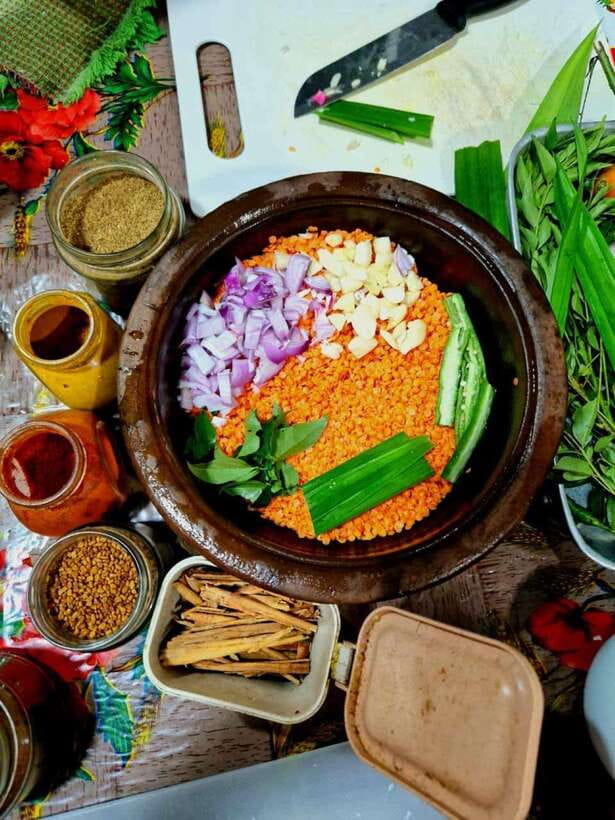
Coconut roti is another hands-on part of the lesson. You help prepare the dough and learn how coconut is worked into the flatbread. It is a simple dish, but it gives you something you can easily make again at home.
Papadam completes the meal with a crisp texture. Rice forms the base, and the curries, sambal, and roti create the kind of spread that makes Sri Lankan food so enjoyable: a little creamy, a little spicy, a little sweet, and plenty of contrast.
After cooking, you sit down to eat the dishes prepared during the session. This is not just a quick sample at the counter. The included meal is a substantial part of the experience, with rice, curries, coconut sambal, coconut roti, and papadam served together.
The shared table is a natural finish to the class. You can compare the flavors, talk through the recipes, and enjoy the food while it is fresh. If you are cooking with other participants, the meal also gives the group a chance to relax after the work in the kitchen.
What the two-hour schedule means for you
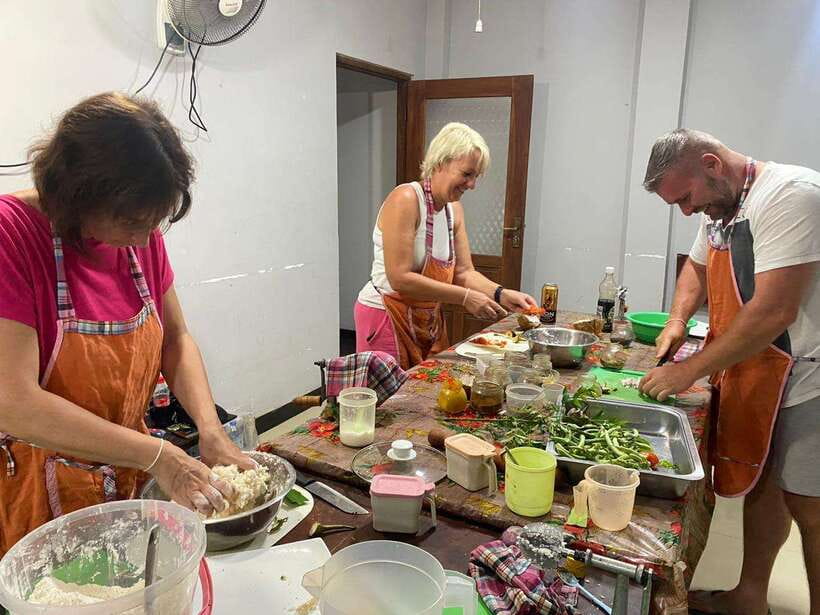
Two hours is enough to learn the basic method and cook a varied meal, but it is not a long-form professional cooking course. Ruwini needs to keep the class moving, especially when several curries are being prepared at once.
That pace can be a plus. You get a clear introduction without giving up half a day of sightseeing. It fits well into an Ella itinerary, especially on a day when you want a break from outdoor activities.
The tradeoff is that some steps may receive more explanation than others. If you want to discuss every spice in detail or practice each dish several times, a private session may suit you better. A group class is best for learning the overall flow of a Sri Lankan meal and taking part in the key stages.
The group limit is 10 people. That is small enough for a friendly setting, though participation can feel different depending on how many people attend. In a group of four, each person can take on a major role. In a full group, you may share tasks more often.
Why this works well for vegetarians
The menu is especially friendly to vegetarians. Dhal, pumpkin, beans, eggplant, coconut, rice, and sambal form the center of the meal, rather than serving as side dishes next to meat.
If you eat vegetarian food, you should have plenty to do and plenty to eat. The class also gives you a useful look at how Sri Lankan cuisine builds a satisfying meal from vegetables, lentils, coconut, and spices.
You should still tell the host about dietary restrictions or allergies in advance. The class uses several ingredients and prepares multiple dishes in one home kitchen, so advance notice gives Ruwini a chance to advise you properly.
The recipes make the experience useful after Sri Lanka
Many cooking classes are fun in the moment but difficult to repeat. This one addresses that problem by sending the recipes by email after the session.
That is a real benefit. You can write down notes during the class, then use the emailed recipes when you return home. Ruwini also explains ingredient substitutions, which is important if your local shops do not carry every Sri Lankan vegetable or spice.
The recipes will not replace practice. Sri Lankan cooking depends on tasting and adjusting, especially with spice, salt, coconut milk, and the texture of vegetables. Still, the written instructions give you a reliable starting point.
I suggest taking mental notes about texture as well as ingredients. Notice how thick the curry should be, how soft the vegetables become, and how the sambal balances the rest of the plate. Those details help more than a long spice list.
Practical details, transport, and accessibility
Transportation to and from the cooking class is not included, so you need to arrange your own way there. Confirm the meeting details before setting out, especially if you are staying outside the immediate area.
The class is taught in English. Ruwini is described as a fluent English speaker, and the lesson includes explanations of the cooking process, spices, and ingredient substitutions.
The activity is wheelchair accessible. If you have specific mobility needs, it is sensible to discuss them in advance because the class takes place in a traditional home rather than a purpose-built cooking school.
You can cancel up to 24 hours before the activity for a full refund, and reserve now while paying later. Availability and starting times should be checked for your date.
Who will get the most from this class
I would choose this class if you want a cultural activity that also gives you a proper meal. It suits couples, small groups, solo visitors who enjoy meeting people, and anyone who wants to understand Sri Lankan food beyond ordering rice and curry at a restaurant.
It is also a strong pick for vegetarians and for home cooks who want recipes they can use after the trip. Families may enjoy the hands-on format, though the supplied information does not specify a minimum age, so check before booking with young children.
You may want a different activity if you dislike group cooking, have very limited time, or want a highly technical lesson focused on one dish. The menu is broad, and the class is designed to be welcoming and practical rather than specialized.
Should you book Honey Bee Garden Cooking Class?
Yes, if you want to cook rather than watch, and if a full Sri Lankan meal sounds more appealing than a short food tasting. The strongest parts are the fresh coconut work, the range of curries, Ruwini’s clear instruction, and the chance to eat everything you prepare.
At $22, the combination of a two-hour lesson, ingredients, equipment, meal, tea on request, and emailed recipes is solid value. Just arrange your own transport, warn the host about allergies, and remember that a group class moves quickly.
Book it if you want to take a little of Sri Lanka home with you. Skip it only if you prefer a quiet restaurant meal or need a slow, highly detailed lesson on each individual recipe.
FAQ
How long does the Sri Lankan cooking class last?
The class lasts two hours, including the cooking lesson and the meal prepared during the session.
What dishes will I prepare?
The menu includes rice, aubergine modju, dhal curry, pumpkin curry, beans curry, coconut sambal, coconut roti, and papadam. The exact selection may vary by session.
Is the cooking class taught in English?
Yes. The instructor, Ruwini, teaches in English and explains the spices, cooking process, and ingredient substitutions.
Is the class suitable for vegetarians?
Yes. The menu includes several vegetarian curries, dhal, vegetables, coconut sambal, rice, coconut roti, and papadam. Tell the host about dietary restrictions or allergies in advance.
Is transportation included?
No. Transportation to and from the cooking class is not included.
Can I book a private cooking session?
Yes. Private sessions are available on request, and time adjustments may be possible.
Newest classes around Sri Lanka
- cooking lesson★ 5.0 · 7 reviews
- Hands-On Cooking Class in Anuradhapura-Cook Like a Local★ 5.0 · 2 reviews
- Sri Lankan Cooking Class in Bentota★ 5.0 · 2 reviews
- Sri Lanka: Cooking Class★ 4.4 · 6 reviews
- Sri Lankan Cookery with Nilu★ 5.0 · 34 reviews
- Cooking Experience from Ella★ 4.9 · 2 reviews
- Private cooking class – Personalized classic menu★ 5.0 · 5 reviews
- Nilaveli: Sri Lankan Cooking Class with a Local Family★ 5.0 · 16 reviews
Sri Lanka Cooking Classes, compared.
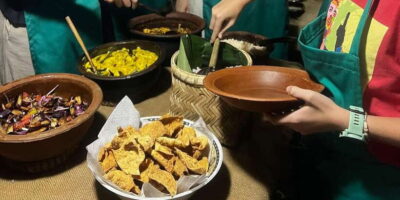
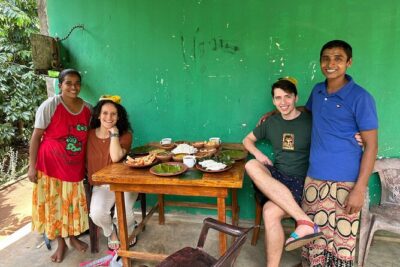
Organic cooking class sigiriya (kumara & family)
Read our review →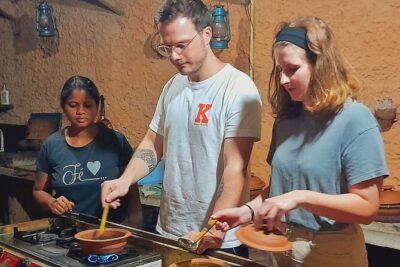
Sri Lankan Cooking Class with Neranji at Homestay
Read our review →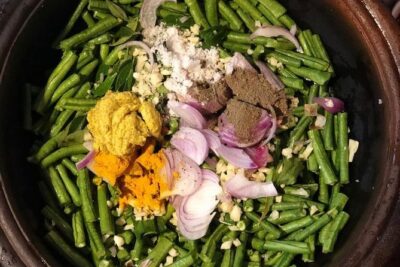
Browse the lists this tour appears in