
Review · SRI LANKA COOKING CLASSES
Ella Sri Lanka : Mom’s Kitchen Cooking class
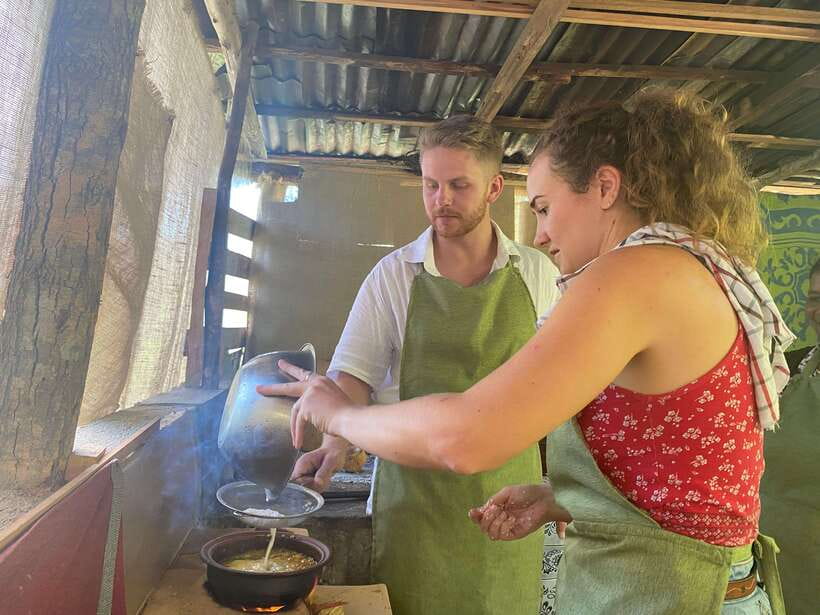
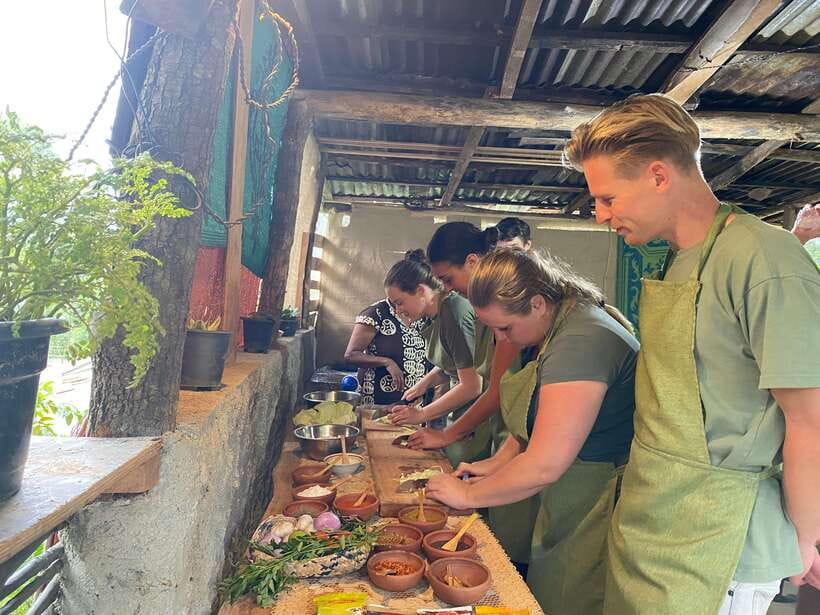
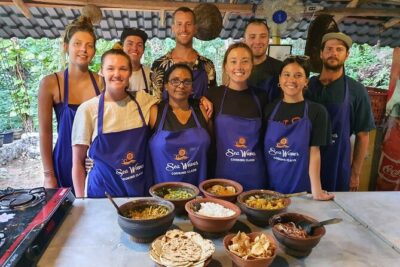
Mom’s Kitchen puts you beside a wood fire, a grinding stone, fresh coconut, and a mother-daughter team who cook the Sri Lankan way. Irosha and Kamala guide you through several curries, sambol, rice, and papadum, then sit down with you to eat the meal in an outdoor kitchen with views over Ella.
I like the hands-on work, since you are not just watching a demonstration, and I like how practical the recipes are. The same basic spices can create very different dishes, and the hosts share simple ways to save time at home. The main consideration is that this is a small family cooking session, not a polished restaurant-style school, so expect a personal, traditional setting rather than a formal commercial kitchen.
Key points at a glance
- Cook over fire and gas: Use traditional methods, including wood-fire cooking, stone grinding, and fresh coconut preparation.
- Learn several dishes: Prepare four to six curries, coconut sambol, rice, and papadum, depending on the class.
- Meet Kamala and Irosha: Kamala cooks from family recipes, while Irosha explains the process clearly in English.
- Eat what you make: The two-hour session ends with a generous shared meal in the outdoor cooking area.
- Take the recipes home: Recipes are sent by WhatsApp or provided to recreate the dishes after your trip.
- Small-group setting: The class is limited to six people, with some sessions running for only one booking.
A real family kitchen above Ella
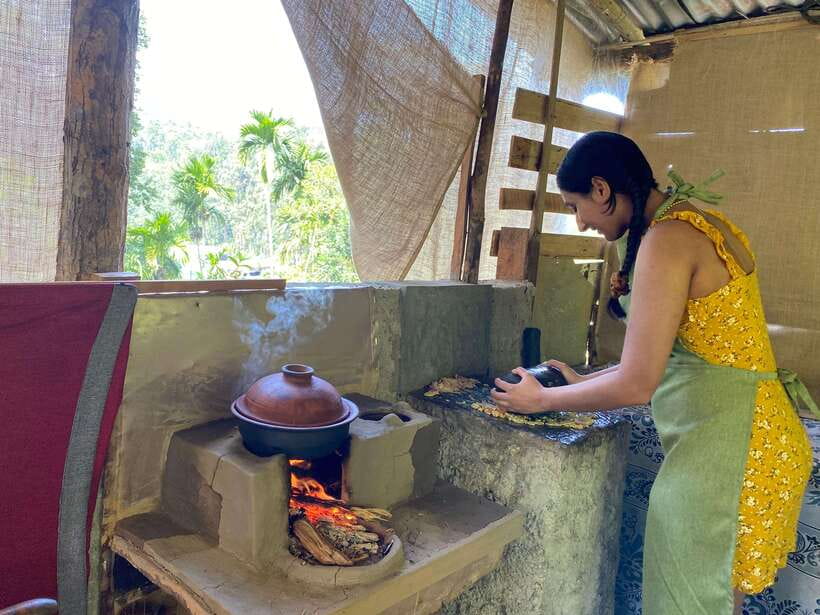
Mom’s Kitchen works because it feels like a visit to a Sri Lankan family home, not a stage-managed food show. The cooking area is outdoors, near the family home, with tropical surroundings and views across the Ella area. Depending on the time of day and weather, you may cook in sunshine, under cover, or with rain adding a little drama to the wood fire.
The hosts are mother and daughter. Kamala brings years of practical cooking experience and prepares recipes from memory. Irosha explains the steps, ingredients, and methods in clear English. That division works well: one person keeps the cooking moving while the other makes sure you understand what is happening.
The setting matters. Sri Lankan rice and curry is not one single dish, but a meal made from several small preparations. You learn how spices, coconut, vegetables, and different cooking times create contrast across the plate. The outdoor kitchen helps you see the tools and methods that can disappear in a modern cooking school.
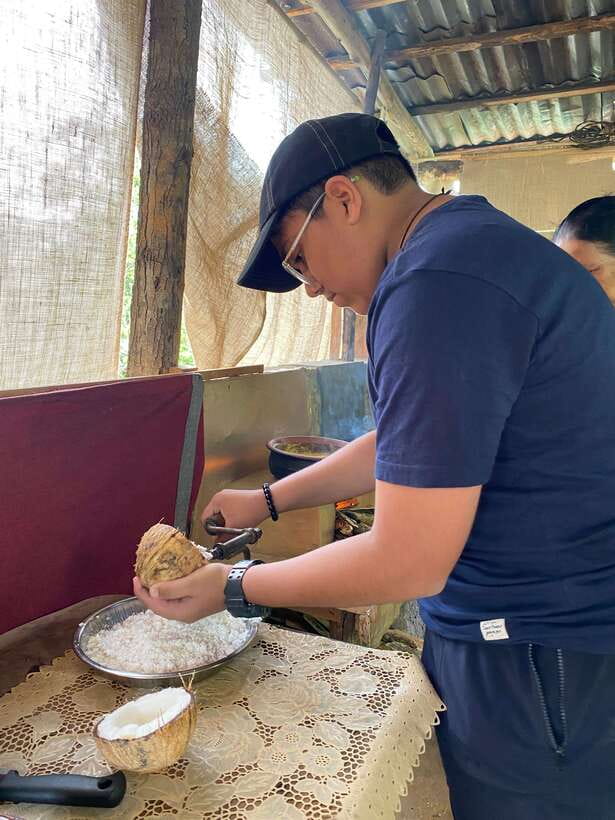
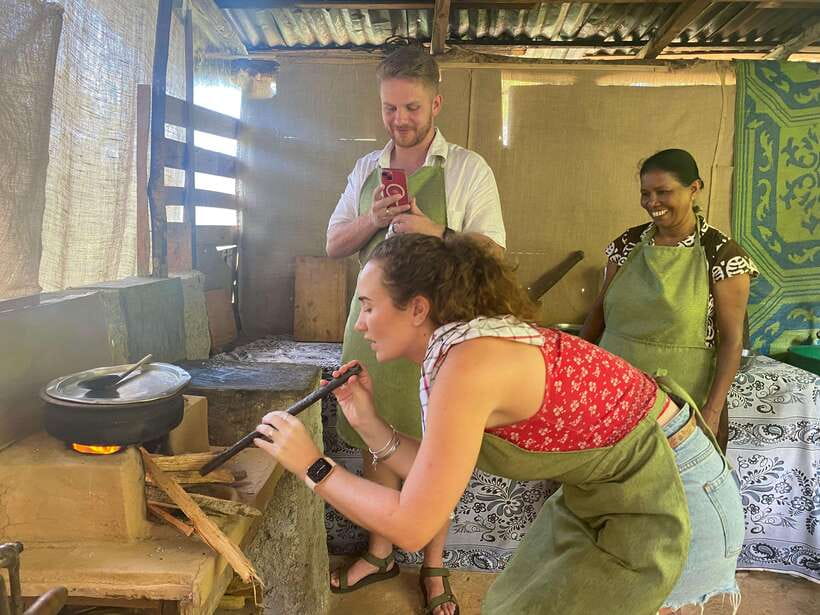
You may grind spices on a stone, cook over a wood fire, fry in coconut oil, and grate fresh coconut. These are not decorative demonstrations. You take part in the work, which makes the finished meal more satisfying and gives you a better sense of how the food is made.
More Cooking Classes in Sri Lanka:
- Ella: Traditional Sri Lankan Cooking Class
★ 4.9 · 788 reviews - Organic cooking class sigiriya (kumara & family)
★ 5.0 · 650 reviews - Sri Lanka Cooking Class with Granny
★ 5.0 · 587 reviews
What happens during the two-hour class
The class begins with an introduction to the kitchen, the ingredients, and the dishes you will prepare. The exact menu can vary, but the sessions commonly include several curries, coconut sambol, rice, and papadum.
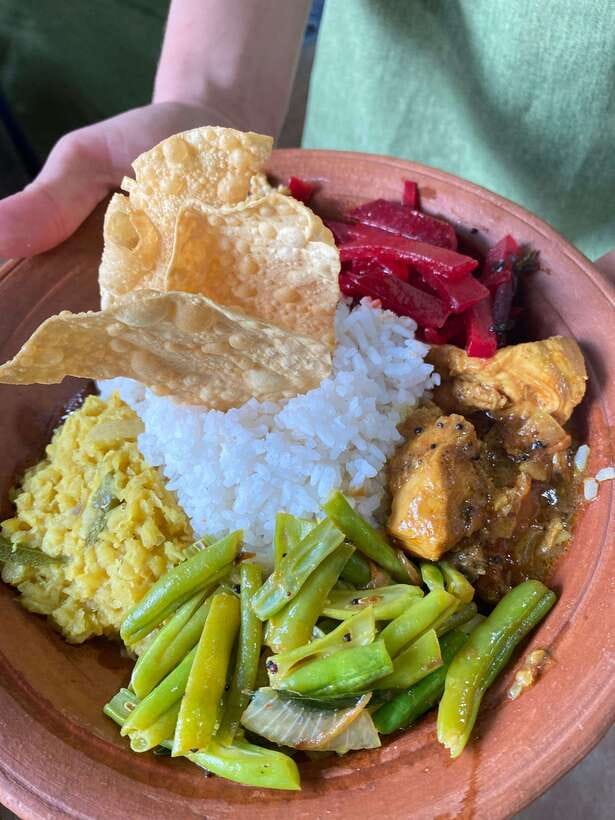
You may work with chicken, beans, beetroot, mango, or other local produce. One useful lesson is that several dishes can use the same core spices while still tasting different. The change comes from the main ingredient, the amount of coconut, the cooking time, and when the spices are added.
The work is shared across the group. You may wash vegetables, peel, chop, grind spices, grate coconut, season a curry, or fry papadum. This is a good feature for couples, families, and friends because everyone gets a job. You are not left sitting at the edge while one cook does everything.
The hosts explain what they are doing as you go. They cover the order of preparation, the use of hot oil, and ways to make the recipes manageable in a home kitchen. The emphasis is on easy dishes made with a short list of ingredients, not on complicated restaurant techniques.
The class lasts about two hours, so the pace is brisk but not excessive. One advantage is that you can fit it into a morning or afternoon in Ella without giving up an entire day. If you enjoy slow, highly detailed instruction on one dish, the range of recipes may feel quick. If you want to learn several useful dishes in one sitting, the format makes good sense.
The cooking methods make this more than a recipe lesson
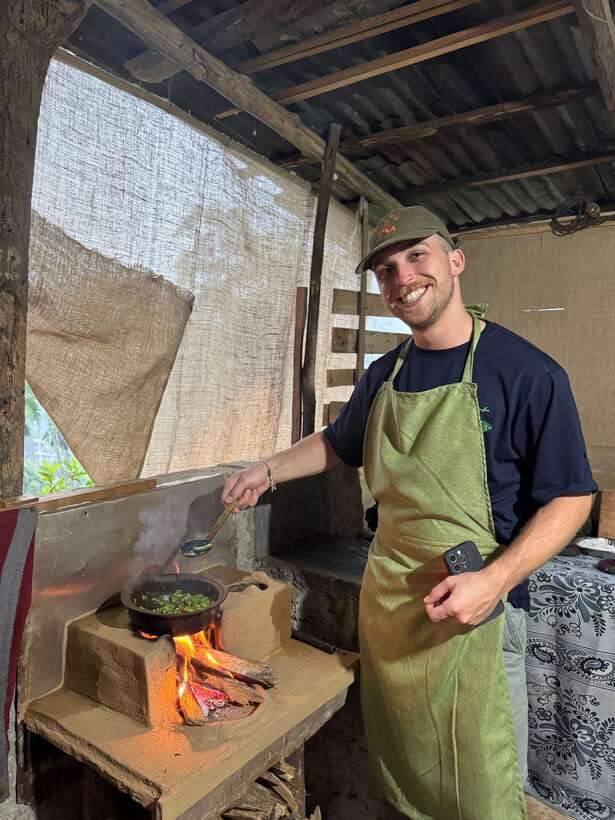
The most interesting part is the traditional equipment. Cooking over a wood fire changes the feel of the session, and grinding ingredients on stone gives you a physical connection to the process. You will also see cooking done with gas, which reflects the practical mix of old and modern methods used in many homes.
Fresh coconut is another highlight. You may crack and grate it, then use it in sambol or curries. This shows how a common local ingredient can affect texture as well as flavor. Coconut is not simply added at the end. It can soften heat, add body, and bring a slightly sweet note to a dish.
Papadum adds a quick, hands-on task, while the curries take more attention. You learn that Sri Lankan food is built in layers. Oil is heated first, aromatics follow, and spices are used with care. The hosts also explain how the same spice mixture can support a vegetable curry, a fruit curry, or a meat dish without making them taste identical.
I especially like the focus on methods you can repeat at home. You do not need specialist equipment to understand the basic process. The stone grinder is part of the local character of the class, but the broader lesson is how to build flavor with ordinary ingredients and good timing.
The meal at the end is part of the lesson
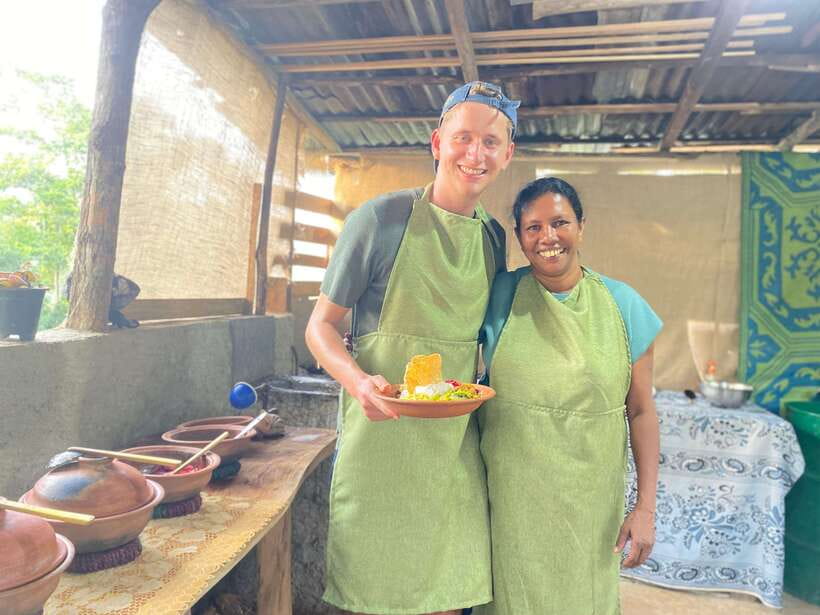
Once the cooking is finished, you sit down and eat the food together. This is not just a snack after class. The meal lets you compare the dishes and see how they work as a complete Sri Lankan spread.
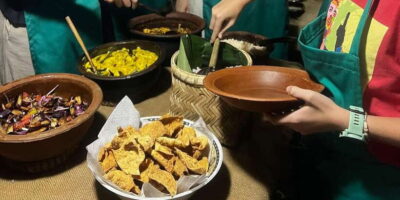
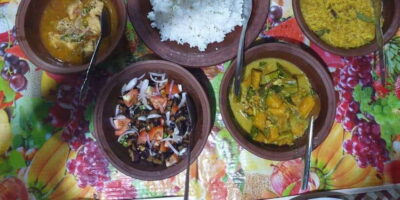
Expect several curries rather than one large main course. Depending on the menu, you may have chicken, mango, beetroot, beans, dhal, rice, coconut sambol, and papadum. The variety helps explain why rice and curry is so popular: each small portion offers a different taste and texture.
The meal can be generous. Some participants have described leaving full, which is useful to know if you are planning another food activity immediately afterward. The outdoor setting also adds something. You may eat while looking across the surrounding hills, and some sessions include a sunset view.
The food is prepared by the group, so the result depends partly on how actively everyone joins in. That is part of the charm, but it also means this is not the place to sit back and expect a chef to produce a restaurant plate for you. You are there to cook, and the meal is the reward.
Same region, a different dish to learn:
- Kandy Village Cooking Class
★ 5.0 · 536 reviews - Sea waves sri lankan cooking class
★ 5.0 · 467 reviews - Ella: Sri Lankan Cooking Class with Neranji at Homestay
★ 5.0 · 276 reviews - Cook with Wasantha
★ 5.0 · 248 reviews
What makes the hosts such a strong part of the experience
The cooking is only half the reason to book. Kamala and Irosha create a warm, relaxed atmosphere, and the class is often described as feeling homely. Families with children have found the hosts patient and welcoming, including a seven-year-old who joined the cooking.
Irosha’s English explanations are especially useful. Food classes can become frustrating when instructions are unclear, but here you can ask about ingredients, preparation, and how to repeat the recipes at home. Kamala’s experience gives the class an old-fashioned family feel, while Irosha helps translate that knowledge into clear steps for visitors.
The small-group limit of six keeps the session personal. You have a better chance of taking part in each task and asking questions. Some bookings have been run for only one or two people, which can make the class feel almost like private tuition. At other times, you may cook with a small mixed group, adding a social side to the meal.
This is also a good choice if you have food preferences to discuss in advance. A past session accommodated dietary requests, but you should still communicate those needs before arrival rather than assume every dish can be changed at the last minute.
Price, time, and practical value
At $20 per person, the class offers good value if you count the meal, instruction, several recipes, and the cultural setting. A standard meal in Ella may cost less, but it will not teach you how to prepare the food or give you the same look at family cooking methods.
The two-hour length is another strength. You get a useful introduction without committing to a half-day course. The class can fit around sightseeing, though you should allow extra time if you plan to linger over the meal or enjoy the view.
Groups are limited to six, which matters more than it might sound. A large class often turns a cooking lesson into a demonstration. Here, you have a better chance to chop, stir, grind, grate, and season. The small size also suits solo visitors who want conversation without joining a large tour.
The booking terms are flexible: you can cancel up to 24 hours ahead for a full refund, and you can reserve without paying immediately. Starting times depend on availability, so check the schedule before planning transport or another activity.
The location is outside the busiest part of central Ella, according to the experience details and booking comments. That means it may take a little more planning to reach, but the quieter setting is part of what makes the class appealing. Exact transport details are not provided, so confirm directions with the hosts before setting out.
Who should book Mom’s Kitchen
I would choose this class if you want to understand Sri Lankan food rather than simply eat it. It suits people who enjoy taking part, asking questions, and learning a few dishes they can make again.
It is particularly good for:
- Couples looking for a personal activity in Ella
- Families with children who can join simple kitchen tasks
- Solo visitors who enjoy small-group conversation
- Anyone interested in vegetarian and meat curries
- Cooks who want practical recipes rather than advanced techniques
- Visitors who want a cultural activity away from the center of town
You should think twice if you dislike outdoor cooking, shared work, or meals with several strongly seasoned dishes. The class is friendly, but it is still a cooking session. You will be expected to participate.
The experience is also not presented as a formal chef-training course. You will learn family methods, basic spice use, preparation tips, and recipes that are realistic for home cooking. That is its strength, but it may not satisfy someone seeking knife-skills training, professional certification, or a tightly structured lesson on one complex dish.
What you can take home
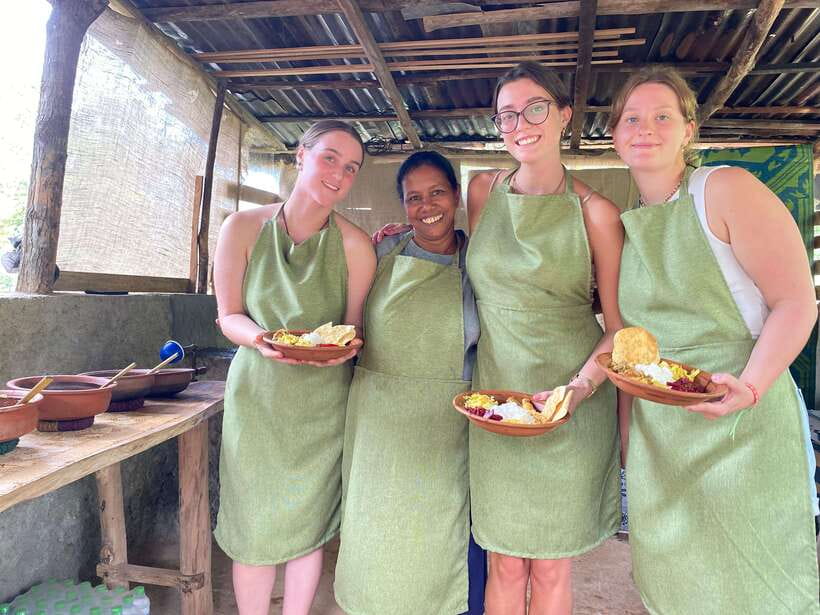
The most useful souvenir is the recipe set. Recipes are provided or sent through WhatsApp, and they cover the dishes made during the class, with some additional Sri Lankan recipes in certain sessions.
The recipes are designed to be practical. You learn how to work with a small group of ingredients and use the same spices in different combinations. That gives you a better chance of cooking the food at home than a class that depends on rare ingredients or specialist tools.
You may not find every Sri Lankan ingredient easily after returning home, but the class helps you understand substitutions and the role of each component. The hosts also share time-saving kitchen tips, so the recipes do not remain tied to the outdoor setting in Ella.
I like that the lesson ends with a clear next step. You cook the dishes, eat them, receive the recipes, and can try them again while the process is still fresh in your mind.
Should you book Mom’s Kitchen?
Yes, if you want an authentic, hands-on food experience with a warm family atmosphere. The strongest reasons are the mother-daughter teaching team, the outdoor kitchen, the traditional fire and stone methods, and the chance to make several dishes for just $20.
Book it with the right expectations. This is not a luxury cooking studio or a restaurant tasting menu. It is a personal home-style class where you help with the work, eat a generous meal, and learn recipes that can travel home with you. For most visitors to Ella, that combination offers more lasting value than another ordinary restaurant meal.
FAQ
Where does Mom’s Kitchen cooking class take place?
The class takes place in an outdoor kitchen at the family home in the Ella area of Sri Lanka, surrounded by tropical scenery and views.
How long does the cooking class last?
The cooking class lasts about two hours.
How much does the class cost?
The listed price is $20 per person.
Who teaches the cooking class?
The class is taught by Kamala and her daughter Irosha. Kamala leads the traditional cooking, while Irosha explains the ingredients and methods in English.
How many people can join?
The class is a small-group activity limited to six participants. Some sessions may operate with only one booking.
What food will I prepare?
The menu can include four to six curries, rice, coconut sambol, papadum, and dishes such as chicken, mango, beetroot, beans, or dhal.
Will I eat the food I cook?
Yes. The class ends with a shared meal featuring the dishes prepared during the session.
Are recipes included?
Yes. Recipes are provided or sent through WhatsApp so you can recreate the dishes at home.
Can I cancel the booking?
You can cancel up to 24 hours in advance for a full refund. The activity also offers reserve-now, pay-later booking.
Newest classes around Sri Lanka
- cooking lesson★ 5.0 · 7 reviews
- Hands-On Cooking Class in Anuradhapura-Cook Like a Local★ 5.0 · 2 reviews
- Sri Lankan Cooking Class in Bentota★ 5.0 · 2 reviews
- Sri Lanka: Cooking Class★ 4.4 · 6 reviews
- Sri Lankan Cookery with Nilu★ 5.0 · 34 reviews
- Cooking Experience from Ella★ 4.9 · 2 reviews
- Private cooking class – Personalized classic menu★ 5.0 · 5 reviews
- Nilaveli: Sri Lankan Cooking Class with a Local Family★ 5.0 · 16 reviews
Sri Lanka Cooking Classes, compared.
Organic cooking class sigiriya (kumara & family)
Read our review →
Sri Lankan Cooking Class with Neranji at Homestay
Read our review →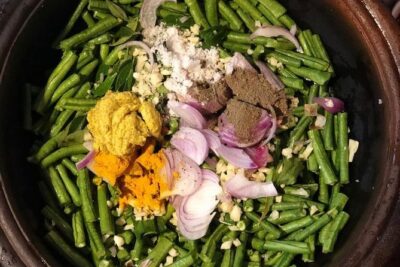
Browse the lists this tour appears in