
Review · ROME COOKING CLASSES
Cook With Us in Rome: A Hands-On Cooking Experience 09:20AM class
The best part of this four-hour Rome experience is that you do not simply watch a chef cook. You shop for ingredients at a local market, make pasta by hand, prepare sauces, and sit down to eat the meal you helped create. It gives your sightseeing schedule a welcome change of pace.
I like the small maximum of 10 people, since it gives the chef time to help each person at the worktable. I also like the range of dishes: antipasti, fresh pasta, two sauces, and tiramisu make this feel like a full Italian meal rather than a single pasta demonstration.
The main consideration is timing. The class starts at 9:20 a.m., and the market visit is part of the morning schedule. Sunday classes and afternoon classes skip the market because it is closed, so check the exact session before booking if market shopping matters to you.
Key points to know before booking
- Start at a Roman market: The morning class begins with shopping for produce, including seasonal ingredients such as artichokes and zucchini blossoms.
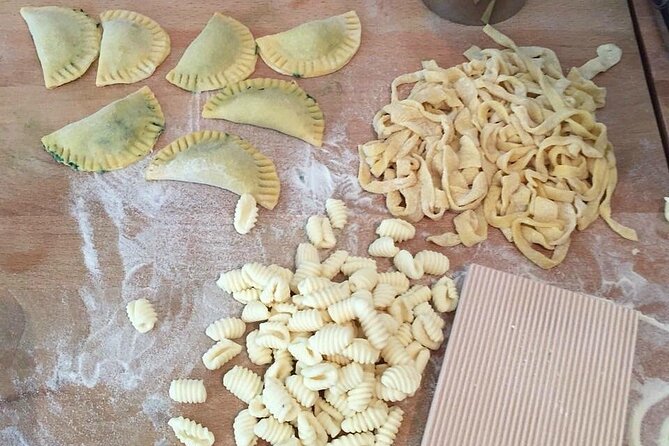
- Make several dishes: You may prepare antipasti, cavatelli, fettuccine, ravioli, two sauces, and tiramisu.
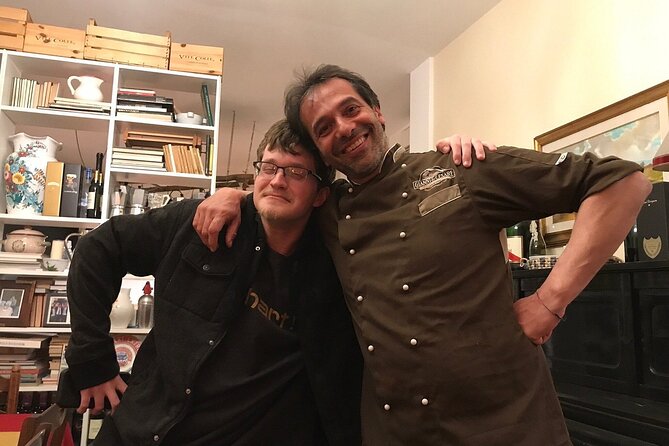
- Chef-led and hands-on: Gianni and Cesare are named instructors associated with the class, and the teaching style is patient, social, and practical.
- Small group format: The class accepts no more than 10 people, which matters when you need help shaping pasta or following a sauce recipe.
- Eat what you cook: The class ends with a shared meal at the studio, with wine and prosecco mentioned as part of the experience.
- Good for families: Children took part successfully in the cooking, and the activity is described as family-friendly.
A market morning near Campo de’ Fiori
Your listed meeting point is VyNIQUE Farnese at Via dei Baullari 106, in central Rome. From there, the morning begins with a local market visit. The market stop is not filler. It gives you a quick lesson in how Roman cooking starts, with fresh produce chosen for the meal you will later prepare.
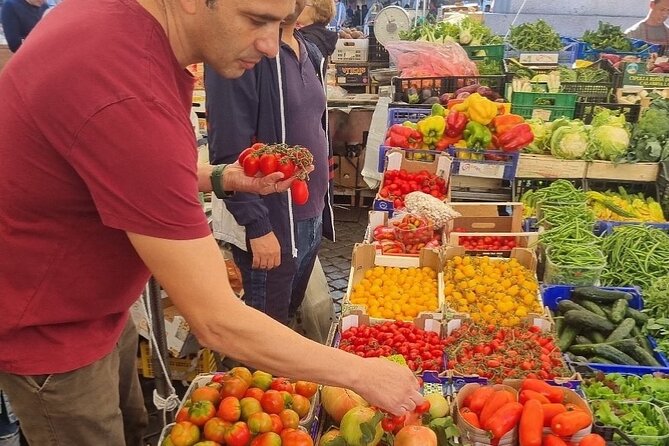
The market associated with the morning route is Campo de’ Fiori. This is a useful setting for learning about seasonal cooking, since the menu can change with what is available. Roman artichokes, for example, may appear when they are in season. Zucchini blossoms are another possible starter.
You are not just buying ingredients for a recipe. You are seeing the raw materials before they become lunch. That helps connect the cooking lesson with everyday Italian food culture, instead of treating pasta as a restaurant trick performed in a studio.
The market visit also adds a short walking tour through Rome’s historic center on the way to the cooking space. The walk is not presented as a full sightseeing tour, so you should think of it as a pleasant bridge between shopping and cooking rather than a replacement for a dedicated city tour.
A practical point: Sunday and afternoon classes skip the market because it is closed at those times. The 9:20 a.m. class is the best choice if you specifically want the market portion.
More Cooking Classes in Rome:
- 3 in 1 Cooking Class near Navona: Fettuccine, Ravioli & Tiramisu
★ 5.0 · 7,376 reviews - Rome: Pasta Making Class with Wine, Limoncello, and Dessert
★ 4.9 · 3,177 reviews - Rome Cooking Class: Make Pasta and 3 Spritz Cocktails
★ 5.0 · 2,937 reviews
Turning fresh ingredients into a Roman meal
Once you reach the studio, the pace changes from walking and shopping to preparation. The lesson covers three broad parts of the meal: starters, fresh pasta with sauces, and dessert. You are involved in the work rather than sitting back and taking notes.
The starter menu can include zucchini blossoms in tempura and Roman-style herbed artichokes. These dishes are useful teaching choices because they show two different sides of Italian cooking. Zucchini blossoms require a light batter and careful frying, while artichokes depend on cleaning, seasoning, and handling a seasonal vegetable properly.
The artichoke is especially interesting for home cooks who know only one method of preparing it. The chef explains a Roman approach that differs from common American preparation. That kind of small technique is often the most useful souvenir from a cooking class, since you can use it again with ingredients from your own market.
The menu is not fixed in every detail. The artichoke is listed as available when in season, so you should expect some variation. That is a positive sign for a market-based class, though it also means you should not book expecting every dish to appear exactly as printed.
Making fettuccine, cavatelli, and ravioli
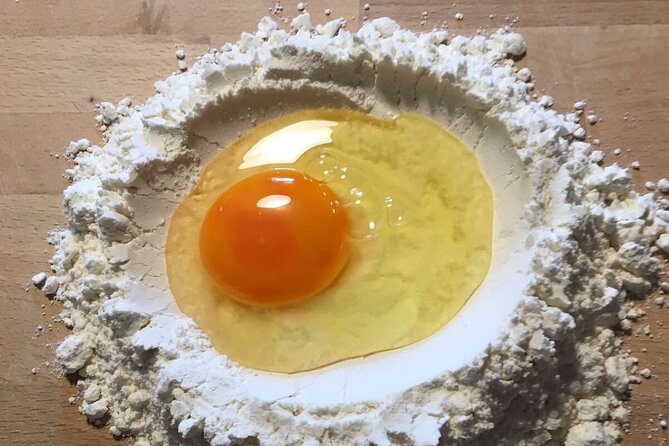
The pasta lesson is the heart of the class. You learn to work with fresh dough and make more than one shape, including fettuccine, cavatelli, and ravioli. Each shape teaches a different skill.
Fettuccine gives you practice rolling and cutting long strands. Cavatelli requires a different hand motion and shows how simple shaping can create a pasta that holds sauce. Ravioli adds filling and sealing, where even pressure matters. You do not need to arrive as an experienced cook. The instructors are used to helping people with little or no kitchen confidence.
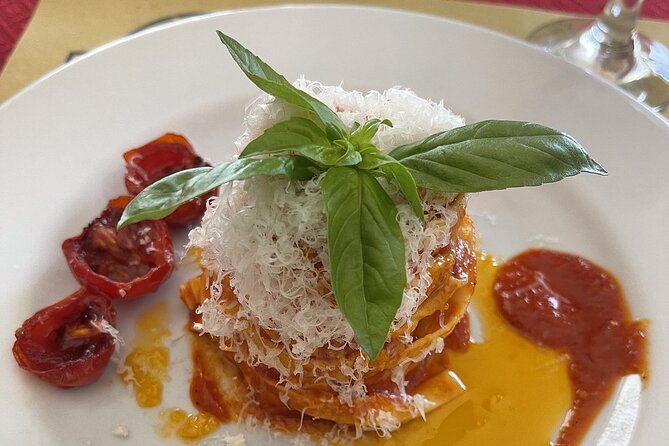
The class also covers two different pasta sauces. That is an important advantage over lessons that stop after showing you how to make dough. Pasta is only half the job. Sauce, seasoning, cooking water, and timing decide whether the finished dish tastes balanced.
The water-based pasta option is suitable for vegans, according to the menu. The separate fresh egg pasta is not vegan, so anyone with dietary needs should pay attention to which dish applies to them. The information provided does not promise a fully vegan menu or list other dietary substitutions, so you should confirm those details when booking.
The small group size should help here. With up to 10 people, you have a better chance of receiving direct help while rolling dough, shaping pasta, or sealing ravioli. The class is social, but it is not so large that you are likely to spend the entire lesson watching someone else work.
Tiramisu and the meal at the end
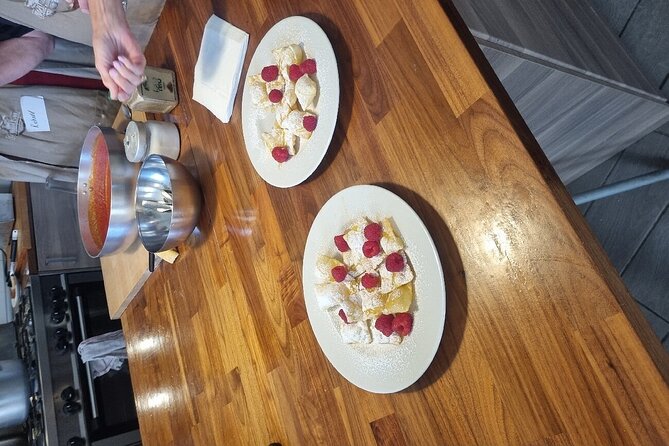
Dessert is tiramisu, made fresh during the class. It is a familiar Italian favorite, but preparing it yourself gives you a chance to understand the balance of cream, coffee, and biscuits rather than simply ordering it after dinner.
The meal at the end is more than a tasting. You sit together and eat the dishes prepared during the session. That changes the mood from lesson to shared lunch, and it gives you time to talk with the other people in the group.
Wine and prosecco are mentioned throughout the descriptions of the class. Several accounts describe sipping prosecco while cooking and wine with the meal. If you do not drink alcohol, the provided information does not spell out alternatives, so ask ahead if that matters to you.
The meal also gives you a useful test of the recipes. You can taste the pasta while the techniques are still fresh in your mind. If a sauce needs more salt or the dough feels different from what you expected, the chef can explain why.
Same region, a different dish to learn:
- Rome: 3-in-1 Fettuccine, Ravioli, and Tiramisu Cooking Class
★ 4.9 · 2,704 reviews - Rome: Fettuccine Pasta Cooking Class in Rome’s City Center
★ 4.8 · 2,414 reviews - Fettuccine & Tiramisù: Cooking Class with Wine & Limoncello
★ 4.9 · 2,103 reviews - Pasta Cooking Class Near the Colosseum with 3 Spritz Cocktails
★ 5.0 · 1,686 reviews
The teaching style and named chefs
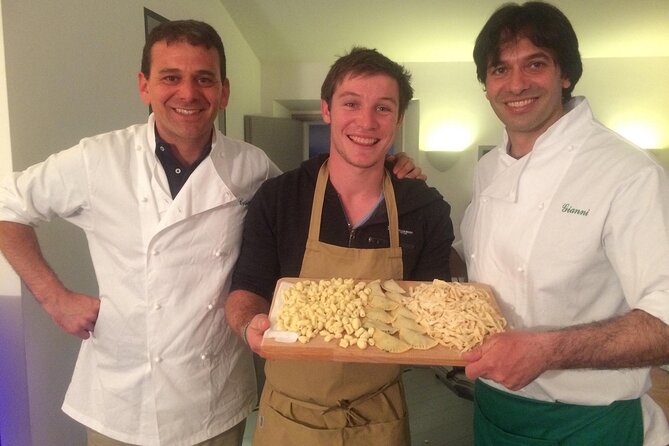
Gianni receives the strongest personal praise in the supplied material, with Cesare also named as an instructor. Their teaching style is described as warm, patient, humorous, and encouraging. That matters because hands-on pasta making can feel awkward at first, especially when the group includes both confident cooks and complete beginners.
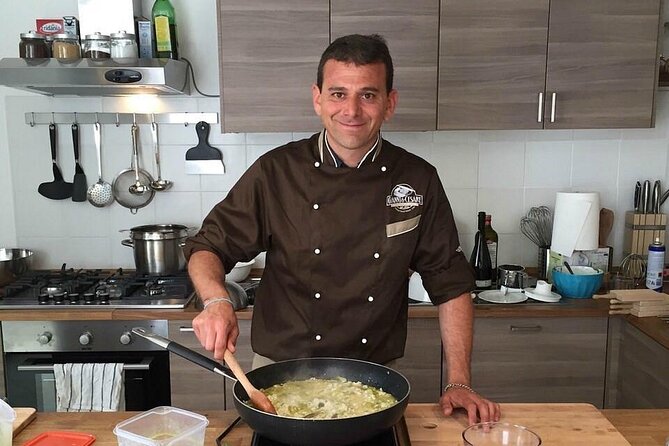
A good cooking teacher has to do several jobs at once: explain the recipe, watch several workstations, keep the meal moving, and make people feel comfortable asking basic questions. Gianni is described as organized and entertaining, while Cesare is described as personable, clear, and patient.
The humor is part of the appeal. This is not a silent technical workshop. You should expect conversation, jokes, and a social atmosphere alongside the instruction. That works well if you want an activity with a strong host personality. If you prefer a quiet, highly formal culinary school setting, this may feel more relaxed than expected.
Families can take part. Children aged 11 and 13 were able to make pasta and enjoy the experience, and a 13-year-old grandson successfully participated in another family group. The class is officially described as family-friendly, though very young children may need more help with kitchen tasks.
What the four hours are really worth
The price is $145.18 per person. That is not a bargain activity, but it includes roughly four hours of instruction, market shopping on the morning schedule, a walking segment, several dishes, the meal you prepare, and a small-group format.
I would judge the value against the alternatives. A standard food tour may let you sample more places, but it will not teach you how to make the food. A short pasta demonstration may cost less, but it may not include starters, two sauces, dessert, and a full meal.
The best value comes if you will actually use the skills at home. You learn several pasta shapes, sauce methods, a Roman vegetable preparation, and tiramisu. The recipes and cooking tips are practical souvenirs, and you can bring them back to your own kitchen.
The price is harder to justify if you are mainly seeking a quick meal or a brief activity between major sights. Four hours is a substantial part of a Rome day. You are paying for instruction and participation, not just lunch.
The class is booked, on average, 45 days ahead. That suggests you should plan early, especially if you need a specific date or want the morning market visit. Confirmation is provided within 48 hours of booking, subject to availability.
Location, timing, and planning your day
The class starts at 9:20 a.m. and ends back at the meeting point. Since the activity lasts about four hours, you should avoid booking a major timed attraction for the same part of the day.
The meeting point is near public transportation and located in central Rome. Arrive with enough time to find Via dei Baullari 106 without rushing. The market walk and studio transfer are built into the schedule, so late arrival can affect more than your own first few minutes.
The activity is offered in English. That makes the cooking instructions easier to follow, especially when you are handling dough or trying to reproduce a technique later.
The market is the clearest reason to choose the morning class. Afternoon sessions still include cooking, pasta, sauces, dessert, and the shared meal, but they do not include the market because it is closed. Sunday also skips that part.
You receive a mobile ticket, and free cancellation is available if you cancel at least 24 hours before the local start time. Changes or cancellations inside that 24-hour window are not accepted for a refund. The class also requires a minimum number of participants, so a cancellation by the provider can lead to another date, another experience, or a full refund.
Who should book this cooking class
I would recommend it most strongly to you if you want a break from museums, churches, and crowded streets. Four hours at a worktable can make a good middle-of-the-trip reset, especially after several days of sightseeing.
It is also a strong choice for families, couples, and small groups looking for a shared activity. The wedding anniversary group, families with teenagers, and people traveling as couples all fit naturally into the format.
You do not need to be a skilled cook. The class is built around guidance, and the instructors help people through unfamiliar steps. You should enjoy participating, though. This is not the right pick if you want to sit back while someone else prepares every dish.
It suits food lovers who want more than a restaurant meal. You will learn why ingredients are handled in certain ways and how pasta shapes connect to sauces. That gives you something useful to take home.
Who may want to choose something else
You may want another activity if your Rome schedule is packed with timed visits. The start time and four-hour length leave little room for a major morning attraction.
You should also think carefully about dietary needs. One water-based pasta is suitable for vegans, but the menu also includes egg pasta, dairy-based tiramisu, and dishes that may use animal products. The information provided does not promise broad dietary customization, so confirm before paying.
Finally, do not assume the market visit is included in every session. It is part of the morning format, but Sunday and afternoon classes skip it. If shopping for ingredients is central to your decision, book the 9:20 a.m. weekday option when possible.
Should you book Cook With Us in Rome?
Yes, if you want a social, practical food experience with a full meal at the end. The combination of a market visit, several pasta shapes, two sauces, antipasti, tiramisu, and patient chef instruction gives you more substance than a simple pasta demonstration.
Book it early, arrive on time, and choose the morning class if Campo de’ Fiori matters to you. I would especially recommend it for families with older children, couples celebrating a special trip, and anyone who wants to bring a little Roman cooking home.
FAQ
How long does Cook With Us in Rome last?
The class lasts approximately four hours.
What time does the 09:20 a.m. class begin?
The class begins at 9:20 a.m.
Where does the experience start?
The listed meeting point is VyNIQUE Farnese, Via Dei Baullari 106, 00186 Rome, Italy.
Where does the experience end?
The activity ends back at the meeting point.
Is the market visit included in every class?
No. Sunday and afternoon classes skip the market because it is closed at those times. The morning class includes the local market visit.
How many people can join the class?
The activity has a maximum of 10 participants.
What dishes do you make?
The menu includes antipasti, fresh handmade egg pasta, water-based pasta, two pasta sauces, and tiramisu. Possible pasta shapes include fettuccine, cavatelli, and ravioli. Seasonal dishes can vary.
Is the class offered in English?
Yes. The experience is offered in English.
Can I cancel for a full refund?
Yes, if you cancel at least 24 hours before the experience starts. Cancellations or changes made less than 24 hours before the start time are not accepted for a refund.
Newest classes around Rome
- Testaccio: Home Cooking Cacio e Pepe, Amatriciana, Carbonara★ 4.9 · 57 reviews
- Super Fun Pasta and Gelato Cooking Class by the Vatican★ 5.0 · 6 reviews
- Spritz and Spaghetti Traditional Cooking Class in Rome★ 4.9 · 30 reviews
- ROME:Hands-On Lasagna & Marsala Tiramisu Cooking Experience”★ 5.0 · 3 reviews
- Rome: Vatican Food Tours, Cooking classes & Free Tours★ 4.9 · 11 reviews
- Rome: Trastevere Pasta Making Class★ 4.9 · 33 reviews
- Rome: Small Group Pasta cooking class near Piazza Navona★ 4.9 · 8 reviews
- Rome: Traditional Cooking Class in the Jewish Ghetto★ 4.9 · 75 reviews
Rome Cooking Classes, compared.
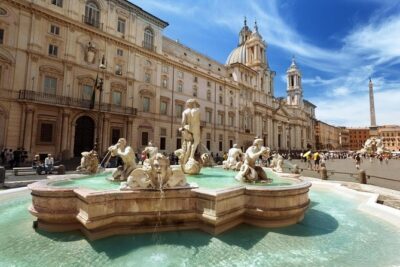
3 in 1 Cooking Class near Navona: Fettuccine, Ravioli & Tiramisu
Read our review →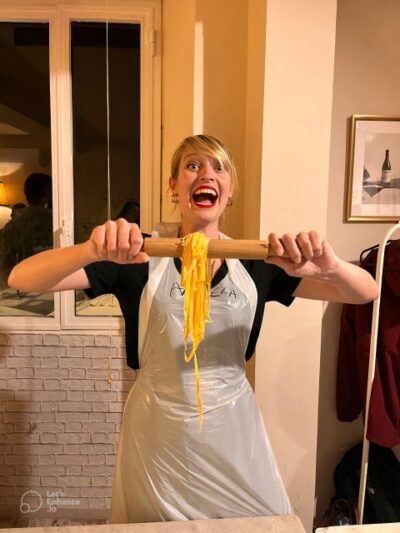
Pasta Making Class with Wine, Limoncello, and Dessert
Read our review →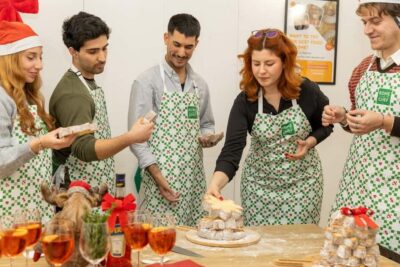
Rome Cooking Class: Make Pasta and 3 Spritz Cocktails
Read our review →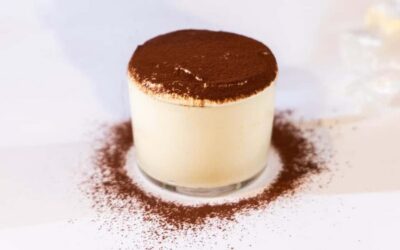
3-in-1 Fettuccine, Ravioli, and Tiramisu Cooking Class
Read our review →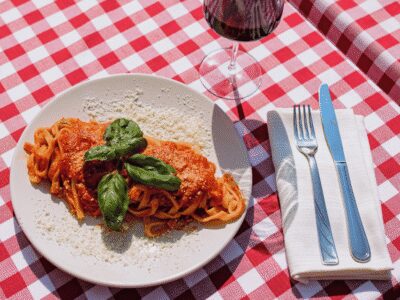
Fettuccine Pasta Cooking Class in Rome’s City Center
Read our review →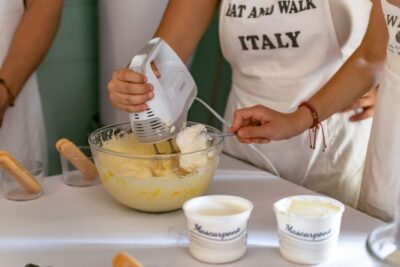
Fettuccine & Tiramisù: Cooking Class with Wine & Limoncello
Read our review →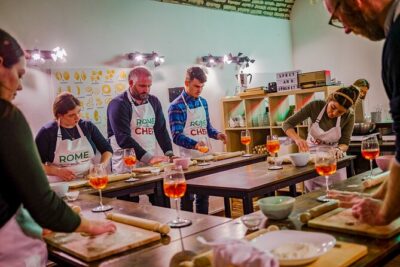
Pasta Cooking Class Near the Colosseum with 3 Spritz Cocktails
Read our review →
Enjoy Spritz and Pasta Making in Piazza Navona
Read our review →Browse the lists this tour appears in