
Review · ROME COOKING CLASSES
3 in 1 Cooking Class near Navona: Fettuccine, Ravioli & Tiramisu
The clever part of this Rome cooking class is its order: you begin with tiramisu, then make two kinds of pasta before sitting down to eat. It gives you a full Italian meal without turning the afternoon into a serious culinary exam. Chef Mimi, Lori, Carlotta, Leo, and Paris are among the instructors praised for clear, patient teaching and plenty of humor.
I like the hands-on format and the fact that you eat the food you prepare, not a pre-plated substitute. I also like the relaxed group setting, which works well for families and first-time pasta makers. The main catch is simple: you make the pasta, but not the sauces, so anyone expecting a full lesson in cacio e pepe or amatriciana technique should adjust expectations.
Quick takeaways before you book
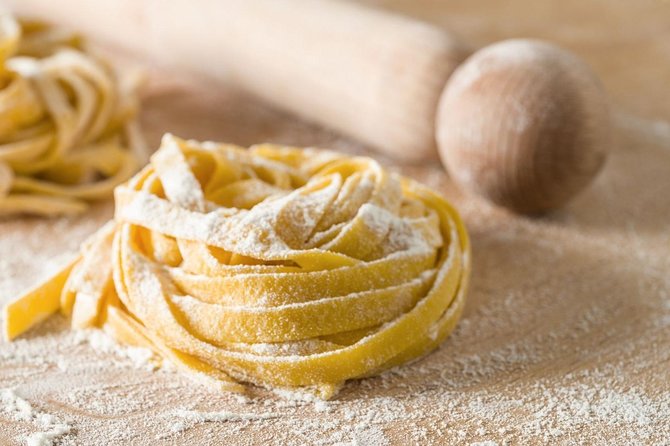
- Three Roman staples in one class: Make tiramisu, fettuccine, and ricotta ravioli during roughly three hours.
- Beginner-friendly instruction: Chefs including Mimi, Lori, Carlotta, Leo, and Paris use clear demonstrations and circulate to help.
- Your meal is included: Eat the fettuccine and ravioli you prepared, with wine or a soft drink and water.
- Choose your pasta sauce: Fettuccine comes with cacio e pepe, tomato and basil, or amatriciana.
- Good for families: Children and adults can take part, and several accounts specifically praise the class for younger cooks.
- Recipes help you continue at home: Recipes for the dishes and sauces may be sent afterward, giving the class value beyond your time in Rome.
What this three-hour Rome cooking class is really like
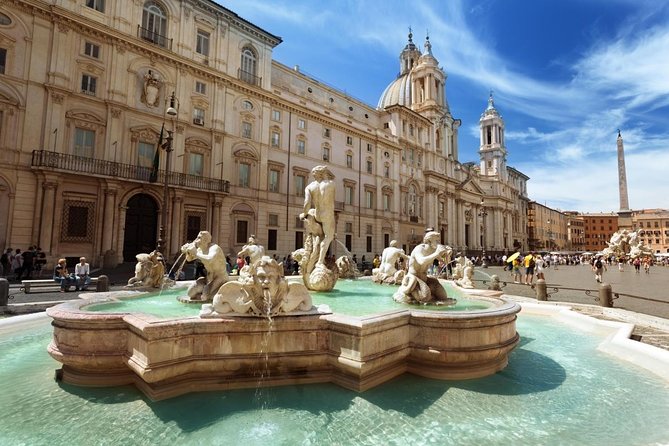
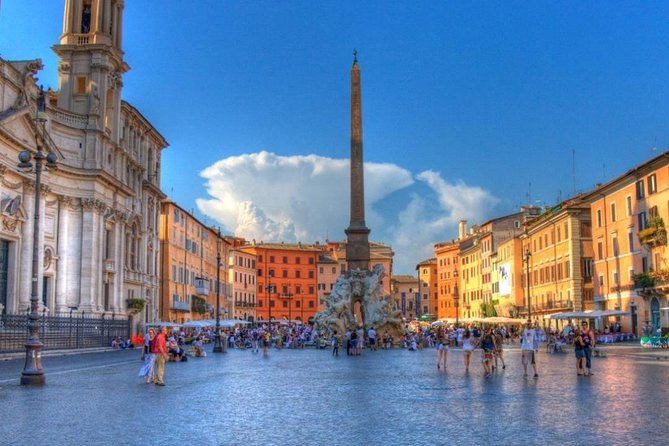
This is a social pasta class near Navona, not a professional chef-training session. You arrive at the cooking facility on Via Giuseppe Zanardelli, 14, close to public transportation and within the central Rome sightseeing zone. The class is offered in English, with several start times available throughout the day.
The advertised group limit is 18 people. That is large enough to create a lively table and small enough for the instructor to move around and offer help. Still, this is not a private lesson. If you want one-on-one attention for every fold of every ravioli, you may find the group format less suited to you.
The tone is easygoing. Chefs such as Lori, Carlotta, Mimi, Leo, Maria, and Paris are repeatedly praised for being patient, funny, energetic, and clear. That matters more than fancy equipment here. Fresh pasta becomes much less intimidating when someone calmly shows you what the dough should feel like and helps before a small mistake becomes a flour-covered crisis.
More Pasta Making Classes in Rome
- Rome: Pasta Making Class with Wine, Limoncello, and Dessert
★ 4.9 · 3,177 reviews - Rome Cooking Class: Make Pasta and 3 Spritz Cocktails
★ 5.0 · 2,937 reviews - Rome: 3-in-1 Fettuccine, Ravioli, and Tiramisu Cooking Class
★ 4.9 · 2,704 reviews
Starting with tiramisu
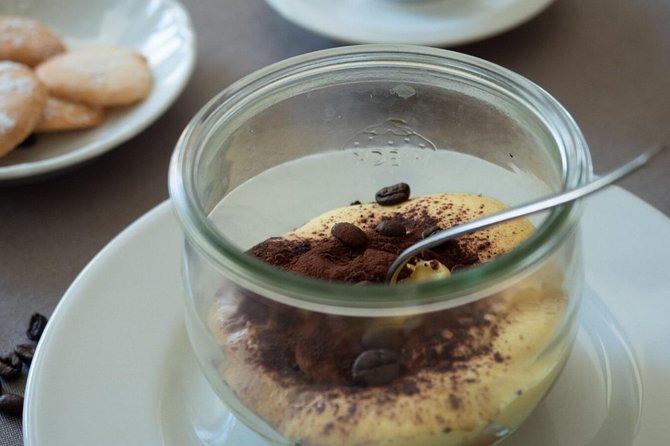
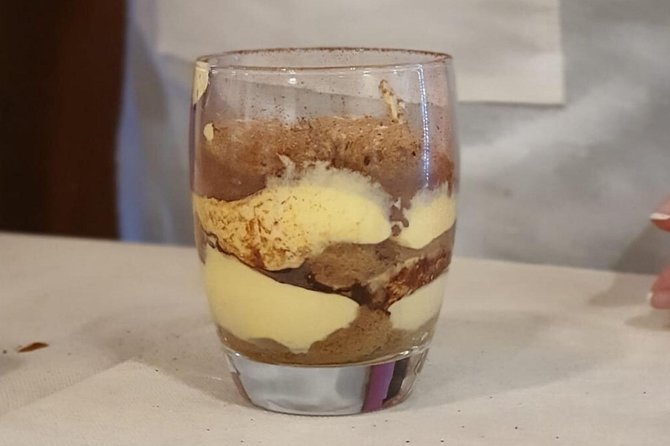
The class begins with tiramisu, which is a smart choice. It needs time to rest, so preparing it first gives the dessert a chance to settle while you work on the pasta.
You make your own portion of tiramisu by following the traditional recipe. One useful detail from the instruction style is the willingness to offer alternatives when needed. A participant with a coffee-hating spouse received an ingredient alternative, so it is worth explaining dietary preferences or dislikes to the chef at the start.
Tiramisu is also the least intimidating part of the session. You do not need pasta-making experience to mix and layer the dessert. For children and non-cooks, it provides an early success before the rolling and shaping begin.
The class does not promise a detailed pastry lesson, so keep your expectations practical. You will learn how to assemble the dessert and later eat it, but the main teaching focus is fresh pasta.
Making fettuccine from scratch
Next comes the pasta dough. This is the moment when the class earns its price. You are not simply watching a chef stretch dough while someone else cooks dinner. You take part in the preparation and learn a process you can repeat in your own kitchen.
The focus is on fettuccine, a broad, familiar pasta that is forgiving for beginners. You work through the basic stages under instruction, then prepare the noodles for cooking. First-time pasta makers have described leaving with more confidence than expected, which is exactly what a good short class should do.
The teaching style seems designed to keep the pace moving. Chef Maria, for example, was praised for circulating among the group and helping anyone who fell behind. That kind of attention is important because pasta dough can feel simple when demonstrated and surprisingly tricky when it is your turn.
The finished fettuccine comes with a choice of three sauces:
- Cacio e pepe
- Tomato and basil
- Amatriciana
You choose the sauce, but the sauce itself is not part of the hands-on lesson. The kitchen prepares it, then cooks your pasta and serves it to you. This division keeps the class manageable and allows you to enjoy a complete meal, but it is the clearest limitation for serious food hobbyists.
If your main goal is learning to make pasta dough and shape noodles, the arrangement works well. If you want to understand the precise balance of pecorino, pepper, pasta water, and heat in cacio e pepe, this is not that class.
Shaping ricotta and pecorino ravioli
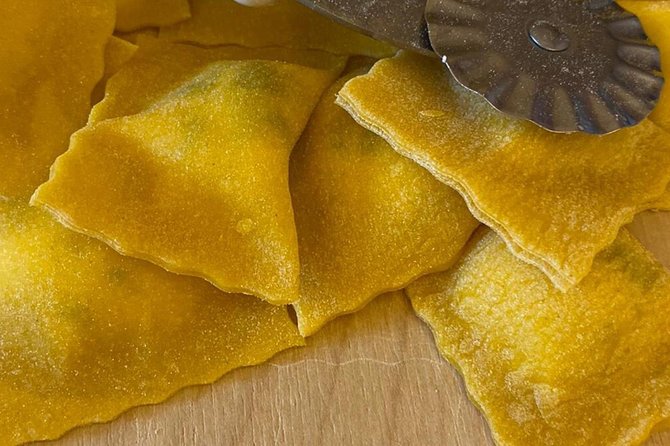
The ravioli portion adds variety and a little more craft. You prepare ravioli filled with ricotta and Parmigiano, then eat it with butter and sage.
This is the part I would not skip. Fettuccine teaches you the basics of fresh pasta, while ravioli introduces filling, folding, sealing, and portion control. You get a different feel for how pasta behaves, and the finished dish feels more special than a bowl of noodles alone.
The filling may use seasonally available ingredients, while the stated menu centers on ricotta and Parmigiano. That means the precise preparation can vary. The class is not selling a fixed restaurant recipe with every detail measured out for you. It is giving you a practical introduction to a classic filled pasta.
Ravioli can be the most satisfying part for families. It feels like a small project, and children can take part in shaping the pieces with help. Chef Furio was specifically praised for keeping children engaged, while Chef Paris received praise for making the class comfortable for a first-time pasta maker.
Once the ravioli is ready, the kitchen cooks it in butter and sage. Again, you participate in the pasta-making but not the sauce preparation. The result is served as your meal, rather than being pooled with everyone else’s food.
More Tiramisu and Dessert Classes in Rome
- Fettuccine & Tiramisù: Cooking Class with Wine & Limoncello
★ 4.9 · 2,103 reviews - Rome: Pasta & Tiramisu Cooking Class near the Spanish Steps
★ 4.8 · 1,395 reviews - Cooking Class in the Heart of Rome: Pizza and Tiramisu Making
★ 5.0 · 1,330 reviews - 2-in-1 Pasta and Tiramisu Cooking Masterclass in Rome
★ 5.0 · 832 reviews
Sitting down to eat what you made
After the cooking, you sit down with the group and eat the fruits of the work. The menu is structured as a starter of fettuccine, followed by ravioli as the main course, then your tiramisu for dessert.
A glass of wine or a soft drink is included, along with water. You can choose red or white wine with the pasta, and the meal finishes with either Italian coffee or a shot of limoncello.
This sit-down portion is important because it turns the lesson into a meal in Rome. You are not rushing straight out after shaping dough. You get time to talk with the people at your table, compare pasta shapes, and enjoy the dishes while they are fresh.
The food is generally praised as delicious, though one fair criticism is that portions may feel modest to some people. I would treat the class as a substantial tasting meal rather than a feast. If you arrive very hungry, you may want to plan another meal later, especially if you tend to prefer large portions.
The setting can include a covered outdoor dining area. One account found it comfortable during rainy weather, with shelter, warmth, wine, and a pleasant place to sit. Since no single seating arrangement is guaranteed for every session, consider this a possibility rather than a promise.
What you learn, and what you do not
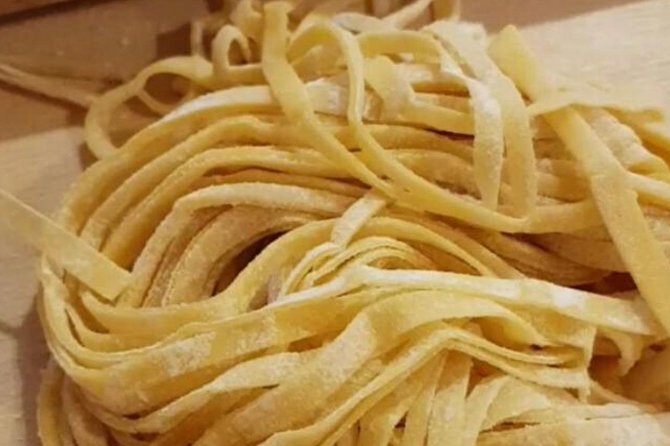
The strongest teaching value is practical. You learn how to make fresh fettuccine, shape ravioli, and assemble tiramisu. The recipes are approachable enough to try again at home, even if you are not an experienced cook.
You also pick up small tips and cultural context from the chefs. Tom was praised for sharing useful pasta and tiramisu tricks, while Mimi was noted for adding culinary and cultural information to the hands-on work. The class is therefore more than a meal, but it remains light and social rather than academic.
The limits are just as important to understand. You do not make the sauces during the class. The listed choices are prepared by the kitchen, and the class does not take you into the professional cooking area. This keeps the format safe and efficient, but it means the instruction stops short of a full start-to-finish restaurant kitchen lesson.
Recipes for the tiramisu, pasta, and three sauces may be emailed afterward. That is a valuable touch. You cannot learn every detail in three hours, but a recipe sheet gives you a chance to practice the dishes again when the Rome holiday is over.
Is $83.44 a fair price?
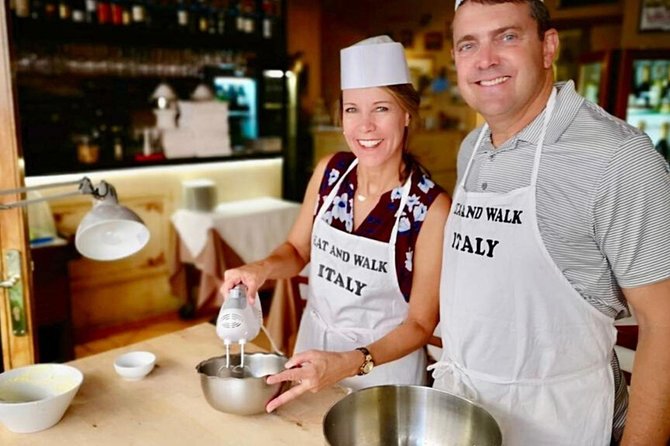
At $83.44 per person, this is not the cheapest meal in Rome. You can find a plate of pasta for far less. The value comes from combining dinner with instruction, ingredients, drinks, a central location, and a skill you can use again.
You are effectively paying for a three-hour activity plus a multi-course meal. Wine, water, coffee or limoncello, and the dishes you prepare are included. That makes the price easier to justify for a first visit to Rome, particularly if you want an evening activity that is more memorable than another restaurant reservation.
The class is also a reasonable choice for a rainy day or for a pause after several days of walking around the Forum, Colosseum, and Vatican. You get a break from sightseeing without giving up the food focus that brought you to Italy.
I would be less enthusiastic about the price if your only goal is to eat. For that, a trattoria offers better value. Book this for the combination of cooking, conversation, and a meal you helped create.
Who will enjoy this class most?
This experience suits first-time pasta makers, couples, families, and groups of friends. The repeated praise for patient instructors makes it a particularly safe choice if one person in your group is nervous around cooking.
Families should pay attention to the age range in the group. Eleven-year-olds have enjoyed the class, and children can take part in the shaping and assembly work. The session still lasts about three hours, so younger children who tire easily may need a little patience from the adults with them.
It is also a good choice for solo visitors who want a social meal. The group format gives you a natural way to meet people, and the shared table keeps the experience from feeling like a lecture.
Experienced home cooks may enjoy the cheerful setting and the chance to make ravioli in Rome, but they should not expect advanced instruction. The class is built around confidence, participation, and good food, not technical mastery.
Planning your timing near Navona
The meeting point is Via Giuseppe Zanardelli, 14, 00186 Rome. You make your own way there, and the class ends at the same place. Since it is near public transportation, it can fit into a central Rome day without a long transfer.
Choose a start time that leaves room for the full three hours. Do not schedule a major timed attraction immediately afterward. The meal, group pace, and final coffee or limoncello are part of the experience, and rushing away would undercut the relaxed atmosphere.
The class is offered at several times during the day. An afternoon session can work well after morning sightseeing, while an evening start can replace dinner plans. The activity is often reserved well ahead, with an average booking lead time of about 40 days, so popular times may disappear first.
You receive confirmation at booking, and the mobile ticket is convenient for a day of sightseeing. Free cancellation is available up to 24 hours before the start time. Within 24 hours, the payment is not refunded and changes are not accepted.
Should you book this Rome pasta class?
I would book it if you want to do something with your hands, eat a familiar Roman meal, and leave with recipes you can try at home. The class works especially well early in a Rome visit, when it can give you a useful introduction to Italian pasta, or on a rainy day when your feet need a rest.
Book with realistic expectations. You will make fettuccine, ravioli, and tiramisu, but the kitchen handles the sauces. Portions may not satisfy a very large appetite, and the group setting is social rather than private.
For most visitors, the balance is right: clear instruction, friendly chefs, a central location, included drinks, and a meal you helped prepare. At $83.44, it is a worthwhile Rome activity for people who value participation as much as the plate.
FAQ
How long does the cooking class last?
The class lasts approximately three hours, including the cooking instruction and the meal afterward.
Where does the class meet?
The meeting point is Via Giuseppe Zanardelli, 14, 00186 Rome, Italy. The activity ends back at the same meeting point.
What dishes will I make?
You will make tiramisu, fresh fettuccine, and ravioli filled with ricotta and Parmigiano. The ravioli is served with butter and sage.
Are drinks included?
Yes. Water is included, along with a glass of wine or a soft drink. You can finish with either coffee or a shot of limoncello.
Do I learn how to make the pasta sauces?
No. You choose cacio e pepe, tomato and basil, or amatriciana for the fettuccine, but the sauces are prepared by the kitchen rather than taught as part of the hands-on class.
What is the cancellation policy?
You can cancel at least 24 hours before the start time for a full refund. Cancellations or changes made within 24 hours are not accepted, and the amount paid is not refunded.
Newest classes around Rome
- Testaccio: Home Cooking Cacio e Pepe, Amatriciana, Carbonara★ 4.9 · 57 reviews
- Super Fun Pasta and Gelato Cooking Class by the Vatican★ 5.0 · 6 reviews
- Spritz and Spaghetti Traditional Cooking Class in Rome★ 4.9 · 30 reviews
- ROME:Hands-On Lasagna & Marsala Tiramisu Cooking Experience”★ 5.0 · 3 reviews
- Rome: Vatican Food Tours, Cooking classes & Free Tours★ 4.9 · 11 reviews
- Rome: Trastevere Pasta Making Class★ 4.9 · 33 reviews
- Rome: Small Group Pasta cooking class near Piazza Navona★ 4.9 · 8 reviews
- Rome: Traditional Cooking Class in the Jewish Ghetto★ 4.9 · 75 reviews
Rome Cooking Classes, compared.
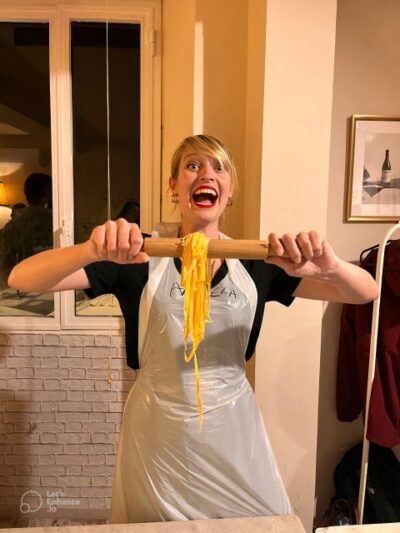
Pasta Making Class with Wine, Limoncello, and Dessert
Read our review →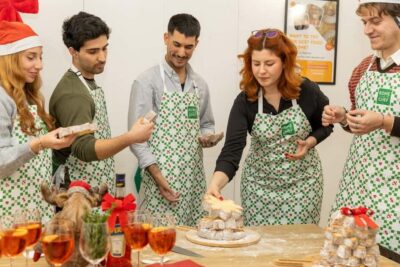
Rome Cooking Class: Make Pasta and 3 Spritz Cocktails
Read our review →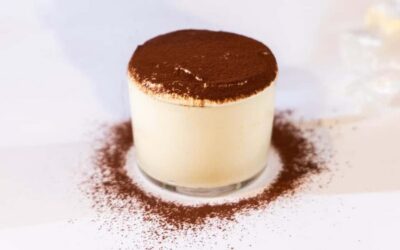
3-in-1 Fettuccine, Ravioli, and Tiramisu Cooking Class
Read our review →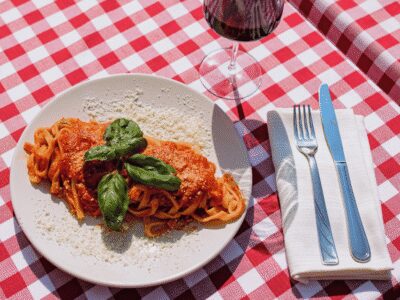
Fettuccine Pasta Cooking Class in Rome’s City Center
Read our review →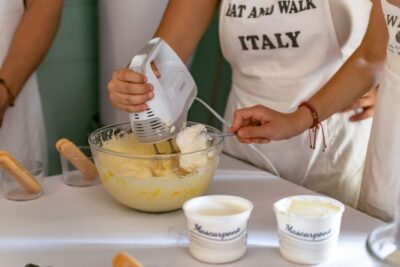
Fettuccine & Tiramisù: Cooking Class with Wine & Limoncello
Read our review →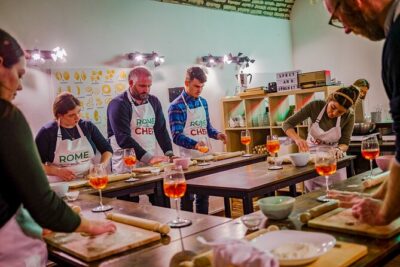
Pasta Cooking Class Near the Colosseum with 3 Spritz Cocktails
Read our review →
Enjoy Spritz and Pasta Making in Piazza Navona
Read our review →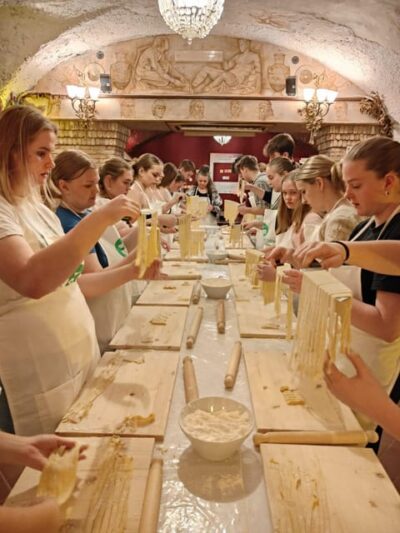
Pasta & Tiramisu Cooking Class near the Spanish Steps
Read our review →Browse the lists this tour appears in