
Review · ROME COOKING CLASSES
Cooking Class in Rome: Make Fettucine & Tiramisù with Chef Paolo
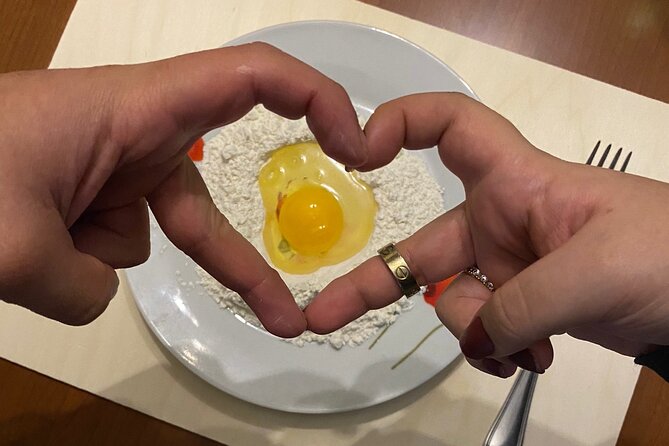
Fresh pasta is the star here. You start with flour and egg, work the dough by hand, and turn it into fettuccine. Then you sit down to eat what the group made, with wine and a small limoncello to finish. Chef Paolo and the other instructors keep the class friendly and hands-on, with plenty of help for families and beginners.
I especially like two things: you learn a pasta recipe you can repeat at home, and the class gives you a relaxed way to meet people around a shared meal. The roughly two-hour format fits neatly into a busy Rome day. The main catch is that the group prepares the tiramisu and cooks the pasta together, so you do not make and plate a completely separate meal for yourself.
Key points
- Handmade fettuccine: Work egg and flour into pasta dough using the oldest, simplest method.
- Three sauce choices: Pick amatriciana, cacio e pepe, or tomato with basil, though the sauce itself is prepared for the group.
- Tiramisu made together: Everyone helps with one shared dessert rather than making an individual portion.
- A full sit-down meal: Your pasta is followed by tiramisu, a glass of wine or soft drink, water, and limoncello or coffee.
- Family-friendly instruction: Children age seven and older can join, and younger children must take part with a parent.
- Central Rome location: Meet at Via della Croce 34, but allow extra time to find the restaurant entrance.
Making pasta from flour and egg in central Rome
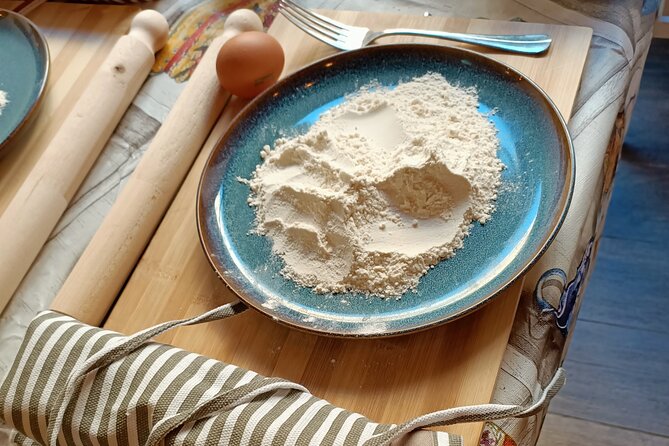
This class begins with a very basic Italian kitchen lesson: flour and egg can become dinner if you give the dough enough work. You use your hands, knead the mixture, and learn how the dough changes as it comes together.
That simplicity is the point. You are not watching a chef perform a polished demonstration from across the room. You are expected to handle the dough yourself, ask for help, and make the pasta. For a first-time cook, that is useful. You leave with a method, not just a plate of food.
The English-language instruction removes one common worry. You do not need to guess what is happening from gestures or follow a recipe you cannot read. The teachers explain each step and come around to help. Several instructors are named in the feedback, including Paolo, Lucas, Irene, Ricardo, and Roberto, so the exact teacher may vary by class.
The tone can also vary. Many people find the instructors funny, warm, and encouraging. One account praised the teacher for remembering names and checking each person’s work. Another described the instruction as simple and stress-free. A less positive account found the teaching style too sharp at times, especially for people who were nervous or slow to catch on.
I would treat this as a social cooking class, not a quiet private lesson. You may work beside a group of around 20 people, with different ages and cooking skills. If you like a bit of banter and do not mind learning in public, that can be part of the fun. If you need patient, highly individualized teaching, a smaller class would be a safer choice.
More Tiramisu and Dessert Classes in Rome
- 3 in 1 Cooking Class near Navona: Fettuccine, Ravioli & Tiramisu
★ 5.0 · 7,376 reviews - Rome: Pasta Making Class with Wine, Limoncello, and Dessert
★ 4.9 · 3,177 reviews - Rome: 3-in-1 Fettuccine, Ravioli, and Tiramisu Cooking Class
★ 4.9 · 2,704 reviews
What you actually prepare during the two hours
The pasta portion is the most hands-on part. You follow the chef’s directions, form the dough, and shape it into fettuccine. Making fresh pasta takes more effort than ordering a bowl at a Roman trattoria, and the physical work is part of the lesson.
You do not prepare the pasta sauce from start to finish. You choose one sauce from the available options:
- Amatriciana
- Cacio e pepe
- Tomato with basil
The pasta is cooked together for the group and then divided according to the selected sauce. This is important to understand before booking. You are making the noodles, but the chef handles the sauce, and the final pasta is served from a shared preparation rather than cooked as an individual plate for each person.
That arrangement keeps the class moving and makes sense for a group. It also means the cooking lesson focuses on fresh pasta technique, not on mastering three Roman sauces. If sauce-making is your main goal, you may find the class limited.
Cacio e pepe gives you a Roman classic, while amatriciana brings the familiar combination of tomato and pork flavors. Tomato with basil is the simplest choice and may suit children or anyone who prefers a mild pasta dish. The supplied information does not promise a particular sauce for every session, so check the choices when you arrive.
Tiramisu is made as a group dessert
After the pasta work, the class turns to tiramisu. Everyone prepares it together, following the chef’s directions and helping with the mixing.
Tiramisu is not difficult to make, which is part of its appeal. You get a quick dessert lesson that children can take part in, and the recipe is easy to repeat at home. Several families especially liked this part, and one couple appreciated that the staff even made sure a delayed family member would still have tiramisu at dinner.
There is a tradeoff. You do not make an individual tiramisu from beginning to end. The entire class contributes to one shared preparation. That gives the dessert a communal feel, but it may disappoint you if you want to practice every step yourself.
The final result is served after the pasta. It is a good match for this kind of class: simple enough for beginners, familiar enough to please a mixed group, and rewarding enough to make the meal feel complete.
The meal matters as much as the lesson
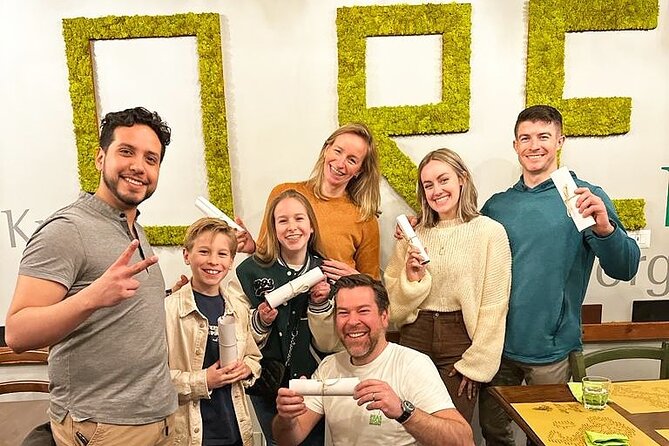
Once the cooking is done, you sit down and eat. The meal includes the pasta prepared during class, tiramisu, bottled water, and either a glass of red or white wine. If you do not drink alcohol, you can choose a soft drink instead.
At the end, you can choose coffee or limoncello, depending on the arrangement offered during your session. The information also lists a limoncello shot or espresso, so confirm the exact choice with the staff. Limoncello is a fitting Roman dinner finish, and several people singled it out as a pleasant extra.
This sit-down part turns the activity into more than a lesson. You have time to chat with the people at your table, compare pasta shapes, and enjoy the food without rushing straight back into sightseeing. One family described the class as a memorable evening because the whole group could cook, eat, laugh, and share the same table.
Do not book this expecting a high-end restaurant meal. The focus is participation, not elaborate presentation. One satisfied but measured assessment called the food reasonable rather than exceptional and suggested that experienced cooks may want something more advanced. That is fair. The meal is valuable because you helped make it, not because it competes with Rome’s best pasta kitchens.
Same region, a different dish to learn:
- Rome Cooking Class: Make Pasta and 3 Spritz Cocktails
★ 5.0 · 2,937 reviews - Rome: Fettuccine Pasta Cooking Class in Rome’s City Center
★ 4.8 · 2,414 reviews - Fettuccine & Tiramisù: Cooking Class with Wine & Limoncello
★ 4.9 · 2,103 reviews - Pasta Cooking Class Near the Colosseum with 3 Spritz Cocktails
★ 5.0 · 1,686 reviews
Why the social setting works for families and solo visitors
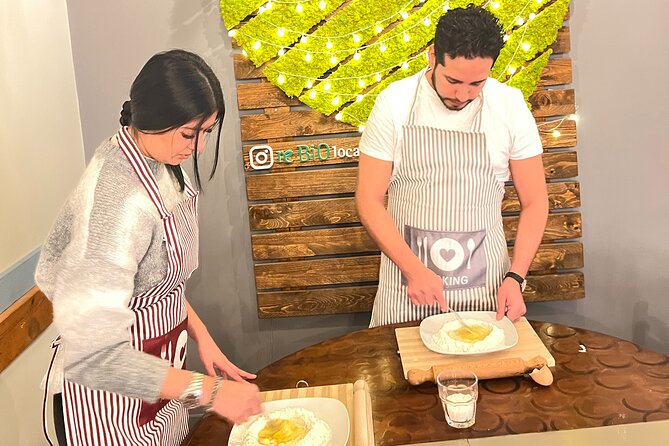
This is a good break from churches, museums, and long walks. Children age seven and older can take part, and several families found the activity suitable for children around 10 to 15. Younger children who do not meet the minimum age must participate with a parent.
The work is simple enough for beginners, but it still gives children something real to do. They can mix, knead, shape, and help with the tiramisu rather than merely watching a chef. The class also teaches small food lessons, such as how flour, eggs, salt, and sugar affect a recipe.
You may also find it useful as a solo visitor. The group format gives you an easy way to meet people without having to force conversation in a bar or restaurant. The shared table does some of the social work for you.
The drawback is the same one that makes the class social: you are not in control of the pace. Someone at the table may need extra help, or the instructor may spend more time with one part of the room. A class of up to 20 can feel lively, but it will not offer the close attention of a private cooking lesson.
Finding Via della Croce 34
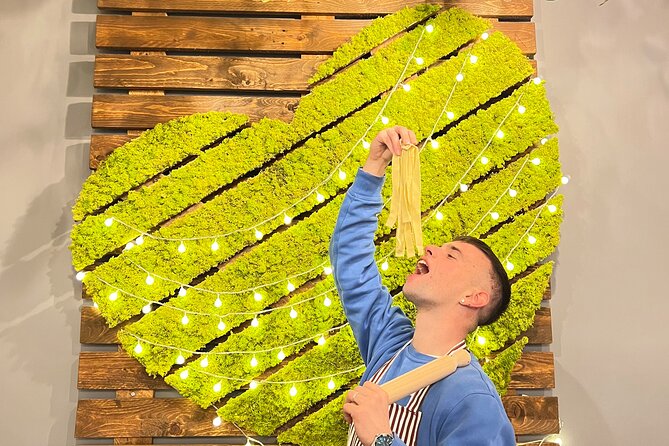
The meeting point is Via della Croce 34, 00187 Rome, near public transportation and in the center of the city. The activity ends at the same place, so you do not need to arrange a separate ride after dinner.
Give yourself time to find the entrance. The restaurant can be difficult to spot, and one person walked past it several times before locating the right door. The lack of a clear cooking-class sign has also caused confusion.
This is the most practical warning I can give you: do not arrive at the last minute. Save the address, allow a few extra minutes, and look carefully for the restaurant rather than assuming there will be a large sign announcing the class. One solo visitor became lost, could not get timely help, and missed the activity. The booking terms did not allow a refund in that situation.
The central location is otherwise a plus. You can place the class into a day of sightseeing without adding a long journey across Rome. Since the class lasts about two hours, it works well around an afternoon or evening plan, as long as you leave enough time to reach the restaurant.
Is $116.14 a fair price?
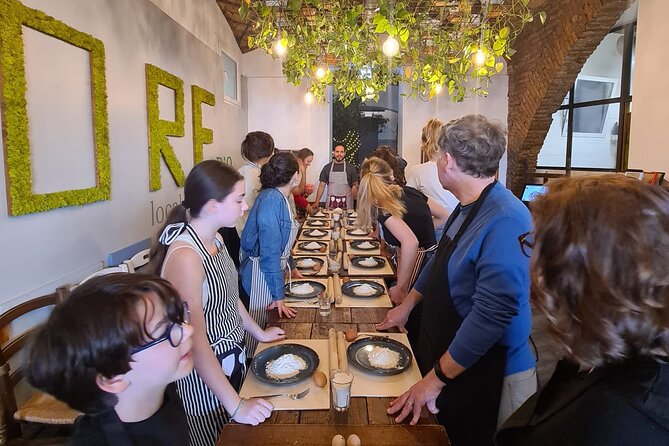
At $116.14 per person, this is not the cheapest meal in Rome. You can find an inexpensive plate of pasta for far less. The price makes more sense when you count the lesson, the ingredients, the equipment, the meal, the wine or soft drink, the water, and the after-dinner drink.
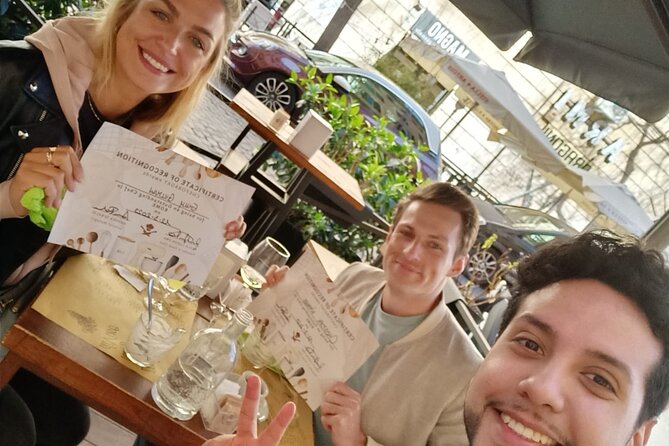
You also get the recipe and a certificate, according to the class details. The recipe may be the most useful souvenir. A small Roman food lesson that you can repeat at home has more staying power than another ordinary restaurant meal.
The value depends on your goal. If you want to learn how to make fresh pasta, eat what you prepared, and meet other people, the cost is reasonable for a central Rome activity. If you mainly want a superb plate of pasta, the price is harder to justify. You are paying for participation and instruction, not just food quality.
The same applies to experienced cooks. Beginners and families are likely to get the most from the class. An advanced home cook may find the recipes and techniques too basic, especially since the sauces are not taught in detail.
What the strongest parts of the experience are
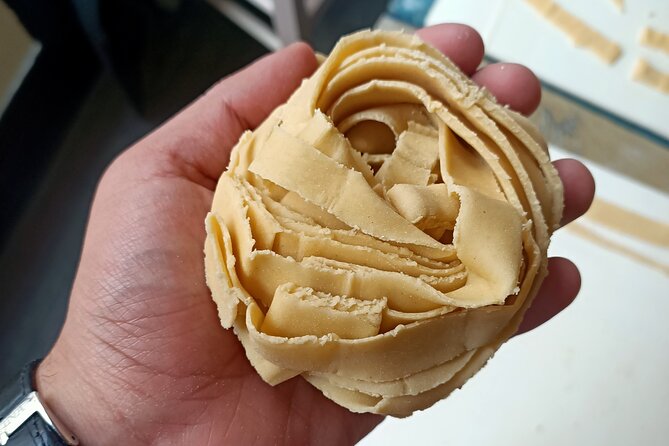
The highest praise centers on the instructors. Chef Paolo is repeatedly associated with a fun, well-run class, while other teachers such as Ricardo, Irene, Roberto, and Lucas are described as friendly, entertaining, and attentive. The best teaching moments come when the chef walks around, checks each person’s dough, and gives small corrections instead of leaving the group to guess.
The second strength is the food you make yourself. Fresh pasta feels different from simply ordering it. You see the transformation from flour and egg to noodles, then sit down to eat the result while it is still part of the evening’s story.
Families also get strong value from the format. Children can participate without needing advanced skills, and the activity offers a change of pace from Rome’s formal sights. The class can become one of those holiday memories that survives because everyone had a job to do.
The biggest weakness is inconsistency in the teaching style and the group format. Most accounts describe a welcoming atmosphere, but one person found the instructor impatient and sarcastic. You should expect a lively class with different personalities, not a perfectly quiet or carefully tailored lesson.
Who should book this Rome cooking class?
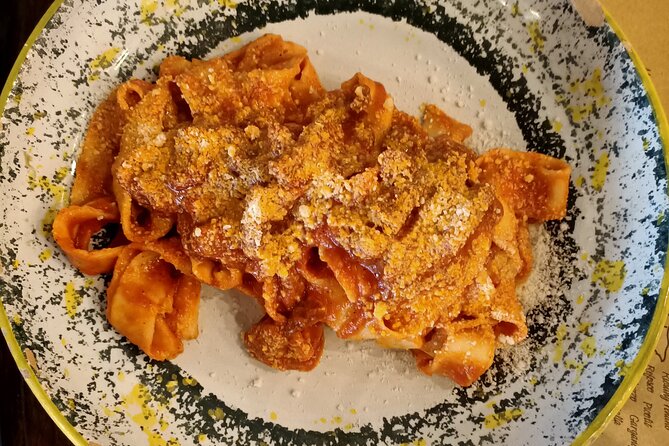
I would recommend it to first-time pasta makers, families with children age seven and older, couples looking for a shared activity, and solo visitors who enjoy meeting people over food. It is also a smart pick if you want a practical souvenir from Rome, since you can repeat the pasta and tiramisu recipes at home.
You may want another type of class if you are an advanced cook, want to prepare sauces yourself, or prefer private instruction. The pasta and tiramisu are prepared cooperatively, and the group may include up to 20 people.
The class is offered in English and lasts about two hours. Service animals are allowed, and the meeting point is close to public transportation. Free cancellation is available up to 24 hours before the start time. Cancellations or changes made inside that window are not refunded, and a minimum number of participants is required for the class to operate.
Should you book it?
Book this class if you want a friendly, hands-on introduction to Roman pasta making, not a serious chef-training session. The combination of fettuccine, tiramisu, wine, and limoncello gives you a complete evening, and the family-friendly instruction is a real advantage.
Before paying, make sure you are comfortable with three details: the group prepares the tiramisu together, the chef prepares the sauce, and the pasta is cooked collectively. Arrive early at Via della Croce 34 and look carefully for the restaurant entrance. With those expectations set, this is a practical, social way to add food, laughter, and a useful recipe to your time in Rome.
FAQ
How long does the cooking class last?
The class lasts approximately two hours.
Where does the class meet?
It meets at Via della Croce 34, 00187 Rome, Italy. The activity ends at the same meeting point.
Is the class offered in English?
Yes. The experience is offered in English.
What pasta sauces can I choose?
You can choose amatriciana, cacio e pepe, or tomato with basil. The pasta is cooked together, divided by sauce, and the sauces are prepared by the chef.
Do I make my own tiramisu?
The class prepares the tiramisu together as one group.
Are drinks included?
Yes. The experience includes bottled water, a glass of red or white wine, or a soft drink instead. A coffee or limoncello is also included at the end, according to the available arrangement.
Can children join the class?
Children age seven and older can join. Children below the minimum age must take part together with one parent.
Newest classes around Rome
- Testaccio: Home Cooking Cacio e Pepe, Amatriciana, Carbonara★ 4.9 · 57 reviews
- Super Fun Pasta and Gelato Cooking Class by the Vatican★ 5.0 · 6 reviews
- Spritz and Spaghetti Traditional Cooking Class in Rome★ 4.9 · 30 reviews
- ROME:Hands-On Lasagna & Marsala Tiramisu Cooking Experience”★ 5.0 · 3 reviews
- Rome: Vatican Food Tours, Cooking classes & Free Tours★ 4.9 · 11 reviews
- Rome: Trastevere Pasta Making Class★ 4.9 · 33 reviews
- Rome: Small Group Pasta cooking class near Piazza Navona★ 4.9 · 8 reviews
- Rome: Traditional Cooking Class in the Jewish Ghetto★ 4.9 · 75 reviews
Rome Cooking Classes, compared.
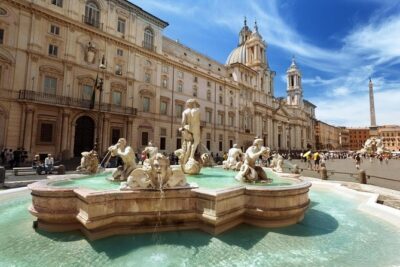
3 in 1 Cooking Class near Navona: Fettuccine, Ravioli & Tiramisu
Read our review →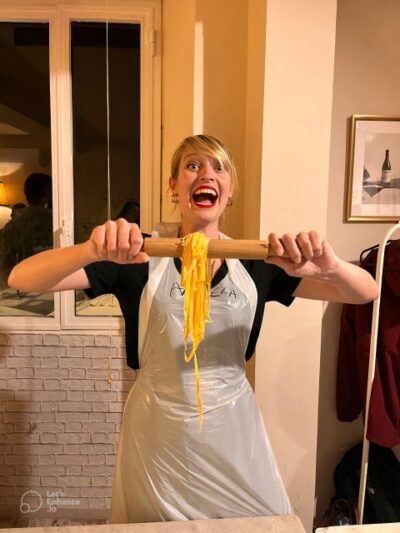
Pasta Making Class with Wine, Limoncello, and Dessert
Read our review →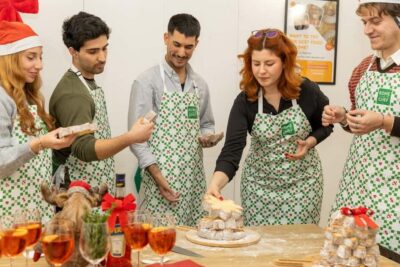
Rome Cooking Class: Make Pasta and 3 Spritz Cocktails
Read our review →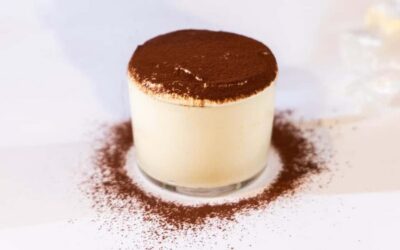
3-in-1 Fettuccine, Ravioli, and Tiramisu Cooking Class
Read our review →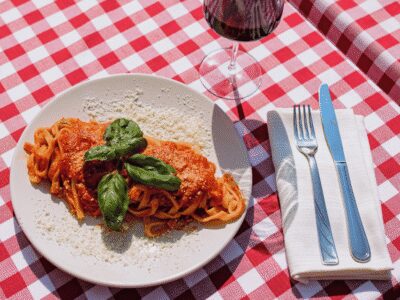
Fettuccine Pasta Cooking Class in Rome’s City Center
Read our review →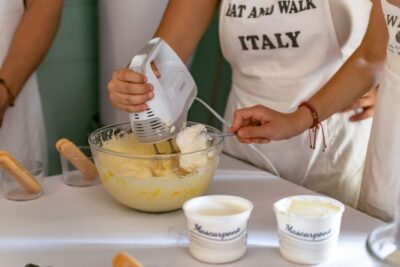
Fettuccine & Tiramisù: Cooking Class with Wine & Limoncello
Read our review →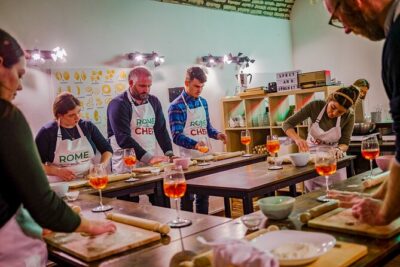
Pasta Cooking Class Near the Colosseum with 3 Spritz Cocktails
Read our review →
Enjoy Spritz and Pasta Making in Piazza Navona
Read our review →Browse the lists this tour appears in