
Review · SRI LANKA COOKING CLASSES
Cooking Class: Sajee’s Place Cooking Class sigiriya
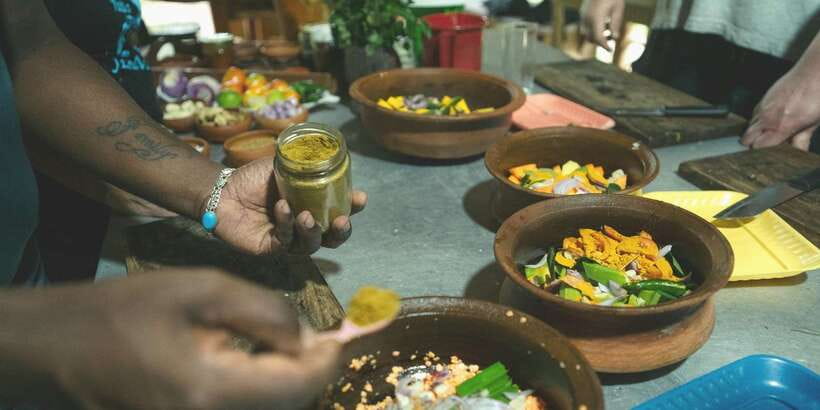
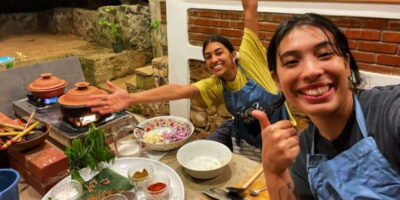
The best part of Sajee’s Place is that you do not simply watch a demonstration. Sajee and Suzy put you to work, guiding you through rice, dhal, chicken or fish curry, several vegetable dishes, a stir-fry or tempered dish, coconut sambol, and papadams. You finish by eating the full spread you helped prepare.
I like the generous range of dishes and the practical advice on adapting recipes to ingredients back home. I also like that everyone cooks together, rather than being handed a plate after a chef does all the work. The one consideration is the sheer amount of food and instruction packed into three hours, so this suits you best if you enjoy an active class rather than a slow, leisurely meal.
Key points about Sajee’s Place Cooking Class
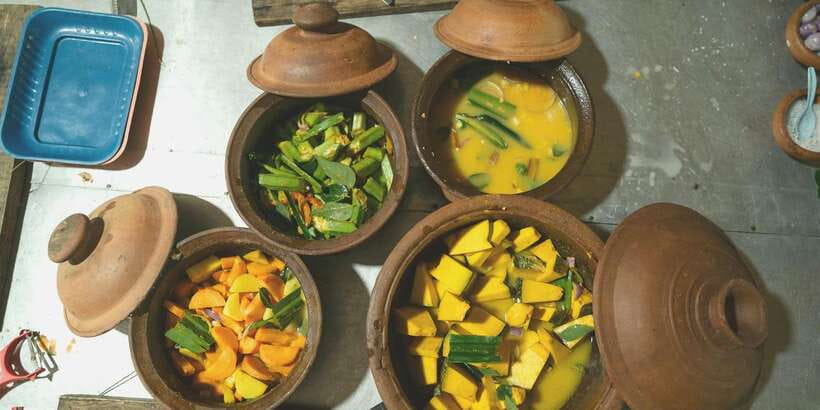
- Seven or more Sri Lankan dishes: Prepare rice, dhal, chicken or fish curry, three vegetable curries, sambol, papadams, and another stir-fried or tempered dish.
- Sajee and Suzy teach together: Expect patient guidance, explanations of spices, and help with each stage of preparation.
- Recipes you can actually use: PDF recipes and spice tips are sent after the class, making it easier to cook the food at home.
- Small class setting: Numbers are limited to 10, which leaves room for questions and individual help.
- Fresh, local cooking: The class focuses on seasonal vegetables, coconut, herbs, spices, and traditional preparation methods.
- Good value at $36: Three hours of instruction and a substantial meal make this one of Sigiriya’s more useful food activities.
Cooking Sri Lankan food near Sigiriya
Sajee’s Place gives you a direct introduction to the food people eat across Sri Lanka, not a polished restaurant version stripped of its everyday character. The focus is traditional rice and curry, a meal built from several small dishes rather than one large bowl of curry.
That format matters. Sri Lankan cooking is about contrast: creamy dhal beside a sharper sambol, mild vegetables beside a spiced chicken or fish curry, and soft rice with crisp papadams. By preparing several dishes at once, you learn how a complete meal comes together.
The class lasts three hours and is taught in English. It is offered as a small group of up to 10 participants, though the number on a particular day can be smaller. That is useful if you have questions about ingredients, spice levels, or cooking methods.
The setting is near Sigiriya, making this an easy food-focused activity to add around time at the rock fortress and other local sights. The precise meeting and pickup details should be confirmed directly with Sajee’s Place before booking, since the supplied information identifies the location as near Sigiriya but does not describe transport arrangements.
More Cooking Classes in Sri Lanka:
- Ella: Traditional Sri Lankan Cooking Class
★ 4.9 · 788 reviews - Organic cooking class sigiriya (kumara & family)
★ 5.0 · 650 reviews - Sri Lanka Cooking Class with Granny
★ 5.0 · 587 reviews
Meeting Sajee and Suzy in the kitchen
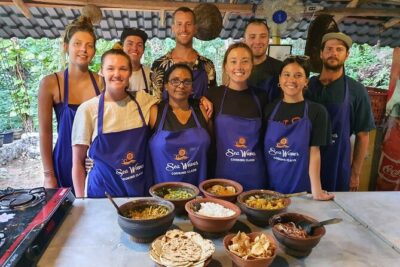
Sajee and his wife Suzy run the class as a team. Sajee usually explains the ingredients, spice combinations, and cooking methods, while both hosts help participants prepare the food. The tone is informal and welcoming, with plenty of room to ask questions.
That personal approach is one of the strongest reasons to choose this class. You are not expected to know how Sri Lankan cooking works. Beginners receive clear instructions, and experienced home cooks can ask about substitutions, spice balance, or ways to prepare the same dish with different vegetables, meat, or fish.
I especially value the advice for cooking outside Sri Lanka. Some local ingredients may be difficult to find at home, but Sajee explains how recipes can be adapted. That turns the class into something more useful than a pleasant afternoon. You leave with ideas you can apply in your own kitchen.
The class is described as wheelchair accessible. Since detailed information about the kitchen layout and restroom access is not provided, you should contact the hosts directly if you have specific access needs.
Spices, herbs, coconut, and seasonal vegetables
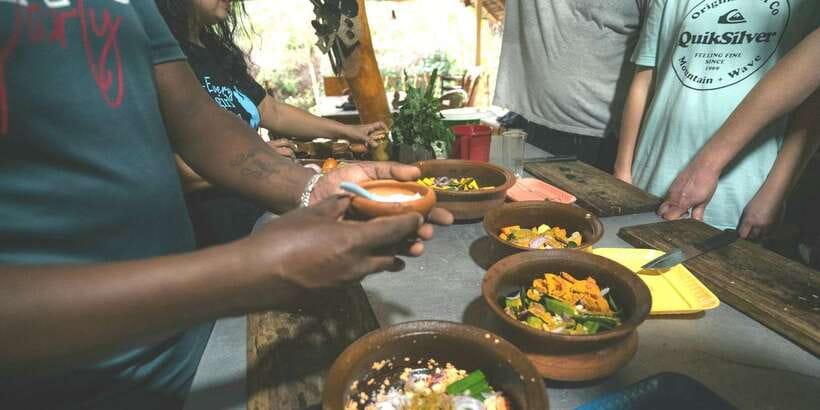
The first part of the experience is about understanding the building blocks of Sri Lankan food. You learn how herbs and spices are used, and how the ingredients for a curry differ from those used in other dishes.
This is where the class gains real value. Sri Lankan food can look complicated when you see several small bowls of spices on a cooking counter. Sajee breaks down the process so you can see how each ingredient affects the finished dish.
You also work with fresh local produce and seasonal vegetables. The exact vegetables can change, so the menu is not a fixed restaurant order. That is a benefit for learning, because you see how the basic cooking method can be adjusted according to what is available.
Coconut is another important part of the lesson. Preparing traditional coconut sambol, including freshly grated coconut, gives you a good sense of how a simple accompaniment can change a whole plate of rice and curry. You may also prepare mallun, a vegetable and leafy green dish served with the main meal.
The spice level is adjusted during the class. If you enjoy heat, you can ask questions about adding more. If you prefer milder food, you do not need to worry that every dish will be intensely hot.
Preparing rice, dhal, and the main curries
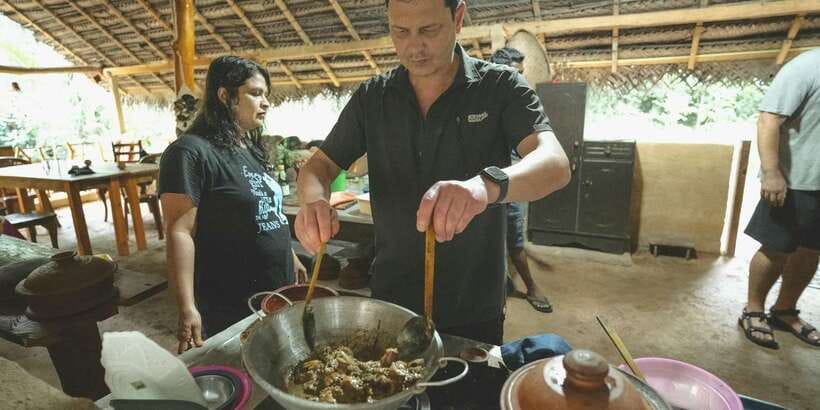
The class centers on the familiar Sri Lankan combination of rice and curry. You learn how to prepare fluffy rice, then build the meal around several curries and side dishes.
Dhal curry is one of the most useful dishes to learn. It is common, filling, and easy to adapt at home. Sajee explains the ingredients and cooking process rather than asking you to copy a finished dish without context.
The main protein is usually chicken curry or fish curry, depending on the class arrangement. The available description lists both options, so confirm the day’s menu if you have a strong preference. This part of the class helps you understand how Sri Lankan curry differs from many Western versions. The aim is not just to add a generic curry powder, but to balance spices, coconut, herbs, and cooking time.
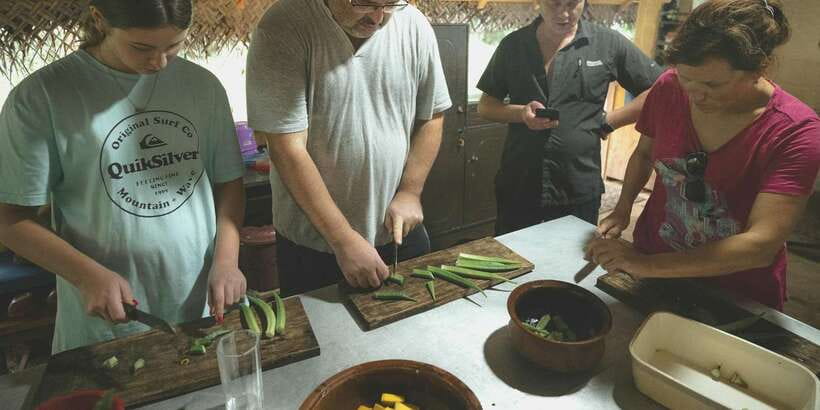
You also prepare three vegetable curries. This is a major strength of the experience. Many cooking classes offer one main dish and perhaps a side, but the rice and curry format depends on variety. Here, the vegetables show how the same basic principles can produce noticeably different results.
One more dish is either stir-fried or tempered. Tempering usually refers to briefly cooking spices and aromatics in oil so they release their flavor, but the exact recipe can vary. That gives you another technique to take home.
Same region, a different dish to learn:
- Kandy Village Cooking Class
★ 5.0 · 536 reviews - Sea waves sri lankan cooking class
★ 5.0 · 467 reviews - Ella: Sri Lankan Cooking Class with Neranji at Homestay
★ 5.0 · 276 reviews - Cook with Wasantha
★ 5.0 · 248 reviews
Everyone cooks, then everyone eats
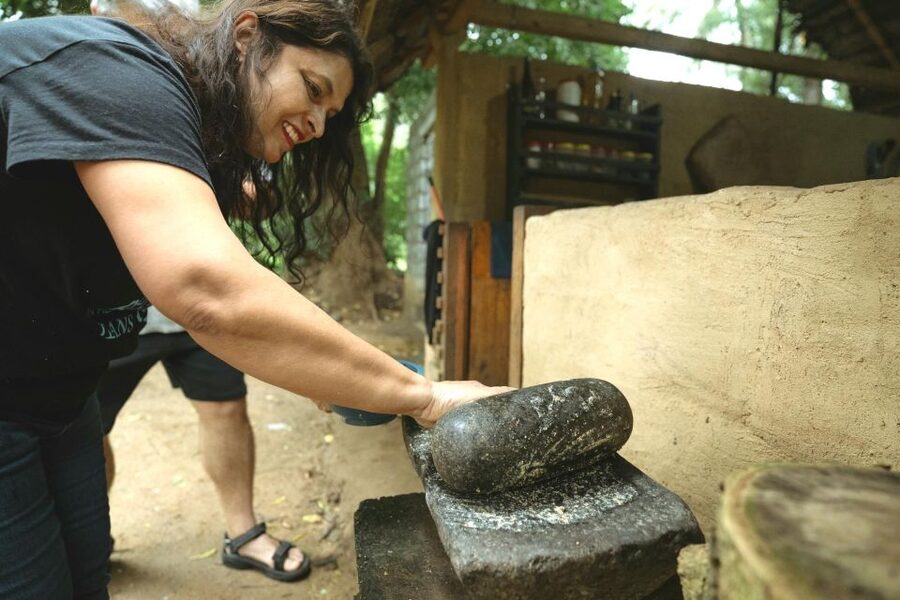
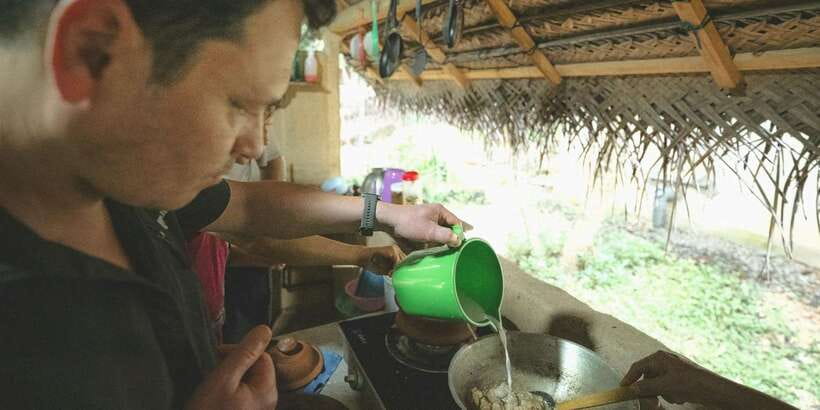
The hands-on format means you chop, stir, season, and help prepare the meal. Sajee and Suzy demonstrate the steps, then guide you as you repeat them. This is a better fit for you if you want to understand the process rather than sit back with a notebook.
The pace appears well suited to beginners. You have time to ask questions, and the hosts explain ingredients as you go. Still, seven or more dishes is a lot to cover in three hours. You should expect an active session with several tasks happening in sequence, not a quiet one-dish workshop.
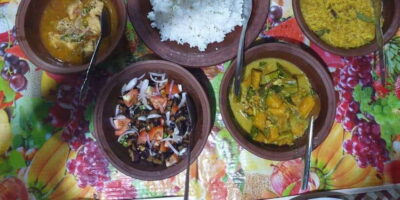
At the end, the group sits down to eat the food prepared during the class. The final meal can include rice, dhal, the protein curry, three vegetable curries, a stir-fried or tempered dish, coconut sambol, mallun, and papadams. The number of dishes can vary, with some sessions producing six, seven, eight, or even more items.
This is where the $36 price makes sense. You receive three hours of teaching, hands-on practice, a full meal, unlimited bottled water, and recipes for later. It is not the cheapest way to have lunch in Sigiriya, but it offers much more than lunch.
The recipe PDFs are a useful part of the deal
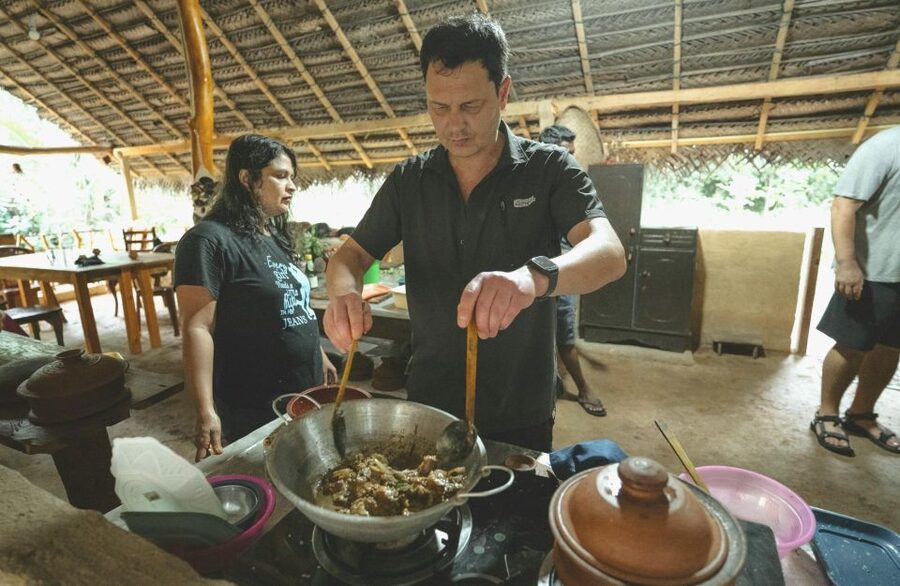
Many cooking classes are enjoyable in the moment and hard to repeat later. Sajee’s Place addresses that problem by sending PDF recipes and spice information after the class.
That follow-up material is particularly helpful because you are learning several dishes at once. You may remember the general method but forget the exact order of adding spices or the proportion of coconut and liquid. Having the recipes gives you a practical reference when you return home.
The recipes also help you recreate the meal with local substitutions. You can use the class as a starting point, then adjust vegetables, meat, fish, and spice levels to suit what you can buy.
I would save the PDFs immediately and note any changes you made during the class. If you cook a dish again within a week or two, the techniques will still be fresh.
How the class compares with a restaurant meal
A restaurant in Sigiriya can introduce you to Sri Lankan food, but it will not explain why a curry tastes the way it does. At Sajee’s Place, you handle the ingredients and see how the meal is built.
The class also gives you a better way to understand restaurant menus later in your trip. After working with dhal, sambol, vegetable curries, and tempered dishes, you will recognize more of the names and know what kind of food to expect.
The tradeoff is time. If you only want to eat local food, a restaurant is faster. If you want a social activity, practical cooking skills, and a large meal, this class offers more substance.
The experience is also more suitable for people who enjoy variety. You will not spend three hours perfecting one complex dish. Instead, you learn a family of dishes that belong together on a Sri Lankan table.
Who will enjoy this class most
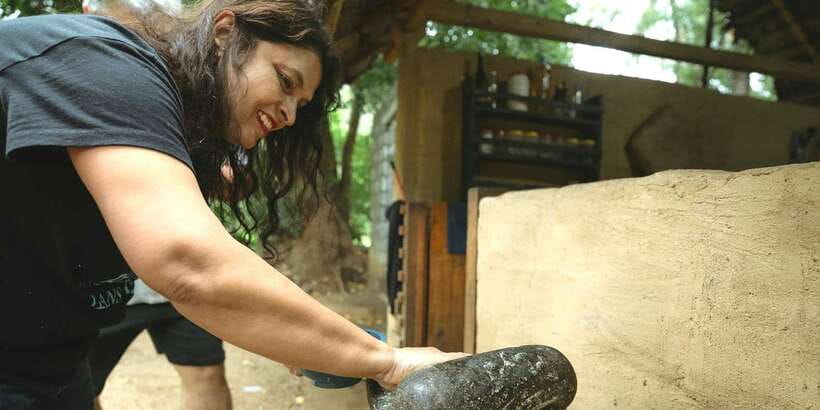
I would recommend Sajee’s Place to curious eaters, beginner cooks, and anyone who wants to bring a useful part of Sri Lanka home. It works well for couples, families, and small groups who like doing something together.
Teenagers can take part, and the hands-on format gives younger participants a clear role. The class also suits vegetarians who want to learn several vegetable curries, though the standard menu may include chicken or fish. Ask ahead if you want an entirely vegetarian session.
You do not need advanced cooking skills. In fact, complete beginners may get the most from Sajee’s patient explanations. More experienced cooks will appreciate the chance to ask about substitutions and technique.
This may be less suitable if you dislike group activities, have limited time, or want a very formal chef-led demonstration. The class is social and participatory. You will be cooking alongside other people, with up to 10 participants.
Practical value, timing, and booking flexibility
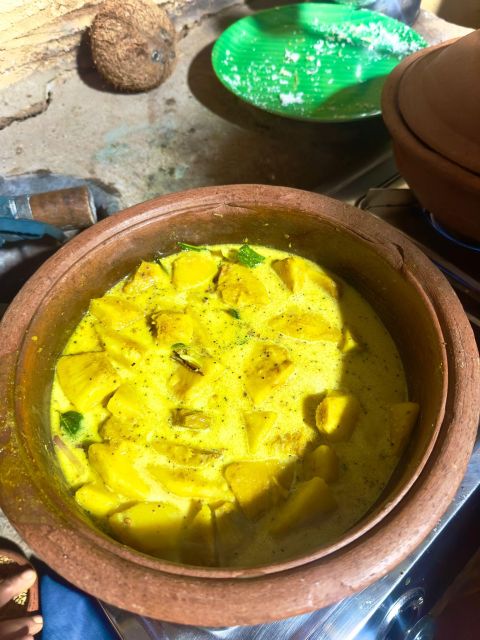
The listed price is $36 per person for a three-hour class. That includes the cooking lesson, the food you prepare, unlimited bottled water, and recipe PDFs sent afterward.
The class is conducted in English. You can cancel up to 24 hours in advance for a full refund, and reserve now while paying later. Starting times depend on availability, so check the schedule before building the rest of your Sigiriya plans around it.
Because the menu includes many dishes, I would avoid booking it immediately before another large meal. Plan to eat what you cook. The final spread is part of the experience, not an optional extra.
You can also contact Sajee’s Place directly by WhatsApp or phone for more information. This is useful for confirming the meeting point, menu choice, spice preferences, and any dietary or mobility questions.
Should you book Sajee’s Place Cooking Class?
I would book this class if you want more than a quick taste of Sri Lankan food. The combination of hands-on cooking, a full rice and curry meal, and take-home recipes gives you something to remember and use.
The strongest reasons to go are the variety of dishes, the friendly husband-and-wife teaching team, and the practical explanations of spices and substitutions. The main caution is the busy three-hour format. You will prepare a lot of food, so come ready to participate.
At $36, Sajee’s Place is a strong value for a small-group activity near Sigiriya. It is especially worthwhile for first-time visitors who want a clear introduction to Sri Lankan cuisine and for home cooks who plan to repeat the dishes after returning home.
FAQ
How long does Sajee’s Place Cooking Class last?
The class lasts three hours.
How much does the cooking class cost?
The listed price is $36 per person.
Where is the cooking class held?
The class takes place near Sigiriya in Sri Lanka’s Central Province.
Who teaches the class?
The class is taught by Sajee and his wife, Suzy.
What language is used during the class?
The instruction is in English.
How many people can join the class?
The class is limited to 10 participants.
What dishes will I prepare?
The included menu has rice, dhal curry, chicken or fish curry, three vegetable curries, one stir-fried or tempered dish, coconut sambol, and papadams. Mallun may also be included as a traditional accompaniment.
Do I receive recipes after the class?
Yes. Sajee sends PDF recipes and spice tips so you can prepare the dishes at home.
Is bottled water included?
Yes. Unlimited bottled water is provided for everyone.
Can I cancel the booking?
You can cancel up to 24 hours in advance for a full refund. Reserve now and pay later is also available.
Newest classes around Sri Lanka
- cooking lesson★ 5.0 · 7 reviews
- Hands-On Cooking Class in Anuradhapura-Cook Like a Local★ 5.0 · 2 reviews
- Sri Lankan Cooking Class in Bentota★ 5.0 · 2 reviews
- Sri Lanka: Cooking Class★ 4.4 · 6 reviews
- Sri Lankan Cookery with Nilu★ 5.0 · 34 reviews
- Cooking Experience from Ella★ 4.9 · 2 reviews
- Private cooking class – Personalized classic menu★ 5.0 · 5 reviews
- Nilaveli: Sri Lankan Cooking Class with a Local Family★ 5.0 · 16 reviews
Sri Lanka Cooking Classes, compared.
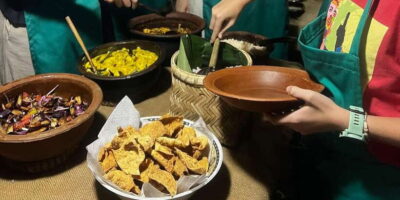
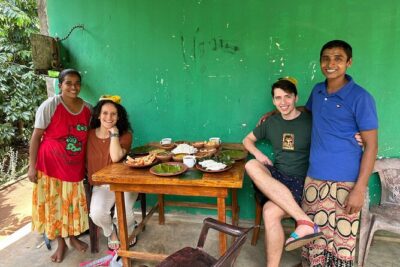
Organic cooking class sigiriya (kumara & family)
Read our review →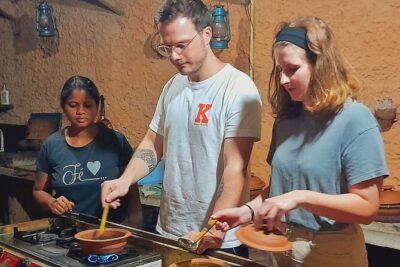
Sri Lankan Cooking Class with Neranji at Homestay
Read our review →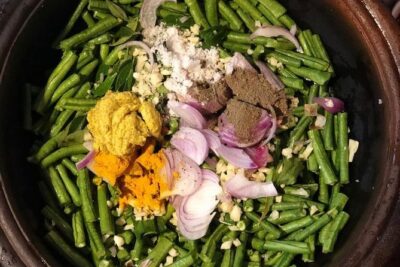
Browse the lists this tour appears in