
Review · KATHMANDU COOKING CLASSES
Kathmandu: Local Lead Nepali Cooking & Momo-Making Class
The best part of this Kathmandu class is that you do not simply watch a chef cook. You shop for ingredients, handle the traditional tools, shape momos, and sit down to eat the food you helped make. I especially like the market visit and the patient, hands-on instruction, two details that turn a meal into a useful cultural lesson.
I also like the small maximum group of 12, the clean kitchen, and the chance to join alone without feeling stranded. The main consideration is time: three and a half hours is a substantial part of your day, and the listed $5 price is unusually low, so check exactly which booking option and transport arrangements apply before you pay.
Key points at a glance
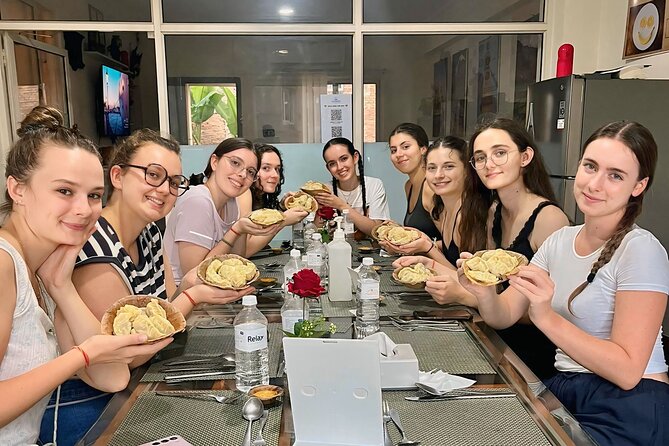
- Momos are made by hand: Choose vegetarian or chicken dumplings and learn the basic shaping process.
- The class starts with masala tea: You get a traditional welcome before shopping and cooking begin.
- The market visit adds local context: You help select the ingredients used in the dishes.
- Three Nepali dishes are prepared: The menu includes an entrée, a main course, and a dessert, with dishes such as bara, dal bhat, and yomari available from the traditional selection.
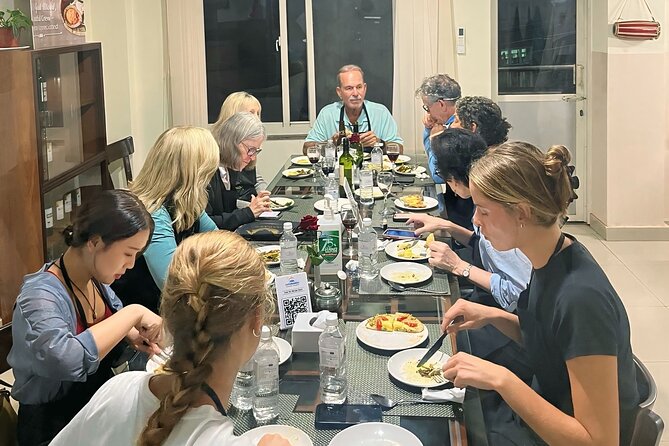
- You eat what you cook: The final tasting is a proper meal, not just a sample from the kitchen.
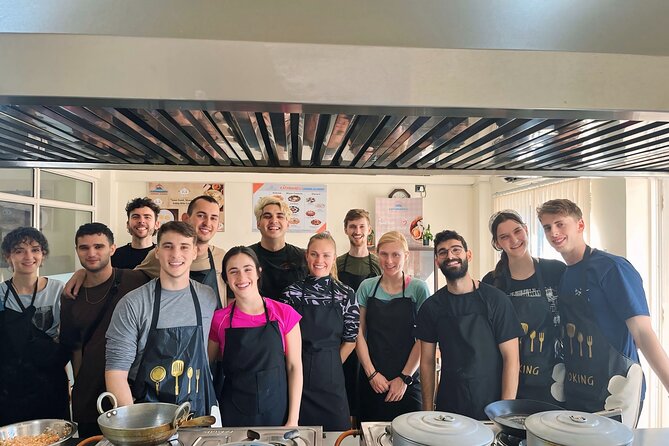
- The group stays small: A maximum of 12 people makes it easier to ask questions and get help with dough, spices, and cooking methods.
Why this Kathmandu cooking class works so well
Food is one of the quickest ways to understand Kathmandu. This class gives you more than a plate of momos in a restaurant. You see some of the ingredients before they reach the kitchen, learn how they are handled, and then taste the result at the end.
The class takes place at Kathmandu Cooking Academy on Yapikhya Marg, near Thamel. It is about a 10-minute walk from the Thamel area, which makes it a practical afternoon plan if you are staying nearby. You can also select hotel pickup and drop-off when booking, though transport is not included in every option.
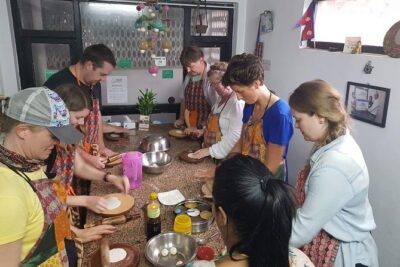
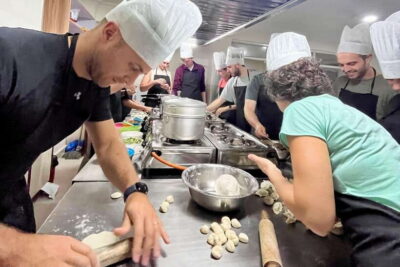
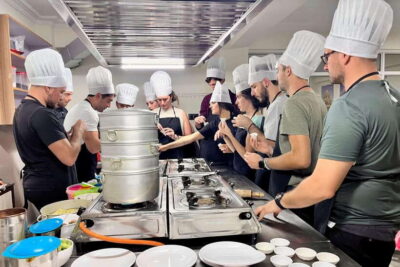
The cooking academy limits the class to 12 people. That is not a private lesson, but it is small enough for the chef to watch your technique. This matters most when you are folding momos or working with a dough that does not behave as neatly as the instructor’s. You can expect a little friendly laughter when everyone’s dumplings take on their own shapes.
The experience has a 5 out of 5 rating from 212 ratings, with 100 percent recommending it. The strongest points are clear: practical instruction, a friendly chef, tasty food, and a relaxed setting that works well for solo participants as well as couples and small groups.
More Cooking Classes in Kathmandu:
- Half day cooking class in Thamel kathmandu
★ 5.0 · 607 reviews - Kathmandu: Local Women-Led Nepali Cooking & Momo Class
★ 4.9 · 360 reviews - Local Women Lead Nepali Cooking Class
★ 5.0 · 125 reviews
Starting with Nepali masala tea
The class begins with a warm welcome and a cup of homemade Nepali masala tea. This is a small opening detail, but it sets the right pace. You are not rushed straight into chopping onions or rolling dough. Instead, you get a moment to settle in and hear what the session will cover.
Masala tea is also a useful introduction to the flavor style you will meet during the class. Nepali cooking often balances spices for warmth and aroma rather than overwhelming heat. The tea gives you a first taste of that approach before you begin preparing food.
The chef and instructor teach in English and explain the steps in a clear, simple way. That is important in a hands-on class, where a long lecture would be less useful than watching a technique once and trying it yourself.
Shopping for ingredients in Kathmandu
Before cooking, you take a short market or shop visit to buy key ingredients. The exact market route is not specified, so you should think of this as a practical ingredient stop rather than a full sightseeing tour.
I like this part because it connects the finished dishes to ordinary life in Kathmandu. You see what goes into the recipes and take part in the selection instead of arriving to find every bowl already measured. It also gives the chef a natural chance to explain unfamiliar ingredients and how they fit into Nepali meals.
The market visit may be especially useful if you plan to cook Nepali food at home. You can ask about substitutions and remember the basic ingredients more easily after seeing them in a shop. Still, do not book this class expecting a long food tour. The visit supports the cooking lesson and is only one part of the three-and-a-half-hour schedule.
Making momos from dough to plate
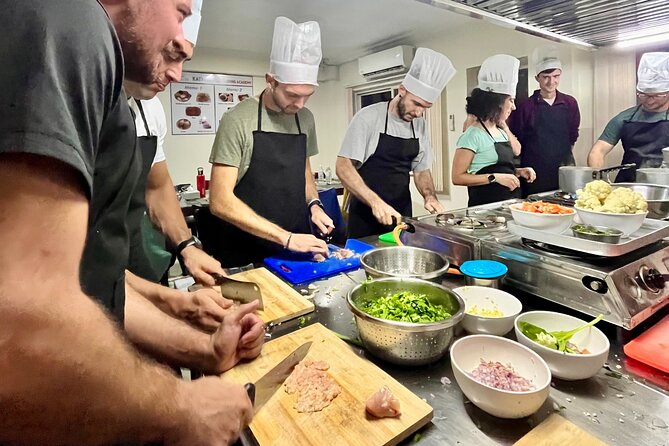
Momo-making is the main event for many people. These dumplings are among Nepal’s best-known foods, and the class lets you work through the process rather than simply eat the finished version.
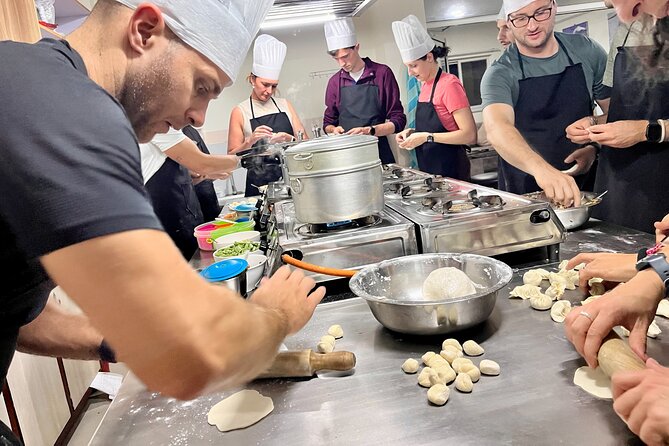
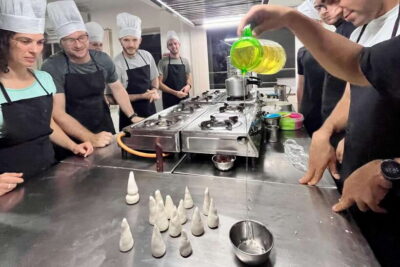
You get hands-on practice preparing and filling the dumplings, then folding them into shape. The class offers vegetarian or chicken momos. The information does not specify that every participant can choose a different filling, so confirm your preference when booking if that choice is important to you.
This is the point where a patient instructor makes a real difference. Momo folds can look simple when someone else does them. Your first attempt may be less tidy, and that is part of the fun. The chef can correct the amount of filling, help with the dough, and show you how to close the edges.
I would choose this class over a demonstration-only lesson if you want a skill you can repeat later. You may not leave with restaurant-perfect folds, but you will understand the basic method and have the confidence to try again.
Same region, a different dish to learn:
- Kathmandu: Local Women-Lead Nepali Cooking & Momo Class
★ 4.9 · 45 reviews - Kathmandu: Local Lead Nepali Cooking & Momo Making Class
★ 4.9 · 40 reviews - Kathmandu: Women-Led Cooking Class & Momo Making-Local Taste
★ 4.8 · 15 reviews - Kathmandu: 3-Hours of Cooking Class with Meals
★ 5.0 · 10 reviews
Preparing dal bhat and traditional dishes
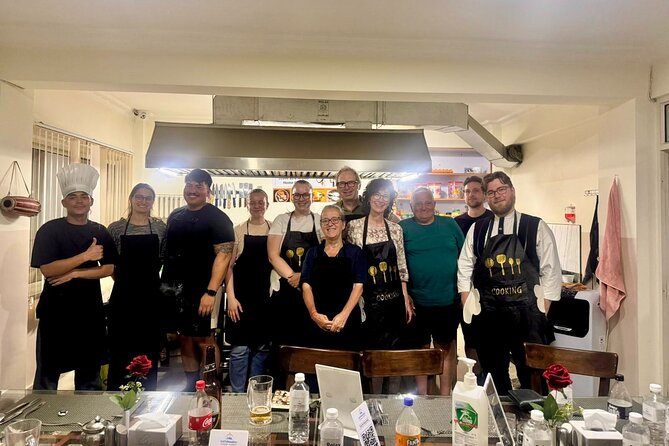
The class teaches three authentic Nepali dishes: one entrée, one main course, and one dessert. The precise menu can vary from the traditional selection, but dishes mentioned for the class include bara, momos, dal bhat, and yomari.
Dal bhat is particularly useful for understanding everyday Nepali food. It is built around lentils and rice, often served with accompanying vegetable dishes and pickles. Preparing it in class gives you a better sense of how a full Nepali meal comes together instead of treating each dish as an isolated recipe.
Bara adds another angle. This traditional savory item gives you a chance to work with a different texture and cooking method from steamed dumplings. Yomari, a sweet Newari dish, brings dessert into the lesson and shows that Nepali cooking is not limited to curries and rice.
The menu includes three courses, but you should not assume that every named dish appears in every session. The description says dishes are selected from a broader traditional menu. If you have a strong preference for dal bhat, yomari, or bara, ask the academy ahead of time.
Traditional tools and clear instruction
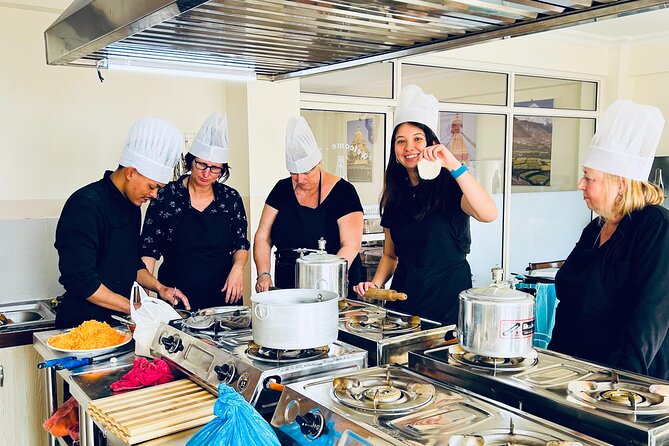
You use cooking equipment and accessories supplied by the academy. The lesson also introduces traditional utensils and the methods behind each dish. This makes the class more useful than a quick tourist activity where ingredients are prepared in advance.
The instruction is described as step by step, with explanations of both technique and cultural background. The chef’s role is not limited to telling you what to stir. You learn why an ingredient is used and how the preparation fits into Nepali food traditions.
Several practical details make the format friendly to beginners. The kitchen is described as clean, and the chef explains the work in easy-to-follow English. If you already cook often, you may find the basic steps familiar, but the Nepali recipes and local approach still give the lesson a useful point of difference.
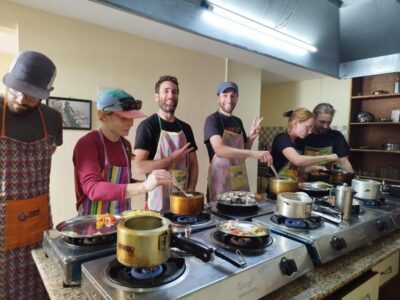
You should expect to participate throughout. Wear something comfortable and be ready to stand, chop, mix, shape, and taste. The supplied information does not state a dress code or special equipment you need to bring, so ordinary comfortable clothing is the safest choice.
Sitting down to eat your own cooking
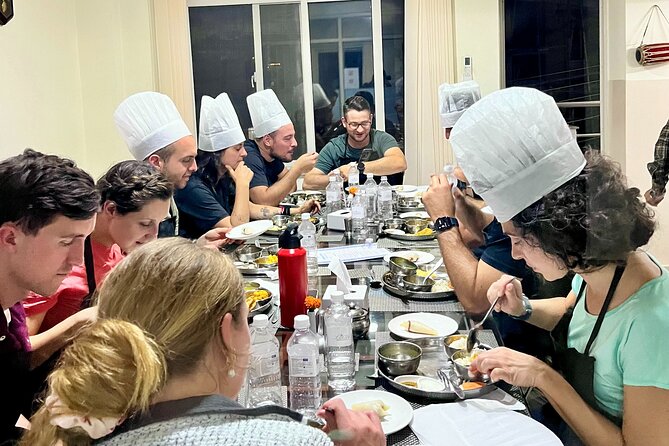
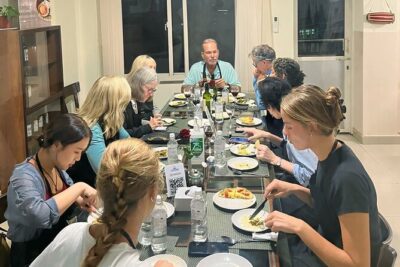
The final tasting session is more than a quick bite between activities. You sit down and enjoy the food prepared during the lesson. That gives the class a satisfying finish and lets you judge the balance of the dishes while the techniques are still fresh.
This meal also helps you understand how the recipes work together. A dumpling, a lentil-based main course, a savory entrée, and a sweet dessert offer a broader picture of Nepali cooking than one dish alone.
The experience does not include specialty drinks or alcohol. Masala tea is part of the lesson, but you should budget separately if you want anything beyond the included food and tea.
A cookbook or recipe file may also be available after the class. One participant received a detailed cookbook, while another received recipes as a PDF. Since the supplied details do not promise one fixed format for every booking, treat take-home recipes as something to confirm rather than a guaranteed inclusion.
The value of the $5 price
At a listed price of $5 per person, this class appears to offer unusually strong value. You receive about three and a half hours of instruction, a market or shop visit, use of kitchen equipment, masala tea, three dishes, and a tasting session. Even without the cultural element, that is a low price for a half-day activity in Kathmandu.
The catch is that prices can depend on the selected option. Hotel pickup and drop-off are included only if that option is chosen, and group discounts may also affect the final amount. Check the booking screen carefully so the price you see includes the service you want.
I would judge the value by the time and access, not only by the meal. You get direct contact with a local chef, practical cooking skills, and a way to meet people if you are traveling alone. For a solo visitor, that social side can be as useful as the recipes.
The low price should not lead you to expect a private chef or a luxury culinary studio. This is a group class with a maximum of 12 people. Its appeal is friendly participation and local food, not polished fine-dining presentation.
Who should book this class
I would recommend it to first-time visitors who want a break from temples, walks, and sightseeing. It is also a good fit for anyone who likes to learn by doing rather than watching.
Solo visitors should consider it carefully. The format gives you a natural way to meet other participants, and the shared meal keeps the atmosphere social. Couples and families can also enjoy it, especially if one person is more interested in food than the others.
Experienced home cooks may find parts of the class simple, but the local recipes, ingredients, and dumpling practice provide enough new material to make the session worthwhile. Beginners may get the most from the patient instruction and repeated hands-on steps.
This is less suitable if you want a fast one-hour activity, a private lesson, a formal chef-led dinner, or a guaranteed fixed menu. It is also not the right choice if you dislike group participation or have strict dietary needs that have not been discussed with the academy.
Timing, location, and practical details
The activity starts and ends at Kathmandu Cooking Academy on Yapikhya Marg, Kathmandu 44600. The academy is near public transportation and within an easy walk of Thamel, with the walk from the Thamel area taking about 10 minutes.
The full session lasts approximately three hours and 30 minutes. Allow that much time in your schedule, plus extra time if you are using pickup or returning to your hotel afterward.
Confirmation is provided at booking. You can cancel for a full refund if you do so at least 24 hours before the local start time. Cancellations or changes made within 24 hours are not refunded or accepted, so do not leave this booking until the last minute if your Kathmandu plans are uncertain.
The activity ends back at the academy. If hotel transport matters to you, select the pickup option rather than assuming it is included in the base price.
Should you book the Kathmandu momo class?
Yes, if you want a practical, social introduction to Nepali food and have three and a half hours to spare. The market stop, local instruction, momo practice, three-dish menu, and shared tasting give you a fuller experience than a simple restaurant meal.
Book it especially if you are staying near Thamel, traveling alone, or hoping to recreate Nepali dishes at home. Ask about the day’s menu and recipe format if dal bhat, yomari, bara, or a specific momo filling matters to you.
Skip it if you need a private setting, a short schedule, or guaranteed transport and menu details without checking the selected option. For most visitors who want food, conversation, and a useful activity at a very low listed price, this is an easy addition to a Kathmandu stay.
FAQ
Where does the cooking class start and finish?
The class starts at Kathmandu Cooking Academy on Yapikhya Marg in Kathmandu. It ends back at the same meeting point.
How long does the Nepali cooking class last?
The activity lasts approximately three hours and 30 minutes.
Is hotel pickup available?
Yes, hotel pickup and drop-off are available if you select that option when booking. They are not included in every booking option.
What dishes will I learn to make?
You will prepare three Nepali dishes: one entrée, one main course, and one dessert. The traditional menu can include dishes such as momos, dal bhat, bara, and yomari.
Can I choose vegetarian or chicken momos?
Yes. The class offers vegetarian or chicken momos. If you have a firm preference, confirm it with the academy when booking.
What is included in the price?
The class includes step-by-step instruction, the market or shop visit, cooking equipment and accessories, Nepali masala tea during the lesson, and tasting of the food you prepare. Specialty drinks, alcoholic drinks, and tips are not included.
Newest classes around Kathmandu
- Kathmandu: 3-Hours of Cooking Class with Meals★ 5.0 · 10 reviews
- Local Women Led Nepali Cooking Class★ 5.0 · 6 reviews
- Kathmandu: Women-Led Cooking Class & Momo Making-Local Taste★ 4.8 · 15 reviews
- Kathmandu: Nepali Cooking Class with Hotel Pickup★ 4.1 · 5 reviews
- Kathmandu: Local Women-Lead Nepali Cooking & Momo Class★ 4.9 · 45 reviews
- Cook with Lisha: Nepali and Newari Cooking Class★ 5.0 · 2 reviews
- Kathmandu: Local Lead Nepali Cooking & Momo Making Class★ 4.9 · 40 reviews
- Kathmandu: About 3-hour Cooking Class Experience near Thamel★ 5.0 · 3 reviews
Kathmandu Cooking Classes, compared.
Women-Led Cooking Class & Momo Making-Local Taste
Read our review →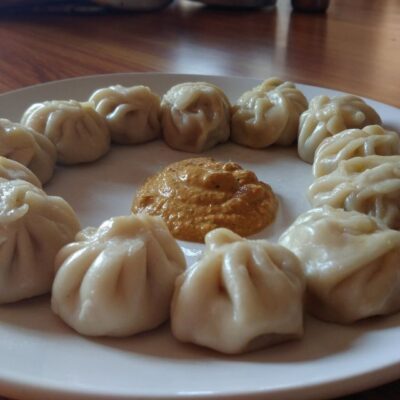
Half Day Cooking Class in Thamel with Local Market Visit
Read our review →Browse the lists this tour appears in