
Review · CHENNAI COOKING CLASSES
Private South Indian Tamil Cooking Class in Chennai with Srividya
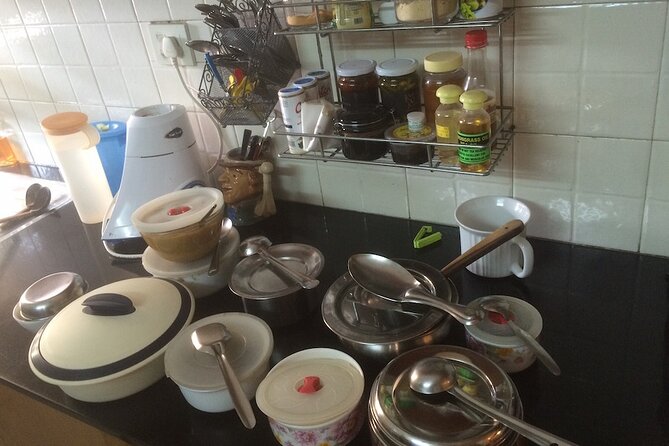
South Indian cooking makes the kitchen part of the travel experience. With Srividya, you prepare two or three Tamil dishes in her Chennai home, then sit down to eat what you helped make, along with other homemade food that may include pickle, curry, rice, or a banana-leaf serving.
I like the personal scale, with only your group taking part, and the chance to choose a session that finishes with lunch or dinner. I also like the cultural side: Srividya explains family traditions, regional cooking styles, nutrition, and practical kitchen tricks while you work.
The main consideration is that this may feel more like a cooking demonstration with some hands-on work than a full practical class. If you want to prepare every dish yourself or take home printed recipes, clarify that before booking.
Key points to know
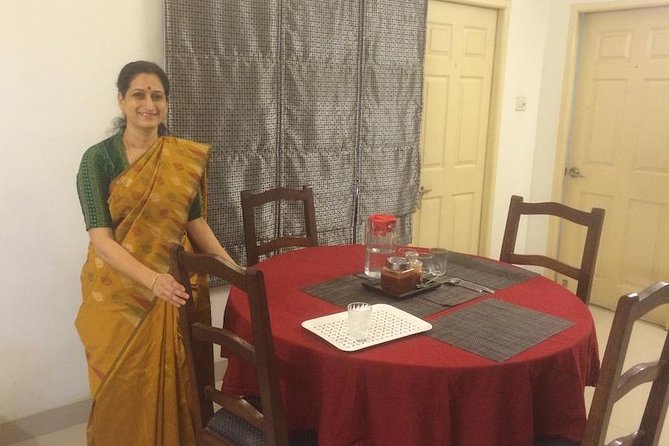
- Cook in Srividya’s family home: This is a private visit, not a large restaurant class or studio lesson.
- Prepare two or three dishes: Possible subjects include dosas, idli, curries, chutneys, rice dishes, and kozhukattai.
- Expect a vegetarian focus: The class centers on South Indian vegetarian food, though fish curry may be part of the wider meal selection.
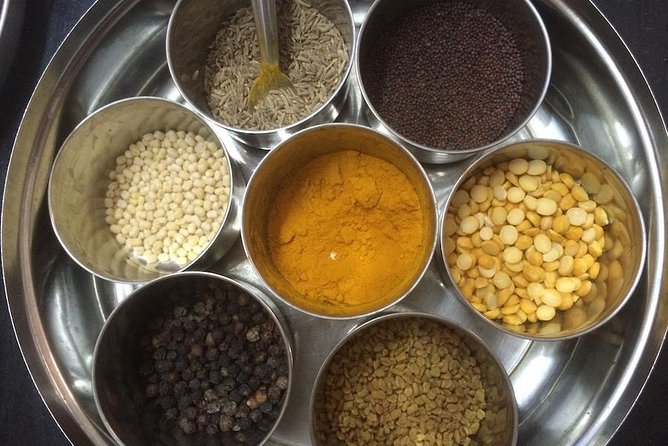
- Learn Tamil food traditions: Srividya discusses mustard seeds, coconut, black pepper, tamarind, spices, nutrition, and regional customs.
- Share lunch or dinner together: The meal follows the lesson and may be served on a banana leaf.
- Plan your own transport: Hotel pickup and drop-off are not included, and the activity returns to its meeting point.
A Chennai cooking class built around a family table
The best part of this experience is not simply learning how to make dosa or curry. It is seeing how South Indian food fits into a home setting. You enter Srividya’s kitchen, watch ingredients change under heat, ask questions as you go, and then eat at her dining table.
That setting gives the class a different feel from a restaurant lesson. You are not just following a recipe card. You are hearing about family habits, local ingredients, and the differences between Tamilian Brahmin and Mudaliar cooking. The food becomes a way to talk about daily life in Chennai.
The activity lasts about three hours. That is long enough for cooking, conversation, and a proper meal without taking over your whole day. Choose the session that ends in lunch if you want to fit it between sightseeing plans, or choose dinner for a slower evening activity.
This is a private activity, so your group does not share the lesson with strangers. That matters if you have questions, food preferences, or a strong interest in South Indian cooking. You can also tell the host about dietary requirements when you book.
More Private Cooking Classes in India
- Veg and Non veg : Private Cooking Class in Delhi home (7 meal)
★ 5.0 · 226 reviews - Private Guided Cooking Workshop Experience in Jodhphur
★ 5.0 · 158 reviews - Private Cooking Class in Jodhpur With Pick Up & Drop Off
★ 5.0 · 84 reviews
Arriving at Srividya’s home in T. Nagar
The stated meeting point is Arcus, Appaswamy Real Estates Ltd, at New No. 21, 9 Giri Road, Satyamurthy Nagar, T. Nagar, Chennai. The experience ends back at the meeting point, and hotel transfers are not included.
T. Nagar is near public transportation, but you should still allow time to find the exact building. A private home visit requires a little more care than meeting at a hotel or restaurant. Keep the address available on your phone and confirm the meeting details before setting out.
The activity description does not provide a detailed arrival procedure inside the building. For that reason, it is sensible to contact the operator if you need directions from your hotel or want to confirm where to meet Srividya. The price covers the class and meal, not your ride there.
Once inside, the change of pace is part of the appeal. You leave behind the usual sightseeing route and spend time in a local home. A welcome drink such as lime juice may begin the visit, giving you time to settle in and talk before the cooking starts.
Choosing the dishes for your three-hour lesson
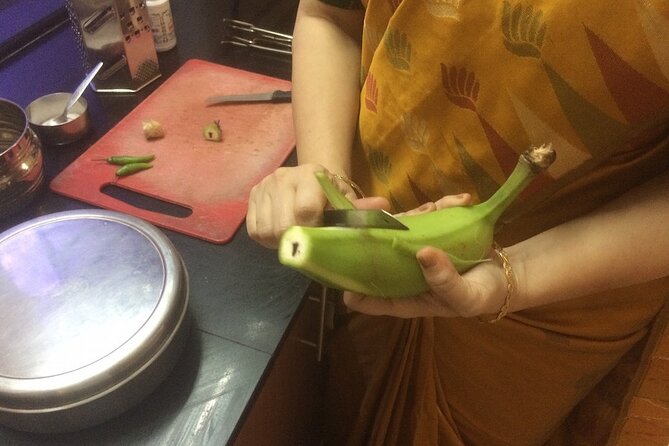
The plan is to prepare two or three South Indian Tamilian dishes from scratch. The exact menu can change with the season and with your dietary requests, so do not expect a fixed restaurant-style menu every time.
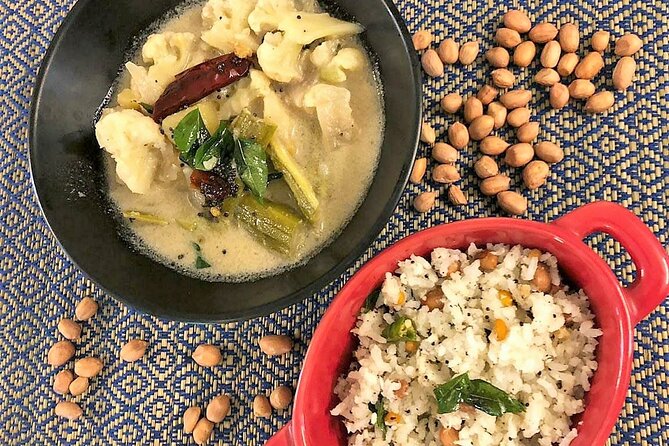
Possible dishes include vegetable curries, dosas, idli, chutneys, tamarind rice, curd rice, and kozhukattai. Dosas are thin, crisp South Indian crepes. Idli are soft, savory steamed cakes. Kozhukattai are dumplings made from different types of flour. Each dish gives you a different look at the role of texture, fermentation, steam, spice, and rice in Tamil cooking.
The wider meal may also feature fish curry, homemade mango pickle, and other seasonal dishes. The cooking portion is described as mainly vegetarian, so fish should not be assumed to be one of the dishes you will prepare. If you avoid fish, dairy, gluten, or other ingredients, state that when booking.
I like the flexibility here. A first-time visitor can ask about familiar foods such as dosa, while someone with more cooking experience can ask about technique or regional differences. One important practical point: the experience does not promise a take-home recipe booklet. Ask if you want written recipes or exact measurements.
Mustard seeds, coconut, pepper, and the logic of South Indian food
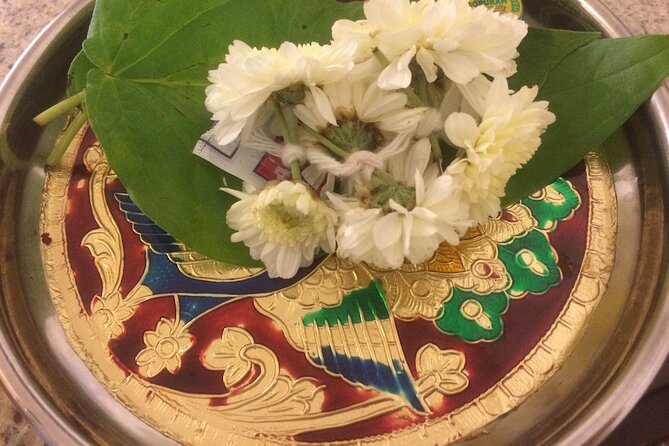
The lesson introduces several ingredients that define the flavor of South Indian cooking. Mustard seeds can provide a sharp, toasted note when heated. Coconut adds sweetness and body. Black pepper brings heat that feels different from chili. Tamarind contributes the sour edge found in many rice dishes and curries.
You should expect Srividya to explain not just what goes into a dish, but why those ingredients are used. The experience includes discussion of cooking traditions, nutrition, flavor, and regional variation. That kind of explanation is useful when you return home and try to recreate the food without the exact ingredients or equipment.
Some of the value comes from seeing how a home cook balances flavors. South Indian dishes are not simply hot. They may combine sour tamarind, cooling coconut, fragrant spices, creamy curd, earthy lentils, and crisp tempering. The lesson can help you understand those contrasts rather than treating every spice as generic heat.
The supplied information does not promise that every participant will perform every task. One important point for you is that the class may include demonstration as well as hands-on preparation. If you want to grind, mix, shape, or flip each item yourself, say so at the start.
More Indian Classes in India:
- Indian Cooking Class in an Authentic Local Home – Learn 6 Dishes
★ 5.0 · 195 reviews - New Delhi: Indian Cooking Class in a Local Home
★ 5.0 · 65 reviews - Mumbai: Indian Cooking Class & Cultural Delights
★ 5.0 · 38 reviews - New Delhi: Traditional Indian Cooking Class & Market Visit
★ 5.0 · 32 reviews
From kitchen lesson to banana-leaf lunch
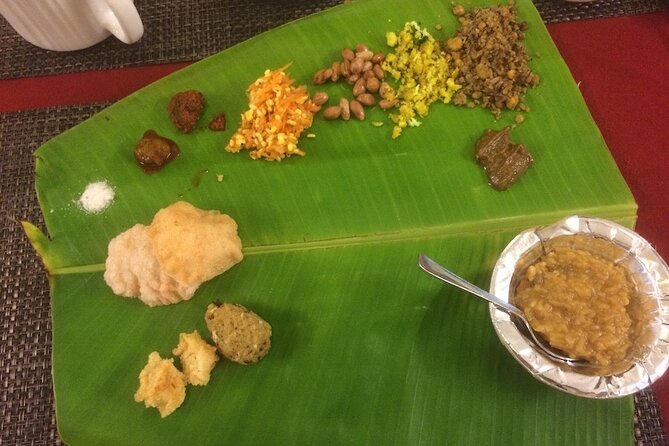
After cooking, you eat the food with Srividya at her dining table. That shared meal is central to the experience, not an afterthought. You get to taste the finished dishes while the cooking steps are still fresh in your mind.
A banana leaf may be used for serving, a detail that adds a traditional touch without turning the meal into a staged show. The serving style also helps you see how several small dishes work together. A curry, rice preparation, pickle, and chutney can taste different alone and then balance one another in the same meal.
The menu may include seasonal vegetables, homemade mango pickle, dosa, idli, rice, chutney, or curd rice. You may also encounter foods from more than one South Indian cooking tradition. The mention of Mudaliar and Tamilian Brahmin food is useful because it signals that the meal is not meant to represent one single all-India cuisine.
The meal also gives you time for conversation. The experience is designed around an exchange of cultures, and the host’s home provides a natural setting for questions about food and family customs. If you enjoy conversation as much as cooking, this part may become the strongest memory of the afternoon or evening.
How hands-on is the class?
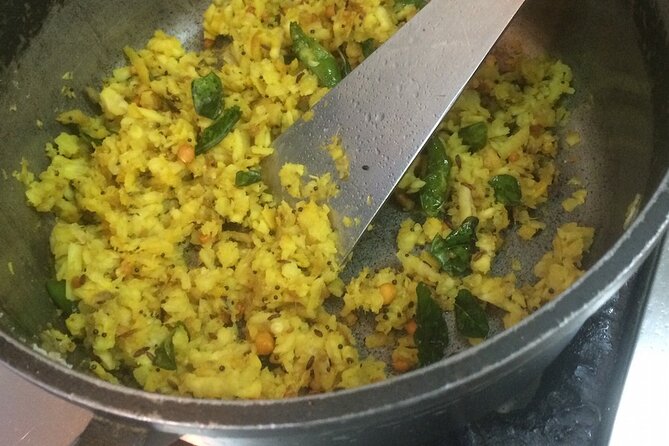
You should book this with the right expectation. It is a private home cooking experience, but it is not described as a formal professional kitchen course where you independently complete every stage of several recipes.
Some tasks will likely be demonstrated while Srividya explains flavors, techniques, and nutrition. You may also take part in preparing dishes, depending on the menu and your requests. The exact balance is not fixed in the information provided.
That is a plus for some people. A beginner can watch closely without feeling rushed, and a curious home cook can focus on why a technique works. It may be less satisfying if your main goal is intensive practice with every ingredient.
I would tell Srividya what you want before the lesson begins. Ask for more hands-on work if that is important to you. Also ask about recipes at the end, since a printed recipe handout is not listed as an inclusion.
What the host adds to the experience
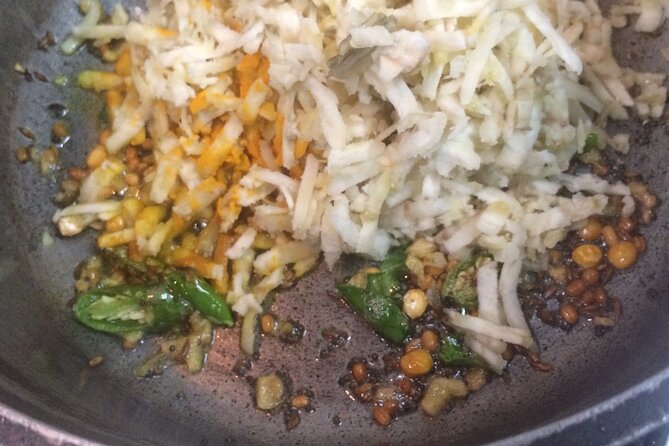
Srividya is the main reason this works as more than a meal. She explains the differences among Indian food traditions, answers questions patiently, and connects cooking methods with culture and nutrition. Her home gives the activity a calm, personal setting.
The conversation is a strong feature. You can ask about recipes, food customs, cooking shortcuts, and the use of particular ingredients. The host’s role is part teacher, part cook, and part local contact, though the experience remains focused on food rather than a general Chennai tour.
You should not expect a guided city sightseeing component. There is no hotel pickup, no listed market visit, and no separate tour of Chennai. The value lies in the home visit, the lesson, and the meal.
That focus makes the experience easy to pair with a day of sightseeing. It also makes the three-hour duration feel useful rather than padded. You spend the time in one place, but the activity moves through several stages: welcome, explanation, preparation, cooking, eating, and conversation.
Price, private group value, and timing
The price is $46 per person. For a three-hour private lesson that includes a home-cooked meal, this is a fair price if you value personal contact and food instruction rather than simply eating a low-cost local meal.
The calculation changes with group size. Because this is private, a couple or small family can share the experience without being placed with a large class. Group discounts are available, which may improve the value for a larger booking.
You are paying for more than the ingredients. The price also covers Srividya’s preparation, teaching time, the meal, and access to a private home setting. It is not the cheapest way to have lunch in Chennai, but it gives you context and practical knowledge that a restaurant meal does not.
The average booking time is 38 days in advance. That suggests you should arrange it early if the date matters, especially if you have a short Chennai stay. The booking includes a mobile ticket, and confirmation is provided at the time of booking.
Free cancellation is available if you cancel at least 24 hours before the start time. Changes or cancellations inside that period are not accepted for a refund, so check your schedule before the deadline.
Who will enjoy this Chennai food experience?
I would recommend it to anyone who wants a small-scale cultural activity built around food. It suits couples, families, solo visitors, and small groups who prefer conversation and a home setting to a formal cooking school.
It is also a good choice for vegetarians and anyone curious about South Indian plant-based cooking. The menu may include several vegetarian dishes, and the class can cover curries, rice, dosas, idli, chutney, or dumplings.
Food-focused visitors will get the most from the ingredient discussion. You can ask about mustard seed tempering, coconut, black pepper, tamarind, pickle, and the differences between regional traditions. The experience is less useful if you want a broad Chennai history tour or a market-to-kitchen itinerary.
Families should consider the private format. A private group can ask for adjustments, and children may find dosa, idli, or dumplings approachable. Still, the activity description does not give an age range or special children’s program, so confirm any family needs ahead of time.
The small drawbacks to consider before booking
The main limitation is the uncertain balance between watching and doing. Some participants may want more direct work with the food. If you need a highly practical class, make that request clearly.
The menu is also flexible rather than guaranteed. That is good for seasonal food and dietary requests, but it means you cannot count on preparing one exact dish. Dosa, idli, curry, or kozhukattai may be included, but they are examples rather than a fixed promise.
Transportation is another small concern. You must make your own way to Giri Road, and the activity does not include hotel pickup or drop-off. The meeting point is near public transportation, but the information does not state a transfer time from particular hotels.
Finally, the class takes place in a private home. That is the reason to book it, but it also means the setting is more personal and less standardized than a commercial cooking school. If you prefer a polished teaching kitchen, a fixed menu, and printed recipes, this may not be your ideal match.
Should you book Srividya’s Tamil cooking class?
Book it if you want to connect a meal with the person and place behind it. The strongest parts are the private home setting, Srividya’s patient explanations, the range of Tamil and South Indian food traditions, and the chance to sit down together after cooking.
At $46, the experience makes sense when you value a three-hour cultural visit rather than just a meal. It is especially appealing for vegetarians, food lovers, and anyone who enjoys asking questions while learning.
I would skip it only if you want a fully hands-on professional class, a guaranteed menu, or hotel transportation. For everyone else, this is a warm, focused way to spend part of a Chennai day, with something useful to remember when you next see mustard seeds crackling in hot oil.
FAQ
How long does the cooking class last?
The experience lasts approximately three hours, including the cooking lesson, meal, and time with Srividya.
Where does the activity begin?
It begins at Arcus, Appaswamy Real Estates Ltd, New No. 21, 9 Giri Road, Satyamurthy Nagar, T. Nagar, Chennai, Tamil Nadu 600017, India.
Where does the activity end?
The activity ends back at the meeting point.
Is hotel pickup and drop-off included?
No. Hotel pickup and drop-off are not included, so you must arrange your own transportation to and from the meeting point.
How many dishes will I prepare?
You will prepare two or three South Indian dishes during the private lesson. Possible dishes include curries, dosas, idli, rice dishes, and kozhukattai.
Is the class vegetarian?
The cooking lesson focuses on two or three vegetarian South Indian dishes. The wider meal may include seasonal foods such as fish curry, so tell the host about dietary requirements when booking.
Can I choose lunch or dinner?
Yes. You can choose a time that ends with either lunch or dinner.
Is this a private activity?
Yes. Only your group will participate in the activity.
Newest classes around India
- Chennai Super Market Tour and Cooking Class with a Fun Local★ 5.0 · 9 reviews
- Private tour to learn Traditional Indian Art, craft & Cooking★ 5.0 · 4 reviews
- Traditional Chettinad Cooking Class in a Local Home near Chennai★ 4.5 · 12 reviews
- Neighborhood Market Tour & South Indian Cooking Class in Chennai★ 5.0 · 7 reviews
- Chennai Dosa Making Class & Home-Dining Experience with Jyashree★ 5.0 · 8 reviews
- Traditional Gowda Cooking Class and Meal in a Bangalore Home★ 5.0 · 31 reviews
- Discover Bangalore’s Cuisine: Private Half-Day Cooking Experience★ 5.0 · 3 reviews
- Private South Indian Cooking Class in Bangalore with a Local★ 5.0 · 11 reviews
Chennai Cooking Classes, compared.
Traditional Cooking Class in Chennai in a Local Home with Sundari
Read our review →
South Indian Vegetarian Cooking Class in Chennai with Meena
Read our review →
Traditional Vegetarian Cooking Class in Chennai with Gayathri
Read our review →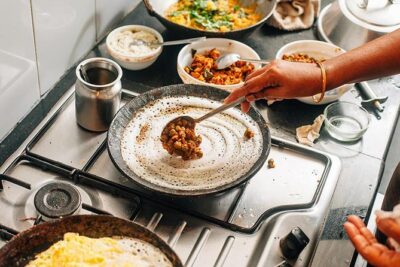
Traditional Chettinad Cooking Class in a Local Home near Chennai
Read our review →
Chennai Super Market Tour and Cooking Class with a Fun Local
Read our review →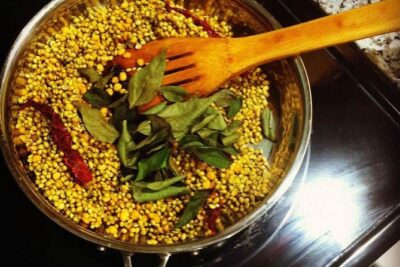
Chennai Dosa Making Class & Home-Dining Experience with Jyashree
Read our review →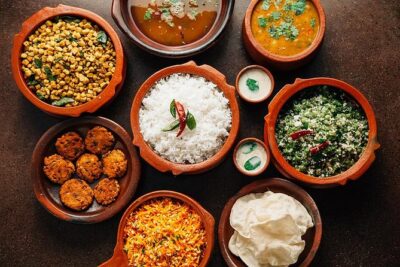
Neighborhood Market Tour & South Indian Cooking Class in Chennai
Read our review →
Private tour to learn Traditional Indian Art, craft & Cooking
Read our review →Browse the lists this tour appears in