
Review · USA COOKING CLASSES
Hands-On Hawaiian Imu Cooking and Cultural Dining Experience
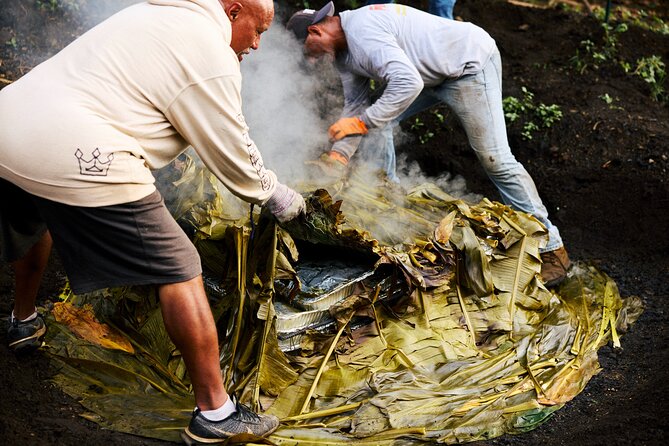
An imu is more than an underground oven. It is a way of cooking that uses hot stones, earth, and time, and it turns lunch into a shared act of care. In Pāhoa, the Men of Paʻa guide you through building one from the ground up, then uncover it for a feast of kalua pork, chicken, island vegetables, and kulolo.
I like the hands-on work and the chance to learn from Native Hawaiian hosts whose families have carried these food traditions forward. I also like the strong sense of ohana, or family, that shapes the meal, from the explanations of Hawaiian words to the chanting and shared gathering.
The main consideration is timing. This is a four-hour activity beginning at 10:00 a.m., and the cooking process is central to the day. If you want a quick meal or a polished restaurant service, choose something else. If you want participation, conversation, and cultural context, the slower pace is the point.
Key points at a glance
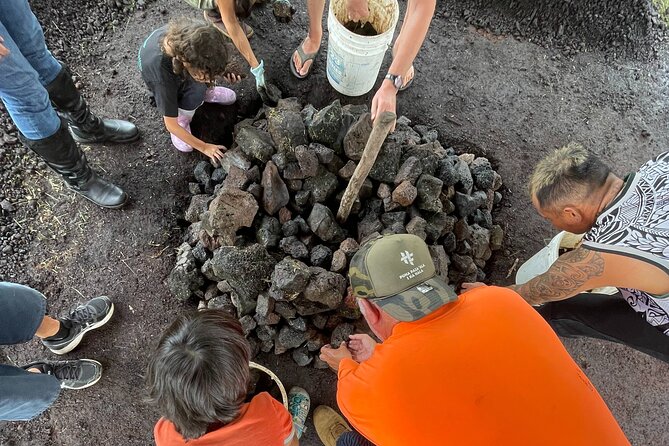
- Build the imu yourself: You take part in preparing the underground oven rather than watching a cooking demonstration from the sidelines.
- Learn from the Men of Paʻa: The hosts connect food preparation with Hawaiian family, land, language, and gathering.
- Expect a substantial lunch: Kalua pork, kalua chicken, vegetables, bottled water, and kulolo are included.
- Meet in Pāhoa at 10:00 a.m.: The activity starts and ends at 15-1380 Auina St.
- Plan on about four hours: The schedule gives time for preparation, cooking, uncovering the imu, and eating together.
- Book ahead: The activity averages about 25 days of advance booking, and the maximum group size is 50 people.
Why building an imu changes the meal
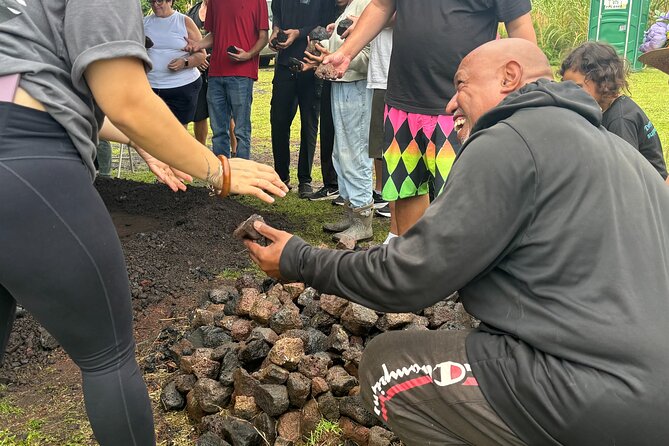
The most interesting part of this experience happens before anyone sits down to eat. An imu is an underground oven that uses materials from the earth to cook food slowly. You help build it, guided by Native Hawaiian hosts whose families have prepared food this way for generations.
That work gives you a better sense of what the meal requires. Kalua pork is not simply placed in a kitchen oven and brought out when a timer rings. The food is cooked in the earth, and the preparation asks people to cooperate, pay attention, and wait.
I like that the activity gives the imu a cultural setting rather than treating it as a novelty. The hosts explain the meaning behind cooking in the earth, along with the importance of food and gathering. You are not just learning a recipe. You are learning why the cooking method belongs in a communal setting.
The supplied details do not spell out every construction step, so you should not expect a technical workshop with a printed manual or a formal culinary certificate. Instead, expect guidance from the group as you participate in the process. That open, shared format is part of the appeal.
More Dinners Out in the USA:
- San Francisco: Dumpling Cooking Class & 3-Course Dinner
★ 5.0 · 10 reviews - Cooking Class/Dinner W/ Celebrity French Chef OR Private Chef Ser
★ 4.5 · 9 reviews - Pasta Making & Wine Tasting with Dinner in Frascati from Rome
★ 5.0 · 1,326 reviews
Meeting the Men of Paʻa in Pāhoa
You meet at 15-1380 Auina St. in Pāhoa at 10:00 a.m., and the activity finishes back at the same place. Since transportation to and from the meeting point is not included in the information provided, you should arrange your own way there and allow enough time to arrive before the start.
Pāhoa gives the experience a useful setting. This is not presented as a stage show or a resort buffet. It takes place in a local community, with the Men of Paʻa leading the day and preparing food in a backyard-style setting.
Iopa Maunakea is named as a contact connected with the experience. The hosts are described as a group of men who put clear care into welcoming people and explaining the meaning of the food. You may hear Hawaiian words, family stories, cultural observations, and explanations of how meals bring people together.
The group can include up to 50 people. That is large enough to create a lively shared meal, but it may feel less intimate than a small cooking class. If you prefer one-on-one instruction throughout the day, keep the possible group size in mind. The format is better suited to people who enjoy learning as part of a community.
What happens during the four-hour visit
The day begins with an introduction to the imu and its role in Hawaiian food preparation. You then take part in building the underground oven, with the hosts explaining what you are doing and why it matters.
The precise order of tasks can vary, especially because the experience requires good weather. Still, the basic rhythm is clear: prepare the imu, allow the food to cook slowly, uncover it, and gather for lunch.
The waiting time is not empty time. It gives the hosts room to talk about Hawaiian culture, the meaning of words, family, and the value of gathering around food. One of the strongest ideas connected with the experience is ohana, or family. That word is not treated as a slogan. It is tied to the simple act of preparing and sharing a meal.
The day also includes chanting and words exchanged between the hosts and the people taking part. These details matter because they help you see the cooking as a cultural practice, not just a way to produce tender meat.
One especially personal element comes from the hosts making room for cultural exchange. A Chinese-speaking family was given time to translate between English and Chinese, and the lead host shared observations from a recent trip to China as part of a Hawaiian Travel Authority delegation. That does not mean every visit will include the same conversation, but it shows the welcoming, flexible spirit of the format.
Uncovering the imu and eating lunch
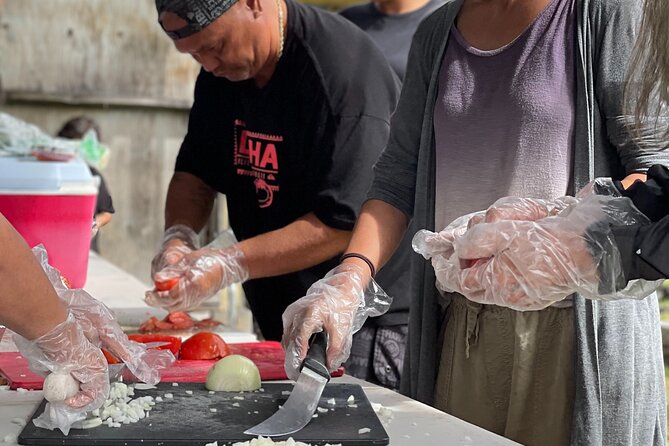
The meal is the payoff, but it works best because you have seen the process first. Once the imu is uncovered, you gather for a backyard-style feast.
The main dish is kalua pork, steamed in the underground oven. Kalua chicken is also prepared in the imu, giving you a second version of the same slow-cooking method. The menu is not built around fancy plating. It is built around food prepared in quantity for a group to share.
The vegetable selection includes local sweet potato, kalo, carrots, celery, and other vegetables, all steamed in the imu. The vegetables make the meal more balanced and let you taste how the earth oven treats foods beyond pork and chicken.
Dessert is kulolo, a Hawaiian dish made with kalo, coconut milk, and honey. Since kalo, also called taro, appears in both the savory and sweet parts of the meal, you get a fuller sense of its importance in Hawaiian cooking.
Bottled water is included, as is lunch. The menu is specific enough to help you decide if the meal suits you, but no information is provided about substitutions, vegetarian options, allergies, or dietary accommodations. If those issues affect your booking, ask the provider before paying rather than assuming changes are available.
More Places to Eat in the USA:
- Rome: Pasta Making with Wine Tasting and Dinner in Frascati
★ 4.9 · 979 reviews - Palermo: Pizza and Gelato Cooking Class with Dinner and Wine
★ 4.9 · 951 reviews - Seville: Spanish Cooking Class with Dinner
★ 4.9 · 900 reviews - Greek Cooking Class in Athens Including Rooftop Dinner with Acropolis View
★ 5.0 · 826 reviews
The cultural meaning behind the food
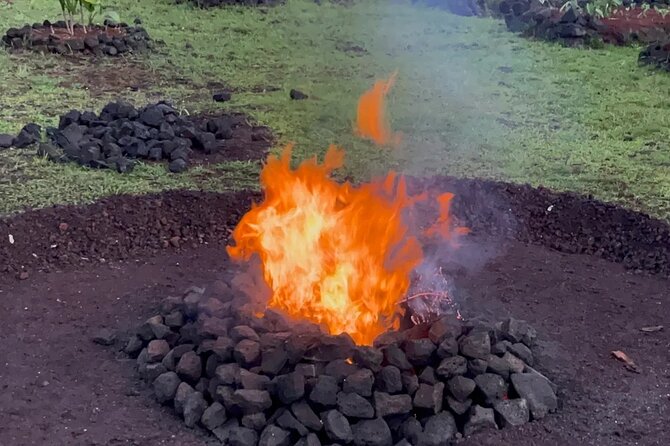
Food is the strongest teaching tool here. The hosts explain the importance of preparing food in the earth and connect that practice with family and community. You learn by helping, listening, and then eating what the group has made together.
I like this approach because it avoids the distance of a performance. You are not simply watching a cultural presentation and leaving with a few photographs. You are given a role in the preparation, even though the hosts remain responsible for guiding the work.
The experience also gives you a chance to hear Hawaiian words and their meanings in context. That can be more useful than memorizing a short list of vocabulary because the words are tied to actions, relationships, and food.
The cultural material is presented through the Men of Paʻa, so the tone is personal and community-based. You should come ready to listen rather than expecting a formal lecture. The day seems designed for conversation and participation, not an academic presentation.
How much value you get for $150
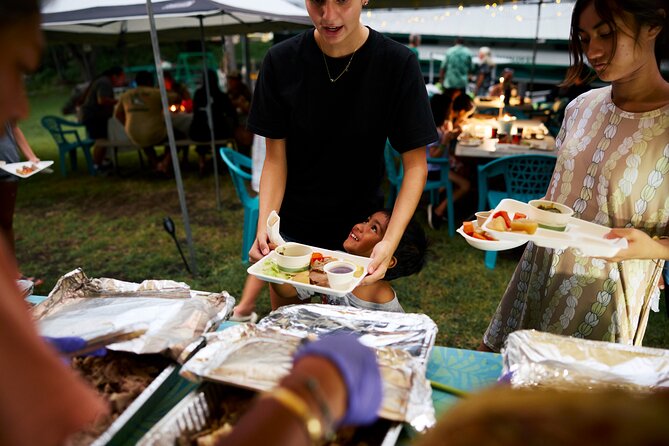
At $150 per person, this costs more than an ordinary lunch. You are paying for a four-hour activity, an included meal, bottled water, guidance, and the time of a cultural group sharing a traditional cooking practice.
The value depends on what you want from your Big Island visit. If you only want to sample kalua pork, you can find less expensive meals elsewhere. If you want to understand how an imu works, help prepare one, and spend part of a day with people who connect food to family and culture, the price is easier to justify.
The included menu is also more than a single main course. You receive kalua pork, kalua chicken, vegetables, and kulolo. That makes the fee more reasonable for anyone who treats lunch as part of a longer cultural activity rather than a quick stop.
The four-hour length matters. A portion of the price covers time with the hosts before and after the meal, not just the food itself. I would book this for a day when you can give the activity your full attention. It would be a poor fit if you are trying to squeeze in several distant attractions around a fixed lunch.
The high rating, 5 out of 5 from 95 ratings, and full recommendation rate suggest that the experience has delivered strongly for people seeking culture, food, and personal contact. Ratings cannot tell you whether the format suits your own interests, but they do reinforce that the central idea is working for its intended audience.
Who should book this experience
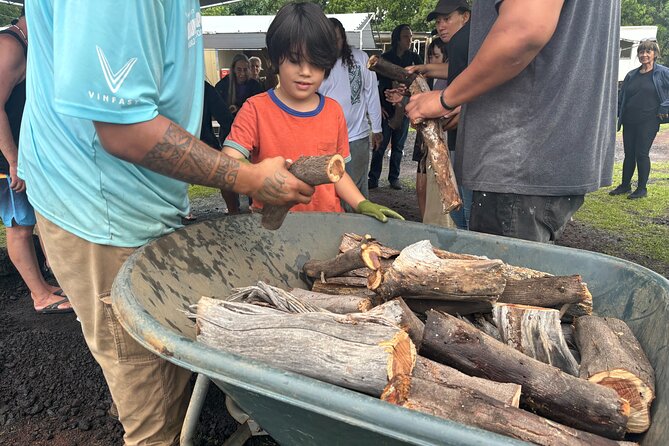
This is a strong choice for families, couples, and solo visitors who want to participate rather than watch. It also suits anyone who values food as a way to understand place.
Families may especially appreciate the shared work and the clear connection between cooking and ohana. The meal offers several dishes, and the hands-on structure gives children and adults something to do together, though the supplied information does not specify age requirements.
It is also a good pick for people visiting Hawaii for the first time who want something beyond beaches and scenic stops. The experience gives you a chance to learn about Hawaiian food preparation and the cultural importance of gathering.
You may want to skip it if you dislike group activities, have strict dietary needs that cannot be accommodated, or prefer a restaurant with a fixed menu and quick service. The maximum group size of 50 means the atmosphere can be communal rather than quiet.
The experience is offered in English. If you need another language, do not assume interpretation is provided. A special visit included time for English to Chinese translation, but that was a personal arrangement rather than a stated standard feature.
Practical details before you reserve
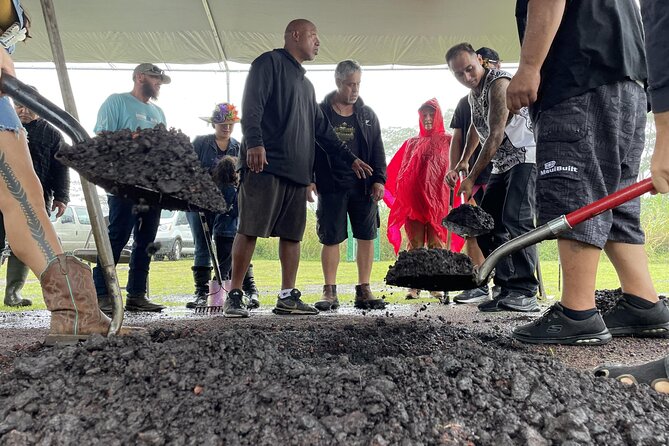
Confirmation is provided at booking, and the activity uses a mobile ticket. The meeting point is 15-1380 Auina St., Pāhoa, Hawaii 96778. Start time is 10:00 a.m., and you return to the same location when the activity ends.
The activity depends on good weather. If poor weather causes a cancellation, you are offered another date or a full refund. It also requires a minimum number of participants, so an insufficient group can lead to a different date or experience, or a full refund.
You can cancel for a full refund up to 24 hours before the start time. Cancellations or changes made less than 24 hours before the start are not accepted for a refund. Since the cut-off follows local time, check the Hawaii time zone before making a last-minute change.
Because the average booking point is about 25 days ahead, I would not leave this until the final day of your trip, especially if your schedule is tight. Booking ahead also gives you more room to adjust if the activity requires a different date because of weather or minimum group size.
Should you book the imu cooking experience?
Book it if you want a meal with a story, a method, and a human connection behind it. The best parts are the hands-on imu building, the explanations from the Men of Paʻa, the shared sense of ohana, and the chance to eat food prepared in the same earth oven you helped create.
I would choose it over a standard luau if participation matters more to you than stage entertainment. I would not choose it for a quick lunch, a private cooking lesson, or a guaranteed small group.
For $150, the experience makes sense when you treat it as a half-day cultural activity with lunch included. Arrive ready to work, listen, and share the table, and this can become one of the most personal food experiences of your Big Island visit.
FAQ
Where does the imu cooking experience begin?
It begins at 15-1380 Auina St., Pāhoa, HI 96778, USA.
What time does the experience start?
The start time is 10:00 a.m.
How long does the activity last?
The experience lasts approximately four hours.
What food is included?
Lunch includes kalua pork, kalua chicken, kalua vegetables with items such as sweet potato, kalo, carrots, and celery, plus kulolo for dessert. Bottled water is also included.
How many people can join?
The activity has a maximum of 50 participants.
Can I cancel for a refund?
Yes. You can cancel at least 24 hours before the start time for a full refund. Cancellations or changes made less than 24 hours before the start time are not accepted for a refund. If poor weather or an insufficient minimum group causes a cancellation, you are offered another date or experience, or a full refund.
Newest classes around the USA
- Hands-on Cooking Class in Charleston★ 5.0 · 83 reviews
- Sushi Making Cooking Class at a Local Brewery in Charlotte★ 5.0 · 2 reviews
- Authentic Asian Cooking Class in NYC (Includes 4-Course Meal)★ 5.0 · 8 reviews
- Baumkuchen Campfire Baking Class★ 5.0 · 3 reviews
- Farm to Table Cooking Class at Kulaniapia Falls★ 4.5 · 36 reviews
- French Cooking Class in Baltimore (Includes 3-Course Meal)★ 5.0 · 2 reviews
- Private Atlanta Cooking Class with a Fun Local Chef Naina★ 5.0 · 2 reviews
- Thai Cooking Class in Fullerton, California★ 5.0 · 3 reviews
USA Cooking Classes, compared.
New Orleans Demonstration Cooking Class with Meal
Read our review →
New Orleans Hands-On Cooking Class with Meal
Read our review →
Undiscovered Charleston: Half Day Food, Wine & History Tour with Cooking Class
Read our review →
Hands-on Cajun Roux Cooking Class in New Orleans
Read our review →
Farm to Table Cooking Class at Kulaniapia Falls
Read our review →
Atlanta: Historic Market Food Tour and Biscuit Cooking Class
Read our review →Browse the lists this tour appears in