
Review · USA COOKING CLASSES
Farm to Table Cooking Class at Kulaniapia Falls
The best part of this farm-to-table cooking class is that lunch begins in the soil. You walk the gardens, pick much of what you will eat, then head to a restored barn kitchen with views toward Hilo Bay and Mauna Kea. I love the direct link between growing and cooking, and I like that the group is capped at eight people. The main thing to know is that you may do more chopping and preparation than actual stove work, depending on the instructor.
I also like the setting. Kulaniapia Falls, bamboo gardens, tropical plants, goats, bananas, and farm coffee give the morning more character than a standard cooking lesson. Just wear closed-toe, flat shoes: the farm walk includes uneven ground and weedy areas, and this is not a polished kitchen studio from start to finish.
Key points to know before booking
- You harvest much of your own lunch: More than 90 percent of the meal uses seasonal produce from the farm.
- The setting is part of the experience: You can see Kulaniapia Falls and enjoy views toward Hilo Bay and Mauna Kea.
- The group stays small: A maximum of eight people makes it easier to ask questions and take part.
- The cooking role can vary: You may prepare ingredients while a staff member handles more of the actual cooking.
- Plan for a real farm walk: Closed-toe, flat shoes are the smart choice for uneven ground.
- Budget for the tip: Gratuity is not included, and $20 per person is typical.
Starting at 9:30 at Kulaniapia Farms
The class begins at 9:30 am at 100 Kulaniapia Drive in Hilo. The activity returns to this same meeting point, so you do not need to arrange a separate pickup or figure out a second ending point.
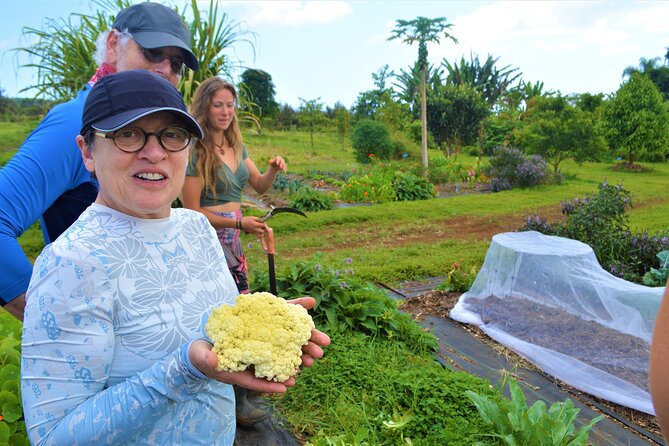
The morning starts with the farm itself. This matters because the class is not simply a lesson in using local ingredients that someone else selected. You walk through the gardens with a member of the Kulaniapia community and choose vegetables at their best. The volcanic soil and warm, wet setting support a wide range of tropical crops, giving the harvest a sense of place.
Your guide may be Natalie, Davey, Adrian, Ayden, or another member of the rotating team. The exact personality of the morning can change with the staff member leading it. Natalie has led relaxed farm walks, while Davey has handled the cooking portion. Adrian has also led groups through hands-on tasks, including collecting eggs and selecting vegetables.
I would treat the guide as part of the day’s character rather than expect a formal culinary lecture. The activity is friendly and practical. You will learn by walking, picking, preparing, and tasting.
More Farm Cooking Classes in the USA:
- Half-Day Thai Cooking Class at Organic Farm in Chiang Mai
★ 5.0 · 19,087 reviews - Cooking Class and Lunch at a Tuscan Farmhouse with Local Market Tour from Florence
★ 5.0 · 4,831 reviews - Chiang Mai: Authentic Cooking Class with Market & Farm Visit
★ 4.9 · 4,546 reviews
Harvesting vegetables from volcanic soil
The garden walk is the heart of the experience. You learn what grows at Kulaniapia Farms, how the farm operates, and which produce is ready to use. The exact menu changes with the season, so you should not book this expecting a fixed dish.
That changing menu is a plus for anyone interested in local food. Instead of forcing the farm to produce one set recipe, the meal follows what is fresh. The class uses farm produce for more than 90 percent of lunch, which gives real meaning to the farm-to-table label.
You may pick vegetables, collect eggs, eat a banana directly from the tree, and sample coffee grown in the area. The supplied details do not promise every one of these activities on every date, so think of them as possible parts of the farm visit rather than guaranteed stops. The core promise is the garden harvest and preparation of lunch.
The walk also adds a little physical work. You will move through uneven ground and some weedy areas, so tennis shoes or other closed-toe, flat shoes are best. This is useful advice for anyone arriving in sandals after a morning at the beach. The farm is beautiful, but it is still a working growing space.
A waterfall and bamboo garden before lunch
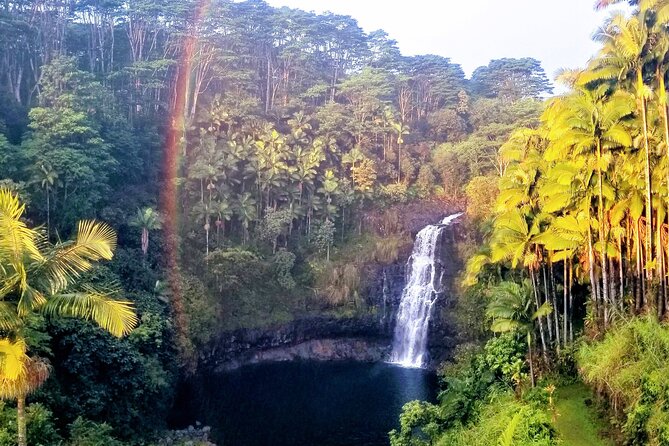
Kulaniapia Falls gives the class a strong sense of place. The farm sits on the grounds of the Inn at Kulaniapia Falls, and the waterfall can be seen before or after lunch. You may also walk through bamboo gardens and down toward the river during the visit.
I like this part because it keeps the experience from feeling like four hours inside a kitchen. The water, plants, and farm paths create natural pauses between the food activities. If you are building a Hilo day around scenery, this setting gives you more than a meal alone.
The waterfall is not presented as a separate guided attraction with a long formal tour. Instead, it forms part of the property and the surroundings of the cooking class. Your time for walking around may depend on the group and the day’s pace, so do not book this solely as a waterfall visit. Book it for the food experience, with the falls and gardens as a welcome extra.
Cooking lunch in the restored barn
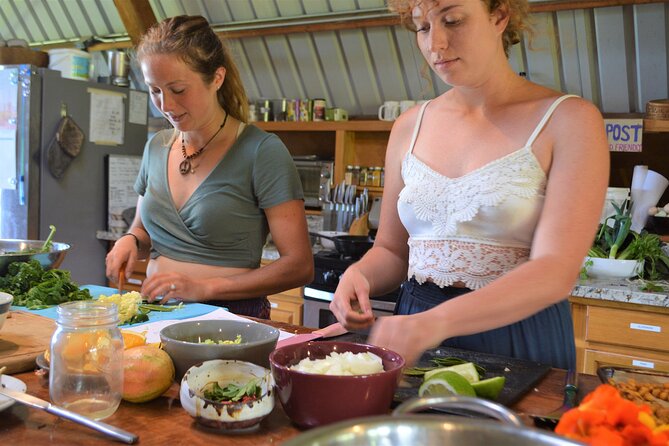
After harvesting, you prepare lunch in a refurbished barn. The kitchen is on the second floor, with views toward the ocean, Hilo Bay, and Mauna Kea. That setting gives the cooking portion a calm, open-air feeling, even though the actual food preparation takes place indoors.
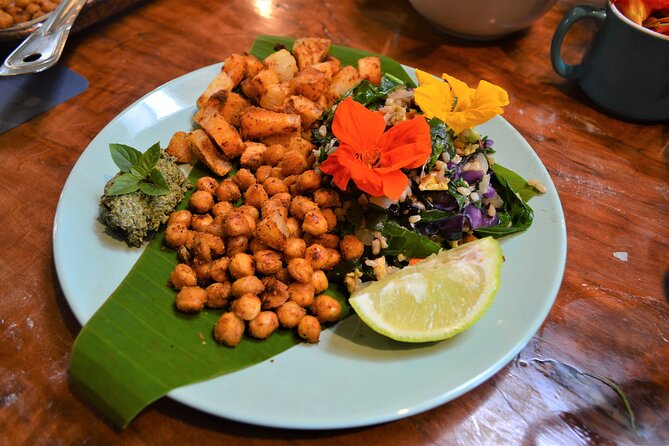
The meal is plant-based and built around the day’s farm produce. The sample menu is simply listed as farm-fresh produce, which means you should expect the ingredients and recipes to shift. You will take home plant-based recipes, giving the class value beyond the meal you eat that morning.
Your hands-on role may include washing, cutting, seasoning, and other preparation tasks. One important point is that the instructor or a farm worker may handle more of the actual cooking over heat. I would not book this if your main goal is to spend the entire class running the stove or learning advanced restaurant techniques.
Instead, think of it as a shared kitchen session tied to the farm walk. You see where the food comes from, help turn it into lunch, and learn ways to use fresh plant ingredients at home. For a home cook, that connection can be more useful than a highly staged cooking demonstration.
More Cooking Classes in the USA:
- New Orleans Demonstration Cooking Class with Meal
★ 5.0 · 3,000 reviews - New Orleans Hands-On Cooking Class with Meal
★ 5.0 · 1,183 reviews - Undiscovered Charleston: Half Day Food, Wine & History Tour with Cooking Class
★ 5.0 · 948 reviews - New Orleans: Cajun and Creole Cooking Class
★ 4.9 · 730 reviews
The food and what you take home
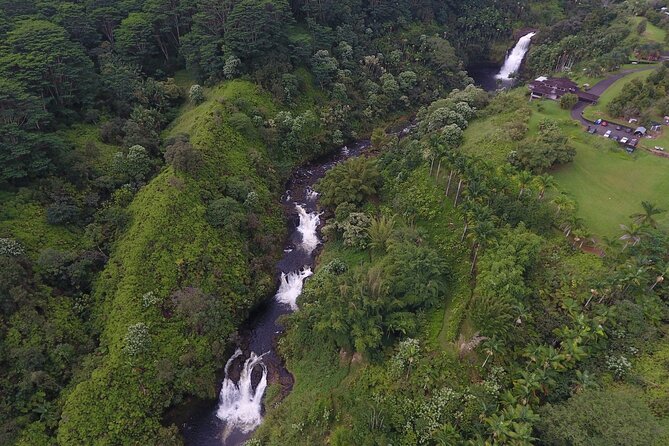
The strongest food feature is freshness. You help select the ingredients, then eat them soon afterward. That short path from garden to plate is the point, and it gives even familiar vegetables a clearer story.
The menu uses seasonal produce, so the meal may not suit someone seeking a specific cuisine or a fixed list of dishes. You should also expect a plant-based lunch rather than meat or seafood. The activity description does not provide a detailed allergy or dietary accommodation policy, so contact the provider before booking if you need special substitutions.
You leave with recipes intended to build confidence in plant-based cooking. That is a practical benefit. The class is not only about eating a pleasant lunch in Hilo. It gives you ideas you can repeat at home, using fresh vegetables and simple preparations.
The food has earned strong praise, but the value is not limited to taste. You are paying for the setting, the farm walk, the instruction, the ingredients, and the chance to participate in the full process. That combination makes the price easier to justify than a meal alone.
How much value do you get for $169?
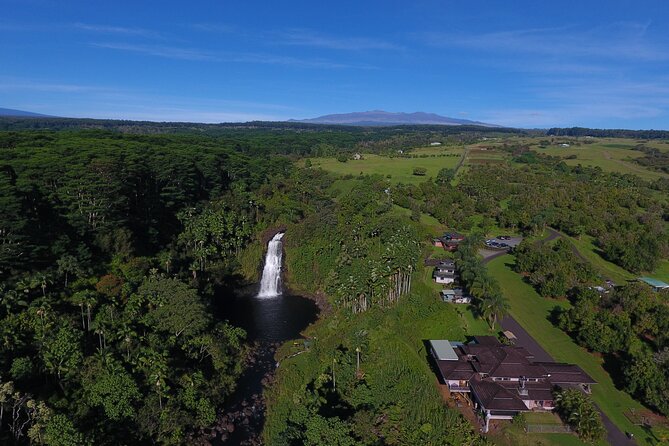
The price is $169 per person, before gratuity. A $20 tip per guest is typical, so plan on roughly $189 per person if you follow that custom.
That is not a cheap lunch. It makes sense if you value a small group, a scenic property, farm access, a guided harvest, and a hands-on meal. The maximum group size is eight, and some sessions may be much smaller. A group of four, for example, gives you plenty of room to take part and ask questions.
The class lasts about four hours, which helps spread the cost across a full morning rather than a quick tasting. You also receive lunch and recipes, and the farm supplies the tools and materials needed for harvesting and preparation.
I would compare this with the cost of booking a separate garden visit, waterfall stop, and cooking class. The comparison is not exact, but it shows why the package may work well for a visitor with a free Hilo morning. If you mainly want a large meal or a formal chef-led lesson, the price may feel high.
Gratuity is not included. Bring that extra amount into your planning rather than treating it as a surprise at the end.
Who will enjoy this morning most?
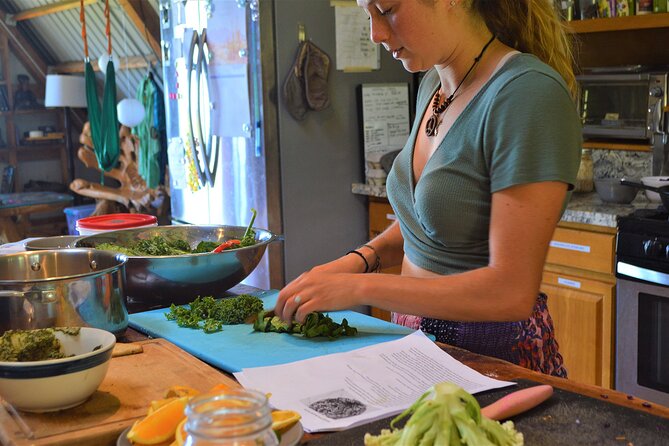
I think this is a good fit for couples, families, friends, and solo visitors who like food with a strong connection to place. It also suits people who prefer small, social activities to large bus tours.
Families can make the harvest and meal feel like a shared project. Couples get a relaxed morning with food, scenery, and time outside. Solo visitors benefit from the small group, since the format naturally creates conversation without the crowd of a big excursion.
You will get the most from it if you are comfortable with a flexible menu and a casual structure. The staff are volunteers and community members, and the people leading the class may change. That can make the experience warm and personal, but it may also mean that the teaching style is less consistent from one date to another.
I would choose another activity if you want professional culinary certification, a fixed menu, technical knife instruction, or a highly structured class. This is about fresh food, practical participation, and the farm setting.
Timing, clothing, and booking advice
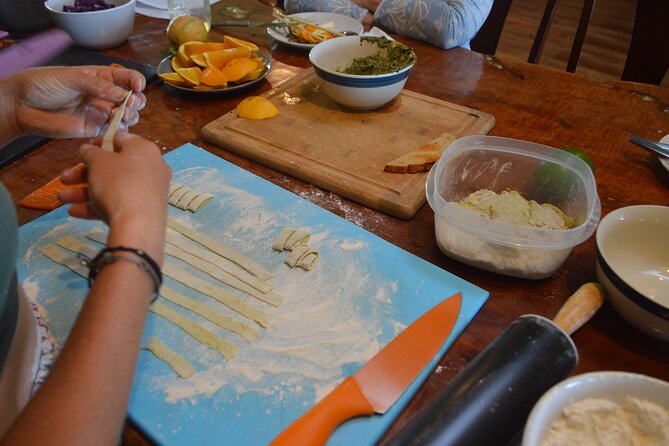
The experience starts at 9:30 am and lasts about four hours. Since it ends back at the meeting point, you can plan the rest of your Hilo day afterward, though I would avoid scheduling something with a strict early-afternoon deadline.
Book ahead if your dates are fixed. The activity is often reserved well in advance, with an average booking lead time of 46 days. The small capacity of eight can make popular dates disappear faster than a typical large-group tour.
Wear closed-toe, flat shoes with a good grip. You may walk on uneven ground and through weedy areas. Comfortable clothing is sensible, since the experience includes farm work and food preparation.
A mobile ticket is accepted, and the activity is offered in English. Confirmation arrives when you book. Free cancellation is available up to 24 hours before the start time for a full refund. Cancellations or changes made within 24 hours are not refunded or accepted, and the class can be canceled if its minimum number is not met. In that case, you are offered another date or experience, or a full refund.
Should you book this Kulaniapia cooking class?
I would book it if you want a personal Hilo experience that combines food, farming, and scenery. The best reasons are the small group, the chance to harvest ingredients yourself, the plant-based lunch, and the setting near Kulaniapia Falls. The views toward Hilo Bay and Mauna Kea add plenty to the morning.
Go in with the right expectations. You may not spend much time cooking over the stove, and the guide’s style can vary. You will still prepare food, learn farm-to-table methods, and leave with recipes, but this is not a formal chef school.
For food-minded visitors, families, couples, and solo guests who like hands-on activities, the $169 price can be fair. Wear sturdy shoes, allow the full four hours, add the usual tip, and book early if you have a particular day in mind.
FAQ
Where does the cooking class begin?
The class begins at 100 Kulaniapia Drive, Hilo, Hawaii 96720.
What time does the experience start?
The experience starts at 9:30 am.
How long does the activity last?
The activity lasts approximately four hours.
Where does the activity end?
The experience ends back at the meeting point at Kulaniapia Farms.
How many people can join the class?
The activity has a maximum of eight travelers.
Is lunch included?
Yes. You make and eat a lunch using fresh farm produce that you help harvest.
Is the meal plant-based?
Yes. The experience focuses on plant-based food, with more than 90 percent of the meal made from seasonal produce grown on the farm.
What should I wear?
Wear tennis shoes or other closed-toe, flat shoes because the farm walk includes uneven ground and some weedy areas.
Newest classes around the USA
- Hands-on Cooking Class in Charleston★ 5.0 · 83 reviews
- Sushi Making Cooking Class at a Local Brewery in Charlotte★ 5.0 · 2 reviews
- Authentic Asian Cooking Class in NYC (Includes 4-Course Meal)★ 5.0 · 8 reviews
- Baumkuchen Campfire Baking Class★ 5.0 · 3 reviews
- Hands-On Hawaiian Imu Cooking and Cultural Dining Experience★ 5.0 · 95 reviews
- French Cooking Class in Baltimore (Includes 3-Course Meal)★ 5.0 · 2 reviews
- Private Atlanta Cooking Class with a Fun Local Chef Naina★ 5.0 · 2 reviews
- Thai Cooking Class in Fullerton, California★ 5.0 · 3 reviews
USA Cooking Classes, compared.
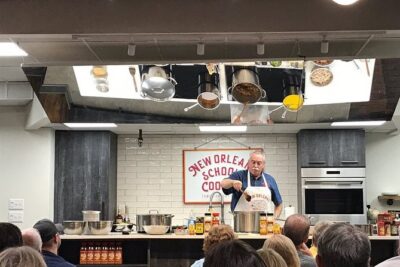
New Orleans Demonstration Cooking Class with Meal
Read our review →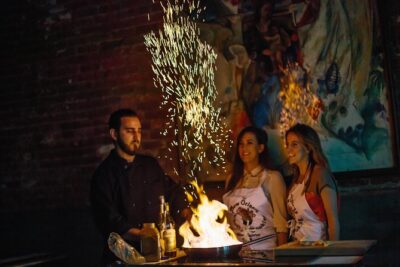
New Orleans Hands-On Cooking Class with Meal
Read our review →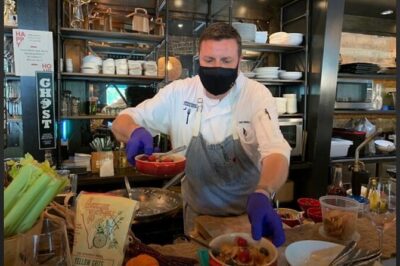
Undiscovered Charleston: Half Day Food, Wine & History Tour with Cooking Class
Read our review →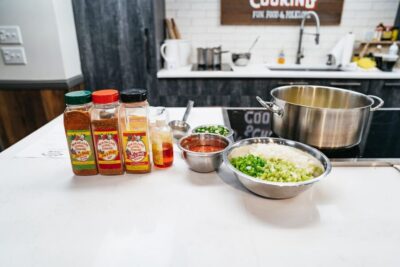
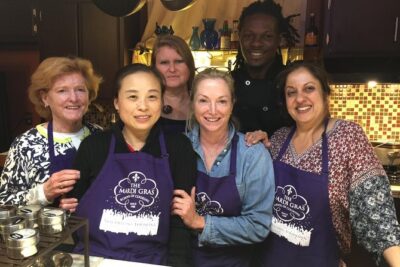
Hands-on Cajun Roux Cooking Class in New Orleans
Read our review →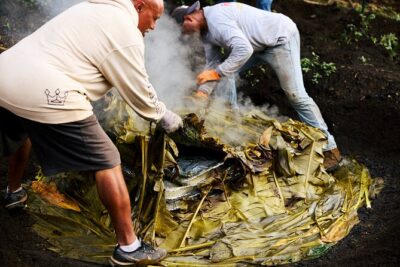
Hands-On Hawaiian Imu Cooking and Cultural Dining Experience
Read our review →
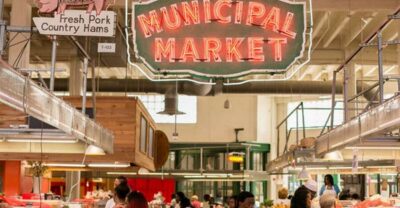
Atlanta: Historic Market Food Tour and Biscuit Cooking Class
Read our review →Browse the lists this tour appears in