
Review · USA COOKING CLASSES
Baumkuchen Campfire Baking Class
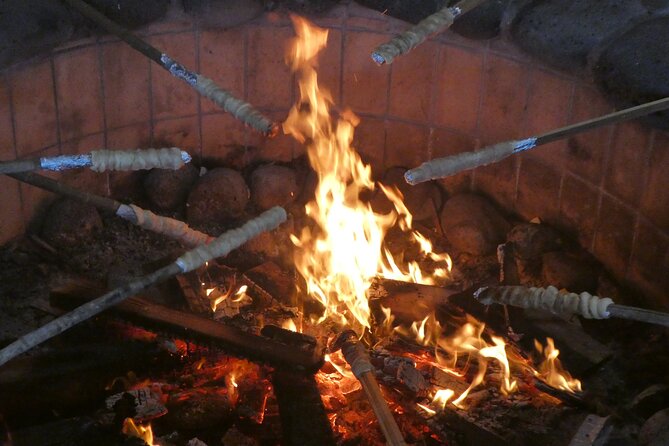
The best part of this Big Island class is wonderfully simple: you wrap dough around a stick, turn it over a fire, and eat the warm cake when it is ready. This is not a polished kitchen demonstration. It is a hands-on campfire treat with a German recipe and a Hawaiian setting.
I like the fresh samples and toppings, especially the chance to finish your cake with butter and cinnamon sugar, or perhaps chocolate dipping sauce. I also like the farm connection and the explanation of how Hawaiian and German cultures meet in this unusual food tradition. The main drawback is the price: $65 for 90 minutes is fair only if you value the personal instruction, tasting, and farm setting as much as the cake itself.
Key points to know before booking
- You bake the cake yourself: Baumstriezel dough is wrapped around a stick and cooked over an open fire.
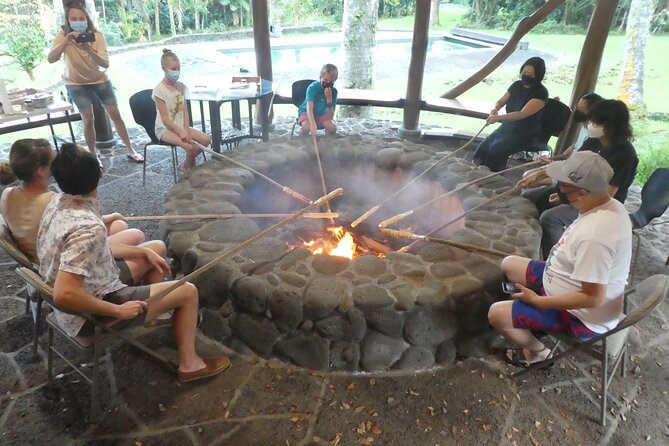
- The class works in wet weather: A rain pavilion keeps the fire and participants sheltered.
- You start with tastings: Samples of baumkuchen and toppings help explain what you are about to make.
- The setting is Baumkuchen Farm: The meeting point is at 27-714 Ka’ie’ie Road in Papaikou.
- The cultural story adds value: The class connects German baking traditions with Hawaiian history and relationships.
- Small-group limits keep it personal: No more than 20 people can join, and the activity lasts about 90 minutes.
A campfire cake with a German name
Baumstriezel is the cake you make during the class. It is closely related to baumkuchen, often called tree cake because its baked layers suggest the rings of a tree. Instead of making it in a standard pan, you wrap the dough around a stick and cook it over the fire.
That method gives the class its character. You are not simply watching someone slice a finished cake. You handle the dough, keep it near the heat, and wait for the outside to cook. The result is a warm dessert that feels rustic and immediate.
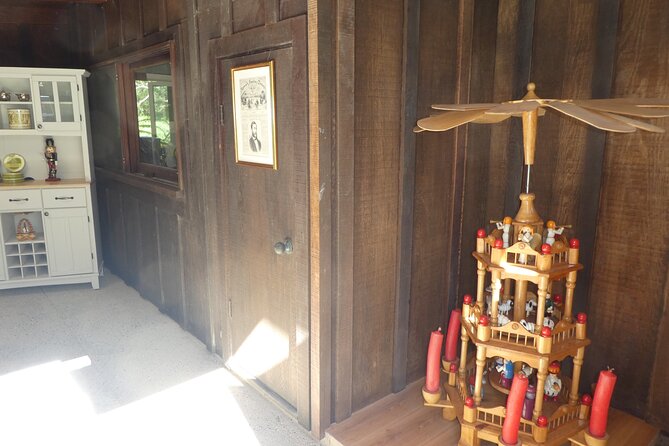
The class also introduces you to the wider baumkuchen world before the fire work begins. You receive samples, learn about the product, and hear how German and Hawaiian connections fit into the farm’s story. That background matters because the food is not presented as an isolated novelty. It has a place in a larger cultural exchange.
I would not book this expecting a full German cooking course. The class focuses on one dessert, one cooking method, and a short introduction. That narrow focus is part of the charm, but people looking for a long farm tour or a detailed pastry lesson may find the visit brief.
More Baking Classes in the USA:
- Lisbon: Pastel de Nata Baking Class
★ 4.9 · 2,106 reviews - Paris Croissant Small-Group Baking Class with a Chef
★ 5.0 · 910 reviews - Paris: French Croissant Baking Class with a Chef
★ 4.9 · 712 reviews
What happens during the 90-minute visit
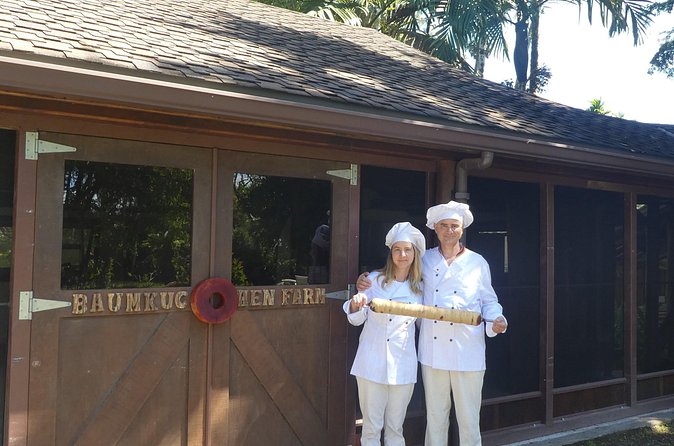
The experience begins at Baumkuchen Farm in Papaikou, on the Big Island. The meeting point is 27-714 Ka’ie’ie Road, and the activity ends at the same location. You should allow time to arrive at the farm before the scheduled start, since the class is not presented as a pickup tour.
First comes an introduction to baumkuchen. You get tasting samples and learn about the cake, its process, and its connection to the farm. The samples give you something useful to compare later: you can taste the finished product before trying the campfire version yourself.
The presentation also covers Hawaiian and German relationships. This is a worthwhile part of the visit because it gives the food a local context. You are not just learning a foreign recipe in a random location. You are hearing why this German-style cake has a place in Hawaii.
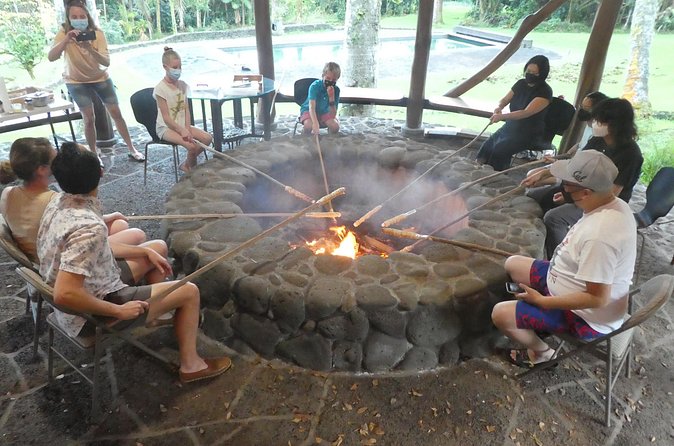
Next, you work with the baumstriezel dough. The dough is wrapped around a stick, then cooked over the open fire. The process is simple enough to follow, but it still requires attention. You need to manage the cake as it grills, rather than handing it over to a cook and waiting at a table.
Once the cake is ready, you can spread it with butter and cinnamon sugar. Chocolate dipping sauce may also be available as part of the topping experience. The supplied details specifically highlight that sauce, so chocolate fans should ask about it when you begin.
The final reward is immediate. You eat the baumstriezel warm, soon after it leaves the fire. That timing is important. The dessert is not merely a packaged sample to take home. The point is the combination of heat, hands-on work, and fresh eating.
Why the fire method makes the class worthwhile
Many food activities give you a sample and call it a lesson. This one asks you to take part in the cooking. That makes the $65 price easier to understand, though not automatically a bargain.
You are paying for several pieces at once: the introduction, the samples, the instruction, the ingredients, the fire setup, the covered venue, and the chance to make a dessert yourself. If you are already planning to visit Baumkuchen Farm, the class gives that stop a clear purpose instead of a quick look at a specialty product.
The method also makes the activity social. People work near the same fire, compare their cakes, and wait for the right moment to add toppings. It has the feel of a short outdoor workshop rather than a formal restaurant meal.
Still, expectations matter. You will make one kind of dessert, not a full lunch or a series of dishes. The experience is strongest for people who enjoy food preparation and odd little culinary traditions. If you mainly want to see scenery or tour a working farm, you may want to pair it with the free farm tour offered at the same place.
The farm and the German-Hawaiian connection
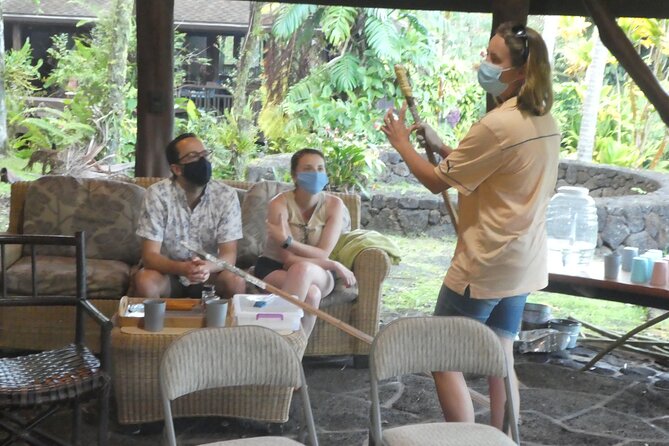
The farm setting gives this class more personality than a hotel activity. You meet at a specific working property in Papaikou, and the class connects the product to its place. The supplied details also note that the hosts can explain the farm’s other produce and the baumkuchen process.
That wider farm context can make the afternoon feel more complete. One useful plan is to coordinate the baking class with the free tour of Baumkuchen Farm on the same day. The farm tour and baking session serve different purposes: one helps you understand the property and production, while the other puts your hands on the dough.
Because no separate transport is included in the information provided, you should plan to reach the Papaikou meeting point on your own. The class begins and ends there, which keeps the logistics simple but means you need to build the drive into your Big Island schedule.
The German-Hawaiian theme is also a reason to choose this over a more ordinary dessert stop. You learn how a European baking tradition has been adapted and presented in Hawaii. That story gives the cake a local identity rather than treating it as a passing food fad.
More Cooking Classes in the USA:
- New Orleans Demonstration Cooking Class with Meal
★ 5.0 · 3,000 reviews - New Orleans Hands-On Cooking Class with Meal
★ 5.0 · 1,183 reviews - Undiscovered Charleston: Half Day Food, Wine & History Tour with Cooking Class
★ 5.0 · 948 reviews - New Orleans: Cajun and Creole Cooking Class
★ 4.9 · 730 reviews
Rain protection makes a difference
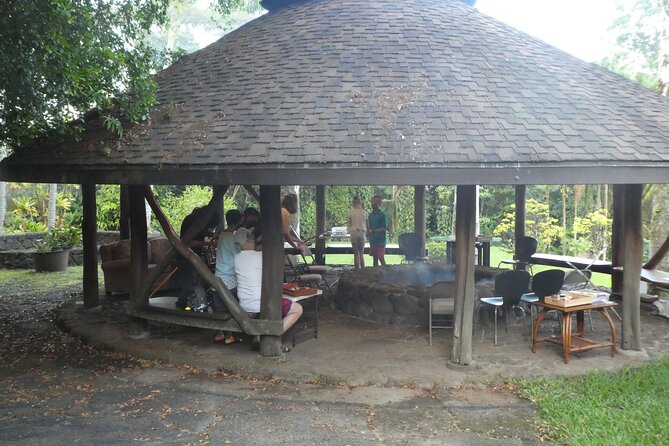
The covered rain pavilion is one of the most practical features here. Big Island weather can change your plans, and an outdoor fire activity would be risky if the class had no shelter. With the pavilion, the fires can continue and you can take part in the class in wet weather.
That does not mean conditions become completely indoor-like. You are still baking over a fire, and the setting remains an outdoor farm environment. Bring sensible clothing for changing weather, but do not assume that rain alone will cancel the experience.
The pavilion also matters for comfort. You can focus on the dough and the baking instead of rushing through the process before the weather turns. For a short class, that extra security is valuable because losing part of the 90 minutes to rain would otherwise be frustrating.
Group size, timing, and who will enjoy it
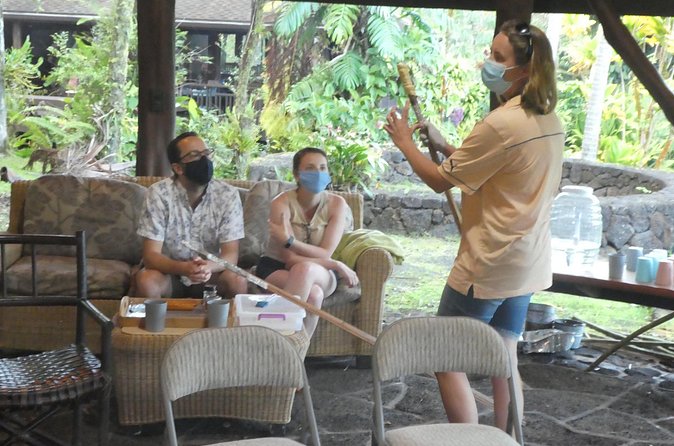
The maximum group size is 20 people. That is large enough for a social class but small enough that the activity should retain a personal feel, especially since the core task is hands-on.
The class lasts about one hour and 30 minutes. That makes it easy to fit into a Big Island day, particularly if you combine it with the farm’s free tour. It is also short enough for families or mixed-interest groups, though the supplied information does not give a recommended minimum age.
I would choose this for:
- People who like unusual food experiences
- Couples looking for a relaxed afternoon activity
- Families who enjoy simple hands-on cooking
- Visitors interested in German food traditions in Hawaii
- Anyone already planning to visit Papaikou or Baumkuchen Farm
I would think twice if you want a major sightseeing attraction, a long farm visit, or a substantial meal. The class is about one dessert and the story around it. That focus is a benefit if you like small, specific experiences, but it will not satisfy every kind of vacation plan.
Is $65 a fair price?
At $65 per person, this is not a cheap snack stop. You can buy dessert for much less. The value comes from the setting and the activity, not from the amount of food alone.
I see the price as reasonable for someone who wants instruction, tastings, a campfire setup, and a personal cooking experience. The warm baumstriezel is the final product, but the process is the main event. You are paying to learn, make, and eat.
The value improves if you combine the class with the free Baumkuchen Farm tour. That gives you more time at the property and lets the baking class fit into a fuller visit. It also makes sense for anyone who wants to bring baumkuchen home to share, since the farm offers products connected to the class.
For a person simply searching for the lowest-cost dessert, $65 is too much. For someone who values an unusual local activity, it is easier to justify. I would decide based on your interest in the story and the hands-on work, not on the portion size.
Booking details and practical limits
Confirmation is provided when you book, and the activity is offered in English. Mobile tickets make the entry process straightforward, though you should keep the ticket available on your phone.
The class allows service animals. The maximum group size is 20 people, and the experience requires a minimum number of participants. If that minimum is not met and the activity is canceled, you are offered another date or experience, or a full refund.
Demand may also affect your planning. The activity is booked an average of 78 days in advance, so I would not leave it until the final days of a Big Island trip if this is important to you.
Free cancellation is available up to 24 hours before the local start time. Cancellations or changes made less than 24 hours before the start are not refunded or accepted, so check your island schedule before committing.
Should you book the Baumkuchen Campfire Baking Class?
Book it if you want a small, distinctive food experience with a clear sense of place. The combination of German cake, Hawaiian connections, farm setting, and open-fire cooking is unusual, and the rain pavilion makes it more dependable than many outdoor activities.
I especially recommend pairing it with the free Baumkuchen Farm tour if your schedule allows. That combination gives you both the story of the farm and the chance to make your own dessert.
Skip it if you want a full meal, a long cultural program, or a low-cost sweet treat. At $65, the class earns its price through participation and context. If that sounds like your kind of afternoon, it is a memorable choice for the Big Island.
FAQ
Where does the Baumkuchen Campfire Baking Class take place?
The class starts and ends at Baumkuchen Farm, located at 27-714 Ka’ie’ie Rd, Papaikou, HI 96781, USA.
How long does the experience last?
The class lasts approximately one hour and 30 minutes.
How much does the class cost?
The listed price is $65 per person.
What will I bake?
You will bake baumstriezel, a cake cooked on a stick over an open campfire.
Do I get to eat the cake I make?
Yes. When the baumstriezel is ready, you can enjoy it warm with butter and cinnamon sugar.
Are samples included?
Yes. Fresh baumkuchen samples and toppings are provided before the baking begins.
What happens if it rains?
The class takes place under a rain pavilion, allowing the fires to continue in wet weather.
Is the class offered in English?
Yes. The activity is offered in English.
How many people can join?
The maximum group size is 20 people. The experience also requires a minimum number of participants.
Can I cancel for a refund?
You can cancel up to 24 hours before the local start time for a full refund. Cancellations or changes made less than 24 hours before the start are not accepted or refunded.
Newest classes around the USA
- Hands-on Cooking Class in Charleston★ 5.0 · 83 reviews
- Sushi Making Cooking Class at a Local Brewery in Charlotte★ 5.0 · 2 reviews
- Authentic Asian Cooking Class in NYC (Includes 4-Course Meal)★ 5.0 · 8 reviews
- Hands-On Hawaiian Imu Cooking and Cultural Dining Experience★ 5.0 · 95 reviews
- Farm to Table Cooking Class at Kulaniapia Falls★ 4.5 · 36 reviews
- French Cooking Class in Baltimore (Includes 3-Course Meal)★ 5.0 · 2 reviews
- Private Atlanta Cooking Class with a Fun Local Chef Naina★ 5.0 · 2 reviews
- Thai Cooking Class in Fullerton, California★ 5.0 · 3 reviews
USA Cooking Classes, compared.
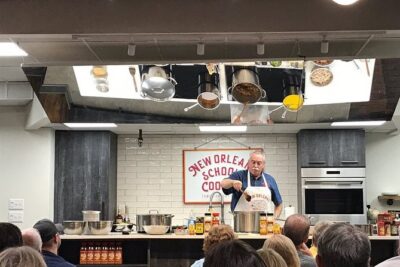
New Orleans Demonstration Cooking Class with Meal
Read our review →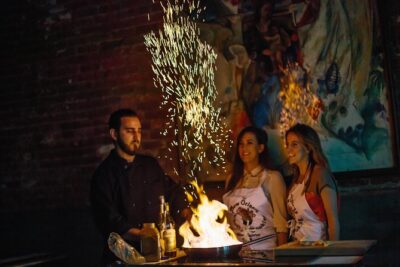
New Orleans Hands-On Cooking Class with Meal
Read our review →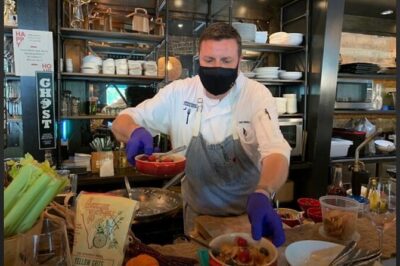
Undiscovered Charleston: Half Day Food, Wine & History Tour with Cooking Class
Read our review →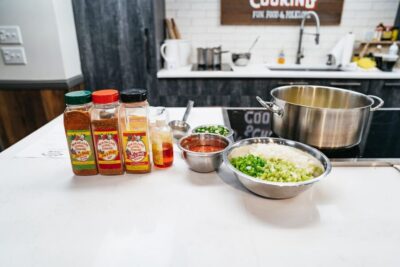
Hands-on Cajun Roux Cooking Class in New Orleans
Read our review →
Hands-On Hawaiian Imu Cooking and Cultural Dining Experience
Read our review →
Farm to Table Cooking Class at Kulaniapia Falls
Read our review →Browse the lists this tour appears in