
Review · SRI LANKA COOKING CLASSES
Sri Lankan Cooking Class in Bentota
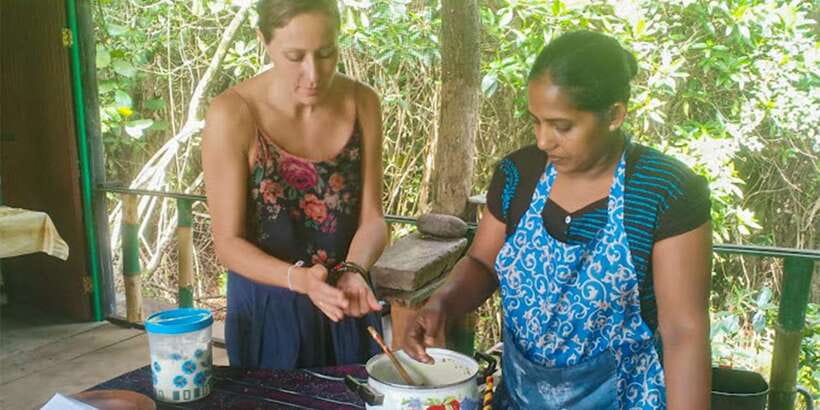
Sri Lankan cooking is built on balance, and this five-hour class lets you learn that balance with your own hands. You work with dhal, chicken curry, coconut sambol, and other local dishes, using traditional clay pots and coconut spoons rather than simply watching a chef work.
I like the private-group format and the fact that you cook at your own station with your own ingredients. I also like the clear cultural link: Lakshani and her partner do not just hand you recipes, they explain the spices, cooking methods, and habits behind the food. The main consideration is the location. It is listed as a Bentota cooking class, but the meeting point is in Kotapola, so check the route before booking and arrange your own transport.
Key points to know before booking
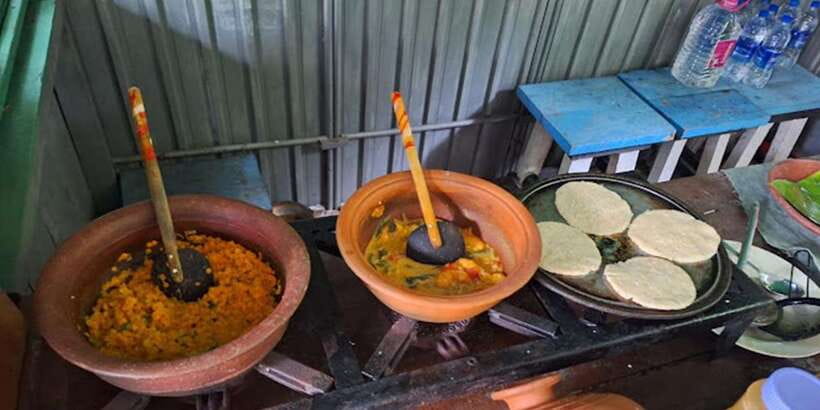
- Cook several dishes from scratch: Prepare dhal, chicken curry, coconut sambol, and other Sri Lankan favorites.
- Use traditional cookware: Clay pots and coconut spoons give the class a strong local character.
- Learn in a private group: Your English-speaking instructor can guide your own station rather than addressing a large class.
- Eat what you prepare: The final meal is part of the experience, not an extra restaurant stop.
- Allow five hours: This is a full cooking session, with time for ingredient lessons, preparation, cooking, and lunch or dinner.
- Plan your own ride: Hotel pickup and drop-off are not included, and the meeting point is Anyone Can Cook, Sri Lankan Spices Cooking Class.
Starting at Anyone Can Cook in Kotapola
The class meets at Anyone Can Cook, Sri Lankan Spices Cooking Class, in Kotapola. That detail matters because the experience is marketed for Bentota, yet the supplied location is Kotapola. Before you pay, confirm the exact address and travel time from your hotel.
You will need to arrange your own way there. Hotel pickup and drop-off are not included, and the price does not cover transport. This is a small but important planning point: a cooking class can be excellent value, but the final cost also includes whatever you spend reaching the kitchen.
The class lasts five hours. That is longer than a quick demonstration, and it gives the session room to move at a sensible pace. You are not expected to watch a chef rush through six dishes while trying to remember every spice. You receive ingredients, work at your own cooking station, and have time to prepare and cook the food before sitting down to eat.
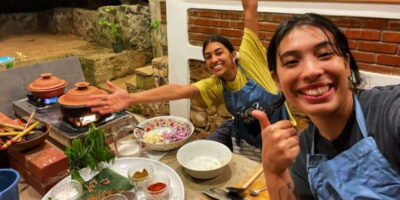
The group is private, and the teaching language is English. Lakshani is named as the chef who led one highly rated session, while the class is hosted by a friendly couple. The available feedback also points to a very clean kitchen, which is especially useful to know when you are spending half a day handling food and cooking equipment.
More Cooking Classes in Sri Lanka:
- Ella: Traditional Sri Lankan Cooking Class
★ 4.9 · 788 reviews - Organic cooking class sigiriya (kumara & family)
★ 5.0 · 650 reviews - Sri Lanka Cooking Class with Granny
★ 5.0 · 587 reviews
Learning the spice logic behind Sri Lankan food
The class begins with an introduction to Sri Lankan curries and the methods used to prepare them. This opening is important because Sri Lankan food can look simple on the plate while depending on careful choices in the kitchen.
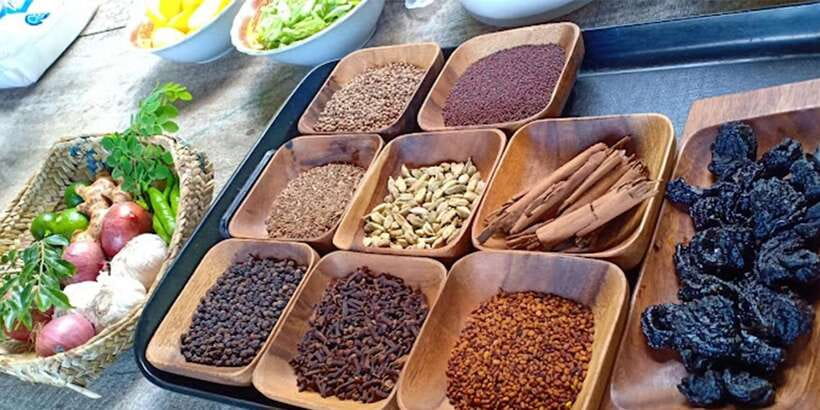
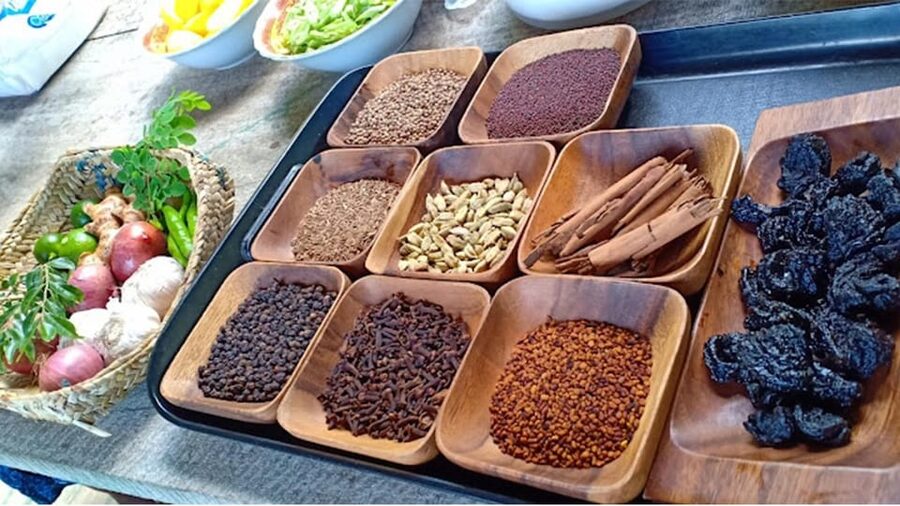
You are introduced to the main ingredients and spices, including where they come from and how they are used. The point is not just to collect a recipe card. You learn how flavors work together, and how to adjust the mix so a curry tastes balanced rather than simply hot.
That distinction is valuable when you cook at home. A list of ingredients tells you what to add, but it does not always explain why one spice is used early, why another is added later, or how the amount of coconut affects the finished dish. The class promises practical tips from the chef, so you can take home a method rather than a single meal.
I would pay close attention during this first stage. Ask about the role of each spice, the order in which ingredients go into the pot, and how the chef judges when a curry is ready. Those are the small details that are hard to learn from a cookbook and easy to miss when you are focused on chopping.
Your own station, ingredients, and cooking tools
You receive your own cooking station and ingredients. This is one of the strongest parts of the setup because it gives you an active role from the start. You are not standing at the edge of a demonstration hoping to see the pan clearly.
The hands-on format also makes the class useful for beginners. You can follow the chef step by step, ask questions, and see how each stage changes the food. If you already cook regularly, you can focus on technique and flavor balance instead of simply copying a basic recipe.
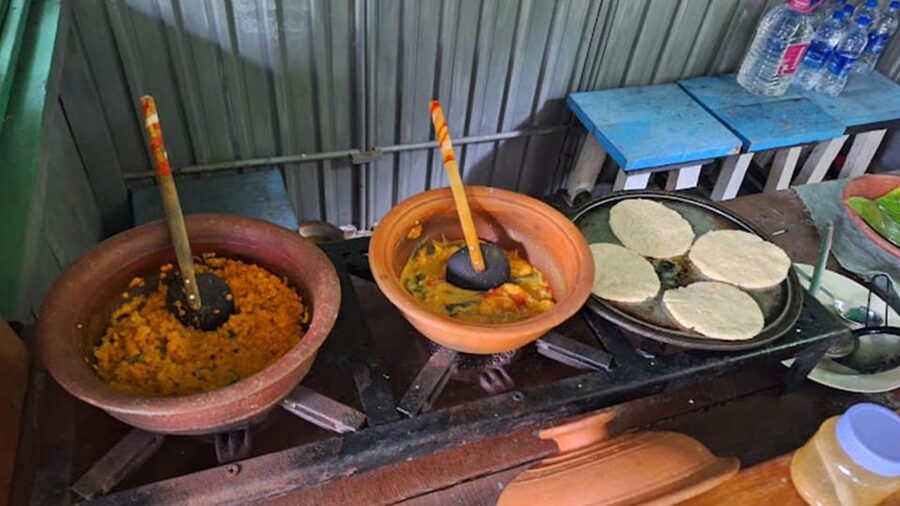
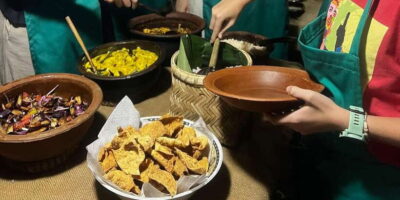
The traditional clay pots add a clear sense of place. Cooking in them is not the same as using a modern metal saucepan, and the experience helps connect the food to local kitchen practice. Coconut spoons add another practical touch. These tools are not just decoration, since you use them while preparing the dishes.
Still, traditional equipment may require a little patience. Cooking times and handling can feel less familiar than at home, and you may need to follow the chef’s instructions closely. That is part of the value, but this class is better suited to someone who wants to learn a local method than to someone seeking the fastest possible meal.
Dhal, coconut sambol, and chicken curry
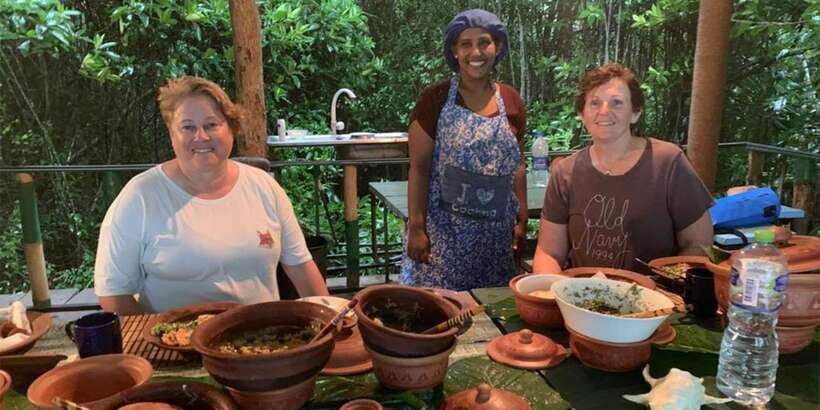
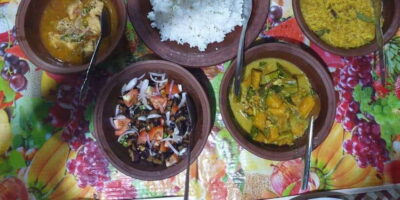
The named dishes give you a useful cross-section of Sri Lankan cooking. Dhal, or Sri Lankan lentil curry, is a staple with a soft texture and gentle base. It teaches you how a few well-matched ingredients can create a satisfying dish without relying on meat.
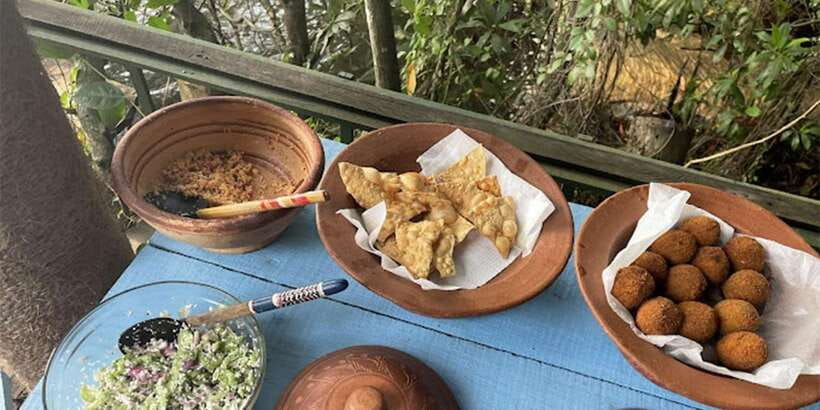
Coconut sambol shows a different side of the cuisine. It brings coconut into the meal in a fresh, strongly flavored form rather than as a creamy curry base. Preparing it alongside dhal helps you understand how Sri Lankan meals combine different textures and levels of heat.
Chicken curry gives the class a fuller, more substantial centerpiece. It is also a good dish for learning how spices and cooking time work with meat. The class includes and more, so the final menu may contain additional local dishes. Since the exact menu beyond the named items is not specified, you should confirm what will be prepared on your chosen date if the menu is important to you.
One particularly useful detail is the report of ten dishes being cooked in a single session. That suggests the meal can be broad rather than limited to one curry and a side. It also explains the five-hour duration. You are likely spending a meaningful amount of time on preparation and cooking, not simply tasting a few samples.
Do not read the ten-dish detail as a fixed promise unless the host confirms it. Menus can vary, but it gives you a helpful sense of the class’s potential scale.
Same region, a different dish to learn:
- Kandy Village Cooking Class
★ 5.0 · 536 reviews - Sea waves sri lankan cooking class
★ 5.0 · 467 reviews - Ella: Sri Lankan Cooking Class with Neranji at Homestay
★ 5.0 · 276 reviews - Cook with Wasantha
★ 5.0 · 248 reviews
Eating the meal you prepared
After cooking, you sit down to enjoy the food. This final meal is more than a reward for getting through the chopping and spice work. It gives you a chance to taste the finished dishes together and understand how the curries and accompaniments work as a full Sri Lankan meal.
I like this part of the format because you can compare what you expected with what you actually made. Did the dhal need more seasoning? Was the sambol hotter than you expected? Did the chicken curry develop the flavor you were aiming for? Those questions make the meal useful as a final lesson.
Mineral water is included. Extra food and beverages are not, so anything beyond the prepared meal and included water is an additional cost. The price also does not include personal items.
A clean kitchen makes a difference here. The available feedback specifically praises the kitchen for being spotless, which adds comfort during both preparation and the final meal. It also suggests careful attention to the setting, not just the food.
What the $60 price really covers
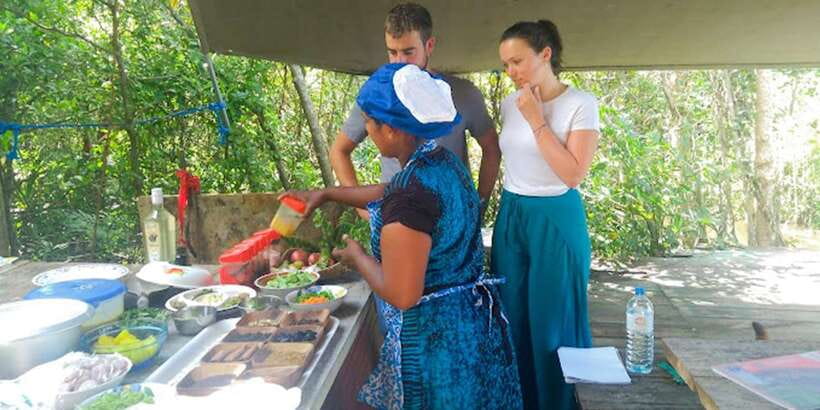
The cost is $60 per person. For five hours of instruction in a private group, with a chef, a cooking station, ingredients, mineral water, and a meal, that can be a fair price for someone who wants an active cultural experience rather than a standard restaurant outing.
The value depends on how you travel. If you only want to taste Sri Lankan food, a local meal will cost less and take far less time. If you want to understand how the food is made and leave with techniques you can repeat at home, the class offers more lasting value.
You are paying for personal instruction, not just ingredients. The English-speaking chef explains the dishes, demonstrates methods, and helps you prepare them. A private group can also make it easier to ask questions and work at a comfortable pace.
There are costs outside the $60. Transport to Kotapola is not included, and additional food or drinks cost extra. I would also check the final menu before booking, especially if the ten-dish format is a major reason for your choice.
Who will enjoy this five-hour class
This experience is a good match for several types of visitors:
- First-time cooks: You can follow the chef’s guidance at your own station and learn the basics without needing advanced kitchen skills.
- Experienced home cooks: The spice combinations, clay pots, and local methods offer ideas you may not find in a standard cooking class at home.
- Food-focused visitors: You get to understand several dishes and then eat them together.
- Couples and small private groups: The private format gives you a more personal setting than a large public class.
- People seeking cultural contact: The class connects food with local ingredients, tools, and family-style teaching.
It may be less suitable if you have only a short stop in the Bentota area, since five hours is a sizeable part of the day. It is also not the simplest choice if you want pickup from your hotel or prefer an activity directly in central Bentota.
The class is conducted in English. No other teaching language is specified, so ask ahead if you need instruction in another language.
Practical planning for your visit
Check the starting time when you book, since the available schedule can vary. Build in enough time to reach Kotapola, and confirm the meeting point rather than assuming the class is beside your Bentota hotel.
Wear something comfortable for a long cooking session. The supplied information does not give a dress code or equipment list, so ask the host whether anything specific is needed. You should also mention dietary requirements before arrival, since the stated dishes include chicken and the exact alternatives are not provided.
The class has free cancellation up to 24 hours before the start time for a full refund. You can also reserve now and pay later, which helps if your Sri Lanka route is still changing. These policies are useful, but they do not remove the need to check the location and menu before committing.
The rating is 5 out of 5 from two verified bookings, with praise focused on the friendly hosting couple, clean kitchen, clear explanation of spice combinations, and the number of dishes prepared. That is a small sample, so I would treat it as encouraging rather than final proof. Still, the praise is specific and matches the practical strengths of the class.
Should you book the Sri Lankan Cooking Class?
Book it if you want to do more than eat Sri Lankan food. The combination of a private group, personal cooking station, traditional clay pots, English instruction, and a meal made by your own hands gives the five hours real substance.
I would especially choose it if you enjoy taking recipes and techniques home. The class focuses on how ingredients and spices work together, and that lesson can stay with you long after the meal is over.
Think twice if your schedule is tight, if you need hotel transport, or if you are assuming the meeting point is in central Bentota. Confirm Kotapola, ask about the exact menu, and check any dietary needs before booking. With those details settled, this looks like a strong choice for a personal and food-centered day in Sri Lanka.
FAQ
Where does the cooking class take place?
The meeting point is Anyone Can Cook, Sri Lankan Spices Cooking Class, in Kotapola, Sri Lanka.
Is the class in Bentota or Kotapola?
The experience is presented as a Bentota cooking class, while the stated location and meeting point are in Kotapola. Confirm the exact address before booking.
How long does the cooking class last?
The class lasts five hours.
How much does the class cost?
The price is $60 per person.
What dishes will I learn to cook?
The named dishes include Sri Lankan dhal, coconut sambol, and chicken curry. Additional dishes may be included, but the full menu is not specified.
Is the cooking class hands-on?
Yes. You receive your own cooking station and ingredients and take part in preparing and cooking the dishes.
What cooking equipment will be used?
The class uses traditional clay pots and coconut spoons.
Is the class taught in English?
Yes. The instructor language is English.
Is hotel pickup included?
No. Hotel pickup and drop-off are not included.
Can I cancel the booking for a refund?
Yes. You can cancel up to 24 hours in advance for a full refund. You can also reserve now and pay later.
Newest classes around Sri Lanka
- cooking lesson★ 5.0 · 7 reviews
- Hands-On Cooking Class in Anuradhapura-Cook Like a Local★ 5.0 · 2 reviews
- Sri Lanka: Cooking Class★ 4.4 · 6 reviews
- Sri Lankan Cookery with Nilu★ 5.0 · 34 reviews
- Cooking Experience from Ella★ 4.9 · 2 reviews
- Private cooking class – Personalized classic menu★ 5.0 · 5 reviews
- Nilaveli: Sri Lankan Cooking Class with a Local Family★ 5.0 · 16 reviews
- Mirissa: Cooking Class with Beer and Meal★ 3.3 · 4 reviews
Sri Lanka Cooking Classes, compared.
Organic cooking class sigiriya (kumara & family)
Read our review →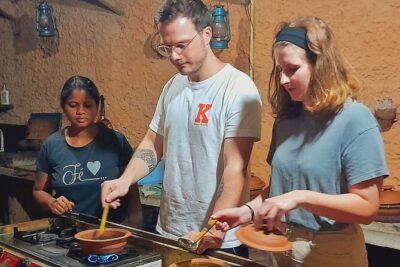
Sri Lankan Cooking Class with Neranji at Homestay
Read our review →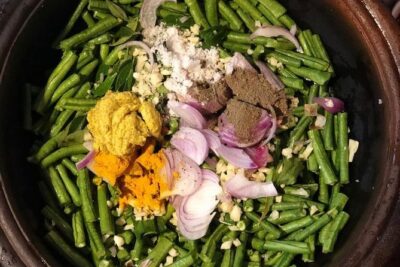
Browse the lists this tour appears in