
Review · SRI LANKA COOKING CLASSES
Sri Lanka: Cooking Class
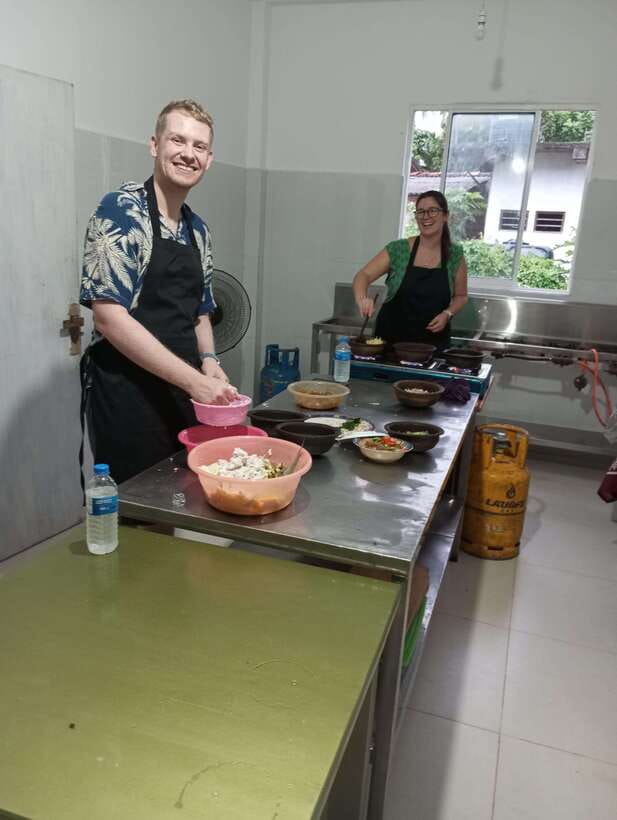
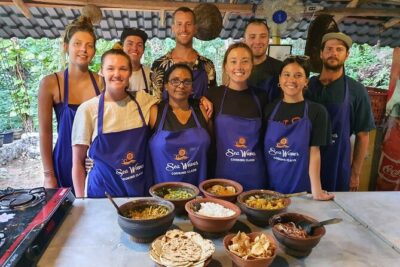
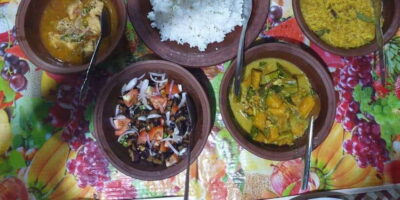
Sri Lankan food makes sense only when you get your hands into it. In Kotapola, you work through a spread of vegetables, meat, rice, coconut, and spices, then sit down with your hosts to eat what you prepared. Some sessions have produced seven or eight dishes, so this is more than a quick demonstration.
I like the hands-on format and the chance to meet a local family in their own setting. I also like the simple tuk tuk pickup, which turns a hotel transfer into part of the experience. The main caution is spice: even a request for less spicy food was not always enough for every diner, so repeat that request clearly before cooking.
Key points to know
- Seven or eight dishes may be prepared: Recent sessions moved quickly and produced a full range of Sri Lankan food.
- Spices are part of the lesson: You learn how herbs, spices, coconut, rice, vegetables, and seafood fit together.
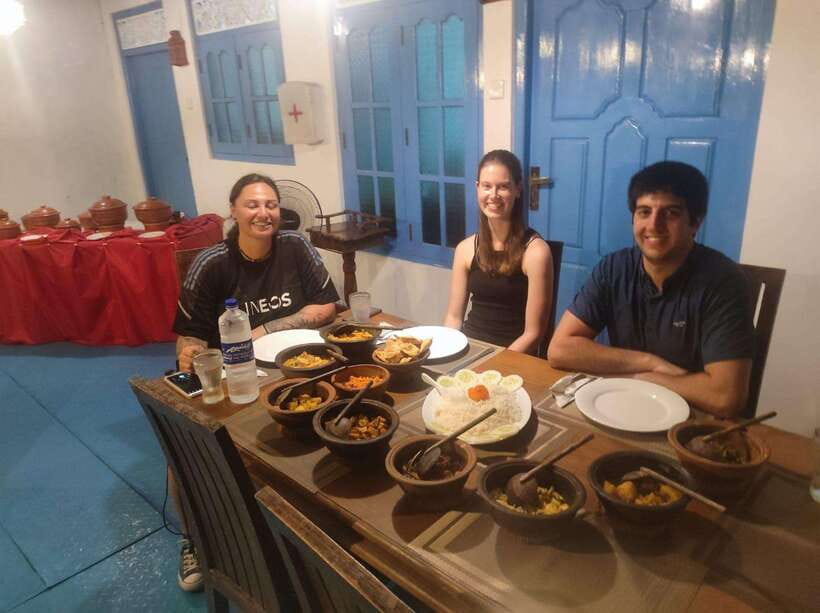
- Your meal comes from the cooking: You eat the dishes you help prepare with your hosts.
- Tuk tuk pickup is included: Pickup usually takes place around 30 minutes before the class.
- Dietary preferences can be discussed: The kitchen has been adjusted for food preferences when those were shared in advance.
- Spice levels need attention: Ask for mild food more than once, especially if you do not eat chili.
A Sri Lankan kitchen lesson in Kotapola
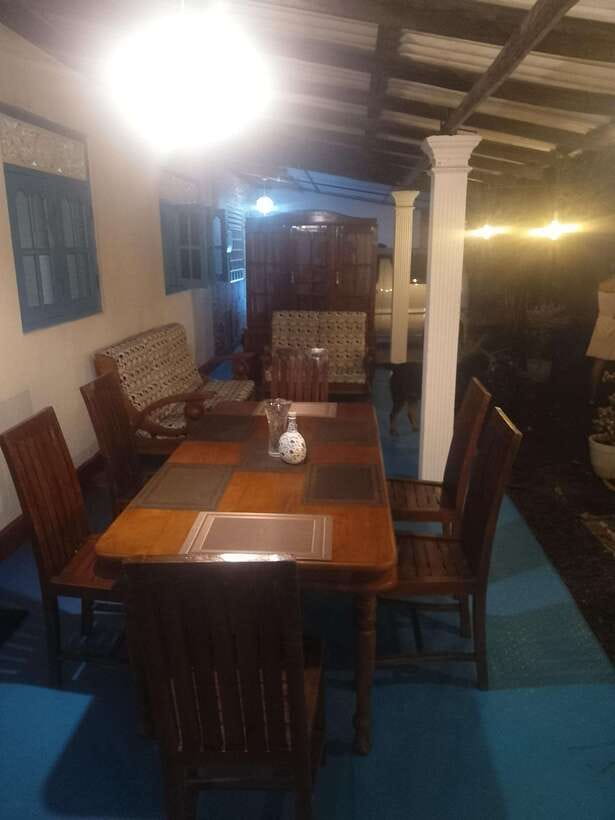
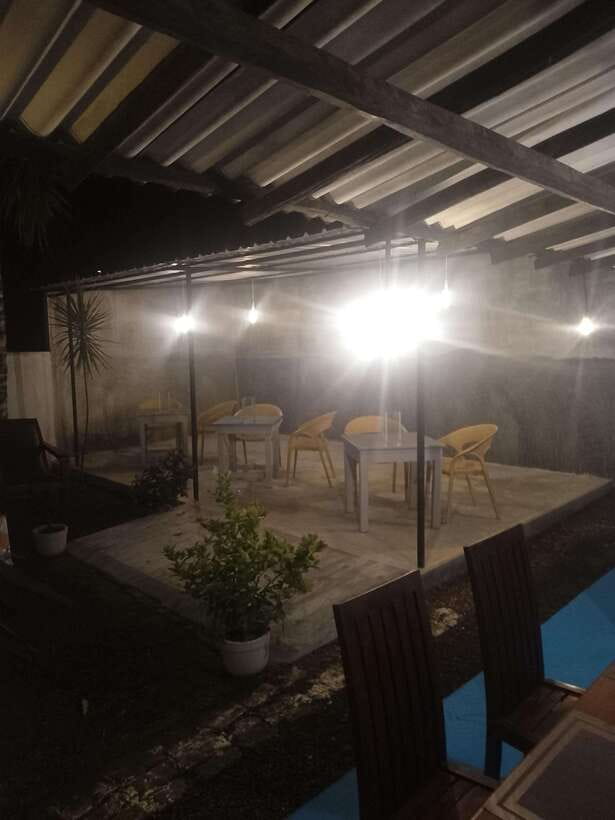
The appeal here is not a polished cooking school with a row of identical workstations. You are visiting a local setting in Kotapola and learning through the food people cook at home. That gives the three-hour class a personal edge.
Sri Lankan cuisine is built around combinations rather than one dominant ingredient. Rice provides the base, coconut adds body and sweetness, and spices bring warmth, color, and aroma. Vegetables, meat, fish, and fruit each play their part. Seafood is important too, both fresh and preserved.
The class also gives you a useful way to understand Sri Lanka’s past without turning the session into a formal lecture. The island sat along the old oceanic trade routes, and contact with foreign merchants brought new ingredients and cooking habits. Local traditions from the country’s different ethnic groups then shaped those influences into something distinctly Sri Lankan.
That background matters when you cook. Spices are not simply added to make food hot. They help build flavor, balance coconut, season rice, and give vegetable and meat dishes their character. You should come ready to ask why an ingredient is used, not just how much goes into the pot.
More Cooking Classes in Sri Lanka:
- Ella: Traditional Sri Lankan Cooking Class
★ 4.9 · 788 reviews - Organic cooking class sigiriya (kumara & family)
★ 5.0 · 650 reviews - Sri Lanka Cooking Class with Granny
★ 5.0 · 587 reviews
What the three-hour schedule feels like
The experience begins with pickup from your hotel or villa in the Kotapola area. A tuk tuk arrives about 30 minutes before the cooking class, so do not plan a tight connection immediately afterward. The included ride is practical, but it also gives you a local way to reach the cooking venue.
Once you arrive, expect an introduction to the food and the kitchen before the actual preparation begins. The guide speaks English and explains the ingredients and methods as you work. The pace can be brisk. One session prepared seven dishes in roughly an hour and a half, while another produced eight dishes, followed by eating and conversation.
The number of dishes is a real strength, but it also tells you something about the format. You are not likely to spend an hour perfecting one complicated recipe. Instead, you get a broad look at how a Sri Lankan meal comes together. You may move between vegetables, meat, rice, coconut-based preparations, and other local flavors in one sitting.
That variety makes the class useful for people who want ideas to take home. You see how several dishes work together rather than learning one isolated recipe. The tradeoff is that some steps may be explained quickly, especially if the group includes several people or the menu is large.
Cooking with spices, coconut, rice, and seafood
Rice is central to Sri Lankan food, and the class puts that importance into context. Rice is not merely a side dish. It helps anchor a meal that may include several vegetable preparations, meat, fish, or other accompaniments.
Coconut is just as important. It is widely available across Sri Lanka and appears in many forms, adding creaminess, sweetness, or texture. You will learn how coconut helps soften the force of spices and gives dishes a fuller taste.
The spice lesson is the part I would pay close attention to. Sri Lankan cooking depends on combinations of herbs and spices, and the order and balance matter. A dish can be aromatic without being painfully hot, but that distinction is easy to lose if chili is used too freely.
The class includes different kinds of vegetables and meat. Seafood also forms an important part of the country’s food culture, though the exact menu can vary. Do not assume that every ingredient will be included on your date. If you have a strong preference or dietary restriction, tell the host before the activity so the kitchen can prepare accordingly.
One participant had discussed dietary preferences beforehand and found that the kitchen was adjusted to suit them. That is encouraging, but you should still confirm your needs at booking and again before the cooking starts.
Eating with your hosts after the work
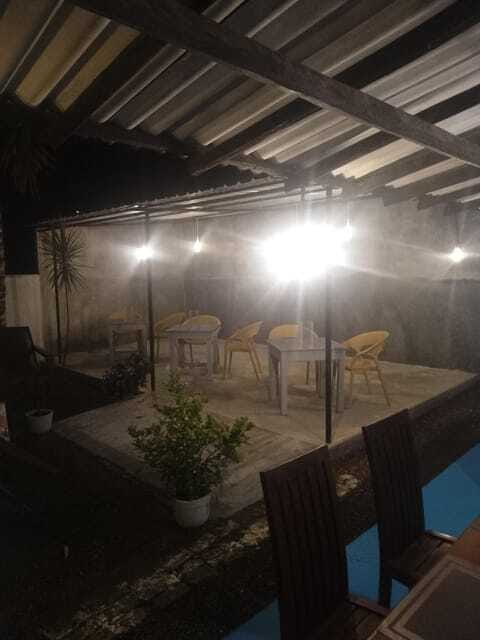
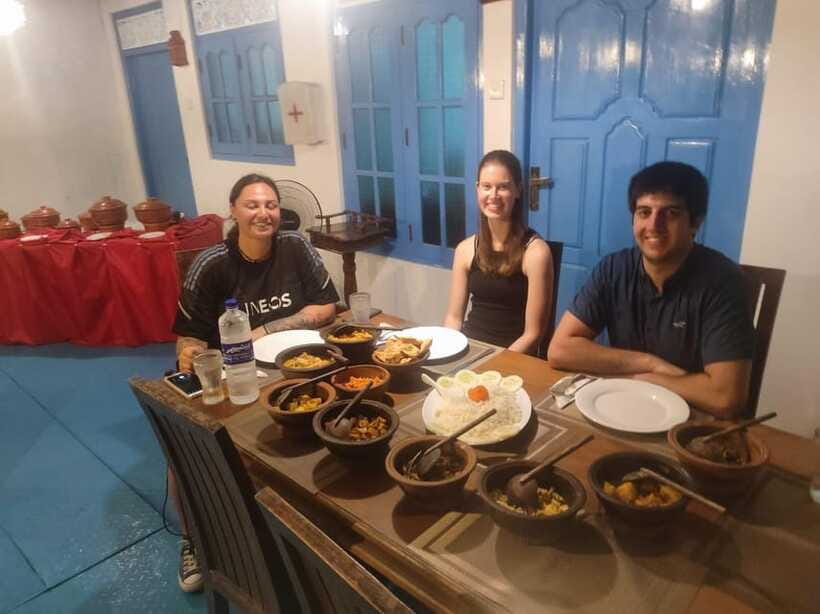
The best part of a cooking class often comes after the chopping and stirring. Here, you sit down with your hosts and taste the food prepared during the session. The meal gives you a chance to compare the flavors and understand how the separate dishes work together.
It also changes the tone of the experience. You are not only following instructions from a guide. You are spending time with people who can tell you about daily life in Sri Lanka, their food habits, and the place cooking holds in an ordinary day.
The hosting has been a strong point of the experience. Rnishani has led sessions with clear instructions, a kind manner, and reminders about kitchen safety. Those details matter, particularly when several dishes are being prepared in a short period.
The listed price is $50 per person. For three hours, hotel pickup and drop-off, an English-speaking guide, the cooking instruction, and time at a local home, that can be fair value. The value is strongest if you want cultural contact as well as a meal. If you only want to eat Sri Lankan food, a restaurant will cost less and require less time.
There is one detail to clarify before booking. The activity information lists meals and beverages as not included, while the experience itself includes tasting the dishes you prepare. Ask what ingredients, the cooked meal, and drinks are covered in your particular booking. Bottled water is listed as included, but other beverages may cost extra.
Same region, a different dish to learn:
- Kandy Village Cooking Class
★ 5.0 · 536 reviews - Sea waves sri lankan cooking class
★ 5.0 · 467 reviews - Ella: Sri Lankan Cooking Class with Neranji at Homestay
★ 5.0 · 276 reviews - Cook with Wasantha
★ 5.0 · 248 reviews
The spice warning is worth taking seriously
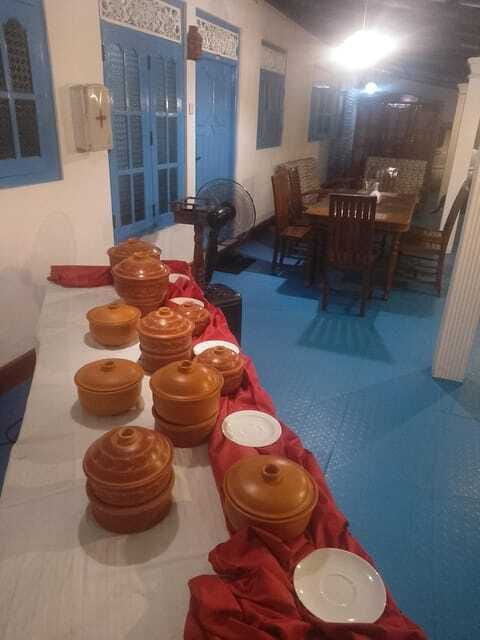
Sri Lankan food can be hot, and this class is not necessarily adjusted to a mild Western palate. One session went too far even after diners requested less spicy food. Two people found the dishes difficult to eat, while another person who normally handles chili also struggled.
That does not mean every class will be overly hot. It does mean you should be specific. Explain that you want mild food, not simply less spicy food. If you have a very low tolerance, repeat the request before ingredients are prepared.
You can still learn about Sri Lankan cooking without forcing yourself through a plate of food that hurts. Ask how much chili will be used and which dishes can be kept mild. The host may be able to make adjustments, particularly if you discuss the issue early.
There is also a safety rule: do not arrive after drinking alcohol. That is sensible in any active kitchen, especially when several dishes are being prepared. Wear simple, comfortable clothing that lets you work easily. The provided guidance specifically recommends practical clothing.
Transport, timing, and practical limits
Pickup and drop-off are included for hotels and villas around the Kotapola area. The pickup is by tuk tuk, usually around 30 minutes before the cooking begins. Confirm your exact pickup point and time, since the general start time depends on availability.
The class lasts three hours. That is long enough for instruction, preparation, eating, and conversation, but not so long that the cooking becomes an all-day commitment. Allow extra time around the scheduled period if your day includes another tour or a fixed dinner reservation.
The information is mixed on accessibility. The activity details say wheelchair accessible, but the same information says it is not suitable for people with mobility impairments or wheelchair users. I would not rely on the accessibility label without speaking directly with the provider. Ask about the tuk tuk, entrance, kitchen layout, seating, and bathroom access before paying.
The experience is conducted in English. That suits visitors who want explanations as they cook, rather than simply watching a local demonstration. If you are traveling with children, the information does not specify a minimum age or child policy, so confirm before booking.
Free cancellation is available up to 24 hours before the activity for a full refund. You can also reserve now and pay later, which helps if your Sri Lanka schedule is still moving around.
Who will get the most from this class
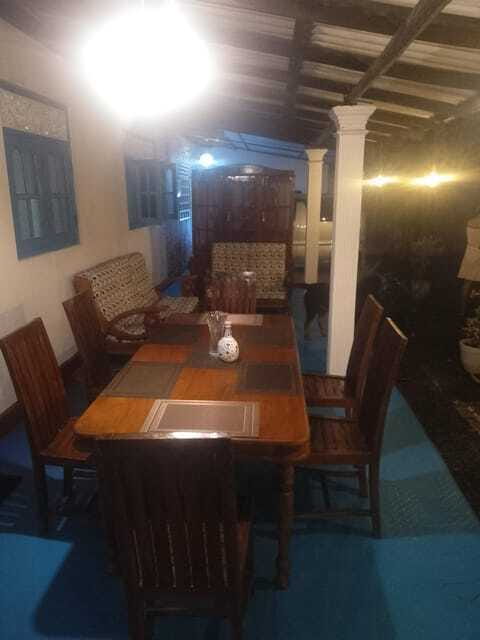
I would choose this for you if food is one of your main ways to understand a place. It works especially well if you want contact with local hosts, prefer practical activities to passive sightseeing, and enjoy trying several dishes in one meal.
It also suits confident eaters who want to learn about spices and do not mind a busy kitchen. The chance to prepare seven or eight dishes gives you plenty to discuss and taste. You may leave with a better sense of how rice, coconut, vegetables, meat, fish, and spices fit into one meal.
It may not suit you if you need a slow, highly technical lesson focused on one recipe. The large menu and short preparation time favor variety over detailed mastery. It is also a poor choice if you cannot tolerate chili and are unable to confirm a mild menu.
People with mobility limitations should contact Tourlankaholidays before booking. The conflicting accessibility information needs a direct answer, not a guess.
Is the $50 price fair?
At $50 per person, the class sits in the range where the setting and personal contact make the difference. You are paying for more than ingredients. The package includes transport in the local area, an English-speaking guide, a three-hour activity, and time eating with your hosts.
The price is less attractive if the meal and beverages are excluded from your booking and you expected everything to be covered. Ask for a precise breakdown. Bottled water is included, but the wording about meals conflicts with the promise to eat your creations.
For someone already staying in Kotapola, pickup and drop-off add useful value. You do not have to arrange a separate tuk tuk or find the cooking venue. For someone staying outside the stated pickup area, confirm whether the transfer is available or if an extra charge applies.
The overall rating is 4.4 from six reviews, with strong marks for the friendly host, clear instruction, food, communication, and tuk tuk pickup. The main weakness is not the idea of the class but the need to manage spice levels carefully.
Should you book the Kotapola cooking class?
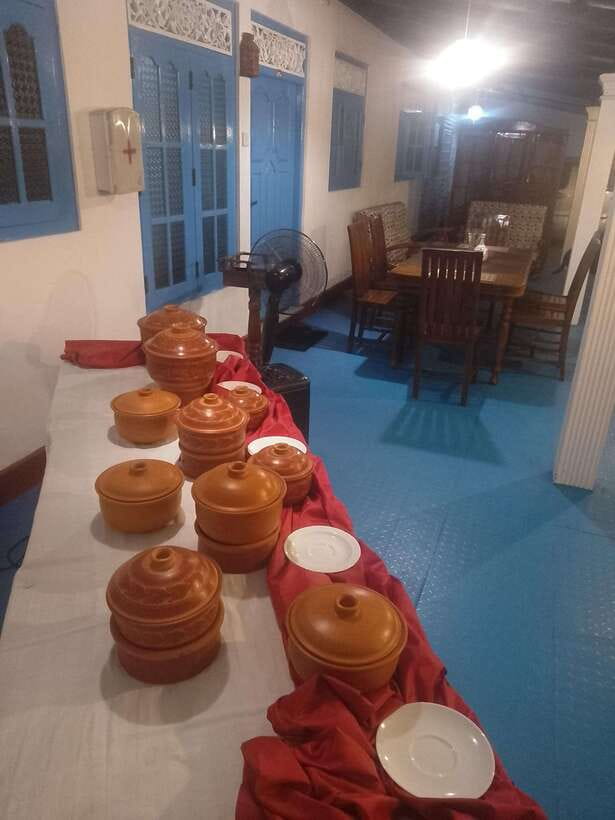
Book it if you want a local food experience with real participation, not just a meal served to you. The strongest reasons are the range of dishes, the chance to eat with your hosts, and the insight into Sri Lankan ingredients and daily cooking.
Before you commit, confirm three things: the exact menu, how mild the food can be made, and what the meal and drinks include. If you have mobility needs, get a direct answer about access. With those points settled, this is a good-value choice for food-focused visitors who want to meet local hosts and leave with a clearer idea of how Sri Lankan cooking works.
FAQ
Where does the cooking class take place?
The class takes place in Kotapola, Sri Lanka.
How long does the activity last?
The cooking class lasts three hours.
How much does the experience cost?
The listed price is $50 per person.
Is hotel pickup included?
Yes. Pickup and drop-off are included for hotels or villas around the Kotapola area, with pickup by tuk tuk around 30 minutes before the class.
What language is the class conducted in?
The live guide speaks English.
What food will I learn to cook?
You will prepare traditional Sri Lankan dishes using ingredients and flavors such as rice, coconut, vegetables, meat, seafood, herbs, and spices. The exact menu can vary.
Will I eat the food I prepare?
Yes. The experience includes sitting down with the hosts to taste your creations. Since the activity information also lists meals and beverages as not included, confirm exactly what your booking covers.
Can the food be made less spicy?
You can request less spicy food, and dietary preferences can be discussed before the activity. Because one session was still too hot for some people, explain clearly that you need mild dishes.
Can I cancel for a full refund?
Yes. You can cancel up to 24 hours in advance for a full refund. You can also reserve now and pay later.
Newest classes around Sri Lanka
- cooking lesson★ 5.0 · 7 reviews
- Hands-On Cooking Class in Anuradhapura-Cook Like a Local★ 5.0 · 2 reviews
- Sri Lankan Cooking Class in Bentota★ 5.0 · 2 reviews
- Sri Lankan Cookery with Nilu★ 5.0 · 34 reviews
- Cooking Experience from Ella★ 4.9 · 2 reviews
- Private cooking class – Personalized classic menu★ 5.0 · 5 reviews
- Nilaveli: Sri Lankan Cooking Class with a Local Family★ 5.0 · 16 reviews
- Mirissa: Cooking Class with Beer and Meal★ 3.3 · 4 reviews
Sri Lanka Cooking Classes, compared.
Organic cooking class sigiriya (kumara & family)
Read our review →
Sri Lankan Cooking Class with Neranji at Homestay
Read our review →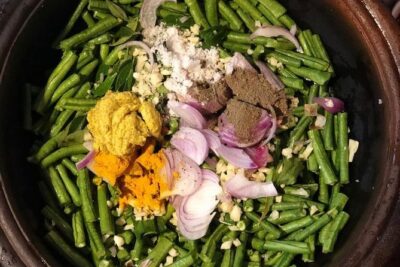
Browse the lists this tour appears in