
Review · SRI LANKA COOKING CLASSES
Cooking Experience from Ella
Sri Lankan cooking is less about setting your mouth on fire than getting the balance right. In this private class from Ella, you learn how cinnamon, cardamom, cloves, dill, and curry leaves work together, then put those lessons into practice with dishes such as sour fish curry, crab curry, and milk rice.
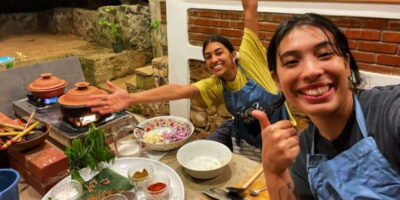
I like the private format, since you can work at the chef’s pace instead of trying to keep up with a large class. I also like the hands-on meal at the end: this is not a cooking demonstration where you watch someone else do all the useful work.
The main point to consider is the five-hour length. It gives you time to learn several recipes, but it is a full half-day, and the class may feel more like a gentle food lesson than a highly demanding culinary challenge. One 4/5 comment specifically found it less wild and challenging than cooking courses in Laos and Cambodia.
Key points to know before booking
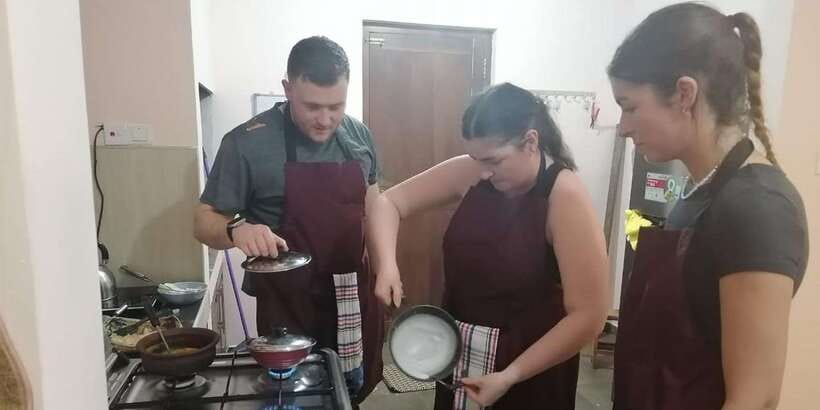
- Private five-hour class: You learn in a private group rather than alongside a large mixed crowd.
- English-speaking instruction: The chef conducts the class in English with help from experienced village cooks.
- Real spice lessons: You learn how to use cinnamon, cardamom, cloves, dill, and curry leaves without letting one flavor take over.
- A broad menu: Possible dishes include kiribath, maalu ambul thiyal, potato curry, crab curry, achcharu, and kokis.
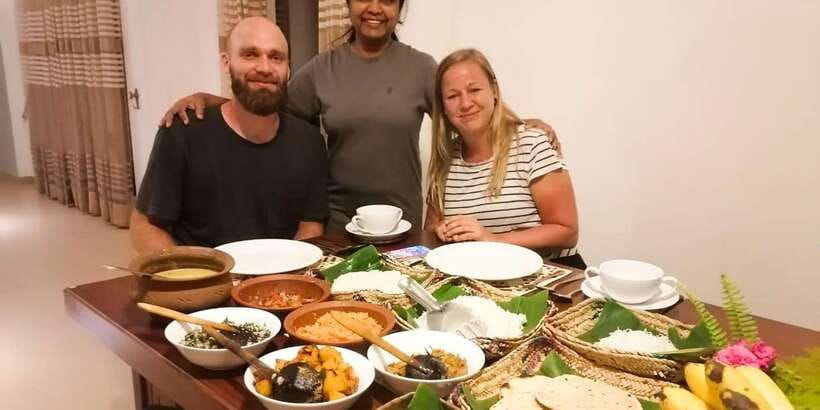
- Eat what you prepare: The class ends with time to enjoy the dishes made during the session.
- Transport is separate: Hotel pickup and drop-off are not included, so you need to arrange your own way to the cooking venue.
A five-hour introduction to Sri Lankan home cooking
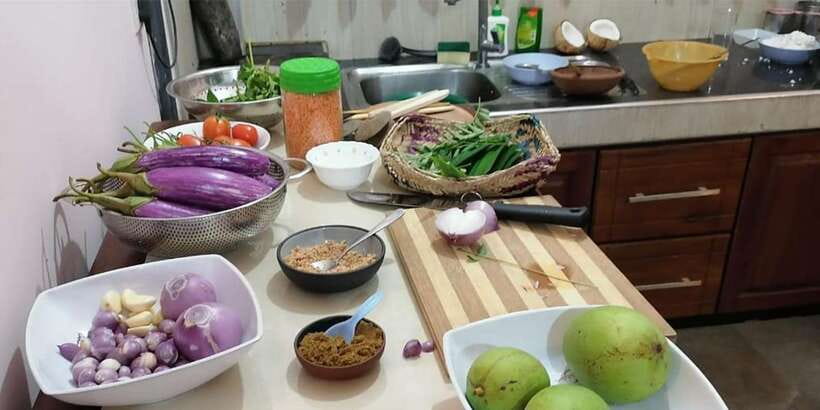
This experience begins when you arrive at the cooking area and meet the chef. You receive a tour of the space and the equipment you will use, which is a sensible first step. It lets you see how the class is arranged before the chopping, stirring, grinding, and seasoning begin.
The instruction comes from the chef along with experienced village cooks. That combination matters. The chef provides the structure, while the village cooks add practical guidance rooted in everyday Sri Lankan food preparation. You are not simply handed a recipe card and left to copy it.
The private group setup should make the class easier to follow. If you are unsure about a spice or cooking method, you can ask directly. If you already cook at home, you can focus on technique and seasoning rather than waiting through a long explanation aimed at a large audience.
The available timing varies, so you need to check the start times when booking. The full session lasts five hours. Plan your day around it rather than trying to squeeze in a major sightseeing stop immediately afterward.
More Cooking Classes in Sri Lanka:
- Ella: Traditional Sri Lankan Cooking Class
★ 4.9 · 788 reviews - Organic cooking class sigiriya (kumara & family)
★ 5.0 · 650 reviews - Sri Lanka Cooking Class with Granny
★ 5.0 · 587 reviews
Why the spice lesson is the heart of the class
Sri Lankan food is often described as spicy, but that label misses the more interesting point. The challenge is not simply adding heat. It is managing several strong aromas and flavors so that the finished dish tastes layered instead of confused.
You learn to work with ingredients such as cinnamon, cardamom, cloves, dill, and curry leaves. These are readily available in Sri Lanka, so the lesson has practical value beyond the class. If you enjoy cooking at home, you can use the same ideas with ingredients found in many international markets.
The useful skill here is restraint. A strong spice can easily dominate a curry. The class focuses on methods for making the seasoning support the dish rather than overpower it. That makes the experience worthwhile even if you are already familiar with South Asian food.
The supplied information does not specify whether you grind spices yourself, use a particular type of stove, or receive printed recipes. I would not book this expecting a set list of equipment or take-home materials. The clear promise is instruction, practice, and a meal made during the class.
Kiribath, the simple dish with a special place
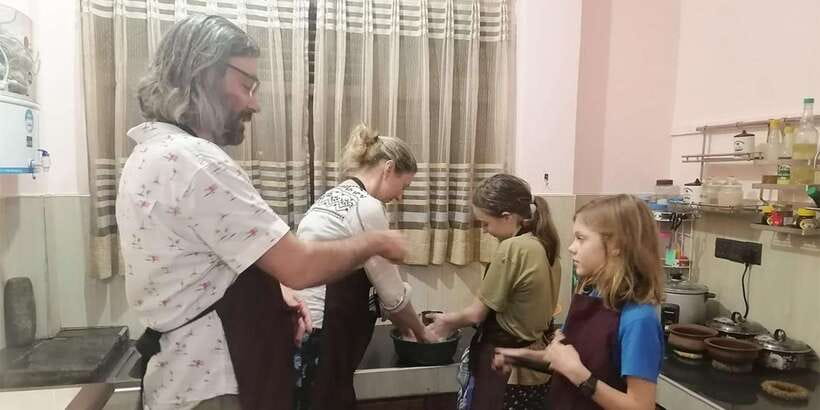
One of the listed dishes is kiribath, or milk rice. It is a good choice for a cooking lesson because it looks simple but depends on getting the texture right. You learn the recipe and method with guidance from the chef, then take part in preparing it yourself.
Kiribath also shows that Sri Lankan cooking is not only about curries. A class built around several dishes gives you a better sense of how a meal fits together. Rice, curry, pickles, and fried snacks each bring a different texture and flavor.
The menu can change, and the wording indicates kiribath is one of several possible preparations rather than a guarantee that every dish will appear in every class. If a particular dish matters to you, ask when arranging the booking.
Maalu ambul thiyal and the art of sour fish curry
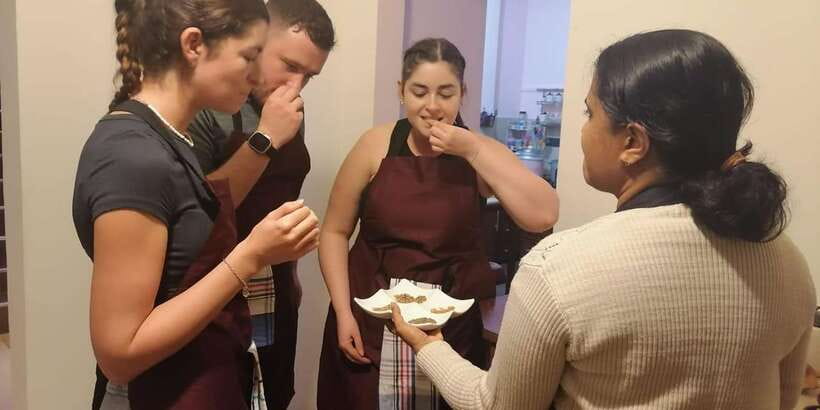
Maalu ambul thiyal is a sour fish curry and one of the more distinctive dishes listed. Its appeal comes from contrast: fish, sourness, spices, and the cooking method have to work together.
For you, this is where the spice lesson becomes more concrete. It is one thing to hear that flavors should be balanced. It is another to taste how sourness changes the effect of spice and how seasoning can make a fish dish feel bold without becoming heavy.
The class also includes potato curry, which gives you a milder comparison. Cooking both types of dish helps show how the same general spice pantry can produce very different results. You can pay attention to the changes in seasoning rather than treating every curry as the same formula.
Same region, a different dish to learn:
- Kandy Village Cooking Class
★ 5.0 · 536 reviews - Sea waves sri lankan cooking class
★ 5.0 · 467 reviews - Ella: Sri Lankan Cooking Class with Neranji at Homestay
★ 5.0 · 276 reviews - Cook with Wasantha
★ 5.0 · 248 reviews
Crab curry and the limits of the menu promise
Crab curry is another listed dish, and it adds a more special-occasion feel to the menu. Seafood curries can be memorable because the sauce has to complement the main ingredient instead of hiding it.
There is a practical point here: the activity description says you may prepare dishes such as crab curry and other recipes. It does not state that every listed dish is served in every session. Menus can depend on the class plan, so confirm the day’s dishes if crab is the main reason you are interested.
I appreciate that the class includes more than one type of curry. You get a chance to see how ingredients change the cooking method and final taste. Still, do not treat the published menu as a fixed restaurant order. It is a guide to the kinds of food covered.
Achcharu and kokis bring contrast to the meal
Achcharu adds a pickled element to the food. That matters because a good Sri Lankan meal is not built from soft curries alone. A sharp, sour, or crunchy side can cut through richer dishes and wake up your palate.
Kokis provides another change of pace. It is a snack or sweet-style preparation made with a different method from the curries and rice. Including it makes the class feel broader than a lesson focused only on one pot of curry.
The result is a useful range of techniques. You can expect to work with several kinds of preparation rather than repeating one basic method five times. The exact order is not provided, but the five-hour duration should allow time for instruction, hands-on work, and the final meal.
The meal at the end is part of the lesson
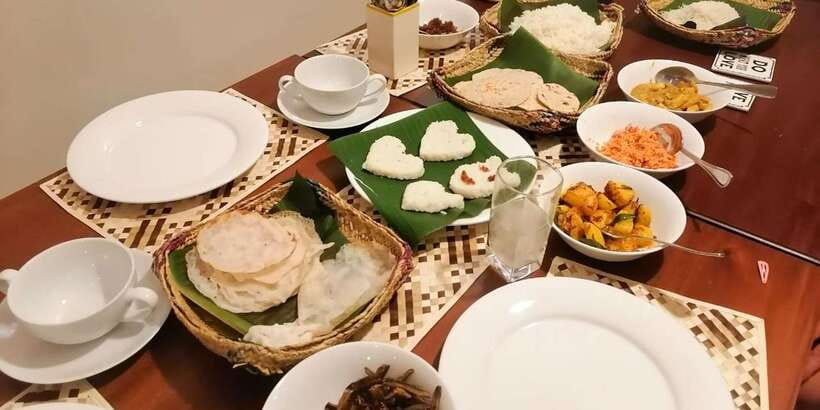
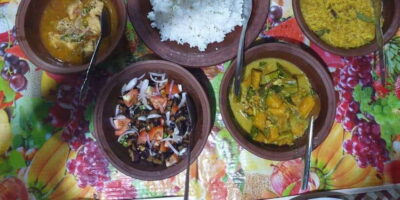
At the end, you sit down to enjoy the dishes you have prepared. This is more than a reward for finishing the work. Tasting the finished food helps you understand the effect of each technique and seasoning choice.
I find this part especially useful for a cooking class. You can compare the curries, rice, pickle, and kokis side by side. You can also notice what you would change next time, which is often how cooking skills actually improve.
Do not expect the activity to function as a restaurant meal with a long list of choices. The point is to eat the food produced during the class. If you have strong dietary needs, allergies, or foods you cannot eat, ask about them before booking because no special arrangements are stated.
What the private format is worth at $60
The price is $60 per person. That is not the cheapest way to eat Sri Lankan food, but the comparison should not be made with the price of a single restaurant meal. You are paying for five hours, a private group, instruction from a chef and village cooks, hands-on practice, and the final food.
The value is strongest if you want to learn. You get more from the price when you pay attention to spice balance, cooking methods, and the reason each dish is prepared in a certain way. If you only want a large meal, a restaurant will probably be a simpler choice.
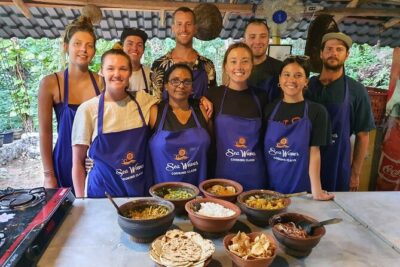
Private classes can also be worth extra money for couples, families, or small groups with different cooking interests. You have more room to ask questions and work directly with the instructor. The listing does not state the maximum group size, so you should confirm how many people are included in your private booking.
The class is offered by Lakpura. Instruction is in English, which makes the experience practical for English-speaking visitors who want to follow the recipes and ask about technique.
Getting to the cooking class from Ella
Hotel pickup and drop-off are not included. This is an important detail because the experience is described as being from Ella, while the location is given as Sri Lanka’s Eastern Province. You need to check the exact meeting point and arrange transport yourself.
Do not assume that your hotel transfer is covered simply because the activity is marketed from Ella. Ask for the venue details before committing to the time. This is especially important if you are planning other activities on the same day.
The five-hour duration also makes transport planning matter. Allow time to reach the venue, complete the class, and return. Since no pickup service is included, the responsibility for that schedule sits with you.
Who will get the most from this experience
I would choose this class if you want more than a quick taste of Sri Lankan food. It suits home cooks, curious eaters, couples, families, and anyone who likes to understand what goes into a meal instead of simply ordering one.
It is also a good match if you prefer a private setting and want to ask questions without competing for the chef’s attention. The English instruction makes it easier to follow the recipes and discuss spice use.
You may want a different activity if you are looking for an intense, highly technical cooking challenge. A 4/5 comment described the class as less adventurous than cooking courses in Laos and Cambodia. That does not make it a poor choice, but it sets a useful expectation: this is a practical introduction to Sri Lankan dishes, not a culinary boot camp.
The listed overall rating is 4.9 from two reviews, while the individual 4/5 comment suggests you should judge the experience by your own goals. Someone seeking a relaxed, private lesson may see the gentle pace as a benefit. Someone wanting a demanding course may find it too tame.
Cancellation and booking details
You can cancel up to 24 hours in advance for a full refund. You can also reserve now and pay later, which helps if your route through Sri Lanka is still changing.
Check availability for the start time, confirm the meeting point, and ask about the day’s exact dishes if you have a strong preference. Also remember that personal expenses and hotel transfers are not included.
Should you book this cooking class from Ella?
Book it if you want a private, hands-on introduction to Sri Lankan cooking and like the idea of eating a meal you helped prepare. The spice-balancing lesson, broad menu, English instruction, and village cooking support give the five hours real substance.
Skip it if you want a short demonstration, a guaranteed fixed menu, or a challenging course designed for advanced cooks. At $60, the value depends on your interest in learning, not just eating.
For most visitors who have a free half-day near Ella, this is a sensible food experience. Confirm transport and the exact menu first, then arrive ready to pay attention to the small seasoning choices that make Sri Lankan cooking work.
FAQ
How long does the cooking experience last?
The cooking experience lasts five hours.
How much does the class cost?
The price is $60 per person.
Is the cooking class private?
Yes. The activity is offered as a private group experience.
Is instruction available in English?
Yes. The instructor and activity language are English.
Who teaches the cooking class?
The chef conducts the class with experienced village cooks.
Which Sri Lankan dishes might I prepare?
Possible dishes include kiribath, maalu ambul thiyal, potato curry, crab curry, achcharu, kokis, and other Sri Lankan recipes.
Do I get to eat the food I prepare?
Yes. At the end of the class, you enjoy the dishes prepared during the session.
Are hotel pickup and drop-off included?
No. Hotel pickup and drop-off are not included.
Can I cancel for a refund?
Yes. You can cancel up to 24 hours in advance for a full refund.
Newest classes around Sri Lanka
- cooking lesson★ 5.0 · 7 reviews
- Hands-On Cooking Class in Anuradhapura-Cook Like a Local★ 5.0 · 2 reviews
- Sri Lankan Cooking Class in Bentota★ 5.0 · 2 reviews
- Sri Lanka: Cooking Class★ 4.4 · 6 reviews
- Sri Lankan Cookery with Nilu★ 5.0 · 34 reviews
- Private cooking class – Personalized classic menu★ 5.0 · 5 reviews
- Nilaveli: Sri Lankan Cooking Class with a Local Family★ 5.0 · 16 reviews
- Mirissa: Cooking Class with Beer and Meal★ 3.3 · 4 reviews
Sri Lanka Cooking Classes, compared.
Organic cooking class sigiriya (kumara & family)
Read our review →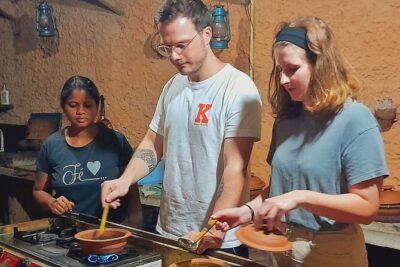
Sri Lankan Cooking Class with Neranji at Homestay
Read our review →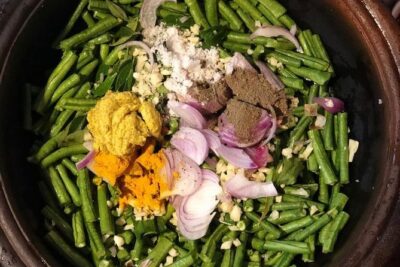
Browse the lists this tour appears in