
Review · ROME COOKING CLASSES
Spritz and Spaghetti Traditional Cooking Class in Rome
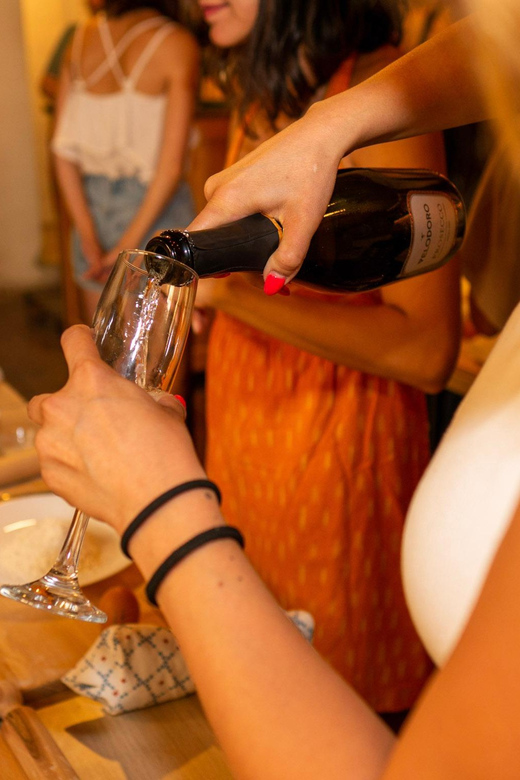
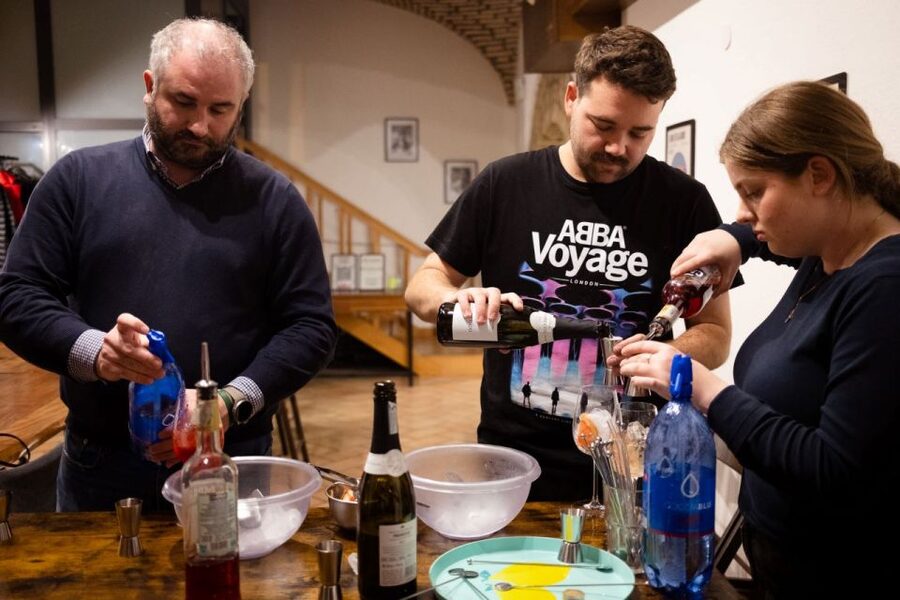
Rome’s most unusual cooking class pairs handmade pasta with three spritzes. You begin with mixology, then work through fresh pasta and a Roman sauce while the drinks keep coming. The cooking school is at Via Cesare Balbo 19, and the full experience lasts about three hours.
I like the blend of useful kitchen skills and easy social fun, especially the chance to make carbonara or vegetarian cacio e pepe rather than simply watch a chef. I also like that recipes go home with you. The main drawback is important: this menu cannot accommodate coeliac disease, gluten intolerance, vegan diets, or lactose intolerance.
Key points at a glance
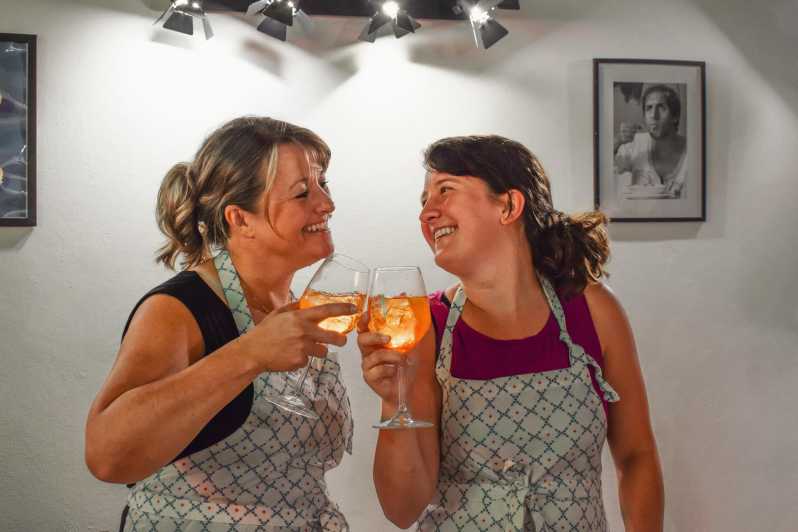
- Three Roman-style spritzes: Prepare Aperol, Hugo, and Limoncello versions during the class.
- Pasta made from scratch: Work with fresh dough before sitting down to eat your own handmade meal.
- Two main-course choices: The standard dish is carbonara, with vegetarian cacio e pepe available.
- A host-led evening: Chefs and mixologists such as Bart, Marcella, Maricella, Laura, and Angela lead the session in English.
- A tipsy format: Alcohol is part of the activity, not an optional extra, so pace yourself.
- A central Rome meeting point: Find the Rome With Chef sign outside 19 Via Cesare Balbo in Lazio.
Why this Rome cooking class feels different
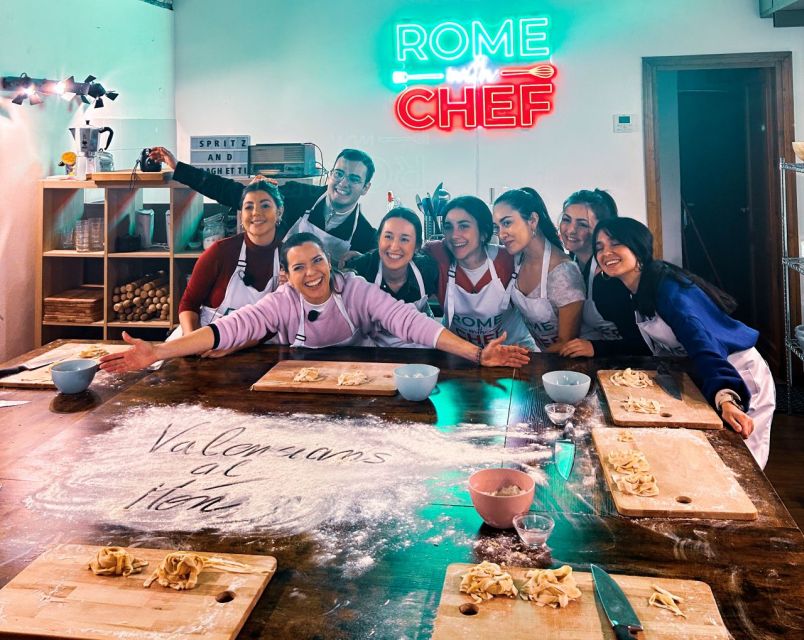
Many cooking classes in Rome focus almost entirely on pasta. This one adds a second lesson: how to prepare three Italian cocktails. That gives the evening a party-like rhythm, but it still has a clear cooking purpose. You are not only eating carbonara in Rome. You are learning the basic steps behind it, from pasta preparation to sauce making.
The class is described as the only tipsy cooking class in Rome, and the format is plainly built around that idea. Aperol arrives first, followed by Hugo and Limoncello variations as the pasta work progresses. If you enjoy a relaxed group setting, the drinks give everyone an easy conversation starter.
I would not book this as a quiet, technical pasta workshop. The tone is more social and playful. The strongest experiences depend partly on the host. Bart is praised for humor and clear instruction, while Marcella, Maricella, Laura, and Angela are each singled out for warmth, patience, or strong cooking skills. Host assignments may vary, so you should not assume you will meet a particular person unless the booking allows you to request one.
More Cooking Classes in Rome:
- 3 in 1 Cooking Class near Navona: Fettuccine, Ravioli & Tiramisu
★ 5.0 · 7,376 reviews - Rome: Pasta Making Class with Wine, Limoncello, and Dessert
★ 4.9 · 3,177 reviews - Rome Cooking Class: Make Pasta and 3 Spritz Cocktails
★ 5.0 · 2,937 reviews
Starting at Via Cesare Balbo 19
The class begins at Via Cesare Balbo, 19, 00184, in Rome. Look for a Rome With Chef sign outside the class. The activity finishes at the same location, which keeps the evening simple. You do not need to arrange transport between different cooking sites, restaurants, or bars.
The supplied information does not give a precise neighborhood description or a fixed start time. You need to check availability for the available sessions. That matters in Rome, where a three-hour food activity can fit neatly before or after sightseeing, but only if you choose the time carefully.
I suggest arriving with enough time to find the sign and settle in. The class is in a cooking school, so you can escape the heat of the city while working indoors. That is a practical benefit during Rome’s warmer months, when a cool kitchen is welcome after walking around ancient sites.
The first pour: learning three Italian spritzes
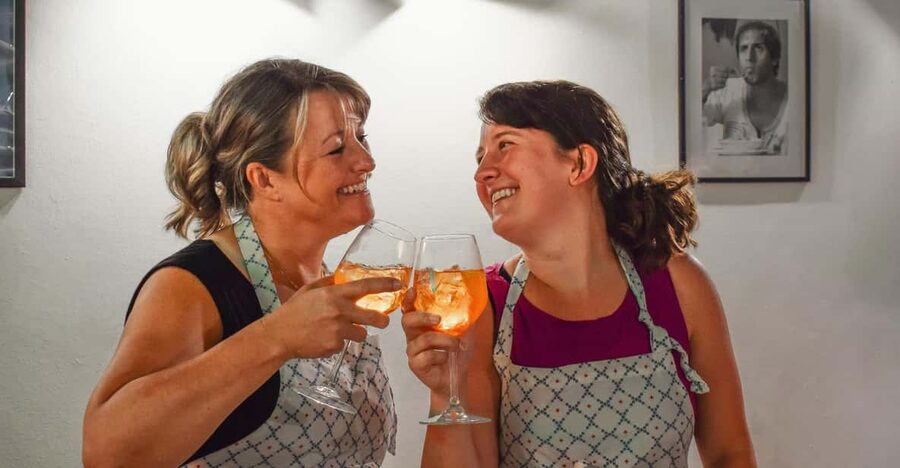
The drink portion is not just a welcome cocktail. You learn about three different spritz variations:
- Aperol spritz
- Hugo spritz
- Limoncello spritz
The class uses the drinks as a thread running through the evening. You start with Aperol, move to Hugo, then try Limoncello while the pasta lesson develops. The exact preparation details are not provided, so I would view this as an introductory mixology session rather than professional bartender training.
That distinction is useful. If your goal is to master bar technique, this class may not offer enough detail. If you want to learn the basics, taste several familiar Italian combinations, and make drinks alongside dinner, it should fit well.
The alcohol also changes how you should plan the evening. The activity is intentionally tipsy, and one of the strongest themes is the steady flow of drinks. Eat at a sensible pace, use the unlimited water and soft drinks, and remember that the class lasts three hours. You can enjoy the concept without treating every pour as a challenge.
Making pasta from scratch
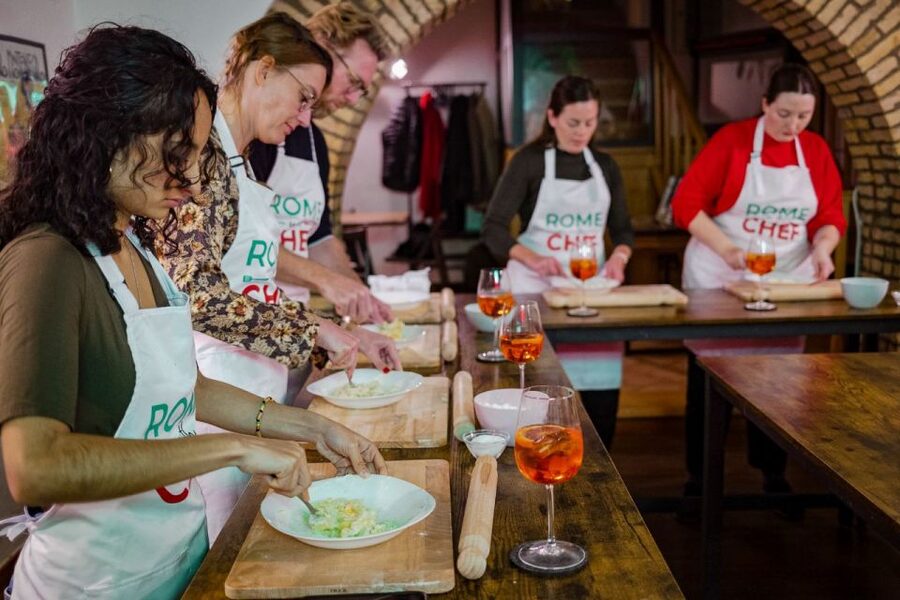
The heart of the class is fresh pasta. Rather than sitting down to a finished plate, you take part in the process and learn how Italian pasta is made from the beginning. The available details do not specify the pasta shape or every stage of the dough work, so you should expect a practical lesson without assuming a particular regional technique.
This is where the experience offers its best value. A restaurant meal gives you a chance to taste carbonara. Here, you also receive recipes to take home, giving you a way to repeat the meal after your trip. The skills may be simple, but they are useful: fresh pasta becomes less mysterious when you have handled the dough yourself.
The class is designed for participation, not for perfect results. That makes it suitable for beginners and for families or friends who want a shared activity. A mother with a broken arm was still included in the class and managed to take part successfully, with the host making sure she was not left out. That suggests the staff can be attentive when someone needs a little extra help, although the activity does not provide a formal accessibility guarantee.
Same region, a different dish to learn:
- Rome: 3-in-1 Fettuccine, Ravioli, and Tiramisu Cooking Class
★ 4.9 · 2,704 reviews - Rome: Fettuccine Pasta Cooking Class in Rome’s City Center
★ 4.8 · 2,414 reviews - Fettuccine & Tiramisù: Cooking Class with Wine & Limoncello
★ 4.9 · 2,103 reviews - Pasta Cooking Class Near the Colosseum with 3 Spritz Cocktails
★ 5.0 · 1,686 reviews
Carbonara or vegetarian cacio e pepe
Once the pasta is ready, the class turns to Roman sauces. The standard option is carbonara, one of Rome’s best-known dishes. You also have a vegetarian choice of cacio e pepe, built around cheese and pepper.
The two choices give the menu some flexibility, but they do not make it suitable for all diets. Both options contain dairy, and the pasta contains gluten. People with coeliac disease, gluten intolerance, vegan diets, or lactose intolerance cannot be accommodated because of the menu.
If you have another dietary restriction, tell the provider in advance. The staff may be able to work out what is possible, but you should not wait until the class begins. The safest approach is to treat carbonara and cacio e pepe as the confirmed options, not as examples of a broad special-diet menu.
The meal is included, so this is both a lesson and dinner or lunch, depending on the time you book. You eat the handmade pasta and sauces you prepare. That helps justify the price, especially if you would otherwise pay for a separate Rome meal after the class.
The hosts shape the evening
The class is led by a professional chef and mixologist, along with a local culinary expert. The host is not a minor detail here. This is a social activity, and the teaching style can make the difference between a fun group evening and a rushed kitchen demonstration.
The named hosts receive particularly strong praise for different reasons. Angela is described as a warm chef and host who kept the drinks and fun moving. Bart is noted for humor, patience, and clear pasta instruction. Marcella and Maricella are praised for traditional Roman pasta, strong drinks, and entertaining company. Laura is remembered for her passion for teaching and for making sure every participant could join in.
You should expect a host who talks, jokes, demonstrates, and helps the group as you work. The atmosphere is laid-back rather than formal. That is good news if you worry about making a mistake with the dough. It may be less appealing if you want a silent, highly structured lesson with exact measurements and restaurant-level technique.
The English-language format makes the class accessible to visitors who do not speak Italian. Still, the experience is rooted in Roman food traditions, not a general international cooking lesson. The focus stays on local pasta and Italian drinks.
What the three hours are worth
The listed price is $100.82 per person. That is more than the cost of a basic plate of pasta, but the comparison is not quite fair. Your fee covers a three-hour activity, instruction from a chef and mixologist, fresh ingredients, three alcoholic drinks, water and soft drinks, the meal, and recipes to take home.
For me, the value depends on what you want from the evening. If you only want dinner, this is not the cheapest way to eat in Rome. If you want dinner plus a hands-on activity and a social night with drinks, the price becomes easier to justify.
The included drinks are a major part of the calculation. Aperol, Hugo, and Limoncello are all included, along with unlimited water and soft drinks. You are not paying separate bar prices as the class moves along. Just remember that included does not mean you must drink everything offered.
This also works well for a special occasion. One participant used the class for a birthday with her mother and sister, and the experience became a lasting family memory. The combination of food, cocktails, and group participation gives the evening more personality than a standard restaurant reservation.
Who should book this experience
I would recommend it to couples, friends, families with adult children, and solo visitors who enjoy meeting people through food. It suits anyone who wants a break from monuments and museums and prefers an activity where the result is dinner.
You will get the most from it if you:
- Enjoy social, informal classes
- Like cocktails as much as pasta
- Want to learn by doing
- Can eat gluten and dairy
- Are comfortable with alcohol as part of the activity
- Prefer a three-hour evening rather than a quick meal
I would choose another class if you need vegan, gluten-free, or dairy-free food. I would also look elsewhere if you want detailed wine pairing, advanced pasta technique, or a dry cooking lesson. The tipsy concept is central, not a side feature.
The activity can suit beginners because the hosts explain and demonstrate the process. You do not need to arrive as a cook. In fact, a relaxed attitude may matter more than kitchen experience. Handmade pasta can be messy, and the point is to learn while having a laugh.
Practical planning for your Rome day
Check the available starting times before building the class into your schedule. The activity lasts three hours, and it ends where it begins at Via Cesare Balbo 19. That makes it easier to plan than a meal spread across several parts of the city, but you still need to allow time to reach the meeting point.
Because dinner is included, avoid booking a restaurant immediately afterward. You will be eating the pasta you prepare, and the combination of food and drinks can make the evening feel complete. Water and soft drinks are available, which is useful if you want to pace the alcohol.
The class offers free cancellation up to 24 hours before the activity for a full refund. You can also reserve now and pay later, which helps if your Rome schedule is still changing. These policies are useful, but check the current terms when booking.
The limits you should not overlook
The dietary restriction policy is the biggest practical issue. The menu cannot accommodate coeliac disease, gluten intolerance, vegan diets, or lactose intolerance. This is not a minor substitution problem because pasta and dairy are central to the meal.
The class is also not presented as a private experience. The social setting is part of its appeal, but you will be sharing the cooking session with other participants. If you want a quiet lesson focused only on your own technique, the group format may not be right.
Finally, the description does not provide a fixed group size, exact menu measurements, or precise drink quantities. You should book for the overall concept: Roman pasta, three spritzes, a local kitchen, and a lively English-speaking host. Do not book expecting a detailed bartending certificate or a tightly specified chef’s curriculum.
Should you book Spritz and Spaghetti in Rome?
Book it if you want a cheerful night built around pasta, cocktails, and conversation. The $100.82 price is reasonable when you count the three-hour lesson, dinner, drinks, ingredients, professional instruction, and recipes. The hosts appear to be the real strength, with Bart, Marcella, Maricella, Laura, and Angela each bringing humor and personal attention to the room.
Skip it if you cannot eat gluten or dairy, avoid alcohol, or want an advanced cooking course. For everyone else, this is a smart way to spend an evening in Rome without simply sitting at another restaurant. You leave with a full meal, a few Roman cooking skills, and recipes you can try at home.
FAQ
Where does the Spritz and Spaghetti cooking class meet?
The class begins at Via Cesare Balbo, 19, 00184, in Lazio, Italy. Look for a Rome With Chef sign outside the class.
Where does the activity finish?
The activity ends back at the meeting point on Via Cesare Balbo 19.
How long does the cooking class last?
The class lasts three hours. Starting times vary, so check availability when choosing your date.
What language is the class conducted in?
The live tour guide and class instruction are in English.
Which drinks do you prepare?
You prepare three spritz variations: Aperol, Hugo, and Limoncello.
What food do you make?
You make handmade pasta and a Roman sauce. The standard option is carbonara, with vegetarian cacio e pepe available.
Can the class accommodate vegan or gluten-free diets?
No. The menu cannot accommodate coeliac disease, gluten intolerance, or vegan diets. Dairy is also used, so lactose intolerance cannot be accommodated.
What is included in the price?
The price includes instruction from a professional chef and mixologist, fresh ingredients, the three spritzes, unlimited water and soft drinks, handmade pasta and sauces, lunch or dinner, and recipes to take home.
Newest classes around Rome
- Testaccio: Home Cooking Cacio e Pepe, Amatriciana, Carbonara★ 4.9 · 57 reviews
- Super Fun Pasta and Gelato Cooking Class by the Vatican★ 5.0 · 6 reviews
- ROME:Hands-On Lasagna & Marsala Tiramisu Cooking Experience”★ 5.0 · 3 reviews
- Rome: Vatican Food Tours, Cooking classes & Free Tours★ 4.9 · 11 reviews
- Rome: Trastevere Pasta Making Class★ 4.9 · 33 reviews
- Rome: Small Group Pasta cooking class near Piazza Navona★ 4.9 · 8 reviews
- Rome: Traditional Cooking Class in the Jewish Ghetto★ 4.9 · 75 reviews
- Rome: Traditional Pasta and Tiramisu Cooking Class★ 5.0 · 4 reviews
Rome Cooking Classes, compared.
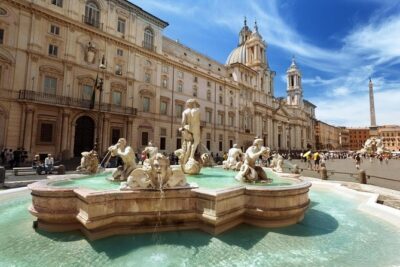
3 in 1 Cooking Class near Navona: Fettuccine, Ravioli & Tiramisu
Read our review →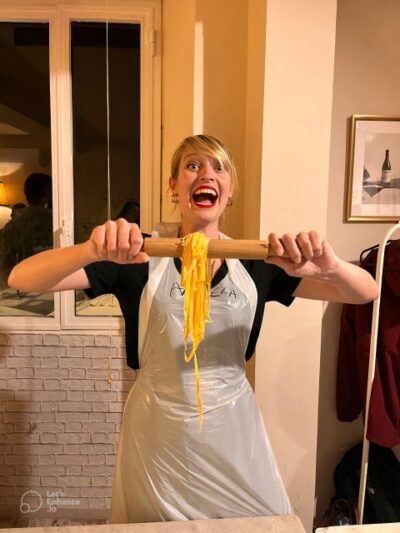
Pasta Making Class with Wine, Limoncello, and Dessert
Read our review →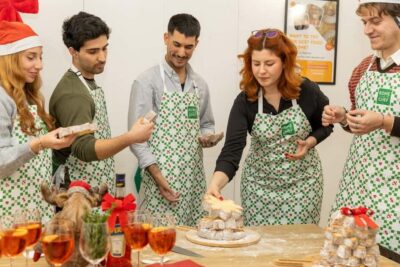
Rome Cooking Class: Make Pasta and 3 Spritz Cocktails
Read our review →
3-in-1 Fettuccine, Ravioli, and Tiramisu Cooking Class
Read our review →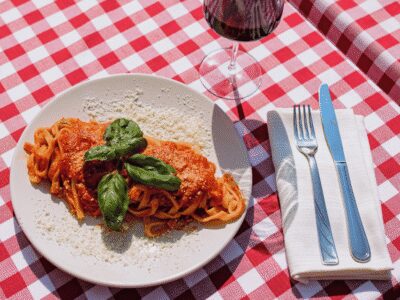
Fettuccine Pasta Cooking Class in Rome’s City Center
Read our review →
Fettuccine & Tiramisù: Cooking Class with Wine & Limoncello
Read our review →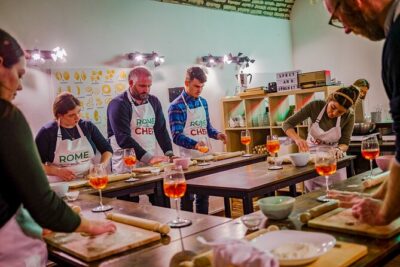
Pasta Cooking Class Near the Colosseum with 3 Spritz Cocktails
Read our review →
Enjoy Spritz and Pasta Making in Piazza Navona
Read our review →Browse the lists this tour appears in