
Review · ROME COOKING CLASSES
Rome: Traditional Pasta and Tiramisu Cooking Class
Rome’s best souvenirs are often edible. In this 2.5-hour cooking class, you make fresh pasta and traditional tiramisu under the guidance of a professional chef, then sit down to eat the results with wine. It is a hands-on way to enjoy Italian food without spending the whole afternoon in a restaurant.
I like the small group limit of 10, which should leave more room for questions and individual help. I also like the sensible menu: pasta gives you a savory skill you can repeat at home, while tiramisu offers a classic Italian dessert with no complicated equipment. The main consideration is that the class is not suitable for people with food allergies or wheelchair users.
Key details at a glance
- Make two Italian staples: Prepare fresh pasta dough, choose a homemade sauce, and make traditional tiramisu.
- Learn from Estefanie: The instructor has been praised for friendly, patient teaching and careful explanations.
- Start with prosecco: The class opens with a drink and a short introduction to the history of pasta and tiramisu.
- Eat what you prepare: Your finished pasta and dessert are served as part of the experience, along with wine and water.
- Small and social: The class accepts up to 10 participants, though some sessions may be smaller.
- Central meeting point: Meet your instructor at GOAT Gallery, Via dei Capocci, 26, and arrange your own transportation.
Making pasta and tiramisu in one Roman afternoon
This class gives you two different kinds of kitchen work. Tiramisu is built in stages and then left to set, while pasta dough needs mixing, working, shaping, and pairing with sauce. That order keeps the 2.5 hours moving and gives you a good mix of explanation, action, and eating.
I like this pairing because it shows two sides of Italian home cooking. Pasta teaches you about dough and sauce. Tiramisu teaches you how a few familiar ingredients can become a proper dessert when the method is right.
The class begins with a glass of prosecco and a short look at the history of both dishes. That opening matters more than it may sound. You are not simply handed a bowl and told to stir. You first get some context for the food you are about to prepare, along with an explanation of which ingredients help produce good results.
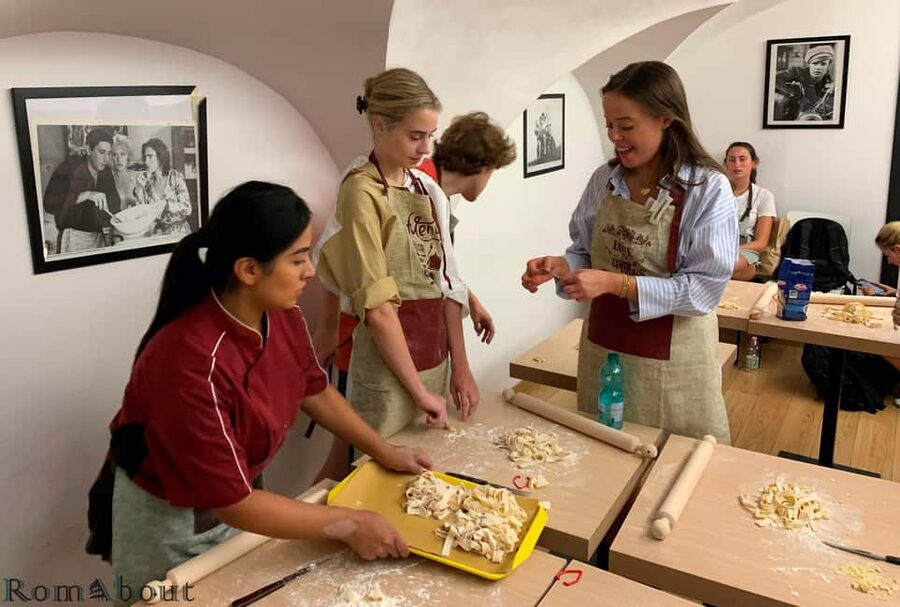
The pace is designed for participation. You roll up your sleeves, follow the chef’s instructions, and work through each recipe step by step. All ingredients and utensils are supplied, so you do not need to carry cooking tools or shop for anything before arriving.
More Pasta Making Classes in Rome
- 3 in 1 Cooking Class near Navona: Fettuccine, Ravioli & Tiramisu
★ 5.0 · 7,376 reviews - Rome: Pasta Making Class with Wine, Limoncello, and Dessert
★ 4.9 · 3,177 reviews - Rome Cooking Class: Make Pasta and 3 Spritz Cocktails
★ 5.0 · 2,937 reviews
Starting at GOAT Gallery on Via dei Capocci
The meeting point is GOAT Gallery at Via dei Capocci, 26. Your instructor waits there, so you should allow enough time to find the address and arrive ready to begin. Transportation is not included, and the class does not accept luggage or large bags, so bring only what you need for the afternoon.
Comfort matters more than style here. You should wear comfortable shoes and clothes that allow you to work around a table and handle dough. Bare feet are not allowed, which is a small but useful detail to know before you leave your hotel.
The venue name gives the class a distinct starting point, but the available information does not specify its exact kitchen layout or seating arrangement. You might find the setup differs slightly by session. The useful point is that the group is capped at 10, which makes it easier to hear instructions and ask for help than in a large demonstration class.
The instructors teach in English and Spanish. Estefanie is specifically praised for being friendly, attentive, and clear, and for explaining both the recipes and their background. One parent also described the class as a good experience with a seven-year-old child, although the official age rule excludes children under four.
The prosecco introduction and ingredient lessons
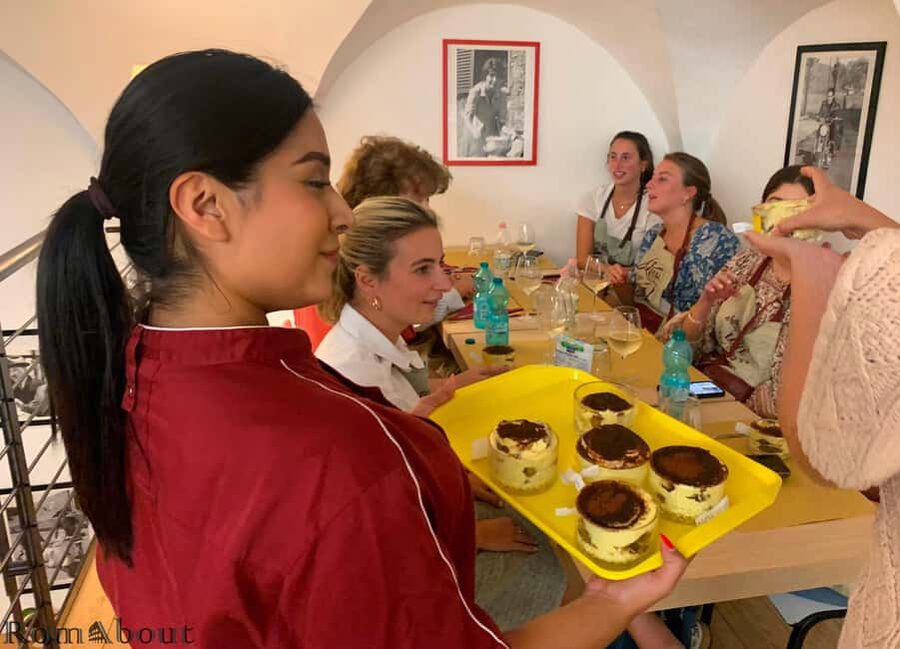
The first drink is prosecco, included in the price. It gives the class a relaxed start before the practical work begins. You also receive a glass of wine and a bottle of water, with any additional food or drinks charged separately.
The chef introduces the history of pasta and tiramisu, then explains the ingredients that make a difference. The supplied information does not give a fixed ingredient list, so I would not expect a detailed shopping lesson for every regional pasta style. Instead, the useful takeaway is learning how to select ingredients and how those choices affect the finished dish.
This is particularly helpful if you want to repeat the recipes at home. A recipe tells you what to add, but a cooking lesson can also show you what the dough should feel like, how the preparation should look at different stages, and why a particular sauce suits the pasta. The quality of the instruction is likely to matter more than the number of dishes on the menu.
Preparing traditional tiramisu first
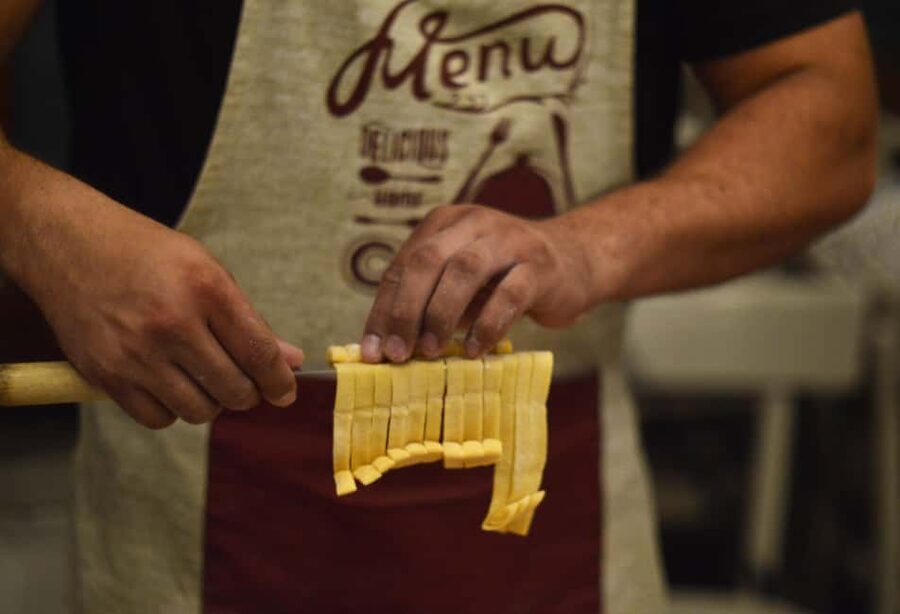
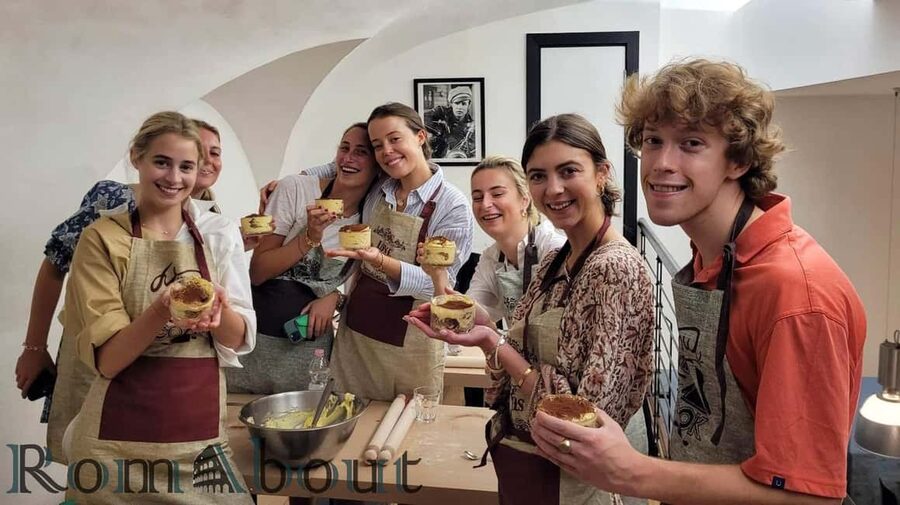
Tiramisu comes first. You follow the chef’s step-by-step method, then place the dessert to the side so it can set while you prepare the pasta.
That sequence is a smart use of time. Instead of waiting around for a dessert to finish, you move directly into the next recipe. It also lets you see the difference between making a dish and serving it. Tiramisu needs time after preparation, and the class accounts for that rather than rushing it onto the table.
The class describes the tiramisu as traditional, but it does not provide a complete ingredient list or state how each portion is assembled. You should expect instruction in the standard preparation method rather than a choice of several dessert variations.
I especially like tiramisu as part of a cooking class because it is practical for home use. It does not demand pasta equipment, and the method can give you a dependable Italian dessert to prepare after the trip. The chef also explains the story behind the dish, adding context to what might otherwise be a short dessert demonstration.
More Tiramisu and Dessert Classes in Rome
- Rome: 3-in-1 Fettuccine, Ravioli, and Tiramisu Cooking Class
★ 4.9 · 2,704 reviews - Fettuccine & Tiramisù: Cooking Class with Wine & Limoncello
★ 4.9 · 2,103 reviews - Rome: Pasta & Tiramisu Cooking Class near the Spanish Steps
★ 4.8 · 1,395 reviews - Cooking Class in the Heart of Rome: Pizza and Tiramisu Making
★ 5.0 · 1,330 reviews
Mixing, shaping, and saucing the fresh pasta
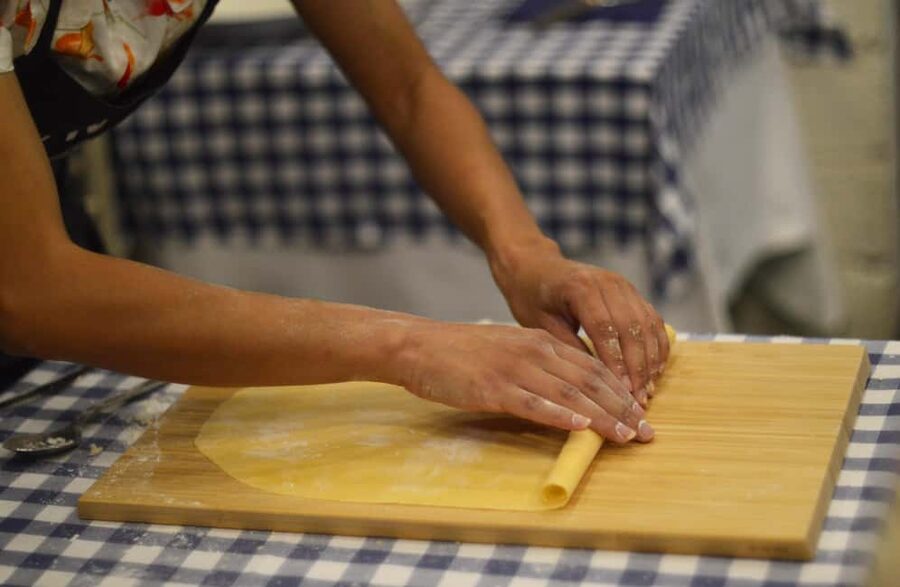
Once the tiramisu is resting, you turn to fresh pasta dough. This is the more physical part of the class. You learn the process step by step, then shape the pasta before selecting a homemade sauce to go with it.
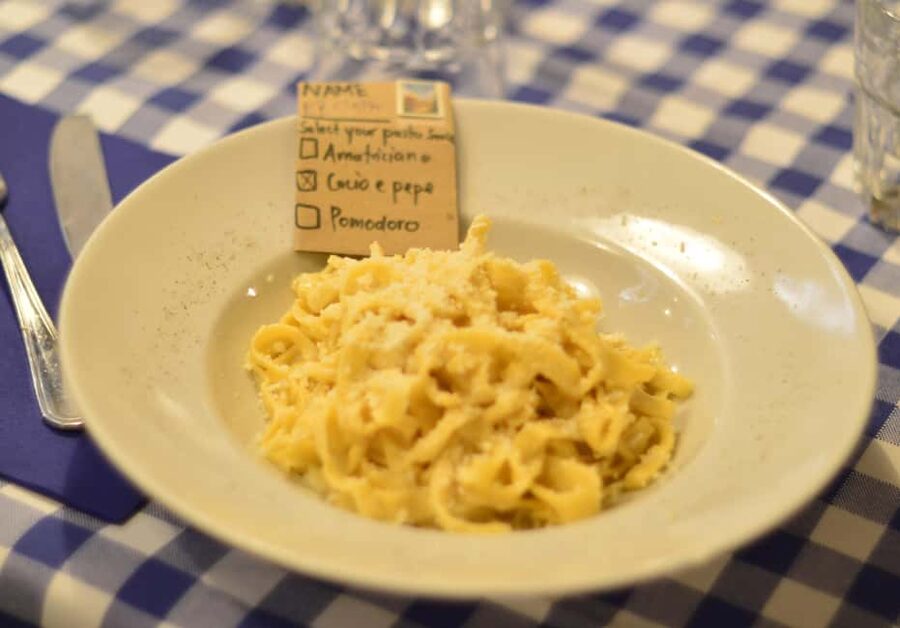
The class does not specify the pasta shape or list the sauce choices. That means you should think of the experience as an introduction to fresh pasta technique rather than a fixed promise of one particular regional noodle. The choice of sauce is useful because it links the dough to the final dish. You are not learning to make pasta in isolation, then eating a sauce chosen by someone else.
This section should appeal to anyone who wants a skill rather than just a meal. Fresh pasta is one of those foods that can seem difficult until you understand the stages. With a chef demonstrating the method and correcting your work, you can focus on texture, shaping, and the relationship between pasta and sauce.
The class welcomes all cooking levels. That is important if you are a beginner, and it also means experienced home cooks should keep their expectations realistic. You are taking a guided lesson, not an advanced professional workshop.
Eating the pasta and tiramisu you prepared
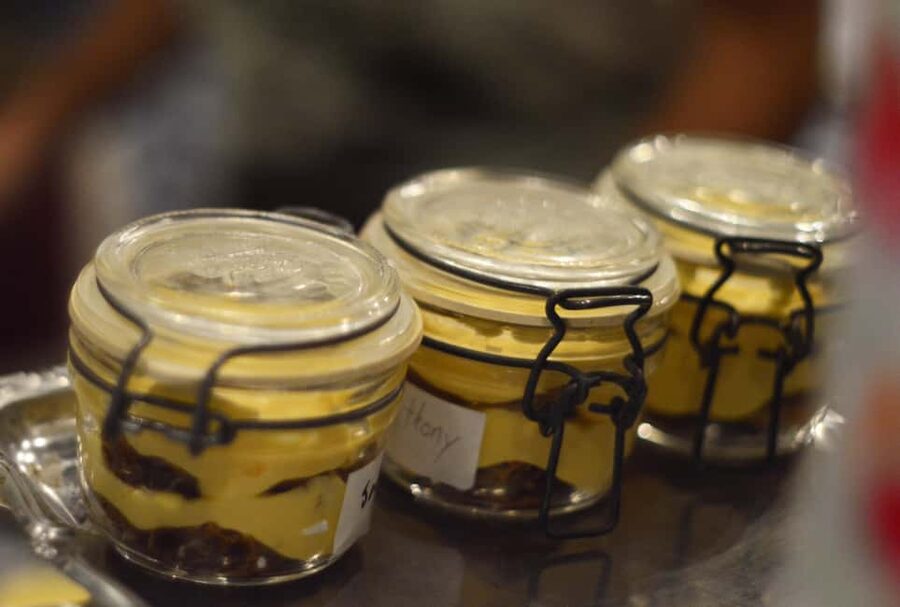
The final part is the reward: you taste the dishes you have made. Your meal includes the fresh pasta with its selected homemade sauce and the tiramisu that has had time to set. Wine and water are included as well.
I like this finish because the meal has a clear connection to the work. You are not watching a chef prepare a plate for you. You have taken part in both recipes, so the tasting gives you a chance to judge the results and remember the techniques.
The available details do not promise a full restaurant-style meal beyond the prepared dishes. If you usually need a large lunch, keep that in mind and plan around the class. Additional food and drinks are not included, and the focus is on tasting what you have learned to cook.
The class has also worked well for parent and child combinations. A seven-year-old took part successfully with a parent, while children under four are not accepted. I would still consider your child’s attention span and comfort with kitchen work before booking. The class is educational and hands-on, not a children’s entertainment program.
What the teaching style may be like
The strongest praise centers on the instructor. Estefanie is described as friendly, patient, and careful in her explanations. Another booking had only two participants, which made the session feel especially personal.
You should not assume every date will be a private or two-person class. The stated limit is 10 participants, so the size can vary. Still, a group of 10 or fewer is a reasonable middle ground: social enough to feel lively, but small enough for the chef to demonstrate and answer questions.
The teaching languages are English and Spanish. If you need another language, this is not the right class based on the information available. The clear instruction is a major part of the value, since the goal is to leave with methods you can repeat rather than simply a pleasant meal.
The tone also seems suited to mixed ability levels. Beginners can follow the recipe from the beginning, while more confident cooks can pay attention to ingredient choices, shaping, and sauce pairing. I would ask questions as you work, especially if you want to recreate the recipes later.
Is $88 a fair price?
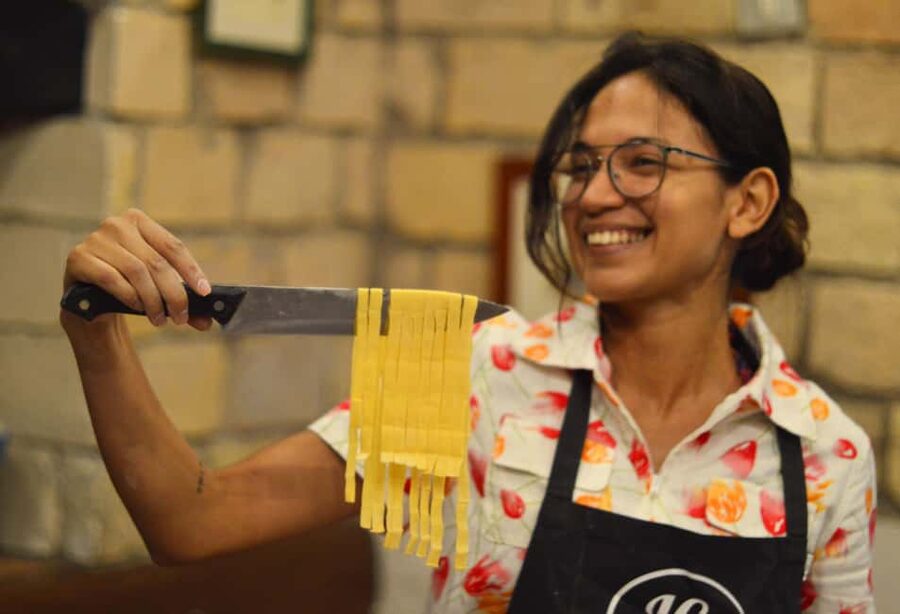
At $88 per person, the class is not the cheapest way to eat pasta in Rome. You are paying for more than the food, though. The price includes a professional chef, all ingredients, cooking equipment, prosecco, wine, bottled water, and the prepared meal.
The strongest value comes from the combination of instruction and food. You get a 2.5-hour activity, two classic recipes, and the chance to eat the results. A shorter pasta demonstration without hands-on work would offer less practical value. A restaurant meal might cost less, but it would not teach you how to make either dish.
The price makes the most sense if you genuinely want to cook. If you only want a quick tasting or a polished meal, you may find the class too hands-on for the cost. If you enjoy learning food traditions and expect to use the recipes again, the included instruction and small group size help justify the fee.
The glass of prosecco and wine add to the social feel, but they should not be the reason you book. The real value is the time with the chef and the chance to prepare both savory and sweet dishes.
Who should book this Rome cooking class?
I would recommend it to couples, friends, solo visitors who enjoy small group activities, and families with children old enough to follow kitchen instructions. It is also a good fit for anyone who wants a break from museums and ruins without giving up a connection to Italian culture.
It suits beginners especially well. The chef guides you through each recipe, and all cooking levels are welcome. You do not need to arrive with technical pasta skills.
You should think twice if you have food allergies. The experience is specifically listed as unsuitable for people with food allergies, and the available information does not describe substitutions or allergy handling. It is also not suitable for wheelchair users, and large bags or luggage are not allowed.
Wear practical clothes and shoes, arrive with an appetite, and avoid scheduling a rushed activity immediately afterward. Cooking takes attention, and the class is meant to be enjoyed at a relaxed pace.
Booking flexibility and practical details
You can cancel up to 24 hours in advance for a full refund. The reserve now and pay later option lets you hold a place without paying at the time of booking, which is useful when your Rome schedule is still shifting.
Starting times vary, so you need to check availability for your date. The activity lasts 2.5 hours, and transportation to Via dei Capocci, 26 is your responsibility.
The official restrictions are simple: no pets, no luggage or large bags, and no bare feet. Bring comfortable clothing, comfortable shoes, enthusiasm, and an appetite. Those basics will make the hands-on work easier.
Should you book this pasta and tiramisu class?
Book it if you want to learn two classic Italian recipes in one sitting and prefer active experiences to passive sightseeing. The small group format, English and Spanish instruction, included ingredients, and warm teaching style associated with Estefanie make it a practical choice for beginners.
Skip it if you have food allergies, need wheelchair access, want a large meal, or prefer a short food tasting with no kitchen work. At $88, the value depends on your interest in learning, not just eating.
For most food-focused visitors, this is a well-balanced Rome activity: prosecco at the start, pasta and tiramisu in the middle, and your own cooking on the plate at the end.
FAQ
How long does the cooking class last?
The class lasts 2.5 hours.
Where does the class meet?
Meet your cooking instructor at GOAT Gallery, Via dei Capocci, 26.
What will I prepare?
You will prepare fresh pasta dough, shape the pasta, choose a homemade sauce, and make a traditional tiramisu.
Is food included?
Yes. You will taste the pasta and tiramisu you prepare. Ingredients and cooking utensils are also included.
Are drinks included?
A glass of prosecco, a glass of wine, and a bottle of water are included. Additional food and drinks are not included.
What languages does the instructor speak?
The class is offered in English and Spanish.
How many people can join?
The group is limited to 10 participants.
Can I cancel my booking?
Yes. You can cancel up to 24 hours in advance for a full refund. You can also reserve now and pay later.
Newest classes around Rome
- Testaccio: Home Cooking Cacio e Pepe, Amatriciana, Carbonara★ 4.9 · 57 reviews
- Super Fun Pasta and Gelato Cooking Class by the Vatican★ 5.0 · 6 reviews
- Spritz and Spaghetti Traditional Cooking Class in Rome★ 4.9 · 30 reviews
- ROME:Hands-On Lasagna & Marsala Tiramisu Cooking Experience”★ 5.0 · 3 reviews
- Rome: Trastevere Pasta Making Class★ 4.9 · 33 reviews
- Rome: Vatican Food Tours, Cooking classes & Free Tours★ 4.9 · 11 reviews
- Rome: Small Group Pasta cooking class near Piazza Navona★ 4.9 · 8 reviews
- Rome: Traditional Cooking Class in the Jewish Ghetto★ 4.9 · 75 reviews
Rome Cooking Classes, compared.

3 in 1 Cooking Class near Navona: Fettuccine, Ravioli & Tiramisu
Read our review →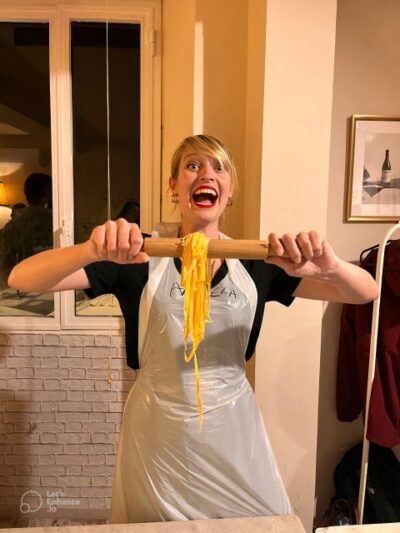
Pasta Making Class with Wine, Limoncello, and Dessert
Read our review →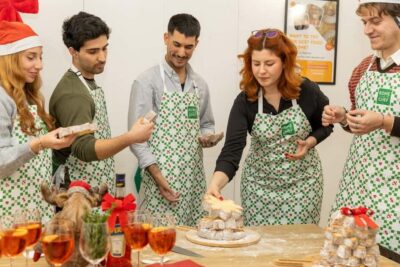
Rome Cooking Class: Make Pasta and 3 Spritz Cocktails
Read our review →
3-in-1 Fettuccine, Ravioli, and Tiramisu Cooking Class
Read our review →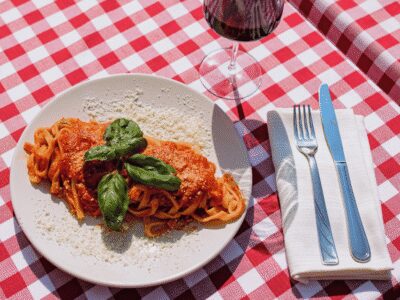
Fettuccine Pasta Cooking Class in Rome’s City Center
Read our review →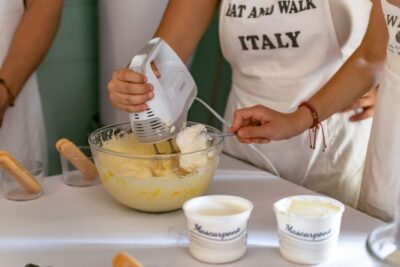
Fettuccine & Tiramisù: Cooking Class with Wine & Limoncello
Read our review →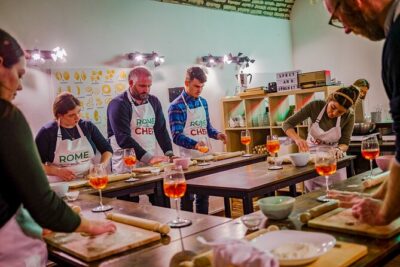
Pasta Cooking Class Near the Colosseum with 3 Spritz Cocktails
Read our review →
Enjoy Spritz and Pasta Making in Piazza Navona
Read our review →Browse the lists this tour appears in