
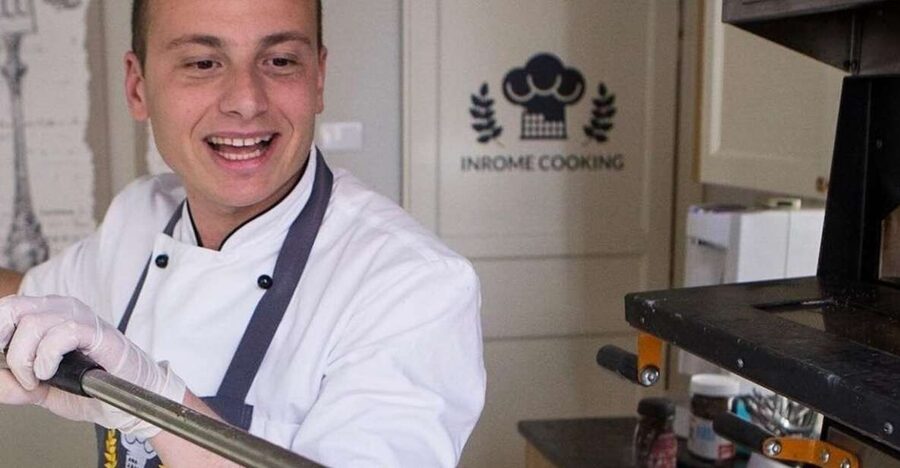
Review · ROME COOKING CLASSES
Rome: Gourmet Pizza Cooking Class (SHARED)
Roman pizza is not Naples pizza in disguise. Here, you make a thin, crisp Roman base, learning how dough, sauce, cheese, and toppings work together. The class begins with aperitivo-style drinks and snacks, then moves into the kitchen with an English-speaking local chef.
I like the practical format: you make your own dough rather than watching a chef do all the work, and you get useful tips you can try at home. I also like the seasonal toppings, which may include mozzarella, prosciutto, black olives, or zucchini flowers. The main consideration is the short 1.5-hour schedule. It gives you a focused lesson and a meal, but not a long, slow cooking workshop.
Key points at a glance
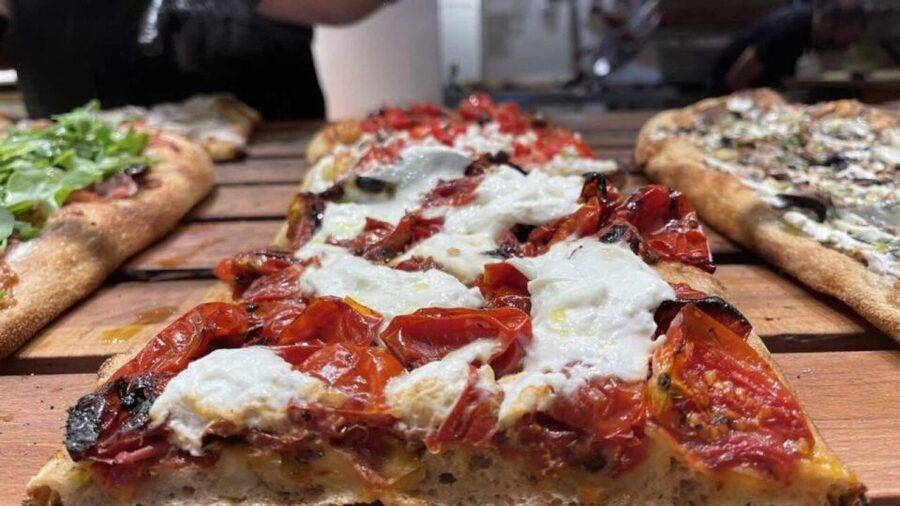
- Make dough from scratch: You shape your own pizza base instead of simply adding toppings to prepared dough.
- Learn the Roman style: The class explains why Roman pizza is thinner and crunchier than pizza from Naples.
- Begin with aperitivo: Welcome drinks and snacks set a relaxed Italian tone before the cooking starts.
- Choose seasonal toppings: Fresh ingredients can include tomato sauce, mozzarella, prosciutto, olives, and zucchini flowers.
- Cook near Piazza Navona: The meeting point is Corso del Rinascimento 65, with the Pantheon also close to one of the cooking school locations.
- Share the kitchen: This is a shared class, so it suits couples, friends, and solo visitors who enjoy cooking with other people.
A Roman pizza lesson near Piazza Navona
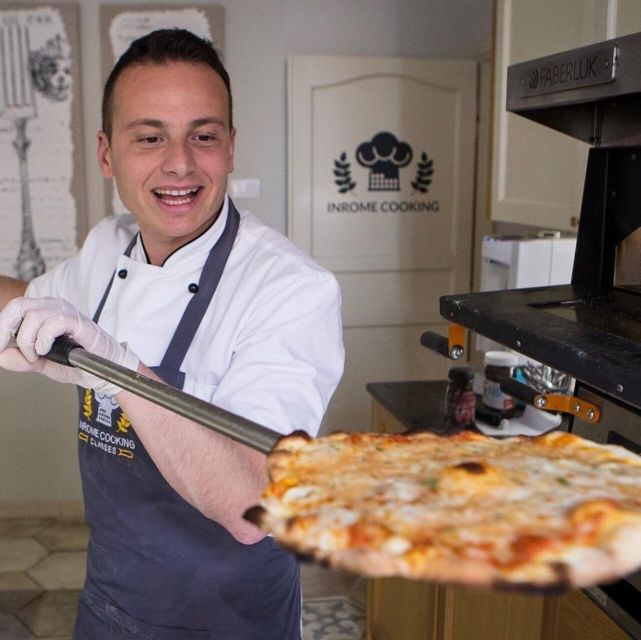
The class meets at Corso del Rinascimento 65. Ring the doorbell marked InRome Cooking, then settle in for a short lesson built around one of Italy’s most useful foods.
The setting is central Rome, close to Piazza Navona. That makes this easy to pair with sightseeing in the historic center. You will not need hotel pickup, and the meeting point is clear, but you should allow enough time to reach it on foot. The experience itself lasts 1.5 hours, so arriving late would cut into the hands-on part.
This is a shared cooking class, not a private kitchen session. That matters if you want a quiet, personal lesson with lots of individual attention. It is a better fit if you like the social side of cooking and do not mind sharing the work space.
The class is taught in English. The chef guides you through the process and offers tips as you go. One instructor named in the feedback is Marco, who was praised for making the class fun and easy to follow. Since staff can vary, do not assume Marco will lead every session.
More Pizza Making Classes in Rome
- Cooking Class in the Heart of Rome: Pizza and Tiramisu Making
★ 5.0 · 1,330 reviews - Rome: Traditional Pizza Cooking Class near Piazza Navona
★ 4.7 · 1,241 reviews - Rome: Combo Pizza and Pasta Cooking Class with Wine
★ 4.6 · 1,180 reviews
Aperitivo first, then the kitchen
The class begins with welcome drinks and snacks in the style of aperitivo, the Italian habit of having a small drink and something to eat before the main meal.
This opening is more than a friendly extra. It gives you time to settle in, meet the chef, and get into the rhythm of the class before handling flour. It also helps the experience feel like a social Italian meal rather than a rushed demonstration.
You should expect a light start, not a full dinner. The pizza you make later is the main food. If you are very hungry, keep that in mind when planning the rest of your day.
The drinks are another small point worth noting. The supplied information does not specify exact wines, beverages, or snacks, so the choice may vary. You can expect welcome drinks and aperitivo-style bites, but do not book this as a wine tasting.
Making dough from scratch
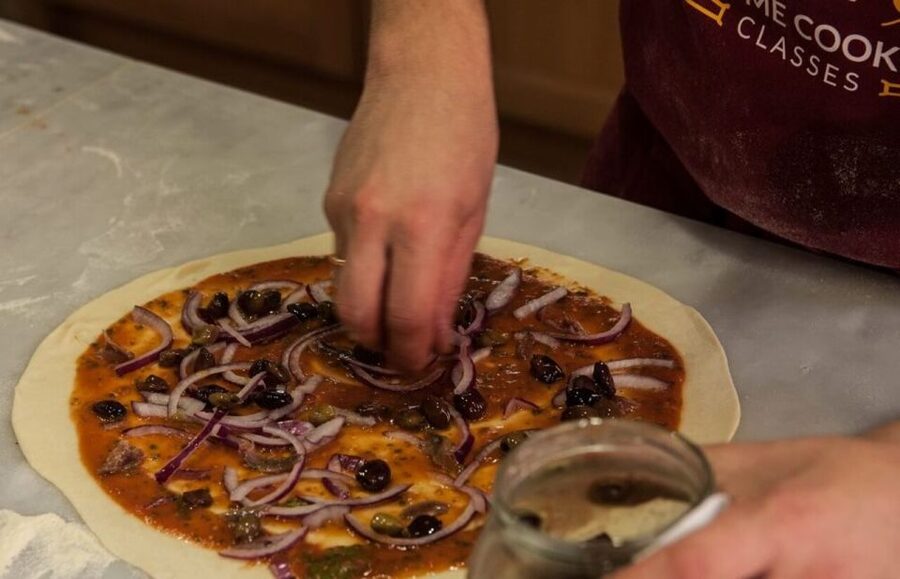
The heart of the lesson is the dough. You create it from scratch, then work it into your own base.
That hands-on step is the reason this class offers more value than a simple pizza meal. You get a better feel for the texture and shape of the dough, rather than treating the base as a finished product. The chef can show you how to handle it, roll it, and prepare it for the oven.
The goal is not to turn you into a professional pizzaiolo in 90 minutes. It is to give you a clear method and a sense of what a good base should look and feel like. You will leave with tips that are easier to remember because you used your hands.
Your result may not be perfectly round. That is part of the fun. The class is about making pizza, not passing a restaurant kitchen test. A slightly uneven base still makes a good lunch or dinner, especially once it is covered with fresh toppings.
Roman pizza versus Neapolitan pizza
One of the most useful parts of the class is the comparison between Roman and Neapolitan pizza.
Roman pizza is described here as thinner and crunchier. Neapolitan pizza is generally associated with a softer, more elastic base and a thicker edge. The lesson gives you a simple way to understand the difference: focus on texture, thickness, and the way the dough supports the toppings.
This distinction is helpful if you plan to eat pizza at several places during your time in Italy. You can start noticing that pizza is not one fixed style. Rome has its own approach, and this class puts that local style at the center.
The class does not promise a full survey of Italian pizza traditions. It focuses on Roman pizza, with Naples used as a useful comparison. That narrow focus is a strength if you want a clear local specialty rather than a broad food lecture.
Same region, a different dish to learn:
- 3 in 1 Cooking Class near Navona: Fettuccine, Ravioli & Tiramisu
★ 5.0 · 7,376 reviews - Rome: Pasta Making Class with Wine, Limoncello, and Dessert
★ 4.9 · 3,177 reviews - Rome Cooking Class: Make Pasta and 3 Spritz Cocktails
★ 5.0 · 2,937 reviews - Rome: 3-in-1 Fettuccine, Ravioli, and Tiramisu Cooking Class
★ 4.9 · 2,704 reviews
Choosing sauce, cheese, and seasonal toppings
Once the dough is ready, you choose how to finish it. You can make pizza rosso with tomato sauce or keep things simple with pizza bianca.
Mozzarella is available to add creamy flavor as it melts. Other possible choices include prosciutto, black olives, and zucchini flowers. The exact ingredients change with the season, so the menu is not fixed.
I like this approach because it reflects how Italian cooking often works at its best: a few good ingredients, handled with care. You are not buried under a long list of sauces and garnishes. Instead, you learn how to balance a small number of flavors on a thin base.
The seasonal element also means two visits may not be identical. Zucchini flowers, for example, are a different experience from olives or cured ham. If you have dietary preferences, ask the chef at the start what toppings are available. The supplied details do not promise vegetarian, vegan, gluten-free, or allergy-specific alternatives.
The pizza rosso and pizza bianca choice gives you a little control over the final dish. Tomato sauce brings acidity and moisture. A white pizza keeps the focus on cheese, vegetables, cured meat, or other toppings. The chef’s advice helps you avoid overloading the thin Roman base.
Cooking, eating, and learning from the chef
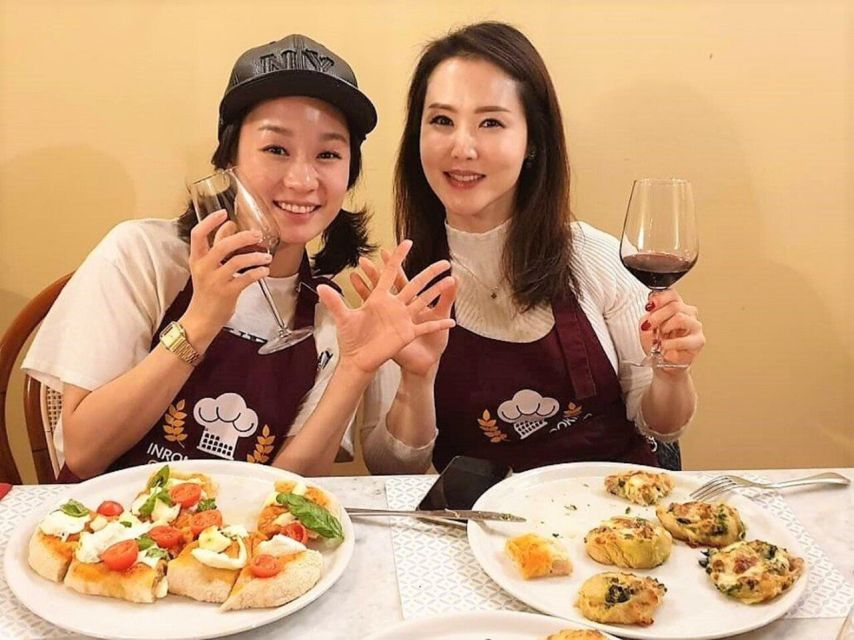
After the dough and toppings are prepared, the pizza is cooked and enjoyed with wine. The supplied details do not state how the oven works or how long each pizza cooks, so you should not expect a full technical lesson on professional baking equipment.
What you do get is a compact cooking experience with an immediate reward. You learn a technique, make a meal, and eat the result in the same session. That makes the class especially appealing if you want an activity that feels productive but does not take half a day.
The strongest praise focuses on the chef’s tips and relaxed manner. Marco, in particular, is credited with sharing useful pizza-making secrets. Another description calls the atmosphere family-like and genuinely Italian, with the finished pizza enjoyed alongside wine.
That mix of instruction and ease is important. A strict cooking lesson can feel like school. A purely social pizza meal can leave you with little to remember. This class aims for the middle ground: enough teaching to make the process worthwhile, with enough food and conversation to keep it light.
Is $93 a fair price?
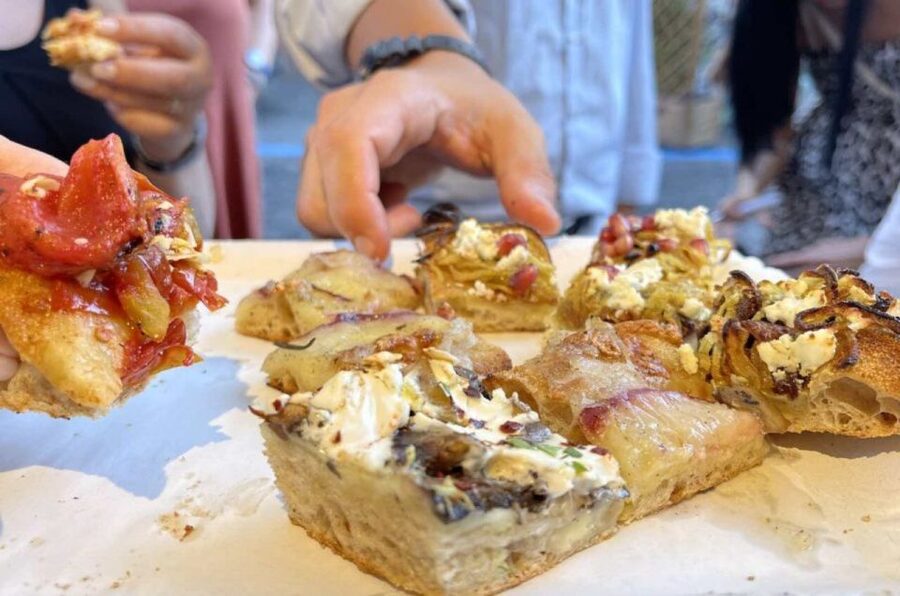
At $93 per person, this is not a cheap meal. You can find pizza in Rome for far less, and a standard restaurant dinner will usually cost less than a cooking class.
The price makes more sense when you count the full experience. You receive welcome drinks and snacks, a guided lesson in English, hands-on dough preparation, fresh toppings, and the pizza you make. You are also paying for the central location and the chef’s instruction, not only for ingredients.
For a visitor who wants a quick food activity near Piazza Navona, the cost can be reasonable. It combines a meal with something you actively do, and the class has received especially strong praise for fun, useful instruction, and good value.
The value is weaker if you mainly want to eat pizza. In that case, use the $93 for several meals at local restaurants. You should book this if the making is as important to you as the eating.
Who will enjoy this shared class
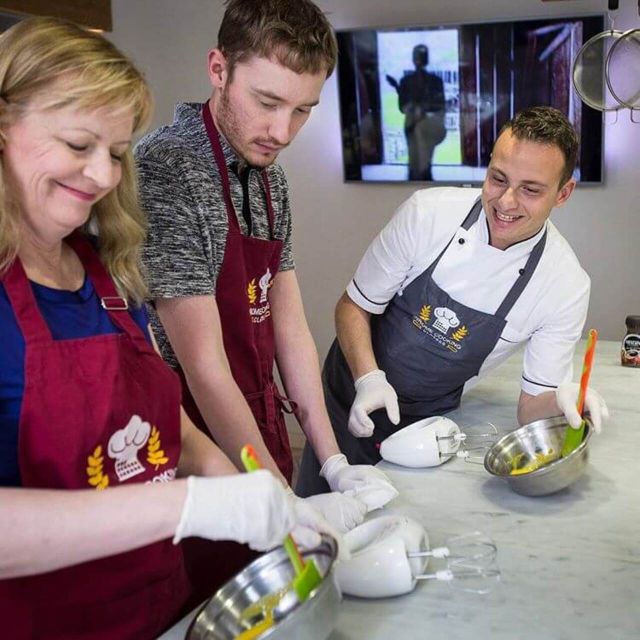
I would recommend this class to food-focused visitors who want a practical activity in central Rome. It works well for couples, friends, and solo visitors who enjoy a social setting.
It also suits people who have already eaten plenty of Italian food and want to understand one dish more closely. The Roman and Neapolitan comparison adds context without turning the class into a long lecture.
Families may enjoy the hands-on work, but the supplied information does not give a minimum age or child policy. Ask before booking if you are bringing young children.
The class is not suitable for people with mobility impairments. The experience takes place in a cooking school, and the available information does not describe step-free access or adapted facilities. Contact the provider before booking if you have specific access needs.
This is less suitable for anyone seeking a private lesson, an advanced baking course, or a long market-to-table experience. There is no mention of a market visit, hotel transport, or an extended menu.
Timing, meeting point, and planning your day
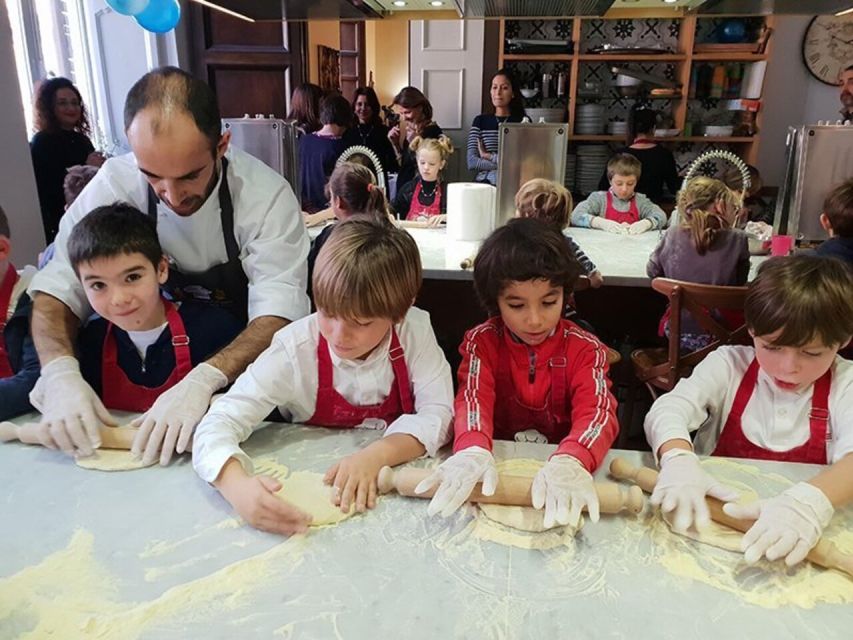
The class lasts 1.5 hours, with starting times based on availability. That short length is useful when you are fitting food into a busy Rome itinerary.
You can place it before or after a visit to Piazza Navona, the Pantheon, or other sights in the historic center. The meeting point is on Corso del Rinascimento 65. Look for the InRome Cooking doorbell and ring it.
There are two cooking school locations described in the activity details, one close to the Pantheon and another near Piazza Navona. Follow the meeting point shown for your booked session rather than assuming the class is at the other school.
Hotel pickup and drop-off are not included. You make your own way to the kitchen, which keeps the class simple but means you need to plan your route. Because the activity is short, a late arrival could take a noticeable bite out of the lesson.
You can cancel up to 24 hours before the class for a full refund. A reserve-now, pay-later option is also available, which helps if your Rome schedule is still changing.
My call: book it for the making, not just the pizza
Book this class if you want to prepare Roman pizza yourself, learn how it differs from Neapolitan pizza, and share an easygoing meal with an English-speaking local chef.
The best reasons to go are the from-scratch dough, the seasonal ingredients, and the practical tips. The class has earned strong marks for its relaxed atmosphere, useful guidance, and good value among similar food activities.
Skip it if you want a private class, a long culinary workshop, or simply the least expensive pizza in Rome. At $93, the point is the experience around the meal. For a compact, central, hands-on introduction to Roman pizza, that can be a fair trade.
FAQ
How much does the Rome pizza cooking class cost?
The price is $93 per person.
How long does the pizza class last?
The class lasts 1.5 hours.
Where does the class meet?
The meeting point is Corso del Rinascimento 65. Ring the doorbell marked InRome Cooking.
Is the class taught in English?
Yes. The instructor language is English.
Are drinks and snacks included?
Yes. Welcome drinks and snacks are included at the start of the class.
Do I make the pizza dough myself?
Yes. The class includes creating your dough from scratch.
What toppings are available?
Toppings vary by season. Options may include tomato sauce, mozzarella, prosciutto, zucchini flowers, and black olives.
Does the class explain the difference between Roman and Neapolitan pizza?
Yes. You learn that Roman pizza is thinner and crunchier than Neapolitan pizza.
Is hotel pickup or drop-off included?
No. Hotel pickup and drop-off are not included.
Can I cancel the booking for a refund?
Yes. You can cancel up to 24 hours in advance for a full refund. A reserve-now, pay-later option is also available.
Newest classes around Rome
- Testaccio: Home Cooking Cacio e Pepe, Amatriciana, Carbonara★ 4.9 · 57 reviews
- Super Fun Pasta and Gelato Cooking Class by the Vatican★ 5.0 · 6 reviews
- Spritz and Spaghetti Traditional Cooking Class in Rome★ 4.9 · 30 reviews
- ROME:Hands-On Lasagna & Marsala Tiramisu Cooking Experience”★ 5.0 · 3 reviews
- Rome: Vatican Food Tours, Cooking classes & Free Tours★ 4.9 · 11 reviews
- Rome: Trastevere Pasta Making Class★ 4.9 · 33 reviews
- Rome: Traditional Cooking Class in the Jewish Ghetto★ 4.9 · 75 reviews
- Rome: Small Group Pasta cooking class near Piazza Navona★ 4.9 · 8 reviews
Rome Cooking Classes, compared.
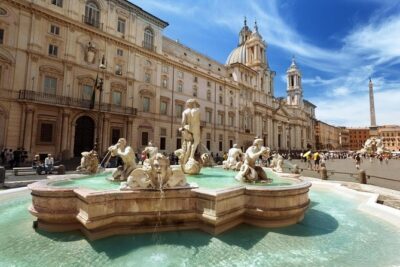
3 in 1 Cooking Class near Navona: Fettuccine, Ravioli & Tiramisu
Read our review →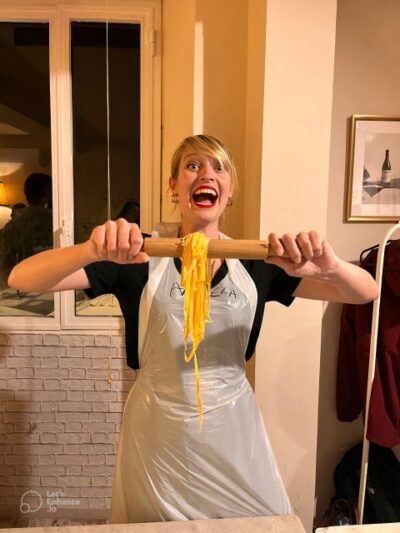
Pasta Making Class with Wine, Limoncello, and Dessert
Read our review →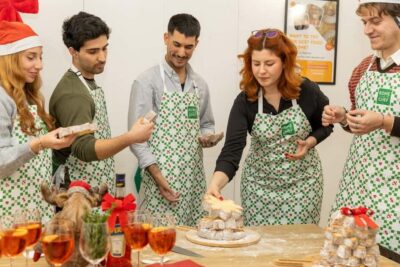
Rome Cooking Class: Make Pasta and 3 Spritz Cocktails
Read our review →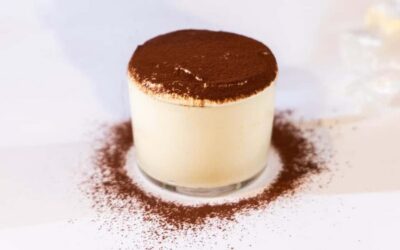
3-in-1 Fettuccine, Ravioli, and Tiramisu Cooking Class
Read our review →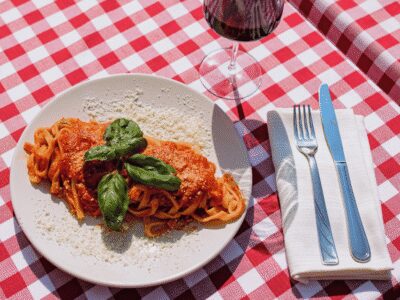
Fettuccine Pasta Cooking Class in Rome’s City Center
Read our review →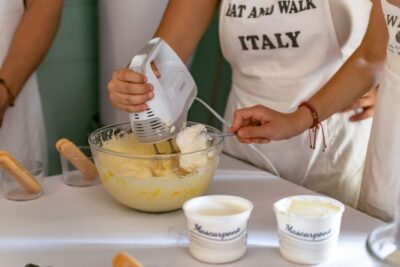
Fettuccine & Tiramisù: Cooking Class with Wine & Limoncello
Read our review →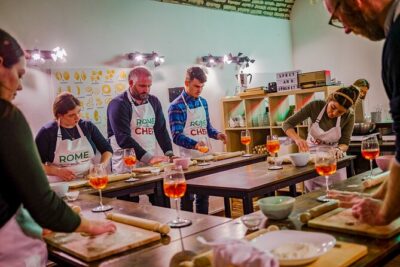
Pasta Cooking Class Near the Colosseum with 3 Spritz Cocktails
Read our review →
Enjoy Spritz and Pasta Making in Piazza Navona
Read our review →Browse the lists this tour appears in