
Review · ROME COOKING CLASSES
Rome: Five Shapes of Pasta Cooking Class in Ancient Tavern
Making pasta by hand is the real star here. In a late-1800s osteria, chef Emanuele or Angelo leads you through five classic shapes, from ravioli and tortellini to agnolotti del plin and fettuccine. You roll the dough with a wooden pin, cut it safely, and eat much of what you make.
I like the small-group format, which gives the chefs time to correct your technique without making you feel clumsy. I also like the generous meal: prosecco and cheese to start, two pasta dishes with different sauces, wine, and a quick tiramisu. The main thing to consider is that the class is hands-on and fast-moving, so it may not suit anyone with limited mobility or those hoping for a quiet, formal dinner.
Key points to know before booking
- Five pasta shapes in one class: Make ravioli, agnolotti del plin, tortellini, cappelletti, and fettuccine from fresh dough.
- Traditional rolling technique: The dough is rolled thin with a wooden pin rather than simply passed through a machine.
- A full meal is included: Expect prosecco and local cheese, two handmade pasta courses, wine, and dessert.
- Chefs who keep the room lively: Emanuele and Angelo teach with humor, music, and plenty of personal help.
- Small group, limited to 10: You should have enough space for hands-on work and questions.
- Useful for home cooks: The methods are practical enough to repeat in your own kitchen.
A historic osteria turned working kitchen
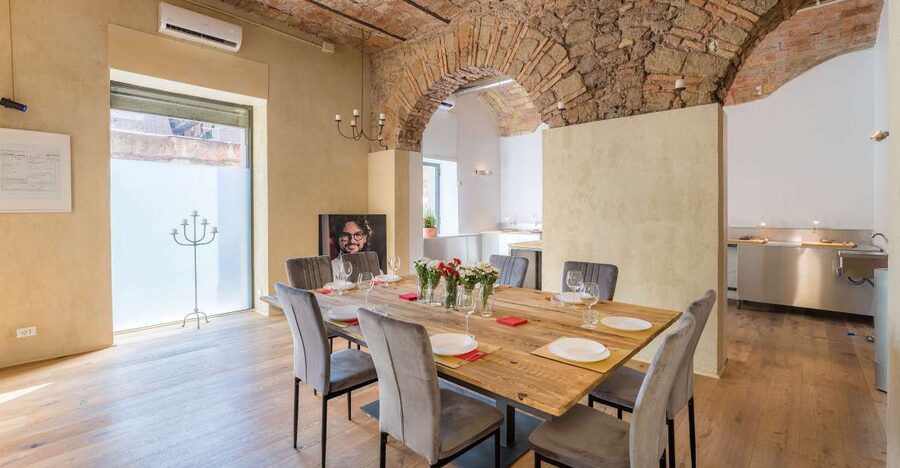
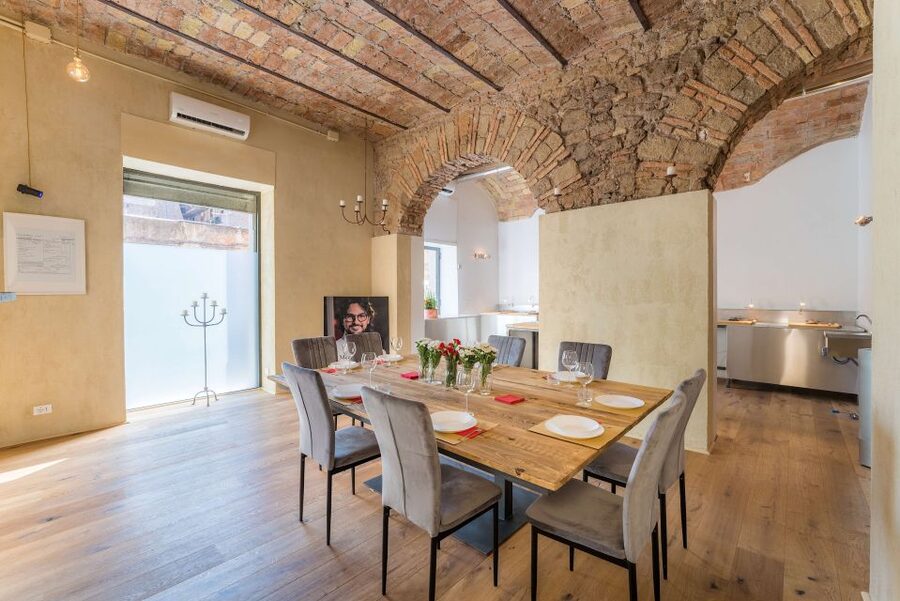
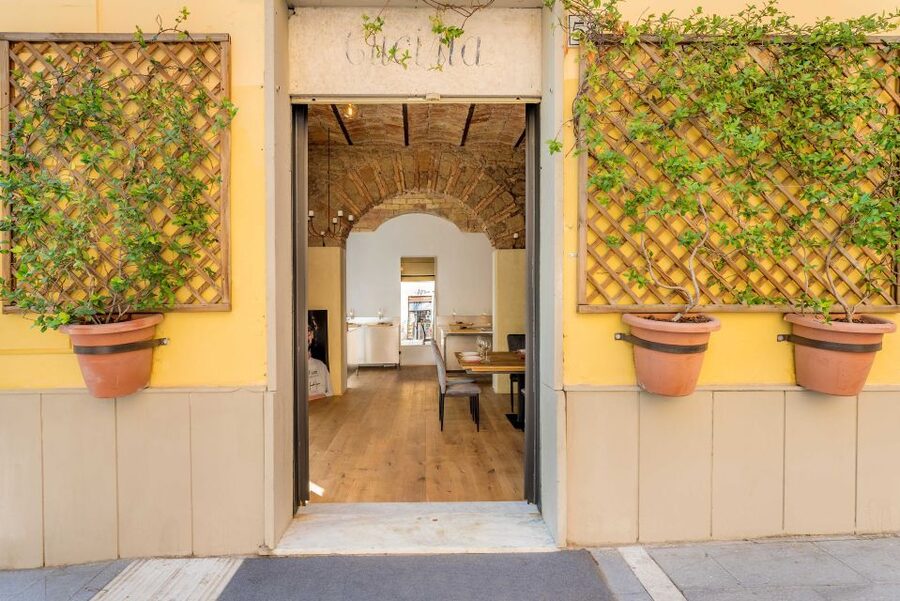
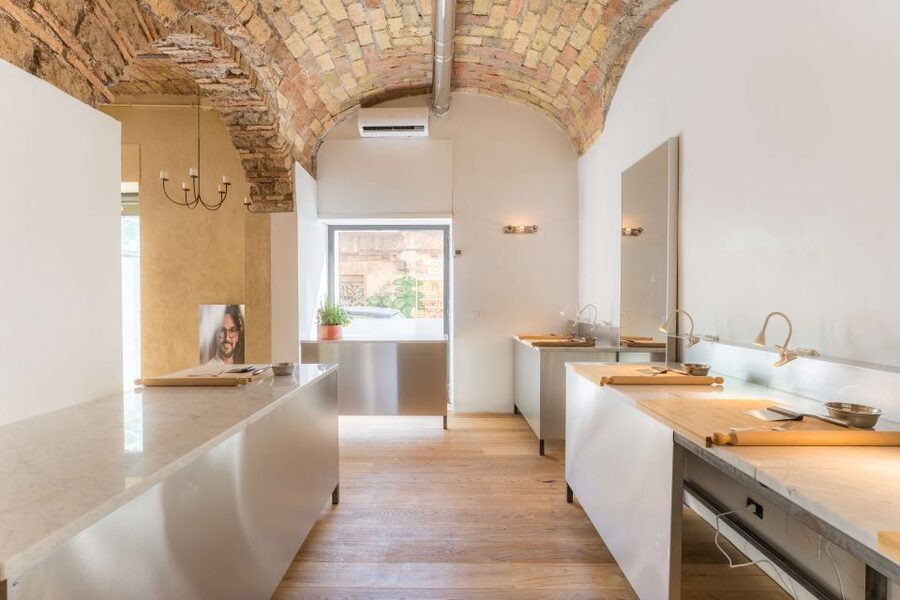
The class begins at an old osteria called Cucina. Look for the original marble osteria sign above the entrance. The setting matters because this is not a bright, generic demonstration room. The cooking school occupies a place with old bones and a strong connection to the neighborhood tradition of informal Italian food.
That old-meets-new feel is part of the charm. You work at a prepared cooking table, then sit down for a proper meal in the same atmospheric space. The room is attractive and carefully arranged, with enough character for a special evening but still practical for flour, dough, knives, and sauce.
The meeting point is also the end point, which keeps the evening simple. You do not need to change locations between the lesson and dinner. The class lasts about three hours, and starting times vary, so check the available session before planning the rest of your day.
More Pasta Making Classes in Rome
- 3 in 1 Cooking Class near Navona: Fettuccine, Ravioli & Tiramisu
★ 5.0 · 7,376 reviews - Rome: Pasta Making Class with Wine, Limoncello, and Dessert
★ 4.9 · 3,177 reviews - Rome Cooking Class: Make Pasta and 3 Spritz Cocktails
★ 5.0 · 2,937 reviews
The first lesson: dough, flour, and the rolling pin
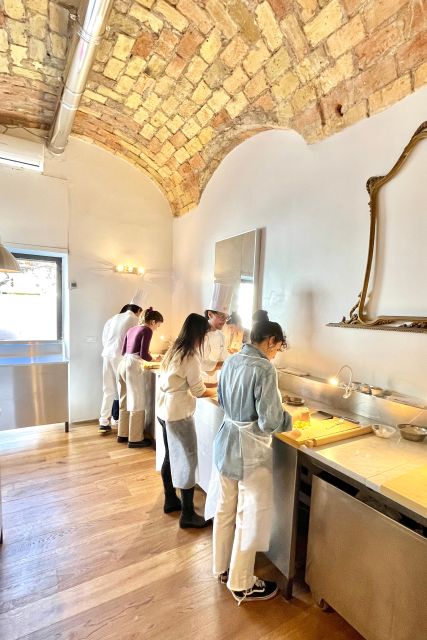
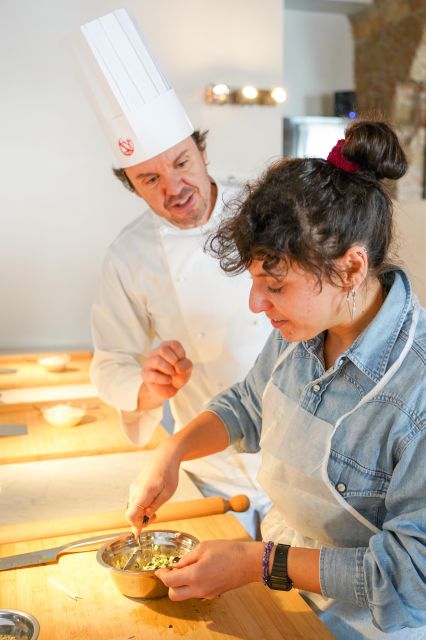
The class starts with fresh pasta dough made from scratch. The chef explains how to bring the ingredients together and how to work the dough until it becomes smooth enough to roll. You are not simply watching a chef perform while you sip wine. You get your own hands into the process.
The rolling pin is an important part of the lesson. You learn the professional technique for turning the dough into a thin sheet, working patiently rather than pressing it into shape in one quick effort. This can be harder than it looks. The sheet needs to be thin, even, and large enough for cutting or filling.
I like this part because it gives you a skill that transfers directly to your kitchen at home. A pasta machine can make the job quicker, but a wooden pin teaches you to feel the dough. You learn when it is too thick, when it needs more work, and how to avoid tearing it.
The chefs keep the tone relaxed. Emanuele is known for explaining each step with humor and for stepping in when someone needs a little help. Angelo has the same warm, encouraging approach. The teaching is practical rather than fussy, which is good news if your previous pasta-making experience amounts to opening a package of dried spaghetti.
Five shapes, five little lessons in Italian pasta
The class covers five famous forms of fresh pasta. Each one uses the dough in a different way, so you get more than one recipe to take home in your head.
Ravioli introduces filled pasta. You learn how to place the filling, fold the dough, seal the edges, and cut the pieces cleanly. The key is removing air and sealing the edges well. Too much filling can split the pasta, while too little leaves you with a disappointing mouthful of dough.
Agnolotti del plin offers a more regional shape. Its name refers to the pinch used to close the pasta, and the small folds demand a bit of care. This is one of the shapes that makes the class feel more serious than a basic pasta demonstration.
Tortellini brings another type of filled pasta. You shape the dough around the filling and fold it into its familiar ring. It takes practice to make each piece look neat, but the chefs are there to show you the movement and help adjust your technique.
Cappelletti adds another filled form with its own fold. By this point, you begin to see how small changes in cutting and folding create different pasta styles from the same basic dough.
Fettuccine is the most familiar shape for many home cooks. The dough is cut into ribbons, but getting even strands still requires care. This is often the easiest form to repeat at home, though the lesson helps you understand why handmade ribbons have a different texture from factory-made pasta.
The class also includes safe food-cutting procedures. That is useful in a busy kitchen, especially when several people are working close together with knives and pasta cutters. The instructors guide you through the process instead of leaving you to guess.
Prosecco and cheese keep the lesson social
While the pasta dough rests or while the chefs prepare the next stage, you receive an appetizer of local cheese with fresh prosecco. This gives you something to enjoy while working, and it helps turn the class into a shared evening rather than a technical workshop.
The group size is limited to 10 people, though one account of the experience describes a group of 12, so the exact number may vary by session. The stated limit is 10, and that is the figure I would use when deciding if the format suits you.
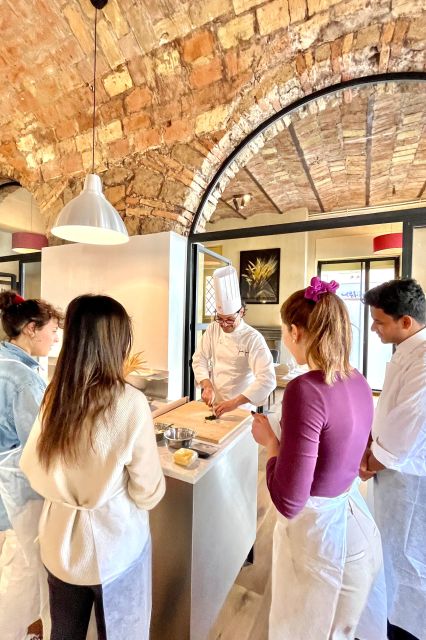
Small groups matter here. You need room to roll dough, shape filled pasta, and compare your work with the chef’s example. The instructors can move around the table, check your dough, and help with a tricky fold. The class also attracts people from different countries, which makes conversation easy without requiring you to arrange your own social activity in Rome.
The atmosphere is energetic. Music may play while you knead and roll, and the chefs use humor to keep the room moving. You may even find yourself cooking to music or joining a bit of dancing between steps. This is not a silent, chef-school environment, so book it for fun and participation rather than calm concentration.
Same region, a different dish to learn:
- Rome: 3-in-1 Fettuccine, Ravioli, and Tiramisu Cooking Class
★ 4.9 · 2,704 reviews - Rome: Fettuccine Pasta Cooking Class in Rome’s City Center
★ 4.8 · 2,414 reviews - Fettuccine & Tiramisù: Cooking Class with Wine & Limoncello
★ 4.9 · 2,103 reviews - Pasta Cooking Class Near the Colosseum with 3 Spritz Cocktails
★ 5.0 · 1,686 reviews
Two pasta dishes make this more than a short lesson
After the work comes the reward: you eat pasta made during the class. The meal includes two different handmade pasta plates with two Italian sauces, prepared and explained by the chef.
This is a useful detail when comparing cooking classes in Rome. Some classes teach one dish and offer a small taste at the end. Here, you work through five shapes and sit down to a fuller meal. You do not necessarily eat every shape you make, but the experience includes two pasta courses as part of the class.
The sauces give you a second lesson. Pasta shape and sauce are linked, and the chef explains how the combinations work. You can pay attention to texture, thickness, and how filled pasta differs from ribbons. It is the sort of information that helps you cook better at home, rather than simply copying a recipe.
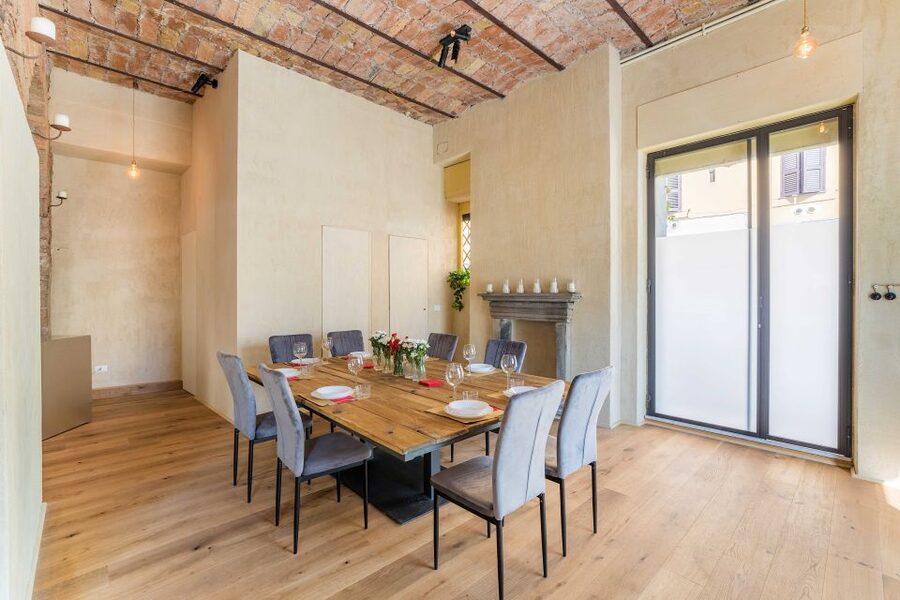
Wine accompanies the meal, and the table is set for a proper dinner. The food is the center of the evening, but the setting adds a celebratory touch. This works especially well for a honeymoon, anniversary, birthday, or a night when you want to replace another restaurant meal with something you helped create.
Express tiramisu closes the evening
Dessert is an express tiramisu that you help prepare at the end. It is not just a piece of dessert placed in front of you. You get a short lesson in assembling the dish, then finish the meal with the result.
The quick format makes sense after a three-hour class. You have already spent plenty of time on dough, filling, shaping, and eating. The tiramisu gives you one last hands-on task without turning dessert into another long cooking project.
A few details may vary by session, but the supplied experience includes the tiramisu preparation and dessert as part of the price. It is a nice ending because you leave with another simple idea to repeat at home.
You also receive a complimentary professional chef hat with the Pastificio Faini logo. It is a small souvenir, but a more useful one than a generic Rome trinket if you plan to cook pasta again.
What the price includes at $67.19
At $67.19 per person, this is a good value if you want both instruction and dinner. The price includes the class, the appetizer of cheese and prosecco, two pasta dishes, wine, dessert, and the tiramisu preparation. There are no extra fees requested during the class.
The value is strongest for people who would otherwise book a separate pasta meal and a food activity. You receive about three hours of entertainment, instruction, and food in one booking. The small group also adds value because you are paying for real participation rather than sitting at the back of a large demonstration.
The price may feel less attractive if you mainly want to eat. In that case, a Roman restaurant will give you dinner without requiring you to knead, roll, cut, and fold dough. This class earns its price through the hands-on time and the range of shapes, not just the amount of food.
The experience provider is HACCP certified for food hygiene and safety, with certification noted from 2020. That does not replace telling the staff about your own dietary needs, but it is a useful sign that food safety is taken seriously.
Who will enjoy this class most
I would recommend this class to first-time pasta makers, couples, families with older children, and anyone who wants a social evening away from Rome’s main sights. Teenagers in particular may enjoy the fast pace, music, and clear goal of eating what they make.
It also suits people who cook at home. The rolling-pin work, filled-pasta folds, cutting technique, and sauce discussion give you skills you can use later. Several participants have left eager to make pasta again, which is the best test of a practical cooking class.
The class can also work well for people with allergies if you explain your needs at the start. One participant with a garlic allergy received altered ingredients for the filled pasta and a separate sauce. That shows a helpful attitude, but I would still contact the provider before booking if your allergy is serious or complex.
This is less suitable for anyone with mobility impairments. The information specifically says the activity is not suitable for people with mobility impairments. Pets are not allowed, and the class is conducted in English and Italian.
A few practical points for your Rome schedule
Allow the full three hours. The food is not rushed, and the lesson moves through several shapes before you sit down to eat. If you have an early tour, train, or show afterward, leave plenty of extra time rather than trying to squeeze this into a tight gap.
Check the starting time when you book. The experience offers different possible times, and the schedule can affect whether you treat it as lunch or dinner. Since the activity ends where it starts, you will not need to arrange a second pickup or navigate to a different restaurant afterward.
Wear clothing that you are comfortable cooking in. The provider does not list a dress code, but flour, dough, and sauce are part of the evening. The chef hat is provided, though it is a souvenir and not a substitute for practical clothes.
If you need to cancel, you can receive a full refund when you cancel at least 24 hours in advance. You can also reserve now and pay later, which helps if your Rome schedule is still taking shape.
Should you book the five-shape pasta class?
Book it if you want a lively, hands-on food experience with a real meal at the end. The combination of five pasta shapes, two sauces, prosecco, cheese, wine, tiramisu, and a historic osteria gives you more substance than a quick pasta lesson.
I especially recommend it for couples and families who want one shared activity rather than another sightseeing stop. Emanuele and Angelo bring warmth and humor to the teaching, and the small-group setup gives you a real chance to learn.
Skip it if you dislike group activities, cannot comfortably work at a cooking table, or only want a quiet dinner. For everyone else, $67.19 buys an evening that is both useful and filling, with techniques you can try again long after Rome.
FAQ
How long does the pasta class last?
The activity lasts three hours.
How many types of pasta will I make?
You will make five shapes: ravioli, agnolotti del plin, tortellini, cappelletti, and fettuccine.
Will I eat the pasta made during the class?
Yes. The meal includes two different handmade pasta dishes prepared with two Italian sauces.
Is food included in the price?
Yes. The price includes an appetizer with Italian cheese and prosecco, a full lunch or dinner, two pasta dishes, wine, and dessert with express tiramisu preparation.
Which languages are spoken?
The class is offered in English and Italian.
How large is the group?
The class is described as a small-group experience limited to 10 participants.
Is the activity suitable for people with mobility impairments?
No. The information states that it is not suitable for people with mobility impairments.
Can I cancel for a full refund?
Yes. You can cancel up to 24 hours in advance for a full refund.
Newest classes around Rome
- Testaccio: Home Cooking Cacio e Pepe, Amatriciana, Carbonara★ 4.9 · 57 reviews
- Super Fun Pasta and Gelato Cooking Class by the Vatican★ 5.0 · 6 reviews
- Spritz and Spaghetti Traditional Cooking Class in Rome★ 4.9 · 30 reviews
- ROME:Hands-On Lasagna & Marsala Tiramisu Cooking Experience”★ 5.0 · 3 reviews
- Rome: Trastevere Pasta Making Class★ 4.9 · 33 reviews
- Rome: Vatican Food Tours, Cooking classes & Free Tours★ 4.9 · 11 reviews
- Rome: Small Group Pasta cooking class near Piazza Navona★ 4.9 · 8 reviews
- Rome: Traditional Cooking Class in the Jewish Ghetto★ 4.9 · 75 reviews
Rome Cooking Classes, compared.
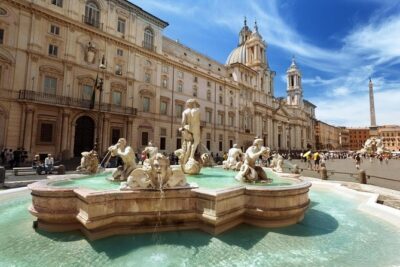
3 in 1 Cooking Class near Navona: Fettuccine, Ravioli & Tiramisu
Read our review →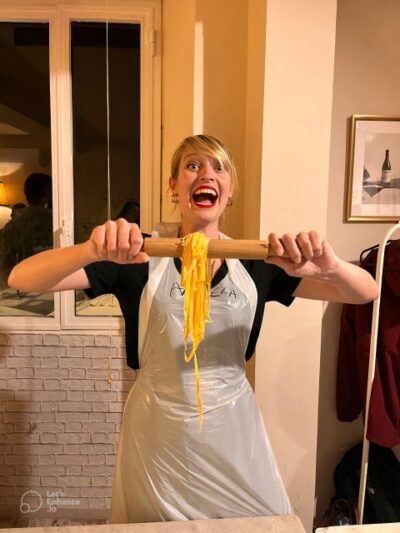
Pasta Making Class with Wine, Limoncello, and Dessert
Read our review →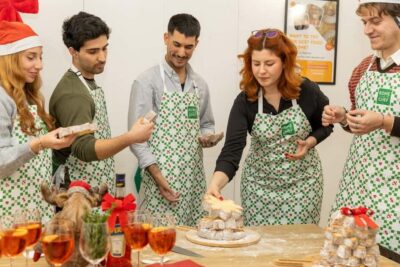
Rome Cooking Class: Make Pasta and 3 Spritz Cocktails
Read our review →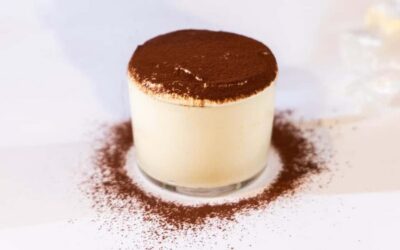
3-in-1 Fettuccine, Ravioli, and Tiramisu Cooking Class
Read our review →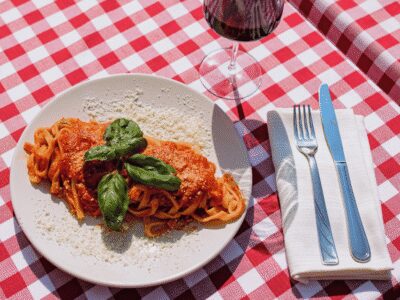
Fettuccine Pasta Cooking Class in Rome’s City Center
Read our review →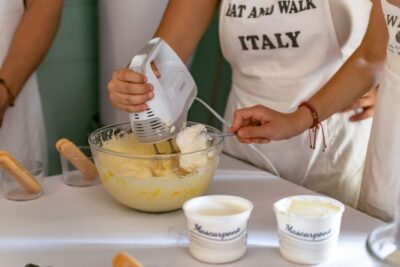
Fettuccine & Tiramisù: Cooking Class with Wine & Limoncello
Read our review →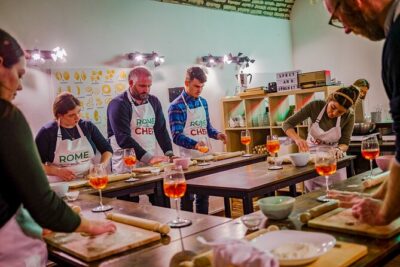
Pasta Cooking Class Near the Colosseum with 3 Spritz Cocktails
Read our review →
Enjoy Spritz and Pasta Making in Piazza Navona
Read our review →Browse the lists this tour appears in