
Review · ROME COOKING CLASSES
Rome: Homemade Pasta and Tiramisu Cooking Class
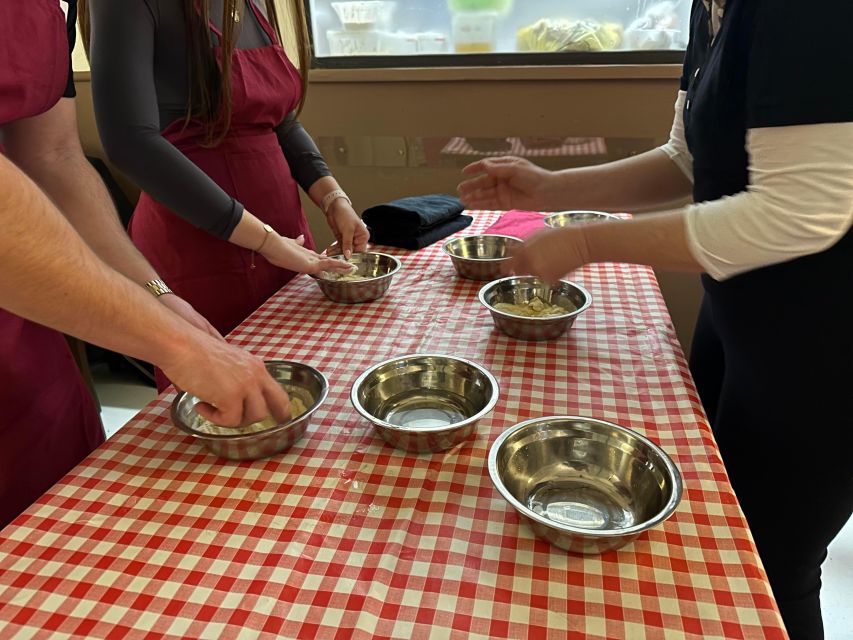
Rome’s best food lessons do more than show you how to follow a recipe. This 2.5-hour class at Osteria San Giorgio explains why Roman pasta works, how the dough should feel, and how a few plain ingredients become a proper meal. You make pasta by hand, prepare tiramisu, then sit down to eat what you made with a glass of wine.
I like the practical cooking, especially learning the difference between pappardelle, tagliatelle, and tonnarelli instead of treating all long pasta as the same. I also like the relaxed teaching style reported from instructors including Christian, Kristian, Luca, and Elisabetta. The main drawback is clear: this is not suitable for vegans or anyone with gluten or lactose intolerance.
Key points at a glance
- You make the full meal: Work with flour and water, knead and roll pasta, cut it by hand, and prepare tiramisu.
- Roman pasta gets proper attention: You learn how pappardelle, tagliatelle, and tonnarelli differ in shape and use.
- The meal is part of the lesson: Sit in the restaurant afterward and eat your pasta and dessert with a glass of wine.
- English instruction keeps it accessible: The class is taught in English, with explanations about ingredients, food customs, and recipe background.
- It can feel personal: One booking had only two participants and became a private lesson, though a private class is not guaranteed.
- The price is reasonable for Rome: At $65 per person, ingredients, equipment, instruction, water, wine, and the cooked meal are included.
Starting at Osteria San Giorgio
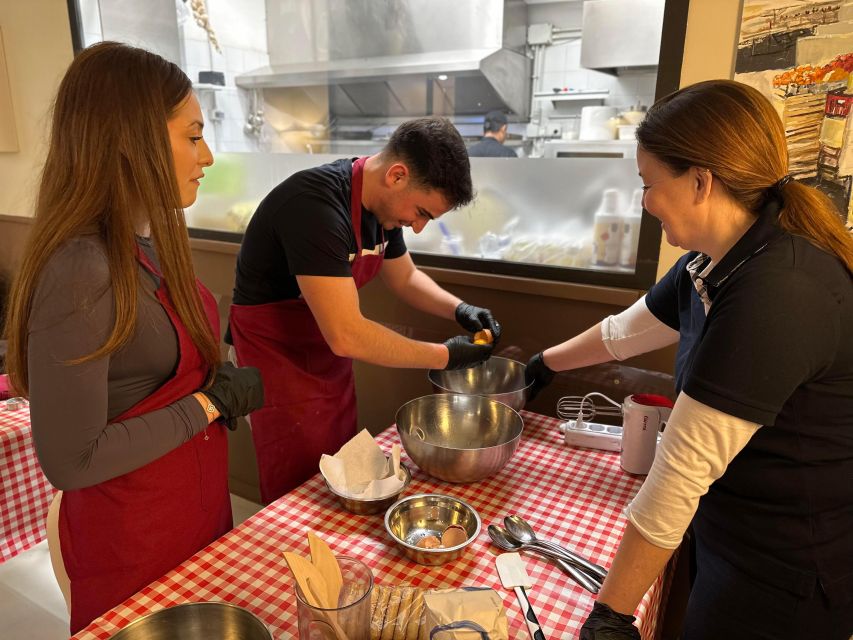
You meet at Osteria San Giorgio, a traditional restaurant in Rome. The class takes place there rather than in a detached teaching kitchen, so the cooking has a direct link to the restaurant meal that follows.
That setting matters. You are not simply practicing a recipe and carrying the results away in a box. You cook in a working restaurant environment, then eat the food soon after it is prepared. The restaurant staff also help with the meal, adding a useful connection between the cooking lesson and Roman dining.
The format is hands-on from the start. You should expect to mix ingredients, work the dough with your hands, and follow the instructor’s demonstration closely. This is not a sit-back lesson where you watch a professional do everything while you take notes.
The English instruction is especially helpful for first-time cooks. Instructors such as Christian Simeoni, Kristian, Luca, Elisabetta, and Elisabeta have been praised for being friendly, patient, and easy to follow. The exact instructor may vary, but the teaching style appears to focus on participation rather than technical cooking jargon.
More Pasta Making Classes in Rome
- 3 in 1 Cooking Class near Navona: Fettuccine, Ravioli & Tiramisu
★ 5.0 · 7,376 reviews - Rome: Pasta Making Class with Wine, Limoncello, and Dessert
★ 4.9 · 3,177 reviews - Rome Cooking Class: Make Pasta and 3 Spritz Cocktails
★ 5.0 · 2,937 reviews
Making pasta from flour and water
The pasta portion begins with basic ingredients and simple tools. You mix flour and water, knead the dough, roll it out, and cut it by hand. That sounds easy, but the useful part is learning what to look for along the way: how the dough should feel, when it needs more work, and how thin to roll it.
The class also gives you a little pasta vocabulary. Pappardelle is broad and substantial. Tagliatelle is narrower. Tonnarelli has a thicker, more robust shape. The lesson helps you see that these are not just decorative names. Shape affects texture, cooking time, and how a sauce clings to the pasta.
This is the sort of skill you can take home. A recipe can tell you how much flour to use, but it cannot always tell you what the dough should feel like on a humid day or when you have added slightly too much water. Watching the instructor adjust the mixture gives you a better chance of repeating the process in your own kitchen.
I would not book this expecting a full course in every Roman pasta dish. The focus is narrower and more useful: learn the basic dough, shape several familiar pasta types, and understand the differences between them. For a short class, that is a sensible amount to cover.
Learning how ingredients shape the dish
Part of the lesson concerns choosing good ingredients. The instructor explains what to look for when buying products for Italian cooking and offers practical tips for sourcing ingredients at home.
This is important because pasta and tiramisu both depend on a short ingredient list. There is little to hide behind. The quality and balance of the ingredients matter, but so does technique. You learn how Italian cooking can be direct without being careless.
The cultural side of the class adds another layer. Instructors discuss the place of food in Italian life and explain the background of the recipes. This does not turn the class into a lecture. The history comes through while you are mixing, kneading, cutting, and preparing dessert.
Some instructors also offer Rome suggestions and extra cooking advice. Christian, for example, was described as helpful with local recommendations as well as recipes. That can make the class useful beyond the two dishes, especially if you enjoy getting practical advice from someone who lives and works in the city.
Preparing espresso tiramisu
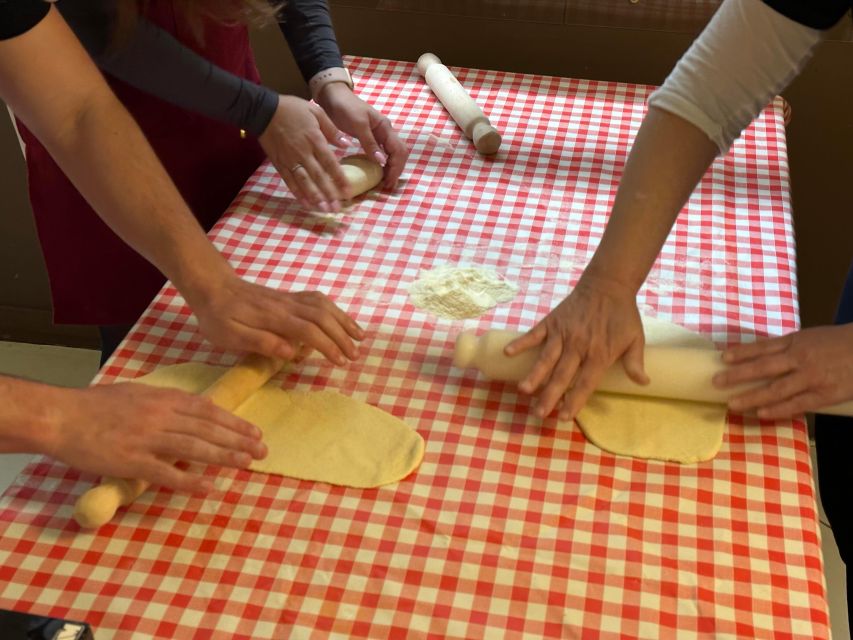
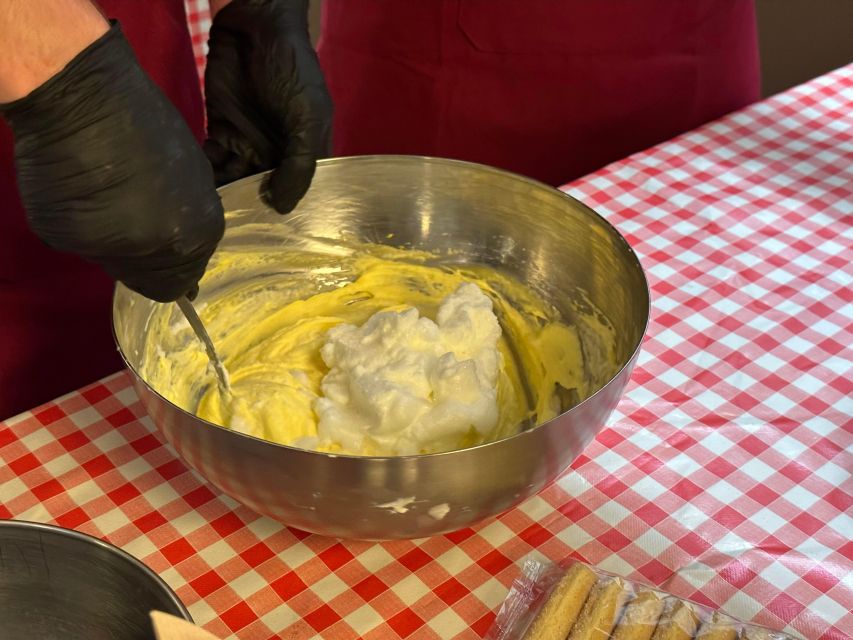
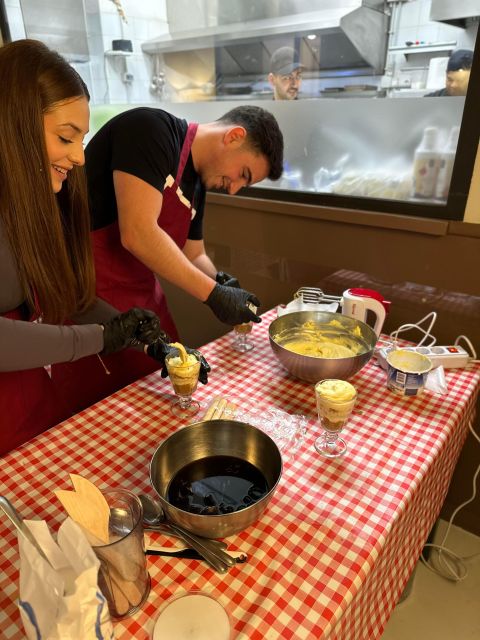
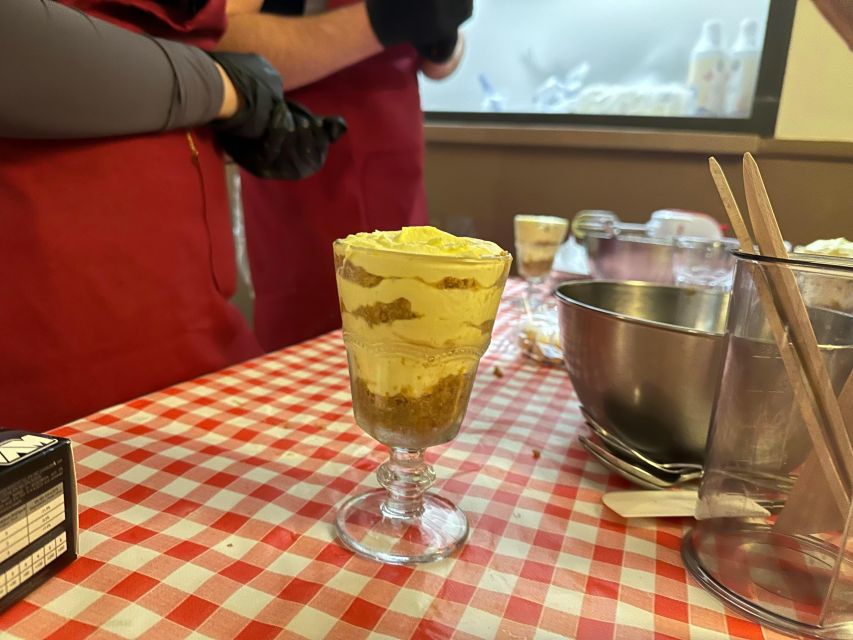
The tiramisu course follows the pasta work. You prepare the classic dessert, including the espresso-dipped element that gives tiramisu its familiar coffee flavor.
This part is well suited to beginners. Several people who had little or no cooking experience found the process approachable, and the dessert is rewarding even when made with straightforward steps. You learn the method rather than merely receiving a finished portion.
The class presents tiramisu as a dish you can repeat at home. You leave with a better sense of how the components fit together and what makes the finished dessert creamy. Since the class covers both a main course and dessert, it gives you two recipes that can form the basis of an Italian meal for friends or family.
The timing also works in your favor. You make the food and then eat it at the restaurant, so the cooking has an immediate payoff. Do keep in mind that this is a group activity, and the pace may be set by the instructor and the other people in the room. If you want to work at your own speed, a private cooking lesson would offer more control, but the information provided does not promise private bookings.
More Tiramisu and Dessert Classes in Rome
- Rome: 3-in-1 Fettuccine, Ravioli, and Tiramisu Cooking Class
★ 4.9 · 2,704 reviews - Fettuccine & Tiramisù: Cooking Class with Wine & Limoncello
★ 4.9 · 2,103 reviews - Rome: Pasta & Tiramisu Cooking Class near the Spanish Steps
★ 4.8 · 1,395 reviews - Cooking Class in the Heart of Rome: Pizza and Tiramisu Making
★ 5.0 · 1,330 reviews
Sitting down to eat what you made
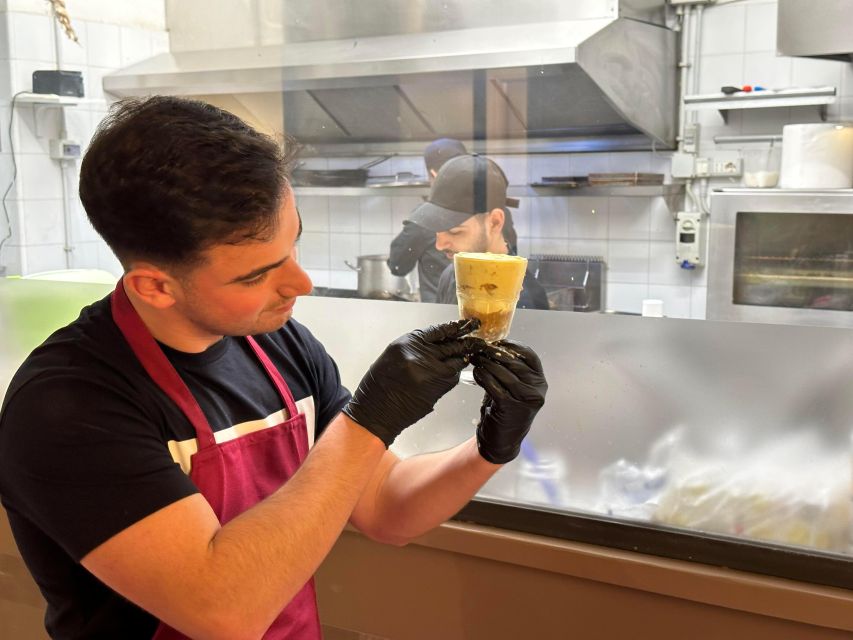
After the cooking, you eat your homemade pasta and tiramisu at Osteria San Giorgio. A glass of wine is included, along with water.
That final meal is more than a pleasant extra. It lets you judge the results while the process is still fresh in your mind. You can connect the texture of the pasta with the way you rolled and cut it, and you can think about the tiramisu as a finished dish rather than a list of separate steps.
The meal also makes the $65 price easier to assess. You are paying for a 2.5-hour lesson, an instructor, ingredients, utensils, water, wine, and the food you prepare. Compared with paying separately for a restaurant meal and a short demonstration, this is a fair package, particularly if you value skills you can use again.
The wine pairing is modest but welcome. It turns the class into a complete meal rather than an afternoon of cooking followed by another restaurant decision. If you do not drink alcohol, the activity details only specify that a glass of wine is included, so ask the provider about alternatives before booking.
What the teaching feels like
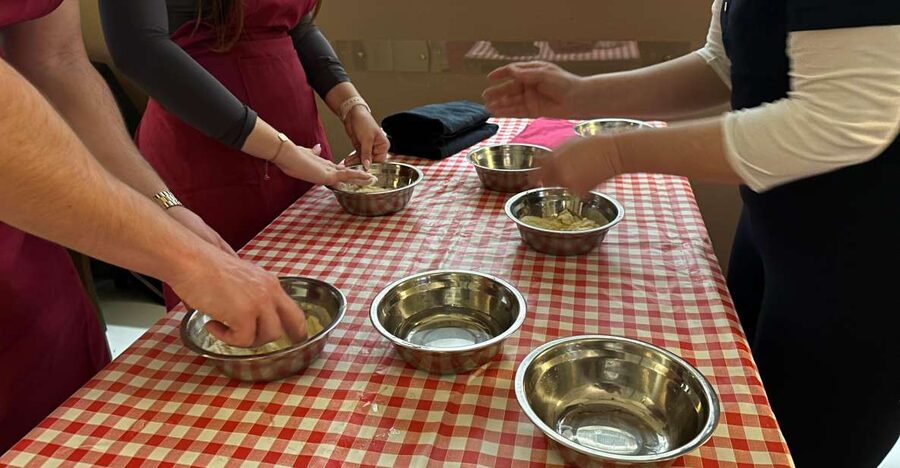
The strongest feature is the instructor. Different sessions have been led by Christian, Kristian, Luca, Elisabetta, and Elisabeta, and the teaching has been described as friendly, patient, relaxed, and engaging.
That matters for a pasta class because beginners often need reassurance. Dough can look wrong before it comes together, and hand-cut pasta rarely looks perfect on the first attempt. A calm instructor helps you keep working instead of treating small mistakes as failures.
The class also seems to suit couples and families. One couple enjoyed it as a relaxed shared activity, while another session included two children who stayed engaged with the detailed explanations. You can also book it alone, though the social side may be stronger if you arrive with a partner or family member.
Group size can vary. One booking had just two participants, giving the pair a private lesson, but you should not assume that every date will work that way. If a small group is important to you, check before paying.
One minor concern has also been noted: during one session, kitchen staff watched the cooking closely, which made two participants uncomfortable. This may have been specific to that visit, but it is worth knowing that the class takes place in a restaurant rather than a fully private studio.
Who should book this Rome class?
I would choose this class if you want a break from Rome’s monuments and prefer an activity where you make something with your hands. It suits first-time cooks because the recipes are familiar, the instructor demonstrates each stage, and the finished food is eaten soon afterward.
It is also a good choice for couples. You can share the work, compare your pasta shapes, and finish with a proper meal. Families can benefit too, particularly if children are interested in mixing, rolling, and cutting dough. The activity details describe the venue as wheelchair accessible, which makes it worth considering for visitors who need that feature.
This is less suitable if you want a broad survey of Italian cuisine. The class centers on fresh pasta and tiramisu, not pizza, regional sauces, meat, or a long menu of dishes. It is also not suitable for vegans, people with gluten intolerance, or people with lactose intolerance.
The wine may be a small concern for nondrinkers, since the included drinks are water and a glass of wine. Ask about substitutions before booking if that matters to you.
Timing, price, and booking flexibility
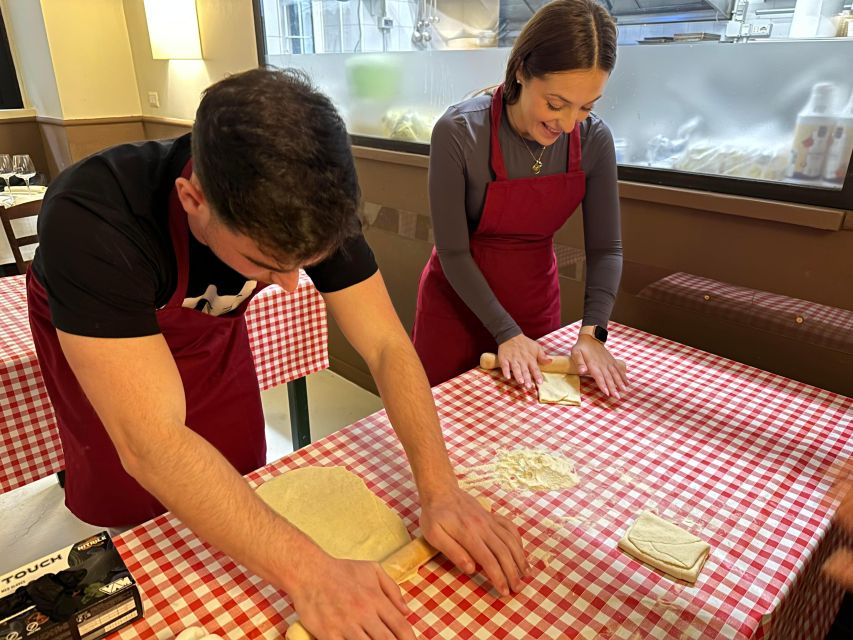
The class lasts 2.5 hours, which is long enough for a real cooking session without taking up an entire day. You should still allow extra time around it if you have timed entry tickets or a dinner reservation, since the exact start times depend on availability.
At $65 per person, the value is strongest when you count the meal as part of the experience. You receive instruction, ingredients, utensils, water, wine, pasta, and tiramisu. You also leave with techniques that can be used again, which gives the class more lasting value than a meal you simply order and finish.
You can cancel up to 24 hours in advance for a full refund. A reserve-now, pay-later option is also available, useful if your Rome schedule is still moving around. These terms give you some breathing room, but check the final booking conditions when selecting your date.
Should you book it?
Book this experience if you want a friendly, practical introduction to Roman pasta and tiramisu, followed by a meal in the same restaurant. The combination of hand-shaped pasta, dessert, wine, and English instruction makes good use of 2.5 hours.
I would especially recommend it to couples, families with food-loving children, and beginners who want recipes they can repeat at home. The best reason to book is not just the meal. It is the chance to understand dough, pasta shapes, ingredient choices, and tiramisu technique well enough to try again after Rome.
Skip it if your diet excludes gluten, dairy, or animal products, or if you want a private professional kitchen with a tightly controlled group size. For everyone else, $65 is a sensible price for an interactive Roman food lesson with dinner included.
FAQ
Where does the cooking class take place?
The class takes place at Osteria San Giorgio in Rome, in the Lazio region of Italy.
How long does the experience last?
The cooking class lasts 2.5 hours.
How much does the class cost?
The listed price is $65 per person.
What food will I prepare?
You will prepare homemade pasta and tiramisu. The pasta lesson covers varieties such as pappardelle, tagliatelle, and tonnarelli.
Is a meal included?
Yes. After cooking, you eat your homemade pasta and tiramisu at the restaurant.
What drinks are included?
Water and one glass of wine are included.
Is the class taught in English?
Yes. The instructor teaches in English.
Can people with dietary restrictions join?
The activity is not suitable for vegans, people with gluten intolerance, or people with lactose intolerance.
Can I cancel or pay later?
You can cancel up to 24 hours in advance for a full refund. A reserve-now, pay-later option is also available.
Newest classes around Rome
- Testaccio: Home Cooking Cacio e Pepe, Amatriciana, Carbonara★ 4.9 · 57 reviews
- Super Fun Pasta and Gelato Cooking Class by the Vatican★ 5.0 · 6 reviews
- Spritz and Spaghetti Traditional Cooking Class in Rome★ 4.9 · 30 reviews
- ROME:Hands-On Lasagna & Marsala Tiramisu Cooking Experience”★ 5.0 · 3 reviews
- Rome: Trastevere Pasta Making Class★ 4.9 · 33 reviews
- Rome: Vatican Food Tours, Cooking classes & Free Tours★ 4.9 · 11 reviews
- Rome: Small Group Pasta cooking class near Piazza Navona★ 4.9 · 8 reviews
- Rome: Traditional Cooking Class in the Jewish Ghetto★ 4.9 · 75 reviews
Rome Cooking Classes, compared.
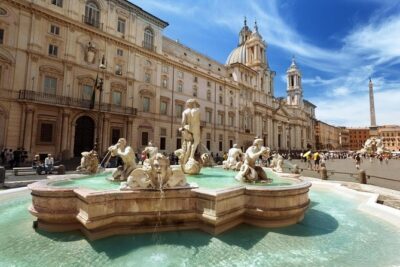
3 in 1 Cooking Class near Navona: Fettuccine, Ravioli & Tiramisu
Read our review →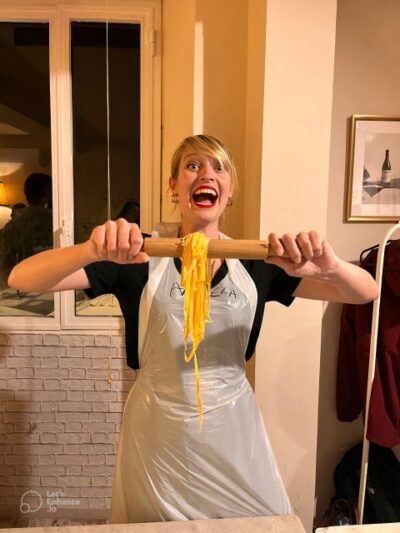
Pasta Making Class with Wine, Limoncello, and Dessert
Read our review →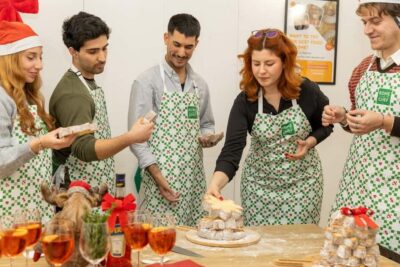
Rome Cooking Class: Make Pasta and 3 Spritz Cocktails
Read our review →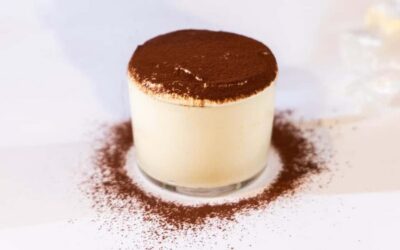
3-in-1 Fettuccine, Ravioli, and Tiramisu Cooking Class
Read our review →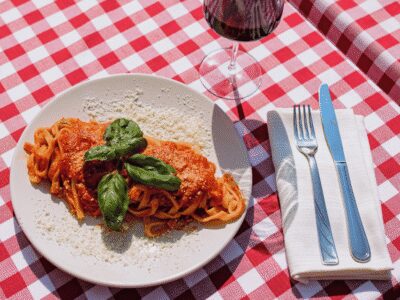
Fettuccine Pasta Cooking Class in Rome’s City Center
Read our review →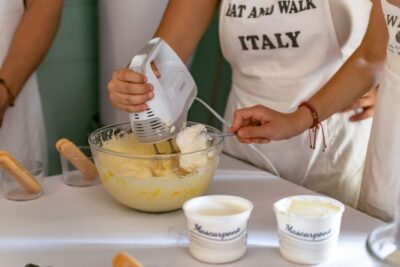
Fettuccine & Tiramisù: Cooking Class with Wine & Limoncello
Read our review →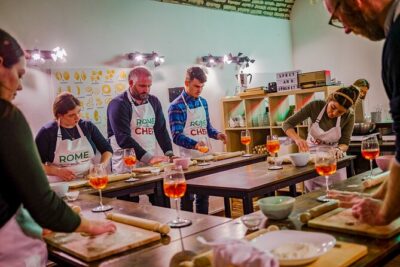
Pasta Cooking Class Near the Colosseum with 3 Spritz Cocktails
Read our review →
Enjoy Spritz and Pasta Making in Piazza Navona
Read our review →Browse the lists this tour appears in