
Review · PORTUGAL COOKING CLASSES
Porto: Coastal Villages Market & Seafood Cooking Tour
Porto’s Atlantic coast makes a fine dining room, but the best part of this experience happens before lunch. You begin at São Pedro da Afurada’s fish market, choosing sardines, clams, octopus, seabass, or whatever the boats have brought in. Then you follow the food back to its roots, through fishing villages and local produce stalls, before cooking it in a coastal home.
I like the small maximum of six people, which keeps the market visit personal and the cooking practical. I also like the way Marco connects food with real coastal work. He explains the fishing industry, changing traditions, and the role of tides and seasons rather than simply naming dishes.
The main consideration is timing. This is an early, food-centered half-day with several van rides and walking stops, not a full sightseeing tour of Porto. The exact dishes and fish depend on the market, and the experience is conducted in English with a Portuguese accent, so ask for clarification if a cooking step or story moves too fast.
What makes this coastal food tour special
- São Pedro da Afurada market: Choose the day’s seafood beside local shoppers and fishermen.
- Five coastal villages: See Afurada, Miramar, Aguda, Granja, and Espinho at a slower local pace.
- Hands-on Portuguese cooking: Prepare dishes such as seafood rice, shrimp bread stew, or grilled fish.
- A six-person maximum: Expect a more relaxed outing than a large coach excursion.
- Local wine with lunch: Vinho Verde, Alvarinho, and Douro wines accompany the meal.
- Marco’s personal connection: His organic farm and family links add a useful human side to the food.
Starting with the catch of the day in Afurada
The tour begins with pickup in Porto, Vila Nova de Gaia, or Espinho. After a short van ride of about five minutes, you reach São Pedro da Afurada, a fishing community at the mouth of the Douro.
This first stop lasts around 45 minutes. It is the part of the tour that gives lunch its character. Instead of receiving a fixed menu prepared in advance, you see what is available and help select the ingredients. The catch can include sardines, octopus, clams, seabass, and other seafood brought in according to the season and the tide.
I like this approach because it shows you how Portuguese cooking begins. Freshness is not an abstract promise here. You learn to look at the fish and shellfish, ask what is best that day, and understand why the menu cannot be identical in every month.
Marco is the guide named for this experience. He has a strong connection to the fishing trade and talks about how the industry is changing. That gives the market visit more weight than a quick photo stop. You are hearing about the work behind the food, including the pressures and changes affecting coastal communities.
The market may be lively in the morning, so wear comfortable shoes and keep your camera ready. You will have a chance to take pictures, but this is also a working market. Stay aware of people carrying fish, crates, and shopping bags.
More Cooking Classes with a Market Tour in Portugal
- Porto Local Market Visit & Cooking Class / Showcooking
★ 5.0 · 206 reviews - Lisbon Market and Food Tour with Cooking Class and Lunch
★ 5.0 · 117 reviews - Private Lisbon Market Tour & Portuguese Cooking Class with Paula
★ 5.0 · 89 reviews
Seeing the coast through its working villages
After the market, you ride for about 20 minutes before a 45-minute sightseeing section. The route takes in a string of coastal communities: Afurada, Miramar, Aguda, Granja, and Espinho.
Each place offers a different look at northern Portugal’s relationship with the ocean. In Afurada, you may see clothes drying in the sea air and fishermen repairing nets. In Miramar and Aguda, distinctive wooden boats rest on the sand. These details matter because they show daily life rather than only postcard scenery.
The guide also explains how the sea shapes festivals, recipes, and local customs. This is a good bridge between the market and the kitchen. You begin to see why seafood is not simply an ingredient in this part of Portugal. It is tied to work, family, weather, and community routines.
You should not expect a long walk through every village. The itinerary includes van transfers and a short sightseeing period, so the stops provide an introduction rather than a full village tour. That suits you if you want several coastal glimpses without spending the whole day on foot.
The coastal setting can also mean sun and wind. Sunscreen is sensible, and comfortable shoes will serve you better than anything dressy. Bring a light layer if you are sensitive to sea breezes, though the supplied information does not promise a particular weather plan.
Shopping for the rest of the meal
The next transfer takes about 15 minutes, followed by roughly 30 minutes of shopping. This stop focuses on the ingredients that make the seafood meal complete.
You may choose vegetables, herbs, fruit, olives, cheese, and bread from nearby producers. Marco also has an organic farm with his wife, and the food stop may include supplies from that farm. This adds another useful layer to the outing: you see both the fish market and the agricultural side of the regional table.
I like the order of the day. You first see the seafood, then the villages that depend on the coast, and finally the produce that turns a catch into lunch. It helps you understand why Portuguese cooking can be simple without being plain. Good fish, sound vegetables, olive oil, garlic, herbs, and bread do much of the work.
The shopping stop is brief, so do not expect a long farmers’ market tour with time to browse every stall. You are selecting ingredients for the meal, not shopping for souvenirs. If you want to buy a particular product, ask the guide early, since the schedule is built around lunch preparation.
Cooking in a coastal home near Espinho
After another short ride, around 10 minutes, you arrive in Espinho for lunch and cooking. This is the longest part of the tour, about two and a half hours.
The kitchen becomes the center of the experience. You use the seafood and produce chosen earlier, with cooking materials supplied. Depending on the season and the market, the meal might include arroz de marisco, a Portuguese seafood rice, or açorda de camarão, a garlic and shrimp bread stew. Fresh fish grilled with olive oil, garlic, and herbs is another possibility.
The important point is that the menu is flexible. If you need a fixed dish or have a strong preference, ask before booking or at the start. The catch changes, and the cooking reflects what is fresh rather than following a rigid restaurant menu.
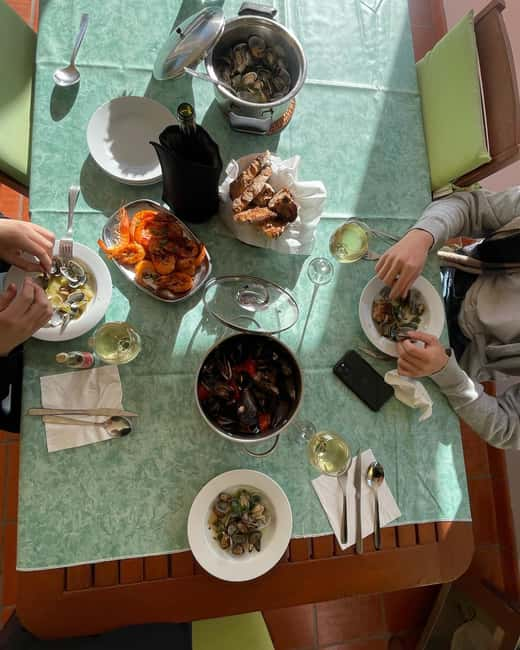
Marco cooks and guides the preparation, while the setting is a coastal home or family-connected B&B. A direct account of the day describes clams, squid, and sardines served with bread, olive oil, olives, potatoes, and roasted peppers. Those details give you a useful sense of the meal: generous, informal, and built around several simple plates rather than one elaborate course.
You also hear about techniques passed down through families and the balance of sea flavors. The lesson is not presented as a formal culinary class with a written syllabus. It is closer to cooking alongside a local host, with stories, music, wine, and conversation folded into the work.
That distinction matters. If you want precise professional instruction, measured recipes, or a certificate, this may feel loose. If you want to understand how a Portuguese household turns market food into lunch, the relaxed format is the point.
More Seafood Classes in Portugal:
- Tokyo Tsukiji Fish Market Tour and Sushi Making Lesson
★ 5.0 · 390 reviews - Seafood paella cooking class, tapas and visit to Ruzafa market.
★ 5.0 · 328 reviews - Barcelona: Paella Seafood Master Cooking Class with Sangria
★ 5.0 · 73 reviews - Rooftop Paella Seafood Cooking Class Experience in Barcelona
★ 5.0 · 59 reviews
A long lunch with Vinho Verde and conversation
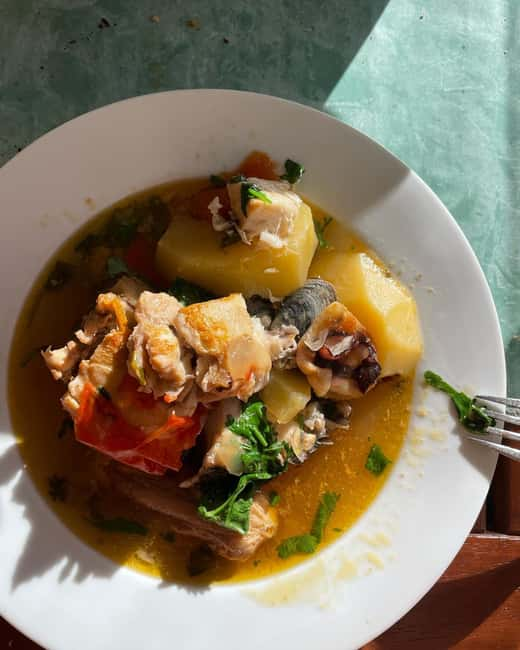
The meal is served after the cooking, and local wines are included. You might drink Vinho Verde, Alvarinho, or wines from the Douro, including white and red options.
The lunch is intended to last and breathe. You are not rushed through a plate before being sent back to Porto. The food, wine, music, and conversation form one continuous social experience. The best value here comes from that time with the hosts, not just from the cost of the ingredients.
The supplied price is $106 per person. That is not a bargain-basement market visit, but it covers several elements that would cost money and planning separately: pickup and return transport, market visits, ingredients, cooking materials, a guide, and local wines. You also avoid arranging transport between Porto, the coast, and the villages yourself.
There is one point to clarify before paying. The details say a restaurant bill is not included, although the main description places lunch in a coastal home or B&B. Ask the provider exactly how lunch is charged for your date, especially if the meal is hosted at a family property rather than a restaurant.
The tour’s value is strongest if you care about food culture and personal contact. If you only want a cheap seafood lunch, you can spend less in Porto. If you want to connect the market, villages, cooking, and meal in one outing, the price is easier to justify.
Transport, timing, and group size
The full experience lasts around four to five hours, though the stated duration range is four to six hours. That difference likely reflects the pace of the market, driving, cooking, and meal. Keep some flexibility in your day rather than booking a tight afternoon appointment.
The route is handled by van, with transfers of about five, 20, 15, 10, and 20 minutes. Pickup and drop-off are available in Porto, Vila Nova de Gaia, and Espinho. The pickup instruction says to wait in front of your hotel, hostel, or Airbnb.
A maximum of six people is a real advantage. Small groups allow more room for questions at the fish counter and more hands-on work in the kitchen. Private options are also available, and the guide can operate in English, Portuguese, or Spanish.
The English is delivered with a Portuguese accent. That should not be a problem for most people, but the tour includes stories about fishing, local customs, and cooking methods. If you miss a point, ask Marco to repeat it. This is a setting where questions improve the experience.
The tour is not suitable for babies under one year or people over 95. No other accessibility details are supplied, so ask ahead about walking, van access, and kitchen arrangements if you have mobility concerns.
Who will get the most from this experience
I would choose this outing if you like food markets, small communities, and meals that take time. It suits couples, friends, and solo visitors who enjoy meeting a guide and sharing a table with a small group.
It is also a strong choice after a few days of monuments and city streets. Porto is only part of the story. The coast south of the city has its own working rhythm, and this tour gives you a taste of it without requiring you to rent a car.
Families with very young children may find the early market start, van transfers, and long lunch awkward. Babies under one are not accepted. Anyone who dislikes seafood or prefers a predictable menu should also think twice, since the catch and recipes depend on the day.
Bring comfortable shoes, sunscreen, and a camera. The market and coastal villages are best enjoyed when you can walk without worrying about footwear. You may also want to keep your schedule clear after lunch, since the meal is meant to be relaxed rather than hurried.
Should you book the Porto coastal cooking tour?
Book it if you want a food experience tied to real places and people, not a standard cooking demonstration. Marco’s focus on the fishing industry, his family’s organic farm, and the coastal home setting give the day a personal shape.
The strongest parts are the market selection, the small group, and the long lunch. The main trade-offs are the early start, flexible menu, short sightseeing stops, and possible uncertainty about the separate restaurant-bill note.
For a first visit to Porto, this is especially useful if you want to see beyond the historic center. You will not cover every coastal village in depth, but you will leave with a clearer sense of how northern Portuguese seafood reaches the table. At $106, it is a fair choice for a hands-on, transport-included day with local wine and a meal you help create.
FAQ
Where does the tour start and finish?
Pickup and drop-off are available in Porto, Vila Nova de Gaia, and Espinho. You should wait in front of your hotel, hostel, or Airbnb for pickup.
How long does the experience last?
The stated duration is four to six hours, with the practical estimate given as around four to five hours. The exact timing can depend on the day’s schedule.
What languages are available?
The guide can conduct the experience in English, Portuguese, or Spanish. The English is spoken with a Portuguese accent.
How many people are in the group?
The maximum group size is six people. Private or small-group arrangements are available.
What seafood dishes might I cook?
Depending on the season and market catch, you might prepare arroz de marisco, açorda de camarão, or freshly grilled fish with olive oil, garlic, and herbs.
Are food, wine, and cooking equipment included?
Market visits, ingredients, local wines, all cooking materials, and transport are included. The details also state that a restaurant bill is not included, so confirm how the lunch charge applies to your booking.
What should I bring?
Bring comfortable shoes, sunscreen, and a camera. Babies under one year and people over 95 are not accepted for this activity.
Newest classes around Portugal
- Cooking Workshop in Cascais (group of 4 min)★ 5.0 · 13 reviews
- Cooking Class★ 5.0 · 17 reviews
- Terceira Island: Azores Cooking Class Experience★ 5.0 · 14 reviews
- Porto: Portuguese Cooking Class on the Terrace★ 5.0 · 2 reviews
- Porto: Cooking Class with Local Market Visit★ 5.0 · 15 reviews
- Porto: Local Market Tour & Cooking Class/Showcooking★ 4.9 · 32 reviews
- Lagos: Market Tour and Cataplana Cooking Class★ 5.0 · 9 reviews
- Lisbon: Portuguese Petiscos Cooking Class★ 4.7 · 6 reviews
Portugal Cooking Classes, compared.

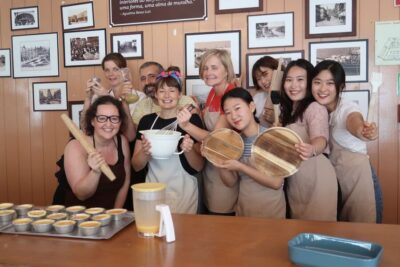
Pastel de Nata Cooking Class with Grandma’s Recipe
Read our review →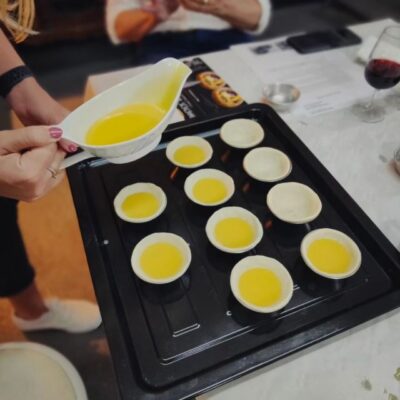
Pastel de Nata Cooking Class with Port Wine – Sé
Read our review →
Lisbon Portuguese Cooking Class with 3-Course Dinner
Read our review →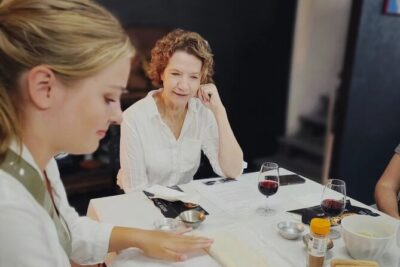
Pastel de Nata Cooking Class with Porto Wine (Sé do Porto)
Read our review →Browse the lists this tour appears in