
Review · PORTUGAL COOKING CLASSES
Porto: Pastel de Nata Cooking Class with Grandma’s Recipe
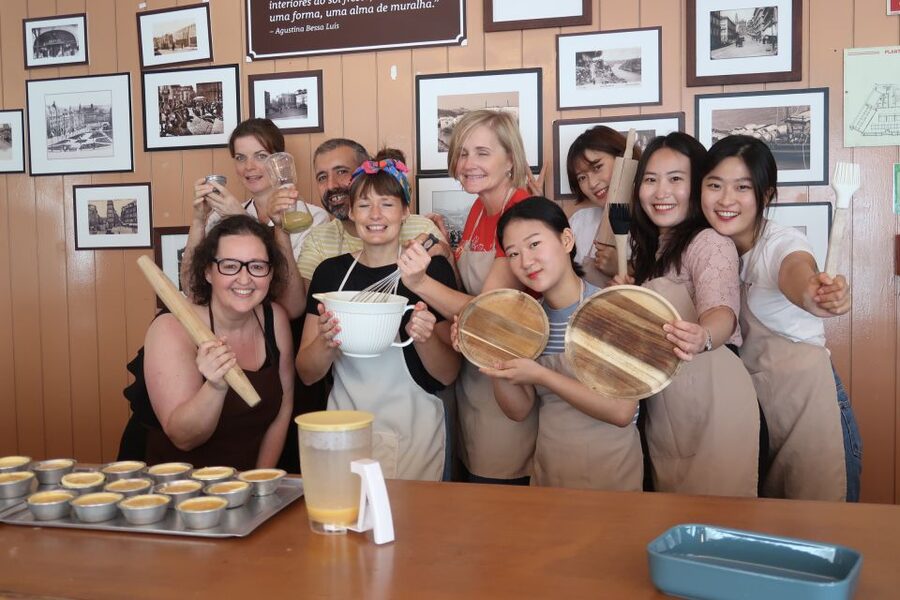
The best part of this experience is not simply eating a warm pastel de nata. It is learning the full process in Joana’s home, from pastry dough to creamy custard, using a grandmother’s recipe that has been passed down through her family.
I like the hands-on format, where everyone gets a real turn, and I like the relaxed table gathering at the end with coffee, tea, juice, and fresh pastries. The main drawback is the location: it is outside central Porto, so you need to allow extra time and possibly around €12 for a ride-share trip each way.
Key points to know
- Grandmother’s recipe: You make the pastry and custard from scratch rather than simply filling ready-made shells.
- Joana’s welcoming home: The class takes place in a bright, comfortable home with a personal family feel.
- Small-group cooking: Up to 10 people take part, with rotating tasks so everyone can contribute.
- Two-hour schedule: The class is compact but includes baking, cultural conversation, drinks, and time to eat the finished tarts.
- Useful location tip: Bolt or Uber is fastest from Porto city center, while bus 800 or 801 offers a cheaper direct option if you have coins.
- Strong value: At $33 per person, the class includes ingredients, utensils, instruction, drinks, pastries, and a recipe to use at home.
Making pastel de nata from scratch in Joana’s kitchen
Pastel de nata is Portugal’s famous custard tart, with crisp, layered pastry wrapped around a soft, sweet center. You can buy one at nearly every bakery in Porto, but a cooking class lets you see why a good one takes care and timing.
Joana welcomes you into her home and starts with introductions. This is not a commercial cooking studio with a quick demonstration at the front of the room. You gather in her kitchen, hear about her family, and learn how the recipe became part of her household.
The setting matters. Several parts of the class take place in a calm kitchen filled with natural light, and the home has a warm, carefully prepared feel. Music may play from Joana’s record player, and the table is set for the final tasting before the baking even begins.
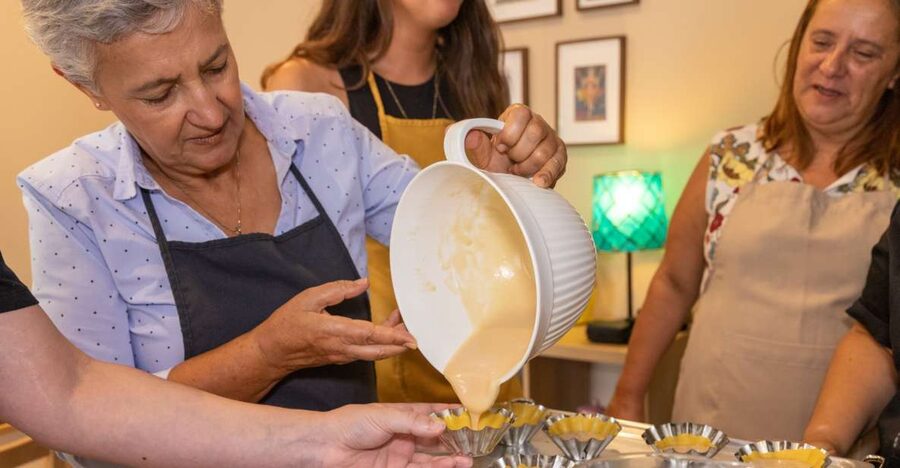
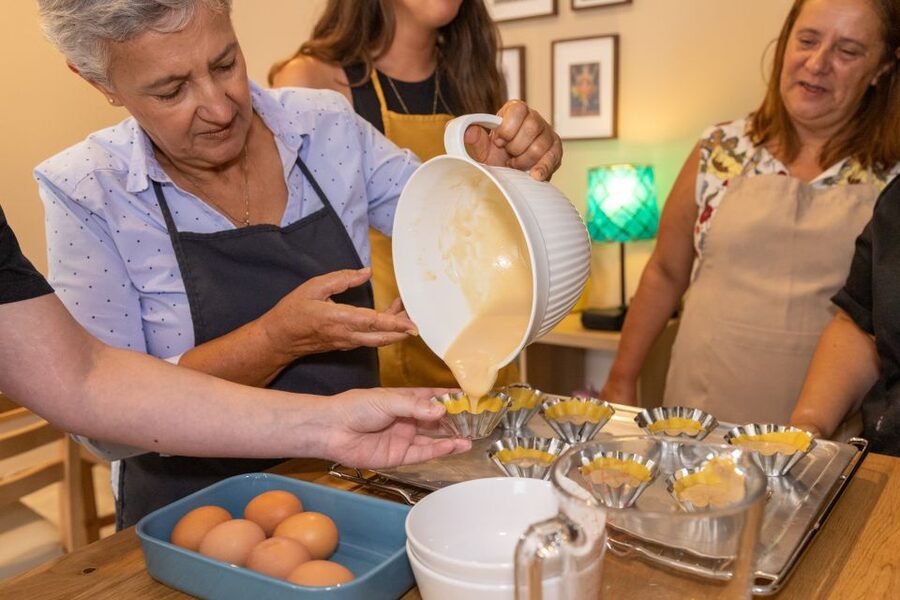
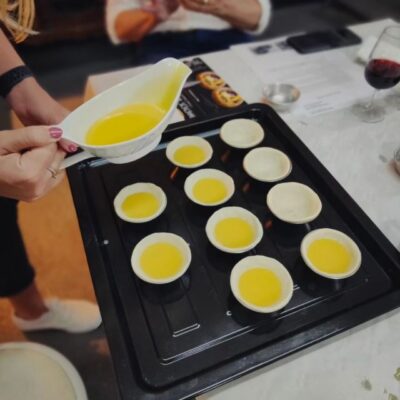
You then roll up your sleeves. The class covers the pastry and the custard, not just one or the other. That point is important because some pastry classes prepare the dough ahead of time, leaving you to work only on the filling or shaping.
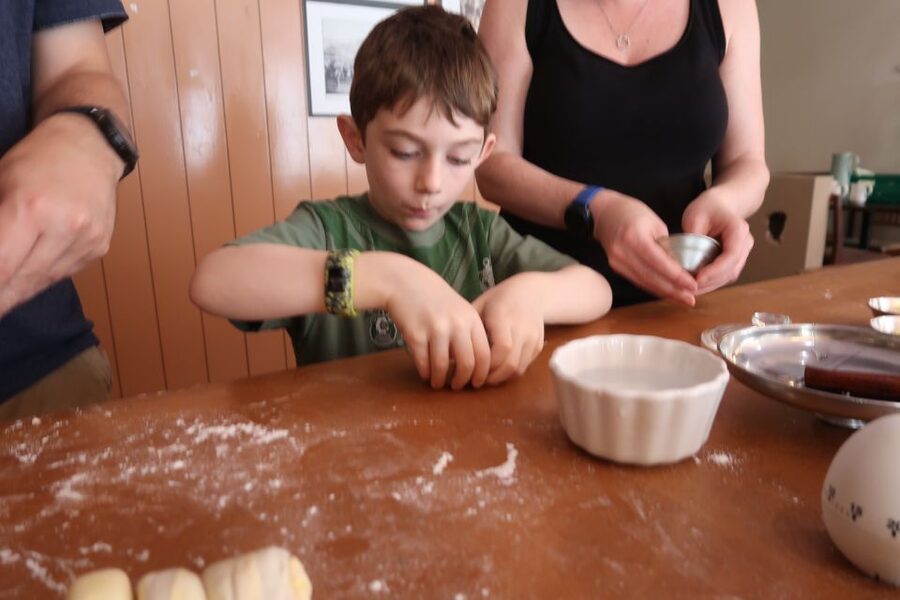
The pastry stage is the more technical part. You work with the dough, shape it, and prepare the shells for the custard. The process takes patience, but Joana breaks it into manageable steps and explains what you need to watch for.
The class uses a rotating system so a group of up to 10 people can share the work. This keeps the class moving, but it also means you may not personally handle every single stage from start to finish. One experienced baker found that the full pastry and custard process left limited time for each person to take part in every task.
That is a fair trade-off for a small group. You are not standing at the back while Joana does everything, but you are also not guaranteed uninterrupted control of your own individual batch. The format works best if you enjoy shared cooking and meeting people, rather than expecting a private one-on-one lesson.
More Cooking Classes in Portugal:
- Lisbon: Pastel de Nata Baking Class
★ 4.9 · 2,106 reviews - Porto: Pastel de Nata Cooking Class with Port Wine – Sé
★ 4.8 · 888 reviews - Lisbon: Traditional Portuguese Cooking Class
★ 4.9 · 592 reviews
What makes the grandmother’s recipe useful
The family recipe gives the activity a personal center. You are not just following a generic recipe copied from a website. Joana connects the pastry to her family and Portuguese food traditions, adding context as you work.
The class also focuses on practical technique. Joana is patient with beginners and able to answer questions from people who already bake. Her teaching style makes the class suitable for mixed groups, including solo visitors, couples, families with adult children, and friends traveling together.
You learn how to create the flaky pastry and the custard, then combine them before baking. That full process gives you a better chance of repeating the recipe at home. Joana also shares the recipe afterward, which turns the experience into something you can carry back to your own kitchen.
The finished tarts are served warm and fresh from the oven. That timing changes the experience. The pastry is at its crispest, and the custard is still soft and creamy. You may have eaten pastel de nata at famous bakeries in Lisbon or Porto, but making one yourself helps you notice the contrast between the layers, the filling, and the browned top.
The final table gathering
Once the tarts are ready, the class moves from kitchen work to a shared table. Drinks include coffee, tea, and orange juice, with non-alcoholic refreshments included in the price. One class also included a taste of port wine, but you should treat that as an occasional extra rather than a guaranteed part of the activity.
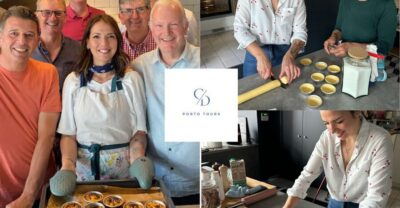
This final part is more than a quick snack. It gives everyone time to enjoy the results and talk with the rest of the group. Several people took the class alone and found it easy to meet others because the cooking naturally creates conversation.
The table setting adds to the sense that you have been invited into a home rather than processed through an attraction. Joana’s apartment, music, family story, and food recommendations all help give the class a local feel.
I would not book this specifically for a formal lesson in Portuguese culinary history. The cultural information is woven into personal stories and conversation rather than delivered as a lecture. That is a strength if you prefer informal contact, but a limitation if you want a detailed historical seminar about the origins of convent pastries.
Why the location requires planning
The home is about 10 minutes by car from central Porto, though traffic can affect that estimate. Bolt or Uber is the easiest choice, especially if you are traveling with more than two people. Splitting the fare can make the ride practical, but one important cost consideration is that the ride may add about €12 each way.
The class is not physically in central Porto. It is in the nearby Porto area, and that distinction matters when you plan your day. Leave enough time to reach the home, particularly if your class starts in the morning or you have another booking immediately afterward.
Public transport is possible:
- From Bolhão, bus 800 or 801 takes about 20 minutes and stops across the street from the house.
- Bus tickets can be bought on board, but you need coins.
- From Trindade Station, take the Orange Metro Line directly to Fânzeres.
- From Fânzeres, walk about 700 meters, or roughly 10 minutes, to the home.
- If driving, free street parking is available.
The address instructions tell you to ring the doorbell marked 2 Andar when you arrive. The host waits inside, so do not expect a shopfront or large cooking-school sign.
I like the metro and bus options for keeping the total cost down, but the ride-share route is simpler and faster. If you are on a tight schedule, use a car service. If you want to save money and do not mind a little navigation, public transport works.
Same region, a different dish to learn:
- Porto: Pastel de Nata Cooking Class from Scratch
★ 4.9 · 468 reviews - Lisbon: 2-Hour Pastel de Nata Cooking Class
★ 4.8 · 461 reviews - Lisbon Portuguese Cooking Class with 3-Course Dinner
★ 5.0 · 445 reviews - Porto: Pastel de Nata Cooking Class with Porto Wine (Sé do Porto)
★ 5.0 · 340 reviews
Is $33 a good price?
At $33 per person, the class is well priced for a two-hour food experience. The fee includes ingredients, cooking utensils, instruction, drinks, and the pastries you make. You are also getting a recipe and a personal introduction to a Portuguese family food tradition.
The value is strongest if you want to participate. A bakery tasting might cost less, but it would not teach you how the pastry is made or give you the chance to shape the dough and prepare the custard. A private cooking class would likely cost more, while a large commercial group could feel less personal.
You should factor in transportation. The experience itself is reasonably priced, but a round-trip ride-share journey from central Porto can add a noticeable amount. For two or more people, sharing the car helps. For a solo visitor, the bus or metro may make the overall cost more attractive.
The class also makes good use of two hours. You do not spend the whole session eating, and you do not spend the whole session watching someone else cook. The time is divided between introductions, preparation, baking, and a sit-down tasting.
Who will enjoy this class most
I would recommend this class to anyone who likes food and wants an easy way to meet people in Porto. It suits solo visitors especially well because the small group and shared table make conversation natural.
It is also a good rainy-day activity. You are indoors in a comfortable home, and the work is active enough to keep the afternoon moving without feeling rushed.
Beginners should feel comfortable here. Joana explains each stage clearly, and her patient approach helps people who have little baking experience. Experienced home bakers can enjoy it too, particularly because the pastry is made from scratch rather than supplied in advance.
Families with children should check the booking details and consider the child’s ability to take part safely in a kitchen. The supplied information does not give a specific minimum age, so you should confirm that point before booking.
This is less suited to visitors using wheelchairs, as the activity is not suitable for wheelchair users. It is also not ideal if you want a centrally located attraction that requires no transport planning.
What to bring and how to prepare
You do not need to bring ingredients or cooking tools. Both are provided, as are the drinks and finished pastries.
Wear something comfortable for kitchen work. The class is hands-on, so you will be handling dough and custard rather than sitting through a demonstration. The available information does not specify an apron policy, so you may prefer clothes that are easy to wash.
Plan to arrive with enough time to find the home. If you use the bus, carry coins for the ticket. If you use the metro, remember that the final walk from Fânzeres is about 700 meters.
The class is conducted in English. Joana’s clear communication is useful for explaining technique, organizing the group, and sharing Porto recommendations after the cooking is finished.
The main strengths and small limitations
The biggest strength is the personal setting. Cooking inside Joana’s home makes the activity feel connected to daily Portuguese life. You are not simply collecting a food sample; you are sharing a family recipe in the place where the host teaches it.
The second strength is the full recipe. The class includes the pastry dough, which is often the part omitted from shorter demonstrations. That gives you more useful skills to take home, even if the shared-group format means you may not perform every step yourself.
The third strength is Joana’s teaching. She keeps the group involved, explains the process carefully, and helps people at different skill levels. Her local restaurant and food recommendations are a useful extra for the rest of your time in Porto.
The limitations are clear. The home is outside the city center, and transport adds time and possible expense. A group of 10 can also mean less individual practice than you would get in a private lesson.
The class is not designed for wheelchair users, and the schedule may feel compact for someone who wants to repeat every technique independently. Still, those drawbacks are manageable if you plan your route and understand that this is a shared social class.
Should you book the Porto pastel de nata class?
I would book it if you want a warm, personal food experience rather than another quick bakery stop. The combination of Joana’s home, a family recipe, full pastry preparation, and a shared table gives you something that a standard tasting cannot provide.
Book it early if you have limited time in Porto, since the class is capped at 10 people and has a strong 5 out of 5 rating from 1,565 reviews. Choose a ride-share for ease, or use the bus and metro options if you want to control the cost.
Skip it if you need a central location, a private lesson, or wheelchair access. For everyone else, $33 is a fair price for two hours of cooking, eating, and meeting people over one of Portugal’s most beloved pastries.
FAQ
How long does the pastel de nata class last?
The class lasts two hours. This includes introductions, preparing the pastry and custard, baking, and eating the finished pastries with drinks.
Where does the cooking class take place?
The class takes place in Joana’s home, about 10 minutes by car from Porto city center. You should ring the doorbell marked 2 Andar when you arrive.
How can I reach the host’s home from central Porto?
Bolt or Uber is the fastest option. From Bolhão, bus 800 or 801 takes about 20 minutes and stops across the street. From Trindade Station, take the Orange Metro Line to Fânzeres, then walk about 10 minutes.
Are ingredients and cooking tools included?
Yes. The price includes all ingredients, cooking utensils, the guided class, non-alcoholic drinks, and the pastries you prepare.
Is the class taught in English?
Yes. The host or greeter speaks English, and the class is conducted in English.
Is the experience suitable for wheelchair users?
No. The activity is not suitable for wheelchair users.
Newest classes around Portugal
- Cooking Workshop in Cascais (group of 4 min)★ 5.0 · 13 reviews
- Cooking Class★ 5.0 · 17 reviews
- Terceira Island: Azores Cooking Class Experience★ 5.0 · 14 reviews
- Porto: Portuguese Cooking Class on the Terrace★ 5.0 · 2 reviews
- Porto: Coastal Villages Market & Seafood Cooking Tour★ 5.0 · 2 reviews
- Porto: Cooking Class with Local Market Visit★ 5.0 · 15 reviews
- Porto: Local Market Tour & Cooking Class/Showcooking★ 4.9 · 32 reviews
- Lagos: Market Tour and Cataplana Cooking Class★ 5.0 · 9 reviews
Portugal Cooking Classes, compared.

Pastel de Nata Cooking Class with Port Wine – Sé
Read our review →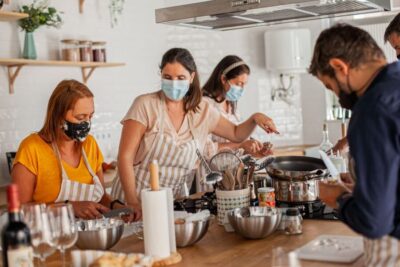
Lisbon Portuguese Cooking Class with 3-Course Dinner
Read our review →
Pastel de Nata Cooking Class with Porto Wine (Sé do Porto)
Read our review →
Traditional Portuguese Cooking Class in Lisbon
Read our review →Browse the lists this tour appears in