

Review · LISBON COOKING CLASSES
Traditional Portuguese Cooking Class in Lisbon
The best part of this Lisbon experience is that you do not simply watch a chef cook. You help prepare a four-course Portuguese meal, from caldo-verde and cod dishes to pastel de nata. The cooking is shared and relaxed, with an instructor guiding you through each step rather than expecting professional skills.
I like the small maximum of 10 people, which gives you a real chance to chop, stir, season, and ask questions. I also like the generous social side: Portuguese wine, beer, soft drinks, and finger foods are served while you work. The main consideration is that the meal is prepared family-style, so you may not personally cook every dish from start to finish.
Key points to know before booking
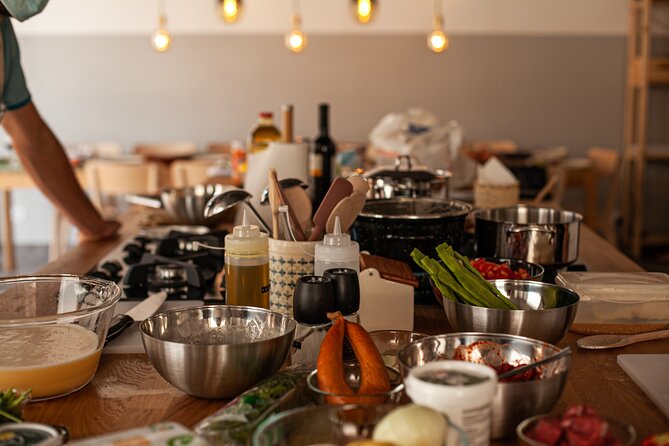
- Four courses, not a demonstration: You take part in preparing several traditional dishes, with an instructor leading the work.
- Pastel de nata is included: You prepare and bake the famous custard tart using pre-prepared puff pastry.
- Seasonal menus change: A summer class may feature different food from a winter session.
- Up to 10 people: The small group keeps the class social while allowing time for individual help.
- Wine and snacks are part of the experience: Portuguese wine, beer, non-alcoholic drinks, and finger foods are included.
- Two daily timing options: You can choose a morning or evening class, depending on your Lisbon plans.
Cooking Portuguese food instead of just eating it
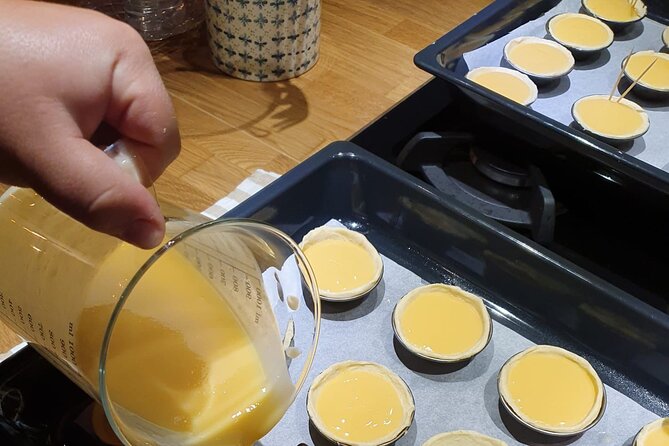
Lisbon is an easy city to enjoy through its food. You can eat cod, pork, clams, soup, and custard tarts in restaurants all over town, but a cooking class gives you the useful background behind those dishes. You learn what goes into them, how they are prepared, and why certain ingredients belong together.
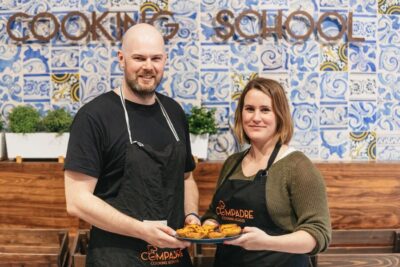
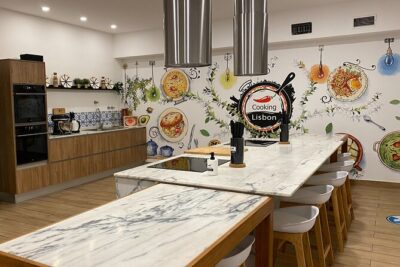
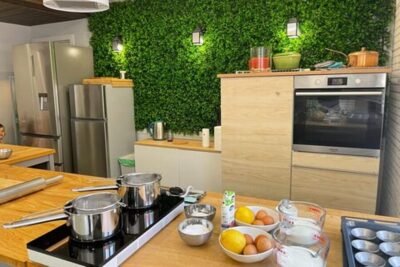
This experience takes place at Homecooking Lisbon, at R. Aliança Operária 54, in the 1300-049 area of Lisbon. It ends at the same meeting point. The space is described as clean, modern, and inviting, with a kitchen and dining area that can handle a small group without feeling cramped.
The class lasts about three hours. That is long enough to prepare a full meal without turning the afternoon or evening into a professional cooking course. You get instruction, food, conversation, and a proper sit-down meal at the end.
The atmosphere is informal. Instructors such as Miguel, Beatriz, Teresa, Pedro, and Rita have led sessions, and the teaching style is friendly and practical. You are shown what to do, then given a task. The aim is participation, not culinary perfection.
More Cooking Classes in Lisbon:
- Lisbon: Pastel de Nata Baking Class
★ 4.9 · 2,106 reviews - Lisbon: Traditional Portuguese Cooking Class
★ 4.9 · 592 reviews - Lisbon: 2-Hour Pastel de Nata Cooking Class
★ 4.8 · 461 reviews
A seasonal menu built around Portuguese favorites
The exact menu changes with the season. That is worth knowing before you book because the sample dishes are examples, not a fixed promise. Seasonal cooking makes sense in Portugal, where ingredients and traditional recipes vary during the year.
Possible starters include caldo-verde, the familiar Portuguese potato and greens soup, pica-pau, or clams Bulhão Pato style. The clam dish is usually associated with garlic, olive oil, herbs, and a light sauce that is ideal for soaking up with bread. Pica-pau brings small pieces of meat with a savory sauce, while caldo-verde offers a simple, warming start.
The main dishes may include bacalhau à Brás, cod mixed with thin fried potatoes and egg, or pataniscas de bacalhau, which are cod fritters. You might also prepare pork with clams, pork ribs with migas, or another traditional combination.
These recipes give you a good sense of Portuguese home cooking. Cod is central to Portuguese food culture, even though it is not native to Portuguese waters. Pork appears in hearty dishes, while clams bring in the country’s strong connection to the Atlantic coast.
You should not expect every class to include every dish in the sample menu. A winter class may be more likely to feature a bean and chorizo stew such as feijoada Transmontana, while a hot summer session may use lighter ingredients. The seasonal approach keeps the food sensible for the time of year.
What you actually do during the three hours
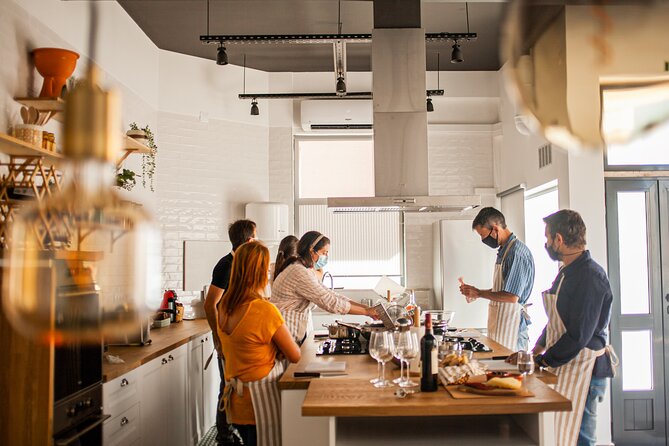
The class begins with drinks and small bites, giving you time to settle in and meet the people cooking beside you. Portuguese wine and beer are included, along with water, juices, tea, and other non-alcoholic choices. Participants under 18 receive non-alcoholic drinks instead of alcohol.
The instructor then introduces the menu and divides the work among the group. You might chop vegetables, prepare cod, mix ingredients for fritters, work on a sauce, or help with the dessert. The tasks are simple enough for beginners, but they still show you how the dishes come together.
The teaching pace is generally relaxed. Beatriz has been praised for sharing food and family stories while keeping the class organized. Miguel is known for clear explanations and an engaging manner. Teresa has also been noted for making sure everyone feels included. The instructor assigned to your session may be different, but the stated format remains hands-on and suitable for all cooking levels.
The group style is part of the charm, but it also explains one possible limitation. Since food is prepared for everyone to share, you may help with only part of some recipes. One participant described receiving tasks across the meal rather than cooking each dish alone. If you want a private lesson where you make every component yourself, this may feel too communal.
For most people, the shared approach works well. It keeps the class moving and allows you to meet people from different places. It is also useful if you are traveling alone because the structure gives you an easy way to talk with others.
Pastel de nata is the sweet finale
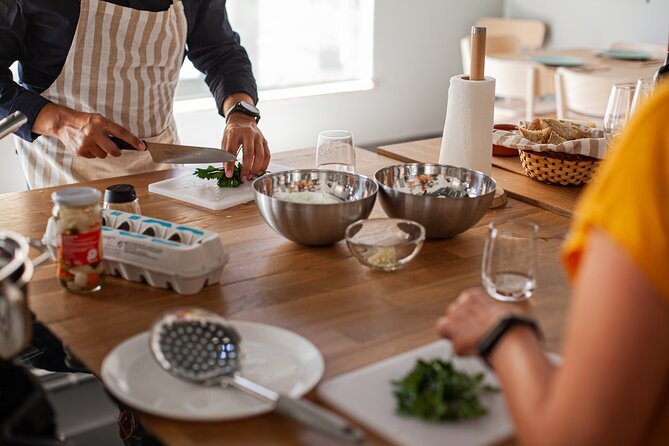
The dessert most people will be waiting for is pastel de nata. You prepare and bake the custard tart with pre-prepared puff pastry. That detail matters: you learn the filling and baking process, but you are not laminating pastry from raw dough during a three-hour class.
Pastel de nata is one of Portugal’s best-known foods, and making it yourself gives the tasting a little more meaning. You see how the pastry is shaped, how the filling is handled, and how the finished tart fits into the rest of the meal.
Other possible desserts include arroz doce, a sweet rice pudding, or torta de laranja, an orange roll. These choices show a different side of Portuguese sweets. The meal is not built around one famous tart alone, and the changing dessert menu gives repeat visitors a reason to return.
After the cooking, the group sits down to eat what it has prepared. This is not a quick sample at a counter. It is a shared meal, with time to enjoy the food, continue the conversation, and ask follow-up questions about Portuguese cooking.
Same region, a different dish to learn:
- Lisbon Portuguese Cooking Class with 3-Course Dinner
★ 5.0 · 445 reviews - Pasteis de Nata Baking Class from Lisbon
★ 5.0 · 248 reviews - Lisbon: Pasteis de Nata Baking Class
★ 5.0 · 134 reviews - Lisbon Market and Food Tour with Cooking Class and Lunch
★ 5.0 · 117 reviews
Why the small group matters
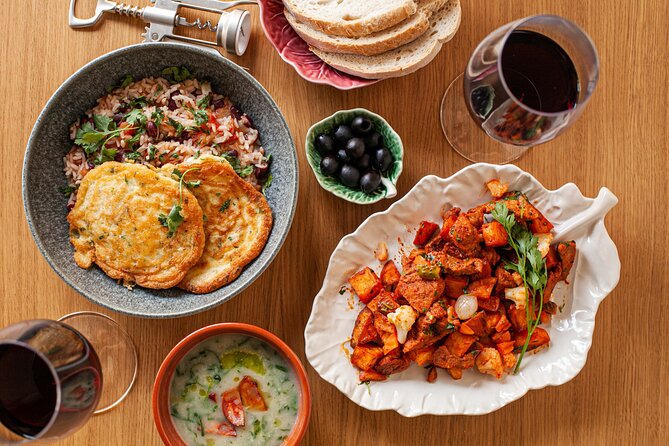
The maximum group size is 10 people. That is large enough to create a social meal but small enough for the instructor to move around and offer help. A class of seven, for example, can feel spacious in the modern kitchen described by participants.
Small groups also make it easier to ask practical questions. You can clarify how a sauce should look, ask about substitutions, or request advice on cooking a dish at home. The instructors are there to guide you, not simply perform in front of you.
The setup may still get noisy. Two groups can share one space, and a communal meal with wine and conversation naturally produces plenty of chatter. If you prefer a quiet, highly controlled lesson, that is worth keeping in mind.
The social format suits families, couples, solo visitors, and groups of friends. Children aged 10 and 12 have taken part successfully, and the class is described as child-friendly. Still, younger children may find the three-hour format demanding, and the experience is best for anyone willing to take part rather than sit back.
Getting to R. Aliança Operária 54
The meeting point is R. Aliança Operária 54, 1300-049 Lisboa, and the activity returns there at the end. The venue is near public transportation, but it is not in the central Lisbon sightseeing area.
Plan your route before class. One participant used a taxi to reach the venue and a bus to return to central Lisbon, finding both straightforward. Another important practical point is that there may be two locations associated with the company, so check your confirmed address carefully rather than relying on an old message or a general company location.
Morning and evening start times are offered. A morning class can work well if you want a substantial lunch and still have the afternoon free. An evening class turns the activity into dinner and may suit you after a day of sightseeing.
Try to arrive on time. One session was able to accommodate people who were running late, but that should not be treated as a guarantee. A late arrival can mean missing the introduction or leaving the group waiting.
Is the $102.84 price fair?
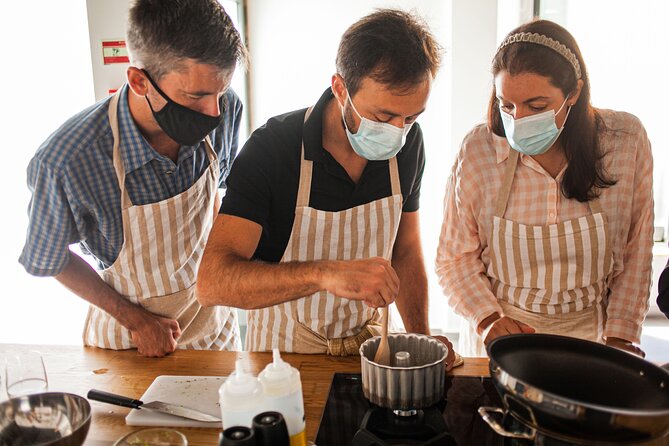
At $102.84 per person, this is not a cheap meal. It is also more than the cost of ordering a few Portuguese dishes in a neighborhood restaurant. The value comes from combining food, instruction, drinks, a cultural lesson, and a three-hour social activity.
You are paying for several things at once:
- Instruction in preparing traditional Portuguese food
- A four-course meal prepared by the group
- Pastel de nata or another seasonal dessert
- Portuguese wine and beer
- Finger foods during the cooking
- Non-alcoholic drinks
- A small group setting
- Recipes to use after the class
The price makes more sense if you want an activity as well as dinner. It is especially good value for a solo visitor or a couple looking for an evening that includes conversation and local context. If your only goal is to eat Portuguese food as cheaply as possible, a restaurant will cost less.
The recipe link is also useful. You may not leave knowing every dish perfectly, but you have a reference for trying the food at home. That gives the experience a life beyond the evening itself.
The class is booked, on average, about 40 days ahead. That suggests you should reserve early for a specific date, especially if you want a morning or evening session during a busy visit. The experience is offered in English and comes with a mobile ticket.
Who will enjoy this class most?
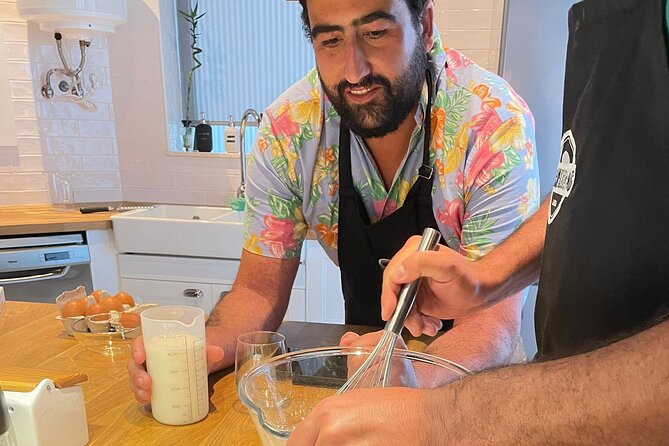
You should consider booking if you like food, meeting people, and learning by doing. You do not need previous cooking experience. The class is designed to guide beginners, and the instructors explain each stage in a clear, approachable way.
It also suits families with older children. The hands-on format gives children something to do, and the final meal provides a reward for their effort. Adults who are already serious home cooks may find the class less exacting than a technical cooking workshop, particularly because the food is prepared collectively.
Solo visitors can fit in easily. The group format gives you natural conversation, and the instructor helps keep the room inclusive. Couples and friends can take part together without needing to bring a full group of their own.
This is less suitable if you have strict dietary requirements that have not been confirmed in advance. The information provided lists dishes containing cod, shellfish, pork, eggs, dairy, and gluten, depending on the seasonal menu. You should contact the provider before booking if you need specific adaptations.
Booking details and cancellation rules
You receive confirmation at booking unless you reserve within 12 hours of the start time. In that case, confirmation arrives as soon as possible and depends on availability.
Free cancellation is available up to 24 hours before the start time for a full refund. Cancellations or changes made less than 24 hours ahead are not accepted for a refund. Cutoff times use Lisbon local time.
The experience requires good weather and a minimum number of participants. If poor weather or insufficient participation forces cancellation, you are offered another date, another experience, or a full refund.
Should you book this Lisbon cooking class?
I would book this if you want more than a restaurant meal and prefer a relaxed, social introduction to Portuguese food. The strongest reasons are the small group, the friendly instruction, the included drinks, and the chance to prepare recognizable local dishes rather than simply watch someone else cook.
You should temper your expectations if you want to master every recipe individually. The family-style setup means shared tasks, and another person may handle part of a dish. For most people, that tradeoff creates a more enjoyable evening and a better chance to meet others.
Check the address carefully, allow time to reach the venue outside the central sightseeing zone, and confirm the seasonal menu if a particular dish matters to you. With those points in mind, this is a strong pick for families, solo visitors, couples, and anyone who believes the best souvenir from Lisbon may be a recipe you can cook at home.
FAQ
Where does the Portuguese cooking class meet?
The class starts at R. Aliança Operária 54, 1300-049 Lisboa, Portugal. The activity ends back at the same meeting point.
How long does the cooking class last?
The experience lasts approximately three hours.
Is the class offered in English?
Yes. The activity is offered in English.
How many people can join the class?
The maximum group size is 10 participants.
Are drinks included?
Yes. Portuguese wine and beer are included, along with non-alcoholic drinks such as water, juices, and tea. Alcohol is not served to participants under 18.
Will I make pastel de nata?
Yes. The class includes preparing and baking pastel de nata using pre-prepared puff pastry.
Can I cancel for a full refund?
Yes. You can cancel at least 24 hours before the start time for a full refund. Cancellations or changes made less than 24 hours before the experience are not refunded or accepted.
Newest classes around Lisbon
- Lisbon: Portuguese Petiscos Cooking Class★ 4.7 · 6 reviews
- Lisbon: Traditional Portuguese Cooking Class★ 5.0 · 41 reviews
- Lisbon: Portuguese street food cooking class with Drinks★ 4.9 · 37 reviews
- Lisbon: Setúbal Market and Wine tour with Cooking class★ 5.0 · 4 reviews
- Lisbon: Portuguese Cooking Class with Wine Tasting★ 5.0 · 4 reviews
- Lisbon: Portuguese Cooking Class for Beginners★ 4.9 · 78 reviews
- Lisbon: Pasteis de Nata Baking Class★ 5.0 · 134 reviews
- Private Traditional Portuguese Cooking Class in Lisbon with Paula★ 5.0 · 50 reviews
Lisbon Cooking Classes, compared.

Lisbon Portuguese Cooking Class with 3-Course Dinner
Read our review →

Lisbon Market and Food Tour with Cooking Class and Lunch
Read our review →
Private Lisbon Market Tour & Portuguese Cooking Class with Paula
Read our review →Browse the lists this tour appears in