
Review · SRI LANKA COOKING CLASSES
Nilaveli: Sri Lankan Cooking Class with a Local Family
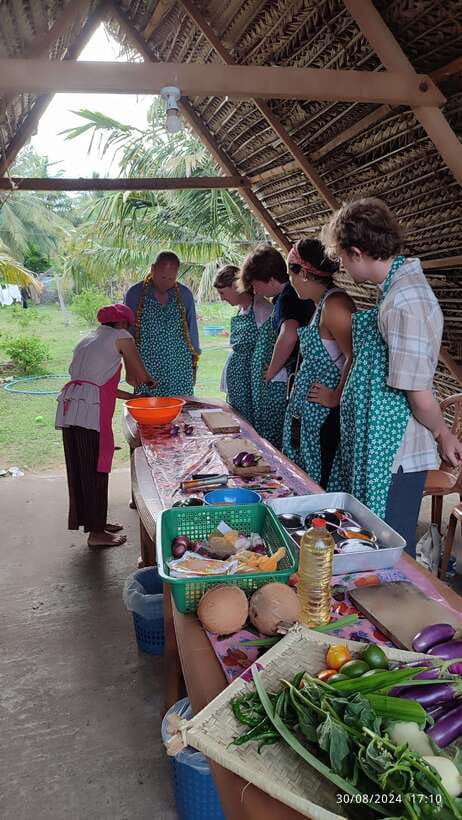
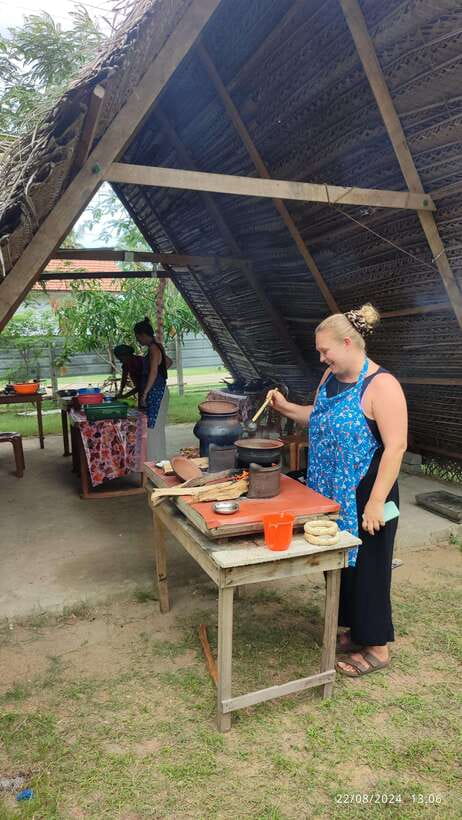
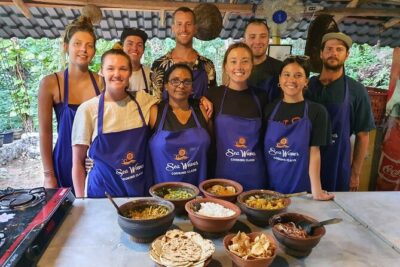
The best part of this Nilaveli experience is that you cook in a traditional family setting, not in a polished hotel kitchen. Nimali Dinushika and her family show you how Sri Lankan food is actually prepared, from grinding spices and making sambol to working with firewood and wood stoves.
I like the generous five-hour format, which gives you time to cook several dishes without racing the clock. I also like that you can help shape the menu, with vegetarian choices included and chicken, fish, or seafood available for an added charge. The main consideration is that this is a home-based class, so comfort and access may feel more basic than at a purpose-built cooking school.
Key points to know before you book
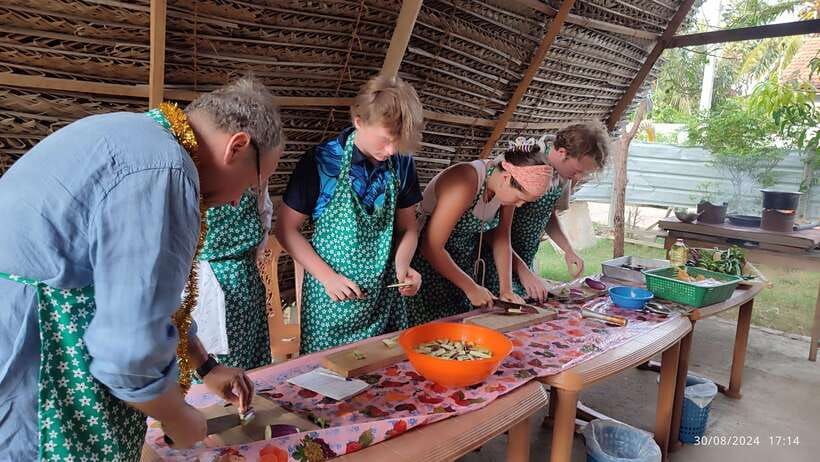
- Cook with Nimali Dinushika and her family: You learn in a personal home setting and hear about the food and daily life of your hosts.
- Prepare a full Sri Lankan spread: Possible dishes include rice and curry, string hoppers, hoppers, pittu, rotti, milk rice, sambols, sweets, and curry powder.
- Use traditional wood stoves: Cooking over firewood adds real character, but it may also mean heat, smoke, and a more rustic working area.
- Plan on five hours: The session generally allows about four hours of cooking followed by one hour to eat.
- Vegetarian food is included: Chicken or fish costs an extra 2,000 LKR per person, while seafood is priced according to your request.
- Meet at Pigeon Island Tours: The meeting point is at the Rice and Curry seafood shop and dive shop location in Nilaveli.
Five hours of hands-on cooking in Nilaveli
This is not a quick demonstration followed by a meal. You take part in the preparation, and the five-hour length matters because Sri Lankan cooking has many small steps. There are spices to sort, coconuts and vegetables to handle, batters to mix, and several dishes to cook at different speeds.
The session is led by Nimali Dinushika, with her family involved in the welcome and cooking. You get a chance to ask about ingredients, spices, and the food prepared at home. The focus is practical: you learn how dishes are made, then eat the results at the end.
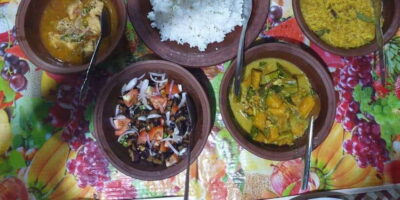
The exact menu can be shaped around your preferences. The core choices include rice and curry, string hoppers, hoppers, pittu, rotti, and milk rice. You may also prepare sambols, Sri Lankan sweets, and curry powder. Past menus have included jackfruit, several curries, chicken curry, prawn curry, sweet sambol, and halapa, a traditional sweet served with tea.
That variety is one of the experience’s strongest points. You are not learning one isolated recipe. You are seeing how several Sri Lankan staples fit together into a meal.
More Home Cooking Classes in Sri Lanka:
- Organic Cooking Class sigiriya home Kitchen(Kumara & family)
★ 5.0 · 116 reviews - Galle: Cooking Class at a Local Home and Market Tour
★ 5.0 · 47 reviews - Authentic Sri Lankan Cooking Class in Kandy by Local Family
★ 4.9 · 15 reviews
Meeting Nimali and entering a family kitchen
The personal welcome is central to the experience. You meet Nimali and her family at or near their home in Nilaveli, then learn about their lives and the food they cook. One version of the class takes place beside the house in the garden, while the activity information describes a traditional home setting.
That means you should expect a genuine household environment rather than a commercial cooking studio. I see this as a major benefit if you want a closer look at local life. It also means the setting may be simple, with less controlled space than you would find in a professional kitchen.
The hosts speak English and Sinhala. English is the working language for the class, so you can ask questions and follow the instructions in English. Still, cooking involves gestures, repetition, and watching closely, which helps when a spice name or technique is unfamiliar.
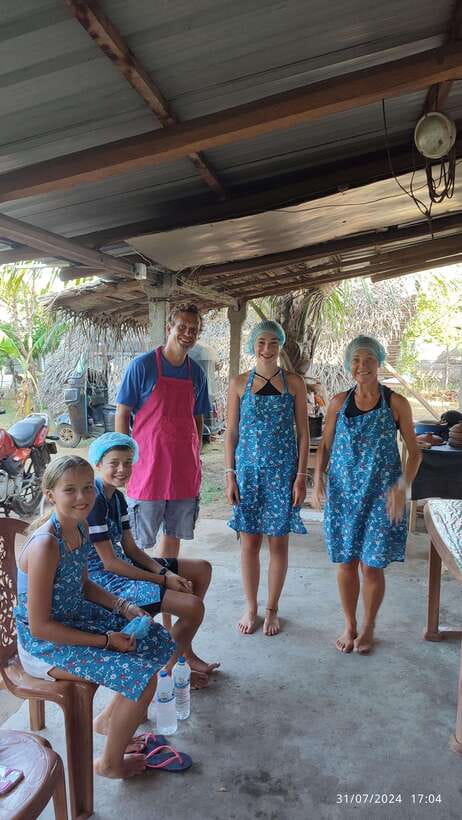
The family approach also makes this a good fit for couples, families, and small groups who want a social experience. Children under two are not accepted, but one family with children aged four and six was able to involve them in the cooking. If you are bringing older children, remember that the session lasts several hours and includes hot stoves, knives, and active food preparation.
From curry leaves to homemade curry powder
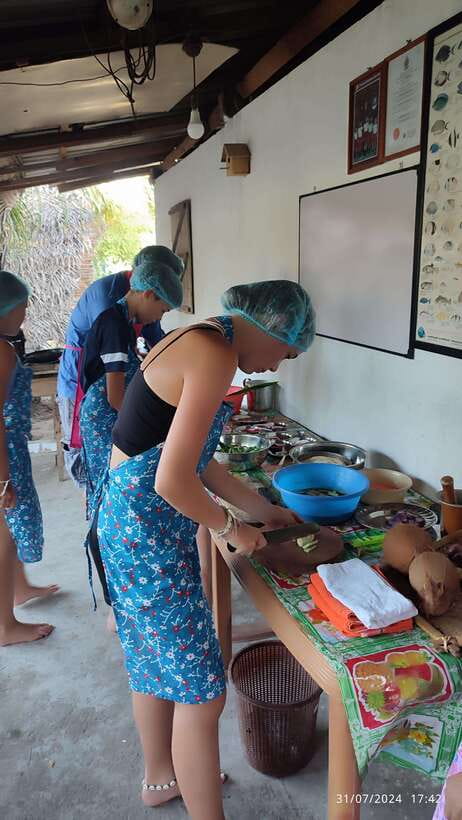
Sri Lankan food is often described simply as rice and curry, but that label hides the amount of work behind the meal. In this class, you learn about the ingredients and spices that give the food its character, as well as how those items are combined.
The class can include making curry powder, which is especially useful if you want to repeat the food at home. You also receive recipes for the traditional dishes prepared during the session. The recipes turn the experience from a pleasant meal into something you can use after leaving Sri Lanka.
Sambols are another likely highlight. One particularly hands-on version of the experience involved opening a fresh coconut with a machete-like chopping tool, drinking the coconut water, and using the coconut in two sambols. That is the kind of small, memorable task that makes this class different from a standard cooking lesson.
You may also work with coconut in string hoppers, sweets, or curry. Coconut is not just a garnish in Sri Lankan cooking. It can affect the texture, moisture, and flavor of a dish, so learning how it is prepared gives you useful context.
What you cook, and why the menu matters
More Cooking Classes in Sri Lanka:
- Ella: Traditional Sri Lankan Cooking Class
★ 4.9 · 788 reviews - Organic cooking class sigiriya (kumara & family)
★ 5.0 · 650 reviews - Sri Lanka Cooking Class with Granny
★ 5.0 · 587 reviews - Kandy Village Cooking Class
★ 5.0 · 536 reviews
Rice and curry
Rice and curry is the backbone of the meal, but it is not one fixed dish. You may prepare rice alongside several vegetable, fruit, fish, or meat curries. Jackfruit is one possible ingredient, and it gives you a chance to try a common Sri Lankan food in a form that may be unfamiliar.
The benefit of preparing several curries is comparison. You begin to see how the same basic pantry of spices can produce different results depending on the main ingredient and cooking method.
String hoppers
String hoppers are delicate nests of rice flour noodles. They are usually associated with careful pressing and steaming, so this is a dish where watching the technique closely helps.
They also make a useful counterpoint to rice. You learn that Sri Lankan meals are not built around one starch alone, and you get a better sense of how different breads and rice dishes are served with curries.
Hoppers
Hoppers are bowl-shaped pancakes with crisp edges and a softer center. They require the right batter and a practiced swirling motion, so they can be one of the more entertaining parts of the class.
Sweet and savory versions are possible. If you enjoy learning dishes that look impressive but use simple ingredients, hoppers are a strong reason to choose this experience.
Pittu, rotti, and milk rice
Pittu combines rice flour and coconut in a steamed preparation. Rotti gives you a more familiar flatbread-style task, while milk rice offers a softer, celebratory dish made with rice and coconut milk.
Preparing these side by side shows the range of Sri Lankan home cooking. You are not simply adding spices to a pot. You are working with steaming, griddling, boiling, and shaping techniques.
Sambols and sweets
Sambols bring freshness and heat to the meal. Depending on the menu, you might work with coconut and other local ingredients to make more than one type.
Sri Lankan sweets can be part of the lesson too. Halapa, made with ingredients including coconut, is one example, and it may be served with tea. This sweet course gives the meal a proper finish and adds something many visitors do not expect from a curry class.
Cooking over firewood and wood stoves
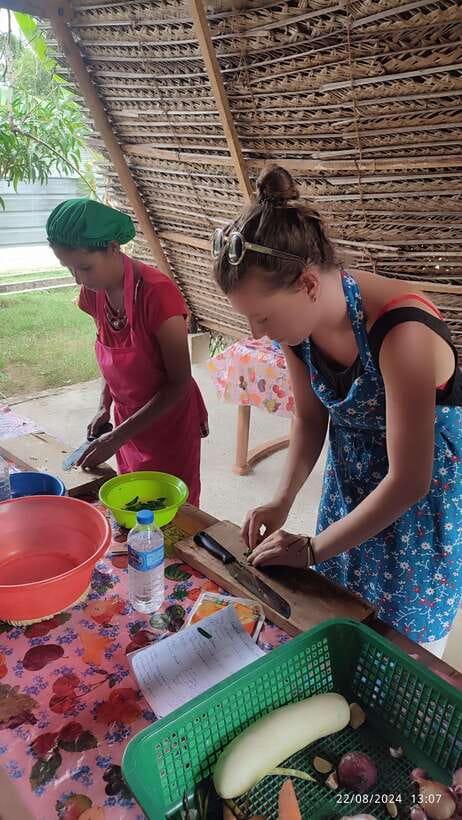
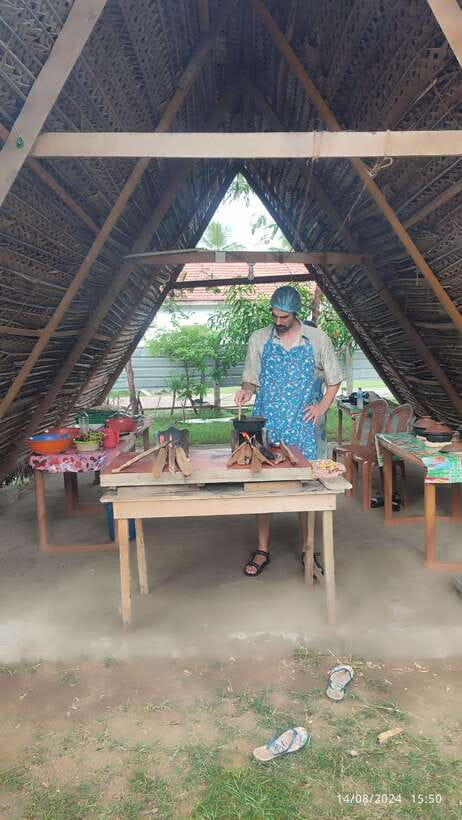
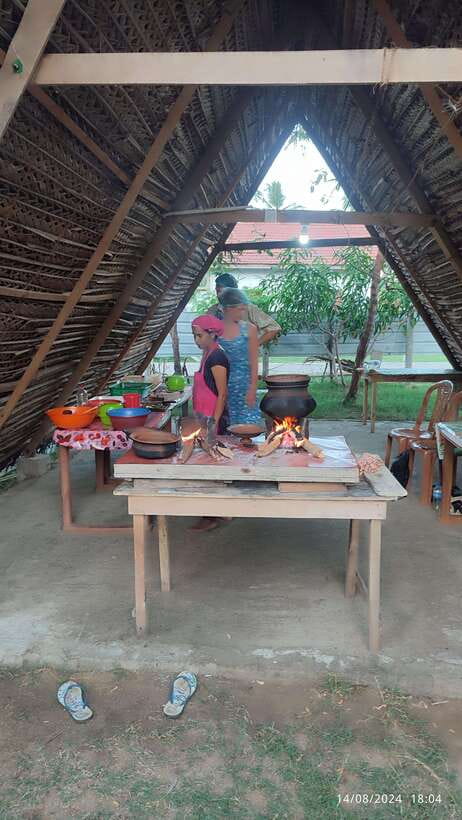
The use of firewood and traditional wood stoves gives the activity a strong sense of place. You are learning not only recipes but also a cooking method used in homes where food is prepared over a live fire.
There is a practical tradeoff. A wood stove can be hot, smoky, and less predictable than an electric or gas burner. Wear comfortable clothes you do not mind cooking in, tie back long hair, and bring a hat and sunscreen if part of the session takes place outdoors.
This style of cooking also takes patience. Some dishes may need time to simmer, steam, or cook in sequence. That is why the five-hour schedule works better than a short, tightly packed lesson. You can take part, ask questions, and still have time to sit down for the meal.
The activity includes personal cooking equipment, ingredients, water, refreshments, and dining. You should not need to bring kitchen tools. Bring your own water only if you prefer a particular brand or have special dietary needs, since the class already provides water and refreshments.
Sitting down to eat what you made
The meal at the end is more than a reward. It lets you see how the separate dishes work together on the plate. Rice or another staple becomes the base, curries bring depth, and sambols add sharpness, freshness, or heat.
The dining portion may take about an hour after roughly four hours of preparation. That slower finish is welcome. You can taste the food while the methods are still fresh in your mind and ask Nimali about ingredients you would like to try again.
The menu can include vegetarian food without an extra charge. If you want chicken or fish curry, the added cost is 2,000 LKR per person. Seafood costs extra according to what you request, so confirm the price before the cooking begins.
This is important because the advertised price of $22 per person works best as a vegetarian cooking experience. It is still a reasonable price for five hours of instruction, ingredients, equipment, refreshments, recipes, and a full meal. Just budget separately if meat or seafood is central to your plans.
Who will get the most from this class
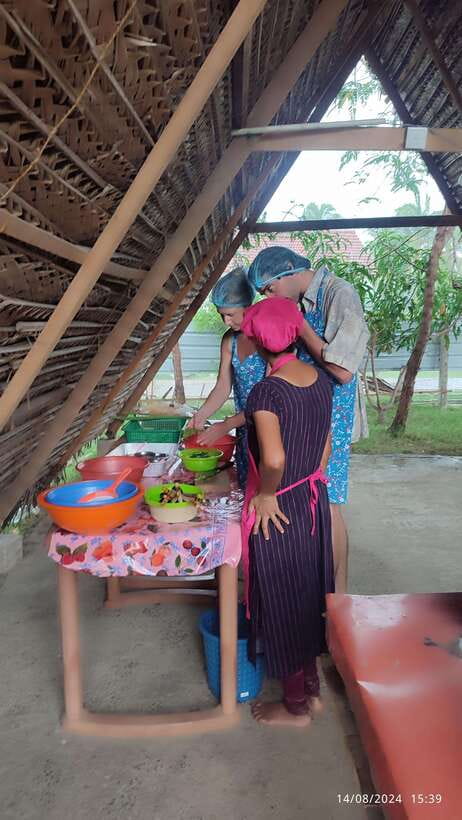
I would choose this class if you want more than a quick food stop in Nilaveli. It suits you if you enjoy asking questions, handling ingredients, and learning by doing. The family setting is also a good match if meeting local people matters as much to you as the food itself.
Families with children over two may enjoy it, especially if the children like practical tasks. However, the length and the hot cooking equipment mean that very young children may need close supervision. The activity is wheelchair accessible, but because it takes place in a traditional home setting, you may want to confirm the exact access arrangements before booking if you have specific mobility needs.
Food allergies require special care. The activity is not recommended for people with food allergies, and you should inform the host about dietary restrictions in advance. Vegetarian preferences are clearly accommodated, but do not assume that every allergy can be managed safely in a family kitchen.
The class is conducted in English and Sinhala. If you want a fully formal, chef-led lesson with precise written measurements and a restaurant-style kitchen, this may feel too informal. If you want a warm, home-based experience with flexible dishes, it should be a better match.
Finding the meeting point in Nilaveli
The meeting point is at Pigeon Island Tours, at the Rice and Curry seafood shop and the dive shop location. Look for the Pigeon Island Tours and Rice and Curry seafood signs when you arrive.
Hotel pickup and drop-off are not included, and there is no shopping tour. Plan your own way to the meeting point and allow time to find the correct shop. The activity details do not give a fixed starting time, so check availability for the date you want.
The class lasts five hours, which makes it a substantial part of your day. Avoid placing a tightly timed boat trip or other appointment immediately afterward. Cooking over wood stoves, eating the meal, and talking with the family all take time.
You can cancel up to 24 hours in advance for a full refund, and the reserve now, pay later option can help if your Nilaveli plans are still changing.
My call: book it for the family connection
I recommend this experience if you want to learn several Sri Lankan dishes while spending real time with a local family. The strongest reasons to book are the five-hour format, the chance to influence the menu, the use of wood stoves, and the personal instruction from Nimali Dinushika and her family.
Choose the vegetarian option if you want the simplest price. Add chicken, fish, or seafood only after confirming the extra cost. Bring comfortable clothes, a hat, and sunscreen, and arrive ready for heat, hands-on work, and a home setting rather than a polished culinary studio.
Skip it if you want a short demonstration, a fully air-conditioned kitchen, or a fixed restaurant menu. For everyone else, the $22 price offers a useful cooking lesson, a substantial meal, recipes to take home, and a closer look at everyday food in eastern Sri Lanka.
FAQ
How long does the Nilaveli cooking class last?
The activity lasts five hours. A typical format allows about four hours for cooking and about one hour for eating the finished dishes.
Who teaches the cooking class?
The class is hosted by Nimali Dinushika and her family. The activity is conducted in English and Sinhala.
Where is the meeting point?
Meet at Pigeon Island Tours, at the Rice and Curry seafood shop and the dive shop location in Nilaveli.
What dishes can I learn to cook?
Possible dishes include rice and curry, string hoppers, hoppers, pittu, rotti, milk rice, Sri Lankan sweets, sambols, and curry powder.
Is food included in the price?
Yes. Ingredients, cooking equipment, water, refreshments, and dining are included. The price is $22 per person.
Does chicken, fish, or seafood cost extra?
Yes. Chicken or fish curry costs an additional 2,000 LKR per person. Seafood has an extra charge that depends on what you request.
Is the cooking class suitable for children?
Children under two are not accepted. Older children may take part, but the class involves hot wood stoves and active food preparation.
Can I cancel the booking?
You can cancel up to 24 hours in advance for a full refund. A reserve now, pay later option is also available.
Newest classes around Sri Lanka
- cooking lesson★ 5.0 · 7 reviews
- Hands-On Cooking Class in Anuradhapura-Cook Like a Local★ 5.0 · 2 reviews
- Sri Lankan Cooking Class in Bentota★ 5.0 · 2 reviews
- Sri Lanka: Cooking Class★ 4.4 · 6 reviews
- Sri Lankan Cookery with Nilu★ 5.0 · 34 reviews
- Cooking Experience from Ella★ 4.9 · 2 reviews
- Private cooking class – Personalized classic menu★ 5.0 · 5 reviews
- Mirissa: Cooking Class with Beer and Meal★ 3.3 · 4 reviews
Sri Lanka Cooking Classes, compared.
Organic cooking class sigiriya (kumara & family)
Read our review →
Sri Lankan Cooking Class with Neranji at Homestay
Read our review →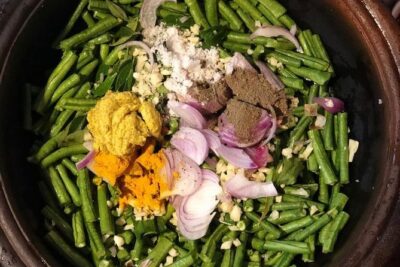
Browse the lists this tour appears in