
Review · NEW DELHI COOKING CLASSES
New Delhi: 5-Hour Traditional Cooking Class with Local Chef
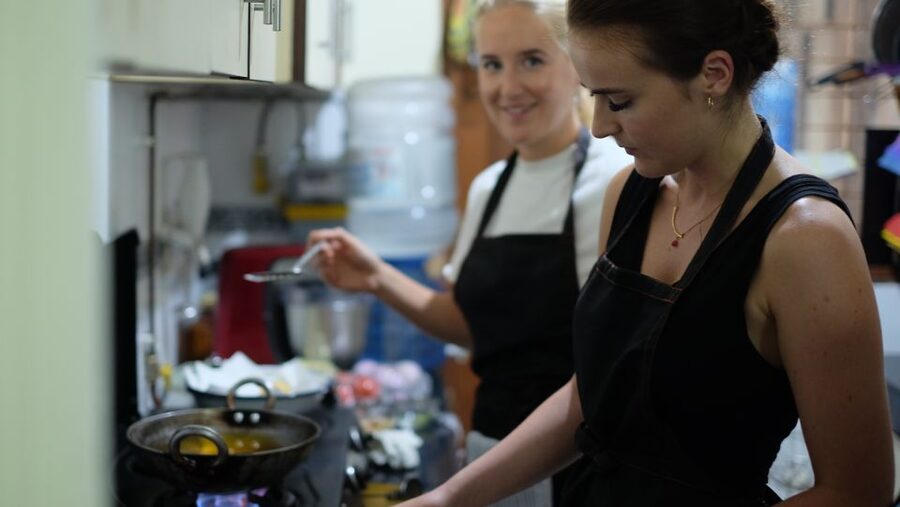
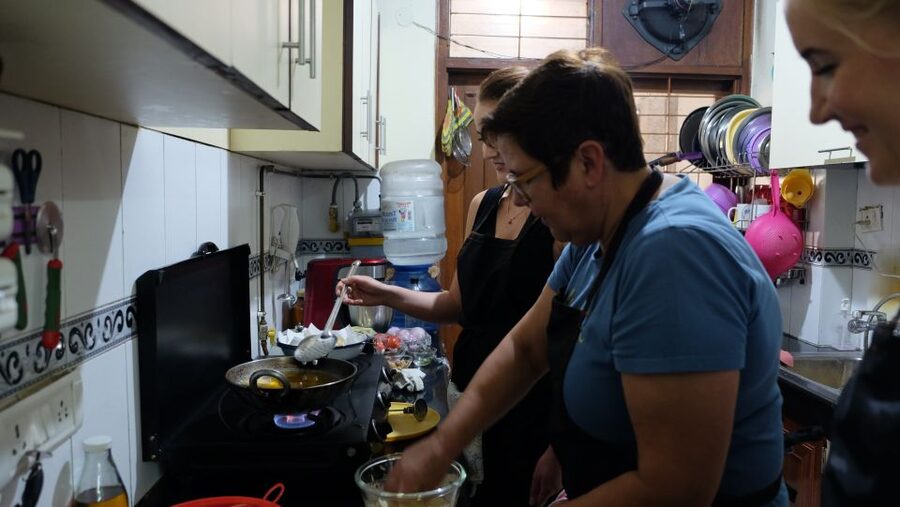
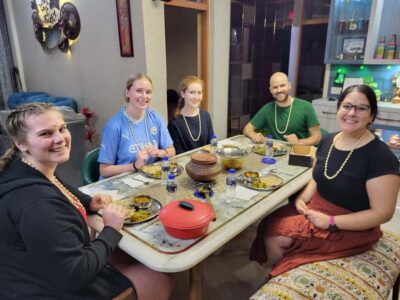
New Delhi’s best food lessons may happen far from a restaurant kitchen. At this five-hour class, you work in a local chef’s home, learn how spices change a dish, and prepare a full vegetarian meal from pakoda and chutney to daal, breads, masala chai, and dessert. The hands-on format makes this more useful than a cooking demonstration.
I like the small limit of six people, which gives you room to ask questions and handle the ingredients yourself. I also like the spice gift pack, since it lets you repeat some of the techniques at home. The main drawback is the meeting point at Dwarka Sector 22 Metro station, which may be a long taxi ride from central New Delhi hotels.
Key points to know before booking
- Five hours in a chef’s home: You learn Indian cooking in a personal setting rather than watching from the back of a large studio.
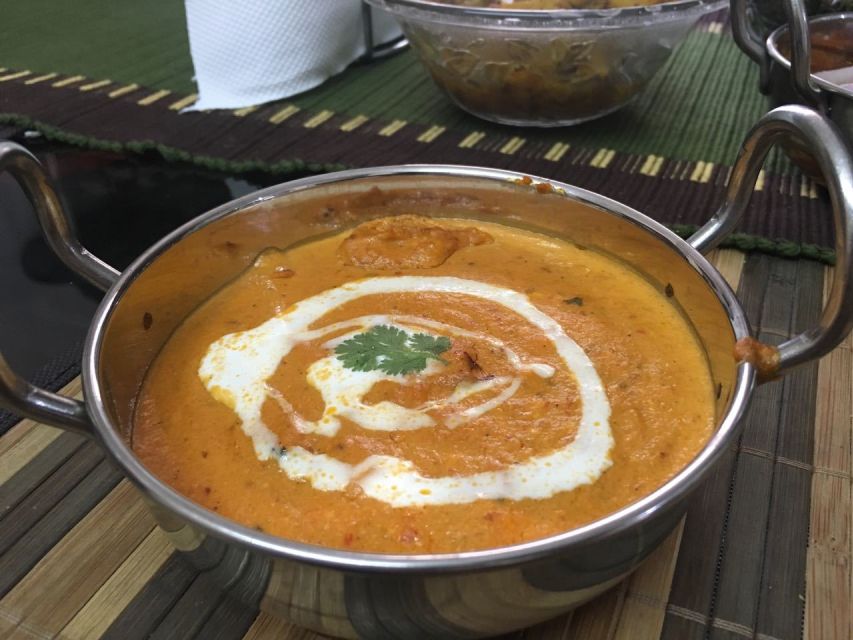
- A full vegetarian menu: Expect pakoda, chutney, roti, parantha or puri, one or two daals, vegetable dishes, masala chai, and kheer or halwa.
- Small groups of up to six: The group size suits people who want to practice, ask questions, and get direct help.
- Spice lessons go beyond recipes: You learn about tempering, ingredient pairings, food culture, and the social and health role of certain foods.
- A useful take-home gift: Essential spices are provided so you can continue experimenting after returning home.
- Meat requires advance planning: The standard class is vegetarian, but meat dishes can be added if arranged beforehand.
Five hours of Indian cooking, from first spice to final sweet
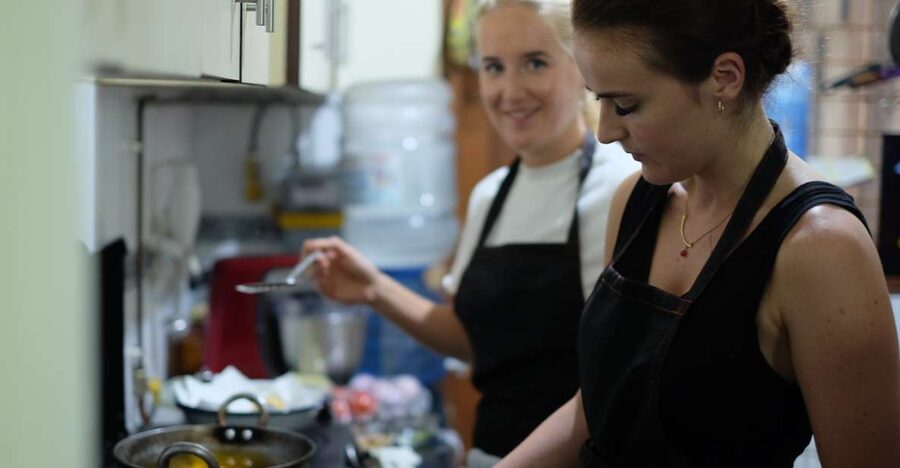
This experience is built around participation. You are not simply shown a finished curry and sent home with a recipe card. You help prepare several parts of a traditional Indian meal, with the chef explaining how ingredients work together and how small changes affect the final taste.
The class is offered by India Food Tour and takes place in a local chef’s home in New Delhi. Shikha is the named instructor in the available experience details, and her teaching covers spices, cooking methods, and food culture. Since the class is limited to six people, you should have a better chance to work directly with the food instead of waiting for your turn.
The five-hour length matters. Indian cooking often depends on several small steps: preparing ingredients, seasoning at the right moment, cooking lentils until tender, and making breads with the right texture. A shorter class might show you one dish. This one gives you a broader look at how a meal is built.
More Cooking Classes in India:
- Pink City Cooking Class
★ 5.0 · 452 reviews - Five Course Cooking Class & Meal
★ 5.0 · 250 reviews - Veg and Non veg : Private Cooking Class in Delhi home (7 meal)
★ 5.0 · 226 reviews
Meeting at Dwarka Sector 22 Metro station
The stated meeting point is in front of Dwarka Sector 22 Metro station. You need to make your own way there, since hotel pickup and drop-off are not included.
This is the first practical point to check before paying. Dwarka is in the southwestern part of New Delhi, and your journey may take time if you are staying in another part of the city. One person specifically found the ride from a hotel longer than expected, though the cooking session made the trip worthwhile.
I would allow extra time for the journey and confirm the class start time before leaving. The meeting point is clear, but the experience is not designed as a hotel-based activity. Think of it as a destination class in a residential part of the city, not a quick stop near the main sightseeing districts.
The metro station can also be useful if you prefer public transport, though the information provided does not specify the best route from your hotel. A taxi may be simpler if you are carrying bags or traveling during a hot part of the day.
Getting familiar with Indian spices
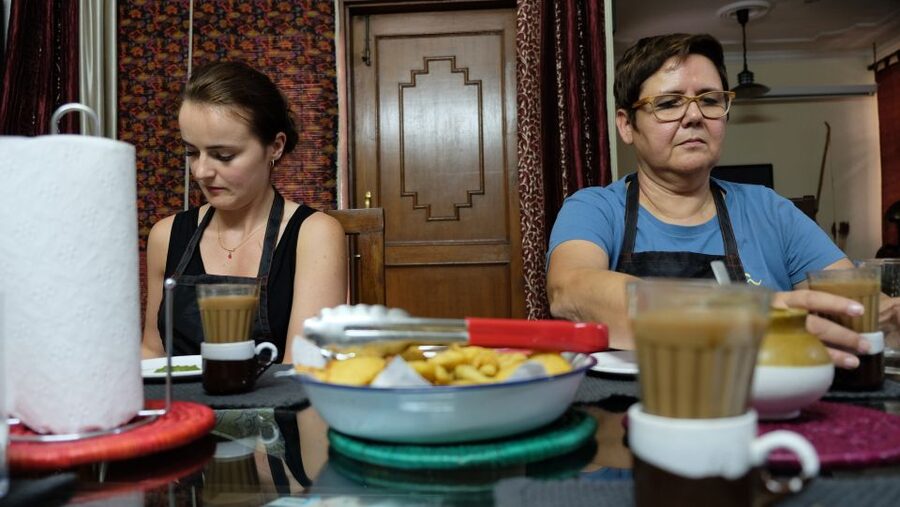
The early part of the lesson focuses on the foundation of Indian cooking: spices and their uses. This is where the class can help you most at home, because Indian recipes often list several spices without explaining when or why each one is added.
You learn how one ingredient can change the effect of another, and how timing affects flavor. The class also covers tempering, the process of heating spices in oil or another cooking fat before adding them to a dish. That lesson is especially useful because tempering is easy to read about but harder to judge without seeing and smelling it in practice.
The instruction also connects food with daily life. You learn about the social and health significance of food items, along with other details about Indian food culture. That gives the recipes a wider context without turning the class into a lecture.
The spice gift pack is a practical extra. It is not just a souvenir with no clear use. You can take home essential spices and try to recreate some of the cooking methods in your own kitchen. If you have limited luggage space, the provider does not specify the size of the pack, so you may want to ask before booking.
Pakoda and chutney begin the meal
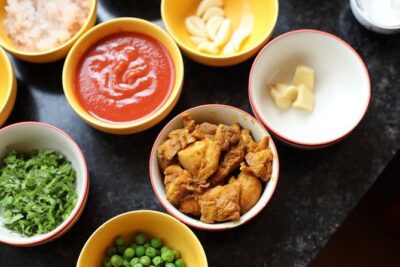
A sample menu begins with pakoda and chutney. Pakoda is a fried snack, and it offers a good introduction to the relationship between texture, seasoning, and dipping sauces.
Preparing the chutney gives you an early chance to see how fresh ingredients and spices are balanced. You can expect the chef to explain the role of the ingredients, though the specific chutney is not fixed in the information provided. The class may therefore vary depending on the chef and the available produce.
This first dish also works well as a snack while the rest of the meal comes together. Since the experience includes snacks and at least one meal, you are not expected to wait five hours before eating.
Same region, a different dish to learn:
- Indian Cooking Class in an Authentic Local Home – Learn 6 Dishes
★ 5.0 · 195 reviews - Durga Cooking Class
★ 5.0 · 159 reviews - Private Guided Cooking Workshop Experience in Jodhphur
★ 5.0 · 158 reviews - Jaipur Market Tour & Vegetarian Rajasthani Home Cooking Class
★ 5.0 · 113 reviews
Learning Indian breads by hand
The next part of the menu covers Indian breads. The choices include roti and parantha or puri, with different types of bread included in the sample plan.
Bread preparation is one of the more useful hands-on parts of the class. You have to work with dough, shape it, and pay attention to cooking time. The difference between a plain roti, a layered parantha, and a fried puri gives you a simple way to see how technique changes the result.
The exact bread selection may depend on the day. The menu says roti and parantha or puri, rather than promising every option at one session. If you have a particular bread in mind, ask when booking.
I like this part for practical reasons. Spices can be difficult to source or balance at home, but flatbread gives you a clear skill to repeat. It also helps you understand how bread fits into a complete Indian meal, rather than treating it as an afterthought.
Daals and vegetable dishes form the main course
The class includes one or two daals and one or two vegetarian dishes. Daal is a broad category of lentil preparations, so the exact version can vary. You learn how lentils are cooked and seasoned, and how the final dish is brought together with spices.
The vegetable dishes add another lesson in balance. Indian vegetarian cooking is not simply vegetables with heat added. The choice of spices, the cooking order, and the treatment of each ingredient all matter. The chef explains what effect different ingredients can have, which helps you make sensible changes later.
This is the heart of the class. You are learning how several modest dishes become a meal with different textures and flavors. The menu is vegetarian, and meat is not included. Meat dishes can be added on prior request, so contact the provider before booking if that is important to you. Do not assume a meat option will be available on the day.
The vegetarian focus is also helpful for anyone seeking a broader introduction to Indian home cooking. You get to see how much variety can come from lentils, vegetables, breads, spices, and dairy-based sweets.
Masala chai and a local dessert
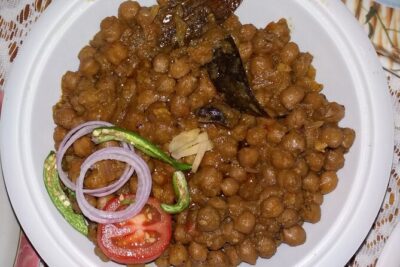
Masala chai is included in the sample menu, along with kheer or halwa. These final items round out the lesson with drinks and sweets rather than leaving you with only savory dishes.
Making chai gives you another look at spice balance, this time in a drink. The exact spice mixture is not listed, so the chef’s version may differ from what you find elsewhere in India. That is part of the appeal, but it also means you should pay attention to quantities and technique if you want to repeat it at home.
Kheer and halwa are both traditional dessert styles, but they are made differently and may be selected according to the class plan. The menu lists one or two local desserts, not a guaranteed set of both. You should expect a sweet finish, while the exact choice may vary.
The food schedule is not described minute by minute. In a home setting, that is normal. Some dishes may cook while you work on another, and the chef may adjust the order so the meal is ready at the right time.
What the teaching style means for you
This class suits you best if you want explanations alongside cooking. The focus is not only on following instructions. You learn proper spice use, the effects of different ingredients, cooking methods, and the place of food in Indian society.
The available details describe the instruction as being in Hindi and English. That makes the class workable for English-speaking visitors, though the exact balance of languages may vary. If you have dietary restrictions or need a particular type of explanation, ask before booking because those details are not specified.
The group limit of six is important. With a small group, you should have more access to the chef and more chances to practice. It also means the session may feel more personal than a large commercial cooking school. On the other hand, a small home class gives you less anonymity. If you prefer to watch quietly without joining in, this is probably not the best format.
The experience is wheelchair accessible, according to the supplied details. You may still want to confirm any specific access needs before arriving, since the class takes place in a private home rather than a purpose-built classroom.
Price and the value of a full meal
The price is $60 per person for five hours. That is not the cheapest way to eat in New Delhi, but the comparison is not really with a restaurant meal. You are paying for instruction, ingredients, a meal, snacks, non-alcoholic drinks, a small group setting, and the spice gift pack.
I find the value strongest if you will actually cook Indian food again. The gift pack and hands-on practice can continue to pay off after the trip. If you only want to sample Indian dishes, a food walk or restaurant meal may offer more variety for less money.
The full menu also improves the value. You are not making one token dish and leaving hungry. The sample plan covers snacks, breads, lentils, vegetables, chai, and dessert, giving you a useful picture of a vegetarian Indian meal.
Alcohol is not included. That is unlikely to matter in a cooking class, but you should know that the included drinks are non-alcoholic.
Who should book this home cooking class
I would recommend this class to people who like to learn by doing. It is a good match for home cooks, food-focused visitors, and anyone who wants more than a restaurant meal during a New Delhi stay.
It also suits visitors who want a personal setting and a small group. The local home environment gives the class a different feel from a polished culinary studio, and the food culture discussion adds meaning to the recipes.
Families and mixed-experience groups may also find the format useful, though the supplied details do not state a minimum age. Ask the provider if you are booking for children.
I would be more cautious if you have only one free afternoon in central New Delhi. The trip to Dwarka can take longer than expected, and the meeting point is not near every major hotel area. I would also ask about meat, allergies, and the exact menu before booking if those issues affect your decision.
Cancellation and booking flexibility
You can cancel up to 24 hours in advance for a full refund. The reserve-now, pay-later option lets you hold a place without paying immediately, which is useful when your Delhi schedule is still changing.
Starting times depend on availability, so check the available slot before making other plans. The activity lasts five hours, not including the time it takes you to reach Dwarka Sector 22 Metro station.
Should you book the New Delhi cooking class?
Book it if you want a personal, practical food lesson and are willing to travel to Dwarka. The strongest reasons are the small group, the broad vegetarian menu, the direct spice instruction, and the take-home spice pack.
I would skip it if you want a short activity near central Delhi, a restaurant-style tasting, or a class centered on meat. For everyone else, $60 buys a solid five-hour introduction to Indian home cooking, with enough food and technique to make the experience useful after your holiday ends.
FAQ
How long does the cooking class last?
The class lasts five hours.
Where is the meeting point?
The meeting point is in front of Dwarka Sector 22 Metro station in New Delhi.
Is hotel pickup and drop-off included?
No. You need to make your own way to and from the meeting point.
What languages does the instructor speak?
Instruction is available in Hindi and English.
What food is included in the class?
The sample menu includes pakoda and chutney, roti and parantha or puri, one or two daals, one or two vegetarian dishes, masala chai, and kheer or halwa. The experience also includes at least one meal, snacks, and non-alcoholic drinks.
Are meat dishes included?
No. The standard class focuses on vegetarian Indian food. Meat dishes can be added if requested in advance.
Is a spice gift included?
Yes. You receive a gift pack containing essential spices.
Can I cancel for a refund?
Yes. You can cancel up to 24 hours in advance for a full refund.
Newest classes around India
- Chennai Super Market Tour and Cooking Class with a Fun Local★ 5.0 · 9 reviews
- Private tour to learn Traditional Indian Art, craft & Cooking★ 5.0 · 4 reviews
- Traditional Chettinad Cooking Class in a Local Home near Chennai★ 4.5 · 12 reviews
- Neighborhood Market Tour & South Indian Cooking Class in Chennai★ 5.0 · 7 reviews
- Chennai Dosa Making Class & Home-Dining Experience with Jyashree★ 5.0 · 8 reviews
- Traditional Gowda Cooking Class and Meal in a Bangalore Home★ 5.0 · 31 reviews
- Discover Bangalore’s Cuisine: Private Half-Day Cooking Experience★ 5.0 · 3 reviews
- Private South Indian Cooking Class in Bangalore with a Local★ 5.0 · 11 reviews
New Delhi Cooking Classes, compared.
Veg and Non veg : Private Cooking Class in Delhi home (7 meal)
Read our review →
Indian Cooking Class in an Authentic Local Home – Learn 6 Dishes
Read our review →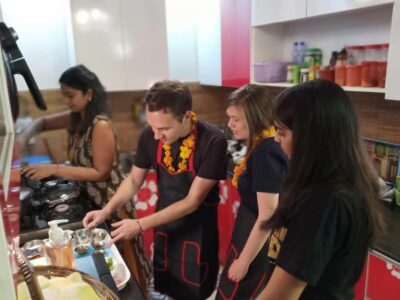
AI Cooking Class and Much More in a Local Family Home
Read our review →
Spice Knight (Cooking Class -> Meal -> Local Market walk)
Read our review →
Talk & Enjoy with Delhi locals at their home while Cooking
Read our review →Browse the lists this tour appears in