
Review · INDONESIA COOKING CLASSES
Munduk Balinese Cooking Class lunch/Dinner at a Local Home
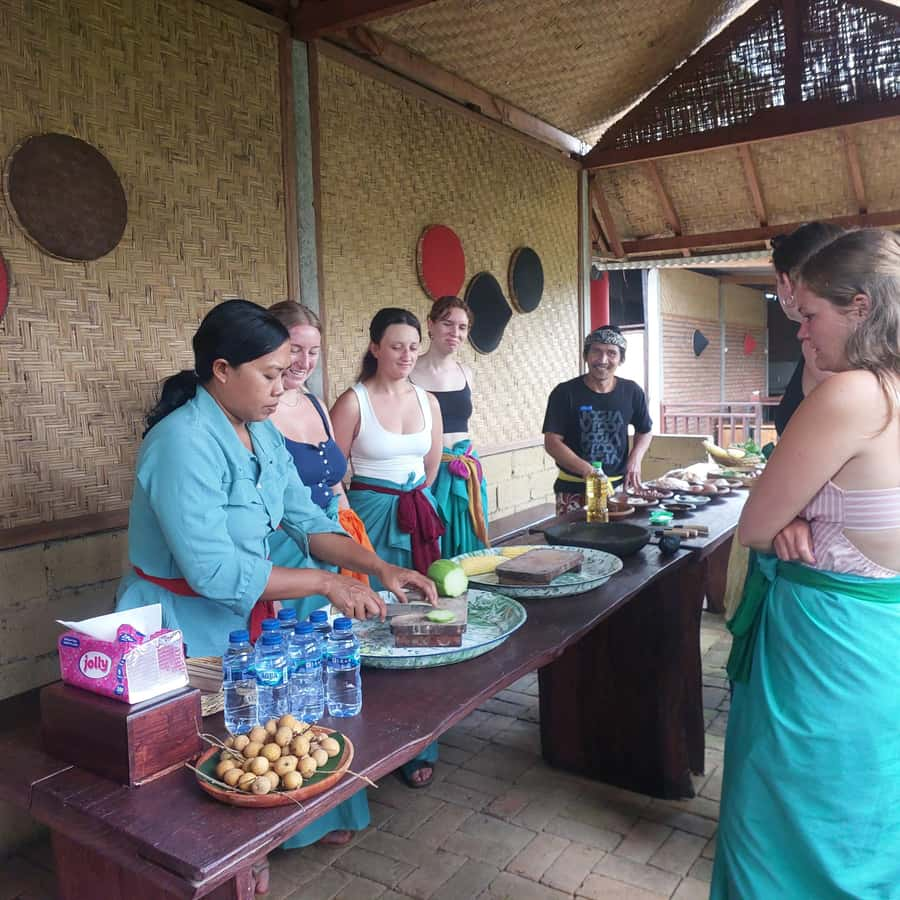
Munduk’s best kitchen lesson takes place in a real family home, not a polished cooking school. You’ll learn to make nasi campur, Bali’s famous plate of small dishes, with fresh ingredients, a mortar and pestle, and plenty of help from hosts such as Kadek. I like the garden and farm connection, and I like that the meal becomes a shared family occasion rather than a quick class followed by a hurried goodbye.
The $18 price is excellent for a 2 to 3-hour activity that includes ingredients, equipment, lunch or dinner, and drinking water. I also like the careful handling of vegetarian, vegan, and allergy needs. The main consideration is the setting: it is a local home in Munduk, so comfort and access may be simpler than at a formal restaurant. Pickup is optional, and the meeting point depends on the booking option.
Key points to know before booking
- Cook Bali’s classic nasi campur: Prepare several small dishes that come together as one generous meal.
- Meet the local family: The class happens at a working home, with time to see the garden or farm on some visits.
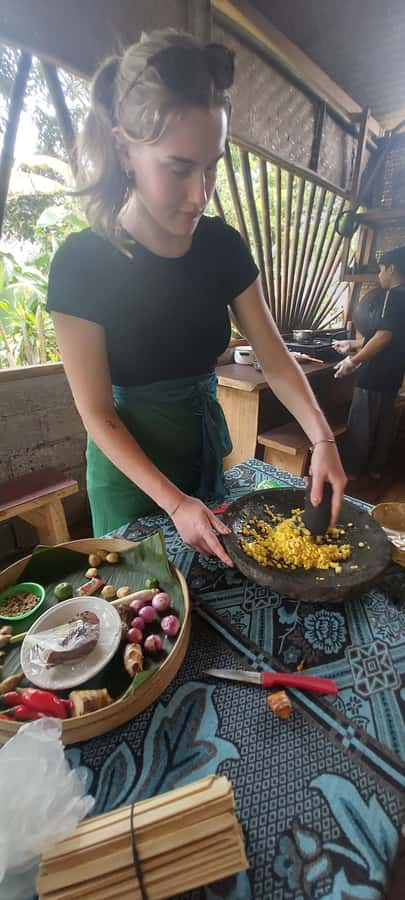
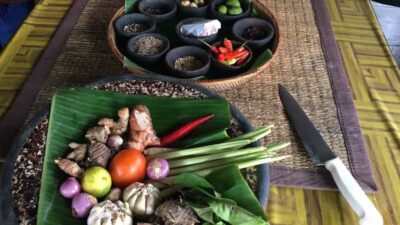
- Learn base genep: Make the fragrant spice paste built from turmeric, ginger, galangal, shallots, garlic, lemongrass, and chili.
- Good food for many diets: Vegetarian, vegan, and selected allergy-friendly alternatives are available when requested.
- Gentle, practical instruction: Kadek and the team explain each step in English and adjust the seasoning for international palates.
- A strong value at $18: Ingredients, cooking tools, water, and lunch or dinner are included, with hotel transport available as an add-on.
A local home, not a staged restaurant
The appeal begins as soon as you arrive at the family house in Munduk. This is a chance to see Balinese food in the place where it belongs: around a home kitchen, among local ingredients, and in the company of the people who prepare it every day.
The setting matters. A restaurant can serve a fine plate of nasi campur, but it rarely shows you how the separate parts are made. Here, you work with the ingredients before eating them. You can see how spice paste changes the smell of a dish, how coconut adds texture, and how several simple preparations combine into a full meal.
Depending on your booking and timing, your host may show you the garden or farm before cooking starts. One visit included a look at what the family grows, along with an explanation of local life and religion. I would allow a little flexibility here, since the meeting point and exact order of activities can vary with the option you select.
The atmosphere is informal and personal. That is a strength if you want contact with everyday Balinese life. It may be less appealing if you expect a large professional kitchen, printed recipe booklet, or highly polished demonstration space.
More Balinese and Indonesian Classes in Indonesia:
- Ubud: Balinese Cooking Class at an Organic Farm
★ 5.0 · 1,786 reviews - Ubud Cooking Class Bali with Balinese Chef
★ 5.0 · 1,609 reviews - PRIVATE Authentic Balinese Cooking Class in Ubud at Putu’s Home
★ 5.0 · 644 reviews
What happens during the 2 to 3-hour class
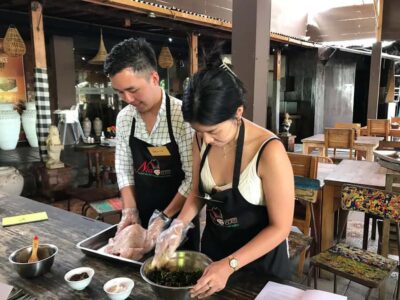
Your host or English-speaking guide starts by introducing the food and the cooking process. The session is hands-on, so you are not simply watching a chef do everything. You help prepare the ingredients, follow the recipes, and cook the dishes before sitting down to eat.
The heart of the menu is nasi campur, which means mixed rice. In Bali, it usually refers to rice served with a collection of side dishes, sauces, vegetables, and meat or fish. The pleasure is in the contrast: soft, crisp, savory, spicy, fresh, and aromatic elements on one plate.
The class may include:
- Sate lilit, minced fish or chicken mixed with herbs and grated coconut, then wrapped around bamboo sticks and grilled.
- Bergedel, golden potato patties with a soft and savory middle.
- Balinese vegetable stir-fry made with seasonal vegetables and aromatic spices.
- Jukut jepang, a light soup made with chayote, local herbs, and spices.
- Base genep, the all-purpose Balinese spice paste used as the foundation for many dishes.
The work with base genep is especially useful. Instead of treating Balinese food as a mysterious mix of unfamiliar flavors, the class lets you see the building blocks. Turmeric brings color and earthiness. Ginger and galangal add warmth. Shallots and garlic give body, while lemongrass and chili sharpen the result.
You will likely spend time chopping, mixing, grinding, shaping, and cooking. The details provided do not set out a fixed minute-by-minute schedule, so the pace may depend on the group and the dishes being prepared. That is not a bad thing. A relaxed cooking class gives you time to ask questions and watch how the ingredients are handled.
Sate lilit and the hands-on dishes
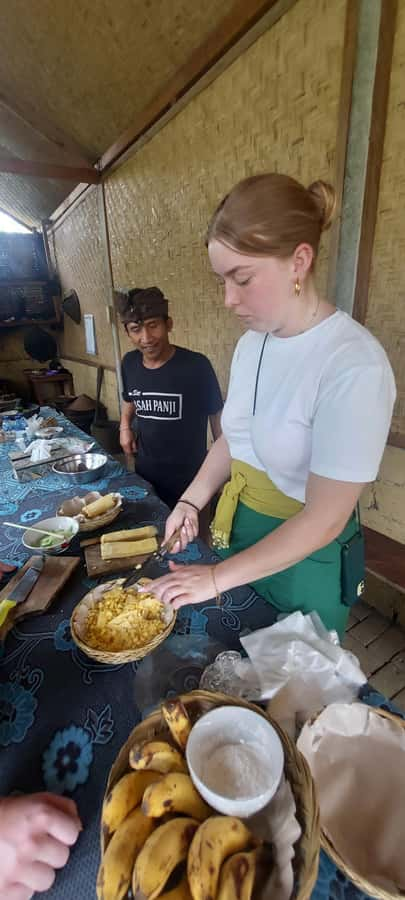
Sate lilit is one of the most distinctive items on the menu. Unlike the familiar cubes of meat on a skewer, the mixture is minced and wrapped around bamboo. Fresh herbs and grated coconut help give it a soft texture and a fragrant taste.
This is the sort of dish that benefits from direct instruction. The shaping takes a little care, and the bamboo stick gives the food its recognizable form. If you enjoy practical cooking, this is likely to be one of the more memorable parts of the class.
Bergedel offers a different lesson. These potato patties are simple in concept, but frying them properly takes attention. You want a golden outside without losing the soft center. Alongside the vegetables and soup, the patties help make the final meal feel varied rather than like one large main course.
The vegetable stir-fry and jukut jepang also show the everyday side of Balinese food. They are not showy dishes, but they help explain how local meals balance a main item with vegetables and broth. For me, that makes the class more useful than one focused only on a famous dish.
The spice paste that explains Balinese flavor
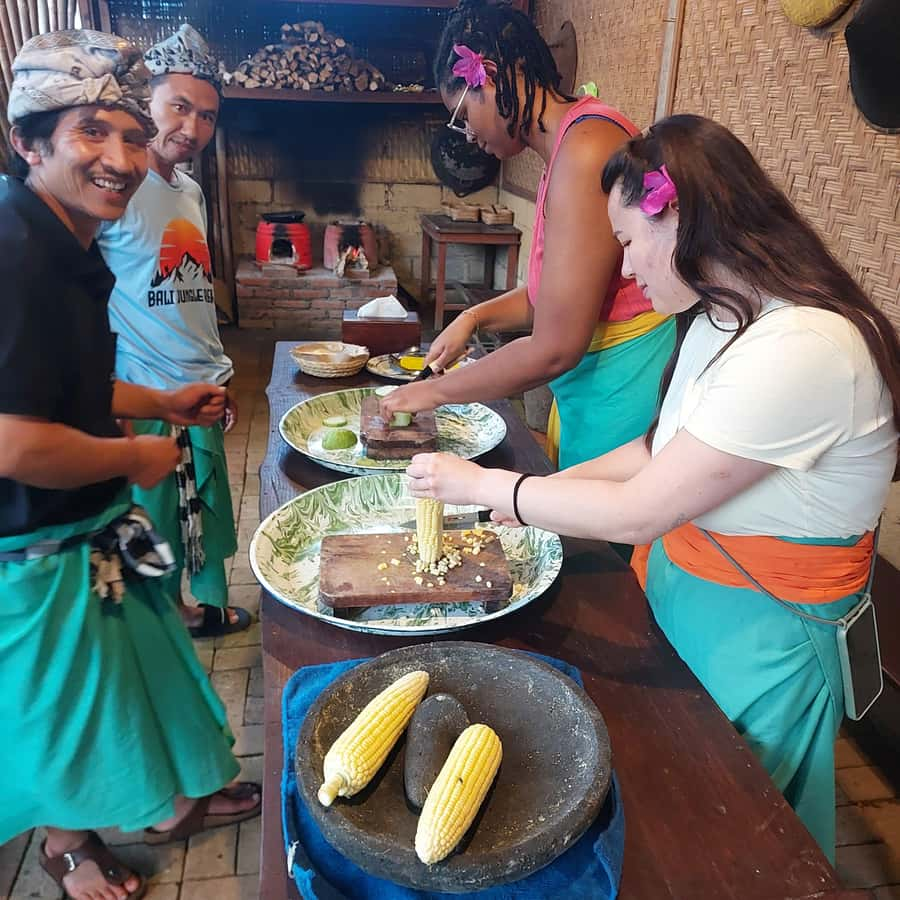
Base genep is the class’s most important foundation. It is prepared from fresh turmeric, ginger, galangal, shallots, garlic, lemongrass, and chili. These ingredients are ground or combined into a paste, then used to season the food.
You can learn more from this one step than from a long list of finished recipes. Once you understand base genep, many Balinese dishes become easier to recognize. The flavors are not coming from one bottled sauce. They come from a carefully balanced mixture of fresh roots, aromatics, and spice.
The cooking is adjusted for international palates, so the food is intended to be flavorful without being overwhelmingly hot. That does not mean every dish will taste mild. Chili is part of Balinese cooking, and individual tolerance varies. If you are sensitive to heat, tell the team before you begin.
The kitchen uses no MSG. Fresh ingredients are sourced locally, including produce connected with local markets. This does not turn the class into a health retreat, since some dishes are fried and sate lilit may contain fish or chicken. It does mean the flavor comes from the ingredients and spice work rather than from a flavor enhancer.
More Home Cooking Classes in Indonesia:
- Bali: Private Balinese Cooking Class in a Family Home
★ 4.8 · 87 reviews - packages cooking class and romantic dinner in a local home
★ 5.0 · 4 reviews - Khmer Cooking Class at a Local’s Home in Krong Siem Reap
★ 5.0 · 2,731 reviews - Local Home Korean Cooking Class & Market Adventure in Seoul
★ 5.0 · 1,024 reviews
Eating together after the cooking
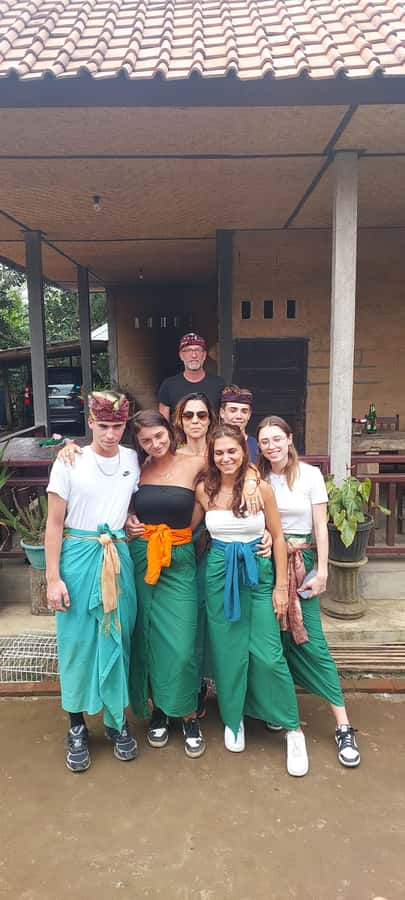
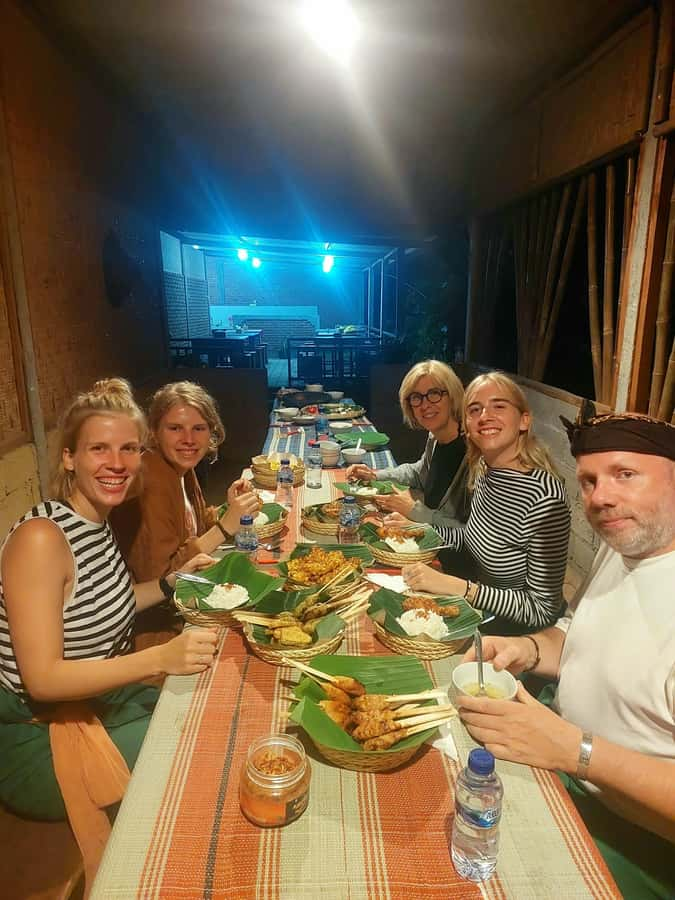
Once the dishes are ready, you sit with the hosts and the other participants for lunch or dinner. This shared meal is a key part of the experience. You taste the food while the steps are still fresh in your mind, and you can see how each small dish fits into the complete nasi campur plate.
The meal is served in the family setting, not as a rushed takeaway. Several people have found the hospitality to be the most memorable part, and that makes sense. The class gives you a reason to talk, ask about daily life, and share food across the same table.
English is the listed language for the host or greeter, and the class can work even if your English is limited. The cooking is shown as well as explained, and clear demonstrations make a difference when language becomes a barrier. Still, do not expect a formal lecture or highly technical culinary vocabulary. The value is in doing the work together.
Lunch or dinner depends on the time you book. Drinking water is included. Personal expenses are not, so bring money only if you expect to buy something separate from the activity.
Dietary needs and menu flexibility
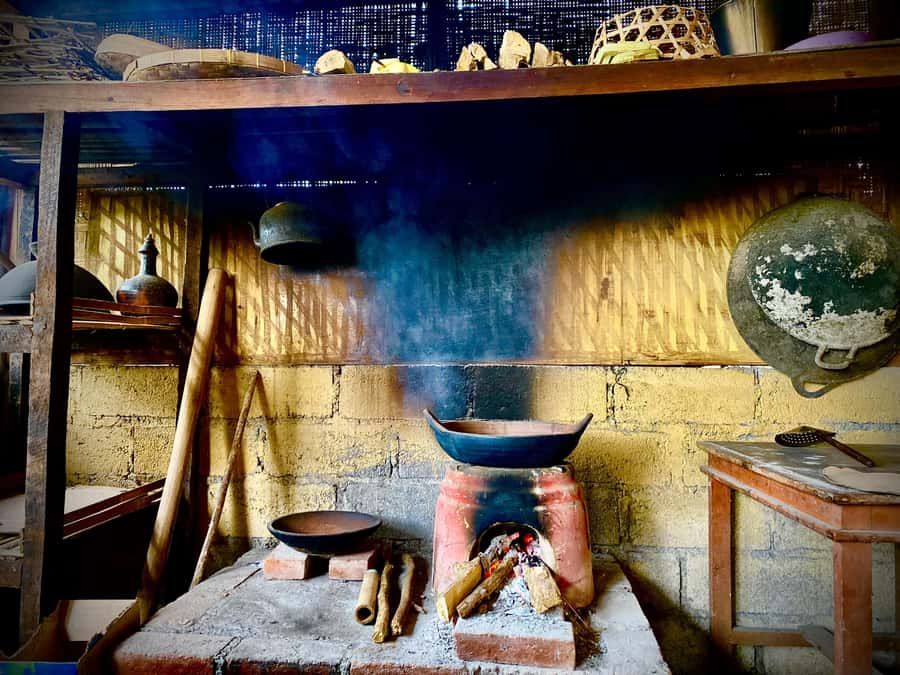
This is one of the strongest practical features. Vegetarian and vegan menus are available on request, and alternatives can be arranged for people who cannot eat meat, wheat, flour, peanuts, or eggs.
You should give the team clear information when booking, then repeat it when you arrive. The published details do not promise that every possible allergy can be managed, so anyone with a serious allergy should confirm the arrangements in advance and ask about cross-contact.
The standard menu includes fish or chicken for sate lilit, but that does not mean you must skip the class if you do not eat meat. The team offers flexible alternatives. Ask what will replace each item rather than assuming the whole menu will be identical.
This flexibility makes the activity suitable for mixed groups. One person can follow a vegetarian or vegan menu while others prepare the traditional version. It is also useful for families, since the food can be adjusted and children can take part in simple preparation steps with adult supervision.
Price, transport, and practical planning
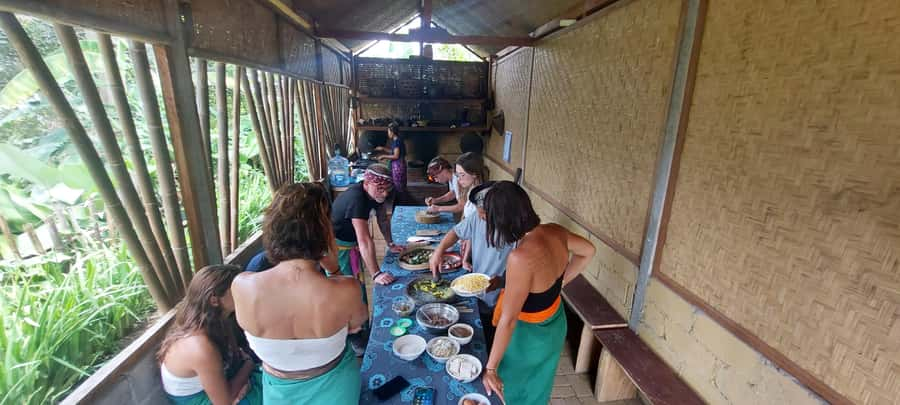
At $18 per person, this is a strong-value activity. You receive the ingredients, cooking equipment, recipes, lunch or dinner, and drinking water. You are also paying for time with a local family and an English-speaking cooking team, not just for a plate of food.
Hotel pickup and drop-off are optional. If you choose that option, the team will contact you to confirm the hotel address. The exact meeting point can vary, so check the selected booking option rather than assuming every reservation includes transport.
Munduk is a mountain area, and the activity is not suitable for people with altitude sickness. Bring comfortable clothes, a camera, a sun hat, and insect repellent. Cooking can be messy, and a home setting may include outdoor areas, so practical clothing is wiser than something formal.
The activity lasts 2 to 3 hours. That is long enough to cook several dishes without taking up an entire day. I would schedule it when you are not trying to catch another timed attraction immediately afterward. The class has a relaxed feel, and rushing would work against its best quality.
Free cancellation is available up to 24 hours before the activity for a full refund. You can also reserve and pay later, which helps if your Bali route is still changing.
Who will enjoy this cooking class most
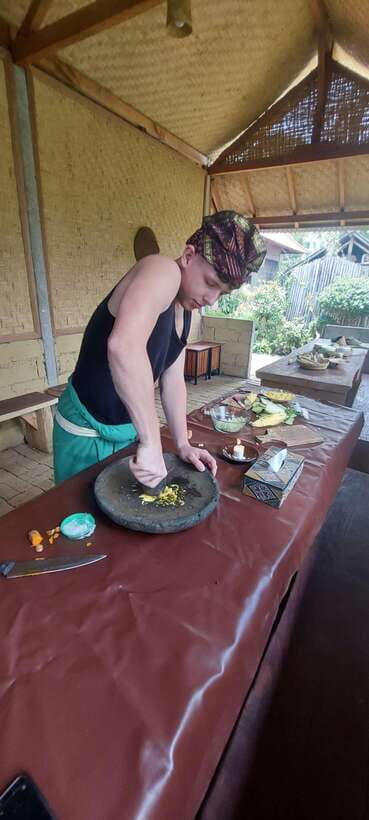
I would recommend it first to anyone who wants food to be a doorway into local culture. You learn what goes into a meal, but you also see a family home, hear about local life, and share the finished food with the people who prepared it.
It suits curious cooks more than serious culinary professionals. You will learn useful techniques and authentic recipes, but the information provided does not promise a professional kitchen, a certificate, or advanced chef training. Come ready to participate, not to grade the equipment.
Families can do well here. The hands-on format gives children something to do, and the food can be adapted. The class also works for couples, solo visitors, and small groups looking for a slower evening in Munduk.
I would be more cautious if you need a fully accessible venue, a fixed schedule, or a guaranteed private class. Those details are not provided. Ask before booking if they are important to you.
Should you book the Munduk cooking class?
Book it if you want a modestly priced, personal food experience with real local contact. The strongest reasons are the family-home setting, the chance to prepare base genep and nasi campur from scratch, and the warm guidance from Kadek and the team. The option to see the garden or farm adds another useful link between the ingredients and the meal.
Skip it if you prefer a formal restaurant lesson, a tightly timed itinerary, or a luxury cooking school. For everyone else, this is one of the better ways to spend two or three hours in Munduk. You leave with a full meal, practical recipes, and a clearer sense of how Balinese food comes together at home.
FAQ
How much does the Munduk Balinese cooking class cost?
The activity costs $18 per person.
How long does the cooking class last?
The class lasts approximately 2 to 3 hours.
Is lunch or dinner included?
Yes. Depending on the booking time, you receive lunch or dinner after preparing the dishes.
What food will I learn to cook?
The menu can include nasi campur, sate lilit, bergedel, Balinese vegetable stir-fry, jukut jepang soup, and base genep spice paste.
Are vegetarian and vegan menus available?
Yes. Vegetarian and vegan menus are available when requested.
Can the menu accommodate food allergies?
Alternatives are available for people who cannot eat meat, wheat, flour, peanuts, or eggs. State your needs when booking and confirm them with the team.
Is hotel pickup available?
Yes. Hotel pickup and drop-off are available if you select that option. The team will contact you to confirm your hotel address.
What should I bring?
Bring comfortable clothes, a sun hat, a camera, and insect repellent. Drinking water is included.
More Dinners Out in Indonesia
- Pasta Making & Wine Tasting with Dinner in Frascati from Rome
★ 5.0 · 1,326 reviews - Rome: Pasta Making with Wine Tasting and Dinner in Frascati
★ 4.9 · 979 reviews - Palermo: Pizza and Gelato Cooking Class with Dinner and Wine
★ 4.9 · 951 reviews - Seville: Spanish Cooking Class with Dinner
★ 4.9 · 900 reviews
More Lunches Out in Indonesia
- Cooking Class and Lunch at a Tuscan Farmhouse with Local Market Tour from Florence
★ 5.0 · 4,831 reviews - Paris Cooking Class and Lunch with Wine plus Market Visit Option
★ 5.0 · 1,024 reviews - Austrian Apple Strudel Cooking Class including Lunch in Salzburg
★ 5.0 · 929 reviews - Phuket: Elephant Sanctuary Tour, Cooking Class & Lunch
★ 4.9 · 856 reviews
Newest classes around Indonesia
- Pure Bali Village Experience, Cooking & Jamu Class+VIP Transfer★ 5.0 · 16 reviews
- Spice Garden, Jamu & Cooking Class in Bali Village★ 5.0 · 5 reviews
- The Authentic Balinese Cooking Experience★ 5.0 · 4 reviews
- Seminyak : cooking class traditional food bali★ 5.0 · 5 reviews
- Seminyak: Vegetarian Cooking Class★ 5.0 · 3 reviews
- Quad ride, waterfalls & aunthentic cooking class in munduk★ 4.9 · 53 reviews
- Pure Bali Village Experience Cooking & Jamu Class, Transfer★ 4.8 · 5 reviews
- Ubud: Organic Farm Harvest, Bali Cooking Class by Pemulan★ 4.8 · 12 reviews
Indonesia Cooking Classes, compared.
Cooking Class with Transfers and Optional Market Visit
Read our review →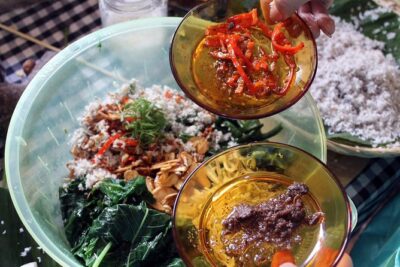
PRIVATE Authentic Balinese Cooking Class in Ubud at Putu’s Home
Read our review →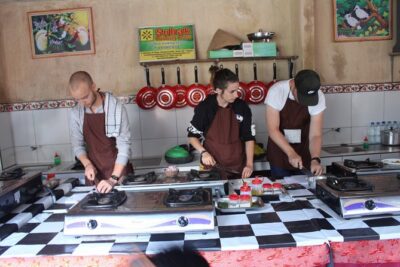
Balinese Ubud cooking school (9 Dish Cooking and Market Tour)
Read our review →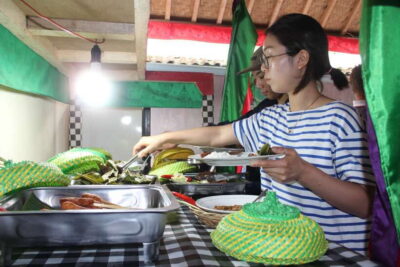
Browse the lists this tour appears in