
Review · INDIA COOKING CLASSES
Mumbai: Indian Cooking Class & Cultural Delights
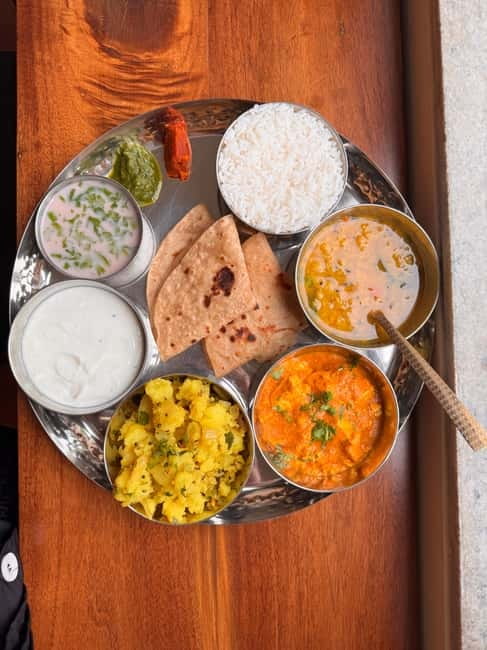
Mumbai’s best food lessons often begin away from a restaurant table. This three-hour class starts with a local market visit, then moves into a kitchen where a home cook demonstrates several Maharashtrian dishes before you prepare them yourself. The meal at the end is not just a tasting. It is your lunch, served as a shared feast or thali.
I like the small-group format, limited to six people, and the patient teaching style associated with guide Dinesh and local cook Trupti. I also like the balance of food and culture: market produce, traditional cooking methods, stories about Indian food, and sometimes chai, henna, or a short lesson about colonial Bombay.
The main thing to consider is that this is a hands-on class, not a passive cooking demonstration. You will be chopping, stirring, shaping, and asking questions, so it suits curious participants more than anyone hoping to simply sit back. Transportation to the meeting point is not included.
Key points at a glance
- A market comes first: See where ingredients are bought, with explanations about local fruit, vegetables, fish, and everyday food.
- You cook several dishes: Expect a multi-course meal, with some sessions preparing around five recipes and chapati or paratha added when requested.
- A home-style kitchen setting: The class uses a local cook’s practical methods rather than a polished restaurant show.
- Small groups help: With no more than six participants, you get room to ask questions and handle the food yourself.
- Culture comes with lunch: Depending on the session, you may learn about food history, colonial Bombay, traditional welcome rituals, chai, cookbooks, or henna.
- Good value at $27: The price covers the market visit, class, cultural activities, and meal, but not transport or personal spending.
A market walk before the cooking begins
Meet at the entrance of Star Anise patisserie, then expect the class to begin with a short walk through a local market. This is a useful opening because it gives you a clearer sense of Indian cooking before you stand at the stove.
You may see the produce and other ingredients used for the meal, including fruit and vegetables. One session also included a walk through a fish market. The point is not to turn the outing into a formal market tour. It is to show you the raw materials behind the dishes and explain how local shopping connects to home cooking.
I find this part especially useful if Indian food is new to you. Menus can list unfamiliar ingredients without explaining how they look, smell, or fit into daily meals. Seeing them in their ordinary setting makes the later cooking lesson easier to follow.
Guide Dinesh provides much of the context during the walk. He has explained food traditions, local areas, and the background of Indian cuisine, and he has also shared stories about colonial Bombay. That gives the market stop more purpose than a quick photo opportunity.
A cup of local chai has also been part of some sessions. It is a small detail, but it helps set the relaxed tone of the class. Allow a little flexibility at this stage. The exact market route and cultural additions may vary by day, since the experience is built around a local kitchen and a small group rather than a fixed sightseeing script.
More Indian Classes in India:
- Indian Cooking Class in an Authentic Local Home – Learn 6 Dishes
★ 5.0 · 195 reviews - New Delhi: Indian Cooking Class in a Local Home
★ 5.0 · 65 reviews - New Delhi: Traditional Indian Cooking Class & Market Visit
★ 5.0 · 32 reviews
Meeting the home cook and settling into the kitchen
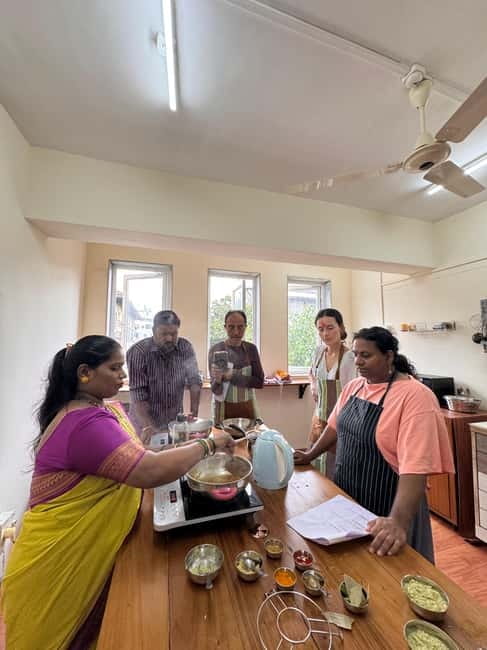
After the market, you head to the cooking space. The setting has been described as clean, pleasant, and peaceful, with four cooking stations. The class is designed to feel like a welcoming home kitchen, not a large culinary school with rows of strangers.
A traditional welcome ritual may greet you at the start. This is one of the details that gives the activity a personal feel. You are not simply handed an apron and a list of instructions. The class makes room for conversation, questions, and an introduction to the people teaching you.
The local cook demonstrates each recipe while Dinesh explains what is happening. In some sessions, the cook has been Trupti, who is praised for making special Indian dishes feel manageable even for beginners. The teaching method is straightforward: watch the demonstration, then prepare the dish yourself with help nearby.
That order matters. You see the correct texture and method before trying it, but you still have to do the work. If you are nervous about Indian cooking, this is reassuring. You are not expected to know how to balance spices or shape flatbread before you arrive.
The class welcomes people without cooking experience. It also works for confident home cooks who want to ask detailed questions about ingredients, preparation, and the way Indian families build flavor without relying on heavy cream or grease.
Cooking a multi-course Maharashtrian meal
The exact menu is not specified in advance, so you should not book expecting one guaranteed set of recipes. Past sessions have included more than three dishes, and several participants prepared about five recipes. The finished meal has included a thali, with chapati made as part of the cooking.
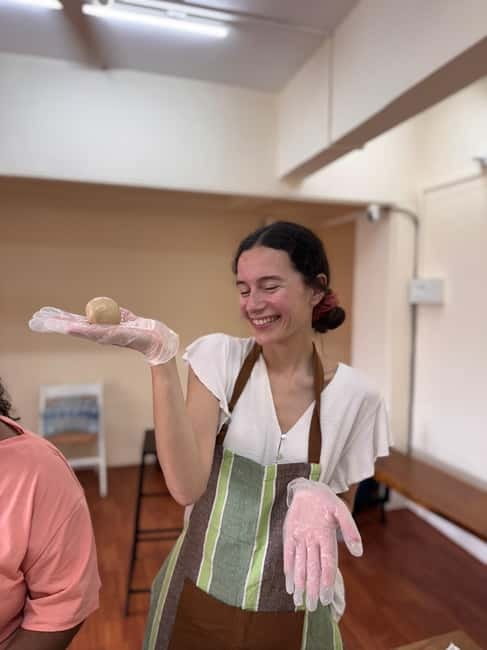
The strongest feature is the hands-on approach. You do not merely watch the cook prepare lunch. You take part in each recipe, following the demonstration and receiving advice as you go. The guides encourage questions, which is helpful when you want to understand why a spice, cooking method, or ingredient is used.
Chapati has been a popular request, and paratha has also been added when participants were especially keen to learn. These flatbreads can be an important part of the lesson because they involve technique rather than just following a written recipe. Still, I would treat chapati and paratha as possible additions, not guaranteed items on every booking.
The class also challenges some common ideas about Indian food. You may learn that full flavor does not require a sauce loaded with cream or oil. The value here is practical: you leave with methods you can use in your own kitchen, not just a pleasant memory of eating someone else’s cooking.
Recipe sheets have been provided at the end of some classes. That is worth noting because the recipes help turn the experience into something useful after Mumbai. You can recreate at least some of the dishes at home rather than trying to remember every ingredient from a busy afternoon.
Lunch is the reward for doing the work
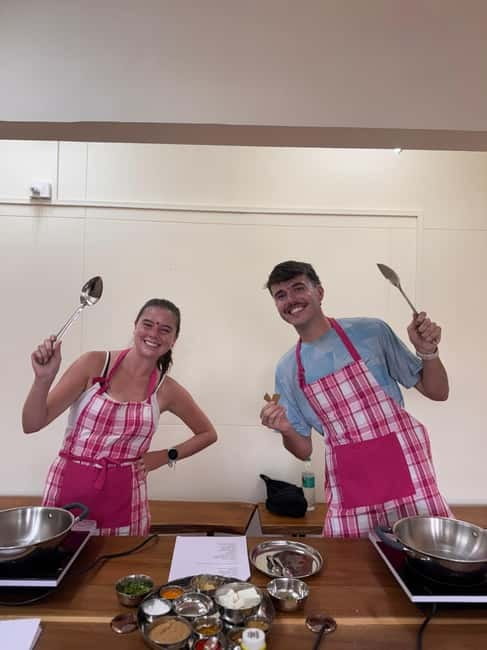
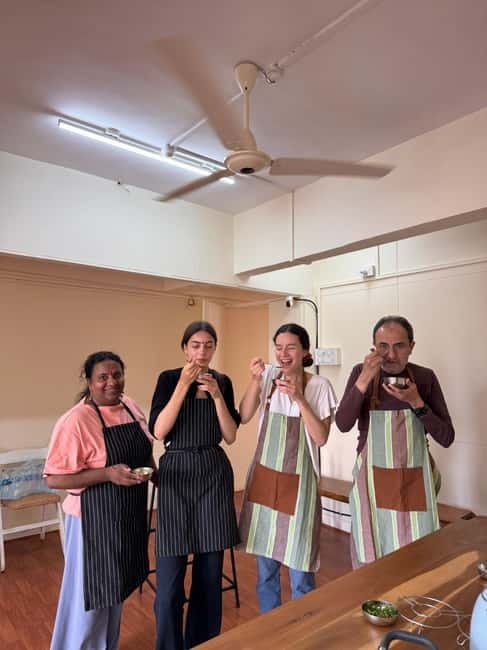
Once the cooking is finished, everyone sits down to eat. The meal may be served as a thali or as a shared spread of the dishes prepared during the class. You are eating food you helped make, which gives the final meal a satisfying sense of purpose.
The food has been repeatedly praised for its flavor, but the practical point is more important: the meal lets you check your work. You can taste how the spices came together, compare textures, and ask the cook what might be adjusted next time.
This shared lunch is also where the social side of the class comes through. The group size is capped at six, and the meal gives everyone time to talk with the guide, cook, and other participants. If you are traveling alone, this can be an easy way to meet people without committing to a large group outing.
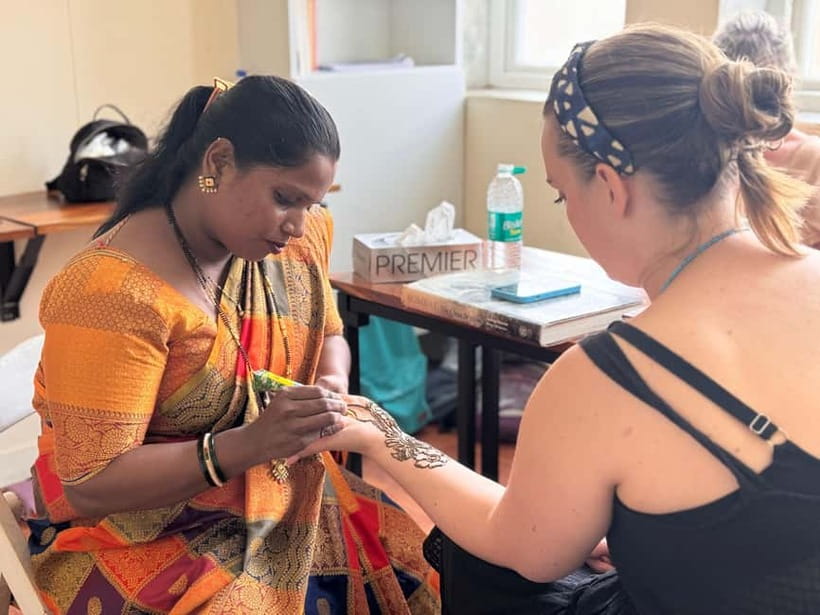
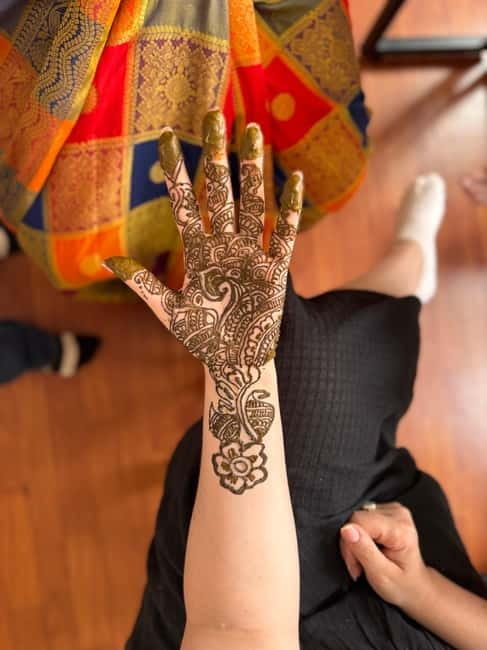
Tea may accompany the meal or follow it. Some sessions have also included a chance to look through cookbooks. Henna has been added for some participants, too. These extras are not the core promise of the class, so I would see them as welcome cultural touches rather than guaranteed parts of the itinerary.
More Cooking Classes in India:
- Pink City Cooking Class
★ 5.0 · 452 reviews - Five Course Cooking Class & Meal
★ 5.0 · 250 reviews - Veg and Non veg : Private Cooking Class in Delhi home (7 meal)
★ 5.0 · 226 reviews - Durga Cooking Class
★ 5.0 · 159 reviews
Why the small group matters
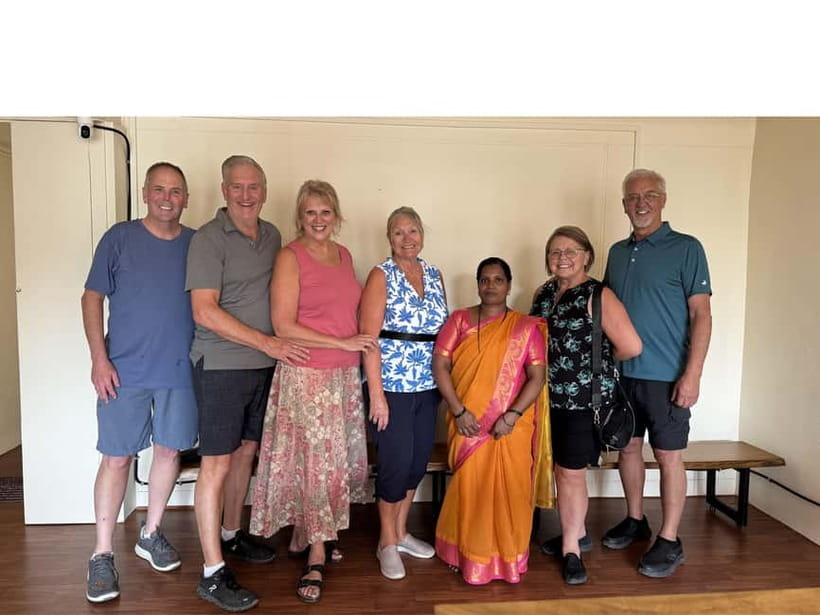
A six-person maximum is a real advantage here. Cooking classes can become frustrating when one instructor is trying to supervise a crowd, especially when everyone needs access to ingredients, utensils, and a cooking station.
The smaller setting gives you a better chance to prepare every dish rather than watching one person from the back of the room. It also makes it easier to tell the guide what you want to learn. Participants have requested chapati and paratha, and the team has sometimes adjusted the session to include them.
The format is friendly and informal, but it still has structure. The cook demonstrates, you practice, and the group pauses to eat and talk. One session included timed breaks and time to look through cookbooks, which suggests the pace is not meant to feel rushed.
That said, the class is still only three hours. You should expect an introduction to several dishes rather than a complete course in Maharashtrian cuisine. If you want a long lesson focused on one technique, ask about the day’s menu before starting. If you want a broad first look at food and culture, the schedule makes good use of the time.
The cultural side goes beyond recipes
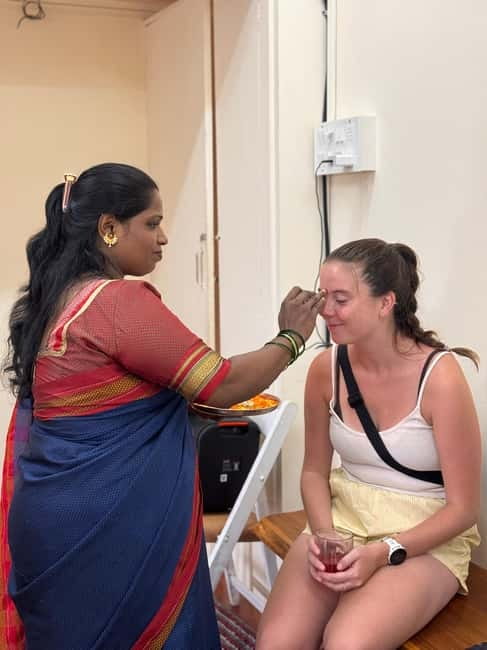
Food is the main reason to book, but the class works because it connects cooking with daily life. The market shows you the ingredients. The kitchen shows you how they are used. The shared meal lets you experience the social role of food.
Dinesh has also provided background on Indian cuisine and local history, including colonial Bombay. These explanations help place Maharashtrian dishes in a wider setting without turning the class into a lecture.
The welcome ritual, chai, cookbooks, and henna add different kinds of context. Henna, in particular, can be a fun extra if you want something visual and hands-on beyond cooking. But the experience is not advertised as a formal craft workshop, so the amount of time given to these activities may differ.
I like this balance because it avoids reducing Mumbai to a list of famous sights. You spend time with local people, learn household techniques, and share a meal in a setting designed for conversation. It is a more personal way to understand the city’s food culture than simply ordering a thali at a restaurant.
Price, practical details, and who should book
At $27 per person, this is strong value if you want food, instruction, and cultural contact in one outing. The price includes the authentic Maharashtrian cooking class, market visit, cultural activities, and multi-course meal preparation. Since lunch is part of the experience, you are getting more than a short demonstration.
Transport to and from the location is not included. You are responsible for reaching the entrance of Star Anise patisserie and covering personal expenses. Plan your route before the start time, since the activity begins at a specific meeting point rather than with hotel pickup.
The class is conducted in English and is wheelchair accessible. It is suitable for solo participants, couples, friends, and families who enjoy practical activities. You do not need prior cooking experience, but you should be comfortable taking part in food preparation.
This is a good choice for you if:
- You want to learn recipes you can use at home.
- You enjoy meeting local people in a small group.
- You would like a market visit tied directly to a meal.
- You want a relaxed Mumbai activity away from a standard sightseeing route.
- You are happy to cook, not just watch.
- You like the idea of trying several dishes in one session.
It may be less suitable if you need a fixed menu, dislike markets, or want a quiet food tasting with no participation. The class depends on shared activity, so the best experience comes when you ask questions and get involved.
Booking is flexible: you can reserve now and pay later, and cancellation is allowed up to 24 hours before the activity for a full refund. The class has an overall rating of 5 from 38 reviews, with repeated praise for the food, warmth of the team, small group, and clear demonstrations. That pattern fits the experience’s main strengths: personal teaching, real participation, and a meal that feels earned.
Should you book this Mumbai cooking class?
Yes, if you want an affordable and active introduction to Maharashtrian food. The market walk, home-style instruction, recipe sheets, and shared lunch give the three hours a useful shape, while the small group keeps the class personal.
I would book it early in your Mumbai stay if possible. You can use what you learn later in the trip, and the market visit gives you a better sense of the ingredients appearing on menus around the city. Just remember that the menu and extras can vary, and arrange your own transport to Star Anise patisserie.
For $27, this is an easy pick for food lovers, beginner cooks, and anyone who wants a closer look at everyday Mumbai life.
FAQ
How long does the Mumbai cooking class last?
The activity lasts three hours, including the market visit, cooking lesson, cultural activities, and shared meal.
Where is the meeting point?
Meet at the entrance of Star Anise patisserie.
Is transportation included?
No. Transportation to and from the meeting point is not included.
What language is the class conducted in?
The class is conducted in English, with a live English-speaking guide.
How many people can join?
The class is limited to six participants, making it a small-group experience.
Do I need cooking experience?
No. The class is suitable for people without cooking experience, and the cook demonstrates each dish before you prepare it.
What is included in the price?
The price includes an authentic Maharashtrian cooking class, a market visit, cultural activities, and multi-course meal preparation.
Can I cancel the booking?
Yes. You can cancel up to 24 hours in advance for a full refund. You can also reserve now and pay later.
Newest classes around India
- Chennai Super Market Tour and Cooking Class with a Fun Local★ 5.0 · 9 reviews
- Private tour to learn Traditional Indian Art, craft & Cooking★ 5.0 · 4 reviews
- Traditional Chettinad Cooking Class in a Local Home near Chennai★ 4.5 · 12 reviews
- Neighborhood Market Tour & South Indian Cooking Class in Chennai★ 5.0 · 7 reviews
- Chennai Dosa Making Class & Home-Dining Experience with Jyashree★ 5.0 · 8 reviews
- Traditional Gowda Cooking Class and Meal in a Bangalore Home★ 5.0 · 31 reviews
- Discover Bangalore’s Cuisine: Private Half-Day Cooking Experience★ 5.0 · 3 reviews
- Private South Indian Cooking Class in Bangalore with a Local★ 5.0 · 11 reviews
India Cooking Classes, compared.
Veg and Non veg : Private Cooking Class in Delhi home (7 meal)
Read our review →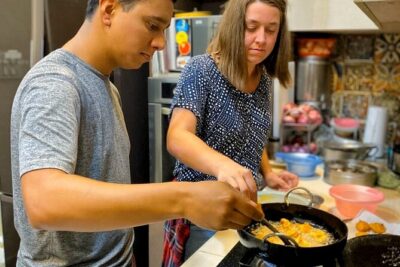
Indian Cooking Class in an Authentic Local Home – Learn 6 Dishes
Read our review →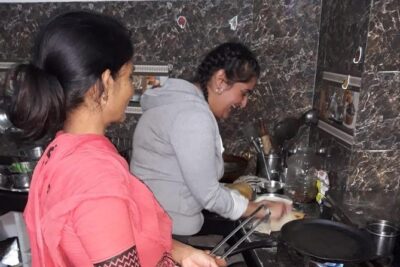
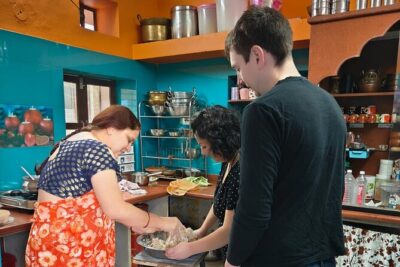
Private Guided Cooking Workshop Experience in Jodhphur
Read our review →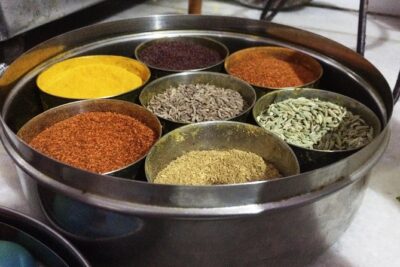
Jaipur Market Tour & Vegetarian Rajasthani Home Cooking Class
Read our review →
Cooking Class in Jaipur – Family Experience with Meal & Transport
Read our review →Browse the lists this tour appears in