
Review · KATHMANDU COOKING CLASSES
Kathmandu: Women-Led Cooking Class & Momo Making-Local Taste
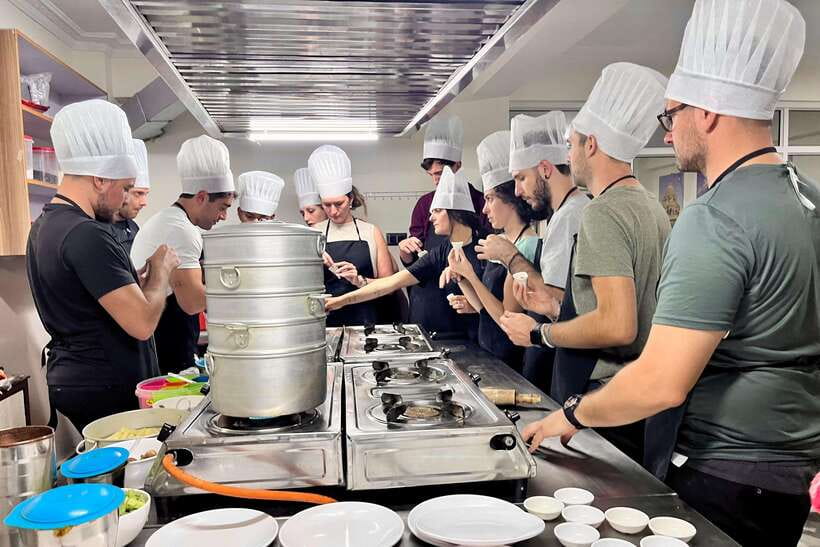
Kathmandu’s best food lesson may begin before you reach the stove. You first visit a local market or shop to choose vegetables, spices, and other ingredients, then bring them back to prepare a Nepali meal. The focus is practical: you chop, mix, fold, cook, and eat.
I like the small group of up to eight, which gives the chef a fair chance to help with hands-on work. I also like the menu choices, especially the chance to learn both savory dishes such as momo and dal bhat and sweets such as yomari or carrot halwa. The main consideration is that the class can feel rushed or less relaxed if you struggle with a technique, particularly momo folding.
Key points to know before booking
- Market shopping comes first: You help choose vegetables, spices, meat, and other cooking ingredients before the lesson.
- Three menu sets are available: Pick from combinations featuring bara and dal bhat, chatamari and momo, or aloo chop and thukpa.
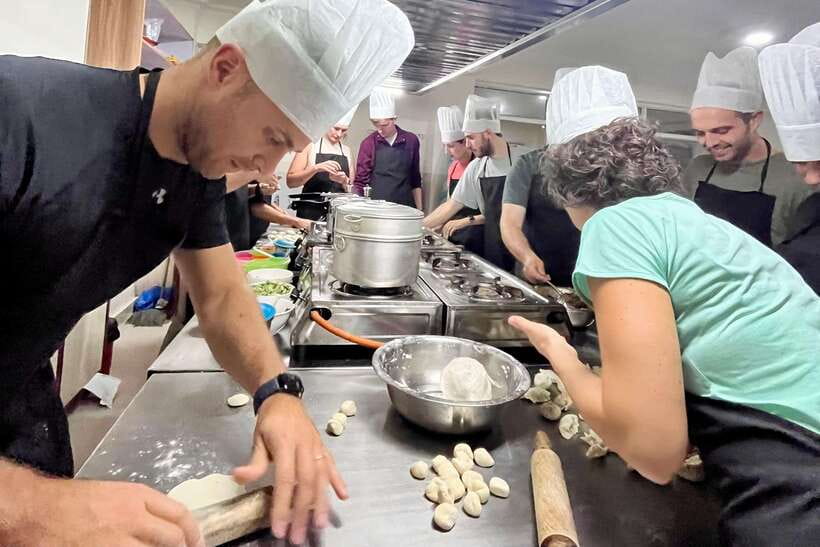
- Momo folding takes patience: You receive step-by-step instruction, but the technique may require practice.
- The meal is your reward: You eat the Nepali food you helped prepare, along with masala tea.
- Small and affordable: The class costs $11 per person, lasts two to three hours, and is limited to eight participants.
- Good for older children: Anyone aged eight or above can join if they are interested in learning to cook.
A market visit before the cooking begins
The experience starts with a useful bit of Kathmandu context: shopping for ingredients. Rather than walking into a kitchen with everything already measured, you visit a local market or shop to buy vegetables, spices, meat, and other essentials for the class.
This matters because Nepali cooking is closely tied to the ingredients available that day. You can see what the chef selects and learn how those ingredients fit into a meal. For someone new to Nepal, this short shopping stop gives you a better sense of everyday food than simply watching a restaurant kitchen at work.
You should expect the exact market route and shopping time to vary, since the class is built around the ingredients needed for your selected menu. The meeting point is easy to reach from Thamel and other parts of the Kathmandu Valley, but the exact address and starting time should be checked when you book.
The market portion is not a sightseeing tour in its own right. Its value is in preparing you for the kitchen. You learn what goes into the dishes, and you get a look at the raw materials before they are chopped, seasoned, and cooked.
More Cooking Classes in Kathmandu:
- Half day cooking class in Thamel kathmandu
★ 5.0 · 607 reviews - Kathmandu: Local Women-Led Nepali Cooking & Momo Class
★ 4.9 · 360 reviews - Kathmandu: Local Lead Nepali Cooking & Momo-Making Class
★ 5.0 · 212 reviews
Choosing among three Nepali menus
You have three menu sets to choose from. They give the class a useful range of flavors and cooking methods, so your choice should depend on what you most want to learn.
Menu one: bara, dal bhat, and yomari
This is the strongest choice if you want a traditional Newari and Nepali meal with a sweet finish.
Bara is a lentil pancake made from ground black gram, also called urad dal, and seasoned with spices. It can be served plain or prepared with egg, minced meat, or vegetables. The outside is fried, while the inside remains soft, making it a good lesson in controlling heat and texture.
Dal bhat is Nepal’s famous rice and lentil combination. The basic plate includes steamed rice and lentil soup, often joined by vegetables, pickles, and curry. It is simple food, but it teaches you how several parts of a Nepali meal work together instead of treating one dish as the entire meal.
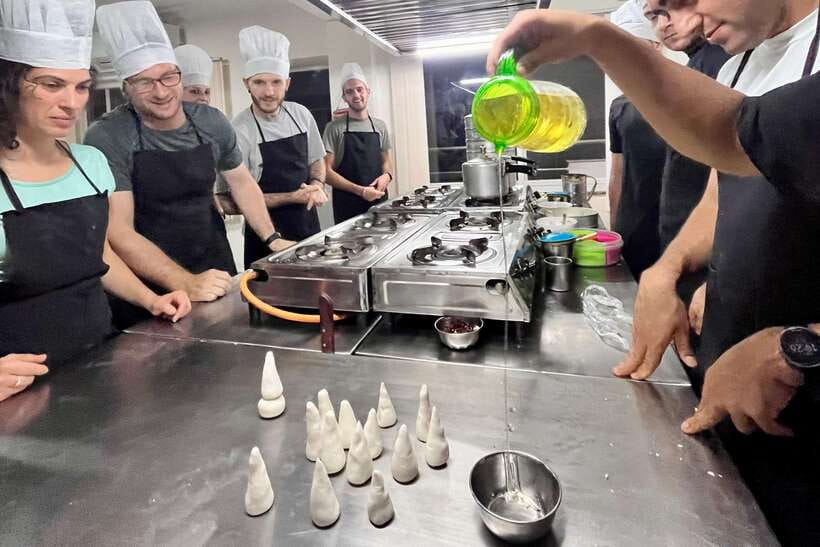
For dessert, yomari uses rice flour dough filled with molasses and sesame seeds, with coconut sometimes included. This Newari dumpling is especially linked with Kathmandu, so it gives the class a local identity rather than presenting only the most familiar dishes.
Choose this menu if you want a meal that feels closely tied to Kathmandu’s Newari food traditions. It also offers a good balance of savory, filling, and sweet dishes.
Menu two: chatamari, momo, and kheer
This is likely the best pick if momo is your main reason for booking.
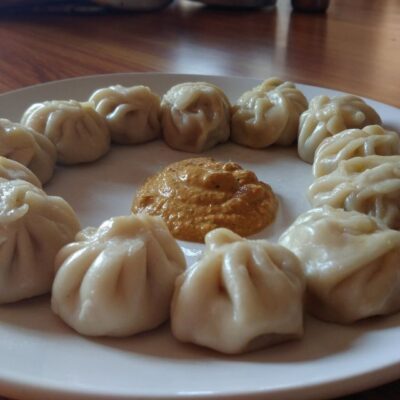
Momo are Nepali dumplings made with thin dough and filled with meat or vegetables. The meat option may use chicken, buff, or pork, while vegetarian filling is also available. You season the filling, work with the dough, and practice folding before cooking the dumplings.
The folding lesson is one of the most hands-on parts of the class. It can also be the most demanding. One person found the chef irritated when the folding technique was difficult to grasp, so go in expecting practice rather than instant perfection. If your first few dumplings look uneven, that is part of the process.
The same class has been described as allowing you to make as many momo as you can eat, which makes this menu especially appealing if you arrive hungry. Still, the supplied details do not promise unlimited portions at every session, so treat that as a possibility rather than a guarantee.
Chatamari is a Newari rice flour crepe sometimes called Nepali pizza. It can be topped with egg, minced meat, vegetables, and spices. Compared with momo, it is a flatter dish and gives you a different way to work with rice flour.
Kheer, a creamy rice pudding made with milk, sugar, and cardamom, finishes the menu. Nuts and raisins may be added. This combination gives you a pleasant contrast: crisp or soft savory foods followed by a gently spiced dessert.
Same region, a different dish to learn:
- Local Women Lead Nepali Cooking Class
★ 5.0 · 125 reviews - Kathmandu: Local Women-Lead Nepali Cooking & Momo Class
★ 4.9 · 45 reviews - Kathmandu: Local Lead Nepali Cooking & Momo Making Class
★ 4.9 · 40 reviews - Kathmandu: 3-Hours of Cooking Class with Meals
★ 5.0 · 10 reviews
Menu three: aloo chop, thukpa, and carrot halwa
Choose this set if you prefer snacks, soup, and dessert rather than a rice-and-lentil plate.
Aloo chop is a fried potato snack made with mashed boiled potatoes and spices. It is a straightforward dish, but the frying step gives you a chance to see how a humble mixture becomes crisp and substantial.
Thukpa is a Tibetan-Nepali noodle soup. It may contain hand-pulled or wheat noodles, vegetables, meat, and aromatic spices in a flavorful broth. This menu helps show that Kathmandu’s food culture is not limited to dal bhat and momo. It also offers a warming dish that is quite different from the other two menus.
Dessert is carrot halwa, made by slowly cooking grated carrots with milk, sugar, ghee, and cardamom. Nuts and raisins may be used as a garnish. The slow cooking is part of the point, since the carrots need time to soften and take on the flavor of the milk and spices.
This menu is a good fit if you like soup or want to learn a dish with a Tibetan connection. It may be less suitable if your top priority is mastering momo.
What the kitchen lesson is really like
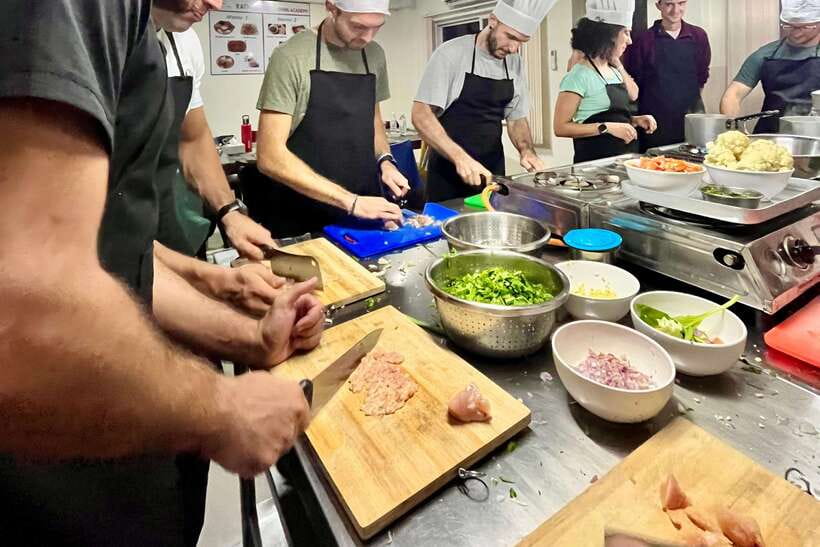
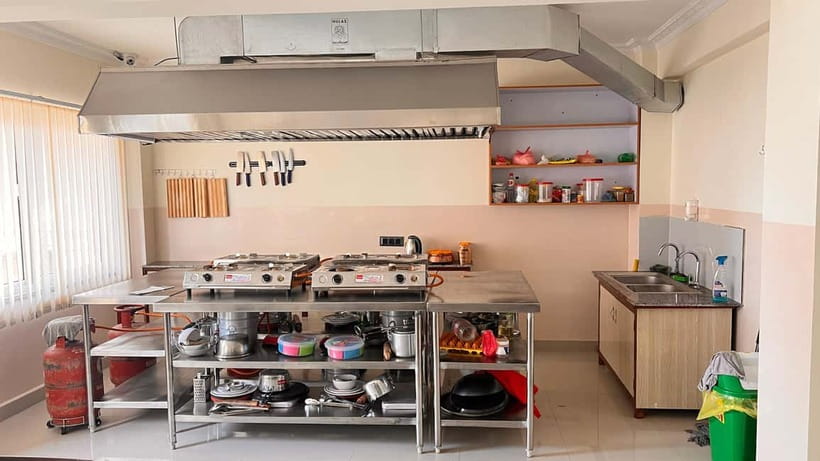
Once the ingredients are ready, the chef guides you through the cooking in a modern Nepali kitchen. The instruction is in English, and the class includes the cooking equipment and accessories you need.
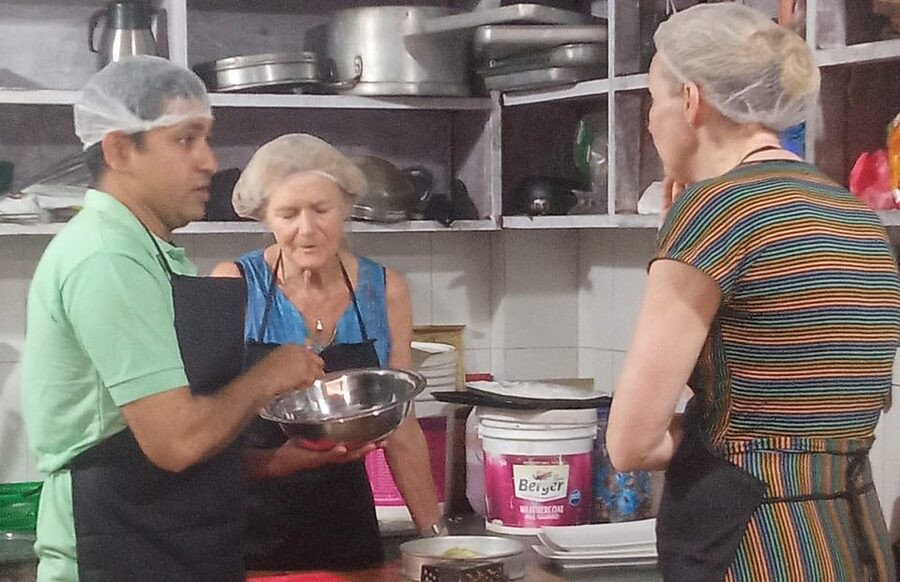
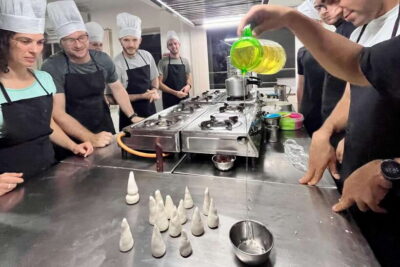
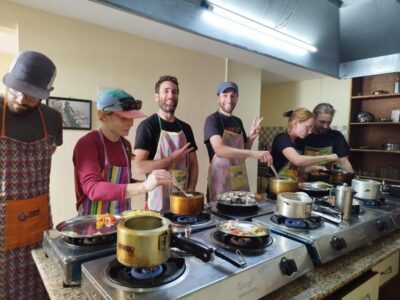
The format is hands-on. You are not simply watching a chef prepare a demonstration plate. You help prepare different parts of the meal, using step-by-step guidance for chopping, seasoning, shaping, and cooking.
That makes the class useful for beginners, but it also means the pace depends on the group. With up to eight people, the chef can give individual help, though everyone may not move at the same speed. If you have never folded dumplings or worked with rice flour, you should allow yourself time to learn the motion.
I would pay attention during the explanations of spices and cooking methods. The class is not only about copying a recipe. It also explains the cultural meaning of the dishes and how they fit into Nepali food traditions. That context is one of the best reasons to take a cooking class instead of simply ordering the same meal at a restaurant.
The main weakness is the possibility of uneven teaching energy. Most of the available feedback describes a friendly, professional, and talented chef, but one experience felt tense when the group had trouble with momo folding. A patient attitude on your part will help. You can also ask for the folding motion to be shown again before trying to make a large batch.
Masala tea and the meal you prepare yourself
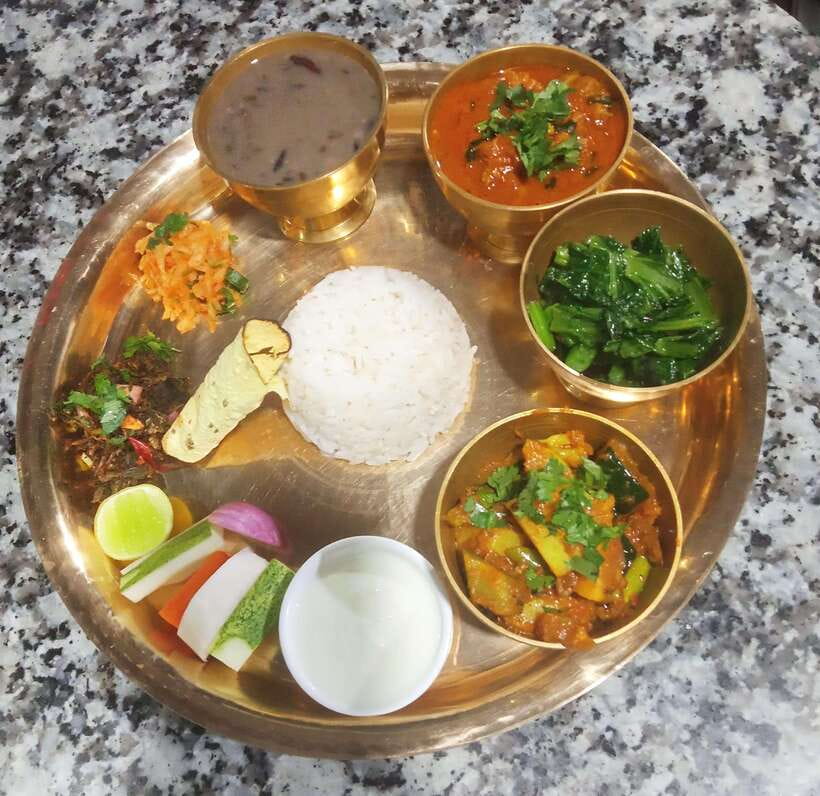
Masala tea is included during the lesson. It combines black tea with aromatic spices and gives you a familiar taste of a drink served across Nepal.
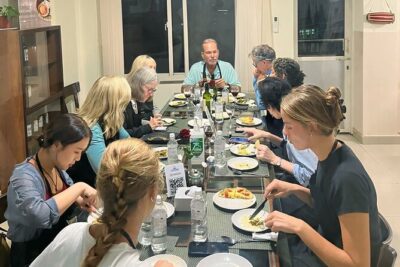
The final tasting is more than a snack break. You sit down to try the food you prepared, which lets you judge the results of the techniques you just learned. Did the momo dough become thin enough? Did the lentils reach the right texture? Did the spices support the dish without taking over?
That connection between work and meal is where the $11 price becomes especially strong. You get instruction, a market visit, access to equipment, tea, and food for a price that is lower than many organized food activities. The value is best for someone who wants participation, not a polished restaurant service.
You should not book this expecting a long, leisurely feast or a private chef’s table. The experience lasts two to three hours, and the group format keeps it social and practical. Still, for a modest cost, it gives you a meal, a lesson, and some useful food knowledge in one short block of your Kathmandu schedule.
Why the women-led format matters
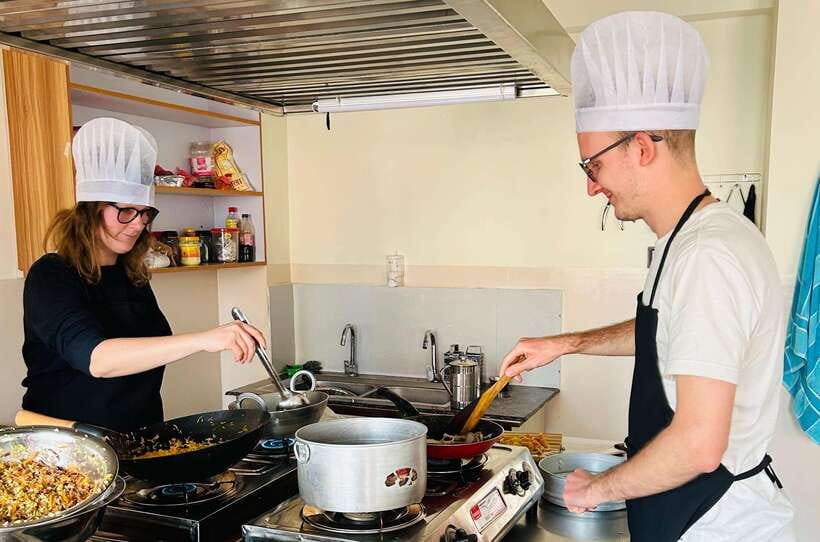
The experience is presented as women-led, which gives it a clear community and cultural angle. You are learning from local women chefs rather than receiving a generic cooking demonstration designed for tourists.
The supplied details do not name the instructors, so you should not expect to choose a specific chef. What is clear is that an experienced local chef leads the class and answers questions about ingredients, preparation, and Nepali cooking methods.
That local instruction is particularly helpful with foods that may look simple but require feel and timing. Rice flour dough, lentil batter, spice mixtures, noodle broth, and dumpling folds all behave differently. A local chef can explain not just what to do, but how the food should look and feel as it changes.
The cultural side also gives the class more weight. Bara and chatamari introduce Newari traditions. Thukpa reflects Tibetan-Nepali food connections. Dal bhat shows the everyday meal structure that has become one of Nepal’s best-known dishes. Yomari adds a Kathmandu specialty that many people would not discover by ordering familiar restaurant food.
Small-group size, timing, and practical fit
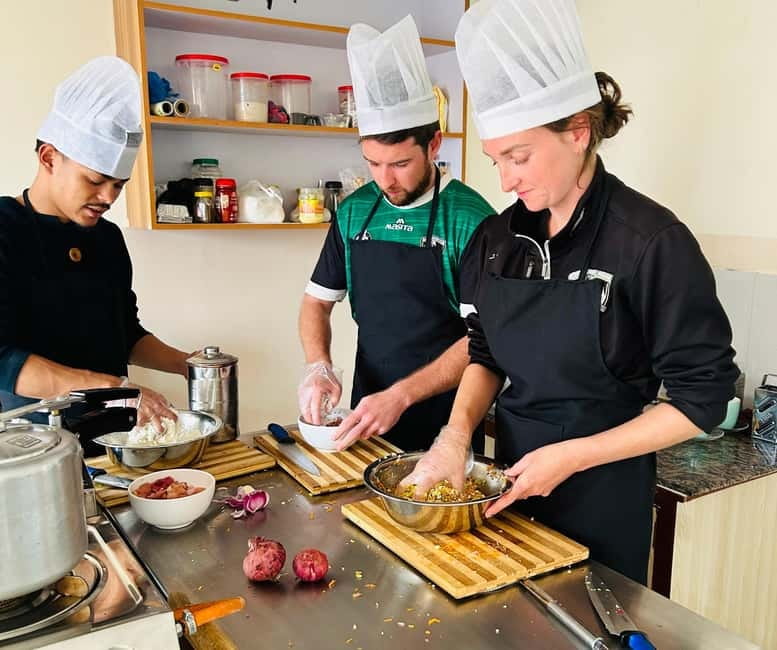
The class is limited to eight participants. That is small enough to keep the kitchen involved, though it is not a private class. You may work alongside people with very different cooking experience.
The advertised duration is two to three hours. I would reserve a morning or afternoon block rather than placing it between two fixed activities. The cooking itself may take more or less time depending on the chosen menu and the group’s pace.
The class is suitable for people aged eight and above. It can work well for families, couples, solo visitors, and friends who want an indoor activity in Kathmandu. Children should be interested in cooking, since the value comes from taking part rather than simply eating.
Vegetarian and meat options are available. The meat dishes may use chicken, buff, or pork, depending on the selected recipe. If you have dietary restrictions beyond choosing vegetarian food, ask before booking because the supplied information does not list specific allergy accommodations.
The meeting point is accessible from Thamel and other parts of the Kathmandu Valley. Transportation is not listed as part of the experience, so you should plan your own way to the workshop.
You can cancel up to 24 hours in advance for a full refund, and the reserve-now, pay-later option gives you some flexibility. Starting times depend on availability. Specialty drinks and alcohol are not included, and professional photographs or video cost extra.
Who should book this Kathmandu cooking class?
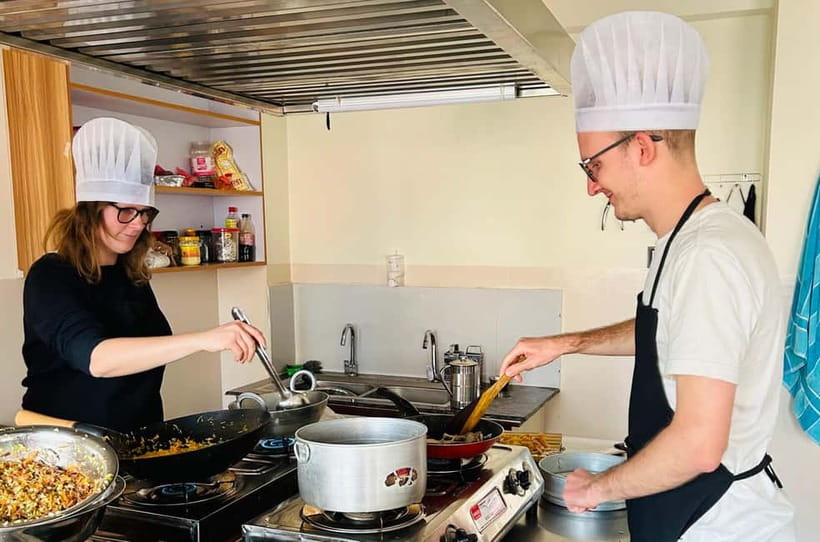
I would recommend it most strongly to you if you want to understand Nepali food by making it yourself. It is also a smart choice for a short stay, since two to three hours gives you a useful cultural activity without taking an entire day.
Pick the momo menu if dumplings are your priority. Pick the first menu if you want the clearest introduction to dal bhat, bara, and Newari sweets. Pick the thukpa menu if noodles, soup, and Tibetan-Nepali food appeal more to you.
The class is less suitable if you dislike group activities, want a completely private lesson, or expect a perfectly calm experience with no repeated practice. Momo folding may test your patience, and the chef’s teaching style may not feel equally relaxed for everyone.
Should you book it?
For $11, this is an unusually good-value way to spend a few hours in Kathmandu. You shop for ingredients, learn several local dishes, cook with an English-speaking chef, drink masala tea, and eat the meal you helped make.
I would book it if you care about local food and want more than a restaurant meal. Choose your menu carefully, arrive ready to practice, and remember that imperfect momo are still edible momo. If you need privacy, highly polished service, or a strict food-allergy plan, confirm those points before paying.
FAQ
How much does the Kathmandu cooking class cost?
The class costs $11 per person.
How long does the cooking experience last?
The activity lasts about two to three hours.
Where does the class meet?
The workshop location is easy to reach from Thamel and other parts of the Kathmandu Valley. The exact meeting point should be checked when you book.
Is a market visit included?
Yes. The experience includes a market or shop visit to buy vegetables, spices, meat, and other important ingredients.
What dishes can I learn to cook?
The three menu sets include bara, dal bhat, yomari, chatamari, momo, kheer, aloo chop, thukpa, and carrot halwa.
Are vegetarian and meat dishes available?
Yes. Vegetarian and meat options are available. Momo may be prepared with chicken, buff, pork, or vegetables.
Is masala tea included?
Yes. Nepali masala tea is included during the cooking lesson.
Is the class suitable for children?
Yes. The workshop is suitable for people aged eight and above who are interested in learning to cook new dishes.
What happens if I need to cancel?
You can cancel up to 24 hours in advance for a full refund. You can also reserve now and pay later, subject to the booking terms.
Newest classes around Kathmandu
- Kathmandu: 3-Hours of Cooking Class with Meals★ 5.0 · 10 reviews
- Local Women Led Nepali Cooking Class★ 5.0 · 6 reviews
- Kathmandu: Nepali Cooking Class with Hotel Pickup★ 4.1 · 5 reviews
- Kathmandu: Local Women-Lead Nepali Cooking & Momo Class★ 4.9 · 45 reviews
- Cook with Lisha: Nepali and Newari Cooking Class★ 5.0 · 2 reviews
- Kathmandu: Local Lead Nepali Cooking & Momo Making Class★ 4.9 · 40 reviews
- Kathmandu: About 3-hour Cooking Class Experience near Thamel★ 5.0 · 3 reviews
- Kathmandu: Cooking Class in Nepal★ 5.0 · 2 reviews
Kathmandu Cooking Classes, compared.
Half Day Cooking Class in Thamel with Local Market Visit
Read our review →Browse the lists this tour appears in