
Review · KATHMANDU COOKING CLASSES
Kathmandu: Local Lead Nepali Cooking & Momo Making Class
Kathmandu’s best food lesson starts before you reach the stove. You walk to a local market or shop, choose fresh ingredients with your chef, then return to the Kathmandu Cooking Academy to turn them into momo, dal bhat, and other Nepali dishes. It is a useful way to understand what you are eating in Nepal, not just order another plate of it.
I like the small groups of up to 10, which give you a fair chance to practice instead of watching from the back. I also like the choice of dishes: momo and dal bhat are central, but you may prepare options such as bara or yomari. The main consideration is timing. Shopping, cooking, and eating can take about three to four hours, so this is a full activity rather than a quick evening stop.
Key points at a glance
- Start with a market visit: Choose or inspect fresh ingredients before class, with the chef explaining what you are buying.
- Learn the two Nepali staples: Momo and dal bhat form the main focus, with other traditional choices available.
- Practice the tricky parts: Folding momo wrappers takes patience, and the chef gives you time to get the shape right.
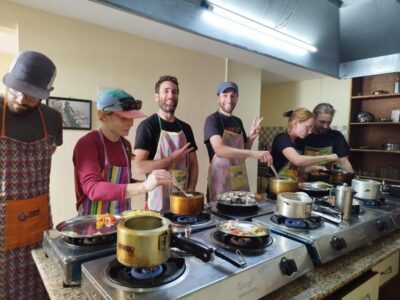
- Cook in a clean academy kitchen: The school provides cooking equipment and a dining space for the final meal.
- Eat what you prepare: The class includes a tasting session, dessert, and Nepali masala tea.
- Keep transport flexible: Walk from Thamel in about 10 to 15 minutes, or select hotel pickup and drop-off within Kathmandu Valley.
A Kathmandu food lesson that begins at the market
The class gives you a practical look at Nepali food from ingredient to finished plate. Instead of arriving to find every item already measured, you visit a nearby market or shop with your instructor. That small step matters. You see the raw materials, learn what goes into familiar dishes, and get a better sense of how Nepali meals are built.
The market portion is short, but it adds purpose to the cooking. You are not simply following a recipe in an isolated kitchen. You are learning why a dish uses certain vegetables, spices, lentils, or dough, then carrying those ingredients back to the academy.
Expect an English-speaking instructor throughout. The teaching team has included Vikram, praised for patient, clear instruction, and Niche, described as funny, energetic, and easy to follow. The exact teacher depends on the date, but the class is designed around direct help rather than a formal demonstration from across the room.
Arrive at least 15 minutes early. The meeting point is Kathmandu Cooking Academy, within walking distance of Thamel. The walk takes about 10 to 15 minutes, though Kathmandu streets can make a short distance feel less direct. If you select the pickup option, provide your hotel details in advance. Pickup is available from locations within Kathmandu Valley.
More Cooking Classes in Kathmandu:
- Half day cooking class in Thamel kathmandu
★ 5.0 · 607 reviews - Kathmandu: Local Women-Led Nepali Cooking & Momo Class
★ 4.9 · 360 reviews - Kathmandu: Local Lead Nepali Cooking & Momo-Making Class
★ 5.0 · 212 reviews
Momo folding is the hands-on highlight
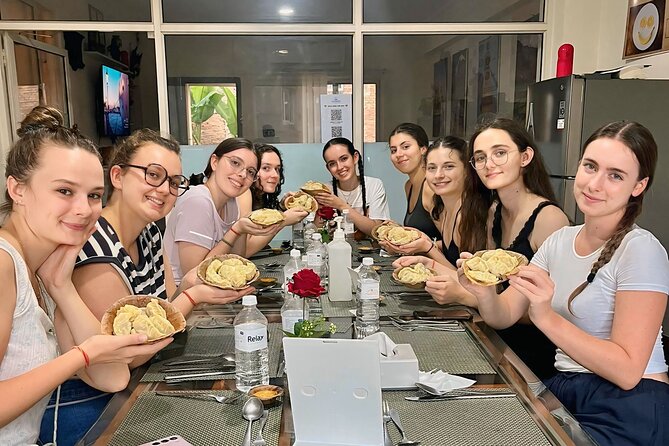
Momo is the obvious star here. These Nepali dumplings look simple until you try to fold them. The dough has to be rolled properly, the filling needs the right amount, and the final pleats need to hold together during cooking.
You get to practice that process yourself. The chef demonstrates the method, then corrects your technique as you work. If your first momo looks more like a small parcel than a neat dumpling, that is part of the lesson. One instructor may produce a perfect fold in seconds, while you work through each pinch at a more reasonable pace.
The class focuses on useful steps you can repeat at home. You learn how to prepare the filling, handle the wrappers, fold the dumplings, and cook them. The point is not just to eat a good momo at the academy. You should leave with enough understanding to try the dish again.
The teaching pace is another strength. The class is limited to 10 people, and the instructors adjust how much they do themselves based on how much help you want. You can ask for close guidance or take more control of the cooking. That makes the class suitable for beginners, but it still gives confident home cooks room to work.
Dal bhat gives the class its everyday Nepali side
Momo may be the dish you think about first, but dal bhat gives you a better feel for daily Nepali cooking. The meal typically combines lentils with rice and accompanying dishes, creating the familiar combination found across Nepal.
Making dal bhat also shows you that Nepali food is not only about dumplings and snacks. You learn how several simple elements come together into a filling meal. The cooking process provides a useful contrast with momo: one dish depends on careful handwork, while the other teaches you how to build flavor across a complete plate.
The class centers on these two main dishes, but the menu is not locked. Depending on the group’s decision, you may choose additional traditional foods. Past class combinations have included bara, a lentil-based savory dish, and yomari, a sweet steamed dumpling. You may prepare two main courses, a dessert, and possibly other selections from the available menu.
Tell the academy about dietary restrictions or food preferences before the class. The information provided says the menu can be tailored, but you should not wait until the cooking begins to raise an important concern.
Three hours of cooking, tasting, and shared work
The full experience lasts roughly three hours, though the stated duration is three to four hours. That includes the market or shop visit, food preparation, cooking, and the final meal.
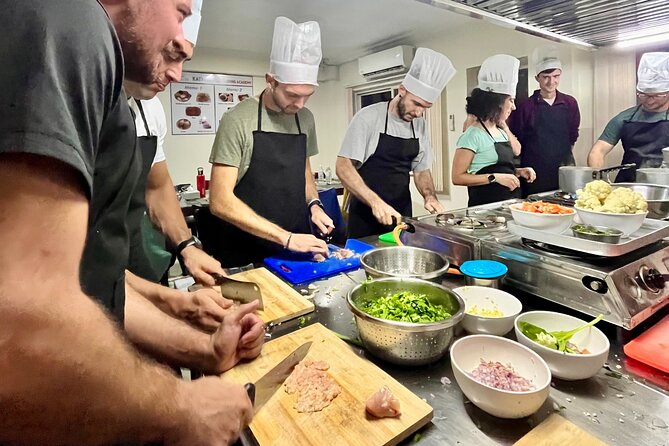
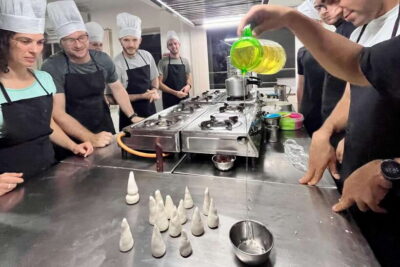
The timetable is not a rushed assembly line. You spend time chopping, mixing, shaping, and cooking, with the instructor explaining each stage. The pace suits people who want to learn rather than simply take a few photos and move on.
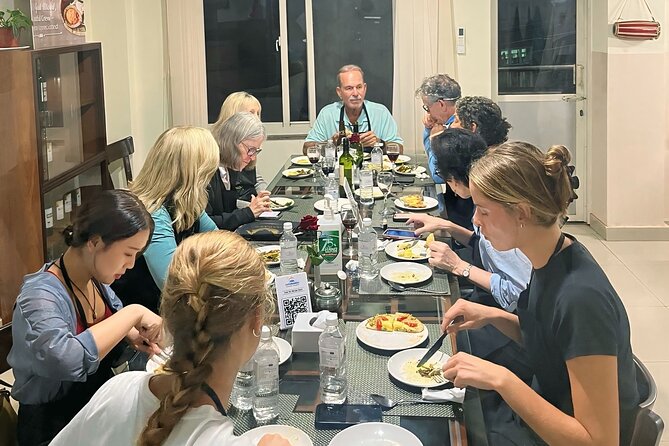
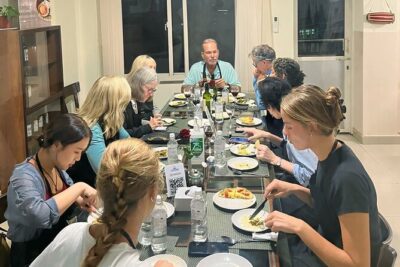
Once the dishes are ready, you sit down in the academy’s dining area and eat what you made. This is one of the most satisfying parts of the class. You can see exactly how the early market visit connects to the final meal, and you can compare your finished food with the techniques shown by the chef.
The academy has been described as clean and well equipped, with professional cooking tools available for the class. That matters if you are hoping to remember the method. A cramped or poorly supplied kitchen can turn a cooking lesson into a scramble. Here, the setting is intended for both preparation and dining.
Nepali masala tea is included. It gives the meal a pleasant local finish without requiring you to purchase a specialty drink. Alcoholic and other specialty drinks are not included, so budget separately if you want them.
Same region, a different dish to learn:
- Local Women Lead Nepali Cooking Class
★ 5.0 · 125 reviews - Kathmandu: Local Women-Lead Nepali Cooking & Momo Class
★ 4.9 · 45 reviews - Kathmandu: Women-Led Cooking Class & Momo Making-Local Taste
★ 4.8 · 15 reviews - Kathmandu: 3-Hours of Cooking Class with Meals
★ 5.0 · 10 reviews
Why the small group makes a difference
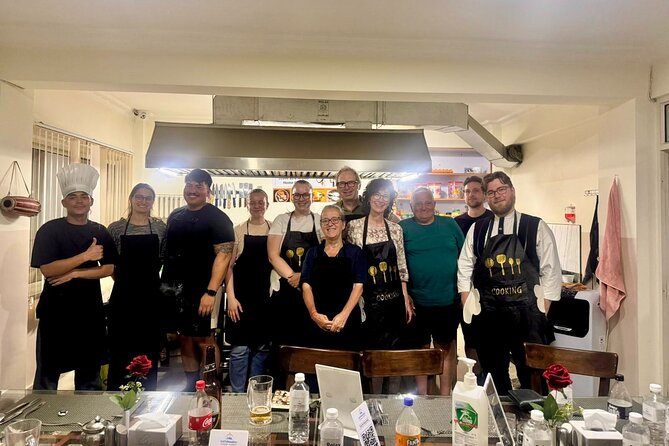
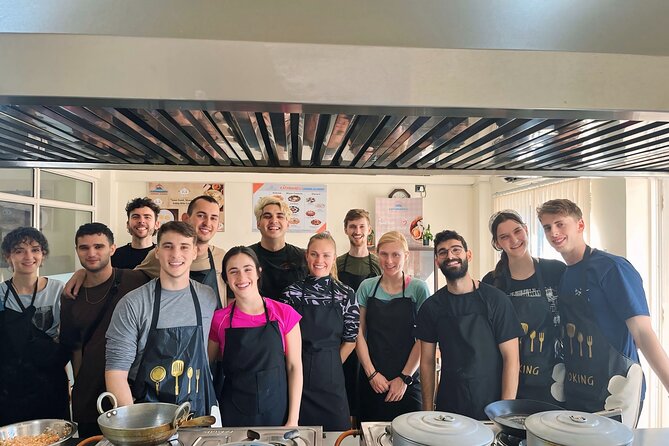
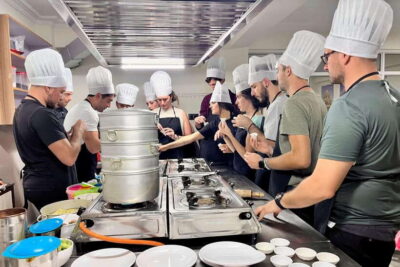
A maximum of 10 participants is a sensible size for this kind of class. Cooking lessons lose much of their value when one person handles the food while everyone else watches. Here, the format gives you a better chance to touch the ingredients and use the equipment.
The group size can still affect your experience. A full class may mean you share some preparation tasks, and the group chooses from the available menu. If you have your heart set on a particular dish, ask about the options when you arrive.
The class may require at least two participants to operate. If that minimum is not reached, you are offered another date or a full refund. Solo visitors should keep this in mind when building a tight Kathmandu schedule.
The age limits also matter. The activity is not suitable for children under five or people over 95. It is wheelchair accessible, but you should confirm the practical details of your route and pickup arrangements when booking.
What the $4 price really offers
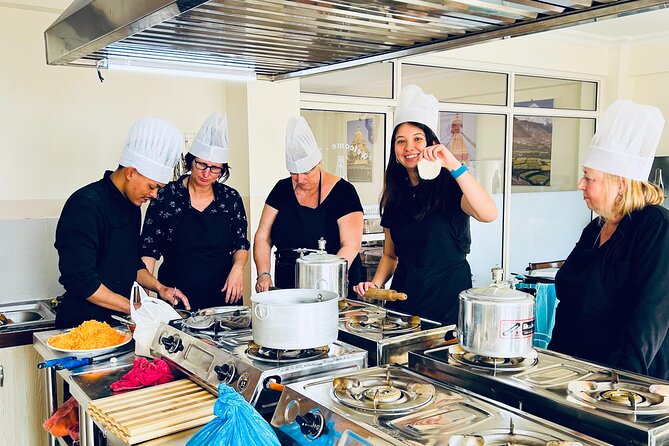
At a listed price of $4 per person, this is unusually inexpensive for a three-hour activity that includes ingredients, instruction, equipment, a cooked meal, and masala tea. Even allowing for the possibility that the price may vary by option or date, the value is strong if the session runs as described.
The real benefit is not simply the amount of food. You are paying for a skill you can take home. A restaurant meal ends when the plate is cleared. A cooking class gives you a recipe, practice with technique, and a better idea of how to recreate the meal for friends or family.
Pickup and drop-off are optional rather than part of every booking. That keeps the base price low, but it means you should check which option you are selecting. If you are staying near Thamel, walking to the academy is easy enough for many visitors. If you are staying farther away within Kathmandu Valley, paid or included transport may be worth considering for convenience.
Professional photos and videos cost extra. Bring your own camera if you want pictures, but keep it out of the way when handling food and hot equipment.
What you will learn beyond the recipe
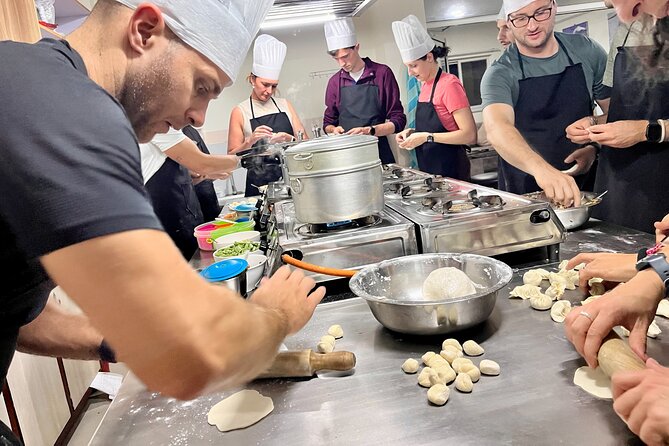
A good cooking class teaches more than ingredients and cooking times. It gives you a way to read a food culture.
At the market, you see the connection between local shopping and the dishes served at home. During preparation, you learn which steps demand care and which allow flexibility. At the table, you understand how the food works as a meal rather than as a list of separate recipes.
You also learn small practical skills. Momo folding is the clearest example, but the wider lesson is how to work with dough, fillings, lentils, vegetables, and spices in a Nepali style. The class can be especially useful if you have been eating dal bhat and momo throughout your stay and want to understand what is behind the familiar flavors.
Several participants have prepared three dishes of their choice, while other sessions have worked from a shared group decision. That variation is useful to know. The class has some flexibility, but the final menu depends on the group and the instructor.
Wear comfortable clothing. You will be actively preparing food for much of the session, so this is not a sit-back-and-watch demonstration. Bring a camera if you want one, but the most important thing to bring is an appetite. One sensible tip is to avoid arriving after a large meal, since the prepared food is plentiful.
Who should book this Kathmandu class
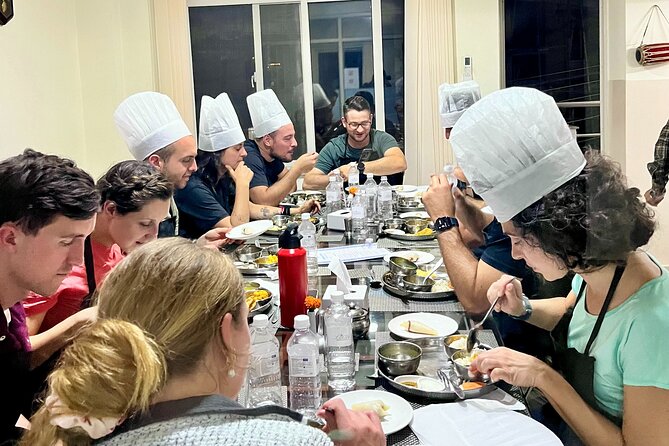
I would choose this experience if you enjoy food, want a structured activity near Thamel, or like bringing home a practical memory rather than another souvenir. It works well for couples, friends, solo visitors who are comfortable joining a small group, and anyone who has already fallen for Nepali dumplings.
It is also a good rainy-day plan. Much of the experience takes place indoors, while the market visit adds a brief outdoor element. The three-hour format gives you a substantial activity without taking an entire day away from Kathmandu.
You may want to skip it if you dislike group cooking, have very limited time, or prefer eating without participating. It is also less suitable if you need a highly private lesson, since the group can include up to 10 people and the menu may be decided collectively.
The class is taught in English. If you need a different language, this experience may not fit. Dietary needs can be discussed in advance, but you should provide those details before booking.
Practical details before you reserve
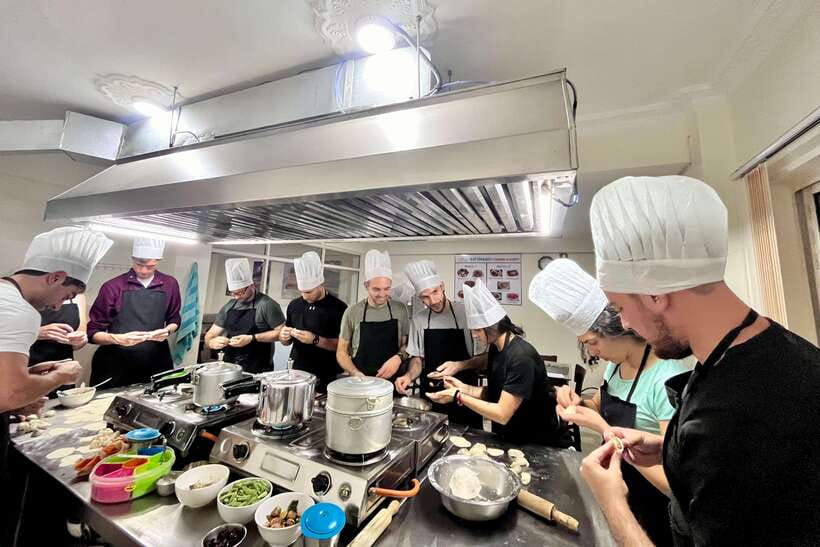
You can meet at Kathmandu Cooking Academy, or choose hotel pickup and drop-off from within Kathmandu Valley. The academy is easy to reach on foot from Thamel, about 10 to 15 minutes away.
Allow three to four hours from start to finish. Arrive 15 minutes before the stated start time, especially if you are meeting at the academy. The available starting times vary, so check the schedule before committing it to a busy sightseeing day.
The activity has free cancellation up to 24 hours before the start time. A reserve-now, pay-later option is also available, which helps if your Kathmandu plans may shift.
Cancellation, transport, and menu details are worth checking during booking because the base activity and pickup option are separate choices. Also confirm the minimum participant rule if you are booking alone.
Should you book it?
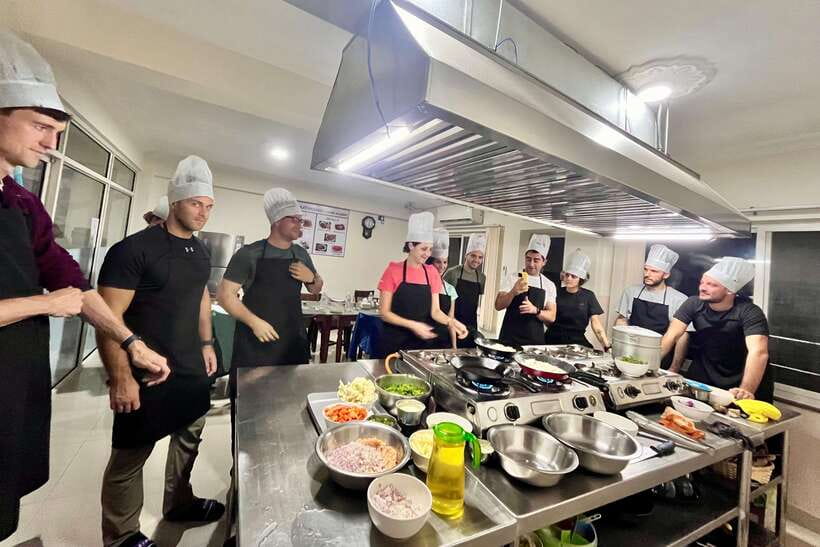
Book this class if you want to make momo instead of only ordering it, and if you have enough time for the market, cooking, and meal. The best reasons to go are the personal instruction, the chance to choose additional Nepali dishes, and the unusually low listed price.
The main trade-off is that the experience takes several hours and has some group-decision elements. Still, for a food-loving visitor, the combination of market visit, hands-on cooking, clean kitchen, shared meal, and masala tea offers excellent value. You should leave with full plates, a better understanding of Nepali food, and a fair chance of making respectable momo at home.
FAQ
Where does the cooking class meet?
The meeting point is Kathmandu Cooking Academy in Kathmandu. It is about a 10 to 15 minute walk from Thamel.
Is hotel pickup available?
Yes. Optional pickup and drop-off are available from locations within Kathmandu Valley. You need to provide your hotel or address details when booking.
How long does the experience last?
The activity lasts approximately three hours, with the stated duration listed as three to four hours. This includes the market or shop visit, cooking, and tasting session.
What dishes will I make?
Momo and dal bhat are the main focus. You may also choose other traditional Nepali dishes, depending on the available menu and the group’s decision. Options have included bara and yomari.
Is the class taught in English?
Yes. The instructor language is English.
What is included in the price?
The class includes step-by-step instruction, a market or shop visit for ingredients, cooking equipment, tasting of the prepared food, and complimentary Nepali masala tea. Specialty and alcoholic drinks, along with professional photos and videos, cost extra.
Newest classes around Kathmandu
- Kathmandu: 3-Hours of Cooking Class with Meals★ 5.0 · 10 reviews
- Local Women Led Nepali Cooking Class★ 5.0 · 6 reviews
- Kathmandu: Women-Led Cooking Class & Momo Making-Local Taste★ 4.8 · 15 reviews
- Kathmandu: Nepali Cooking Class with Hotel Pickup★ 4.1 · 5 reviews
- Kathmandu: Local Women-Lead Nepali Cooking & Momo Class★ 4.9 · 45 reviews
- Cook with Lisha: Nepali and Newari Cooking Class★ 5.0 · 2 reviews
- Kathmandu: About 3-hour Cooking Class Experience near Thamel★ 5.0 · 3 reviews
- Kathmandu: Cooking Class in Nepal★ 5.0 · 2 reviews
Kathmandu Cooking Classes, compared.
Women-Led Cooking Class & Momo Making-Local Taste
Read our review →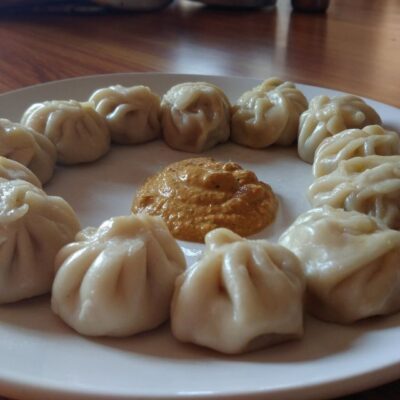
Half Day Cooking Class in Thamel with Local Market Visit
Read our review →Browse the lists this tour appears in