
Review · MARRAKECH COOKING CLASSES
Marrakech: Traditional Moroccan Crepes & Bread Cooking Class
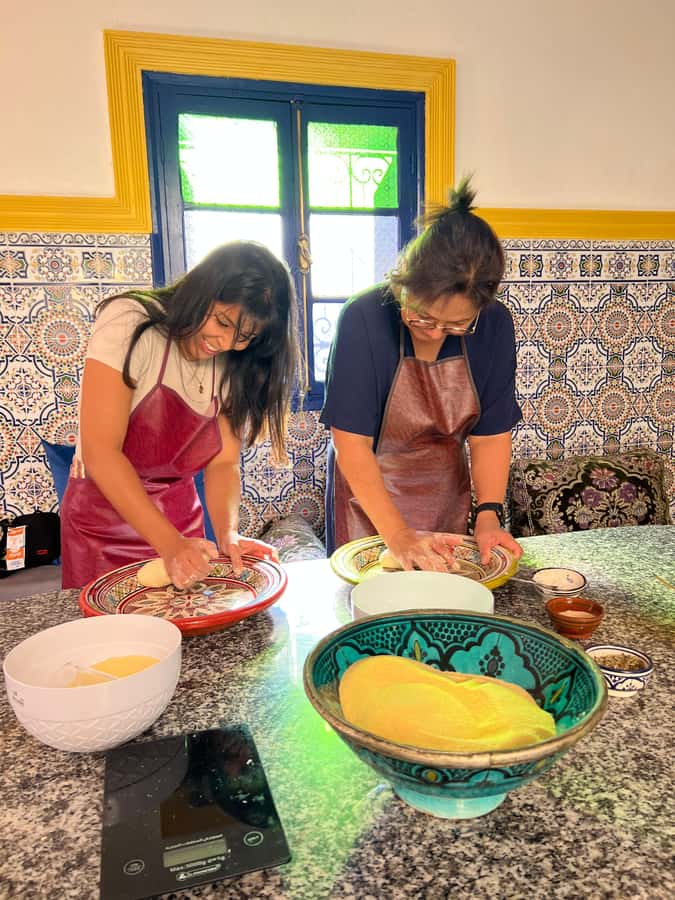
Moroccan bread is not just something placed beside a meal. Here, you learn three very different breads from start to finish: msemen, the layered pan-fried crepe; harcha, a crumbly semolina pancake; and batbout, a soft pocket bread. The class ends with mint tea and a table full of your work.
I like the small-group format, limited to 10, and the fact that every ingredient, utensil, apron, and recipe is supplied. I also like the location near Bab Doukkala, where reaching the workshop takes you through a local food market rather than a tourist-only route. The main caution is communication: most instruction is practical and visual, and one class had limited English support.
Key points
- Three breads in two hours: Make msemen, harcha, and batbout using different dough and cooking methods.
- Hands-on instruction: You mix, shape, cook, and taste the food instead of watching a chef do all the work.
- Mint-tea ritual included: Prepare and pour traditional Moroccan mint tea to serve with the breads.
- Small groups help: With no more than 10 participants, it is easier to ask for help and see each demonstration.
- Useful take-home value: Electronic recipes are included, and leftover bread may be packed to take away.
- Easy to pair with sightseeing: The workshop is at 44 Der Hajra, near Bab Doukkala, in Marrakech.
Three Moroccan breads, three different techniques
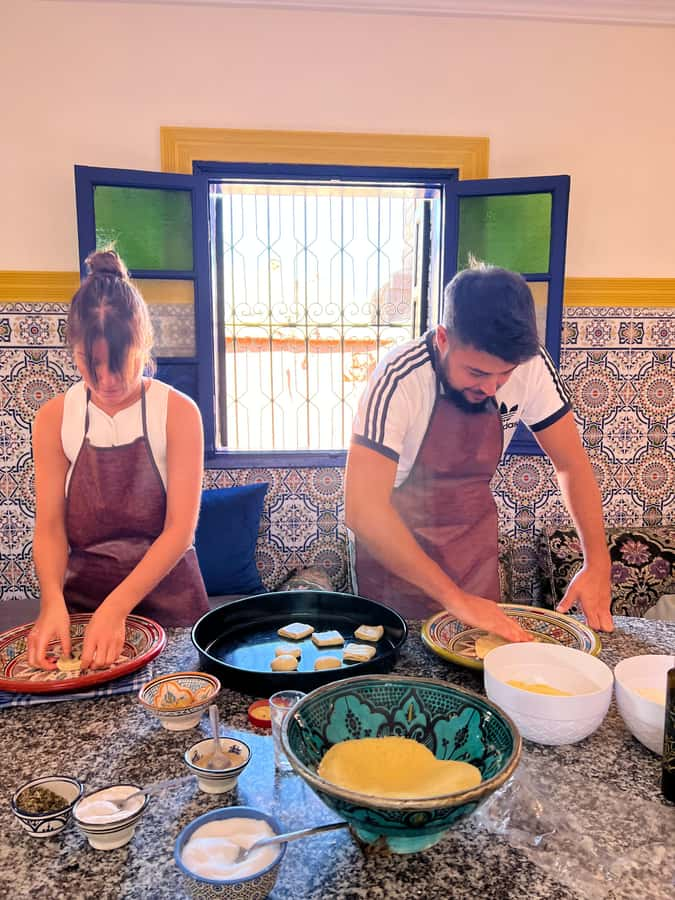
This class works because the breads are not simply three versions of the same recipe. Each one teaches you a different part of Moroccan baking.
Msemen is the most theatrical. The dough is stretched thin, folded into layers, and cooked on a pan until it becomes crisp and flaky outside. If you have eaten square Moroccan crepes at breakfast, this is likely the bread you remember. The lesson gives you a chance to understand why the texture is so different from an ordinary pancake.
Harcha is a semolina-based galette or pancake. It has a more crumbly texture and a gentle grain flavor. The method is simpler than msemen, but the mixture still needs the right handling. Making it beside the other breads helps you see how Moroccan cooks use basic ingredients to create very different results.
Batbout is a soft Moroccan flatbread, often described as a pita-style bread. It is cooked differently again, and the finished bread is more tender and bread-like than the layered msemen. Together, the three recipes give you a useful introduction to Moroccan dough rather than one narrow demonstration.
The class is designed as a working session. You receive an apron and the required ingredients and utensils, then follow the host through mixing, shaping, cooking, and serving. You are not left to guess what to do, but you also are not reduced to sprinkling flour on a finished product.
More Baking Classes in Marrakesh:
- Lisbon: Pastel de Nata Baking Class
★ 4.9 · 2,106 reviews - Paris Croissant Small-Group Baking Class with a Chef
★ 5.0 · 910 reviews - Paris: French Croissant Baking Class with a Chef
★ 4.9 · 712 reviews
What the two-hour class feels like
The experience begins at the workshop at 44 Der Hajra, near Bab Doukkala. Directions are important in Marrakech, and the organizer has sent WhatsApp instructions to make the meeting point easier to find. Give yourself enough time to reach the address, especially if you are coming from another part of the medina.
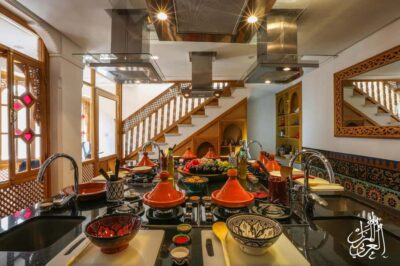
Once inside, you are welcomed into a traditional Moroccan home or workshop setting. The class has a warm, domestic feel rather than the polish of a large culinary school. That is part of its appeal, though it also means the pace and communication can feel more informal.
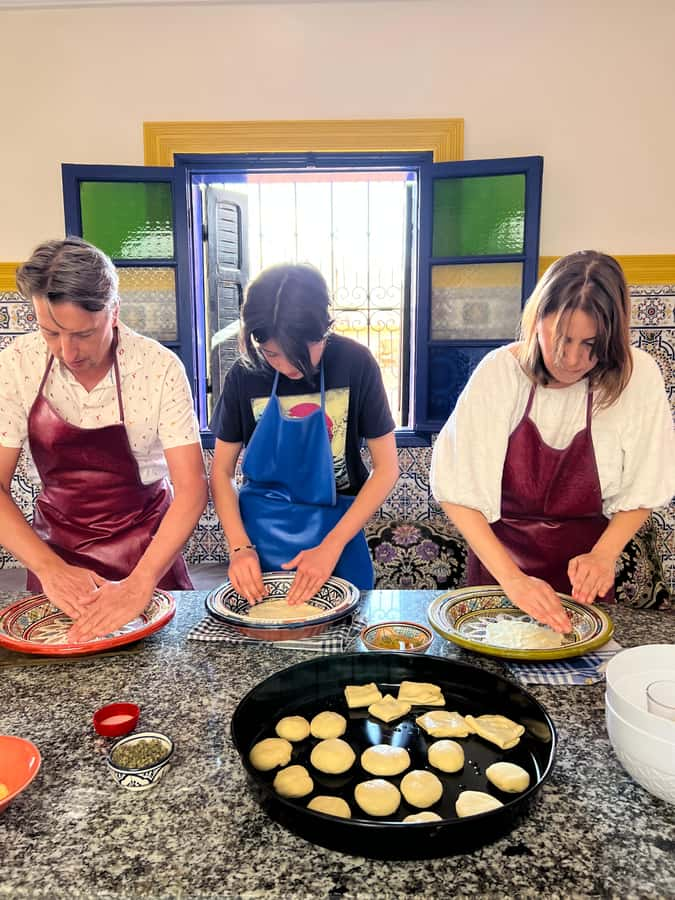
The instructor demonstrates each technique, and you copy the movements with your own dough. The teaching languages are Arabic, French, and English. Some sessions have included Fatima or Jamila, and the strongest part of the teaching is the physical demonstration: hands show how to fold, stretch, shape, and cook.
You should expect to get involved. Flour, dough, oil, pans, and heat are part of the work, so comfortable clothes are a sensible choice. Bring water, too. The class supplies the food and equipment, but not your personal drinks or other expenses.
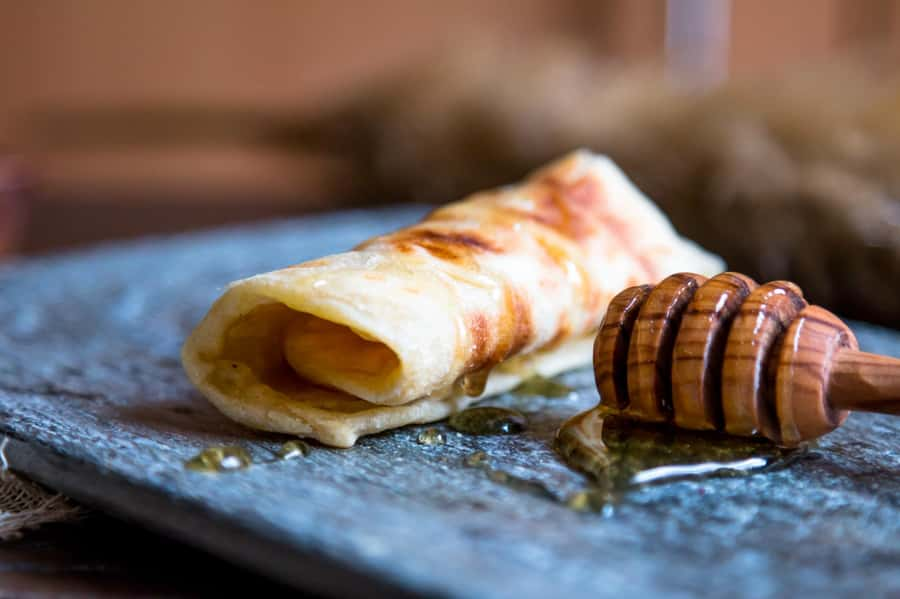
At the end, everything is cooked, cooled, and placed on the table. You taste the breads with traditional accompaniments such as olives, jam, honey, or similar simple pairings. Some groups have had more bread than they could eat, and boxes were provided for leftovers. That can be useful if you want a snack for later, though one participant found the quantity more than needed.
Learning the mint-tea ritual
The mint tea portion is more than a drink added to the meal. It gives the class a second small lesson in Moroccan hospitality.
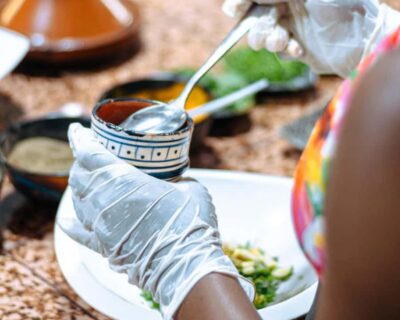
After the dough is prepared and the breads are cooking, you help prepare the tea. The host explains the process and shows how it is poured. Tea is served with the finished baking, so you can taste the breads in the way they are commonly enjoyed at home.
This is a good pause after the hands-on work. You move from mixing and cooking to sitting down, eating, and talking about your time in Morocco. The tea ritual also gives the class a social finish rather than ending as soon as the last bread leaves the pan.
If you are hoping for a detailed lecture on tea history, this is not that. The focus is practical preparation and tasting. You learn enough to repeat the ritual at home, and the setting makes the lesson feel connected to everyday Moroccan life.
Why the small group matters
The group limit is 10 people, and some sessions have been smaller, with only two or three participants. That makes a real difference in a cooking class.
With fewer people around the work surface, you can see how the dough is handled and ask for help before a small mistake becomes a large one. The instructor can watch your technique, particularly when you stretch msemen or shape batbout. One session had nine participants, which still allowed easy questions and individual help.
Small groups also make the meal at the end more pleasant. You sit together, compare results, and talk about Morocco while eating. It feels less like a timed demonstration and more like cooking with a host.
The tradeoff is that a small informal class may rely on gestures and demonstrations more than polished multilingual instruction. One participant found that the person demonstrating spoke no English, which made questions difficult. A translator helped in another session. If exact verbal explanations matter to you, ask about language support when booking.
Still, the recipes are practical, and the techniques are shown directly. The language gap is less serious for a task you can watch and copy than it would be for a history lecture or a complex cooking theory class.
More Moroccan Classes in Marrakesh:
- Marrakech: Moroccan Cooking Class with Pickup
★ 4.6 · 1,862 reviews - Marrakech: Traditional Moroccan Cooking Class & Market Visit
★ 4.8 · 1,861 reviews - Marrakesh: Moroccan Dishes Cooking Class with a Local Chef
★ 5.0 · 1,615 reviews - Marrakech: Moroccan Cooking Class with a Local Family
★ 4.9 · 668 reviews
The food-market walk to Bab Doukkala
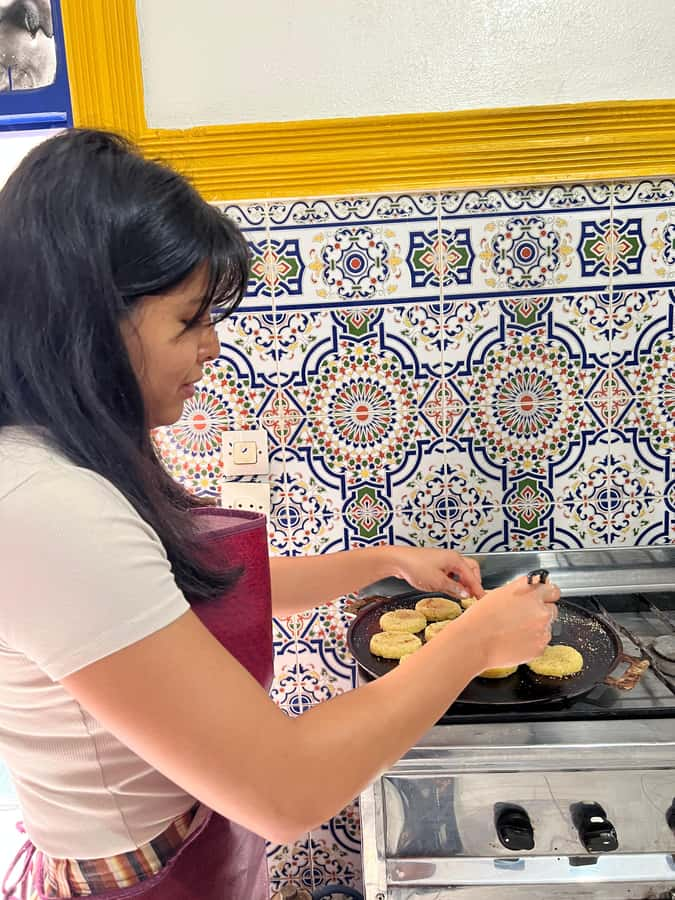
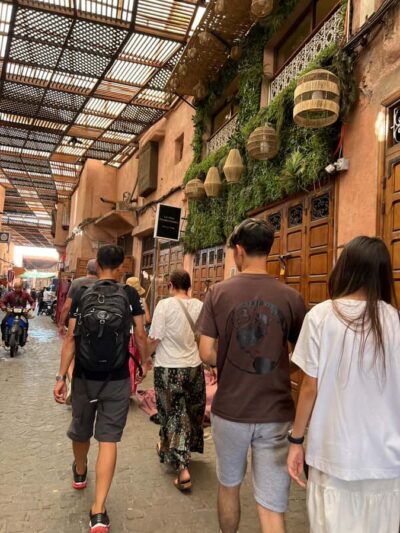
The workshop is in the Bab Doukkala area, at 44 Der Hajra. The route can take you through food markets used more by local residents than by sightseers. That walk is part of the character of the experience, even though it is not a formal stop on the class.
You might see ingredients and daily shopping activity on the way to the workshop, then work with some of the same food traditions once inside. It gives the class a useful connection to Marrakech beyond the main sightseeing circuit.
Do not treat the meeting point as a hotel pickup. Transportation is not included, and you must make your own way there. The WhatsApp directions are helpful, but you should still allow time to locate the address. A map pin or clear phone connection will make the arrival easier.
Is $37 good value?
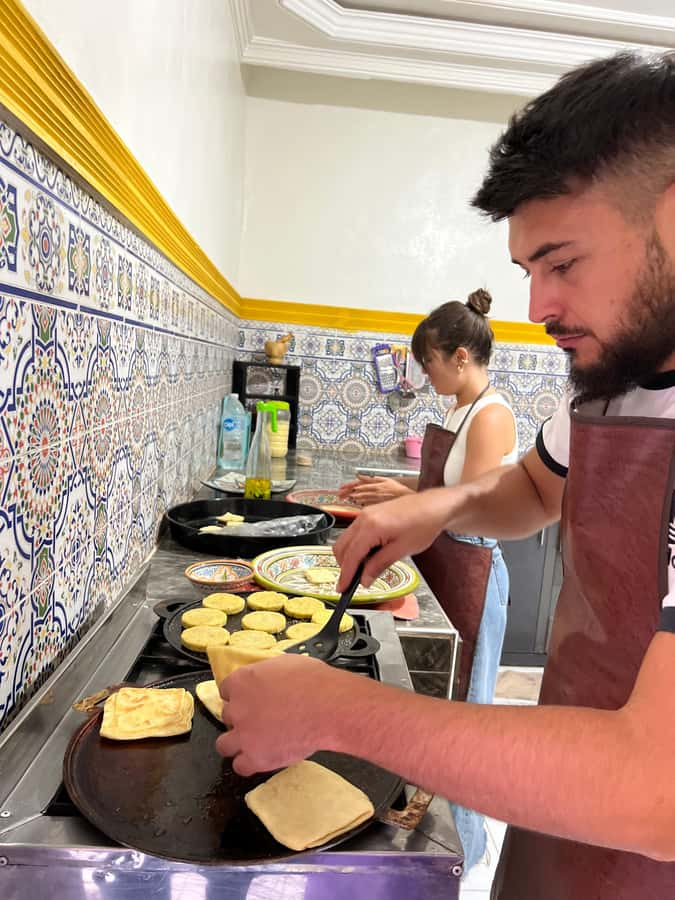
At $37 per person, the price is fair for a two-hour, hands-on class in central Marrakech. You are paying for instruction, ingredients, an apron, utensils, tasting, mint tea, and electronic recipes. That is more useful than paying the same amount for a cooking demonstration where you simply watch.
The value improves if you want to recreate the food at home. Msemen can seem mysterious when you only see it on a breakfast plate. Learning how the dough is folded and cooked gives you a method you can repeat. The recipes are sent electronically afterward, although one participant had to follow up because the recipes had not arrived promptly.
The tasting is also substantial. You make three different breads, then eat them with tea and accompaniments. If your group is small, you may have leftovers to take away. That makes the class part lesson, part meal, and part snack for later.
The price does not include transportation or personal expenses. You also need to bring your own water. For a short activity, those are minor costs, but they are worth remembering when comparing the total price of different cooking classes.
What families and couples should know
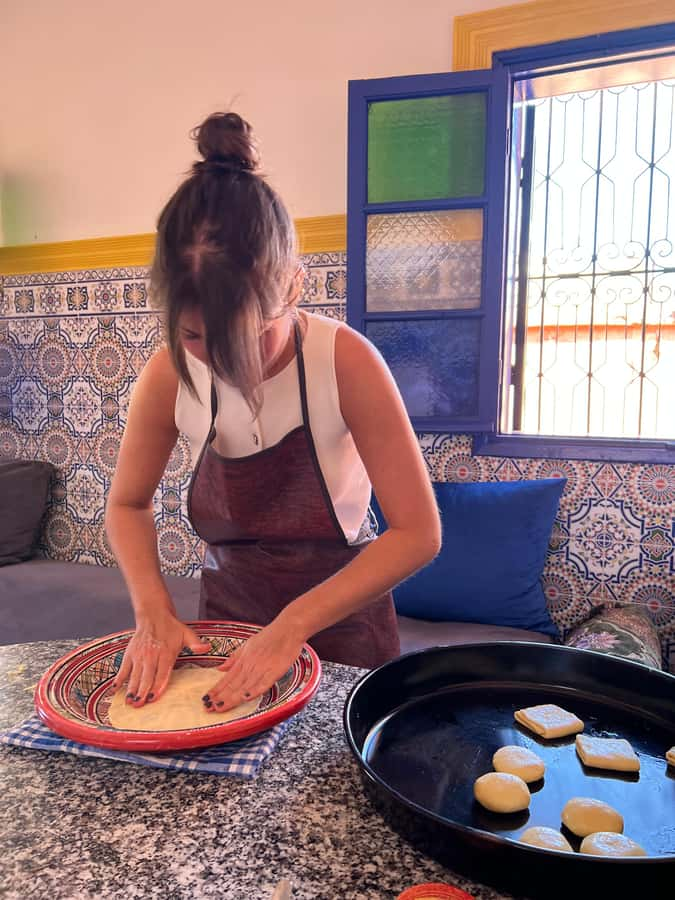
The class is suitable for people who enjoy doing rather than watching. Couples, friends, solo visitors, and families with older children can all find something to work on. Children under 4 are not accepted, and the activity requires enough attention to handle dough, utensils, and cooking surfaces.
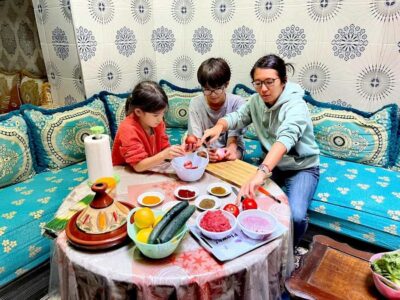
A family of four, including two children, enjoyed working through the recipes together. That said, the class is not presented as a special children’s program. Younger participants will need adult supervision and should be comfortable with a practical kitchen setting.
For couples, the class offers a relaxed break from sightseeing. You work side by side, eat what you make, and leave with recipes rather than another souvenir that sits in a drawer. For solo visitors, the small group creates an easy setting for conversation.
The experience is not suitable for people with food allergies or gluten intolerance. All three breads are wheat-based or made with gluten-containing ingredients, so this is not a class where dietary substitutions are promised.
How this compares with a standard Marrakech food tour
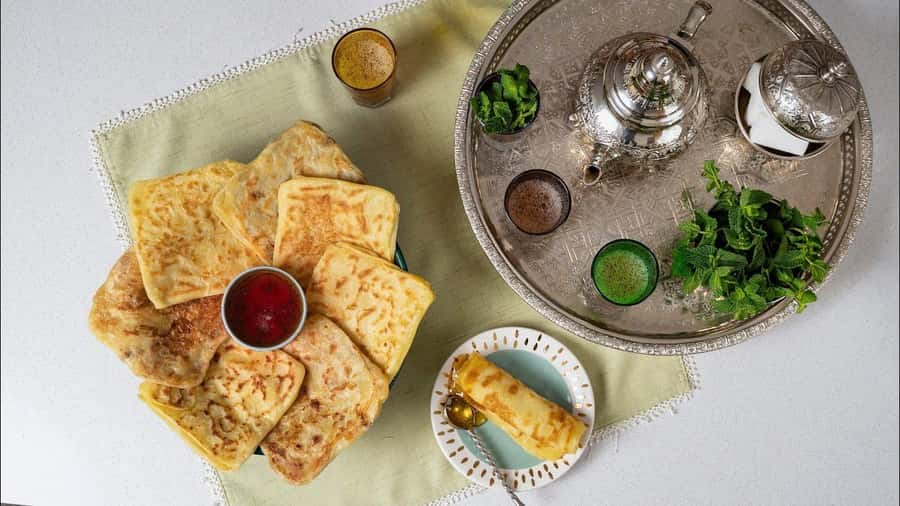
A food tour usually takes you from one stall or café to another. This class keeps you in one workshop and asks you to make the food yourself. That means less variety in the number of dishes, but more understanding of how one important part of Moroccan meals is prepared.
If you already love Moroccan breakfasts, the class has a clear advantage. You can learn to make the msemen you may have eaten at your hotel, then try it with tea and simple accompaniments. One participant specifically enjoyed being able to reproduce the pancakes served during the rest of the trip.
It is also a useful choice if your sightseeing schedule is tight. Two hours is long enough to make and taste the breads without taking up half a day. You do not need a full cooking day to get a practical lesson.
On the other hand, this is not a complete Moroccan cuisine course. You will not make tagine, couscous, or a full savory meal during this session. The provider offers other cooking activities, but this booking is focused on breads, crepes, and tea.
Timing, clothing, and practical preparation
Check the available starting times before booking, since the class lasts two hours and the schedule can vary. A morning session fits naturally with Moroccan breakfast foods, while an afternoon class gives you a pleasant break after visiting the medina.
Wear clothes suitable for baking. Loose sleeves, delicate fabrics, or anything you do not want dusted with flour are poor choices. You will be handling dough and cooking, so comfort matters more than dressing up.
Bring an appetite. The final tasting includes your own msemen, harcha, and batbout, served with mint tea and simple accompaniments. If you do not finish everything, ask about packing leftovers. Boxes have been available for some groups.
The electronic recipes are included. Keep an eye out for them after the class, and follow up if they do not arrive. The recipes are one of the most useful parts of the experience, especially if you want to make the breads once you return home.
Cancellation is flexible: you can cancel up to 24 hours before the activity for a full refund, and the reserve-now, pay-later option lets you hold a place without paying immediately. These terms are useful when your Marrakech schedule is still moving around.
Who should book this bread class?
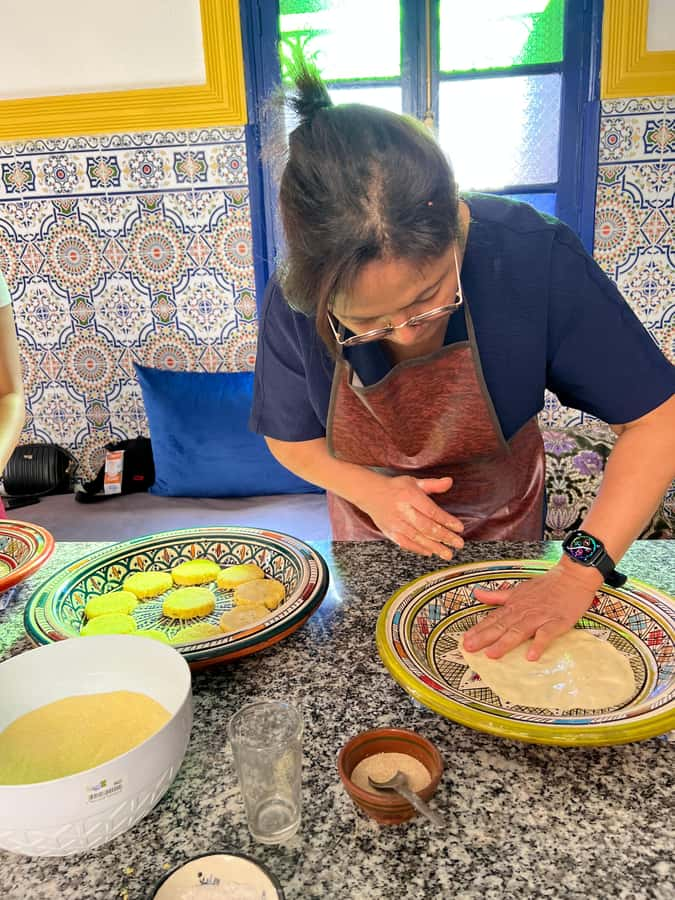
I would choose this class if you want a short, social activity with real participation. It suits anyone curious about Moroccan breakfast food, visitors who enjoy learning through their hands, and people who want recipes they can use at home.
It is especially good for a small group of friends or family members. You can share the work, compare the shapes of your breads, and sit down together at the end. Solo visitors should also find the format welcoming because the group is limited and conversation follows naturally over tea.
I would think twice if you have serious food allergies, gluten intolerance, or a strong need for detailed instruction in English. The class can work across language differences through demonstration, but verbal questions may be harder in some sessions.
Should you book the Marrakech crepes and bread class?
Book it if you want to understand three everyday Moroccan breads rather than simply eat them. For $37, you get a focused two-hour lesson, ingredients and equipment, a shared tea ritual, a generous tasting, and recipes for later.
The best reasons to go are the small groups, the hands-on teaching, and the chance to make msemen, harcha, and batbout in one sitting. The main limits are the lack of transportation, possible language gaps, and the fact that the class is not suitable for gluten intolerance or food allergies.
If those points fit your plans, this is a good-value way to spend two hours in Marrakech. You leave with a full stomach, a better feel for Moroccan hospitality, and the practical skill to make the breads again.
FAQ
How long does the Marrakech bread class last?
The class lasts two hours.
How much does the activity cost?
The listed price is $37 per person.
Where is the workshop located?
The workshop is at 44 Der Hajra, near Bab Doukkala in Marrakech.
Which Moroccan breads will I make?
You will make msemen, harcha, and batbout.
Is Moroccan mint tea included?
Yes. You help prepare and taste traditional Moroccan mint tea with the baked breads.
Are ingredients and cooking equipment provided?
Yes. The activity includes the ingredients, utensils, and an apron.
What languages are available?
Instruction is available in Arabic, French, and English.
How many people can join the class?
It is a small-group activity limited to 10 participants.
Is the class suitable for people with gluten intolerance?
No. The activity is not suitable for people with gluten intolerance or food allergies.
Newest classes around Marrakesh
- Marrakech: 3-Hour Open-Air Moroccan Cooking Course★ 4.9 · 74 reviews
- Moroccan Food Cooking Class with a Local Chef in Marrakech★ 4.7 · 90 reviews
- Moroccan cooking class in Marrakech with berber chef★ 5.0 · 16 reviews
- Edgy 8 Dish Private, Fusion Cooking Class, Menu Plan, Market★ 4.9 · 31 reviews
- Marrakech: Moroccan Cooking Class with Amazing Local Chef!★ 4.9 · 100 reviews
- Marrakech: Moroccan Cooking Class with Local Chef★ 4.6 · 87 reviews
- Marrakesh: Private Cooking Class & Local Market Shopping★ 4.7 · 15 reviews
- Marrakech: Cooking Class and Market Visit★ 4.4 · 5 reviews
Marrakech Cooking Classes, compared.
Traditional Moroccan Cooking Class & Market Visit
Read our review →
Moroccan Dishes Cooking Class with a Local Chef
Read our review →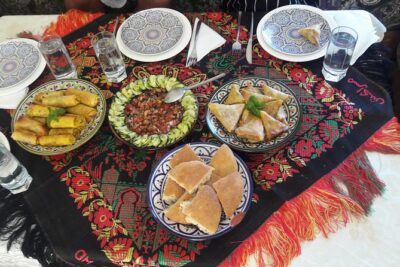
Moroccan Cooking Class & Marrakech Market Visit with Chef Khmisa
Read our review →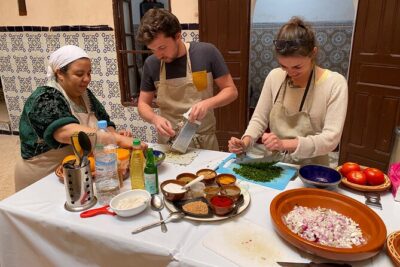
Half-Day Cooking Class with Local Chef Laila in Marrakech
Read our review →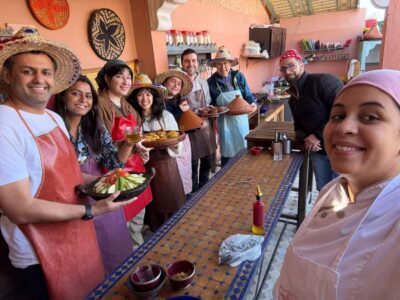
Browse the lists this tour appears in