
Review · MARRAKECH COOKING CLASSES
Marrakech: Moroccan Cooking Class with Local Chef
Moroccan cooking starts long before the tagine reaches the table. You’ll meet near Café de France on Jemaa el Fna, walk into a local food souq, choose fresh ingredients, then return to Riad Black Doors for a hands-on class with Moroccan chefs. The cooking is only half the point. You also get a friendly look at family food traditions and Amazir culture.
I like the market visit, because it gives the meal a clear sense of place rather than treating Moroccan food as a collection of restaurant dishes. I also like the small, social feel of the riad workshop, where guides such as Marouane, Abdou, and Khalid explain cooking methods, share family tips, and eat with you afterward.
The main thing to consider is time. A tagine can take 60 to 90 minutes to cook after the preparation is finished, so part of the five-hour session may involve waiting. The hosts could use that time for another dish, but this is still a relaxed cooking afternoon rather than a fast-paced kitchen lesson.
Key points to know before booking
- You shop before you cook: The experience begins with a visit to a local food market, although this step is not included on Fridays or during Ramadan.
- The class is held at Riad Black Doors: The riad sits in the heart of the Medina and provides a family-friendly setting for the lesson and meal.
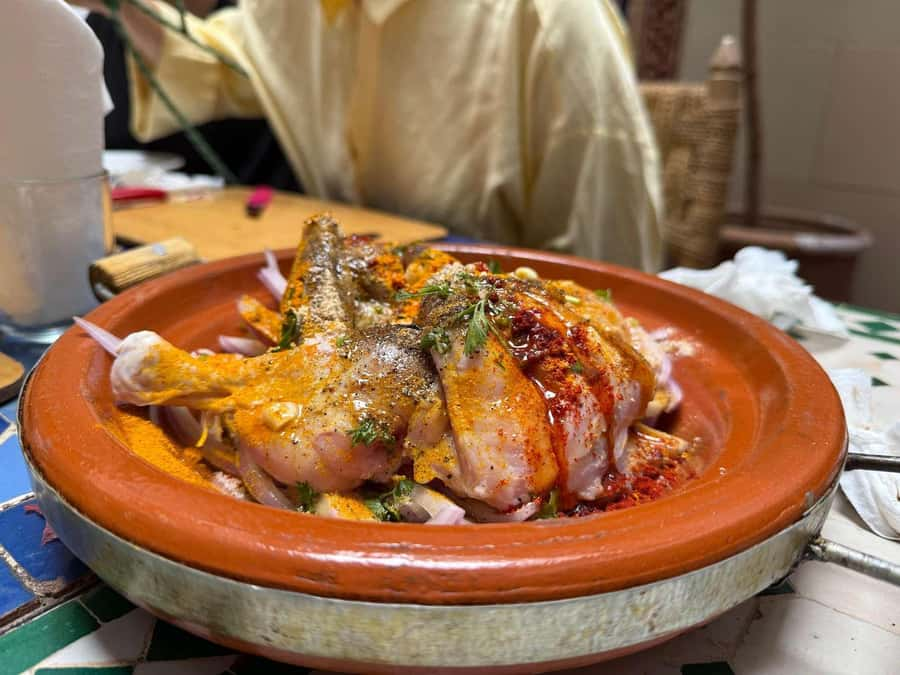
- The meal changes with the group: Past menus have included Moroccan salad, zaalouk, chicken tagine, vegetarian dishes, accompaniments, and dessert.
- Mint tea gets its own lesson: You learn the preparation and ritual before eating.
- The class costs $35 per person: For five hours including the guide, tea, cooking class, and meal, this is good value if you enjoy active food experiences.
- Expect a relaxed pace: Tagine cooking takes time, and the class may include a quiet wait before the meal is ready.
Starting at Café de France in Jemaa el Fna
Your meeting point is in front of the principal door of Café de France on Jemaa el Fna Square. This is a useful place to meet because it is easy to identify, but Jemaa el Fna can be confusing, especially if you are new to Marrakech. Stay by the main entrance rather than wandering into the square to search for the group.
From there, you walk for about five minutes. No hotel pickup is included, so you need to reach the square on your own. I would allow extra time to find Café de France, particularly if your riad is tucked into one of the Medina’s narrow lanes.
The short walk helps shift the mood from sightseeing to cooking. You leave the square and head toward a food market away from the main tourist areas. That change matters. Instead of simply hearing that Moroccan food uses fresh produce and spices, you get to see the ingredients being chosen for your own meal.
More Moroccan Classes in Marrakesh:
- Marrakech: Moroccan Cooking Class with Pickup
★ 4.6 · 1,862 reviews - Marrakech: Traditional Moroccan Cooking Class & Market Visit
★ 4.8 · 1,861 reviews - Marrakesh: Moroccan Dishes Cooking Class with a Local Chef
★ 5.0 · 1,615 reviews
Shopping for ingredients in a Marrakech souq
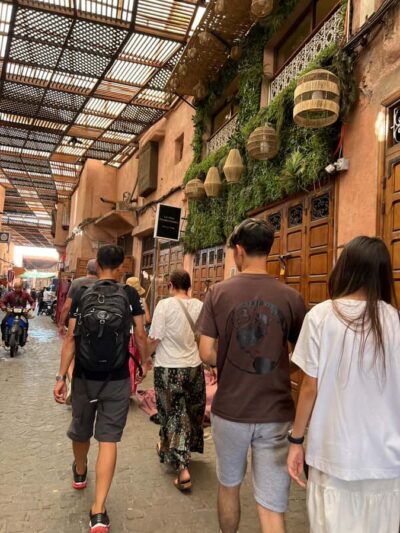
The market visit is one of the strongest parts of the afternoon. You discuss allergies and dietary restrictions before shopping, then move through stalls with fresh ingredients, spices, and local specialties. The guides use the visit to explain what you are buying and how those products fit into Moroccan cooking.
This is not a market tour built around grand historical commentary. Its value is practical. You see the raw materials behind the meal, learn how a Moroccan cook approaches shopping, and watch the class menu take shape in front of you.
The market stop is not offered on Fridays or during Ramadan. That detail is important if you are planning around religious holidays or a Friday in Marrakech. The cooking class still forms the main part of the activity, but the full shop-and-cook sequence will not always be available.
Food allergies and dietary restrictions should be raised at the start. The information specifically says these will be discussed, and one past group prepared both chicken and vegetarian versions. Still, you should explain your needs clearly before ingredients are purchased, since the menu depends on the day and the group.
Entering Riad Black Doors
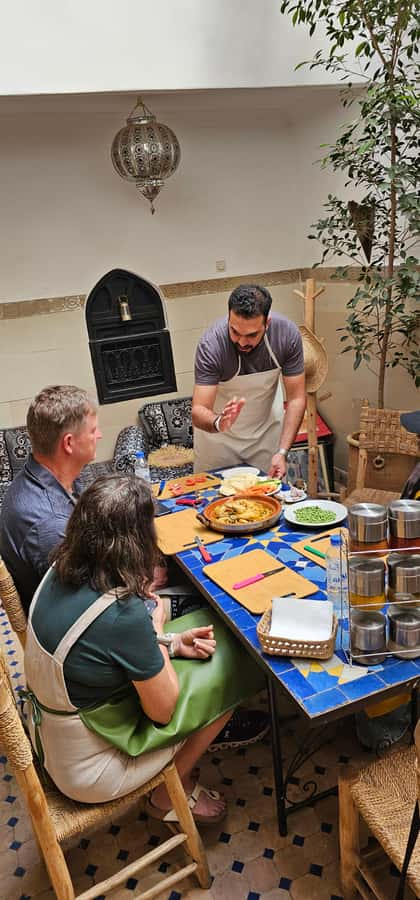
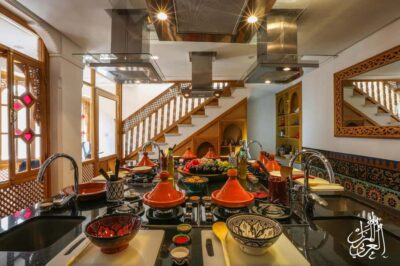
After the market, you walk to Riad Black Doors in the Medina. The riad is the workshop, dining room, and cultural meeting place for the afternoon. Its family-style setting suits the class well: you are not watching a chef perform from a distance, but working alongside the hosts.
The experience is led by Moroccan Berber chefs Marouane and Abdou, who have worked in hotels and restaurants in Morocco and abroad. Some sessions have also been hosted by Khalid, who shares his life as an Amazir man and resident of Marrakech. Since the specific guide can vary, you should expect the same general format but not assume one particular chef will lead your date.
That variation can be a plus. The guides bring their own stories and cooking advice, and the cultural conversation is part of what gives the class its character. The emphasis is not only on measurements. You learn how Moroccan cooks think about spices, preparation, timing, and the shared meal.
Mint tea before the cooking begins
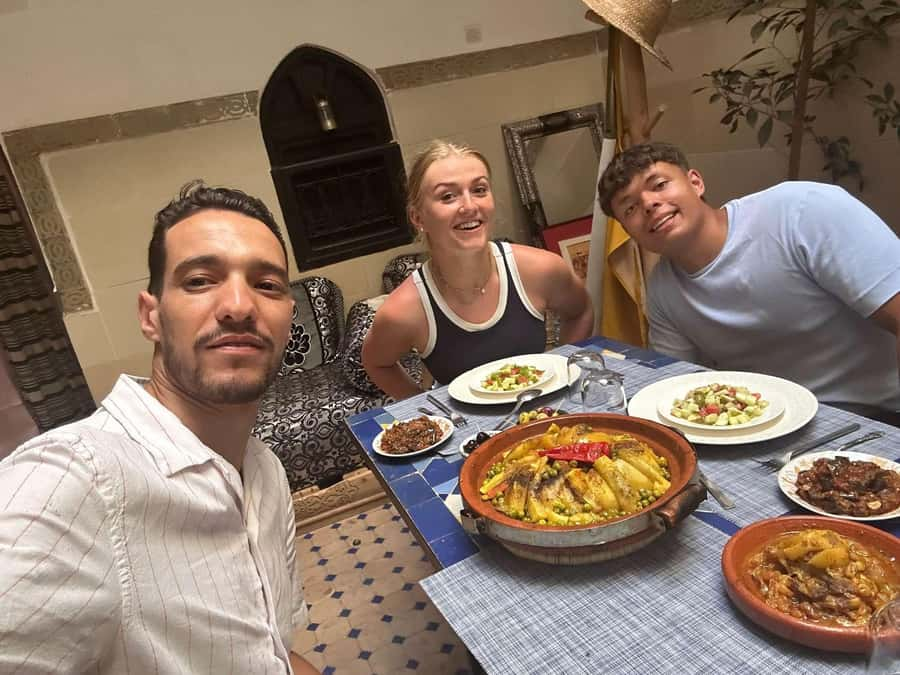
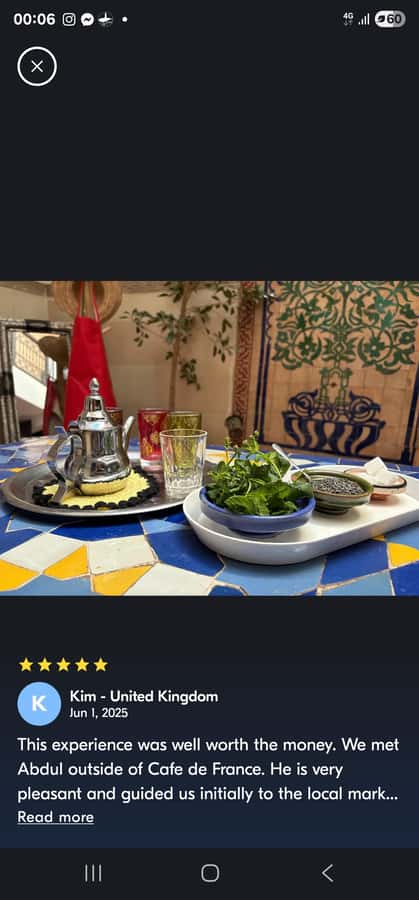
The welcome starts with traditional Moroccan mint tea. Tea is not simply a drink served while you wait for the food. The hosts explain its preparation and the ritual around it, giving you a gentle introduction to Moroccan hospitality before the kitchen work starts.
The tea portion lasts about 30 minutes. One past session included tea on the riad terrace, along with conversation about culture, architecture, and family. That makes this a good pause before the busier preparation work.
The tea lesson also gives you a chance to settle in and ask questions. If you are interested in Moroccan customs beyond food, this is a useful part of the class. If you prefer constant hands-on activity, you may find the pace a little slow, but the relaxed start fits the social nature of the afternoon.
More Cooking Classes in Marrakesh:
- Marrakech: Moroccan Cooking Class with a Local Family
★ 4.9 · 668 reviews - Marrakech: Moroccan Cuisine Cooking Class in Local Home
★ 4.8 · 508 reviews - Marrakech: Moroccan Cooking Workshop at La Maison Arabe
★ 5.0 · 446 reviews - Marrakech: Tajine Cooking Class in a Traditional Riad
★ 4.8 · 424 reviews
Preparing Moroccan starters, tagine, and dessert
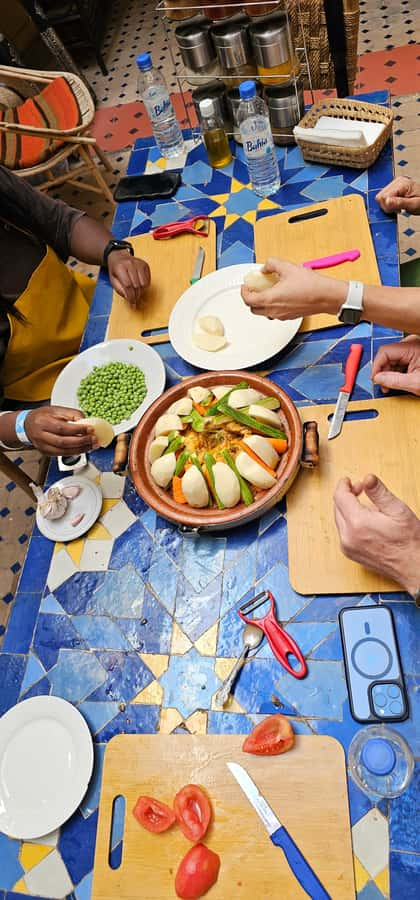
The cooking class lasts about 90 minutes, although the complete activity runs for five hours. You work as part of the group, preparing traditional dishes with guidance from the chefs. The menu includes starters, a main course, and dessert, but exact dishes can change.
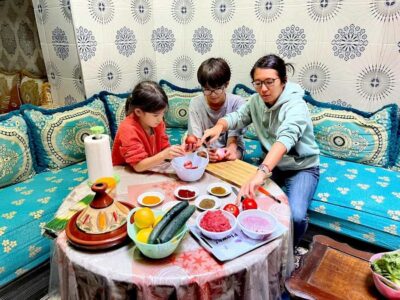
A typical menu may include Moroccan salad, zaalouk made with aubergines, and chicken tagine. Zaalouk is especially useful to learn because it shows how vegetables can become a seasoned Moroccan dish rather than a side item added at the last minute. Other groups have prepared vegetarian food as well as chicken, so the menu can accommodate different preferences when arranged with the hosts.
The class focuses on methods you can repeat at home. You learn how Moroccan spices are used, how ingredients are prepared, and how the tagine develops its flavor during slow cooking. The point is not to rush through a recipe card. It is to understand the order of the work and the small family tips that make the dishes taste right.
The guides give instructions as you go, and the class is designed so everyone takes part. That makes it a better choice for you if you want to handle ingredients and contribute to the meal. It is less suitable if you only want to sit back and watch a professional cook.
The long wait for a tagine
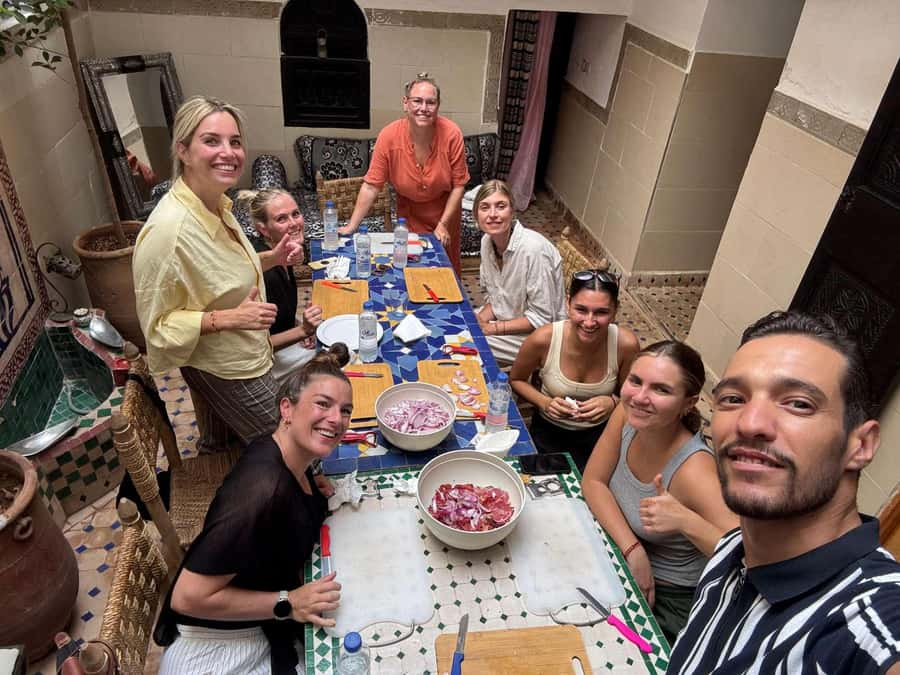
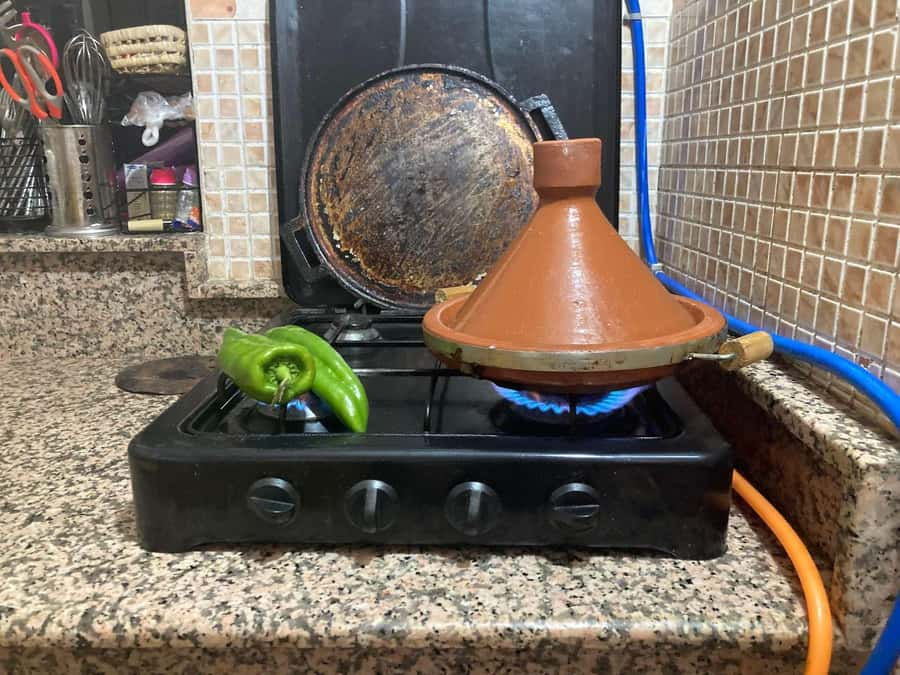
Here is the practical drawback: tagine takes time. After preparation is complete, you may wait for 60 to 90 minutes while the dish cooks. One session had an idle stretch during this period, with no additional dish prepared to fill the gap.
You can treat that time as part of the Moroccan rhythm, especially if you enjoy conversation and a slow meal. You may discuss cooking, Berber or Amazir traditions, family life, and Marrakech with the chef and other members of the group. Still, if you expect a tightly scheduled culinary workshop, the pause may feel too long.
I would bring questions and use the time to review the recipes or talk with the guide about substitutions. The best version of this experience is social and unhurried. Just know that the five-hour length is not five hours of continuous chopping, stirring, and baking.
Sitting down to eat what you made
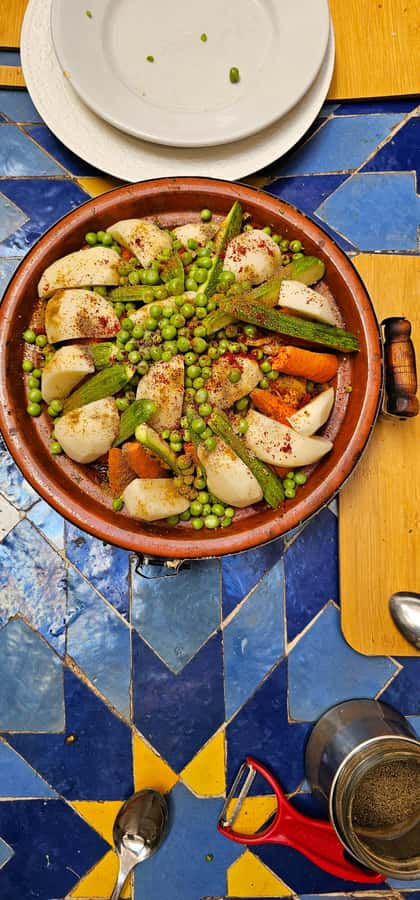
The reward comes when the food is ready and everyone sits down together. Your meal includes the dishes prepared during the class, along with tea. Because you helped shop and cook, the final plate has more meaning than a standard restaurant lunch.
This shared meal is also where the class becomes a cultural exchange. You can talk with the chef about Moroccan traditions and Amazir origins, then compare notes with the other people in the group. The atmosphere is intended to feel welcoming and family-friendly rather than formal.
The meal is included in the $35 price, as are the guide, tea, and cooking class. That makes the cost strong for a five-hour activity in central Marrakech. You are paying for ingredients, instruction, a market visit when available, and a sit-down meal, not just a short demonstration.
The value depends on what you want. If you mainly want to eat tagine, a restaurant will be simpler. If you want a meal plus recipes, market context, and direct contact with local cooks, this class gives you considerably more for the money.
What you can take home
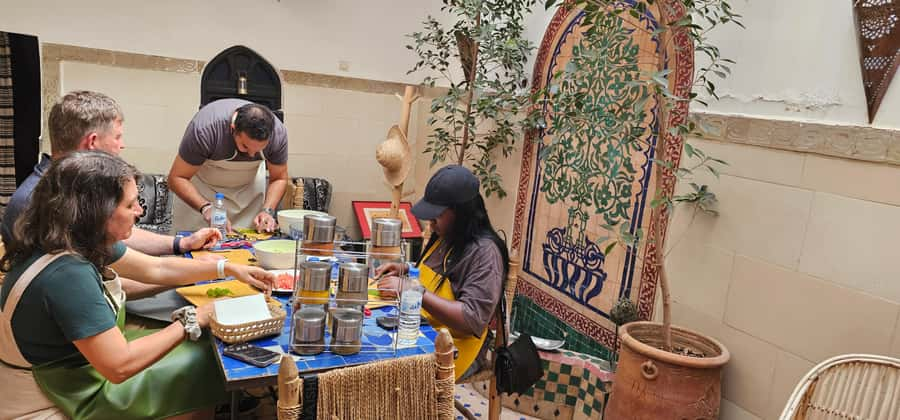
The practical benefit continues after the meal. You receive recipes for different Moroccan dishes to make at home, and the chefs explain techniques rather than only presenting finished food. That makes the class useful for you if you want to recreate part of your Marrakech trip in your own kitchen.
You should still keep your notes. Menus vary, and the precise ingredients may depend on what is available at the market. Ask about spice amounts, cooking times, and possible substitutions while the chef is preparing the food.
The experience can also help you understand Moroccan menus more clearly. After learning how salad, zaalouk, tagine, and mint tea are made, you will recognize the work behind dishes you order elsewhere in Morocco.
Who will enjoy this five-hour class
I would recommend this activity to you if you enjoy food, conversation, and local contact more than a polished restaurant setting. It suits couples, solo participants, families, and small groups, and private sessions can be arranged on request.
It is also a good choice for anyone interested in Amazir culture. Khalid’s conversations about his life as an Indigenous Amazir and resident of Marrakech show how the food lesson can lead into personal stories and local identity.
Families should find the format approachable, though the long cooking wait may test younger children. People with food restrictions should explain them before shopping. Anyone looking for a highly structured, fast-moving class should think carefully about the pace.
The guides speak English, French, and Arabic. You should choose the language that lets you ask detailed questions about ingredients and methods, since much of the value comes from conversation.
Booking details and practical timing
The full activity takes five hours, with the listed schedule including roughly five minutes of walking, 90 minutes of cooking, 30 minutes of tea, and one hour of food tasting. The remaining time covers the market visit, movement through the Medina, preparation, and the cooking wait.
The activity returns to Café de France. Pickup is not included, so plan your route back to your accommodation after the meal. Starting times vary, and you should check availability for your chosen date.
You can cancel up to 24 hours before the activity for a full refund. A reserve-now-and-pay-later option is also available, which helps if your Marrakech plans are still shifting.
Should you book this cooking class?
Book it if you want to shop for ingredients, cook with local chefs, learn the mint tea ritual, and sit down to a meal you helped prepare. The warm instruction, personal stories, and $35 price make it one of the better-value food activities for a half-day in Marrakech.
Think twice if you dislike waiting or want a class packed with nonstop tasks. The tagine’s cooking time creates a real lull, and the market portion is unavailable on Fridays and during Ramadan.
For most food-minded visitors, I would choose it. Just arrive at Café de France on time, state any dietary needs clearly, and expect a relaxed afternoon rather than a rapid-fire cooking demonstration.
FAQ
How long does the Moroccan cooking class last?
The activity lasts five hours. The listed schedule includes a short walk, about 1.5 hours of cooking, 30 minutes of tea, and about one hour of eating.
How much does the experience cost?
The price is $35 per person.
Where is the meeting point?
Meet in front of the principal door of Café de France on Jemaa el Fna Square in Marrakech.
Is hotel pickup included?
No. Pickup is not included, so you need to reach Café de France independently.
What languages are available?
The live guides speak English, French, and Arabic.
Is the market visit available every day?
No. The market visit is not included on Fridays or during Ramadan.
What is included in the price?
The guide, tea, cooking class, and meal are included.
Can I cancel the booking?
Yes. You can cancel up to 24 hours in advance for a full refund. A reserve-now-and-pay-later option is also available.
Newest classes around Marrakesh
- Marrakech: 3-Hour Open-Air Moroccan Cooking Course★ 4.9 · 74 reviews
- Moroccan Food Cooking Class with a Local Chef in Marrakech★ 4.7 · 90 reviews
- Moroccan cooking class in Marrakech with berber chef★ 5.0 · 16 reviews
- Edgy 8 Dish Private, Fusion Cooking Class, Menu Plan, Market★ 4.9 · 31 reviews
- Marrakech: Moroccan Cooking Class with Amazing Local Chef!★ 4.9 · 100 reviews
- Marrakesh: Private Cooking Class & Local Market Shopping★ 4.7 · 15 reviews
- Marrakech: Cooking Class and Market Visit★ 4.4 · 5 reviews
- Marrakech: Moroccan Cooking Class for vegetarians and vegan★ 4.9 · 156 reviews
Marrakech Cooking Classes, compared.

Traditional Moroccan Cooking Class & Market Visit
Read our review →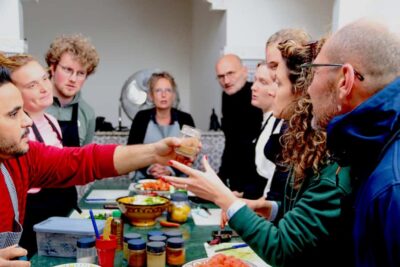
Moroccan Dishes Cooking Class with a Local Chef
Read our review →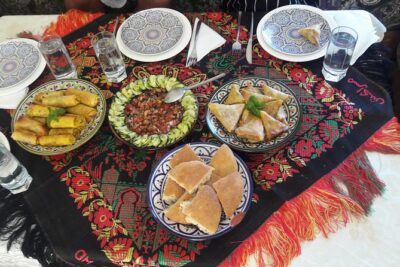
Moroccan Cooking Class & Marrakech Market Visit with Chef Khmisa
Read our review →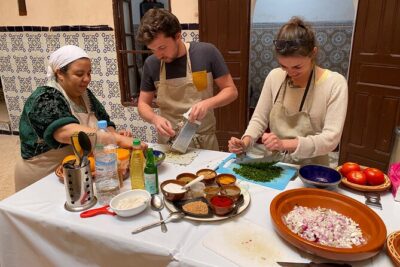
Half-Day Cooking Class with Local Chef Laila in Marrakech
Read our review →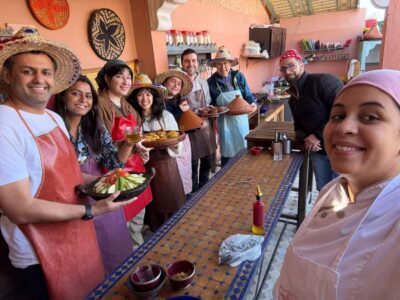
Browse the lists this tour appears in