
Review · INDIA COOKING CLASSES
Authentic local vegetarian Kerala cooking class in Wayanad
The best part of this Wayanad cooking class happens before you reach the stove. Rahul takes you around his family’s garden, fields, coffee and banana plantations, and even a local temple, explaining how food fits into daily life in Karani. Then chef Sharadha brings you into the kitchen to prepare traditional vegetarian Kerala dishes.
I like the small six-person group, which leaves room for questions and hands-on work. I also like that you see ingredients growing before you cook with them, including coconut, spices, fruit, and garden vegetables. The main consideration is that this is a local home visit, not a polished cooking school, and children under 16 cannot join.
Key points at a glance
- Rahul’s garden walk: See coffee, banana plants, spices, fruit, fields, and local agriculture around his home.
- Hands-on Kerala cooking: Sharadha guides you through traditional vegetarian dishes using ingredients such as rava, vegetables, coconut, and papadam.
- Fresh coconut welcome: The experience begins with a refreshing coconut, and you may get to open or prepare ingredients yourself.
- A meal you cook yourself: Sit down together and eat the food prepared during the class.
- Recipes to take home: A printed recipe helps you repeat the dishes for family and friends.
- Good value for a half-day: At $15 per person, the price includes the garden tour, cooking class, meal, coconut, and recipe.
A Wayanad kitchen, not a cooking-school set
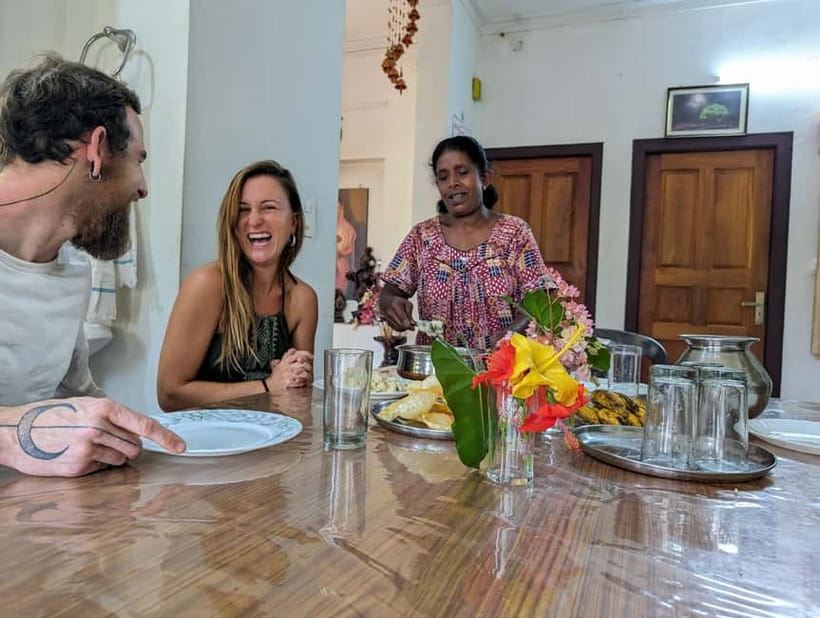
This class gives you a look at food before it reaches the market or restaurant. Rahul welcomes you at Centre Home Villa Wayanad and introduces you to the plants, farms, and people connected with local cooking. His family home is the setting, so you should expect a personal visit rather than a formal demonstration kitchen.
Rahul was born and raised in Karani, Wayanad. That matters because he can connect the meal to the place around you. You are not simply handed a basket of measured ingredients. You first see the garden and fields where local produce grows, then return to the kitchen to use what you have just been learning about.
The class is conducted in English. With a maximum of six participants, you get a better chance to ask why a particular spice is used, how a vegetable is prepared, or what makes the finished dish taste like home cooking. I would choose this over a large group class if you care more about conversation and local contact than a slick presentation.
More Vegetarian Cooking Classes in India
- Jaipur Market Tour & Vegetarian Rajasthani Home Cooking Class
★ 5.0 · 113 reviews - Private Vegetarian Indian Cooking Class in Mumbai
★ 5.0 · 17 reviews - South Indian Vegetarian Cooking Class in Chennai with Meena
★ 5.0 · 17 reviews
The opening coconut and garden walk
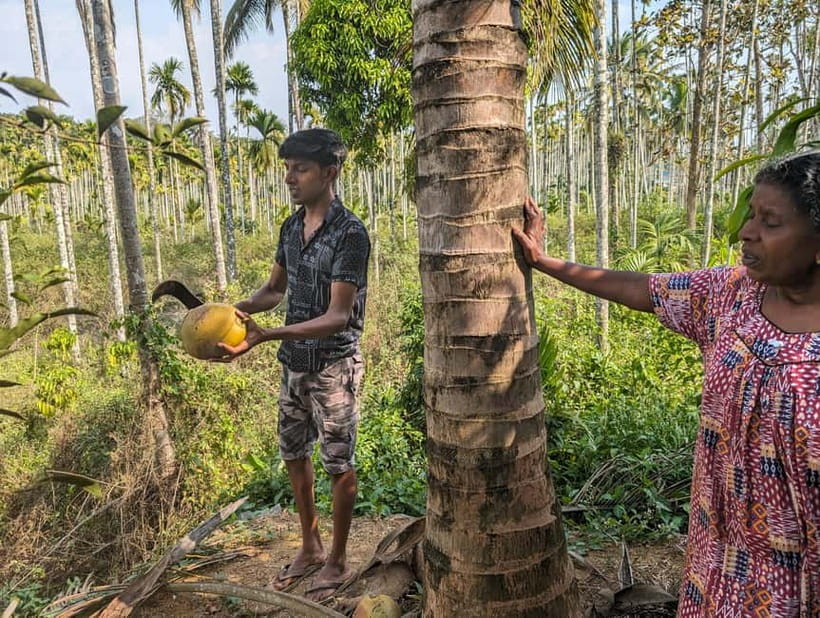
The first stop is a fresh coconut. It is a simple start, but it sets the tone: this is food connected to the source, not just a recipe on a printed card. You can expect a refreshing drink before the walk through the property and surrounding agricultural areas.
Rahul leads the tour through the garden, fields, coffee plantation, and banana plantation. He also includes a temple and time with the local setting around Karani. The exact order may vary, but the point is clear: the cooking class begins outdoors, with the plants and daily routines that shape the meal.
This part is especially useful if you have already seen Kerala’s larger sights and want something closer to ordinary rural life. You may see spices and fruit being picked right in front of you. The garden can also make familiar ingredients more memorable. A coconut is no longer just a garnish, and a banana plant is no longer just a tropical backdrop.
One practical note: this is a garden and farm visit, so wear comfortable clothing and shoes suited to walking. The provided details do not promise a long hike or difficult terrain, but you should be ready to spend part of the 3.5-hour session outside.
Meeting local agriculture in Karani
Wayanad is known for its farming communities, and this experience lets you connect that setting with what appears on the plate. Rahul’s explanations cover local life, agriculture, nature, and food. I like this connection because it gives the cooking a sense of place without turning the class into a lecture.
The walk may be the strongest part for anyone curious about ingredients. You can see garden produce and spices in their growing environment, then learn how they are treated in the kitchen. The experience also includes coffee and banana plantations, two details that add variety to the walk and help you understand the working side of the area.
The temple visit adds another local point of interest, though the supplied details do not describe its history or whether entry is included. I would treat it as a brief cultural stop rather than plan around a full temple tour.
This is not a substitute for a full farm visit or a dedicated plantation tour. It is a compact introduction tied directly to lunch. That balance works well for a half-day, especially if you want culture and food in the same outing.
Cooking with Sharadha in the family kitchen
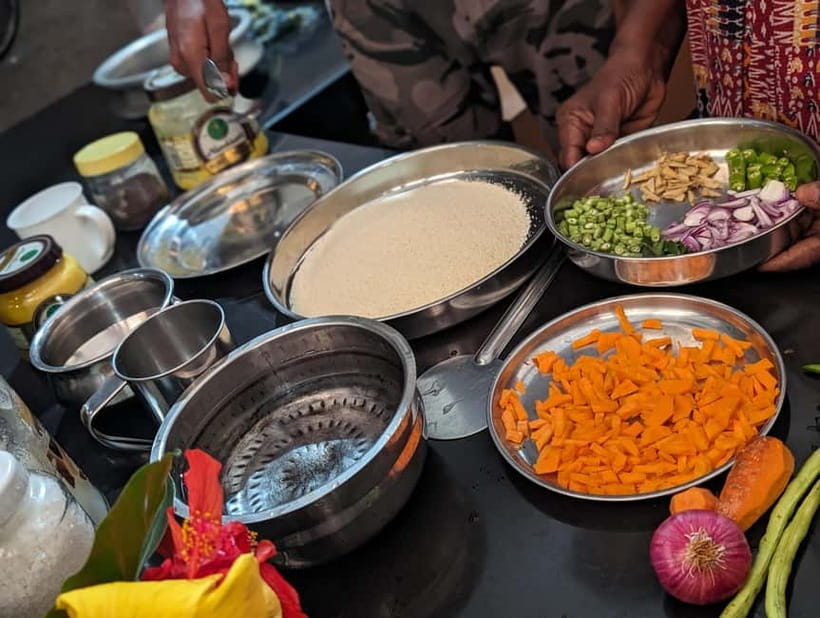
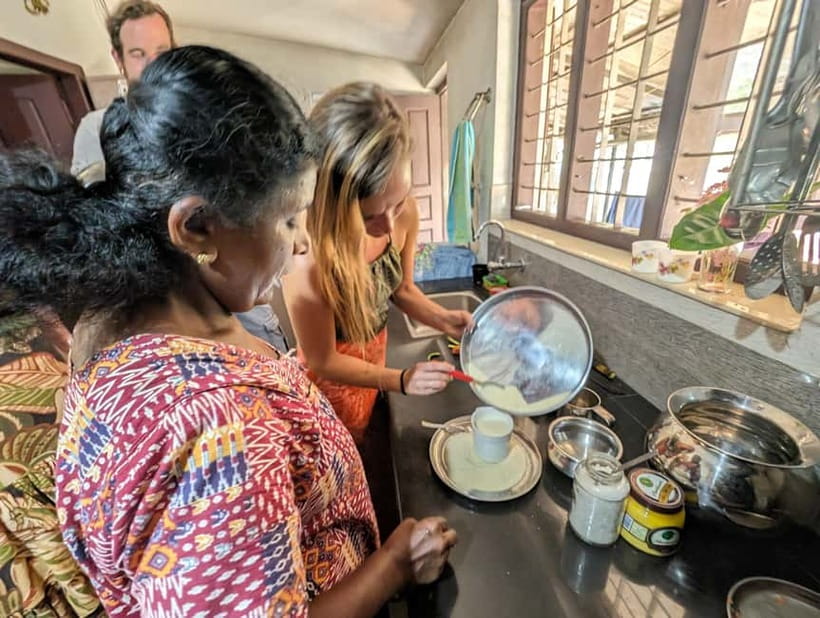
Back at the house, Sharadha leads the cooking portion. She shows you the techniques behind typical Kerala vegetarian dishes and helps you prepare the ingredients. The class is not only about watching. You are expected to take part, which makes the recipe easier to remember later.
The supplied information names ingredients such as rava, vegetables, papadam, Indian spices, and coconut. The exact menu can vary, so you should not book expecting one fixed dish by name. The important point is that the food is vegetarian and rooted in everyday Kerala cooking rather than a restaurant tasting menu.
Hands-on details make this class more useful. One account describes chopping coconuts and pineapples, while another highlights seeing spices picked in the garden before cooking. Those details suggest that you may handle ingredients from the start instead of receiving everything prepped in neat bowls.
Sharadha’s role is important. Rahul handles the wider introduction to Karani and local life, while Sharadha guides you through the kitchen work. That division gives the class a natural rhythm: walk, ask questions, cook, and eat.
Do not expect restaurant-style speed or exact professional measurements. Home cooking often depends on touch, smell, texture, and judgment. For some people, that is the appeal. If you want a tightly timed class with precise culinary instruction, this may feel informal. If you want to understand how a local family cooks, the informal setting is a strength.
Same region, a different dish to learn:
- Pink City Cooking Class
★ 5.0 · 452 reviews - Five Course Cooking Class & Meal
★ 5.0 · 250 reviews - Veg and Non veg : Private Cooking Class in Delhi home (7 meal)
★ 5.0 · 226 reviews - Indian Cooking Class in an Authentic Local Home – Learn 6 Dishes
★ 5.0 · 195 reviews
Eating what you prepared together
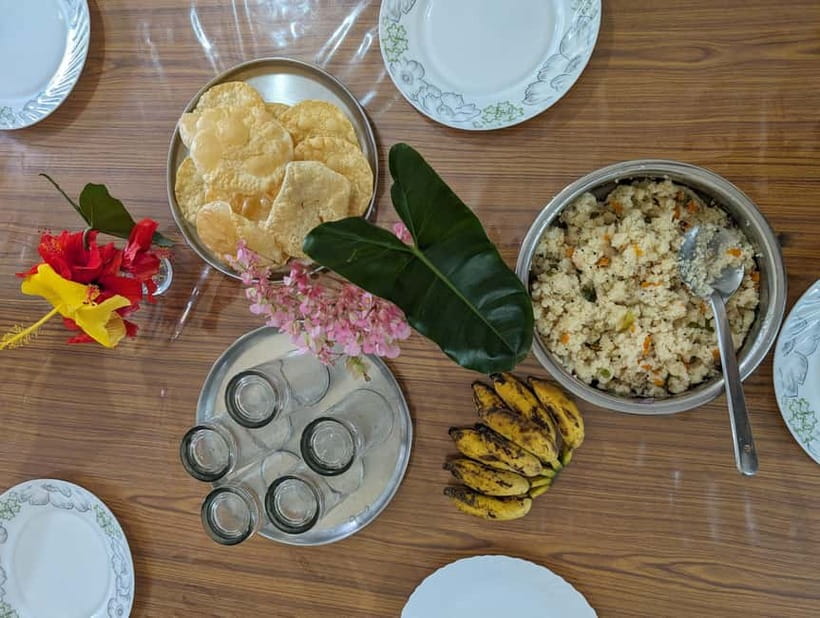
After the cooking, everyone gathers to eat the meal. This is more than a final tasting. You get to see how the separate ingredients come together, and you can compare the finished dish with what you may have eaten elsewhere in Kerala.
The meal is included in the $15 price, along with the coconut, cooking lesson, printed recipe, and garden, coffee, and banana plantation tour. That makes the cost unusually modest for a 3.5-hour activity. You are paying not only for food, but also for a local guide, a family setting, and time spent learning about the area.
The meal is vegetarian, which makes the class a natural fit for vegetarians and anyone who wants to learn Kerala’s plant-based cooking. The provided details do not confirm whether every dietary restriction can be accommodated, so you should ask before booking if you have allergies or strict dietary needs.
Eating together also gives the experience a social finish. You are not rushed out as soon as the last pan is cleaned. The format allows time to enjoy the food and talk with Rahul and Sharadha. For solo visitors, that shared meal can be one of the more rewarding parts of the morning or afternoon.
What you take home besides lunch
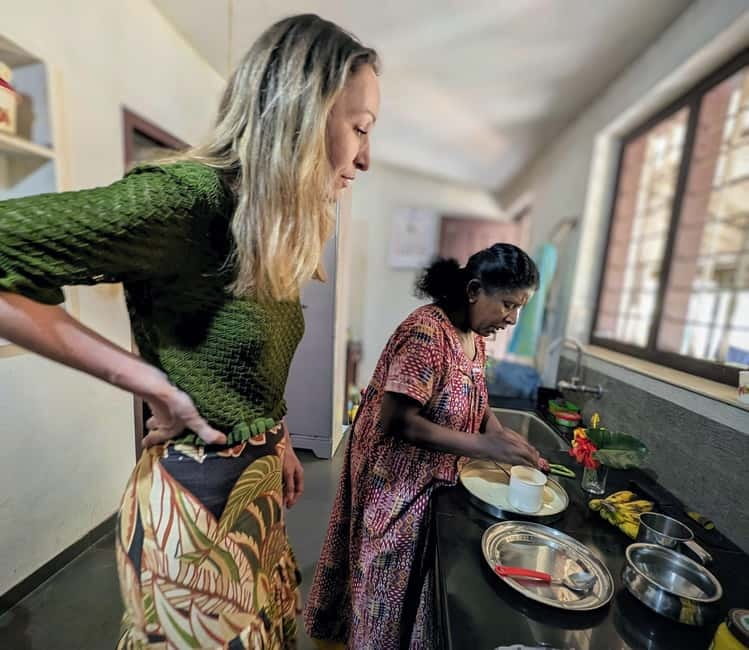
The printed recipe is a small but useful inclusion. Cooking classes often fade into a pleasant memory once you leave, but a recipe gives you a way to repeat the meal at home. You can use the notes to try the dishes for your family and explain where you learned them.
The value here is not just copying a list of ingredients. You have already seen the produce, handled the coconut and other items, and watched the preparation in a family kitchen. That context helps you remember the method and the reason behind the ingredients.
You should still pay attention and take your own notes if allowed. The supplied details do not say how many recipes are printed or whether substitutions are included. One participant prepared two local dishes, but the menu may differ by day. If a specific dish matters to you, ask Rahul when arranging the class.
Who will enjoy this Wayanad activity
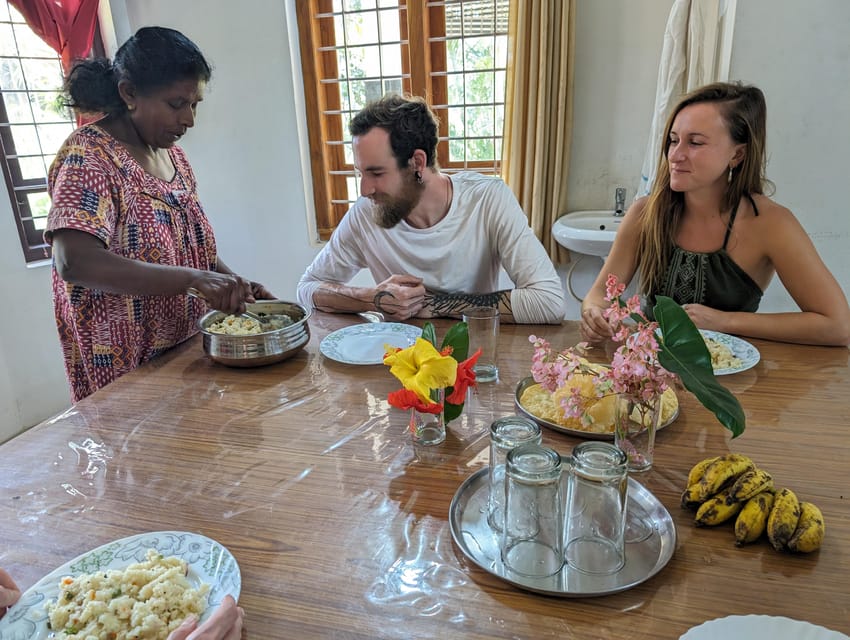
I would recommend this experience to adults who want a close look at local life and food. It suits solo visitors especially well because the small group and shared meal make it easier to talk with the hosts and other participants. Couples and friends who enjoy cooking, gardens, and rural culture should also find plenty to like.
It is a good choice if you have already visited Wayanad’s main attractions and want an activity with a personal connection. It also works well when you want a break from sightseeing without spending a full day on a formal tour.
The class is not suitable for children under 16. That is an important booking rule, not a minor detail. Families with younger children will need another activity.
You should also choose this with the right expectations. It is not a restaurant meal, a professional chef school, or a large cultural show. The setting is a family home, the group is small, and the experience depends on conversation, participation, and the natural pace of a household kitchen.
Price, timing, and practical details
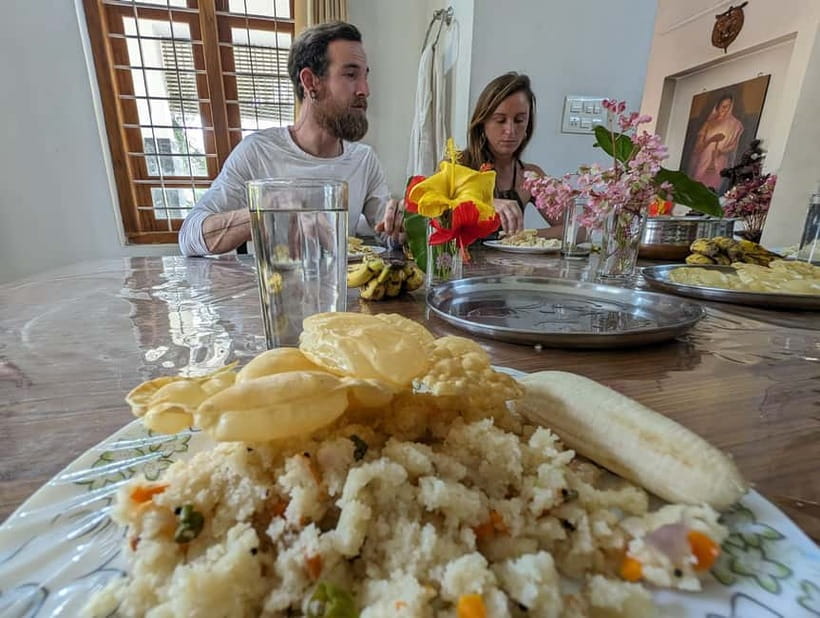
At $15 per person, this is strong value if the advertised inclusions are what you want. The 3.5-hour duration gives enough time for the garden walk, outdoor stops, cooking, and meal without taking over your whole day.
The group is limited to six participants. That limit is one of the main reasons the price feels good: you are more likely to receive personal attention than in a large demonstration class. The activity is offered in English, which makes it accessible to English-speaking visitors who want to ask questions during the cooking and walk.
The meeting point is Centre Home Villa Wayanad. The supplied information does not include hotel pickup or transport, so do not assume either is included. Confirm how to reach the meeting point before you commit your day.
You can cancel up to 24 hours in advance for a full refund, and you can reserve now and pay later. Those policies are useful if your Wayanad plans are still shifting. Starting times vary, so check availability when you book.
The main strengths and the one real limitation
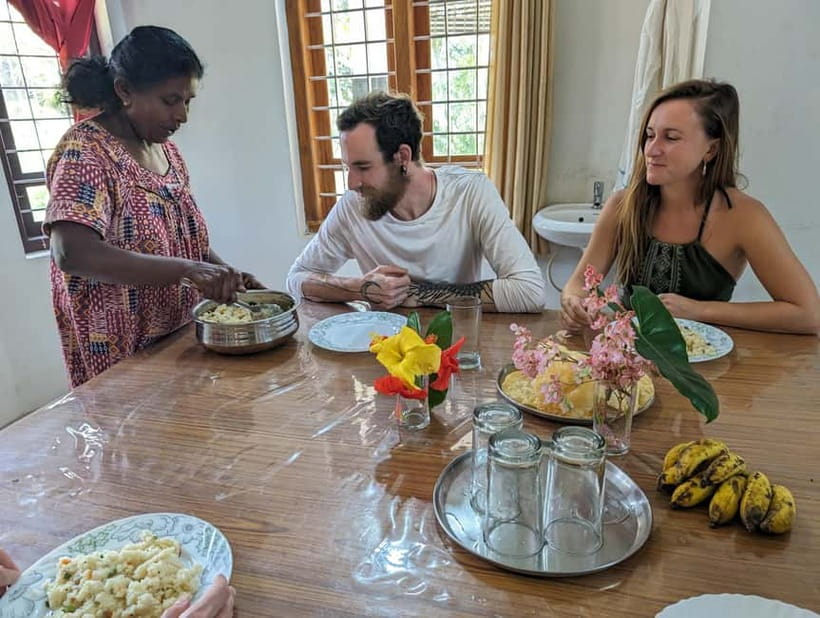
The strongest feature is the link between garden and kitchen. You see local plants, spices, fruit, and farming first, then use that setting to understand the meal. That gives the class more depth than simply following a recipe indoors.
The hosts are another major strength. Rahul brings a personal connection to Karani, and Sharadha guides the cooking with a warm, practical approach. The best moments are likely to come from questions, small demonstrations, and the ordinary details of family life.
The main limitation is the lack of a fixed menu in the information provided. If you need to learn a particular Kerala dish, check ahead. The class is also not open to children under 16, and no transport is listed as part of the price.
With only three verified ratings currently shown, the perfect five-star score is encouraging but still a small sample. I would put more weight on the repeated themes: friendly hosts, the garden walk, hands-on ingredient preparation, useful recipes, and the shared meal.
Should you book the Kerala cooking class?
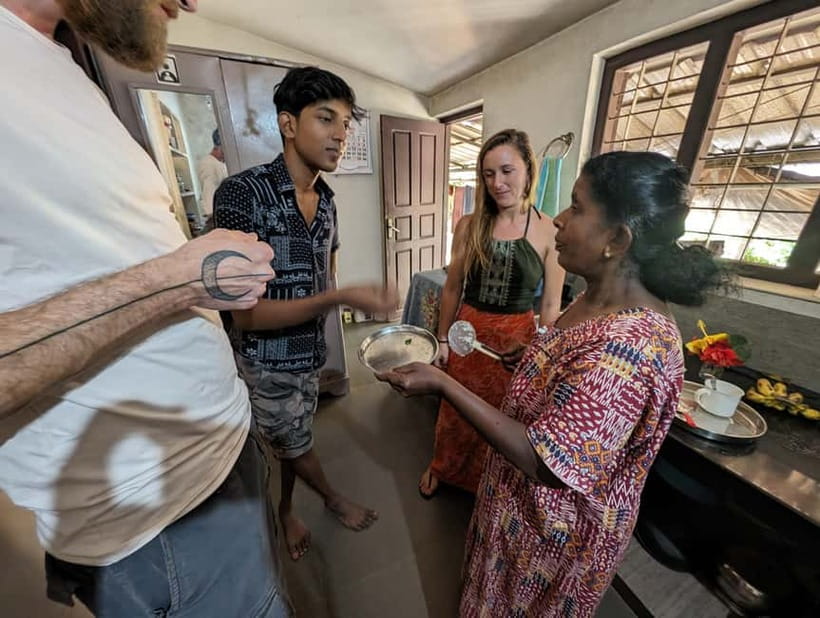
Book it if you want a personal, low-cost introduction to Wayanad food and village life. The combination of Rahul’s garden and plantation walk, Sharadha’s kitchen instruction, a fresh coconut, hands-on preparation, and a shared vegetarian meal gives you much more than a standard cooking demonstration.
I would be especially keen to book this as a solo visitor, a vegetarian, or anyone who values local contact over polished tourism. I would skip it only if you need a fixed menu, professional culinary training, child-friendly access, or included transportation.
For $15 and three and a half hours, this is an easy activity to add to a Wayanad stay. Just confirm the start time, meeting arrangements, and menu if those details matter to you.
FAQ
Where does the Kerala cooking class take place?
The class meets at Centre Home Villa Wayanad and takes place at Rahul’s family home in Karani, Wayanad.
How long does the experience last?
The activity lasts 3.5 hours.
What is included in the price?
The price includes a fresh coconut, a cooking class with a local family, a printed recipe, the meal you prepare, and a garden, coffee, and banana plantation tour.
Is the cooking class vegetarian?
Yes. The experience focuses on traditional vegetarian Kerala dishes.
Who leads the experience?
Rahul leads the local walk and introduction to Karani, while chef Sharadha guides the cooking session.
Is the class offered in English?
Yes. The instructor language is English.
Can children join the cooking class?
No. The activity is not suitable for children under 16.
How large is the group?
The class is limited to six participants.
Can I cancel my booking?
Yes. You can cancel up to 24 hours in advance for a full refund. You can also reserve now and pay later.
Newest classes around India
- Chennai Super Market Tour and Cooking Class with a Fun Local★ 5.0 · 9 reviews
- Private tour to learn Traditional Indian Art, craft & Cooking★ 5.0 · 4 reviews
- Neighborhood Market Tour & South Indian Cooking Class in Chennai★ 5.0 · 7 reviews
- Traditional Chettinad Cooking Class in a Local Home near Chennai★ 4.5 · 12 reviews
- Chennai Dosa Making Class & Home-Dining Experience with Jyashree★ 5.0 · 8 reviews
- Traditional Gowda Cooking Class and Meal in a Bangalore Home★ 5.0 · 31 reviews
- Discover Bangalore’s Cuisine: Private Half-Day Cooking Experience★ 5.0 · 3 reviews
- Private South Indian Cooking Class in Bangalore with a Local★ 5.0 · 11 reviews
India Cooking Classes, compared.
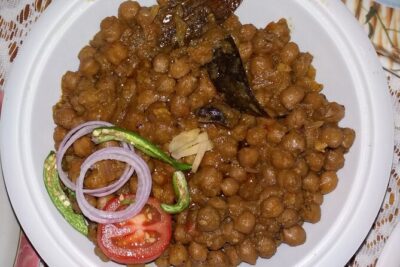
Veg and Non veg : Private Cooking Class in Delhi home (7 meal)
Read our review →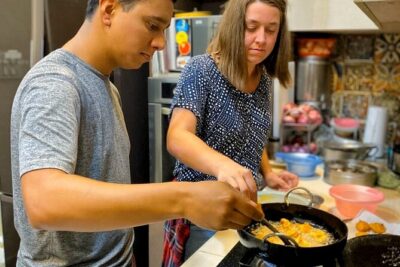
Indian Cooking Class in an Authentic Local Home – Learn 6 Dishes
Read our review →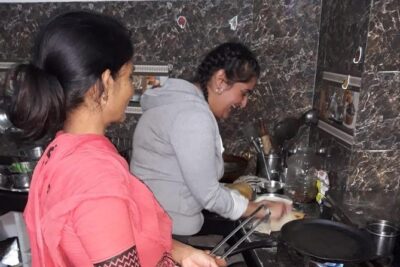
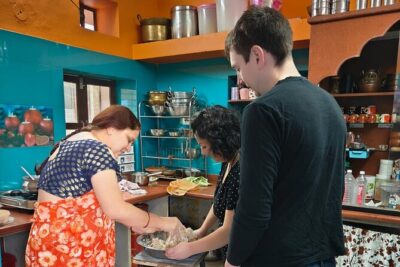
Private Guided Cooking Workshop Experience in Jodhphur
Read our review →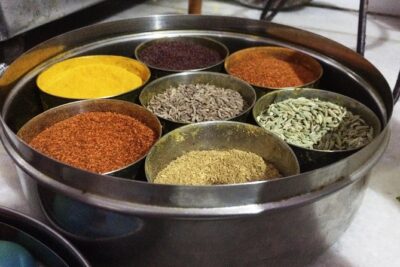
Jaipur Market Tour & Vegetarian Rajasthani Home Cooking Class
Read our review →
Cooking Class in Jaipur – Family Experience with Meal & Transport
Read our review →Browse the lists this tour appears in