
Review · VERONA COOKING CLASSES
Verona: Pasta and Tiramisu Cooking Class With Free Flowing Wine
Making pasta in Verona is a fine way to give your sightseeing day some purpose beyond admiring churches and Roman stone. This class brings you into a restaurant near the Arena, where you make fettuccine, ravioli, and tiramisu, then sit down to eat what you prepared.
I like the small-group, hands-on format and the fact that wine is served throughout the meal. I also like the friendly teaching style reported from instructors including Elodie, Carlo, Ava, Victoria, and Jasmine. The main thing to consider is that this is an introductory class, not a serious chef-training session, and the group may feel less personal if it reaches the advertised limit of 12 people or more.
Key points to know before booking
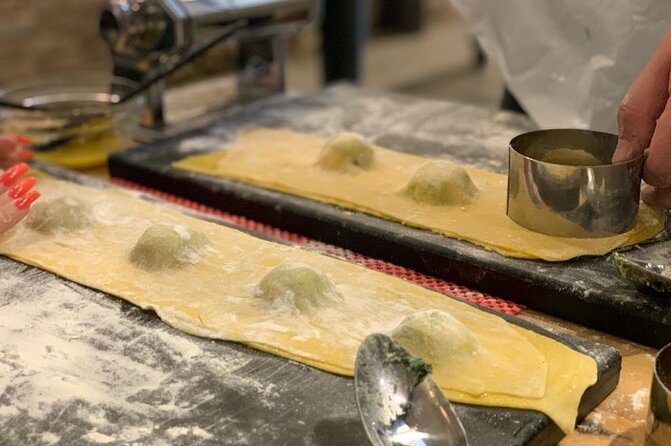
- You make three Italian staples: fresh fettuccine, ricotta and spinach ravioli, and tiramisu.
- The restaurant is centrally located near Verona’s Arena, with public transportation nearby.
- Prosecco welcomes you, followed by red wine, white wine, or non-alcoholic drinks with the meal.
- Expect traditional recipes with gluten, dairy, and eggs, though substitutes may be available.
- The class lasts about three hours, including cooking, eating, and conversation with the group.
- The advertised maximum is 12 people, but it is worth confirming the group size if personal attention matters to you.
Cooking near the Arena in central Verona
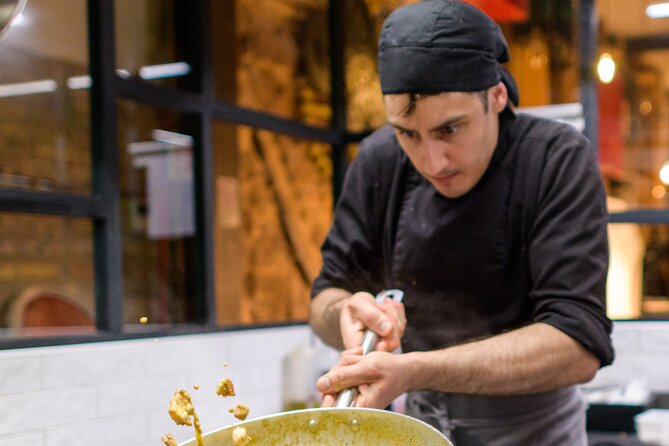
The class begins at a restaurant in central Verona, reportedly opposite or very close to the Arena. That location matters. You can fit the class neatly between sightseeing stops, and you will not spend part of your afternoon crossing the city to reach a suburban kitchen.
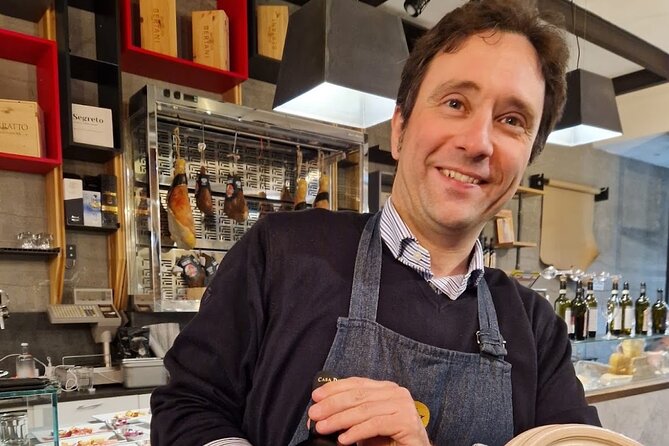
On arrival, you step inside the restaurant, receive a welcome glass of Prosecco, and meet the English-speaking instructor. The setting is not a private farmhouse or a grand culinary school. It is a working restaurant, with the class held in part of the dining area or restaurant space. That gives the activity an easy, social feel, though it may also make the experience less polished than a dedicated cooking studio.
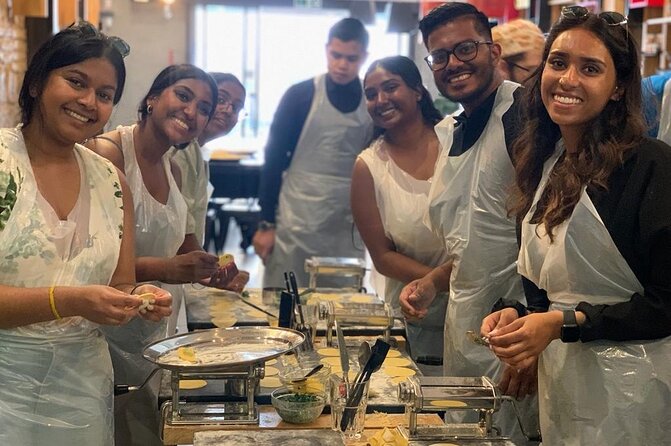
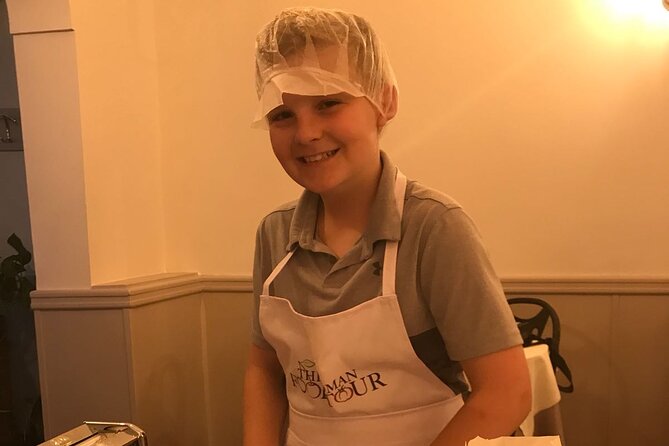
The class is designed for people who want to cook together, not watch a chef perform from across the room. You tie on an apron, move to your workstation, and follow instructions as the group works through the recipes. The strongest part of the experience is the mood: friendly, relaxed, and built around conversation as much as cooking.
Several instructors have received especially warm praise for their manner. Elodie is described as cheerful and attentive, while Carlo is known for his humor, precision, and high energy. Ava, Victoria, and Jasmine have also led sessions, with clear explanations and patient help at individual tables. The instructor can make a big difference here, since the class depends on simple directions, encouragement, and regular help with the dough.
More Cooking Classes with Wine Tasting in Italy
- Florence: Pasta Cooking Class with Unlimited Wine
★ 4.9 · 10,285 reviews - Florence: Pasta & Tiramisu Cooking Class with Unlimited Wine
★ 4.9 · 6,708 reviews - Florence: Pasta Cooking Class with Unlimited Wine
★ 5.0 · 6,413 reviews
Making fresh pasta from flour to filling
The pasta section begins with the basics of dough. You learn which flour to use, how pasta fresca differs from pasta secca, and how to bring the ingredients together into a workable dough. This is useful knowledge for a first attempt at home, because fresh pasta is less about complicated equipment and more about judging texture.
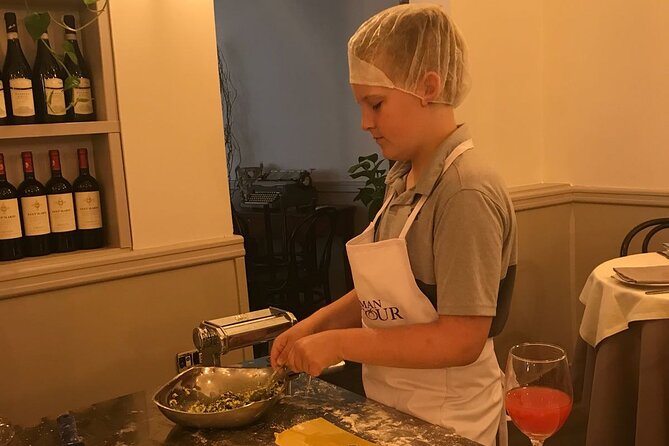
You then prepare two shapes: fettuccine and ravioli. The ravioli is filled with ricotta and spinach, then finished with butter and sage. The fettuccine is served with tomato sauce. These are familiar dishes, but they teach two different skills. Fettuccine introduces you to rolling and cutting a simple sheet of pasta, while ravioli requires filling, folding, sealing, and cutting without trapping air or allowing the filling to escape.
The class focuses on the pasta itself and does not teach a wide range of sauces. This is an important point for experienced home cooks. If you already make pasta regularly, you may find the lesson quite basic. The value is higher for beginners, families, and people who want a pleasant introduction rather than advanced technique.
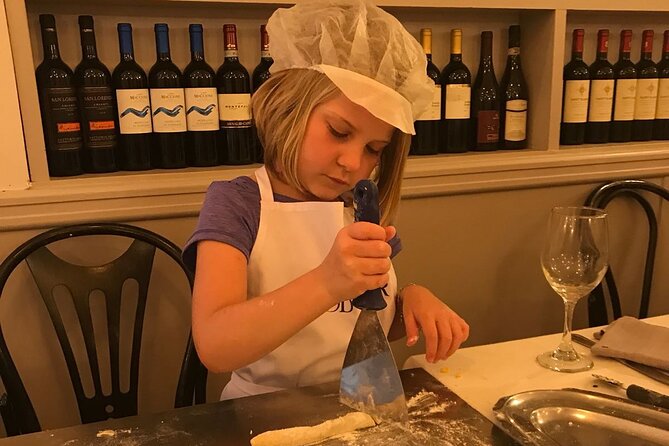
The hands-on design works particularly well for children. Children as young as 9 and 11 have taken part successfully, and younger family members have enjoyed helping with the tiramisu. You should still expect some waiting while the instructor explains a stage to the whole group, especially when several tables need help at once.
One practical detail is worth keeping in mind: the pasta you help prepare may be combined with the rest of the group’s pasta for cooking and serving. If having your exact portion returned to you matters, ask about it at the start. The important result is the shared meal, but some people prefer a direct connection between what they make and what they eat.
Tiramisu is the easy crowd-pleaser
After the pasta, the group prepares tiramisu. This part tends to appeal to almost everyone, especially children, since several people can help with the layering and assembly. You learn the traditional method rather than a modern restaurant variation.
The class may not have each person make a separate individual dessert. In some sessions, volunteers help prepare the tiramisu for the whole group. That keeps the activity moving, but it means you may not personally complete every stage. If you want to practice every part of the dessert, volunteer early and ask to take part.
Tiramisu also gives the class a nice change of pace. Pasta dough requires more physical work and attention, while the dessert is slower and more social. By this stage, you have already met the people at your table, and the cooking begins to feel like a shared dinner party.
The meal: fettuccine, ravioli, wine, and conversation
At the end, everyone sits down for lunch or dinner. The planned menu includes fettuccine with tomato sauce, ricotta and spinach ravioli with butter and sage, and tiramisu. Prosecco, red wine, white wine, and non-alcoholic drinks are included.
The meal is a real part of the experience, not just a quick taste at the counter. You eat together and talk with people from different countries. That makes the class a good choice if you are traveling alone or want an evening activity that includes company without requiring a formal group tour.
The wine offering adds value to the $71.35 price, particularly if you choose the evening session and plan to use the meal as dinner. You receive the welcome Prosecco, then wine with the food, along with soft drinks for anyone who does not drink alcohol. The experience is not simply a cooking lesson with separate restaurant costs afterward.
Still, the phrase free flowing should be taken in a sensible way. The drinks are part of the meal and social setting, but the class is also a cooking activity that lasts about three hours. You may be standing and working for much of the session, and drinks can become warm if the restaurant is hot. One account specifically pointed out that the room lacked enough cool refreshment during a long class.
The food itself is usually the main reward. The dishes are simple, fresh, and satisfying after several hours of preparation. Do not book this expecting a large menu of meat, seafood, or vegetables. The meal centers on pasta and dessert, with limited additions described in the menu.
More Pasta Making Classes in Italy:
- 3 in 1 Cooking Class near Navona: Fettuccine, Ravioli & Tiramisu
★ 5.0 · 7,376 reviews - Rome: Pasta Making Class with Wine, Limoncello, and Dessert
★ 4.9 · 3,177 reviews - Pastamania – Florence Pasta Making Class
★ 5.0 · 3,050 reviews - Rome Cooking Class: Make Pasta and 3 Spritz Cocktails
★ 5.0 · 2,937 reviews
How personal is the class?
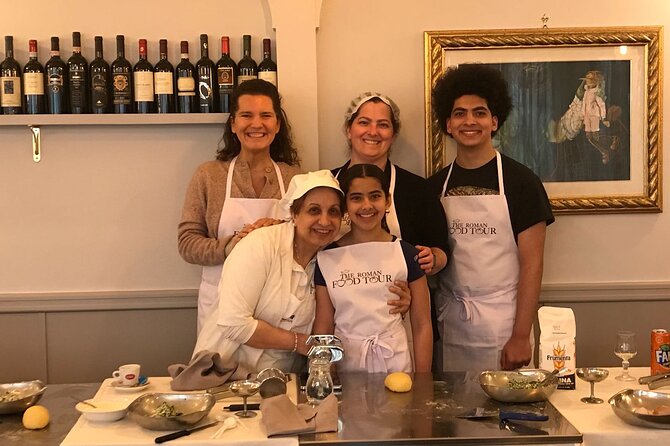
The advertised maximum is 12 people, which is a reasonable size for a cooking lesson. At that level, you should be able to watch the demonstration and receive some help at your station. The best sessions appear to be smaller, sometimes with only a few participants, and those classes can feel much more personal.
There is one reason to ask about the exact group size before you go. A session has been described as having around 15 people, which made it harder for one instructor to give everyone individual attention. That is above the stated maximum, so it may have been an unusual day or a scheduling issue, but it is still useful information for anyone booking mainly for close instruction.
The instructors are often praised for coming around to each table and answering questions without making beginners feel awkward. That matters more than a formal chef title for this kind of class. You are learning a few practical techniques while enjoying an evening, not preparing for restaurant work.
At the same time, one participant expected to learn from a professional chef and found the instruction less advanced than hoped. You should share that expectation if you are booking. This is best viewed as a friendly Italian food workshop with dinner, not a master class taught by a famous chef.
What makes the experience authentic, and what does not
The recipes are traditional, and the food is prepared in a local restaurant in Verona. You are working with the familiar building blocks of Italian cooking: flour, eggs, ricotta, spinach, butter, sage, tomato, and mascarpone-style tiramisu preparation. That gives the class a genuine connection to everyday Italian food.
The setting is also more natural than a staged demonstration. You cook in a restaurant, then eat in the same place. Some sessions have included a patio meal, and the location near the Arena gives the evening a distinctly Veronese backdrop.
Still, the activity is made for visitors. The restaurant space, shared tables, group instruction, and fixed menu create a social class rather than a quiet lesson in a family kitchen. I would call it approachable and locally themed, but not a private look at the hidden workings of traditional household cooking.
The wine can add local character, especially when the restaurant serves bottles from the owners’ region. If the origin and grape matter to you, ask for the details rather than relying on a quick verbal explanation. Wine knowledge may vary among the staff, even when the wine itself is enjoyable.
Who will enjoy this Verona class?
This is a strong fit for:
- Families looking for an activity that works for children
- Couples wanting dinner with a practical activity attached
- Solo visitors who would like easy conversation with a group
- Beginners who have never made fresh pasta
- Food lovers who want to learn a few recipes they can repeat at home
- Anyone with only one free evening in central Verona
It is less suitable for serious home cooks who already make pasta and want advanced sauce or shaping techniques. It is also a poor fit if you need a fully controlled allergy-free kitchen or a menu without the main ingredients.
The activity is not recommended for people with egg, gluten, or lactose intolerance, or for vegans. Substitutes may be offered for allergies or food preferences, but the teaching remains focused on the traditional recipes, which contain gluten, dairy, and eggs. Cross-contamination cannot be guaranteed.
Price, timing, and practical value
At $71.35 per person, the price covers roughly three hours of instruction, the meal, tiramisu, a welcome Prosecco, wine or soft drinks, and an English-speaking guide. You are paying for both the activity and dinner, so the value is better if you would otherwise spend money on a restaurant meal that evening.
The class is offered in English and is near public transportation. Confirmation arrives when you book, and mobile tickets make the meeting process simple. Tips are not included, so bring a little extra if the instructor gives you especially attentive service.
The cancellation rule is generous enough for normal trip planning. You can cancel at least 24 hours before the local start time for a full refund. Cancellations or changes made inside that window are not accepted for a refund.
I would choose an evening session if you want the full dinner atmosphere and wine pairing. A daytime class may suit families and people with an early sightseeing schedule, while an evening class works well as a relaxed meal near the Arena.
Should you book the Verona pasta class?
Book it if you want a friendly, social cooking experience with a complete meal afterward. The best reasons are the central location, useful beginner-level instruction, family appeal, and the chance to make both pasta and dessert in one sitting. The instructors’ warm approach, especially from names such as Elodie, Carlo, Ava, Victoria, and Jasmine, is a major part of the experience.
Skip it if you already make fresh pasta with confidence or want advanced culinary training. Also think twice if you have strict dietary restrictions, dislike group activities, or expect every person to prepare a separate dish from start to finish.
For most visitors, this is a good-value Verona evening: practical enough to repeat at home, social enough to remember, and filling enough to count as dinner.
FAQ
How long does the cooking class last?
The experience lasts approximately three hours, including the cooking lesson and the shared lunch or dinner.
Where does the class take place?
It takes place in a restaurant in central Verona, near the Arena. The location is also near public transportation.
What food do you make?
You prepare fresh fettuccine with tomato sauce, ricotta and spinach ravioli with butter and sage, and tiramisu.
Are drinks included?
Yes. The experience includes a welcome glass of Prosecco, plus Prosecco, red wine, white wine, and non-alcoholic drinks with the meal.
Is the class taught in English?
Yes. An English-speaking guide or instructor leads the class.
How many people can join?
The stated maximum is 12 participants. Group size may vary by session, so confirm the number if individual attention is important to you.
Is the class suitable for children?
Yes. The activity has been enjoyed by families, including children aged 9 and 11. Children can take part in pasta making and help with the tiramisu.
Can people with dietary restrictions join?
Substitutes may be available for allergies or food preferences, but the instruction focuses on traditional recipes containing gluten, dairy, and eggs. Cross-contamination cannot be guaranteed. The class is not recommended for vegans or people with egg, gluten, or lactose intolerance.
Can I cancel for a full refund?
Yes. You can cancel at least 24 hours before the local start time for a full refund. Cancellations or changes made less than 24 hours before the start are not refundable.
More Tiramisu and Dessert Classes in Italy
- Rome: 3-in-1 Fettuccine, Ravioli, and Tiramisu Cooking Class
★ 4.9 · 2,704 reviews - Florence: Cooking Class Pasta & Tiramisu Making Unlimited Wine
★ 5.0 · 2,234 reviews - Fettuccine & Tiramisù: Cooking Class with Wine & Limoncello
★ 4.9 · 2,103 reviews - Florence Cooking Class The Art of Making Gelato & Authentic Pizza
★ 5.0 · 2,053 reviews
Newest classes around Italy
- Cooking Class in a Sicilian countryhouse★ 5.0 · 5 reviews
- Cesarine: Market Tour & Home Cooking Class in Catania★ 4.0 · 6 reviews
- Cesarine: Home Cooking Class & Meal with a Local in Catania★ 4.5 · 10 reviews
- Cooking Class in Taormina with Lunch Included★ 5.0 · 2 reviews
- Cooking class in Capri for small groups★ 4.0 · 4 reviews
- Cooking Class and Wine Pairing in Capri★ 5.0 · 57 reviews
- Lezione di Cucina : Pasta Fresca★ 5.0 · 12 reviews
- Private Cooking Class Experience in Reggio Calabria★ 5.0 · 5 reviews
Verona Cooking Classes, compared.
Verona: Pasta and Tiramisu Cooking Class with Fine Wine
Read our review →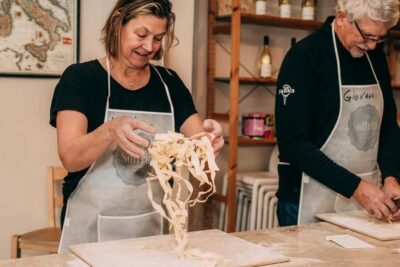
Verona: Hands-on Fresh Pasta and Tiramisù Cooking Class
Read our review →
Verona: Italian Cooking Class with Pasta, Risotto and Tiramisù
Read our review →
Verona: Authentic Pasta Making Class with a Local Family
Read our review →Browse the lists this tour appears in