
Review · VERONA COOKING CLASSES
Verona: Hands-on Fresh Pasta and Tiramisù Cooking Class
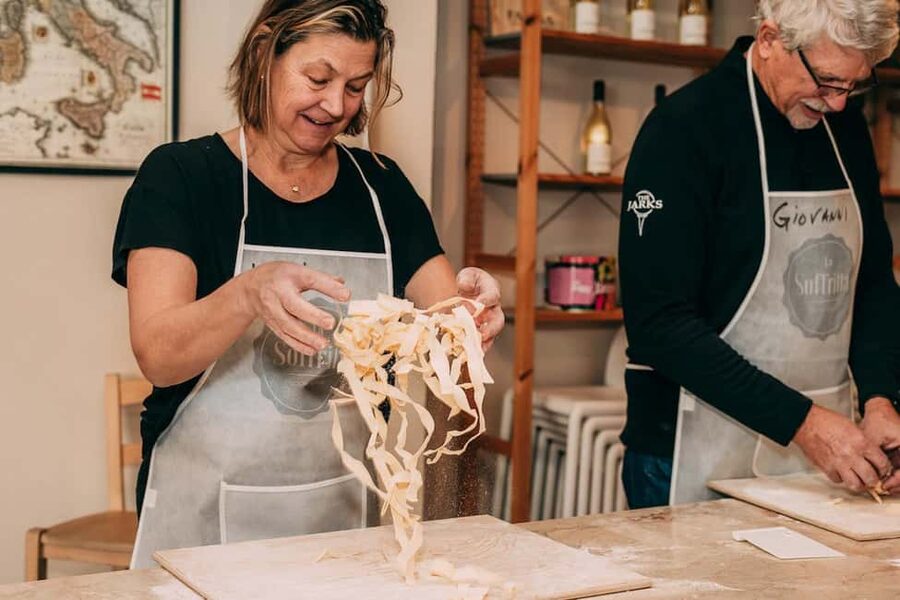
The best part of this Verona cooking class is that you do not just watch a chef work. You roll pasta, stir risotto, prepare tiramisù, and then sit down to eat what you made. The class focuses on simple Italian cooking, where fresh ingredients and good technique do most of the work.
I like the small group of up to 10 people, which gives you a real chance to ask questions and take part. I also like the practical finish: you receive recipes so you can try the dishes at home. The main drawback is that the class lasts 3.5 hours and may not suit anyone with limited mobility or children under 14.
Key points at a glance
- Three classic dishes: Prepare fresh pasta, risotto made with local rice, and tiramisù.
- Instructors who teach, not just demonstrate: Christina, Silvia, Krista, and Laura are among the chefs who may guide the session.
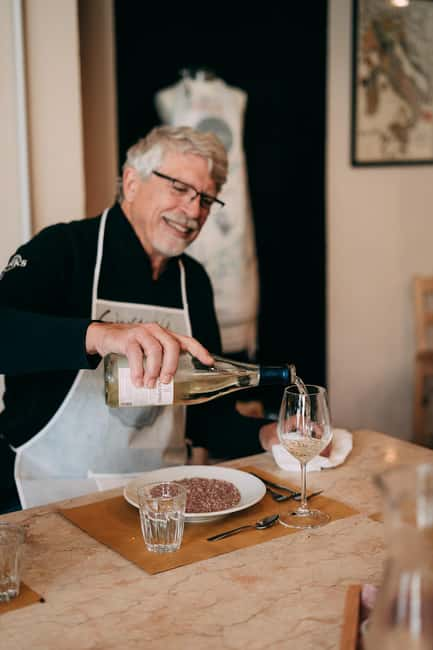
- A meal is included: Eat the food you prepare with local Valpolicella wine.
- Small-group format: The class is limited to 10 participants, with a minimum of two needed to operate.
- Useful for home cooks: Learn techniques, not just recipes, and receive the recipes afterward.
- Dietary needs can be discussed: Vegetarian, glucose-free, and lactose-intolerant requirements are catered for when reported in advance.
What this Verona cooking class is really about
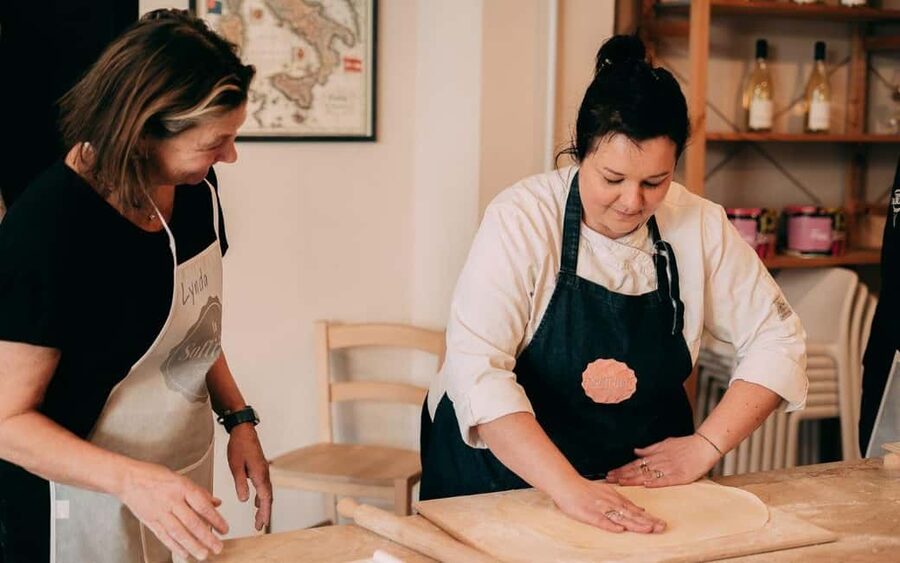
This is a hands-on lesson in the everyday logic of Italian food. You work with fresh, high-quality ingredients and basic methods designed to bring out their natural flavor. That makes the class useful even if you are not an experienced cook.
The focus is the Mediterranean approach to food: good ingredients, sensible portions, and cooking that does not need a long list of tricks. You are not simply collecting another meal in Verona. You are learning why pasta dough behaves a certain way, how risotto develops its texture, and how a few well-chosen ingredients can carry a dish.
The teaching is in English. That matters because cooking depends on small details, such as how wet the dough should feel or when rice needs more liquid. Instructors such as Christina and Laura are praised for explaining each stage clearly, while Krista and Silvia are described as friendly, patient, and encouraging. The tone seems lively without losing the useful kitchen instruction.
More Pasta Making Classes in Italy:
- Florence: Pasta Cooking Class with Unlimited Wine
★ 4.9 · 10,285 reviews - 3 in 1 Cooking Class near Navona: Fettuccine, Ravioli & Tiramisu
★ 5.0 · 7,376 reviews - Florence: Pasta & Tiramisu Cooking Class with Unlimited Wine
★ 4.9 · 6,708 reviews
Starting in Verona’s historic center
The meeting point is in front of a theater. Your guide holds a yellow sign marked tour, so finding the group should be fairly simple once you reach the correct place. Hotel pickup is not included, and the class ends back at the same meeting point.
You should allow a little extra time to locate the theater, especially if you are coming from another part of Verona. Exact starting times depend on availability, so check the schedule before arranging dinner, an opera performance, or another timed activity.
The class runs rain or shine. Since much of the activity takes place indoors, bad weather should not ruin the cooking itself, but you still need to get to the meeting point in whatever conditions Verona provides.
Fresh pasta: the most hands-on part
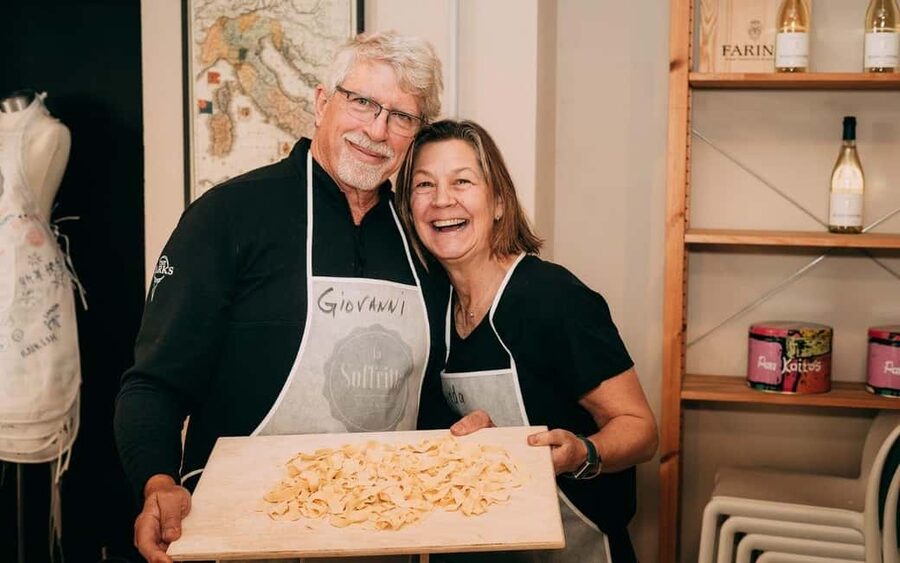
Making pasta is usually the part people picture first, and here you take part rather than stand at the edge of the kitchen. The chef leads you through the process and shares practical tips for working the dough. You should expect to use your hands and pay attention to texture, not just follow a fixed set of measurements.
That is valuable because pasta is one of those foods where the feel of the dough matters. A recipe can tell you quantities, but a chef can show you what the mixture should look and feel like before you continue. The instruction is aimed at home cooks, so the techniques are designed to be repeated in an ordinary kitchen.
The class may prepare the pasta with a sauce as part of the meal. Several participants specifically enjoyed learning fresh pasta alongside risotto and tiramisù, and one session included vegetable risotto as well. The exact menu can vary, so think of the class as a lesson in core Italian methods rather than a promise of one fixed restaurant-style menu.
Risotto made with local rice
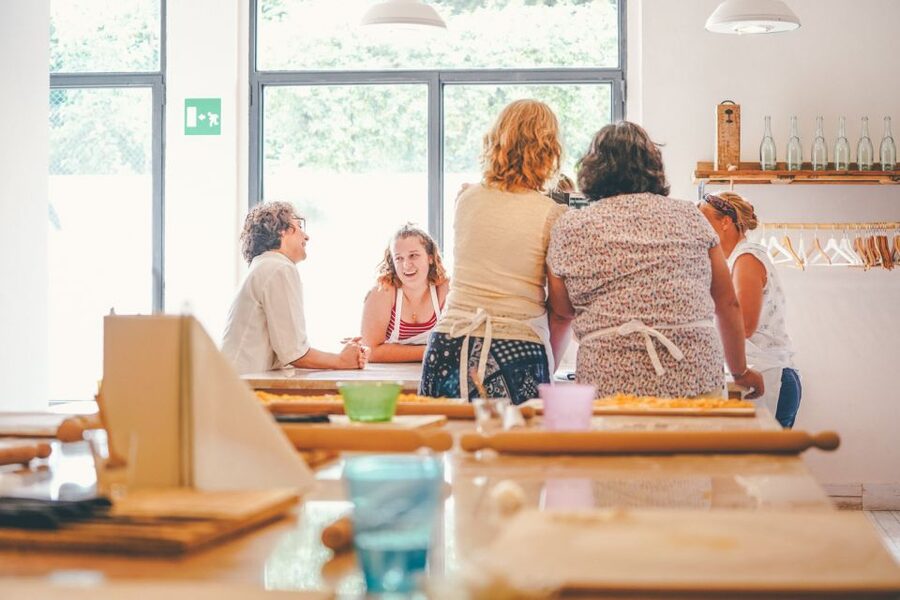
Risotto gives the class a useful regional touch. Rather than treating Italian food as one national style, the lesson uses local rice and explains how the dish develops during cooking. You take part in preparing it, then eat it as part of the meal.
This is a good choice for a cooking class because risotto rewards attention. You need to understand timing, texture, and how the rice changes as it cooks. One participant who normally did not care for risotto came away eager to make it at home, while others singled out the finished risotto as their favorite dish.
The exact flavor may depend on the class menu. The supplied details refer to risotto and, in some sessions, vegetable risotto. You should not book expecting a particular vegetable or recipe unless the operator confirms it, but you can expect the class to use local rice and teach methods that apply to many versions.
More Tiramisu and Dessert Classes in Italy:
- Rome: Pasta Making Class with Wine, Limoncello, and Dessert
★ 4.9 · 3,177 reviews - Rome: 3-in-1 Fettuccine, Ravioli, and Tiramisu Cooking Class
★ 4.9 · 2,704 reviews - Florence: Cooking Class Pasta & Tiramisu Making Unlimited Wine
★ 5.0 · 2,234 reviews - Fettuccine & Tiramisù: Cooking Class with Wine & Limoncello
★ 4.9 · 2,103 reviews
Tiramisù for the sweet finish
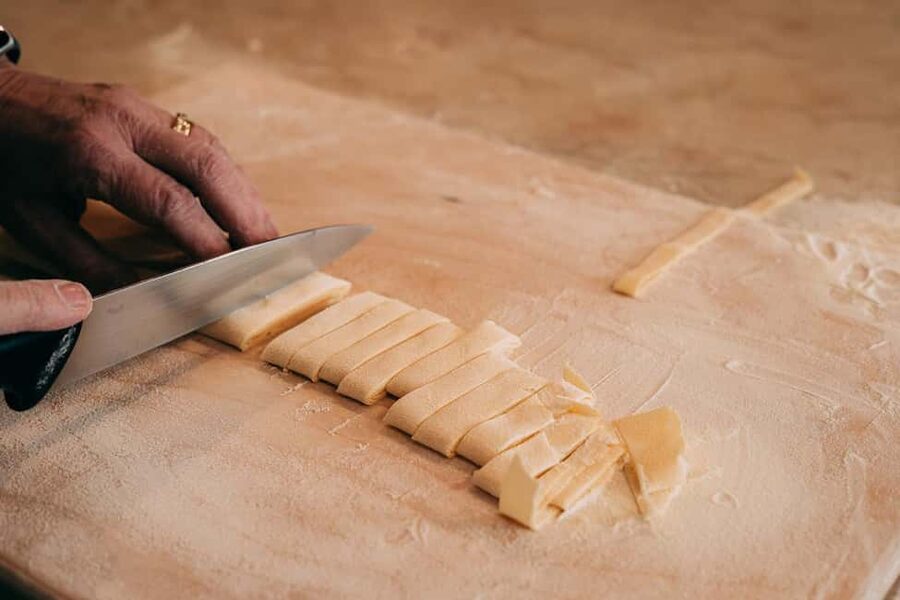
Tiramisù is the easiest dish here to underestimate. It may seem simple, but the balance of coffee, cream, and biscuits depends on careful handling. The chef shows you how to assemble the dessert, and you eat the finished result after the savory courses.
The dessert receives unusually strong praise. Several people describe it as the best tiramisù they had eaten, and it is repeatedly mentioned as a favorite part of the class. That makes it more than a token dessert at the end of lunch.
You also gain a recipe you can repeat at home. It is the sort of dish that works well after a trip because the method is familiar, the ingredients are widely available, and the memory of making it is tied to Verona rather than just buying it in a café.
Eating what you prepare
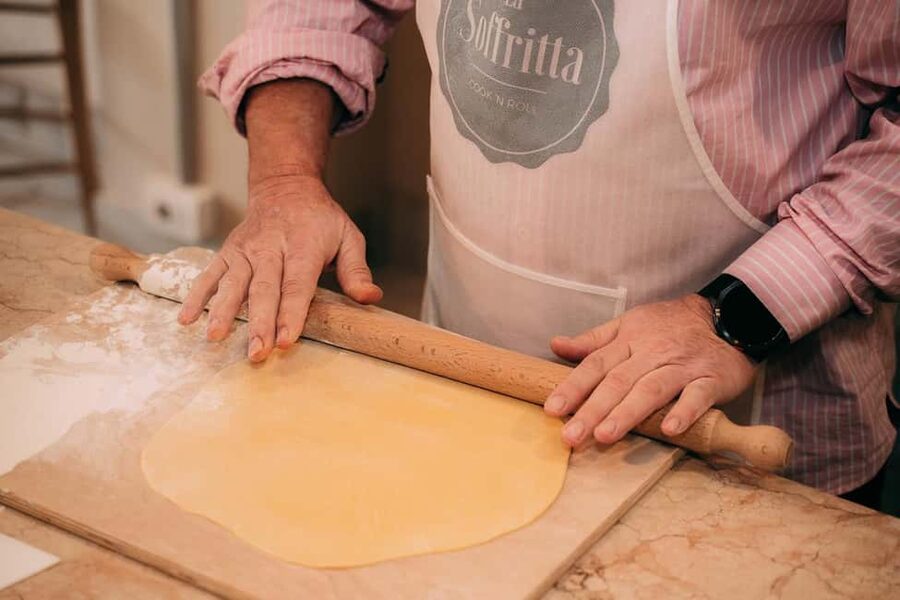
The class concludes with lunch made from the dishes prepared during the session. The meal may begin with a small bruschetta starter, followed by risotto, pasta, and tiramisù, depending on the day’s menu. Wine is included, with local Valpolicella served alongside the food.
The meal changes the mood of the class. You move from measuring, stirring, and asking questions to sitting down with the other participants and enjoying the result. It also gives you a useful test of the recipes: you can taste the pasta and risotto immediately, then ask the chef what you might adjust at home.
Two glasses of wine per person were included in one reported session, but the supplied details only guarantee lunch with wine, not a fixed number of glasses. Drink responsibly, especially if you have another activity afterward.
The social side is part of the value. The group can include people from different countries, and the shared work gives you an easy reason to talk. If you prefer a private lesson with no interaction, this format may feel less suitable. If you enjoy cooking with others, the small group should make the meal more fun without becoming unwieldy.
What the chef adds to the experience
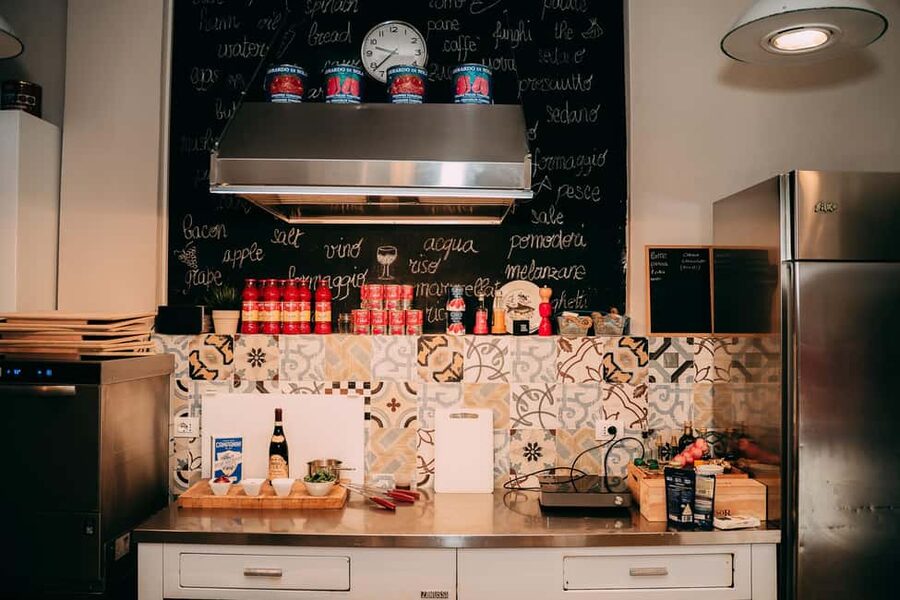
The quality of a cooking class depends heavily on the instructor. Here, Christina is repeatedly praised for her passion, clear English, useful tips, and explanations of regional cooking. Laura is described as patient and generous with family cooking traditions learned from her grandmother and relatives.
Krista and Silvia are also among the instructors associated with the class. Their teaching style is described as friendly, informative, and playful. The best sign is that the chefs appear to involve everyone, answer questions, and keep an eye on less experienced cooks rather than letting confident participants do all the work.
That matters in a group class. You want enough guidance to learn, but not so much interruption that the cooking loses its pleasure. The available information suggests a balance of demonstrations, shared preparation, conversation, and time at the table.
Group size, age rules, and accessibility
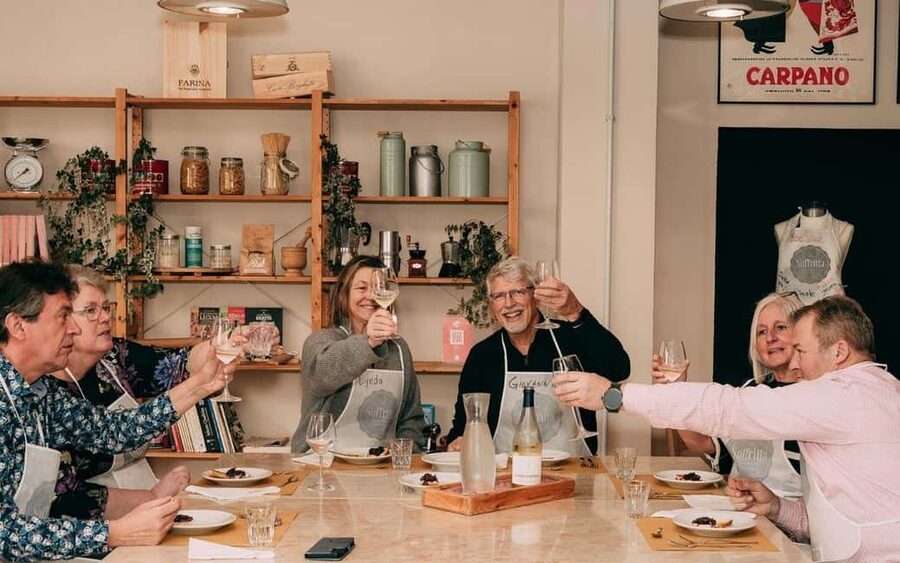
The class is limited to 10 participants, with at least two people required for it to operate. A small group can make a major difference when you are handling dough or trying to follow a risotto technique. It also gives you a better chance to ask about substitutions and home cooking.
Children under 14 cannot join. Minors who meet the age requirement must be accompanied by an adult. One 15-year-old participant received extra attention from the instructors, but the under-14 rule is firm.
The activity is not suitable for wheelchair users, and some parts may not be easy for people with reduced mobility or other disabilities. Contact the provider before booking if you are unsure. That is better than assuming a professional kitchen will be fully accessible.
Dietary restrictions and food planning
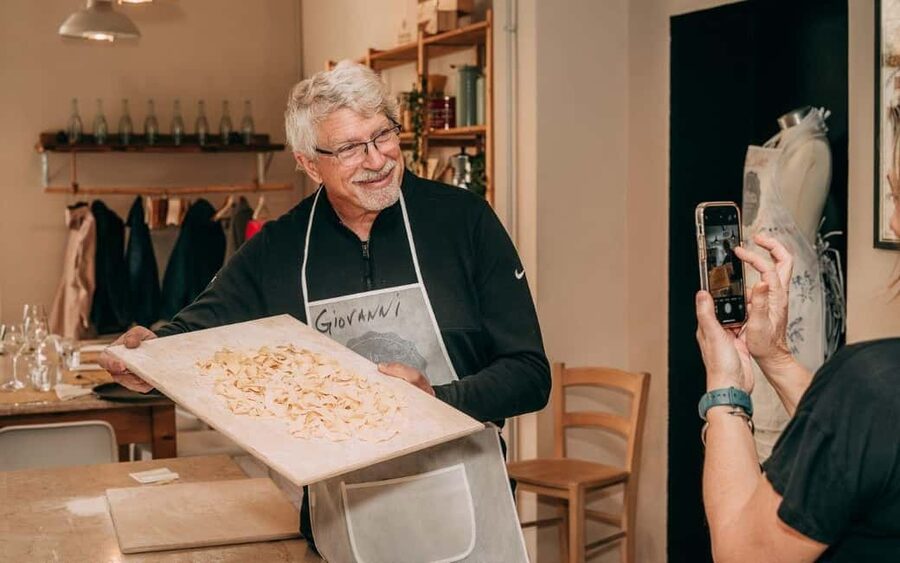
Vegetarian, glucose-free, and lactose-intolerant dietary needs can be catered for when you tell the operator in advance. A celiac participant was also accommodated with care to avoid cross-contamination, but you should still communicate the condition clearly before the class.
Do not wait until you arrive. Italian cooking often includes flour, dairy, eggs, and other common allergens, so the chef needs time to plan safe alternatives. Ask the provider directly if your needs go beyond the restrictions listed here.
The class is not a good place for silent guesswork. Give precise information about allergies and intolerances when booking, and confirm that the planned menu works for you.
Is $107.62 a fair price?
At $107.62 per person, this is not a cheap meal. It becomes better value when you count what is included: 3.5 hours of instruction, ingredients, an apron, lunch, wine, and recipes.
You are paying for more than the food on the plate. The useful part is the instruction, especially the small decisions that a cookbook cannot always explain. If you cook at home, the recipe collection and repeatable techniques add lasting value. If you rarely cook, the experience still gives you a social meal and a direct connection to Italian food traditions.
The price is easier to justify for a couple, family, or small group that wants one active food experience in Verona. It may feel high if you only want to eat local dishes or if you would rather spend the same amount on several casual meals.
The class also replaces part of a regular lunch, so you are not paying for a separate midday meal on top of it. With pasta, risotto, dessert, and wine, the quantity appears substantial, though the exact portions and menu can change.
Who should book this class?
I would choose this for you if you enjoy learning by doing and want a break from sightseeing. It suits couples, friends, families with teenagers aged 14 and older, and solo visitors who like meeting people around a shared table.
It is especially useful for home cooks who want fresh pasta and risotto techniques they can repeat. The recipes, chef tips, and chance to ask questions make it more practical than a demonstration-only lesson.
I would think twice if you dislike group activities, have serious mobility limits, or want a fixed menu confirmed in advance. The class requires participation, lasts 3.5 hours, and may involve standing and moving around a kitchen.
Book early if the available date fits your Verona plans, but keep the cancellation terms in mind: you can cancel up to 24 hours ahead for a full refund, and reserve now while paying later. That gives you some flexibility when your Italian itinerary is still shifting.
Should you book it?
Yes, if you want an active food experience rather than another restaurant meal. The strongest reasons are the small group, the practical pasta and risotto instruction, the well-liked tiramisù, and the included meal with Valpolicella.
The class earns its price when you value skills and memories as much as lunch. Check the age, accessibility, dietary, and timing details first. If those fit, this is a smart three-and-a-half-hour addition to a Verona visit, with recipes that can bring the trip back to your kitchen later.
FAQ
How long does the Verona cooking class last?
The class lasts 3.5 hours. Starting times depend on availability, so check the schedule before booking.
What dishes will I prepare?
The class teaches fresh pasta, risotto made with local rice, and tiramisù. Some sessions also include a small bruschetta starter or vegetable risotto, but the exact menu may vary.
Is lunch included?
Yes. You eat the meal prepared during the class, and wine is included.
What type of wine is served?
The meal includes local Valpolicella wine.
Is the class taught in English?
Yes. The instructor language is English.
How many people are in the group?
The class is limited to 10 participants. A minimum of two participants is required for the activity to operate.
Can children join?
Children under 14 cannot join. Minors who are 14 or older must be accompanied by an adult.
Can dietary restrictions be accommodated?
Vegetarian, glucose-free, and lactose-intolerant requirements can be catered for when you inform the operator in advance. Tell the provider about allergies or celiac needs before the class.
Is the class wheelchair accessible?
The activity is not suitable for wheelchair users, and some parts may be difficult for people with reduced mobility or other disabilities. Contact the provider if you need more specific accessibility information.
Newest classes around Italy
- Cooking Class in a Sicilian countryhouse★ 5.0 · 5 reviews
- Cesarine: Market Tour & Home Cooking Class in Catania★ 4.0 · 6 reviews
- Cesarine: Home Cooking Class & Meal with a Local in Catania★ 4.5 · 10 reviews
- Cooking Class in Taormina with Lunch Included★ 5.0 · 2 reviews
- Cooking class in Capri for small groups★ 4.0 · 4 reviews
- Cooking Class and Wine Pairing in Capri★ 5.0 · 57 reviews
- Lezione di Cucina : Pasta Fresca★ 5.0 · 12 reviews
- Private Cooking Class Experience in Reggio Calabria★ 5.0 · 5 reviews
Verona Cooking Classes, compared.
Verona: Pasta and Tiramisu Cooking Class with Fine Wine
Read our review →
Verona: Pasta and Tiramisu Cooking Class With Free Flowing Wine
Read our review →
Verona: Italian Cooking Class with Pasta, Risotto and Tiramisù
Read our review →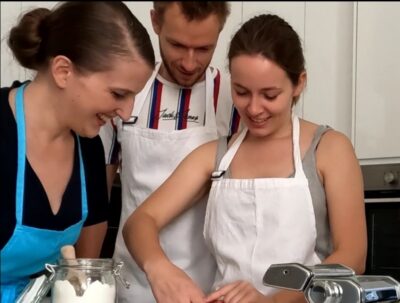
Verona: Authentic Pasta Making Class with a Local Family
Read our review →Browse the lists this tour appears in